
Insights & Updates
The common faults of a fully automatic beverage filling machine.
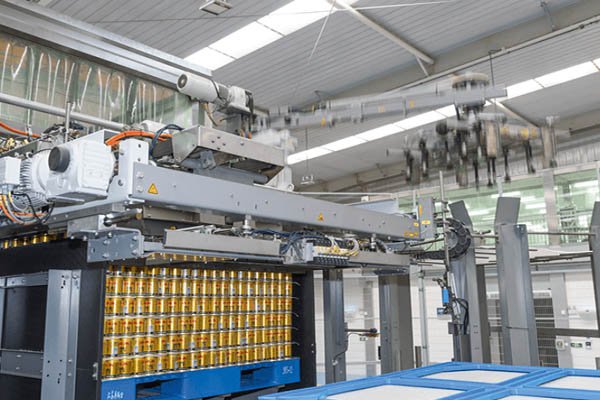
A fully automatic beverage filling machine is one of the essential equipment in the beverage production line, which has the advantages of high efficiency, accuracy, and automation. However, it is inevitable that some faults will occur during long-term operation. Below are the common faults and solutions of a fully automatic beverage filling machine:
- Insufficient or excessive filling amount
When a fully automatic beverage filling machine is filling, it is easy to encounter situations where the filling amount is insufficient or excessive. There are many reasons for this, such as pipeline blockage, unstable air pressure, pump failure, etc. For this type of fault, it can be solved by checking the pipeline, adjusting the air pressure, and replacing the pump.
- Bottles falling or caps not tightened
During the operation of a fully automatic beverage filling machine, it is common for bottles to fall or caps not to be tightened. This type of fault is generally caused by unstable bottles, damaged caps, mechanical wear, etc. For this type of fault, it can be solved by adjusting the position of the bottles, replacing the caps, and repairing mechanical components.
- Conveyor belt jams
The conveyor belt of a fully automatic beverage filling machine is prone to jams after long-term operation. This type of fault is generally caused by debris accumulation on the conveyor belt or improper tightness of the conveyor belt. For this type of fault, it can be solved by cleaning the conveyor belt and adjusting the tightness of the conveyor belt.
- Control system failure
The control system of a fully automatic beverage filling machine may also encounter faults during operation. This type of fault is generally caused by electronic component aging, programming errors, etc. For this type of fault, it can be solved by replacing electronic components, reprogramming, etc.
In conclusion, a fully automatic beverage filling machine is a high-precision and high-efficiency device, but it is inevitable to encounter faults during use. As long as these faults are discovered and dealt with in time, the normal operation of the fully automatic beverage filling machine can be ensured, production efficiency can be improved, and product quality can be guaranteed.
Talk to our engineering team
Need help planning your packaging line?
Share your product, bottle and capacity requirements for a practical equipment recommendation.
Equipment
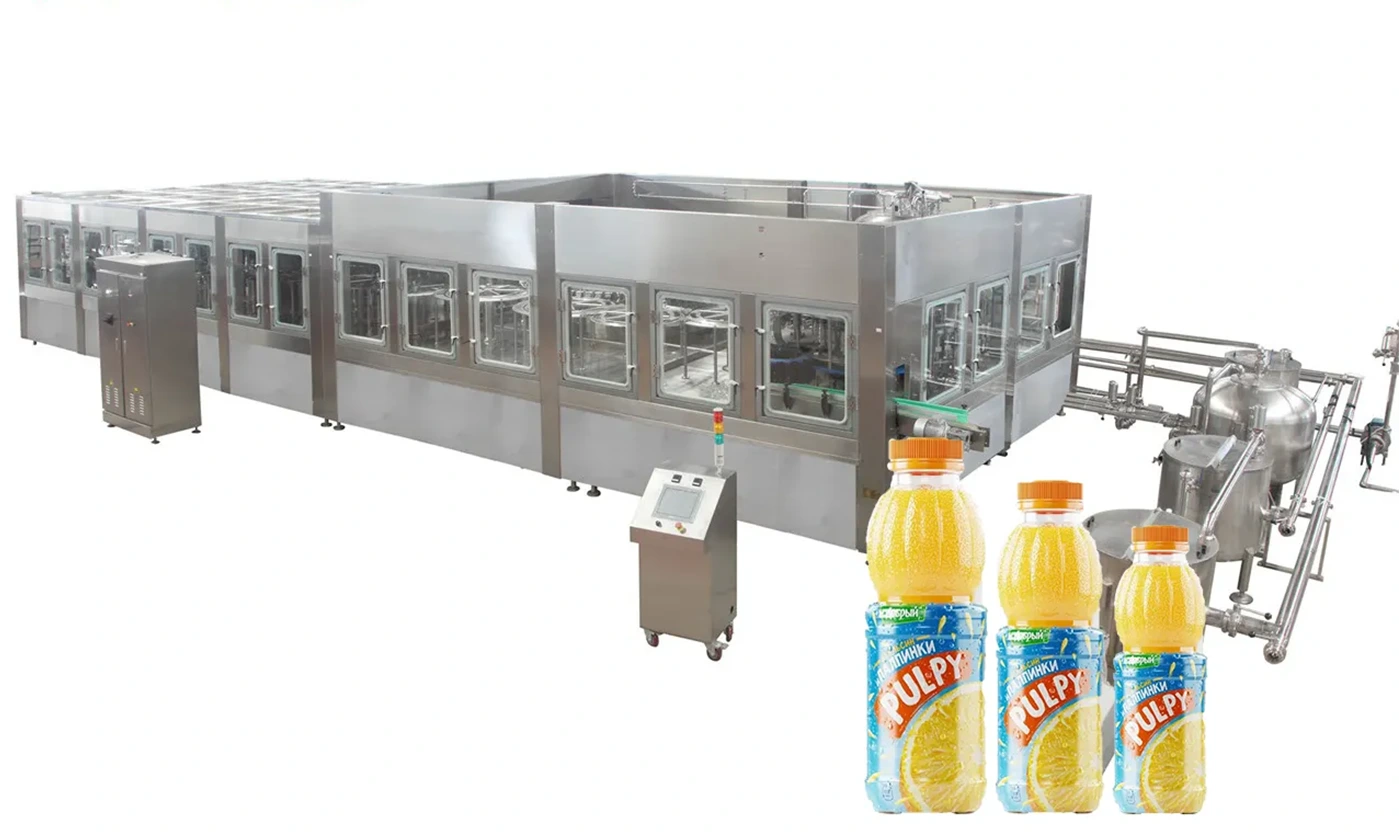
Fully Automatic Beverage Filling Machine
The fully automatic beverage filling machine combines bottle rinsing, filling and capping.
Learn more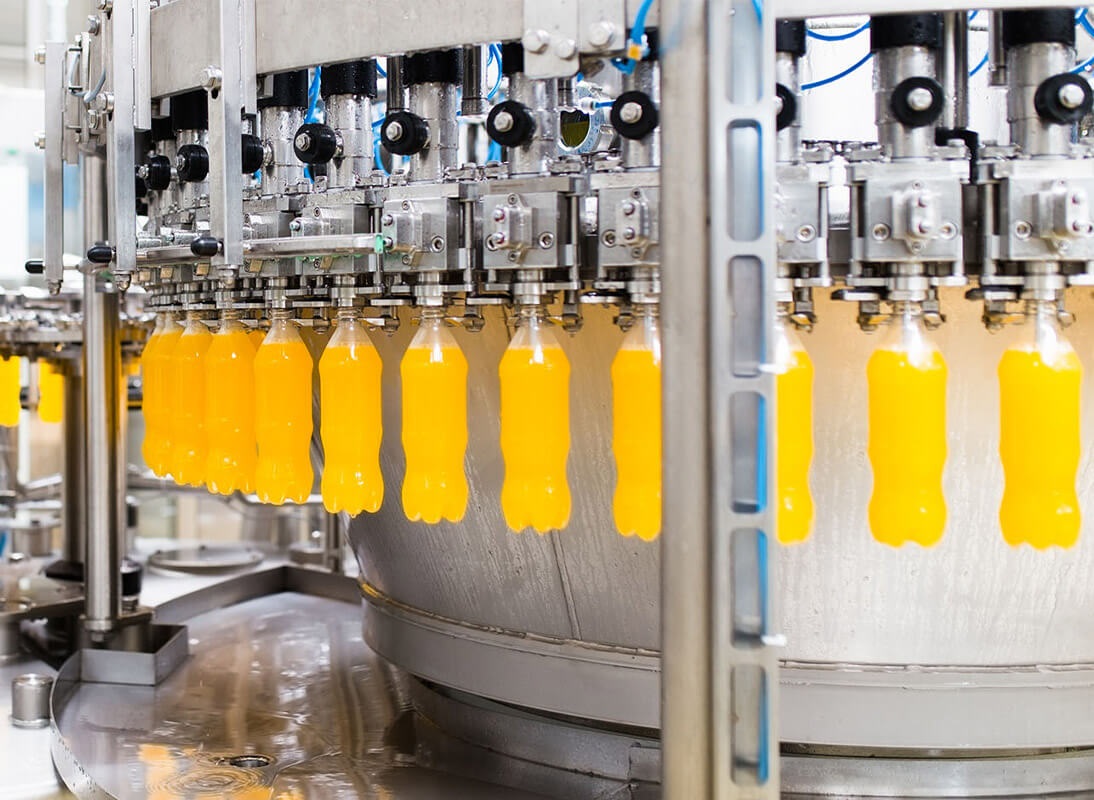
2023-05-10
The Principle and Characteristics of Beverage Filling Machine
It is a multifunctional beverage filling machine. It is used for filling carbonated drinks, soda water, salt soda water and other carbonated drinks. It can also be used for filling juice drinks, pure water and other non-carbonated drinks. It is a new type of practical filling machinery with high practicality.
Learn more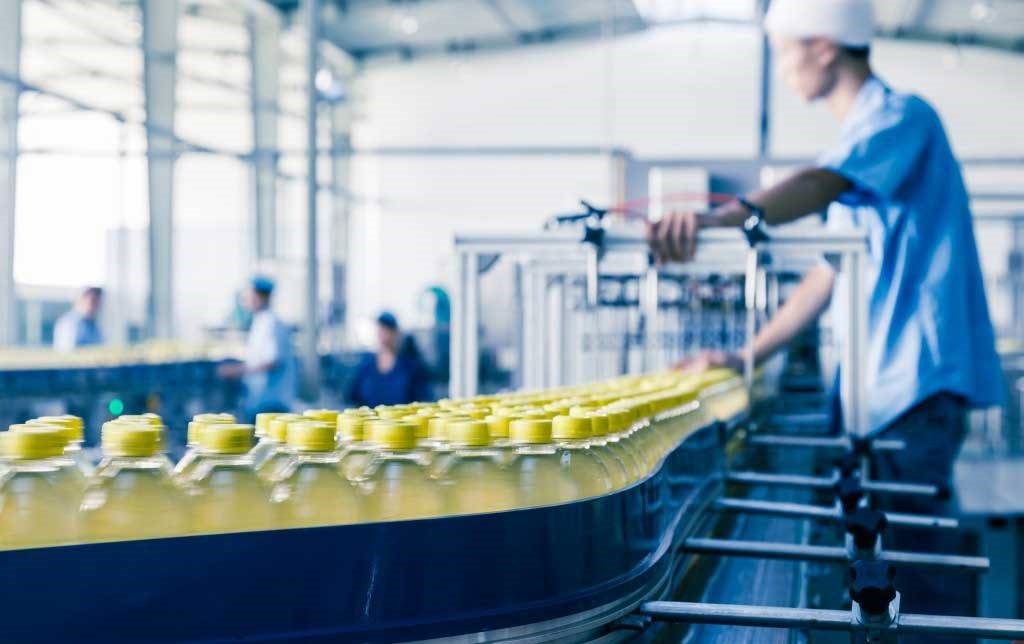
2023-04-26
HZM Machinery: Your Reliable Beverage Filling Machine Supplier
HZM Machinery is a professional supplier of beverage filling machines, dedicated to providing high-quality filling equipment and services to customers worldwide. With years of experience in the industry, we have become a trusted partner for many beverage manufacturers, helping them to improve their production efficiency, reduce costs, and enhance product quality
Learn more2023-05-30
Factors to Consider When Purchasing Beverage Filling Machine Equipment
When it comes to the production stage of a product, for beverage manufacturing companies, selecting a versatile, efficient, and low-consumption filling machine is exceptionally crucial. So, how do you choose a beverage filling machine that is both up-to-date and cost-effective?
Learn more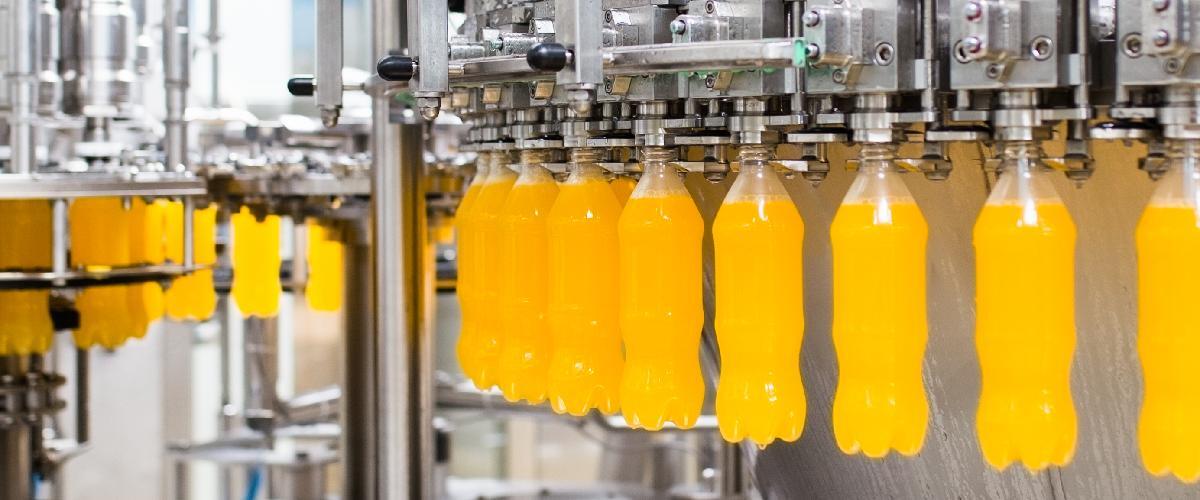
2023-07-12
Key Features of Fully Automatic Beverage Filling Machines
Fully automatic beverage filling machines have gained increasing popularity and trust in various industries. As the demand for these machines grows, businesses face greater pressure to invest in them. In this article, we will explore the key features of fully automatic beverage filling machines that make them a valuable asset for companies.
Learn more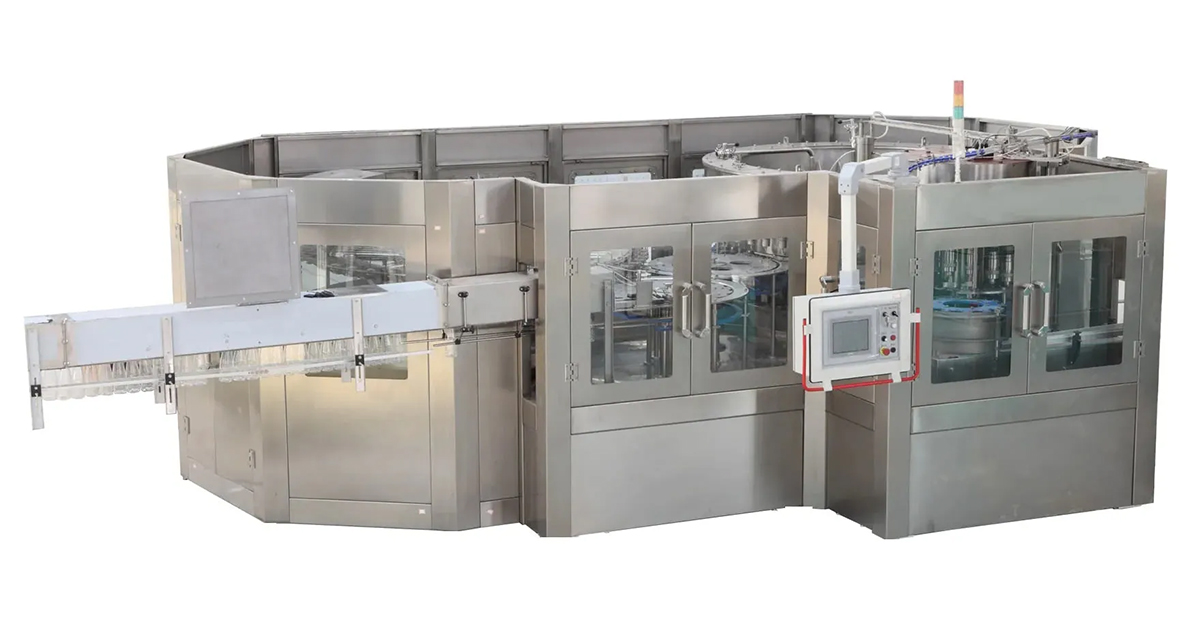
2023-07-20
How much does an automatic beverage filling machine cost?
the price range for an automatic beverage filling machine is wide, ranging from a few thousand dollars to hundreds of thousands of dollars. The price difference is primarily influenced by the following factors
Learn more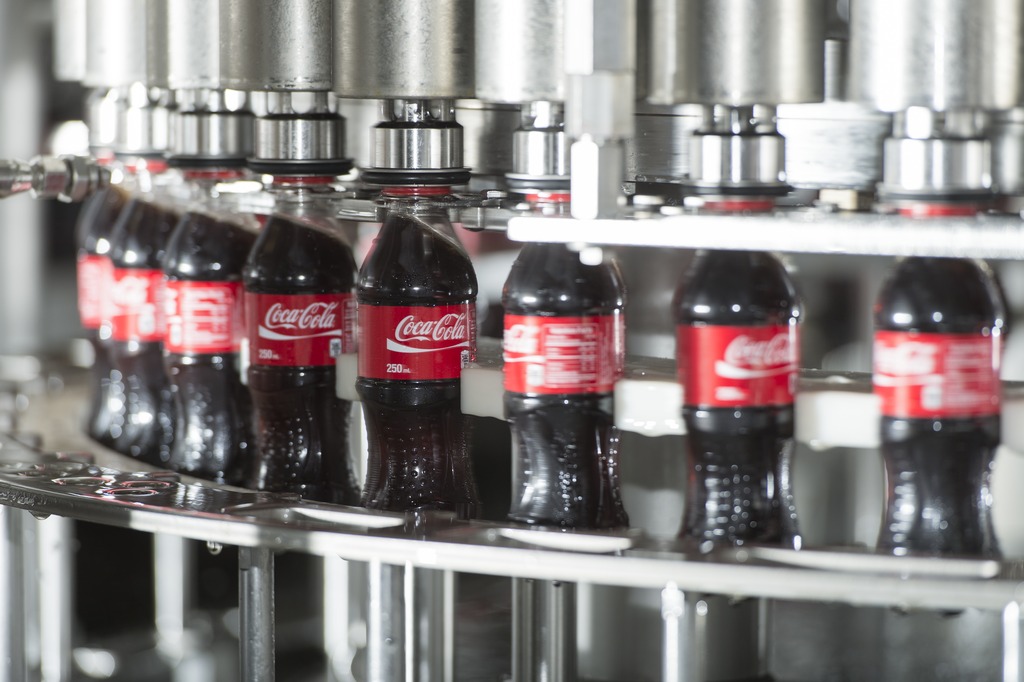
2023-07-26
Three-in-One Beverage Filling Machine for Sale
Our three-in-one beverage filling machine incorporates state-of-the-art technology, ensuring high efficiency and reliable operation of your beverage production line. Key features include
Learn more