
Insights & Updates
Glass Bottle CSD Filling and Capping Line: Buyer’s Guide
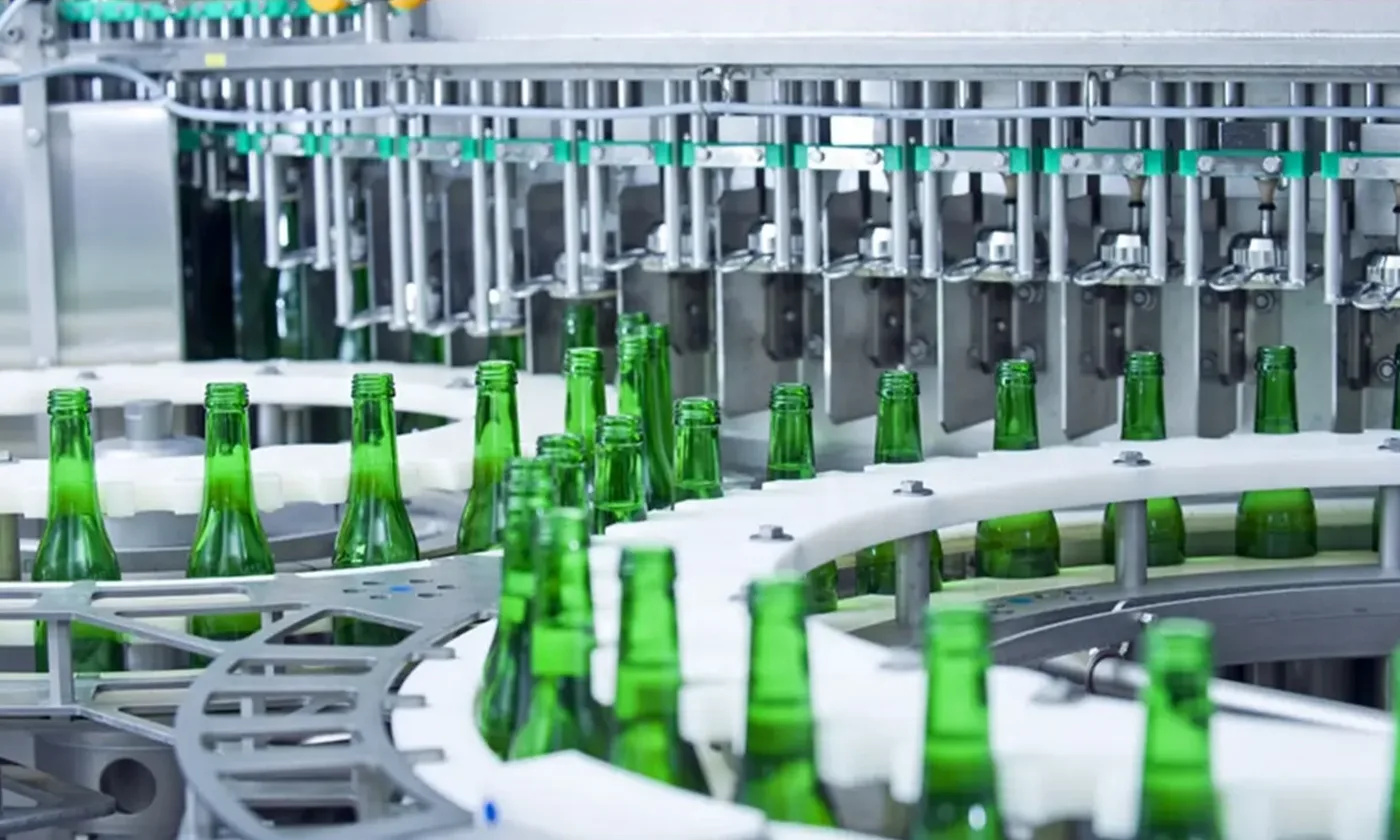
Glass bottles give carbonated drinks a premium appearance and a strong gas barrier, but they also create demanding line conditions. Bottles are heavier than PET, dimensions can vary, broken glass must be controlled and carbonation is sensitive to temperature and pressure changes. A reliable glass bottle CSD line is therefore designed around the complete product-package combination—not a generic bottles-per-hour figure.
Filling method, bottle handling, closure control and cleaning access determine how well a machine fits the beverage and production schedule.
Start with the actual bottle, beverage and closure
Send production samples or controlled drawings for every important bottle and closure. Record nominal volume, bottle height and diameter, neck finish, empty weight, base geometry and dimensional tolerances. For the beverage, define filling temperature, target carbonation, foaming behavior and required net content.
Crown caps, aluminum screw caps and other closures need different feeding and closing equipment. The closure choice also affects inspection, change parts and quality-control methods. A proposal that says only “glass bottle” leaves critical engineering decisions open.
Counter-pressure filling protects carbonation
Carbonated product is normally filled under controlled pressure. The container is sealed against the valve, pressure is equalized, beverage enters with a managed flow and the pressure is released in a controlled way before discharge. The objective is to limit foaming and carbon-dioxide loss while achieving repeatable fill quantity.
Stable product temperature, carbonation, bowl pressure and supply flow are as important as the valve. If warm or changing product reaches the filler, operators may be unable to correct the problem mechanically. A glass bottle CSD filling machine should therefore be specified together with the beverage mixer, cooling and transfer conditions.
Container handling must tolerate real glass variation
Glass bottles need stable support through infeed screws, guides, star wheels and conveyors. Abrupt transfers can create scuffing, impact, tipping and breakage. The design should manage bottle fragments and allow safe cleaning after a break without spreading contamination into open containers.
Test the lightest, tallest or otherwise most difficult commercial bottle during acceptance. If returnable bottles are used, define inspection and washing requirements separately; a simple rinse is not equivalent to a validated returnable-bottle washing process.
Capping quality is part of product integrity
A filled bottle is not saleable until the closure creates the intended seal. Crown capping depends on compatible bottle finish, crown, head and adjustment. Other closures require their own torque or dimensional controls. Inspect more than appearance: use the closure supplier’s and equipment supplier’s defined measurements and leak tests.
Cap feed should be stable at line speed and designed for accessible cleaning. Low-cap detection and controlled line response prevent bottles from leaving without a closure.
Hygiene and cleanability
Product-contact materials and elastomers must suit the beverage and cleaning chemicals. The product circuit should support the intended cleaning flow, temperature and drainage. Areas below the filler need effective product and broken-glass management so residues do not accumulate.
Define which parts are cleaned in place, which require removal and how the result will be verified. “CIP ready” is too vague unless the circuit, connection points and operating sequence are documented.
Changeover flexibility
For multiple bottles, ask for a format matrix listing every guide, star wheel, infeed component, filling-height adjustment and capper change. A fast filler can still be a poor fit if a frequent format change takes most of a shift.
During factory testing, complete at least one representative changeover with the tools and staff expected in production. Record the time, settings and verification steps. Repeatable scales, keyed parts and recipe control reduce dependence on operator memory.
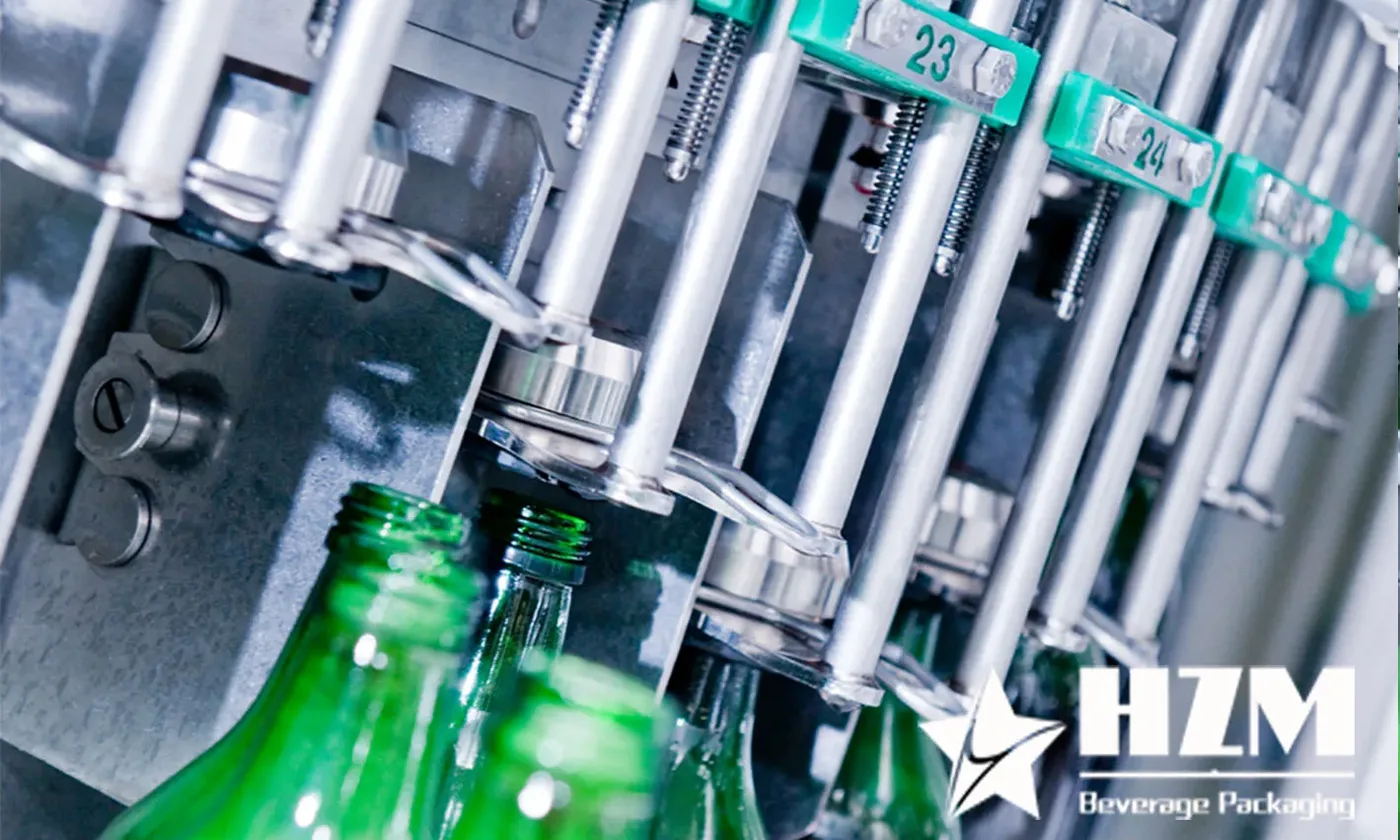
Line balance beyond the filler
A glass line may include depalletizing, bottle washing or rinsing, inspection, filling, capping, pasteurization where required, labeling, case packing and palletizing. Conveyor accumulation needs care because excessive pressure increases bottle contact and breakage risk.
Specify each machine’s normal operating speed above the required net line output, but do not simply maximize every nameplate. The control system should coordinate slowdowns and stops so one short downstream event does not create a line-wide pileup.
Quality checks during production
- Fill quantity by filling position and at defined intervals.
- Product temperature, pressure and carbonation at the relevant points.
- Foaming and product loss during normal running, restart and speed change.
- Closure application, leak performance and visible bottle damage.
- Broken-bottle response and line-clearance effectiveness.
- Inspection and reject-device challenge tests.
Factory and site acceptance
Agree on an acceptance protocol before the order. It should identify the commercial bottle, cap and product conditions, test duration, required saleable output, quality measurements and permitted exclusions. An empty-water test cannot prove carbonated beverage performance unless the remaining product test is explicitly planned.
Site acceptance should also verify utilities, operator training, safety devices, documentation and spare parts. Record open items with responsibilities and completion dates.
Information for a reliable quotation
- Beverage specification, temperature and carbonation target.
- Bottle and closure drawings plus production samples.
- Required output for each bottle size and planned SKU mix.
- Whether bottles are new or returnable.
- Required thermal process, inspection, label and final pack.
- Factory layout, utilities, line direction and future expansion plan.
HZM can combine isobaric filling, capping, conveying and downstream beverage packaging equipment around those inputs. The strongest buying case is not a list of generic selling points; it is evidence that the proposed line can repeatedly handle the actual glass package and carbonated product.
Talk to our engineering team
Need help planning your packaging line?
Share your product, bottle and capacity requirements for a practical equipment recommendation.
Equipment
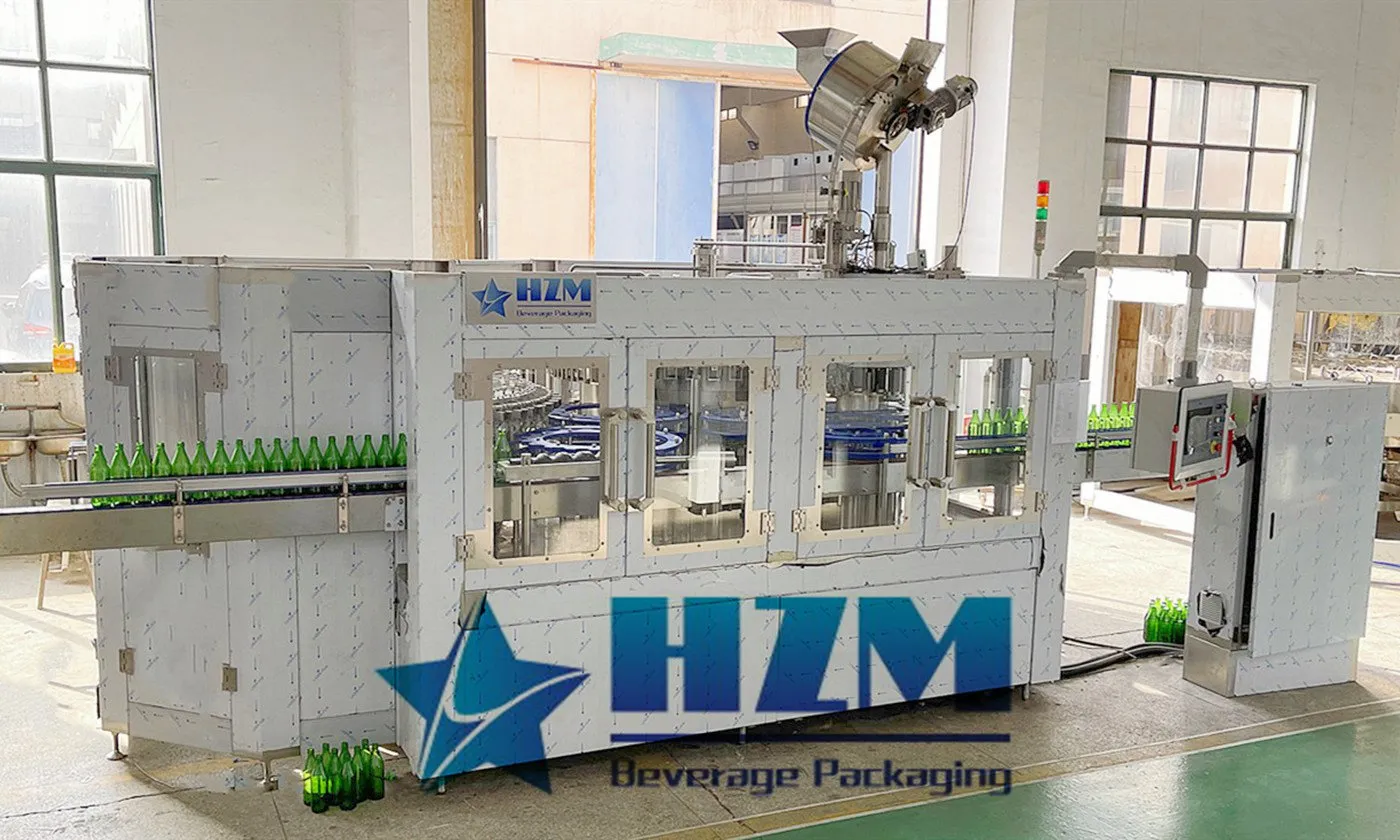
Glass Bottle CSD Beverage Filling Machine
Glass bottle filling for carbonated beverages, with isobaric filling and capacities of 2,000–20,000 bottles/hour at 500 ml.
Learn more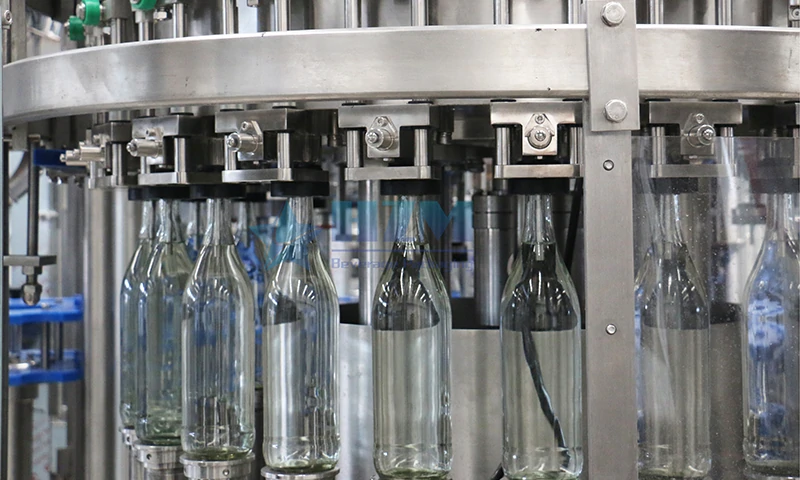
Equipment
Glass Bottle CSD & Water Drinks Filling Machine
DXGF24-24-8-8 glass bottle isobaric filling for carbonated drinks, with rinsing and two capping stations.
Learn more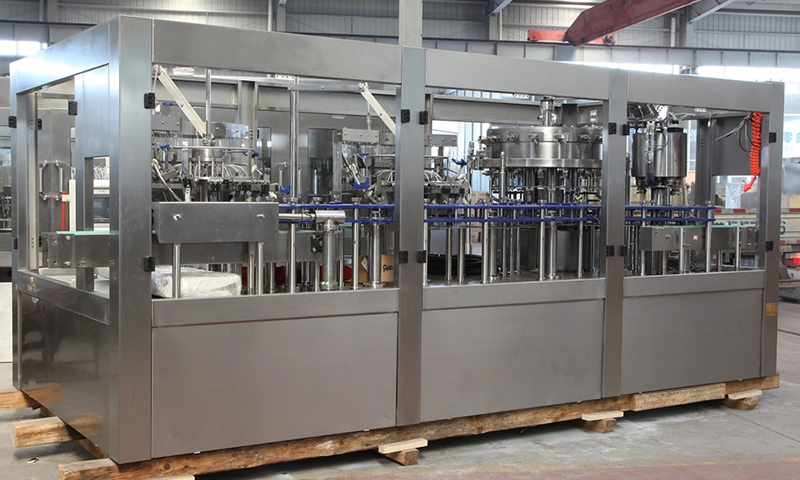
Equipment
Glass Bottle Filling Machine – DXGF14-12-5
DXGF14-12-5 glass bottle rinsing, isobaric filling and capping for carbonated drinks, at 2,000–3,000 bottles/hour for 750 ml bottles.
Learn more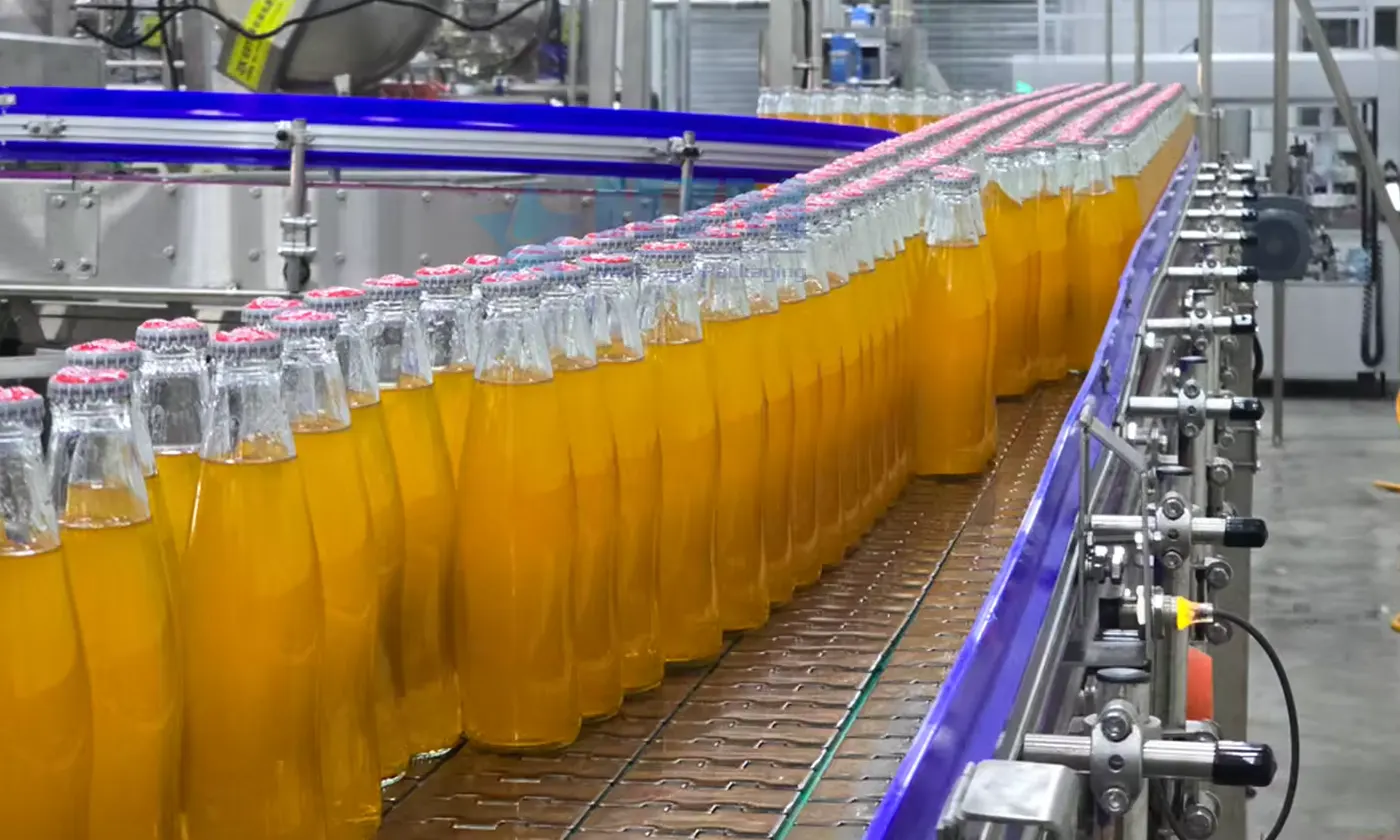
Equipment
Glass Bottle Carbonated Beverage Filling Bottling Line
This glass bottle carbonated beverage line combines bottle rinsing, isobaric filling and capping with conveying, labelling and packing.
Learn more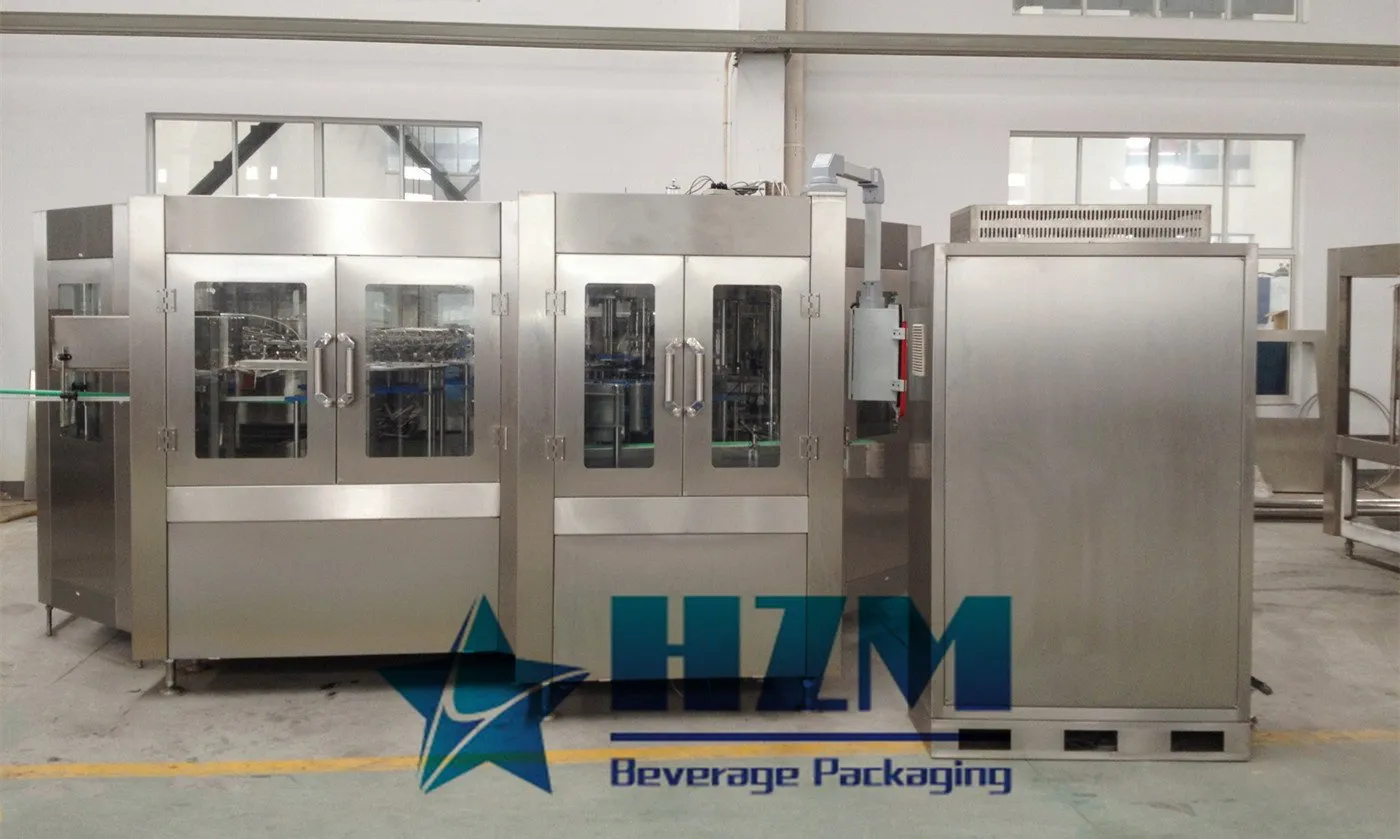
Equipment
PET Bottle CSD Beverage Filling Machine
Automatic PET bottle rinsing, isobaric filling and capping for cola, soda water and other carbonated soft drinks.
Learn more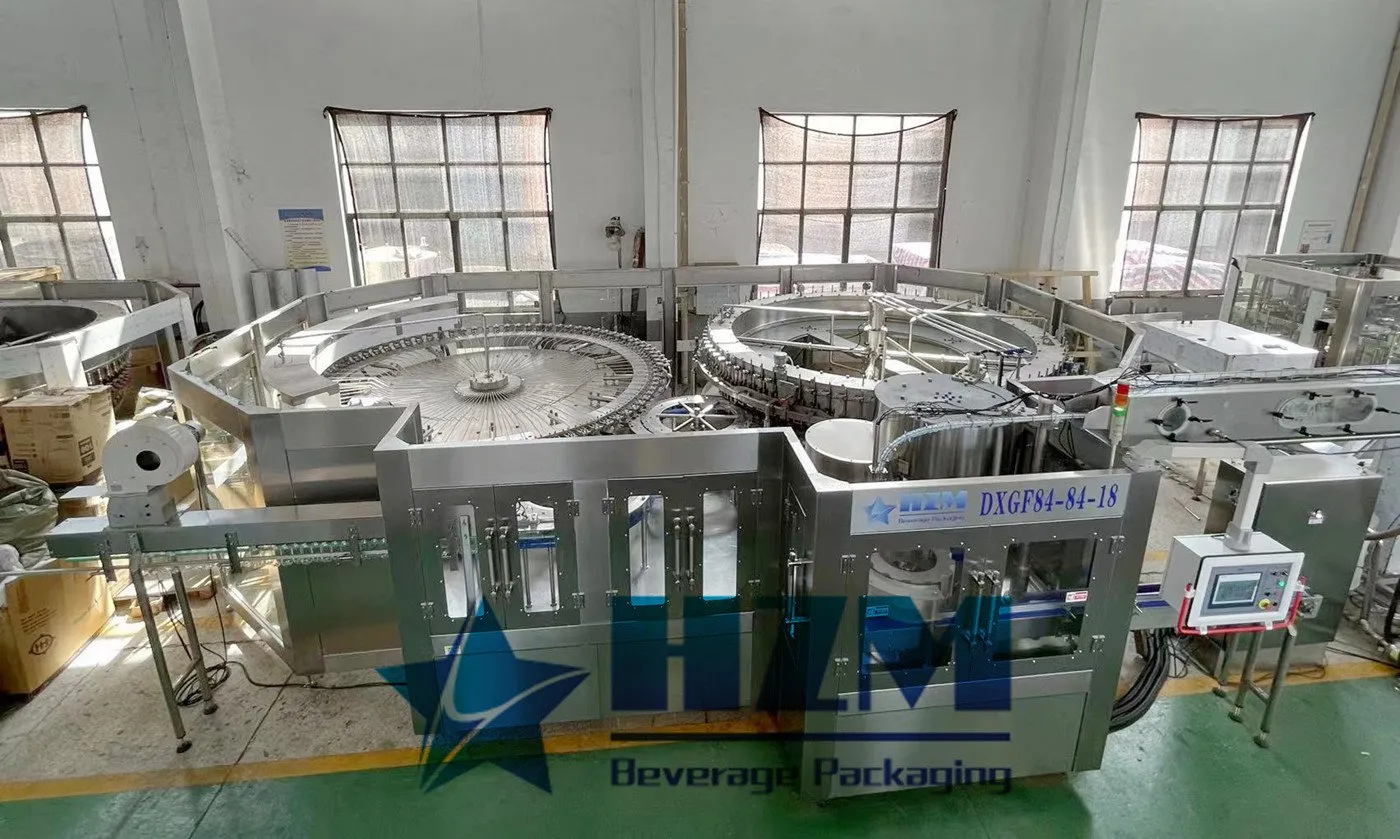
Equipment
Carbonated Drinks Filling Machine
Carbonated drink rinsing, isobaric filling and capping for PET bottles, with capacities of 4,000–36,000 bottles/hour at 500 ml.
Learn more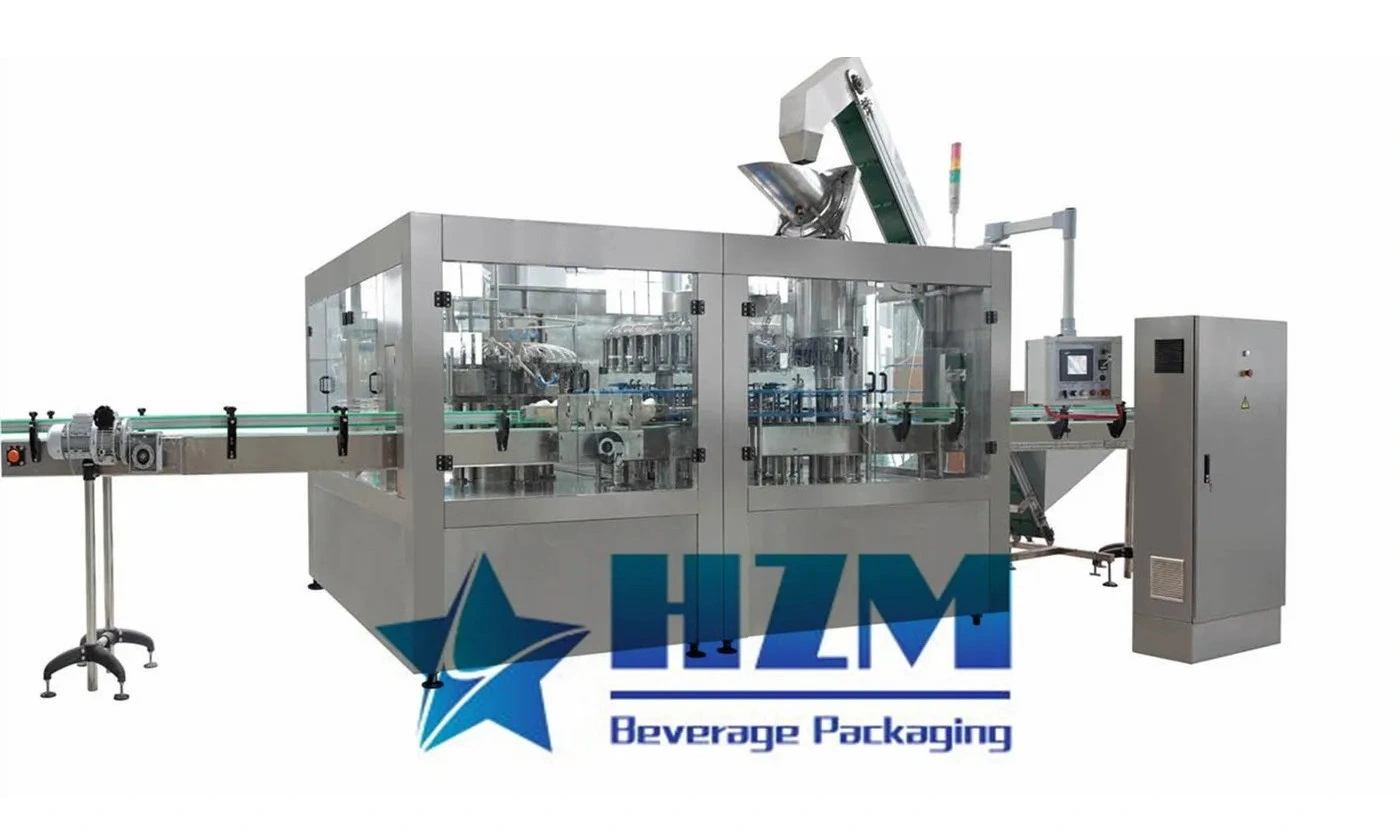
Equipment
Glass Bottle Juice Beverage Filling Machine
Glass bottle juice filling with rinsing and capping, for juice, tea and other still beverages.
Learn more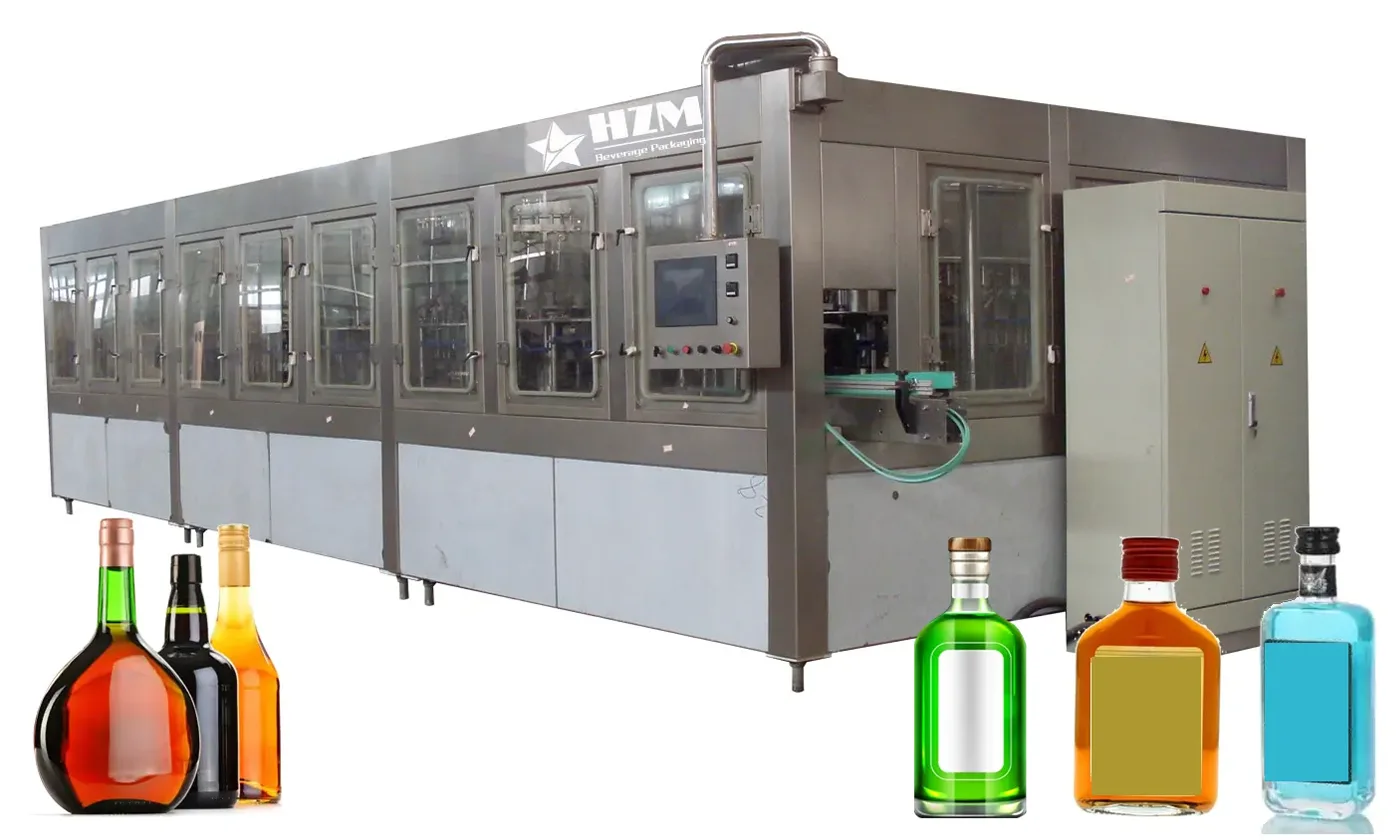
Equipment
Automatic Glass Wine Bottle Filling Machine
The glass-bottle filling machine combines rinsing, filling and capping for wine and compatible beverage products.
Learn more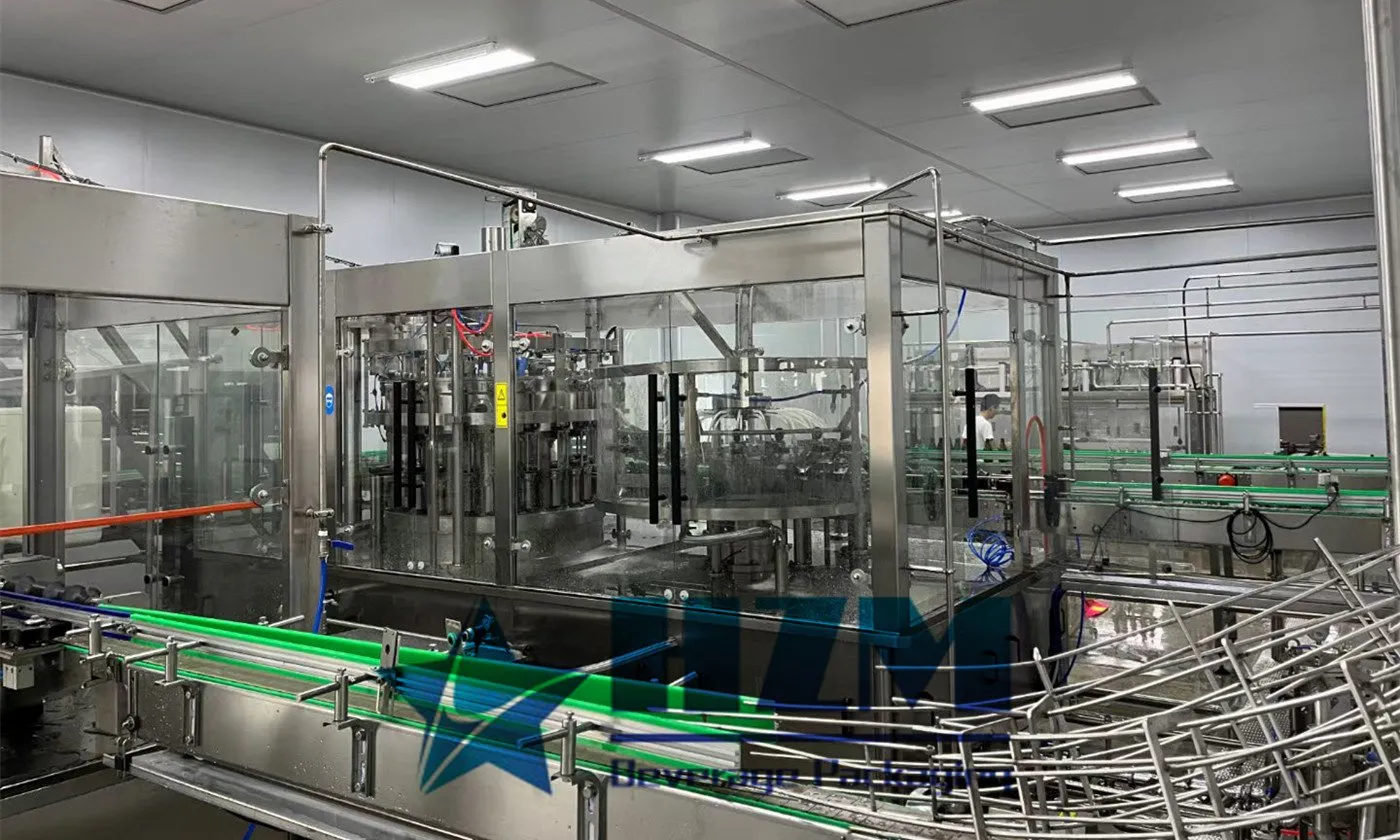
Equipment
CSD Beverage Can Filling Machine
CGS can filling and seaming for carbonated beverages, with capacities of 6,000–36,000 cans/hour at 330 ml.
Learn more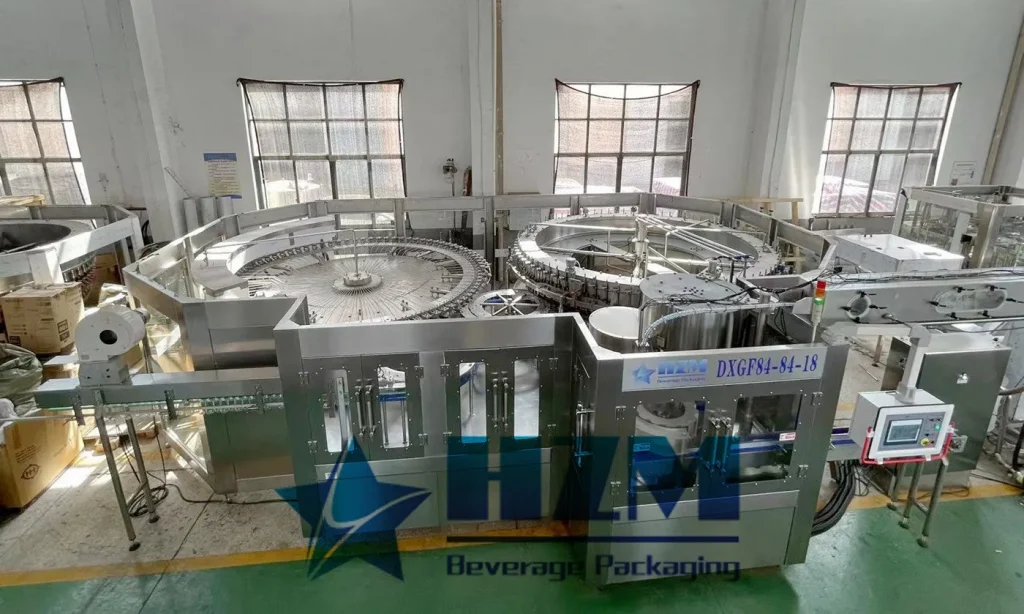
2023-09-22
Choosing Between Used and New Carbonated Beverage Filling Machines
When it comes to setting up or expanding your carbonated beverage production line, one of the critical decisions you'll face is whether to invest in a new or used carbonated beverage filling machine. Both options have their advantages and disadvantages, and making the right choice depends on your specific needs and circumstances.
Learn more2023-06-06
Automatic PET Bottle CSD Beverage Filling Machine
Fully Automatic PET Bottle CSD Beverage Filling Machine - The Efficient Tool for Beverage Production
Learn more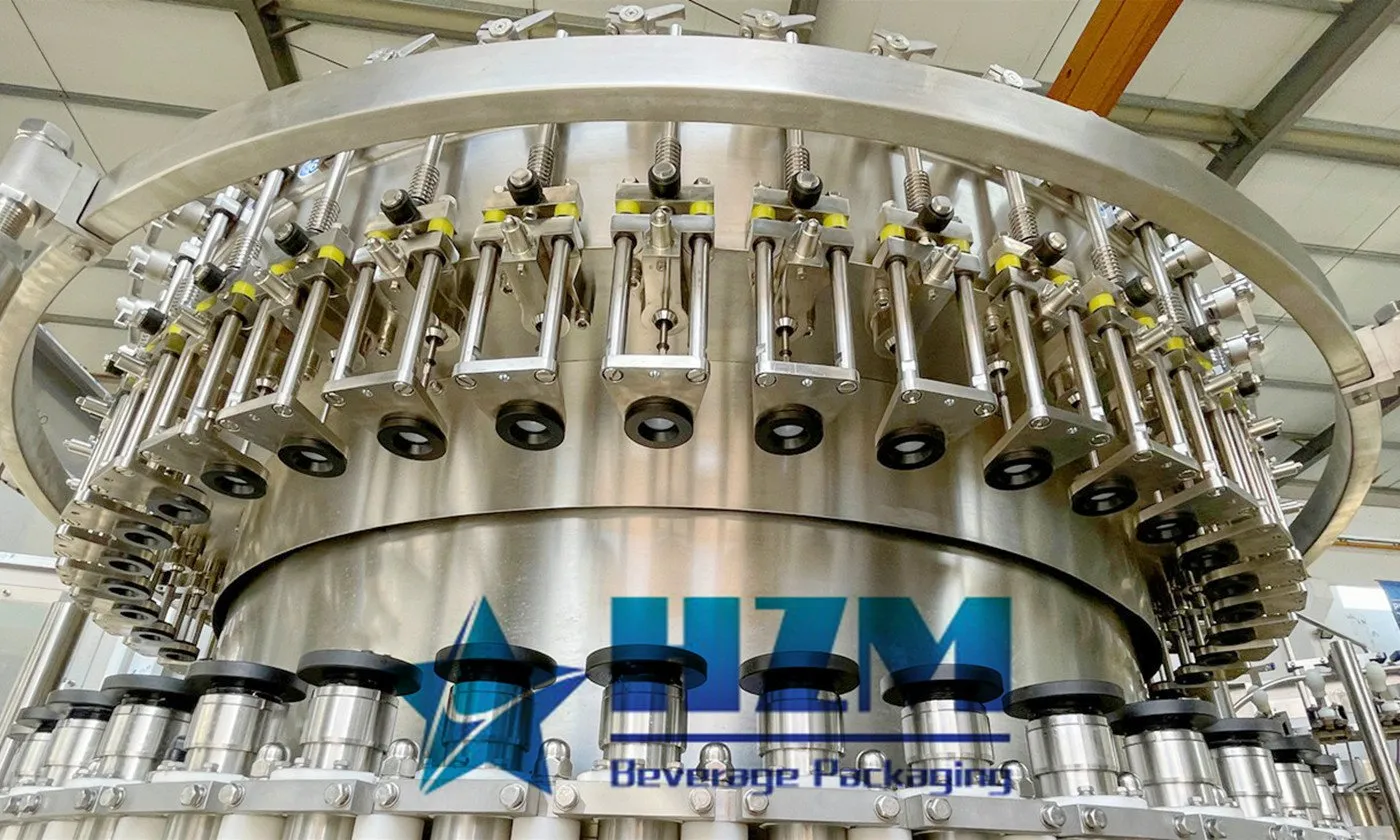
2023-05-05
Glass Bottle CSD Beverage Filling Machine Tips
Glass Bottle CSD Beverage Filling Machine is a type of equipment used in the beverage industry for filling carbonated soft drinks (CSD) into glass bottles. The machine is designed to accurately fill the bottles with the required amount of CSD while maintaining the carbonation levels and preventing spillage.
Learn more2023-06-07
Glass Bottle Packaging Equipment
What’s timeless, classic, and beautiful to look at? The answer is Water, Juice, Dairy, Liquor, CSD, Beer, Wine, Pharma, Cosmetic etc products in glass packaging.
Learn more2023-06-09
Glass Bottle Filling Line Guide: Pressure Control for Carbonated Beverages
Practical HZM guidance on glass bottle filling line, focused on pressure control for carbonated beverages, line integration, RFQ data and measurable acceptance checks.
Learn more2023-06-09
Glass Bottle Filling Line Guide: Crown, Cap and Closure Quality
Practical HZM guidance on glass bottle filling line, focused on crown, cap and closure quality, line integration, RFQ data and measurable acceptance checks.
Learn more