
Insights & Updates
Precautions for Beer Filling Machine
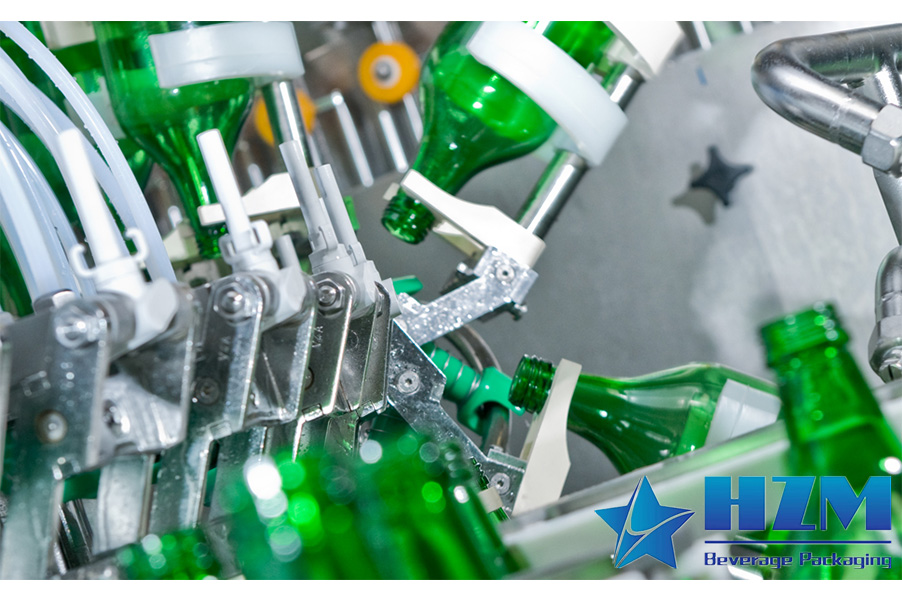
Ensuring Cleanliness
(1) Clean Packaging Containers:
All packaging containers used must undergo cleaning and strict inspection to prevent contamination of the beer after packaging.
(2) Clean Filling Equipment:
Particularly the beer valves and tanks of the filling machine must be cleaned and sterilized. After each shift, flush the equipment with water and add disinfectant for sterilization. Weekly, clean and sterilize the beer valves, tanks, and pipes. Any parts in contact with beer should be free of deposits, beerstone, and contaminants. It’s advisable to isolate the filling machine from other equipment, and lubrication parts of the filling machine and the beer-filling parts should prevent cross-contamination. Lubrication for conveyor belts should use specialized soapy water or lubricating oil.
(3) Clean Pipes:
All pipes, especially those directly or indirectly in contact with beer, should be kept clean. Daily flushing, weekly cleaning, and sterilization before each use are essential.
(4) Clean Compressed Air or CO2:
Compressed air or CO2 used for pressurization must be purified. Oil-free compressed air from air compressors should undergo deodorization, drying, or air-water separation. Air filters should be cleaned regularly, and deodorant filter media should be replaced promptly. For CO2, it should be purified and dried to ensure a purity level of over 99.5%.
(5) Clean Environment:
Maintain a clean and sanitary environment in the filling room, performing cleaning and sterilization at the end of each shift.
Preventing Oxygen Ingress
The entry of oxygen during the beer filling process can greatly harm beer quality. Reducing oxygen ingress and minimizing oxidation are of paramount importance.
(1) Lower Filling Pressure or Raise Filling Temperature:
Reducing oxygen dissolution by using purified CO2 as a pressure source or employing vacuum-assisted CO2 filling.
(2) Eliminate Air in Bottle Neck:
After beer filling and before sealing the cap, use methods such as bottle knocking, high-pressure water or CO2 injection, dripping beer, or ultrasonic oscillation to release CO2 from the beer in the bottle, creating fine foam to push out the air in the bottle neck. This operation is known as “foam expulsion” or “bubble burst.”
(3) Positioning Filling Machines Close to Bright Beer Tanks:
To lower air pressure during beer transfer, positioning filling machines as close as possible to bright beer tanks or using pumps to minimize oxygen dissolution.
(4) Pre-filling Pipe and Filling Machine Tanks with Water:
Fill pipes and filling machine tanks with water before filling, expelling the air, and topping with beer to reduce beer-air contact.
(5) Add Antioxidants to Beer:
Add antioxidants like Vitamin C (or its sodium salt) and bisulfite to the beer.
Low-Temperature Filling
Low-temperature filling is a fundamental requirement for beer filling. At lower temperatures, CO2 losses are reduced, and foam production is minimized, which is beneficial for beer filling.
(1) Beer Filling Temperature should be around 2°C and should not exceed 4°C. In case of higher temperatures, the beer should be cooled before filling.
(2) Cool the Beer Lines and Filling Machine Tanks:
Prior to each filling, especially in high-temperature conditions, use water at 1-2°C to lower the temperature of the beer lines and filling machine tanks.
Sterilization
Sterilization of bottled beer is a means to ensure beer’s biological stability. It is essential to control sterilization temperature and time to guarantee the sterilization effect. Additionally, one should avoid excessively high sterilization temperatures or prolonged sterilization times to minimize beer oxidation. After sterilization, the beer should be rapidly cooled to below a certain temperature (preferably below 35°C).
Talk to our engineering team
Need help planning your packaging line?
Share your product, bottle and capacity requirements for a practical equipment recommendation.
Equipment
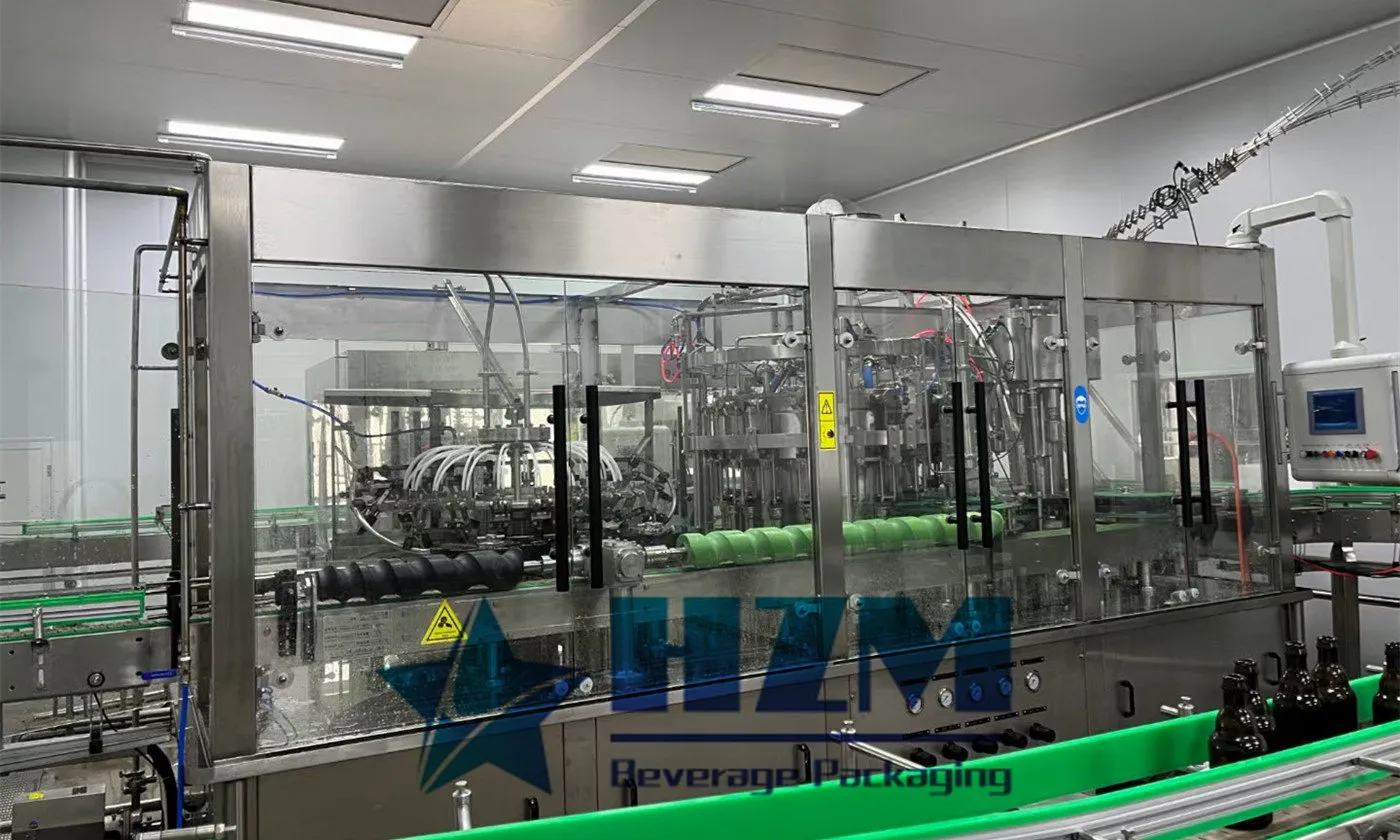
Craft Beer Can Filling Machine
Craft beer can filling and seaming with CGS models from 6,000 to 36,000 cans/hour at 330 ml.
Learn more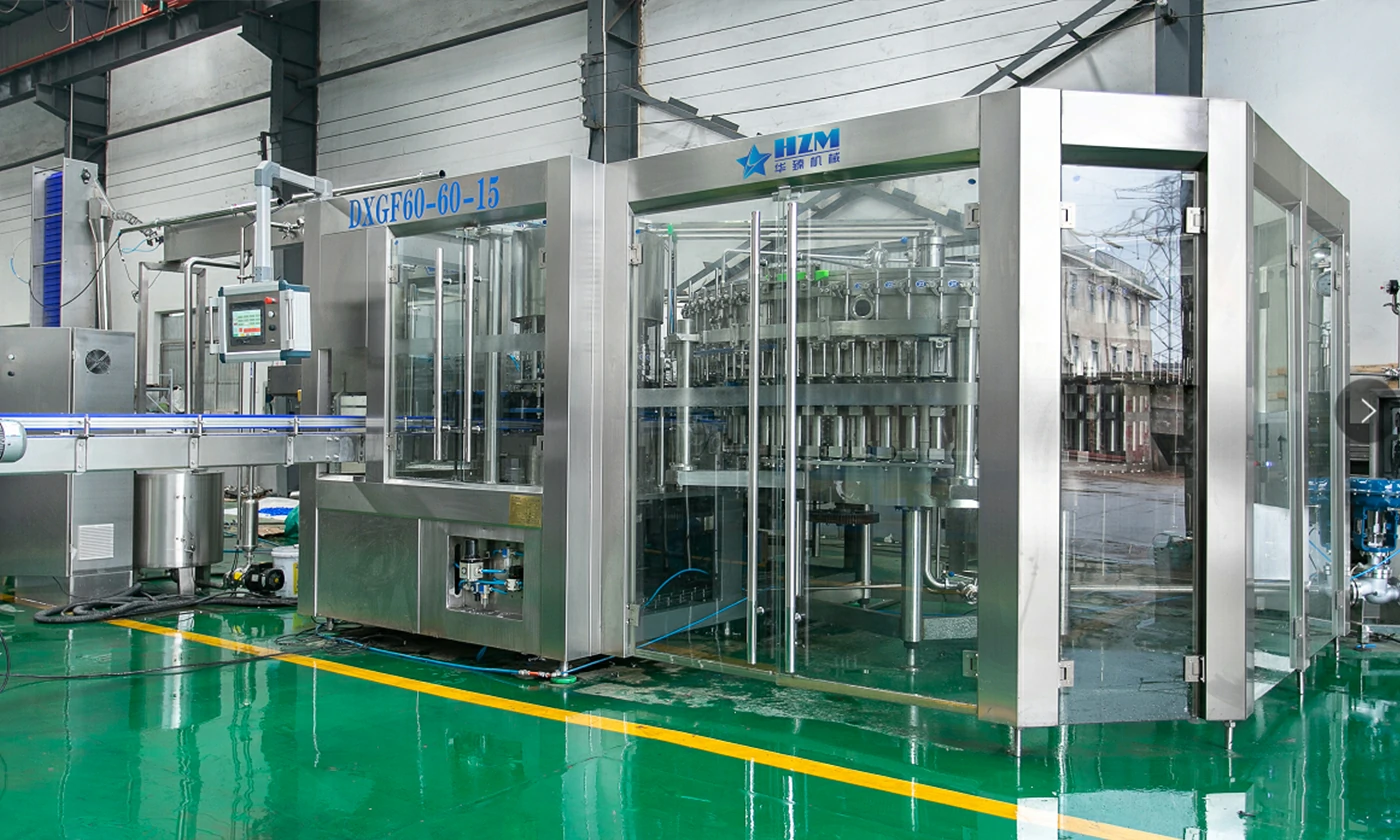
Equipment
Glass Bottle Beer & Beverage Filling Machine
DXGF60-60-15 glass bottle rinsing, isobaric filling and capping for beer and beverages, at 18,000 bottles/hour for 500 ml bottles.
Learn more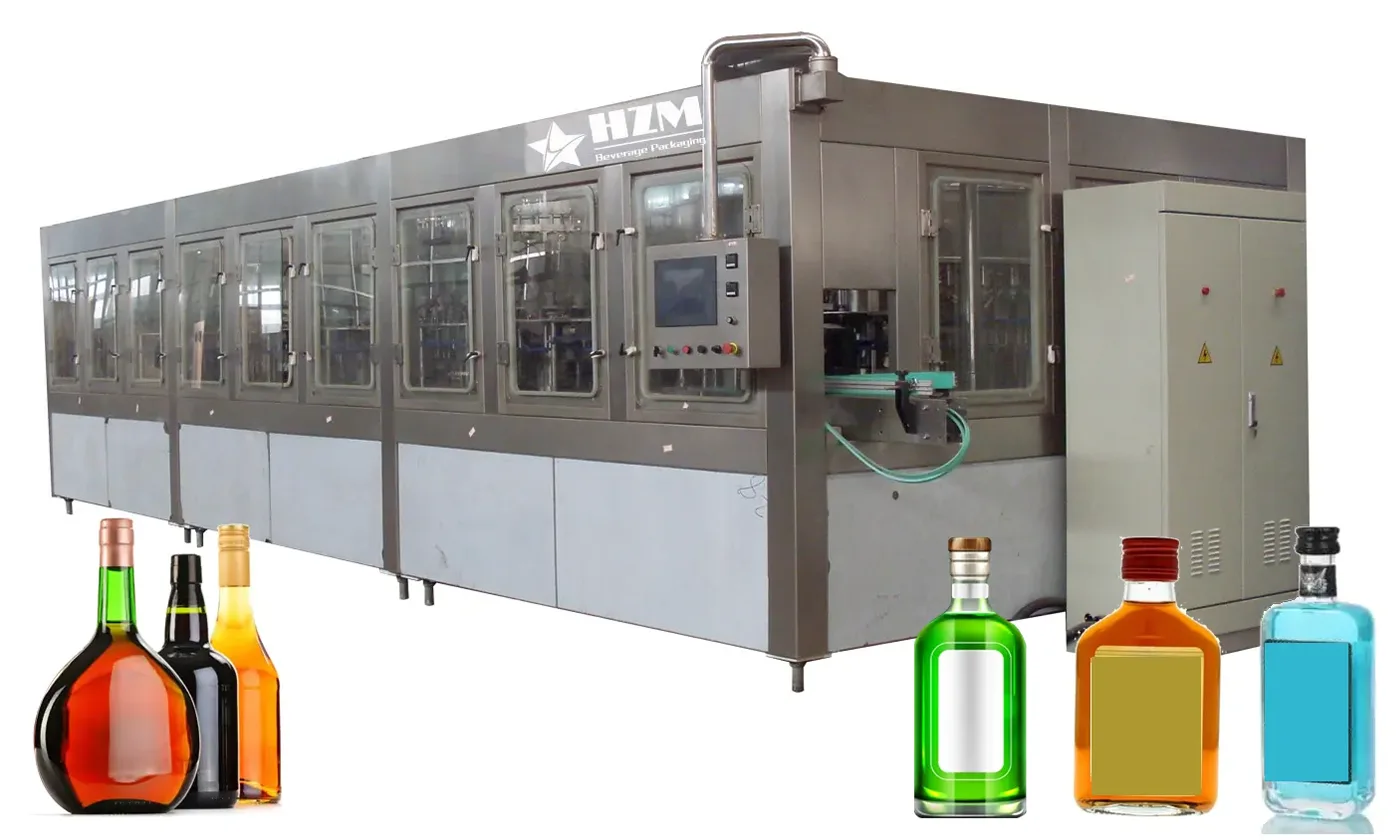
Equipment
Automatic Glass Wine Bottle Filling Machine
The glass-bottle filling machine combines rinsing, filling and capping for wine and compatible beverage products.
Learn more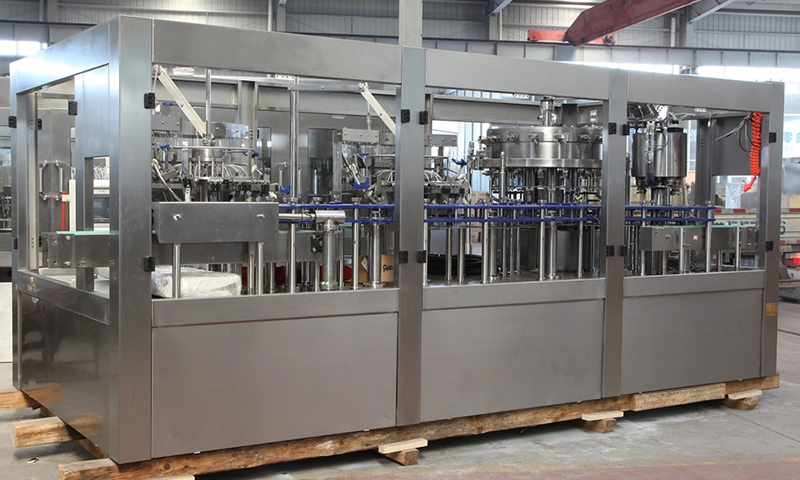
Equipment
Glass Bottle Filling Machine – DXGF14-12-5
DXGF14-12-5 glass bottle rinsing, isobaric filling and capping for carbonated drinks, at 2,000–3,000 bottles/hour for 750 ml bottles.
Learn more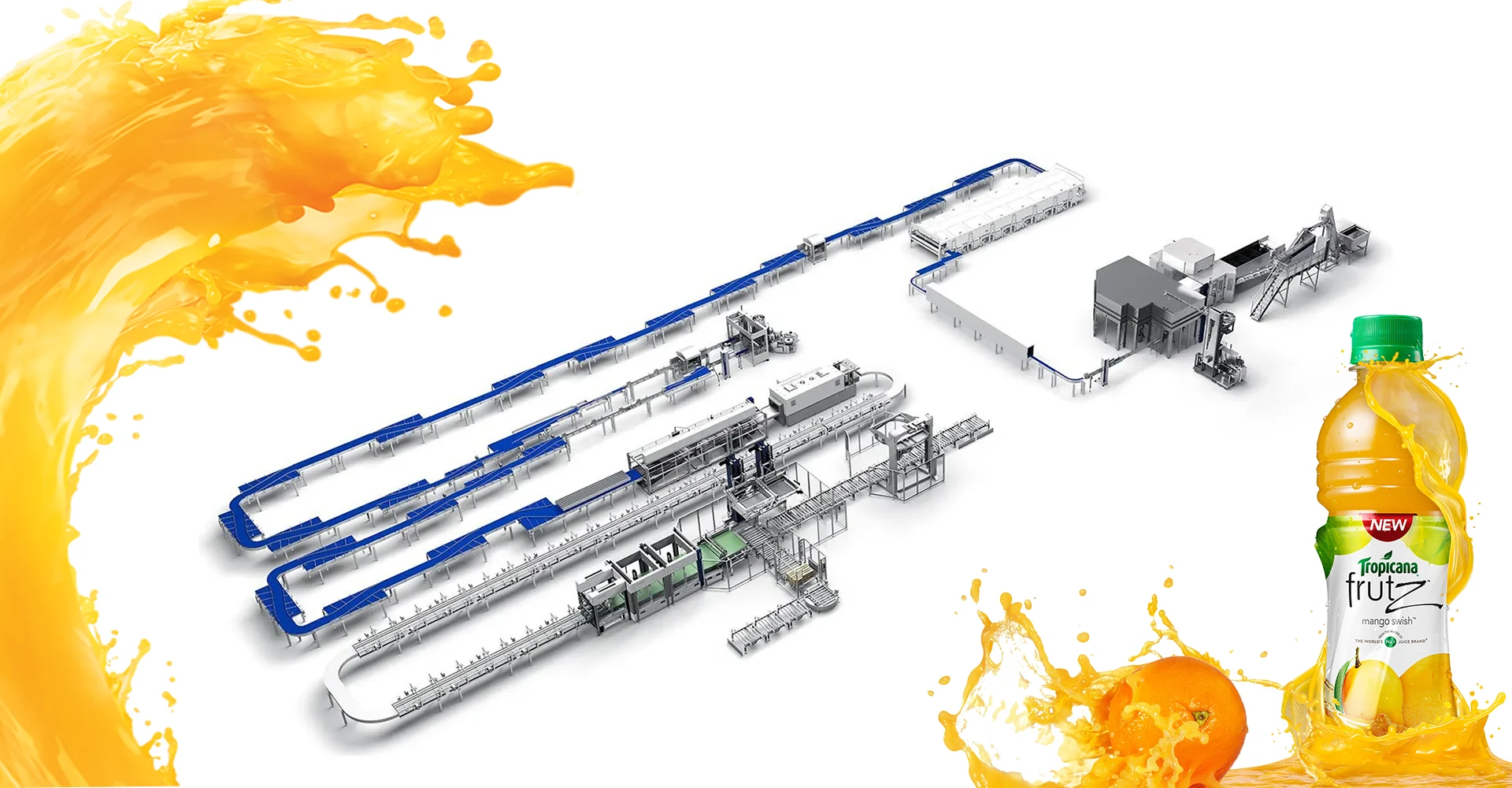
Equipment
Beverage Filling Line – Juice, Water, Soft Drinks, cola, Beer
Complete beverage filling lines for juice, water, soft drinks and beer, with bottle and can packaging options.
Learn more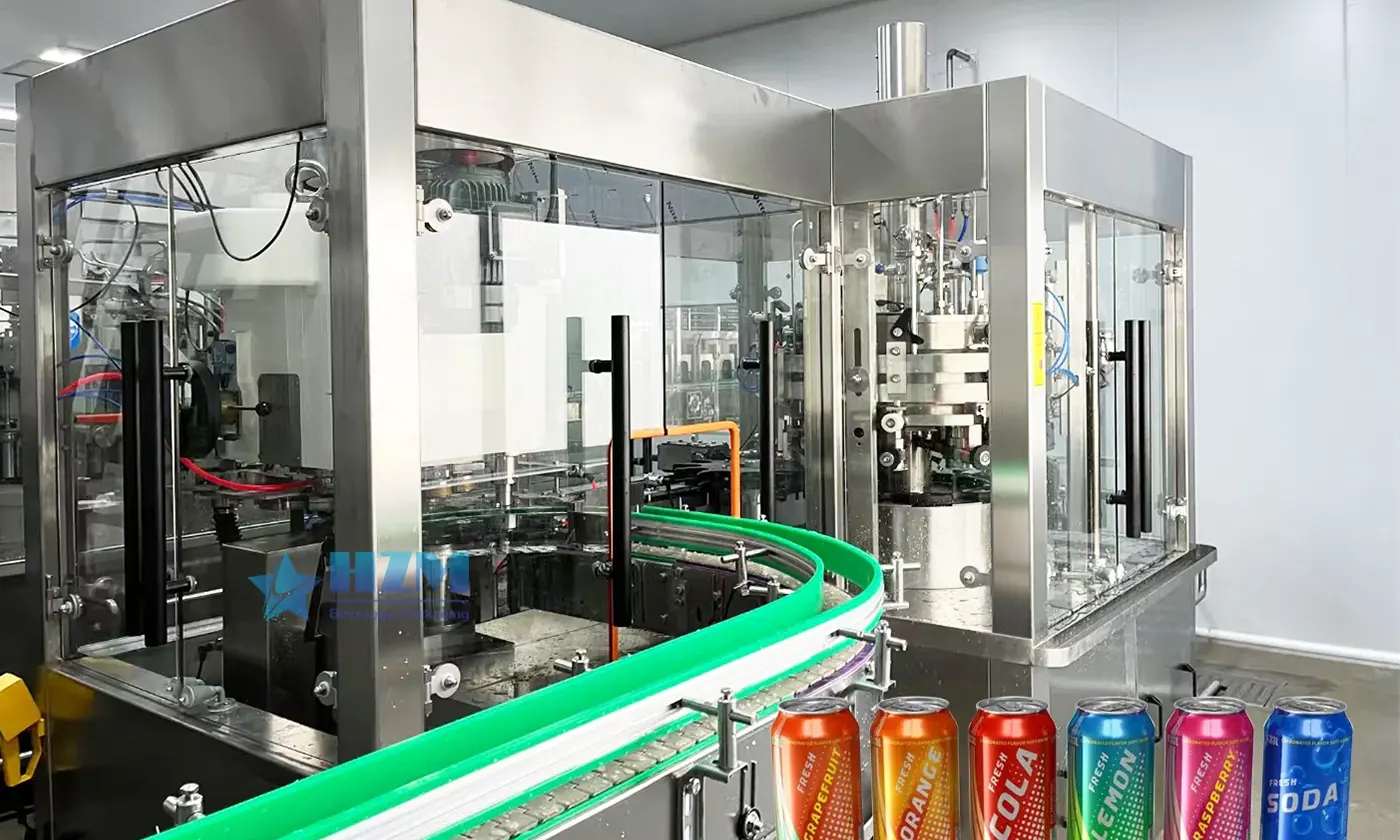
Equipment
Aluminum Can Filling Machine
Beer can filling and seaming equipment for beverage canning lines, with CGS models from 6,000 to 36,000 cans/hour at 330 ml.
Learn more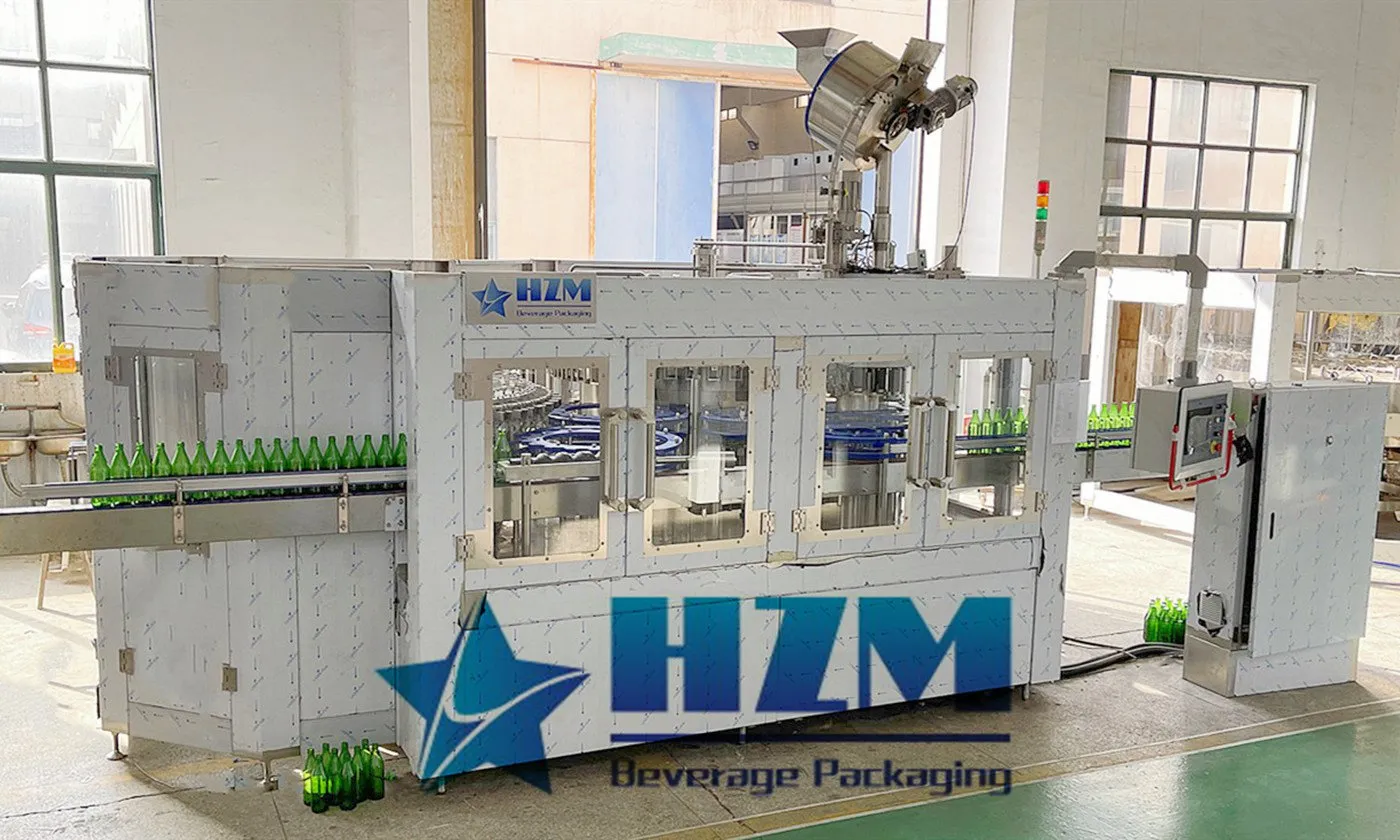
Equipment
Glass Bottle CSD Beverage Filling Machine
Glass bottle filling for carbonated beverages, with isobaric filling and capacities of 2,000–20,000 bottles/hour at 500 ml.
Learn more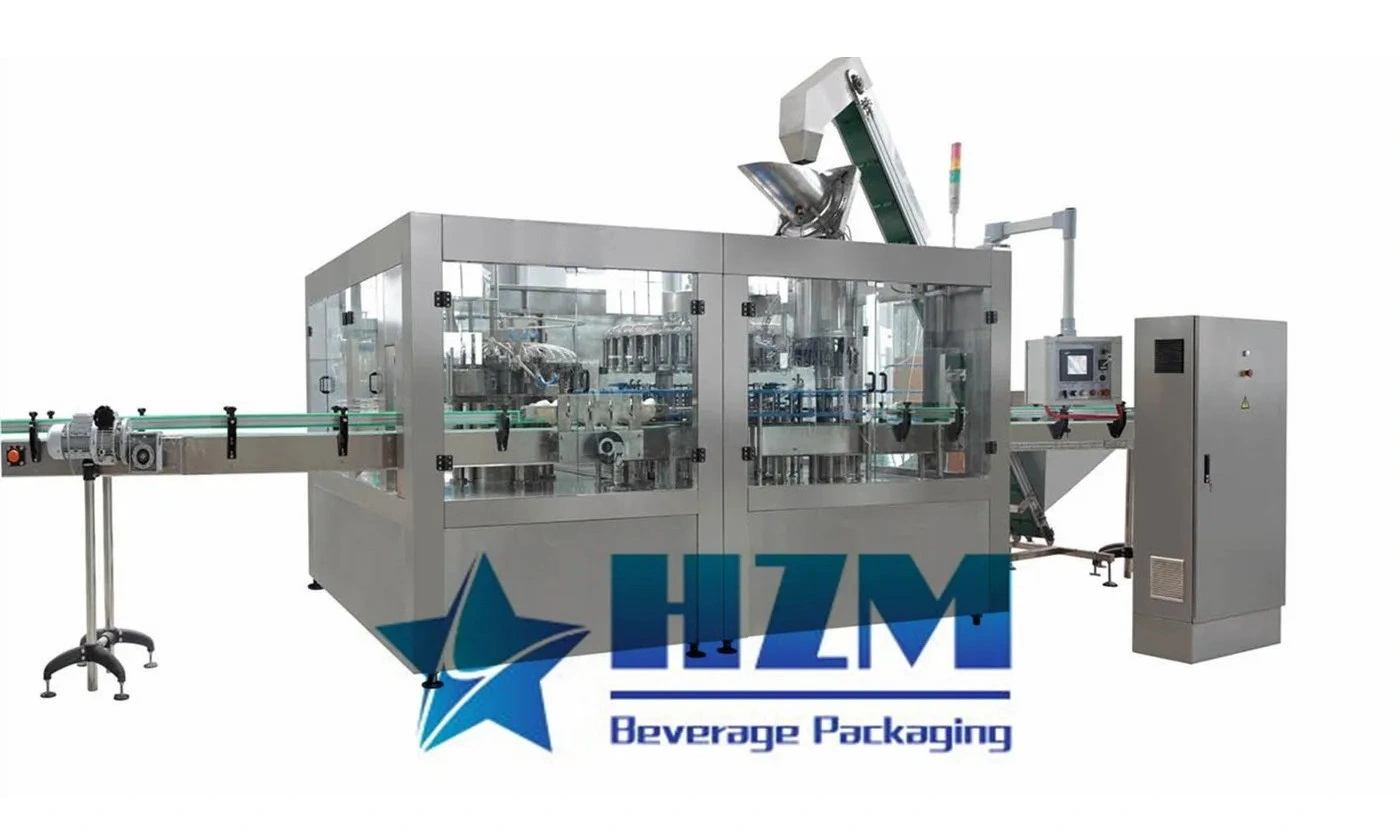
Equipment
Glass Bottle Juice Beverage Filling Machine
Glass bottle juice filling with rinsing and capping, for juice, tea and other still beverages.
Learn more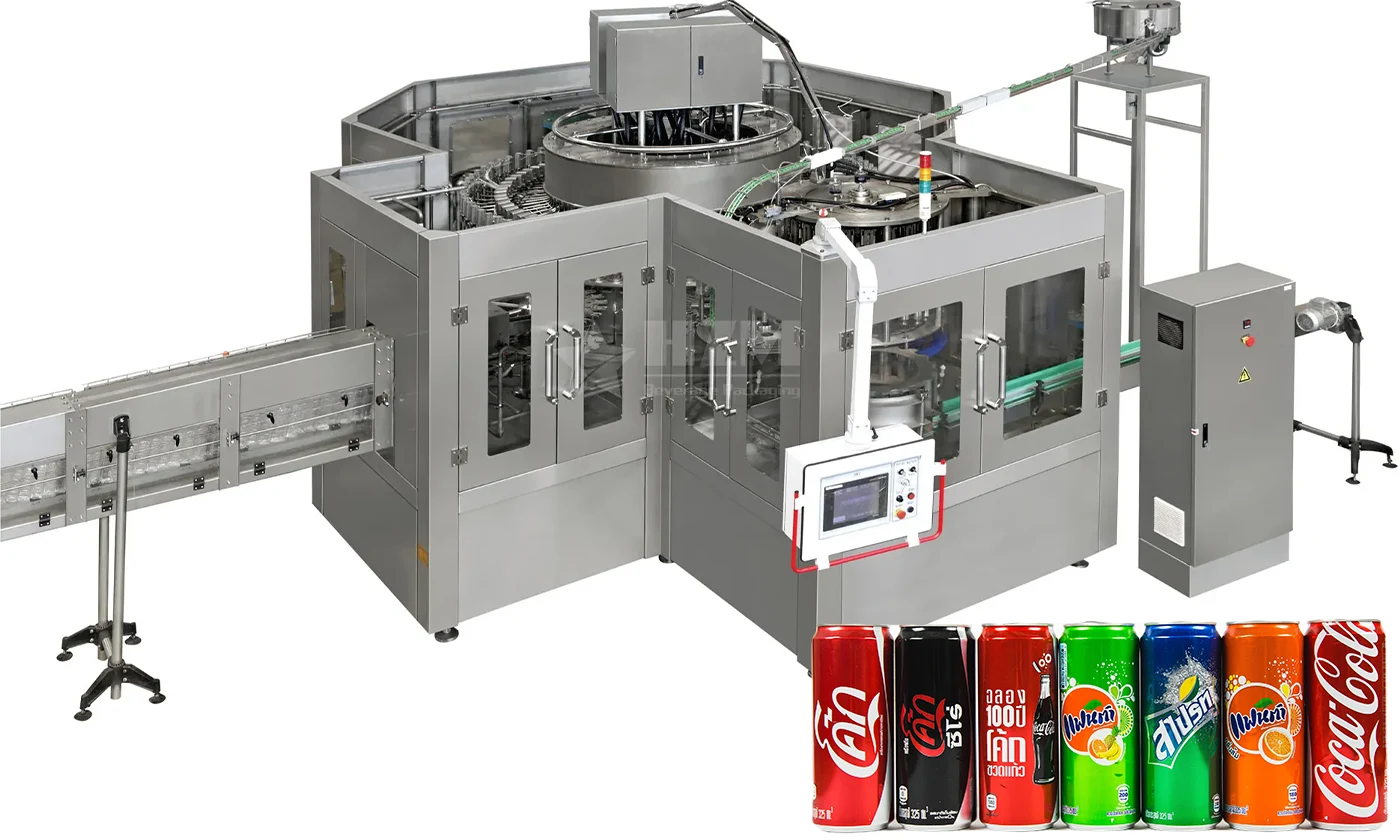
Equipment
Carbonated Beverage Can Filling Machine
Automatic carbonated beverage can filling and seaming, with CGS capacities of 6,000–36,000 cans/hour at 330 ml.
Learn more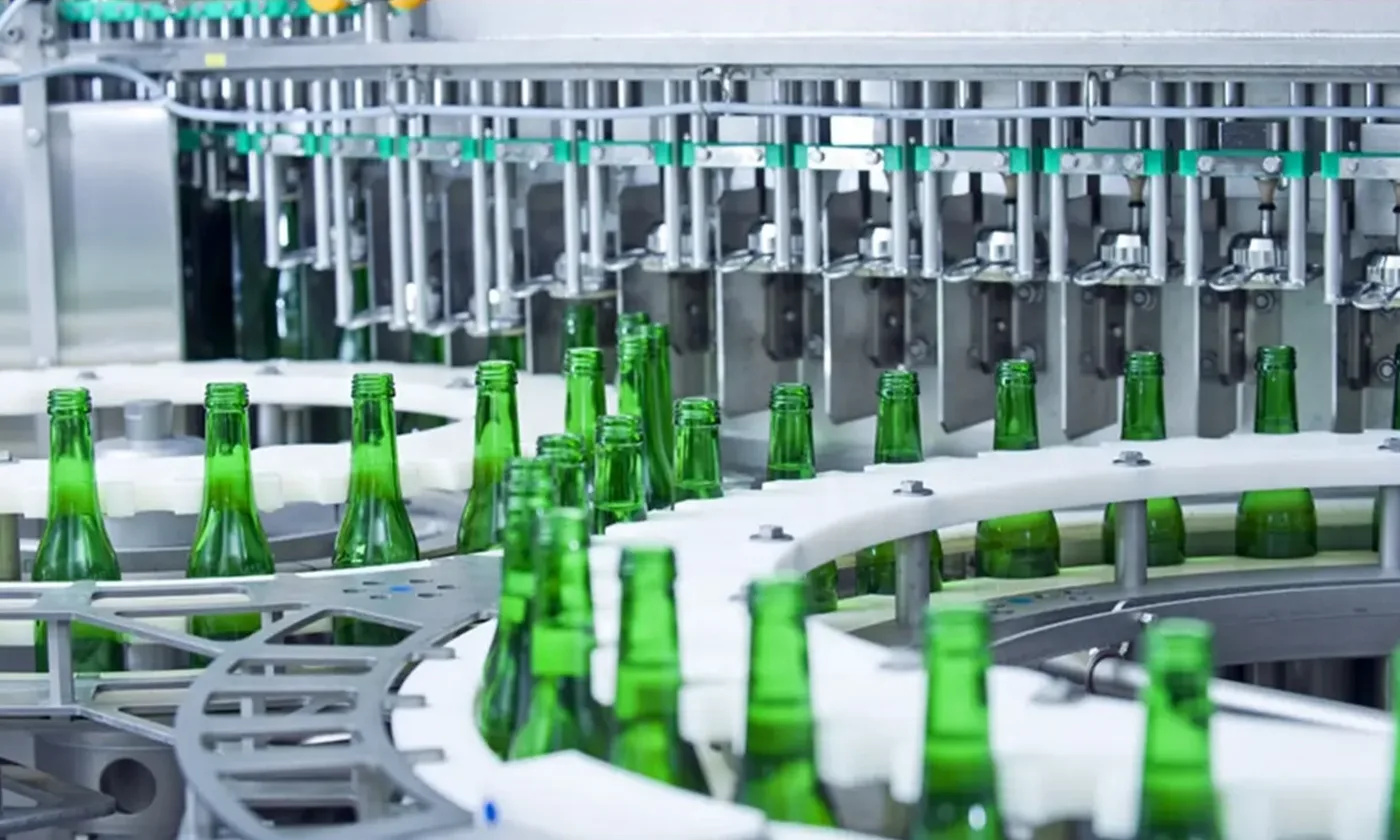
2023-12-02
Beer Filling Machine Usage Precautions
A beer filling machine is a specialized device designed for filling beer into bottles, cans, or other containers. These machines are typically utilized in beer production lines to automate processes and enhance production efficiency. 1.Cleaning and Maintenance Thorough cleaning is required before using the beer filling machine. This includes cleaning the machine’s surfaces and internal […]
Learn more
2023-10-03
Beer Filling Machine Principle
The beer filling process is well-established and can be divided into seven basic parts. The filling machine is designed around the filling process, and its working principle involves the following steps
Learn more2023-09-19
Beer Bottling Machines for Sale by HZM Machinery
To meet the needs of beer producers, HZM Machinery, a professional liquid packaging machine manufacturer, offers a range of high-quality beer bottling machines to help customers enhance production efficiency, reduce costs, and ensure product quality.
Learn more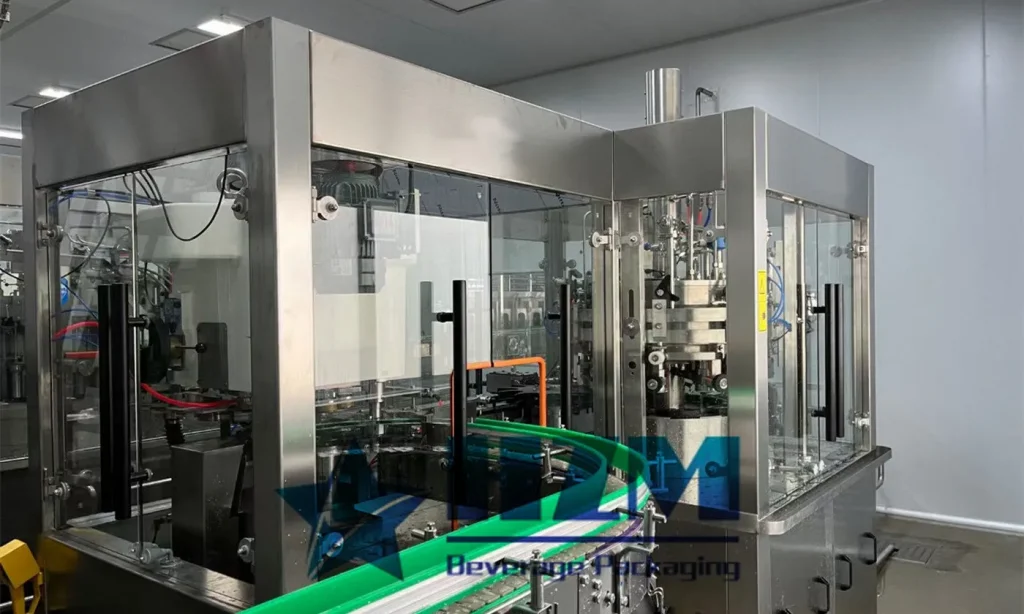
2023-10-05
Basic Principles of Beer Packaging
The beer packaging process is a complex step in the beer production, serving as the final stage that significantly impacts the quality of the end product and its sales. Filtered beer is transferred into bottles, cans, or kegs, and undergoes processes such as capping, biostabilization treatment, labeling, and boxing to become the finished beer product or is directly sold as such.
Learn more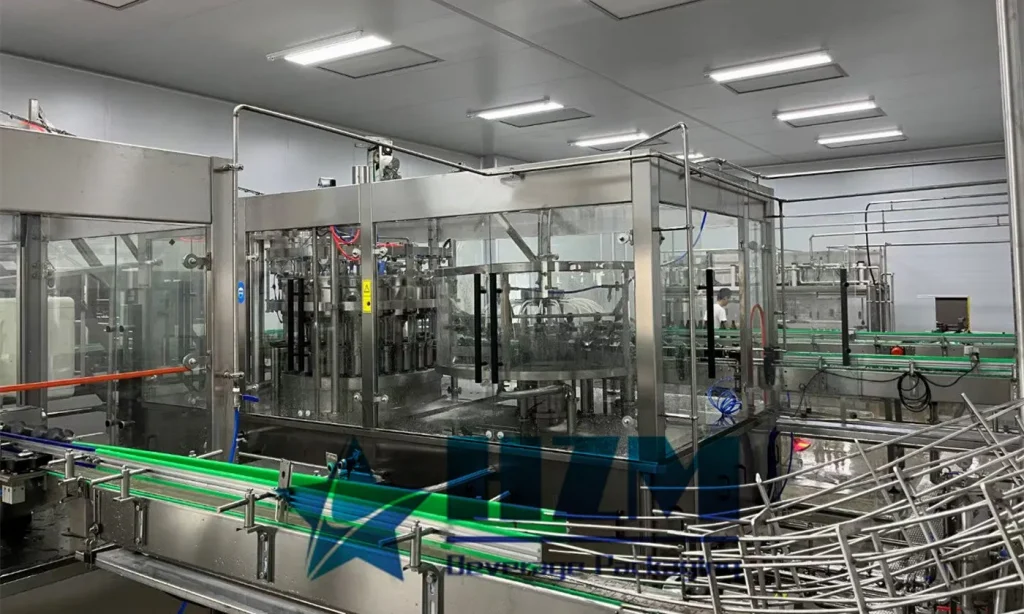
2023-10-10
Forms and Methods of Beer Packaging
Different methods are employed for beer packaging, each with its unique advantages. The most common methods include pressurized filling, vacuum-assisted CO2 filling, double vacuum filling, CO2 counter-pressure filling, hot filling, and aseptic filling.
Learn more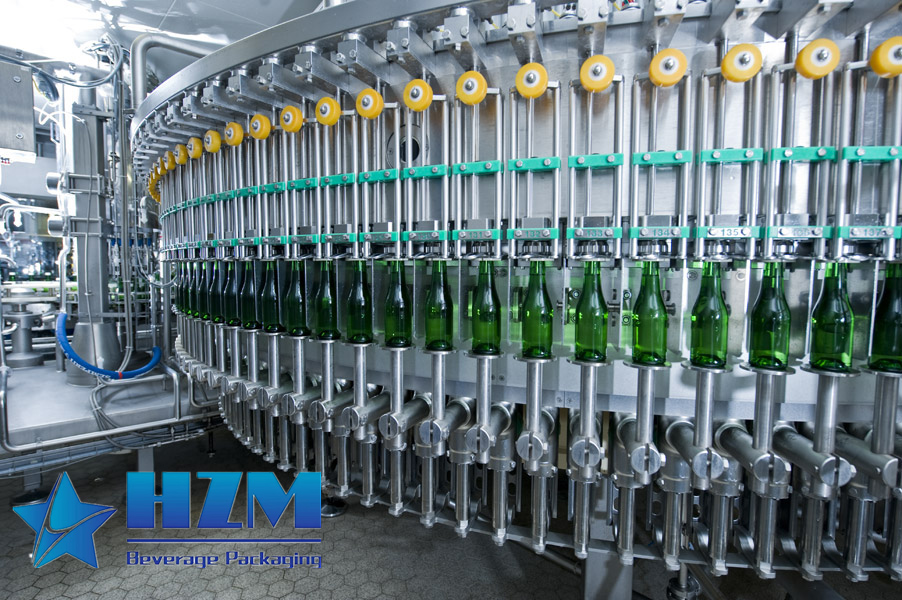
2023-10-15
Key Points for Beer Filling in Beer Bottling Systems
When filling beer, it is essential to maintain strict sterility, minimize beer loss, prevent carbon dioxide (CO2) loss, and avoid contact between the beer and air to prevent oxidation. The filling valves must be clean and provide a good seal to prevent turbulence and beer surging.
Learn more