
Insights & Updates
Forms and Methods of Beer Packaging
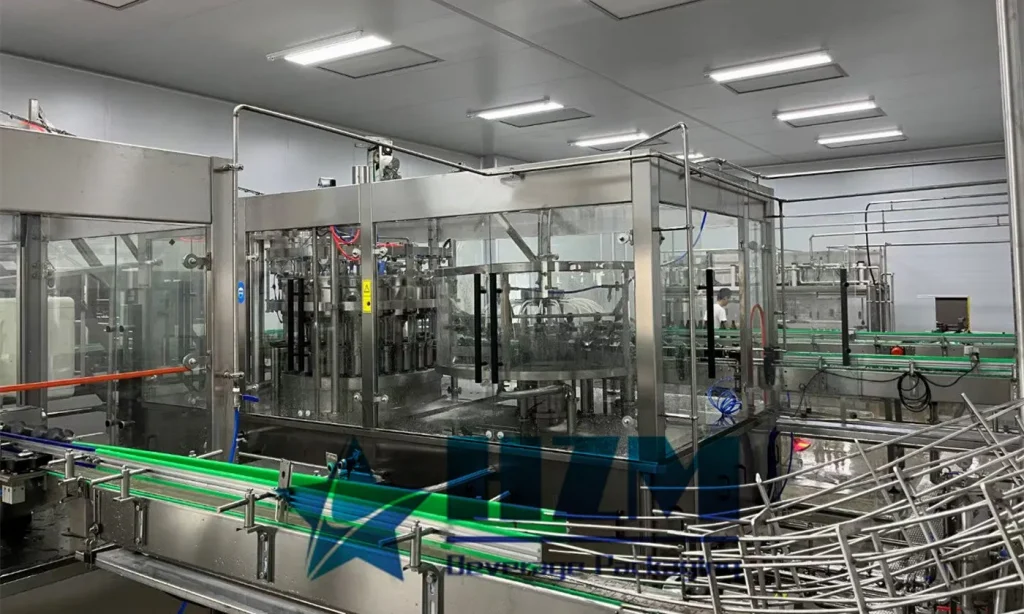
Beer packaging comes in various forms, including bottling (glass and polyester plastic), canning, and kegging. Among these, bottled beer, particularly mature beer in glass bottles, dominates the market share in China. In recent years, the production of bottled draft beer has been steadily increasing, and the sales outlook for kegged beer during peak seasons remains optimistic.
Different methods are employed for beer packaging, each with its unique advantages. The most common methods include pressurized filling, vacuum-assisted CO2 filling, double vacuum filling, CO2 counter-pressure filling, hot filling, and aseptic filling.
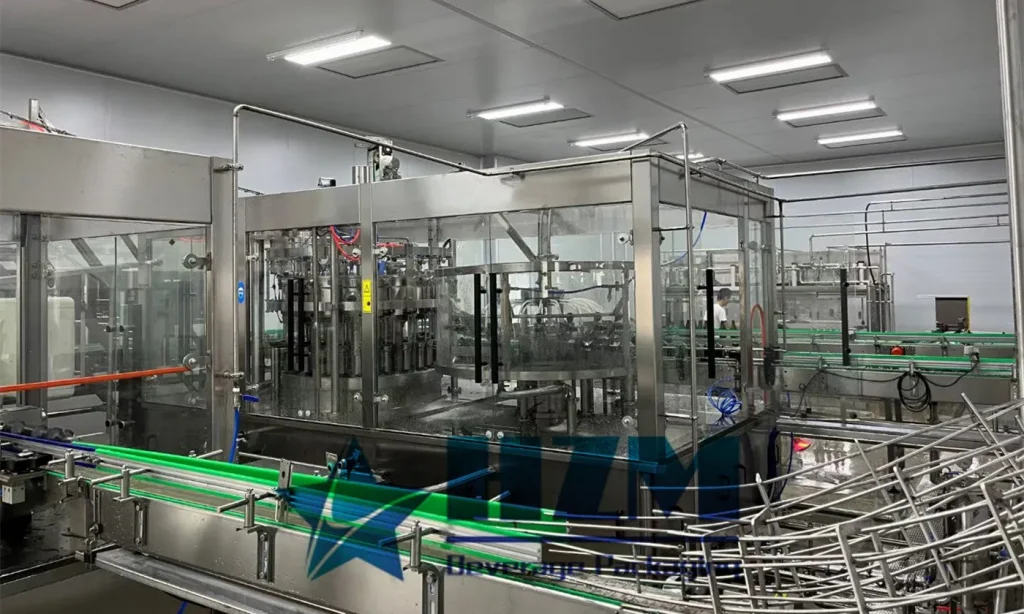
Pressurized Filling
Pressurized filling involves transferring beer into containers under a positive pressure, which helps minimize oxygen exposure. However, it is essential to control the pressure precisely to prevent over-foaming or under-filling.
Vacuum-Assisted CO2 Filling
This method combines a vacuum stage to remove air and a CO2 injection stage to fill the container with carbon dioxide. It effectively reduces the oxygen content in the beer, contributing to better product quality.
Double Vacuum Filling
Double vacuum filling is a more advanced technique that includes two vacuum stages. This approach further reduces the oxygen levels in the packaging process, enhancing beer freshness and stability.
CO2 Counter-Pressure Filling
CO2 counter-pressure filling maintains a balanced pressure inside the container to prevent foaming and oxidation. It ensures a consistent and high-quality beer product.
Hot Filling
Hot filling is suitable for certain beer types and involves filling containers with beer at an elevated temperature. This process can help extend the shelf life of the beer by sterilizing the container and preventing microbial contamination.
Aseptic Filling
Aseptic filling has gained prominence, particularly with the rise of draft beer. This method focuses on maintaining a sterile environment during the filling process, minimizing the risk of contamination and preserving the beer’s freshness.
The choice of packaging method depends on various factors, including the type of beer, production volume, and market demand. While pressurized filling remains a common choice, the demand for draft beer and the emphasis on quality have driven advancements in vacuum-assisted, double vacuum, and aseptic filling techniques. Ultimately, the selection of the right packaging method plays a crucial role in delivering high-quality beer to consumers, ensuring a satisfying and consistent taste experience.
Talk to our engineering team
Need help planning your packaging line?
Share your product, bottle and capacity requirements for a practical equipment recommendation.
Equipment
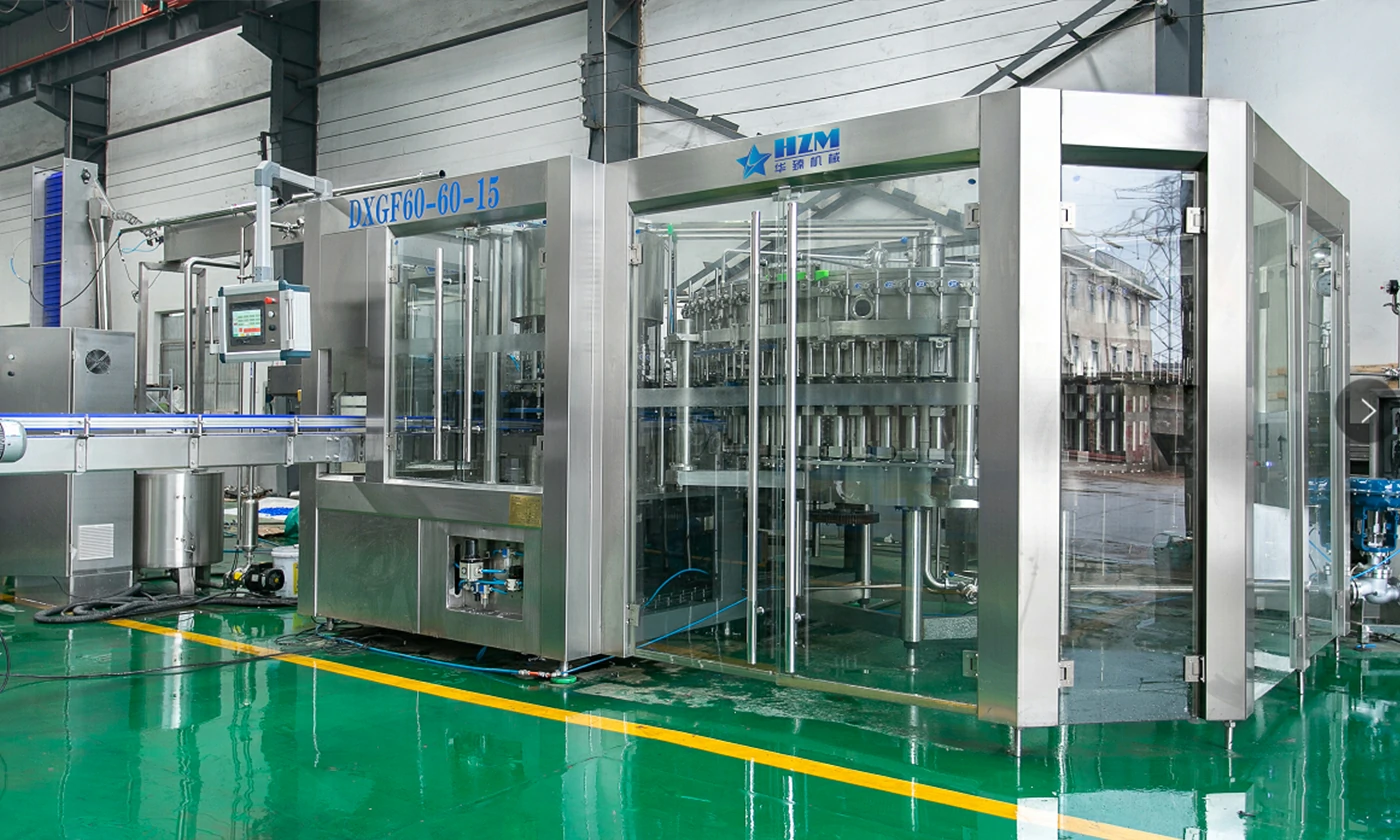
Glass Bottle Beer & Beverage Filling Machine
DXGF60-60-15 glass bottle rinsing, isobaric filling and capping for beer and beverages, at 18,000 bottles/hour for 500 ml bottles.
Learn more
Equipment
Craft Beer Can Filling Machine
Craft beer can filling and seaming with CGS models from 6,000 to 36,000 cans/hour at 330 ml.
Learn more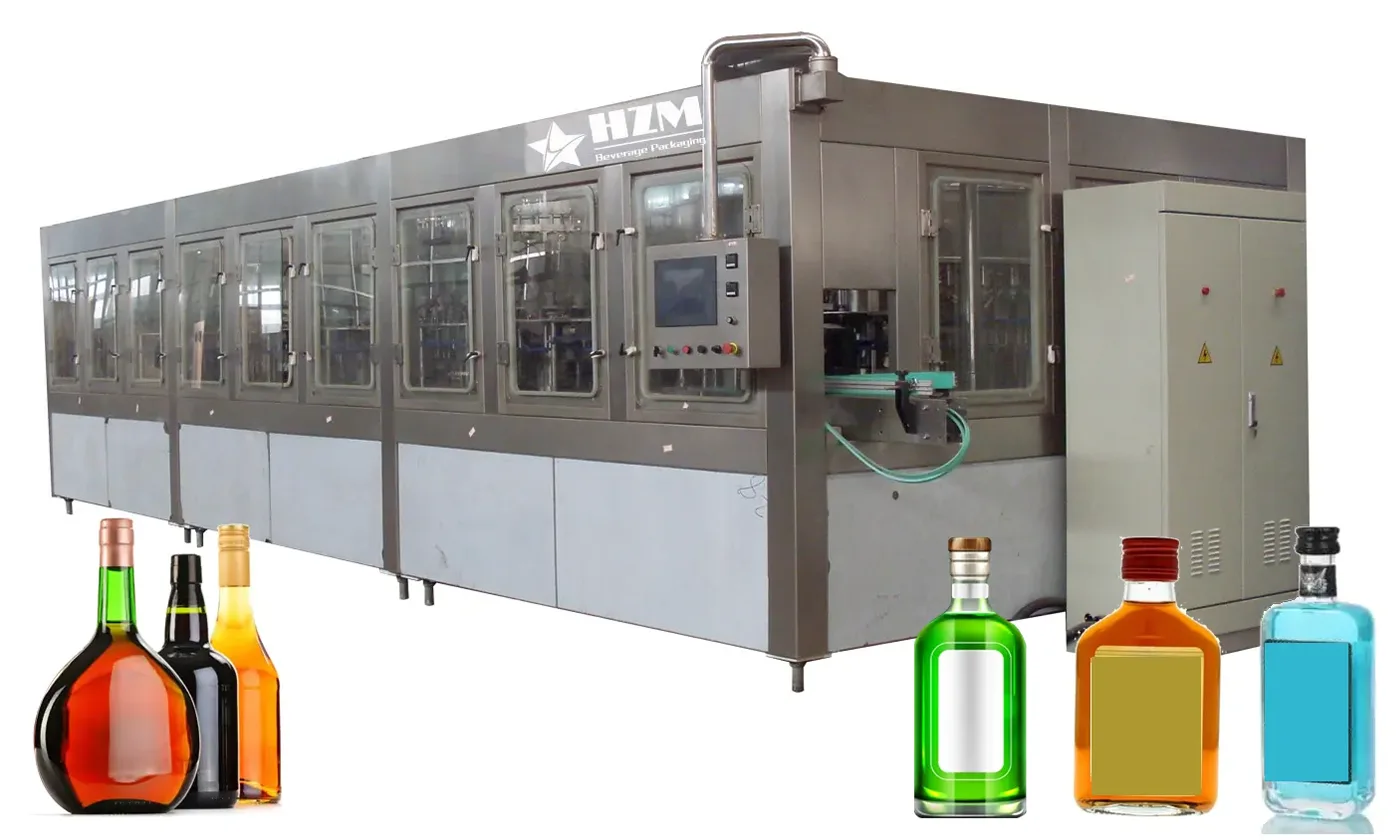
Equipment
Automatic Glass Wine Bottle Filling Machine
The glass-bottle filling machine combines rinsing, filling and capping for wine and compatible beverage products.
Learn more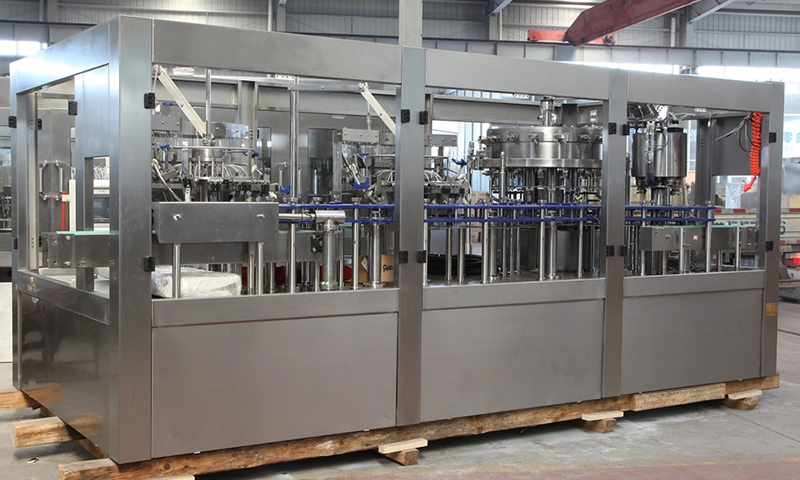
Equipment
Glass Bottle Filling Machine – DXGF14-12-5
DXGF14-12-5 glass bottle rinsing, isobaric filling and capping for carbonated drinks, at 2,000–3,000 bottles/hour for 750 ml bottles.
Learn more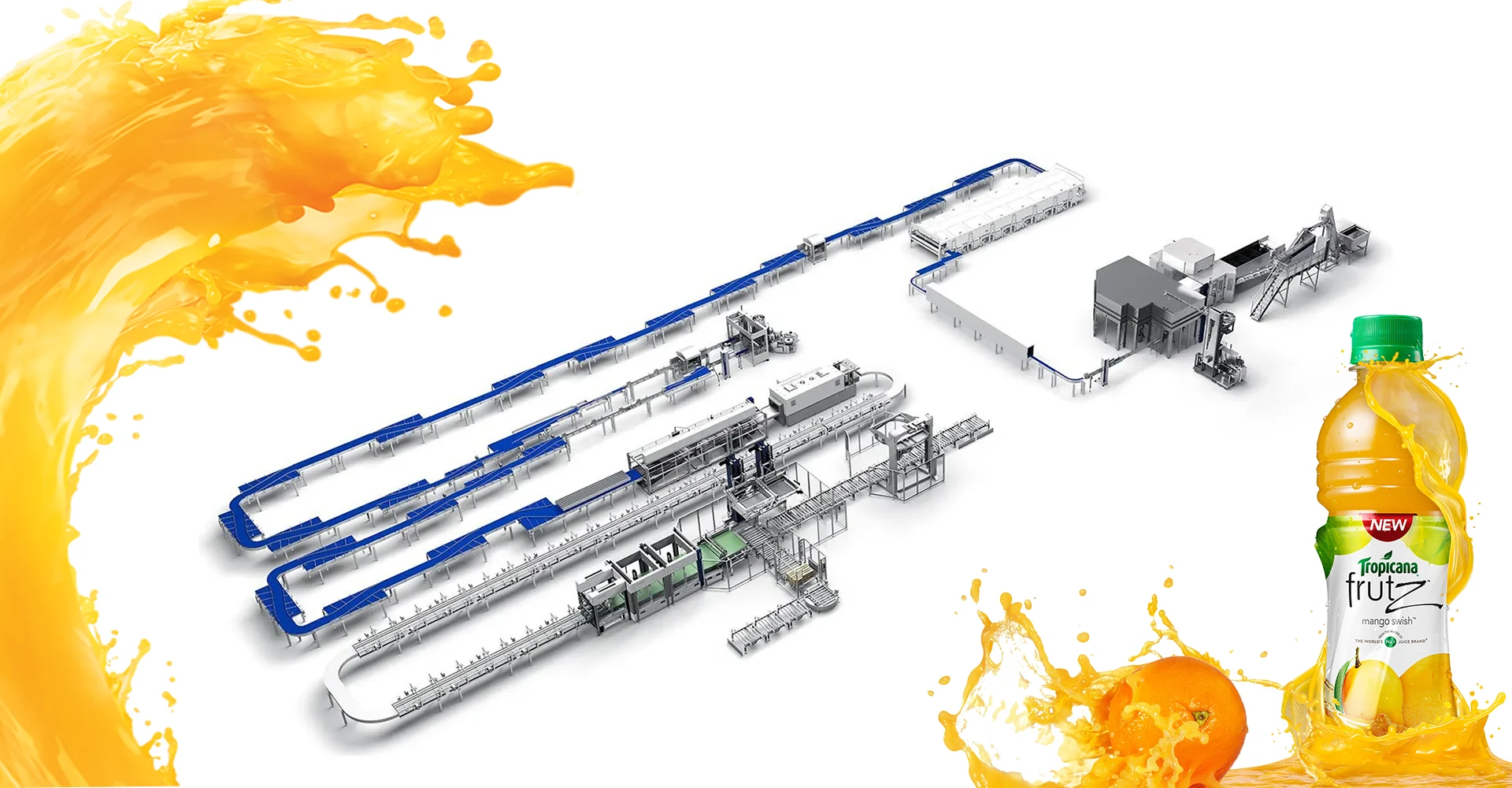
Equipment
Beverage Filling Line – Juice, Water, Soft Drinks, cola, Beer
Complete beverage filling lines for juice, water, soft drinks and beer, with bottle and can packaging options.
Learn more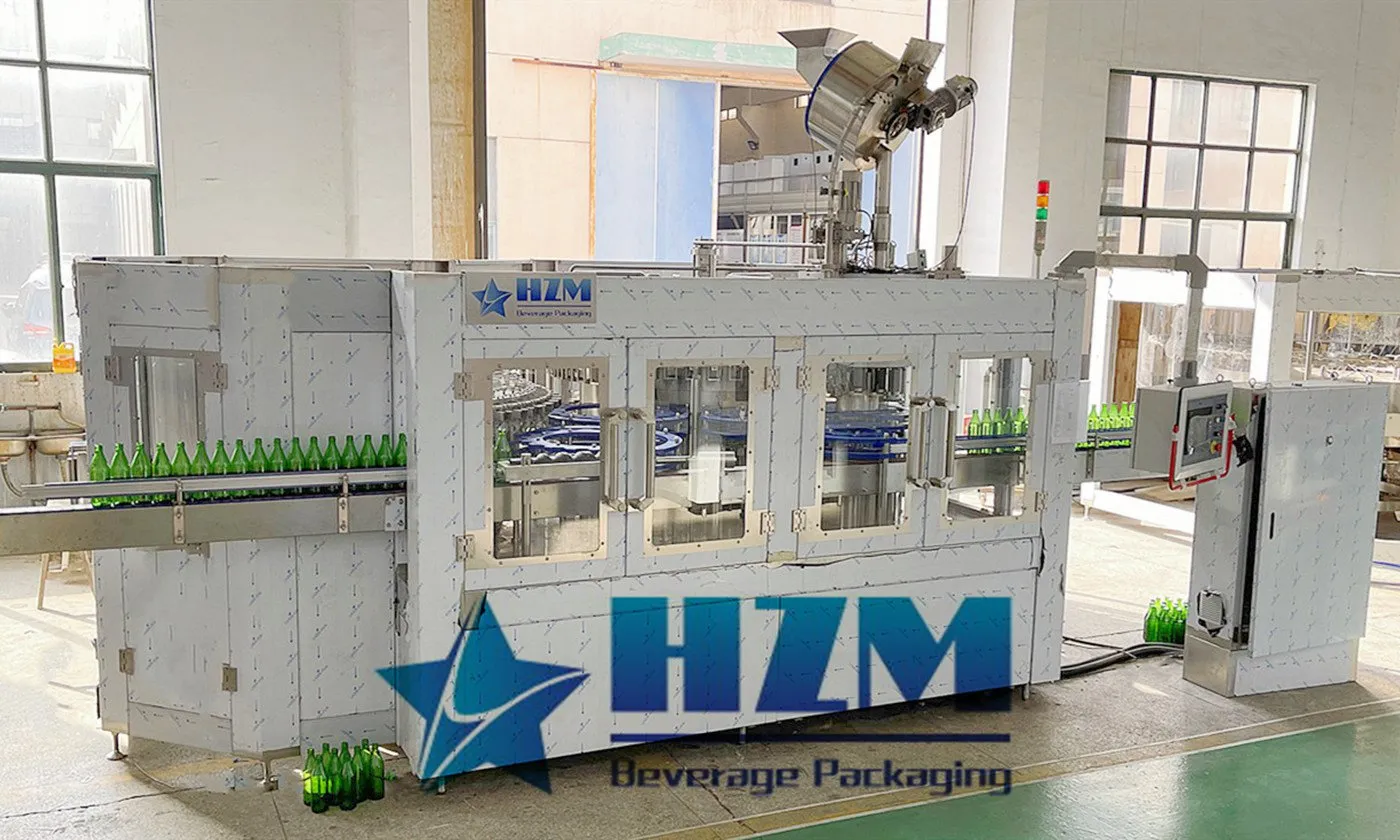
Equipment
Glass Bottle CSD Beverage Filling Machine
Glass bottle filling for carbonated beverages, with isobaric filling and capacities of 2,000–20,000 bottles/hour at 500 ml.
Learn more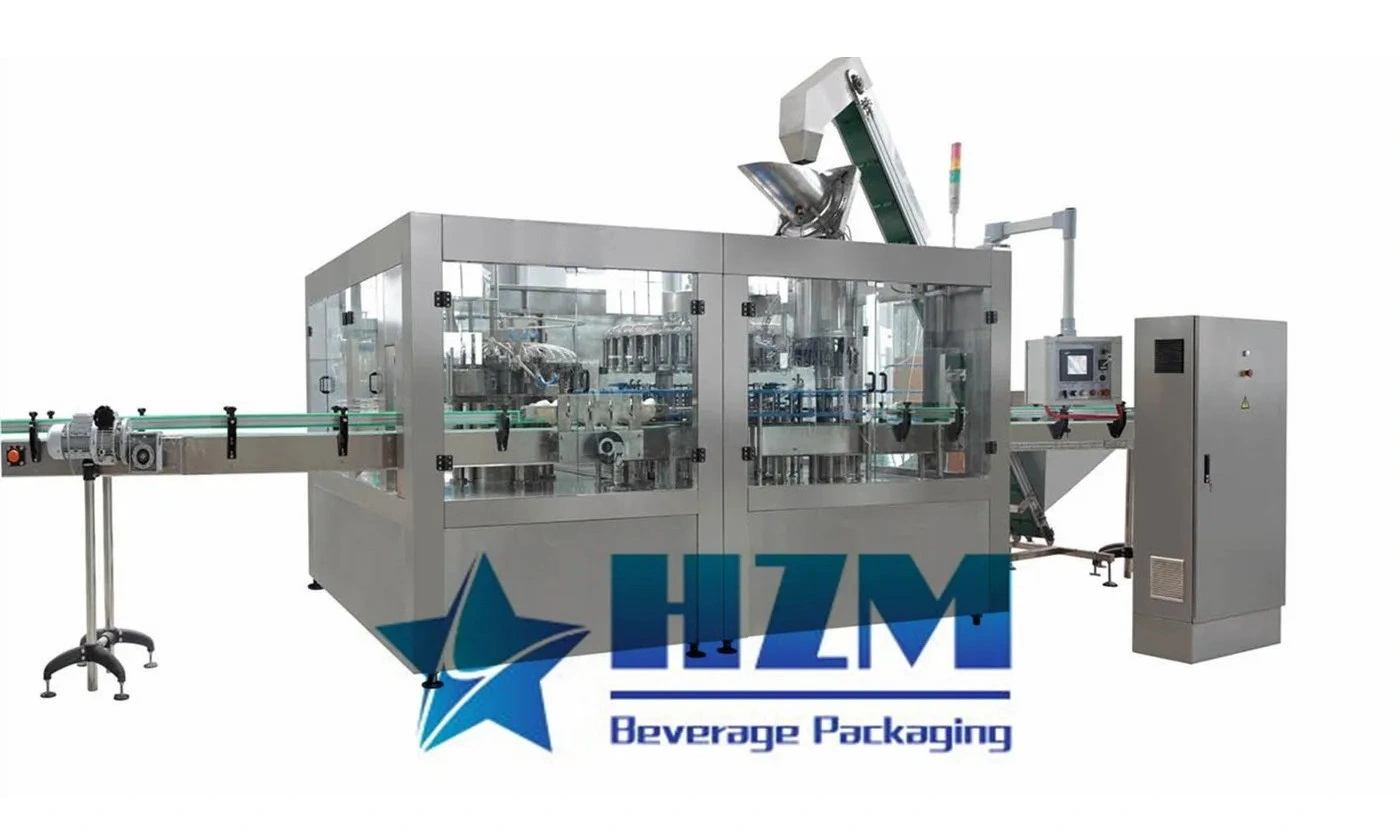
Equipment
Glass Bottle Juice Beverage Filling Machine
Glass bottle juice filling with rinsing and capping, for juice, tea and other still beverages.
Learn more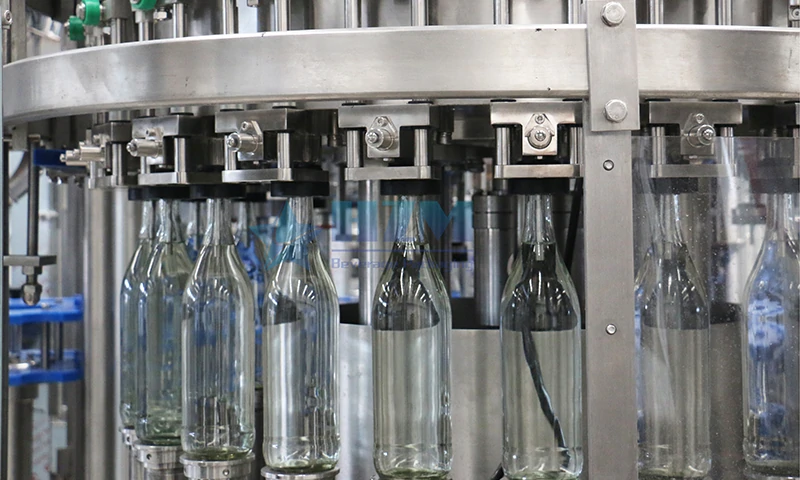
Equipment
Glass Bottle CSD & Water Drinks Filling Machine
DXGF24-24-8-8 glass bottle isobaric filling for carbonated drinks, with rinsing and two capping stations.
Learn more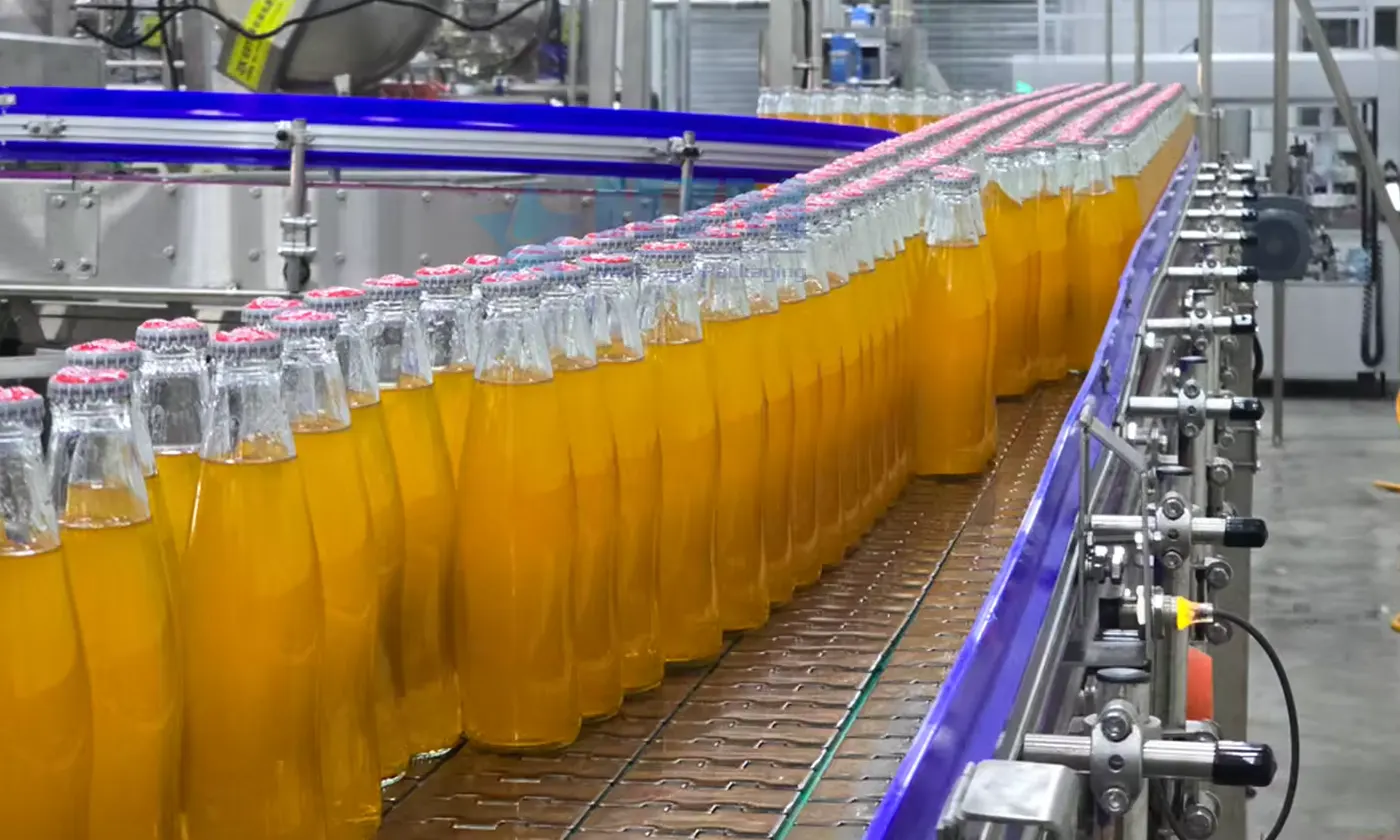
Equipment
Glass Bottle Carbonated Beverage Filling Bottling Line
This glass bottle carbonated beverage line combines bottle rinsing, isobaric filling and capping with conveying, labelling and packing.
Learn more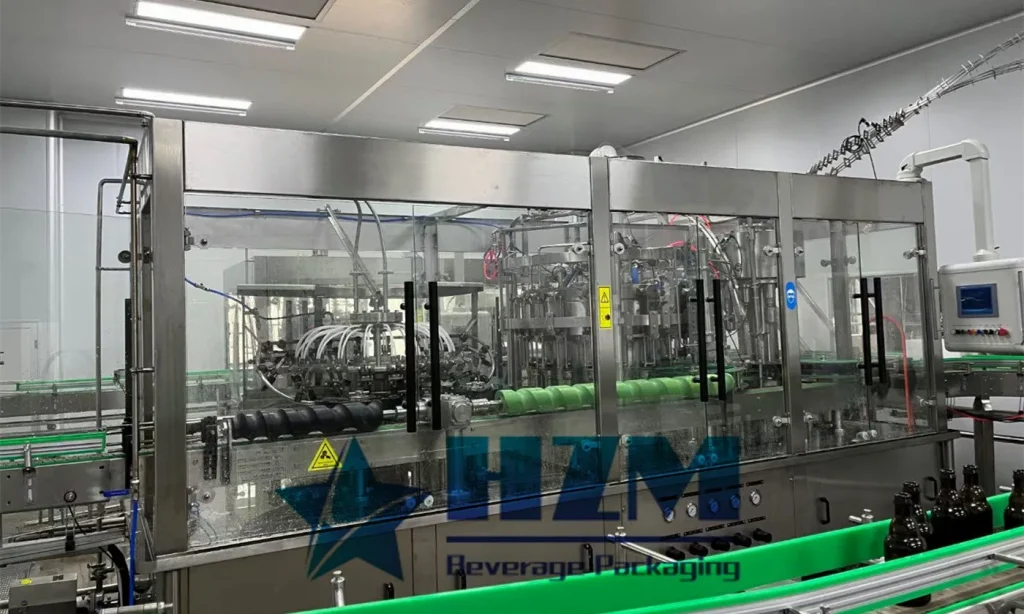
2023-10-03
Beer Filling Machine Principle
The beer filling process is well-established and can be divided into seven basic parts. The filling machine is designed around the filling process, and its working principle involves the following steps
Learn more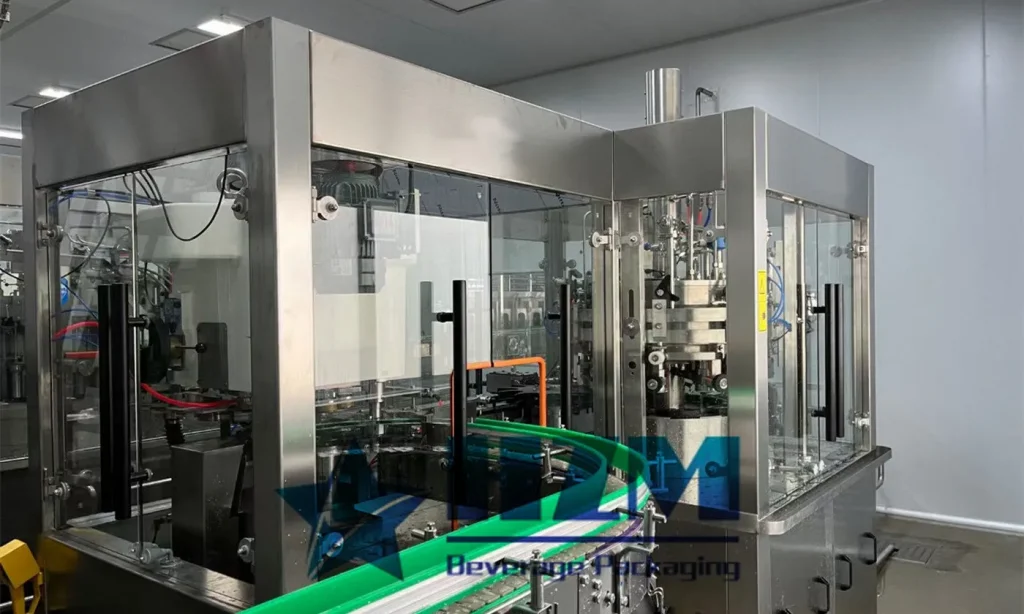
2023-10-05
Basic Principles of Beer Packaging
The beer packaging process is a complex step in the beer production, serving as the final stage that significantly impacts the quality of the end product and its sales. Filtered beer is transferred into bottles, cans, or kegs, and undergoes processes such as capping, biostabilization treatment, labeling, and boxing to become the finished beer product or is directly sold as such.
Learn more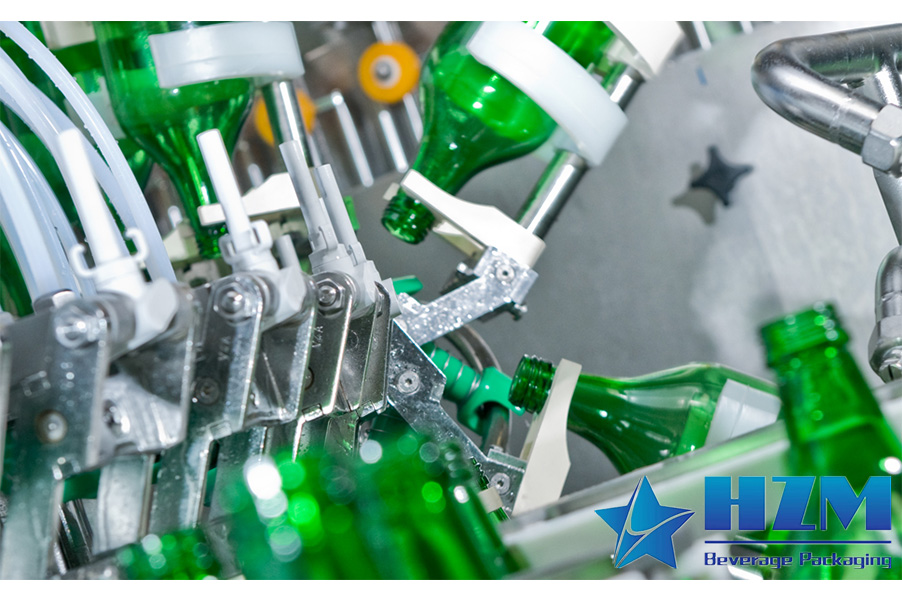
2023-10-27
Precautions for Beer Filling Machine
It is essential to control sterilization temperature and time to guarantee the sterilization effect. Additionally, one should avoid excessively high sterilization temperatures or prolonged sterilization times to minimize beer oxidation. After sterilization, the beer should be rapidly cooled to below a certain temperature (preferably below 35°C).
Learn more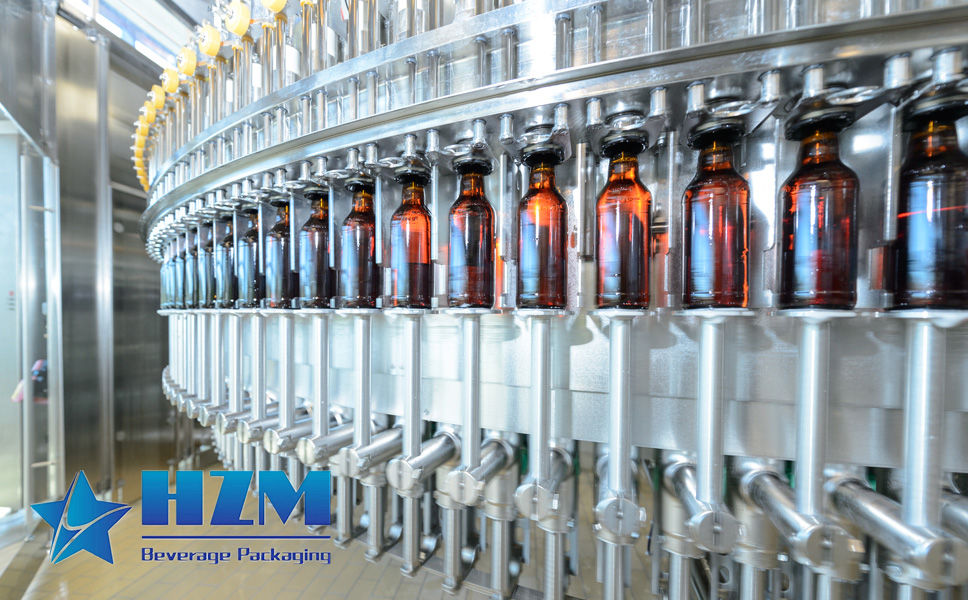
2023-10-12
Processes and Maintenance of Beer Bottling Systems
CO2 → Bottle Caps → Labels → Beer Bottles → Selection → Bottle Washing Machine → Bottle Inspection → Filling Machine → Capping Machine → Quality Inspection → Sterilization Machine → Quality Inspection → Labeling Machine → Filtration of Beer → Packaging Machine → Bottled Beer
Learn more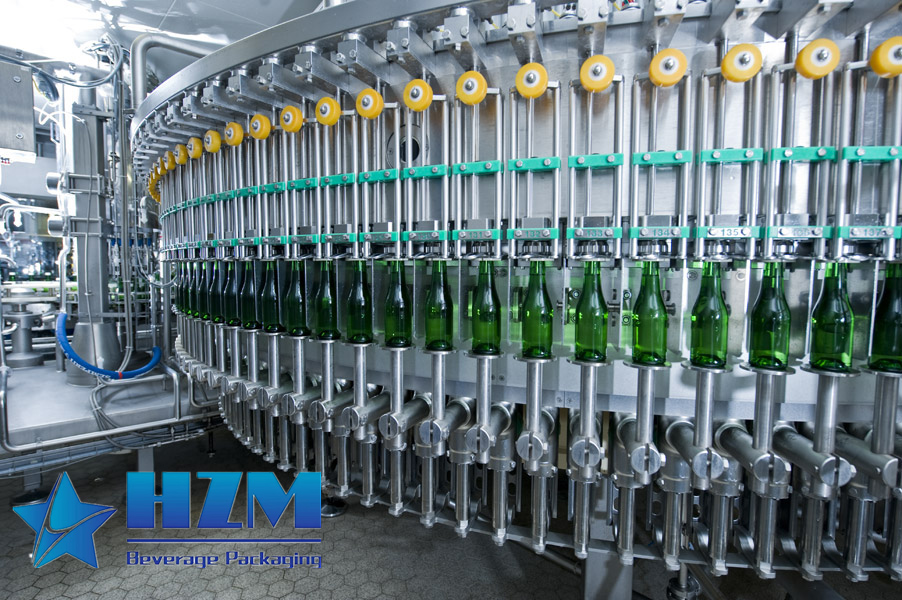
2023-10-15
Key Points for Beer Filling in Beer Bottling Systems
When filling beer, it is essential to maintain strict sterility, minimize beer loss, prevent carbon dioxide (CO2) loss, and avoid contact between the beer and air to prevent oxidation. The filling valves must be clean and provide a good seal to prevent turbulence and beer surging.
Learn more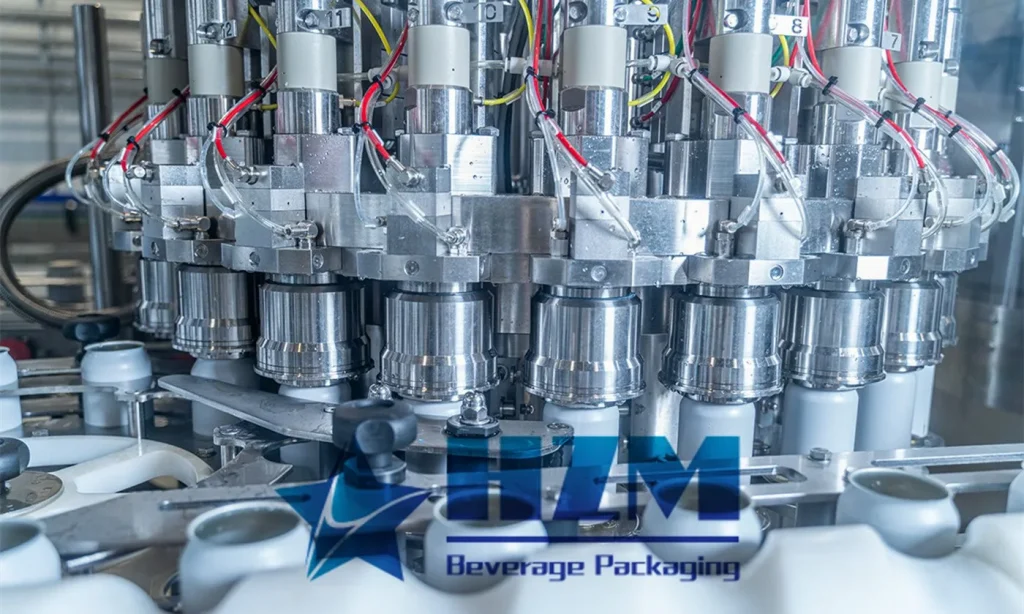
2023-10-17
Capping, Sterilization, and Labeling in Beer Bottling Systems
Filled beer bottles should be capped promptly, ensuring there is no air in the bottle neck during capping. Glass bottles used for beer are typically sealed with crown caps, which have 21 serrations that seal the bottle when pressed together during capping.
Learn more