
Insights & Updates
Daily Maintenance Tips for Edible Oil Filling Machines
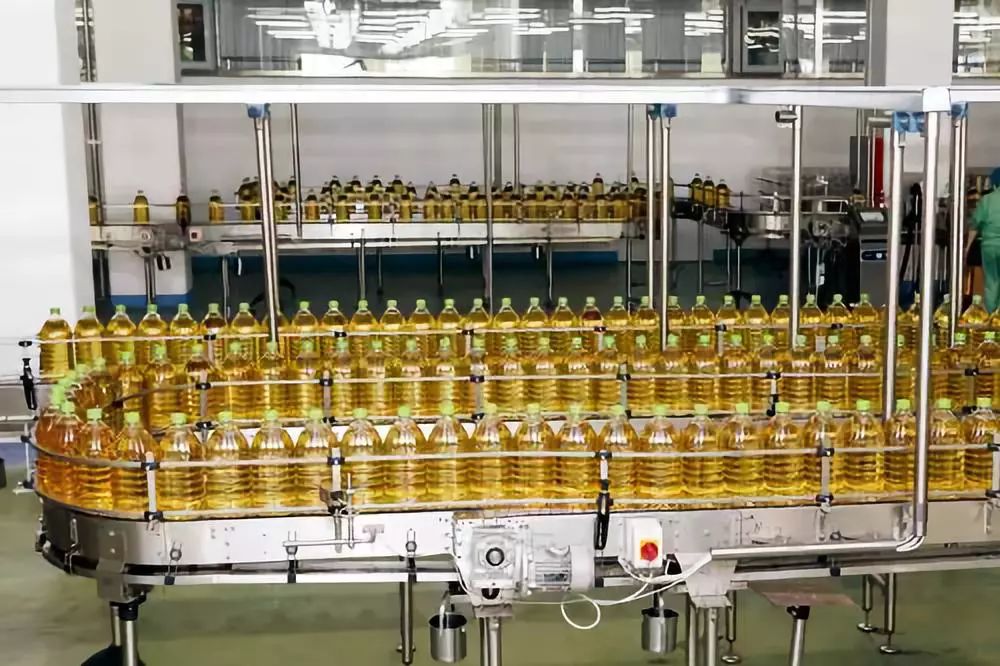
In the filling machinery industry, especially for edible oil filling machines, the application of automation technology, intelligent technology, and information technology has become very common. Various types of automatic filling machines, semi-automatic filling machines, and fully automatic filling machines can be seen busy in various corners of the industry. They create one miracle after another for our lives and economic development, promoting China’s economic development and progress. But have we done enough for the daily maintenance and upkeep of these machines?
Firstly, since the edible oil filling machine is mainly used for the packaging of various oil products, maintenance mainly involves keeping the machine and the working environment clean and hygienic to avoid direct or indirect contamination of the product. Before and after operation, the machine must be cleaned inside and outside, and parts that have been in contact with food must be strictly disinfected.
Secondly, during the maintenance of the edible oil filling machine, special attention should be paid to the fact that when conducting maintenance checks, the circuit breaker should be cut off or the power plug should be unplugged to prevent electric shock, burns, and injuries during the check. Also, the compressed air pressure of the edible oil filling machine should be reduced to zero, and it must be confirmed that the pressure has dropped to zero before disassembling the components on the compressed air side. This ensures the normal operation of the edible oil filling machine, ensures that the enterprise’s production is not affected, and also effectively extends the service life of the filling machine.
Thirdly, it is necessary to check once a month whether the parts of the edible oil filling machine rotate flexibly and whether they are worn. Any defects found should be repaired in a timely manner, and forced use is not allowed. If the machine is not used for a long time, it must be wiped and cleaned thoroughly, and the smooth parts of the machine should be coated with rust-proof oil, covered with cloth, and prepared for the next use.
Edible oil filling machines are like people. If they work for a long time without replenishing energy or without proper rest, they will also have faults. Therefore, it is necessary to regularly maintain and upkeep filling machines to ensure their high work efficiency and long service life.
Talk to our engineering team
Need help planning your packaging line?
Share your product, bottle and capacity requirements for a practical equipment recommendation.
Equipment
Edible Oil Filling Machine
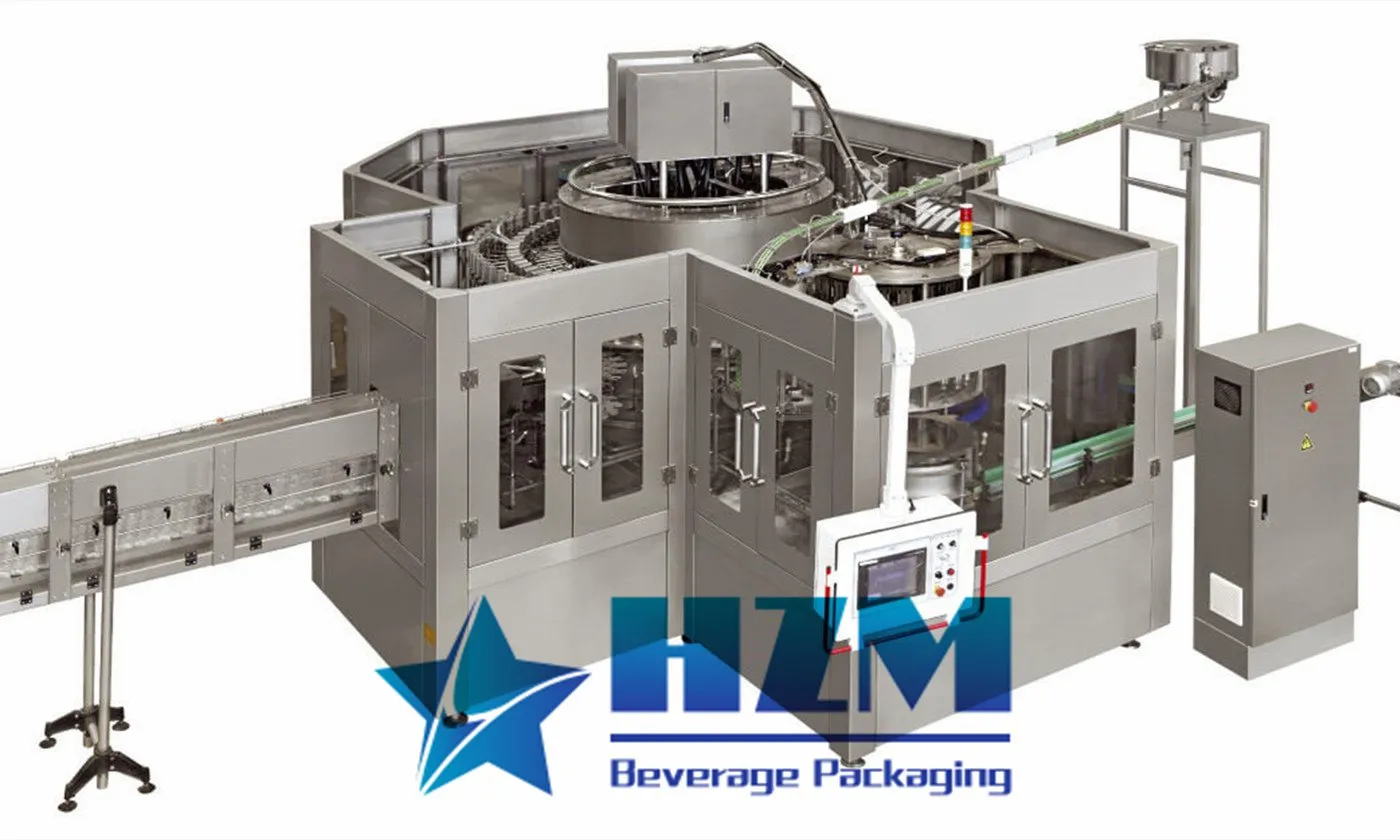
Rotary edible oil filling and capping with GYH models from 3,500 to 10,000 bottles/hour at 500 ml.
Learn more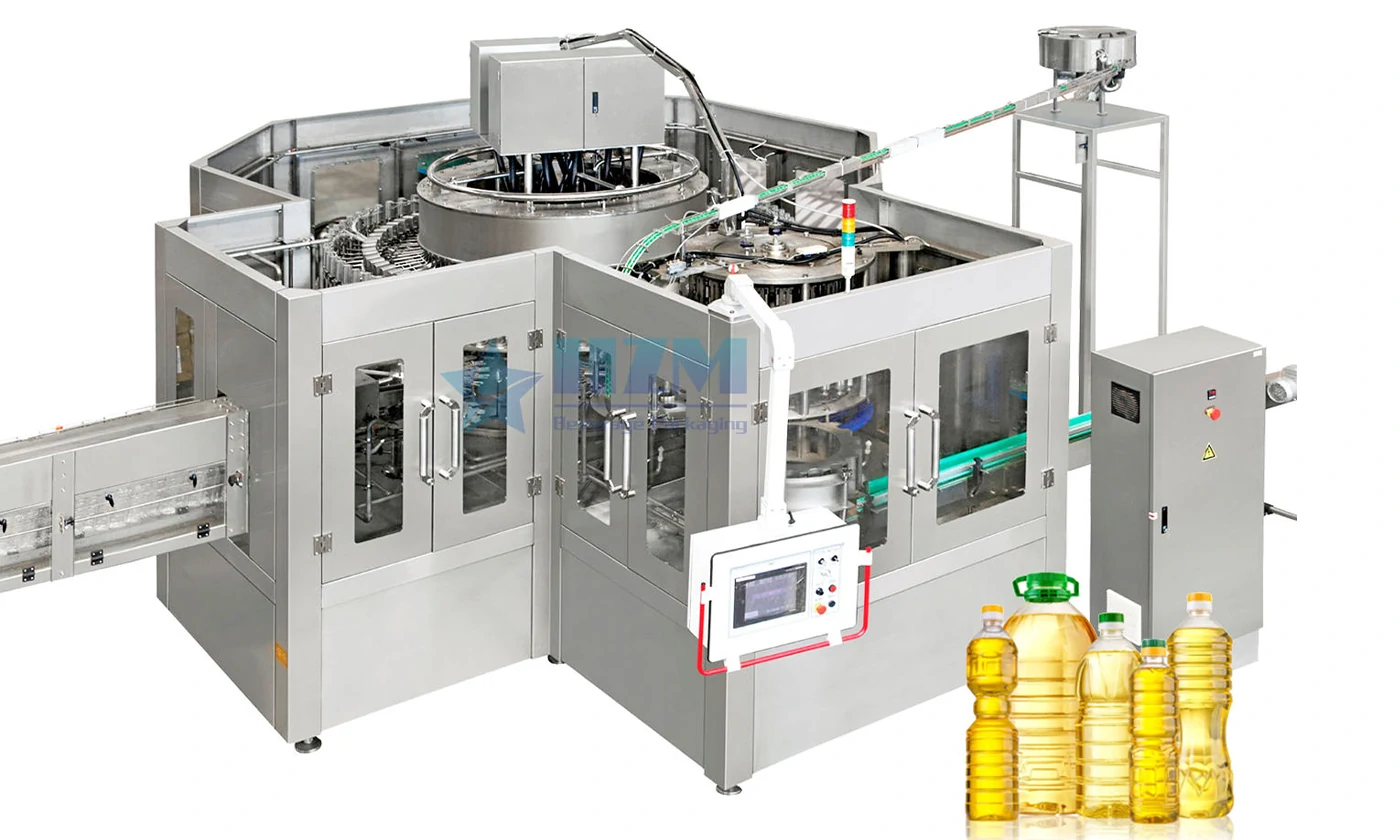
Equipment
PET Bottle Edible Oil Bottling Line | Automatic Rotary Type Edible Oil Filling Machine
The PET bottle edible oil bottling line combines rotary oil filling and capping with bottle conveying and downstream packaging.
Learn more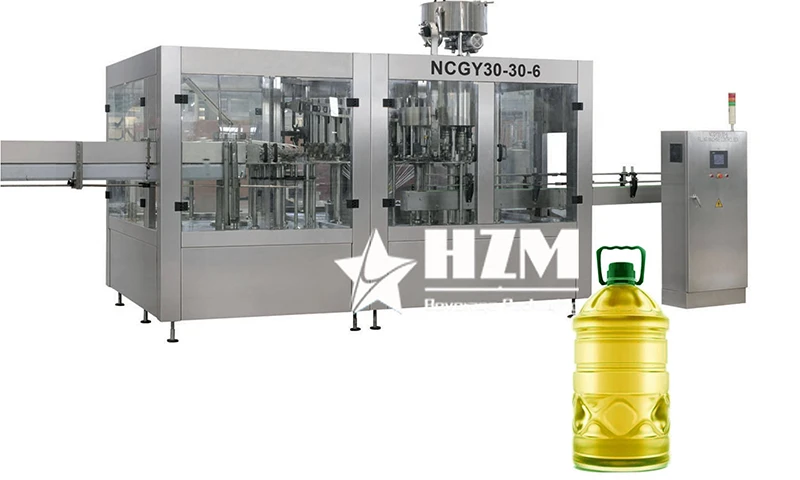
Equipment
2-in-1 Monoblock Edible Cooking Oil Filling and Capping Machine
The 2-in-1 monoblock fills and caps bottles of edible cooking oil in a continuous operation.
Learn more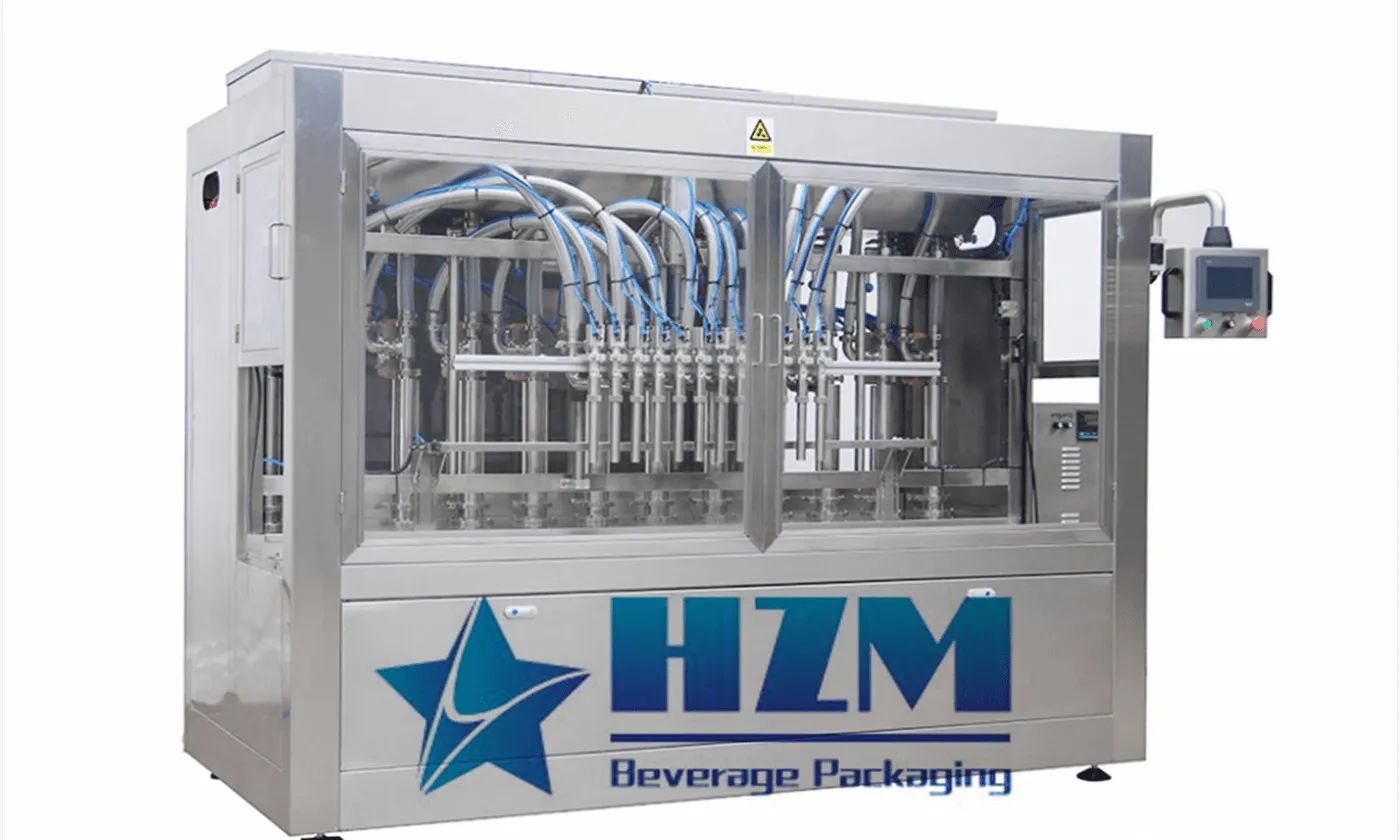
Equipment
Linear Type Oil Filling Machine
The linear oil filling machine fills bottled edible oils and compatible liquid food products.
Learn more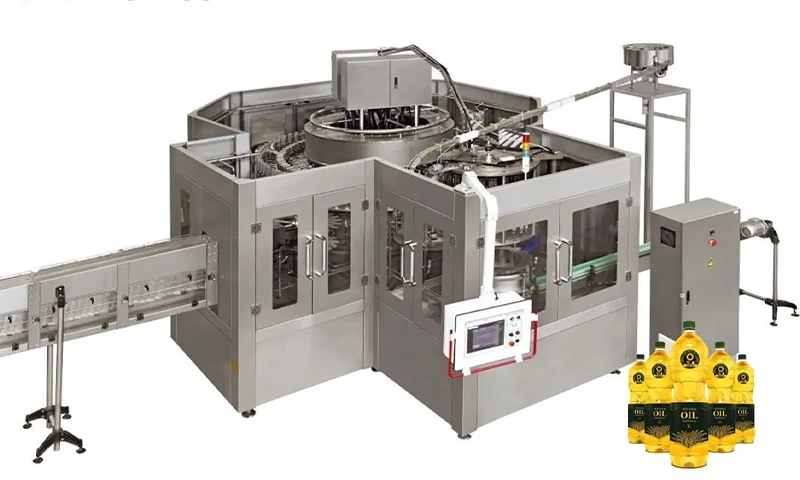
Equipment
Olive Oil Filling Machine
Olive oil bottle filling and capping with GYH models from 3,500 to 10,000 bottles/hour at 500 ml.
Learn more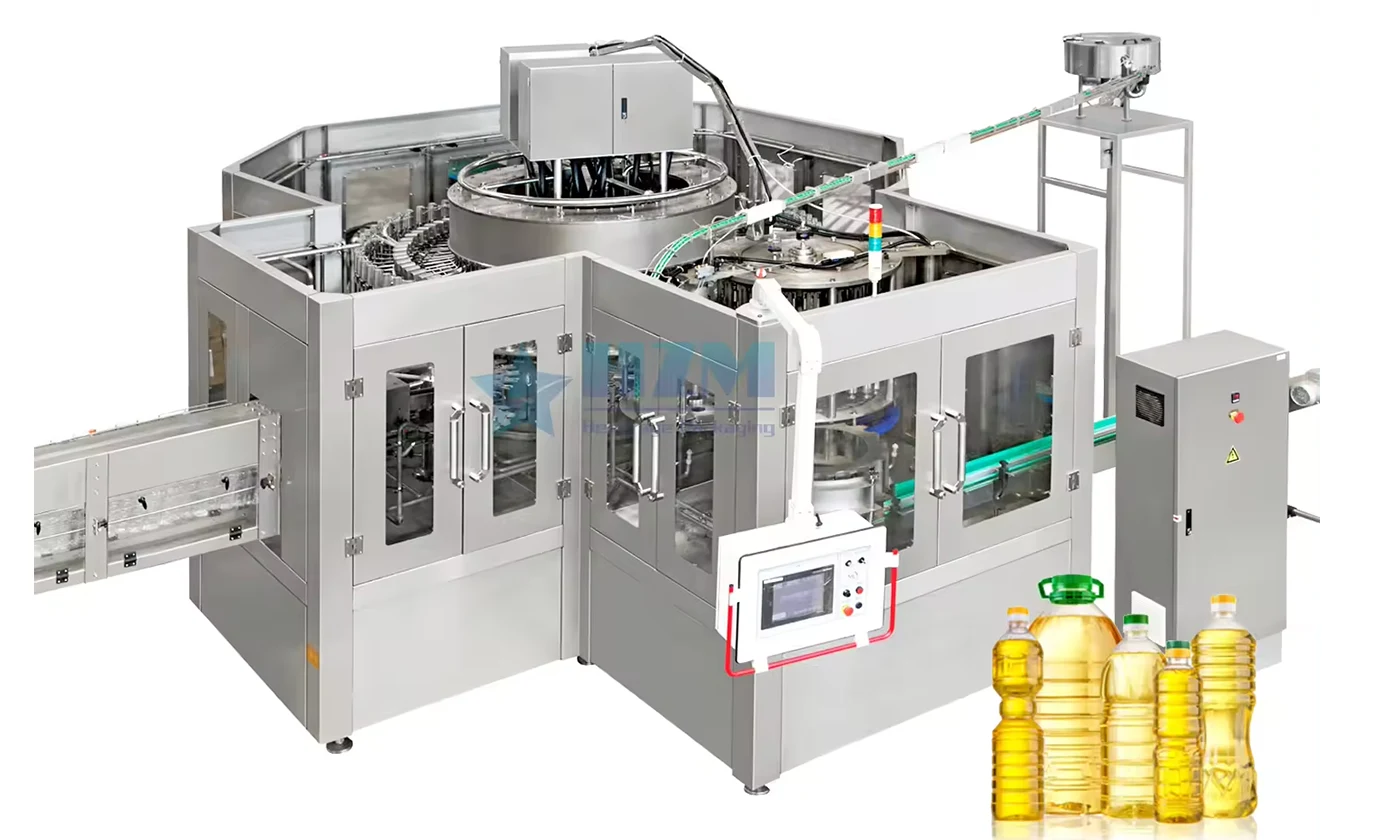
Equipment
Automatic Cooking Oil Filling Machine
The automatic cooking oil filling machine fills and caps bottles of edible oil.
Learn moreEquipment
Automatic Edible Oil Filling Machine | Cooking Oil Bottling & Packing Line
Automatic cooking oil filling and capping with GYH models from 3,500 to 10,000 bottles/hour at 500 ml.
Learn more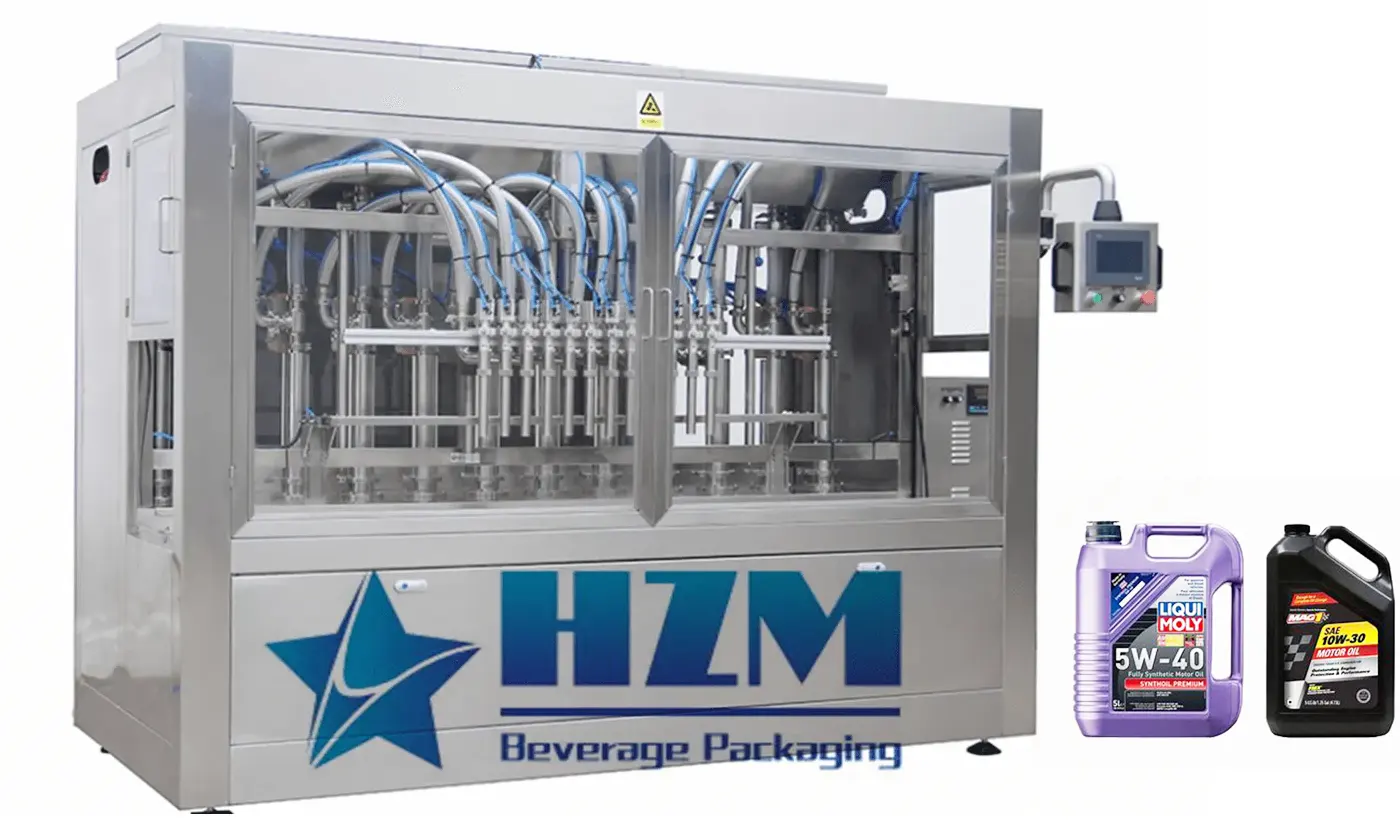
Equipment
Automotive Lubricants Oil Filling Machine
This automotive lubricating-oil filling machine doses oil into bottles and containers on a linear filling line.
Learn more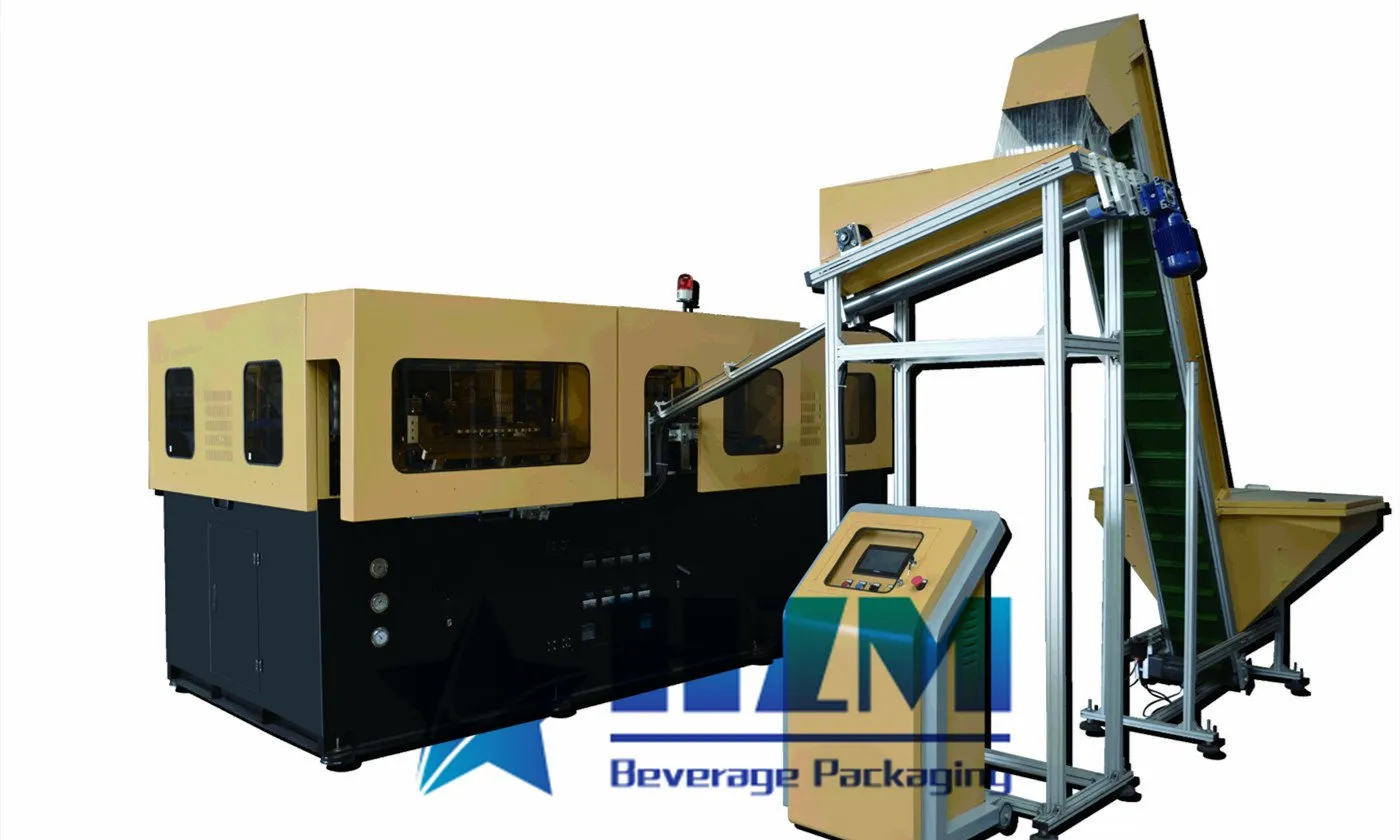
Equipment
Automatic Oil Bottle Wide Neck PET Bottle Blowing Machine
PET blow moulding equipment for large edible-oil, drinking-water and wide-neck bottles, with bottle sizes up to 5–10 L by model.
Learn more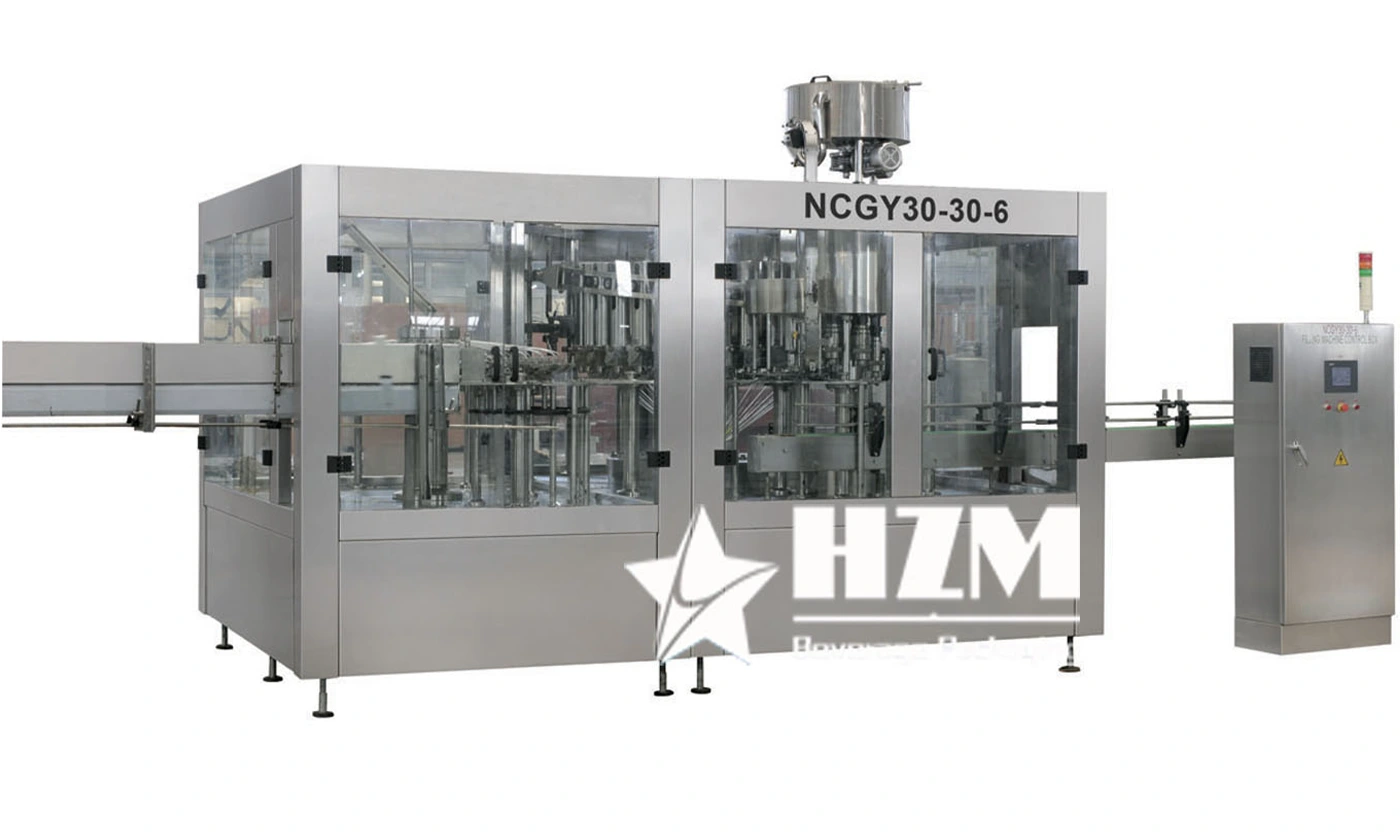
2023-11-26
Introduction to the Edible Oil Filling Production Line
The edible oil filling production line is a modern bottling production system designed to enhance the efficiency and quality of edible oil production while meeting the demands of standardized production. This assembly line consists of various individual machines, including bottle sorting, filling, capping, aluminum foil sealing, and adhesive labeling equipment.
Learn more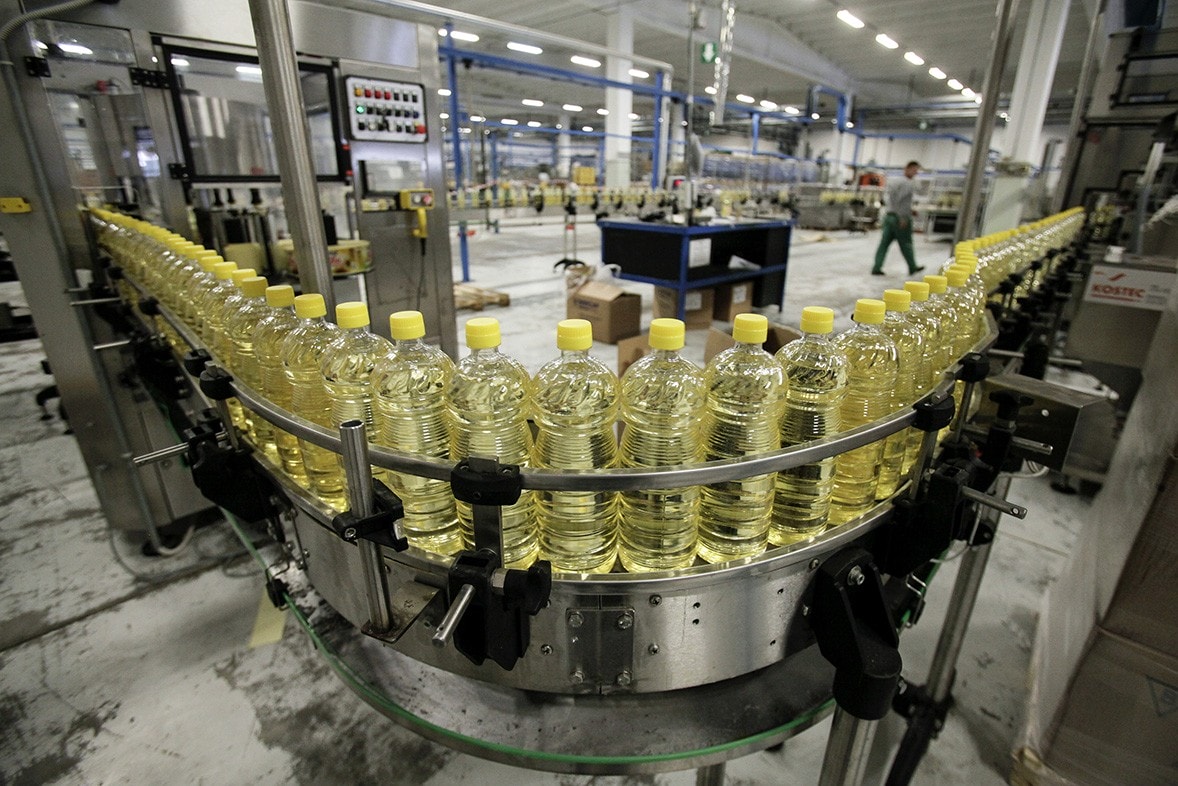
2023-11-20
Edible Oil Production Line Equipment and Costs
As a professional edible oil packaging machine solution provider, HZM Machinery offers tailor-made complete edible oil filling production line solutions to meet customer needs.
Learn more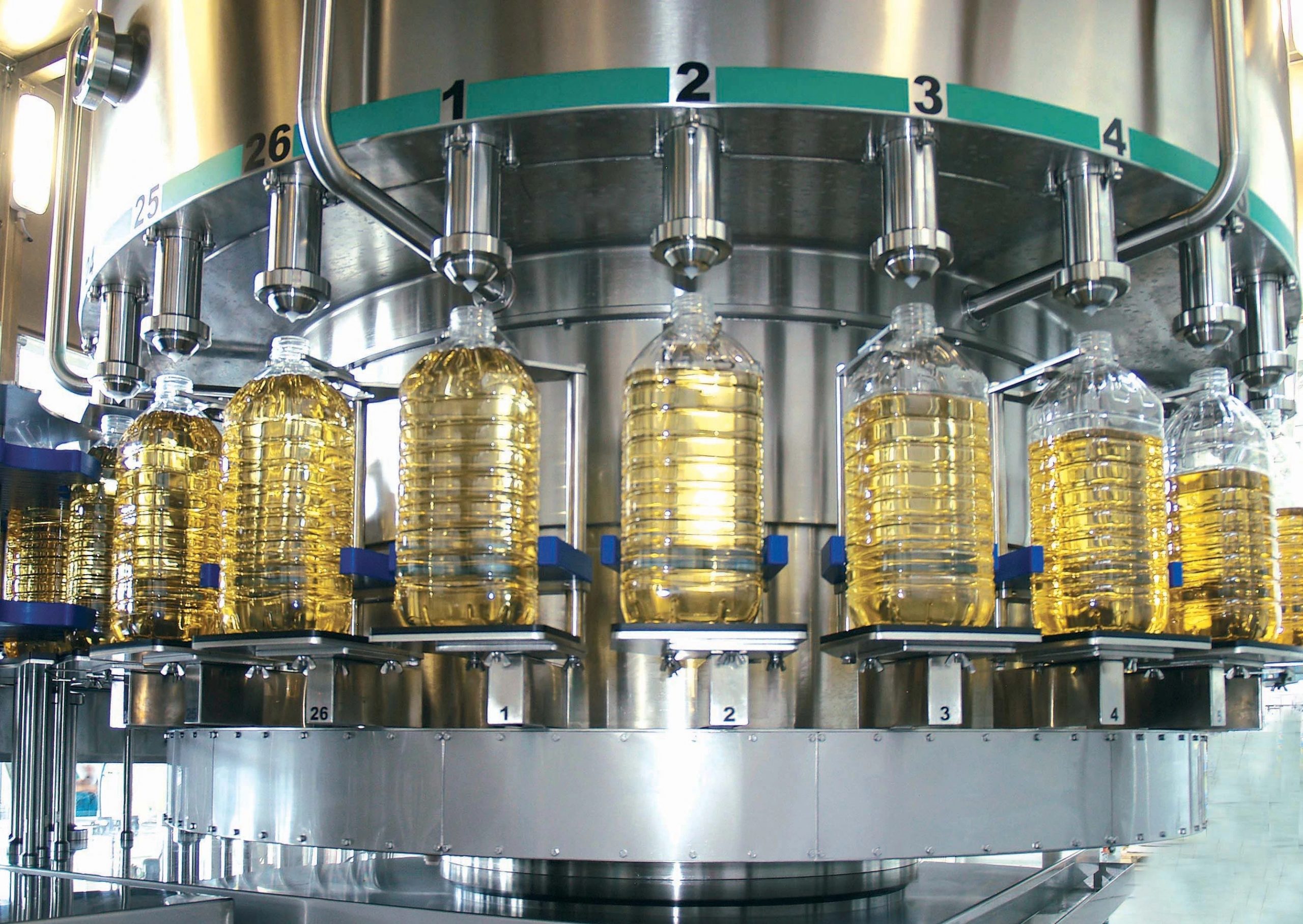
2024-01-06
Edible Oil production process
The edible oil production process is a multi-stage operation that involves extracting oil from oilseeds, refining it, and packaging it for sale.
Learn more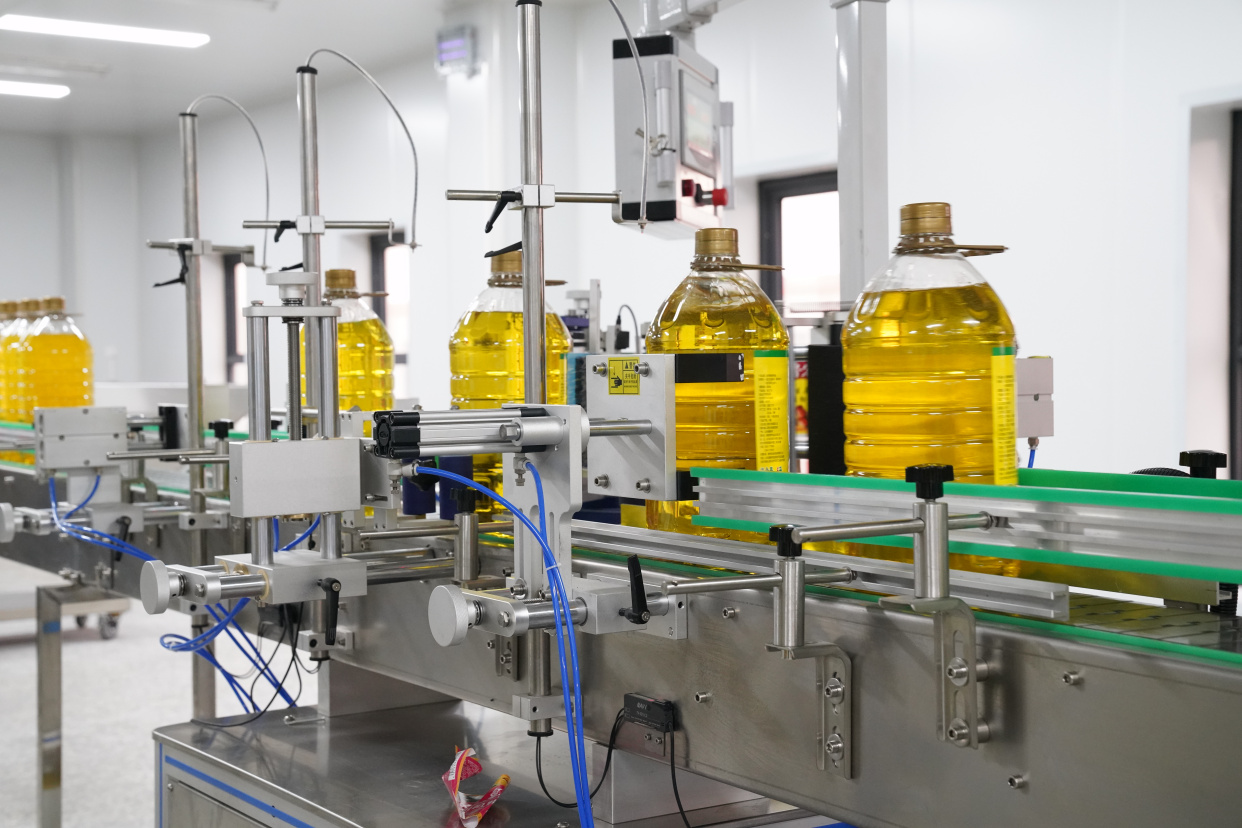
2023-09-21
Edible Oil Bottle Filling Machine: Manufacturers and Pricing
Edible Oil Bottle Filling Machines are indispensable in the food production industry, ensuring accurate and efficient bottling processes. When seeking reliable machinery, HZM Machinery, as professional Edible Oil Bottle Filling Machine manufacturers, offers tailored solutions with a commitment to quality and competitive pricing.
Learn more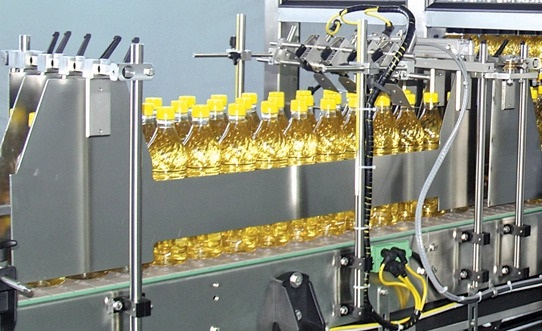
2023-09-25
Overview of Equipment for Edible Oil Filling Production Line
However, the key challenge lies in understanding how to configure the equipment for an edible oil filling production line, which is crucial for packaging edible oil. Below, let us provide a detailed explanation of the equipment typically required for a complete edible oil filling production line.
Learn more2023-10-22
What is an edible oil filling machine?
An edible oil filling machine is a specialized mechanical device used for filling and packaging edible oils. It is widely employed in the production and packaging processes of oil-based products to ensure precise filling, sealing, and packaging of these products.
Learn more