
Insights & Updates
How much does an edible oil filling machine cost per unit, and how to choose the right one?
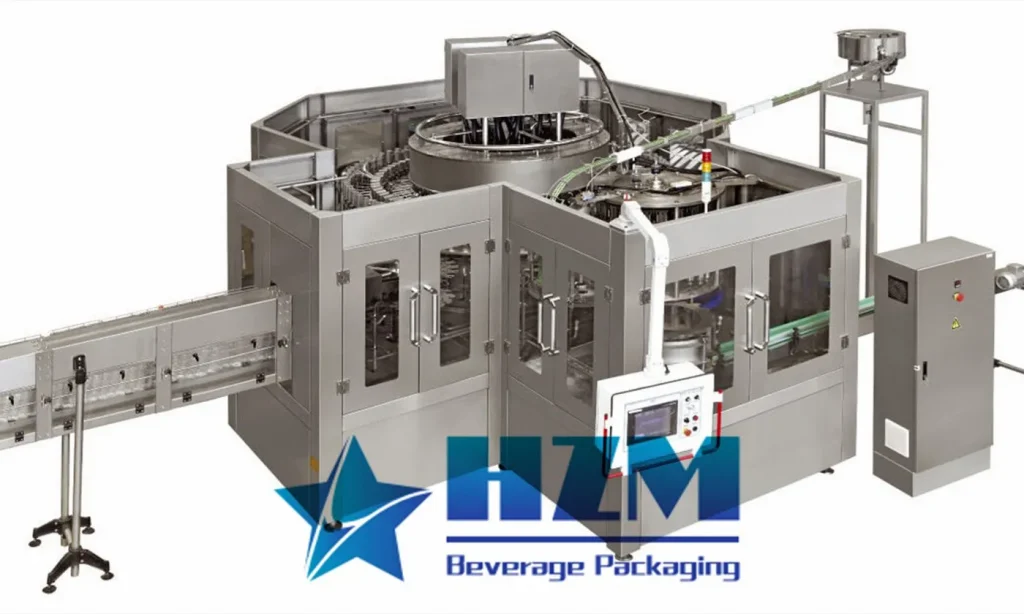
What is an Edible Oil Filling Machine?
A filling machine is a type of packaging machinery used for filling materials into containers. An edible oil filling machine is specifically designed for filling edible oil into containers and commonly adopts a flowmeter-based filling method. It utilizes computer tracking to adjust the oil delivery volume in real-time according to changes in oil temperature and density, ensuring high metering accuracy and minimizing errors caused by temperature and density variations.
How Much Does an Edible Oil Filling Machine Cost?
An edible oil filling machine is an essential piece of equipment for edible oil production companies, but what is the price?
In general, edible oil filling machines come in two types: semi-automatic and fully automatic. Semi-automatic edible oil filling machines are more affordable, with prices ranging around several thousand dollars per unit. On the other hand, fully automatic filling machines are more expensive, costing between thirty to sixty thousand dollars per unit. The exact price depends on factors such as the manufacturer and the number of filling heads on the machine. (The above prices are sourced from the internet and are for reference only.)
How to Choose the Right Edible Oil Filling Machine
A good edible oil filling machine can facilitate rapid filling and reduce wastage. When selecting the appropriate machine, pay attention to the following points:
- Determine the Type of Material: Clearly specify the type of material you plan to process, whether it is edible oil or olive oil, and clarify your desired packaging method and specifications. Sales representatives can recommend the suitable edible oil filling machine based on your requirements.
- Establish Production Plan: Determine your daily production capacity, such as the number of bottles to be filled per day or per hour. Generally, the filling speed of an edible oil filling machine is determined by the number of filling heads. The more filling heads, the higher the efficiency. This step will help you decide on the number of filling heads required for your filling equipment.
- Choose Between Semi-Automatic and Fully Automatic: Consider whether to purchase a semi-automatic or fully automatic machine. Fully automatic edible oil filling machines enable unmanned filling, but they come with a higher price tag. Your decision may depend on your budget.
- Conduct On-Site Testing: Bring your material samples to the manufacturer and conduct on-site testing. Verify if the equipment is suitable for your material, if the metering is accurate, if the filling effect meets your expectations, and if the speed meets your requirements. Most importantly, assess the reliability and trustworthiness of the manufacturer.
In conclusion, selecting the right edible oil filling machine requires a thorough understanding of your production needs and careful evaluation of the machine’s features and capabilities. Taking these factors into consideration will help you make an informed decision and acquire the most suitable equipment for your edible oil production line.
Talk to our engineering team
Need help planning your packaging line?
Share your product, bottle and capacity requirements for a practical equipment recommendation.
Equipment
Edible Oil Filling Machine
Rotary edible oil filling and capping with GYH models from 3,500 to 10,000 bottles/hour at 500 ml.
Learn more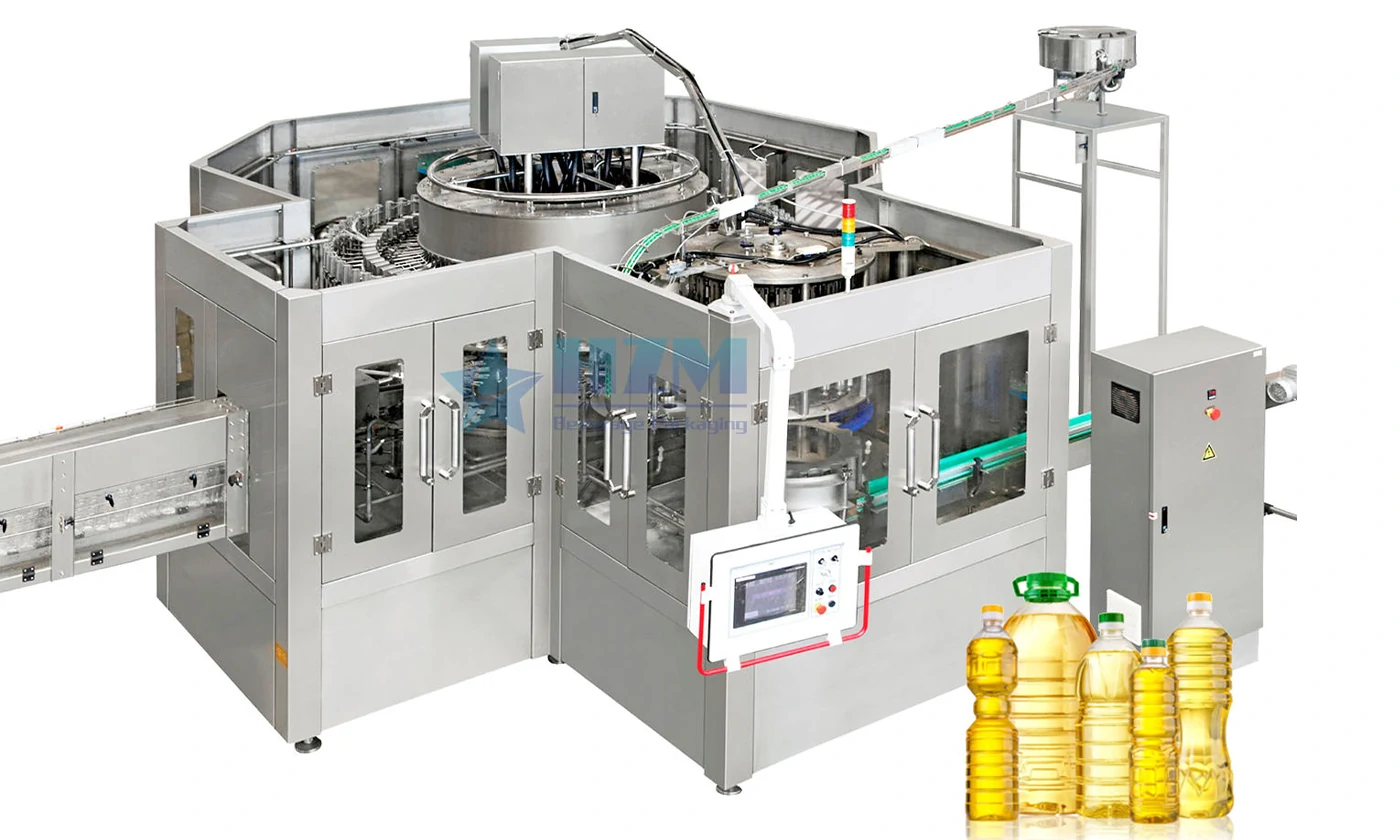
Equipment
PET Bottle Edible Oil Bottling Line | Automatic Rotary Type Edible Oil Filling Machine
The PET bottle edible oil bottling line combines rotary oil filling and capping with bottle conveying and downstream packaging.
Learn more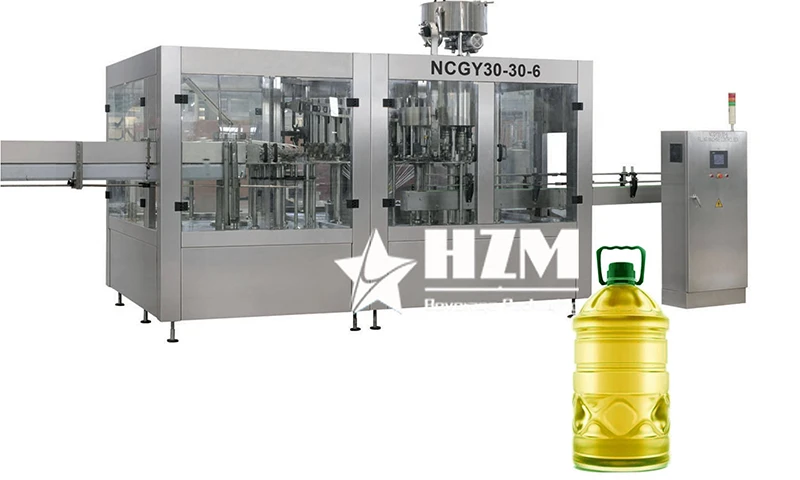
Equipment
2-in-1 Monoblock Edible Cooking Oil Filling and Capping Machine
The 2-in-1 monoblock fills and caps bottles of edible cooking oil in a continuous operation.
Learn more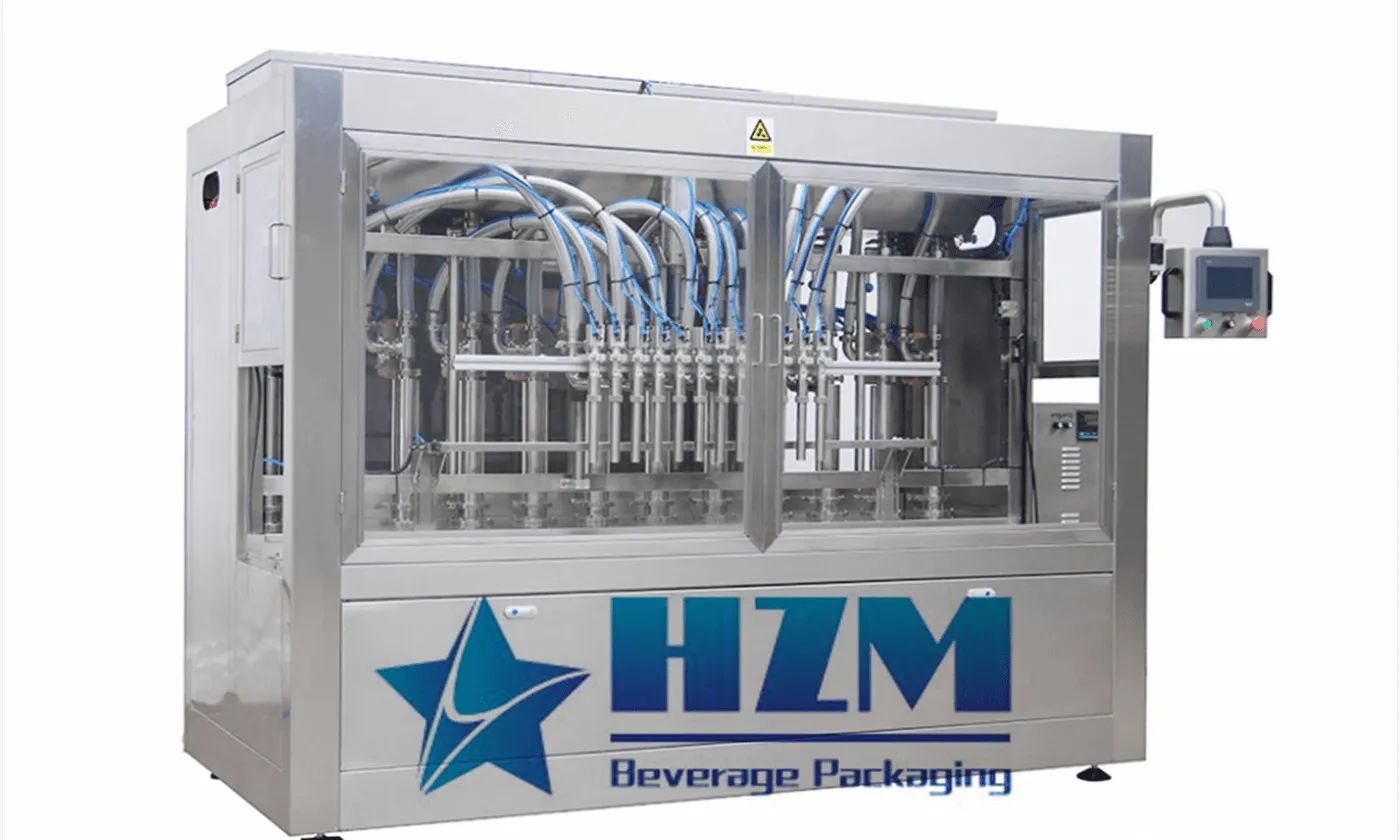
Equipment
Linear Type Oil Filling Machine
The linear oil filling machine fills bottled edible oils and compatible liquid food products.
Learn more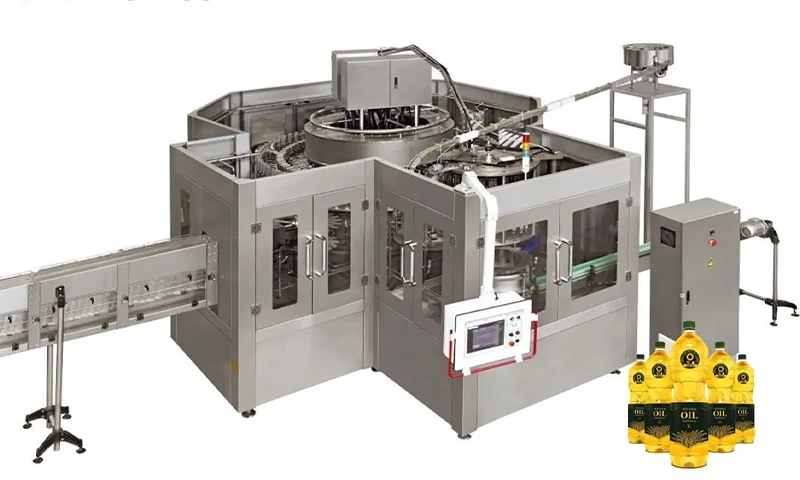
Equipment
Olive Oil Filling Machine
Olive oil bottle filling and capping with GYH models from 3,500 to 10,000 bottles/hour at 500 ml.
Learn more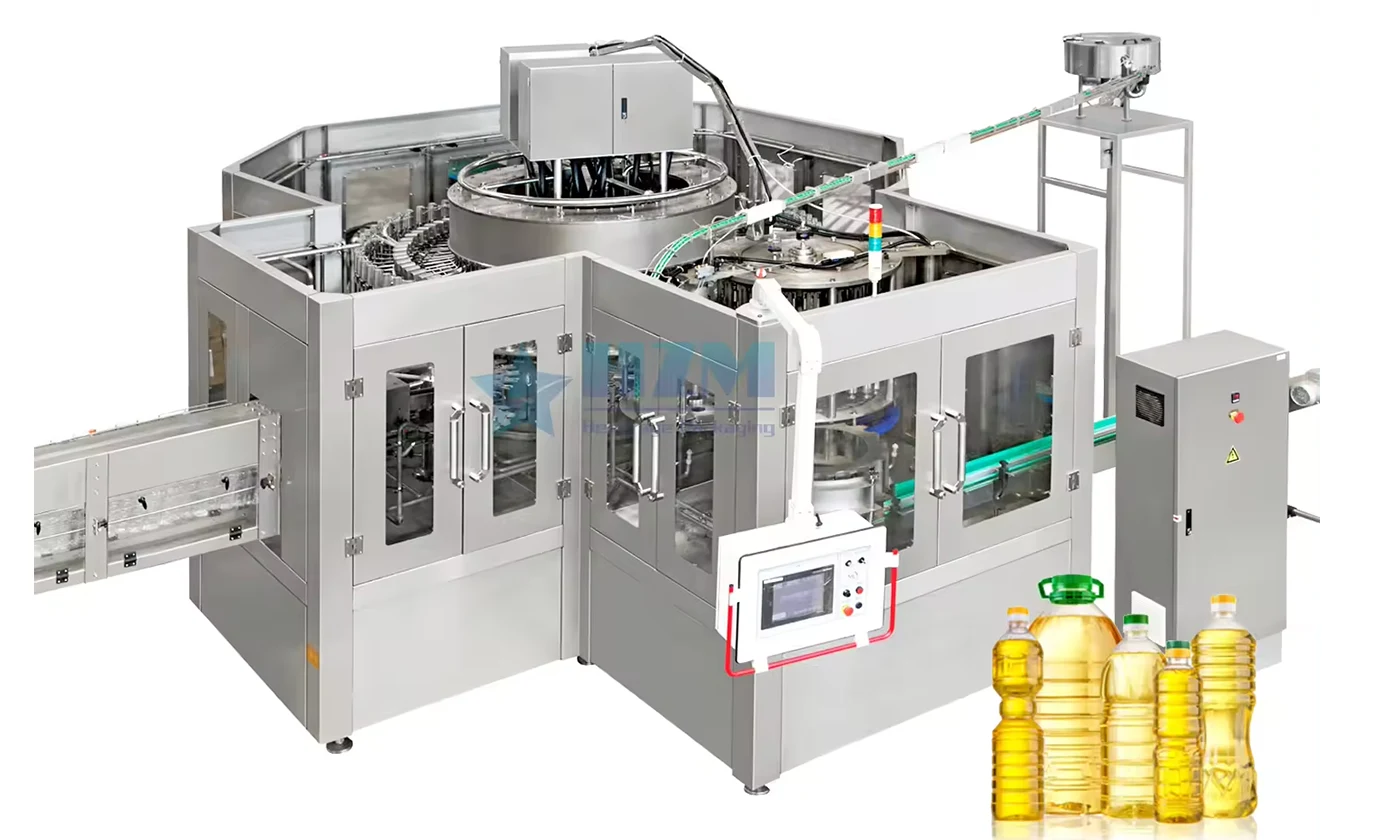
Equipment
Automatic Cooking Oil Filling Machine
The automatic cooking oil filling machine fills and caps bottles of edible oil.
Learn moreEquipment
Automatic Edible Oil Filling Machine | Cooking Oil Bottling & Packing Line
Automatic cooking oil filling and capping with GYH models from 3,500 to 10,000 bottles/hour at 500 ml.
Learn more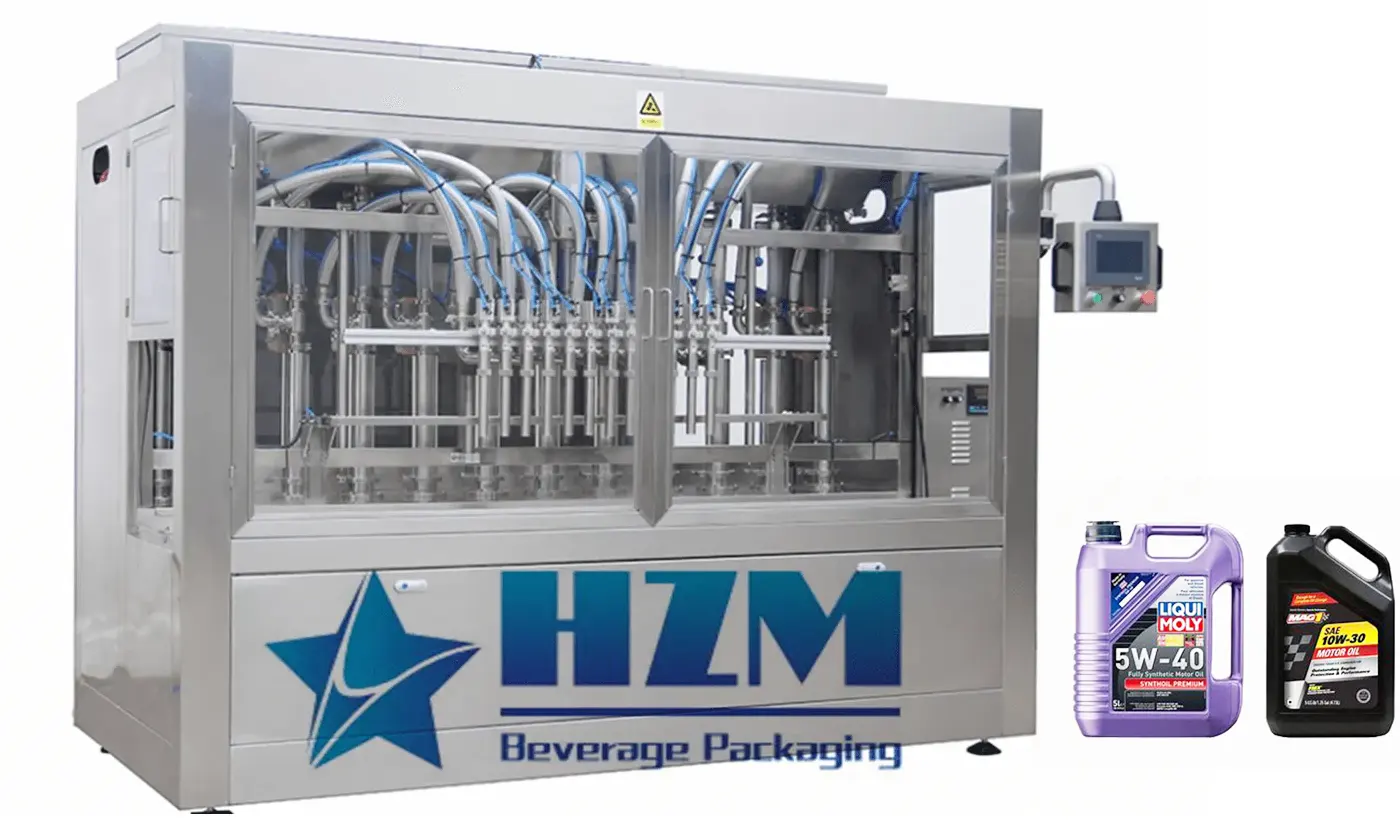
Equipment
Automotive Lubricants Oil Filling Machine
This automotive lubricating-oil filling machine doses oil into bottles and containers on a linear filling line.
Learn more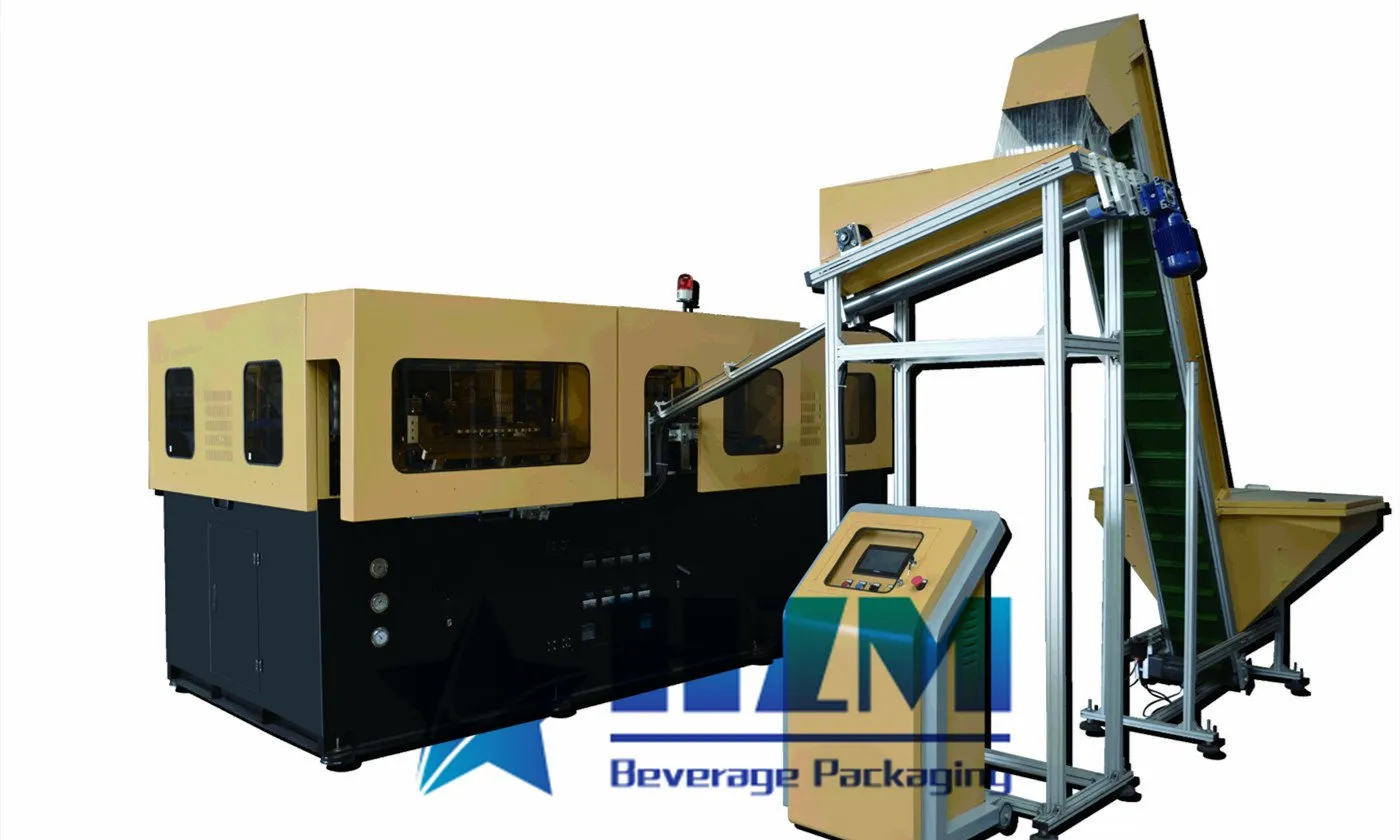
Equipment
Automatic Oil Bottle Wide Neck PET Bottle Blowing Machine
PET blow moulding equipment for large edible-oil, drinking-water and wide-neck bottles, with bottle sizes up to 5–10 L by model.
Learn more
2023-11-26
Introduction to the Edible Oil Filling Production Line
The edible oil filling production line is a modern bottling production system designed to enhance the efficiency and quality of edible oil production while meeting the demands of standardized production. This assembly line consists of various individual machines, including bottle sorting, filling, capping, aluminum foil sealing, and adhesive labeling equipment.
Learn more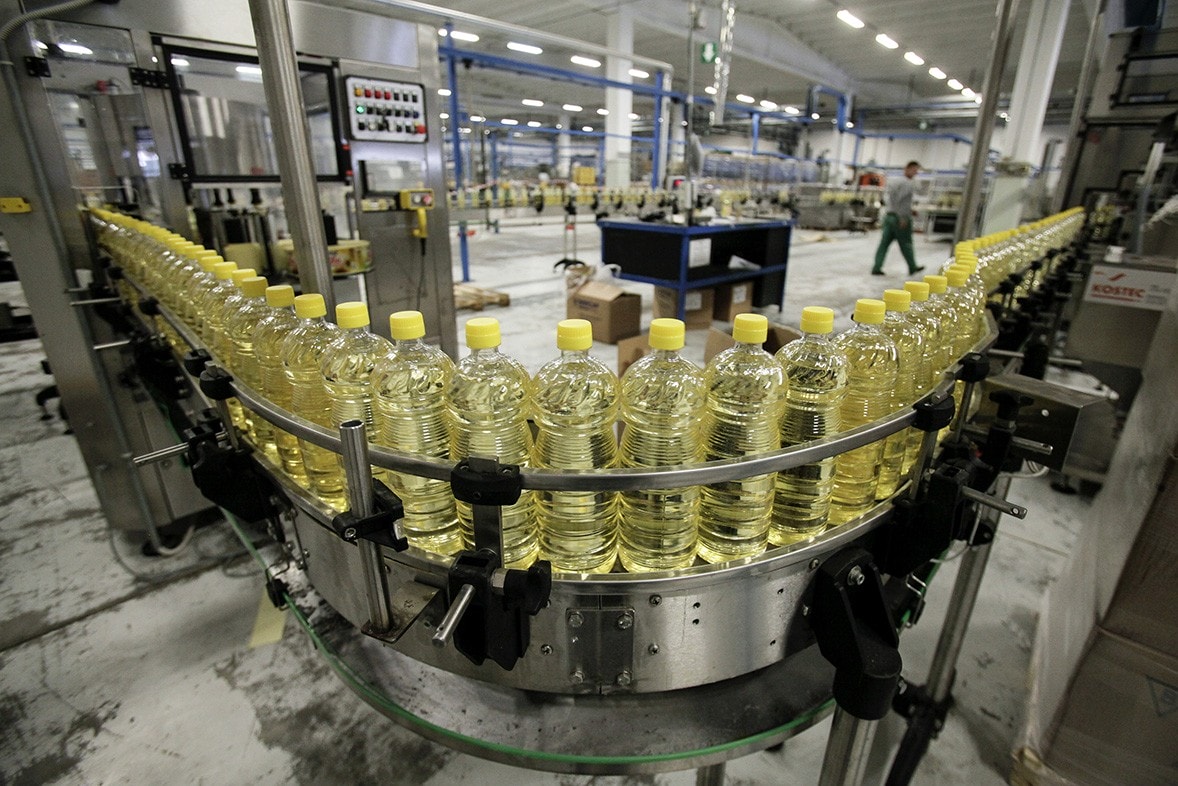
2023-11-20
Edible Oil Production Line Equipment and Costs
As a professional edible oil packaging machine solution provider, HZM Machinery offers tailor-made complete edible oil filling production line solutions to meet customer needs.
Learn more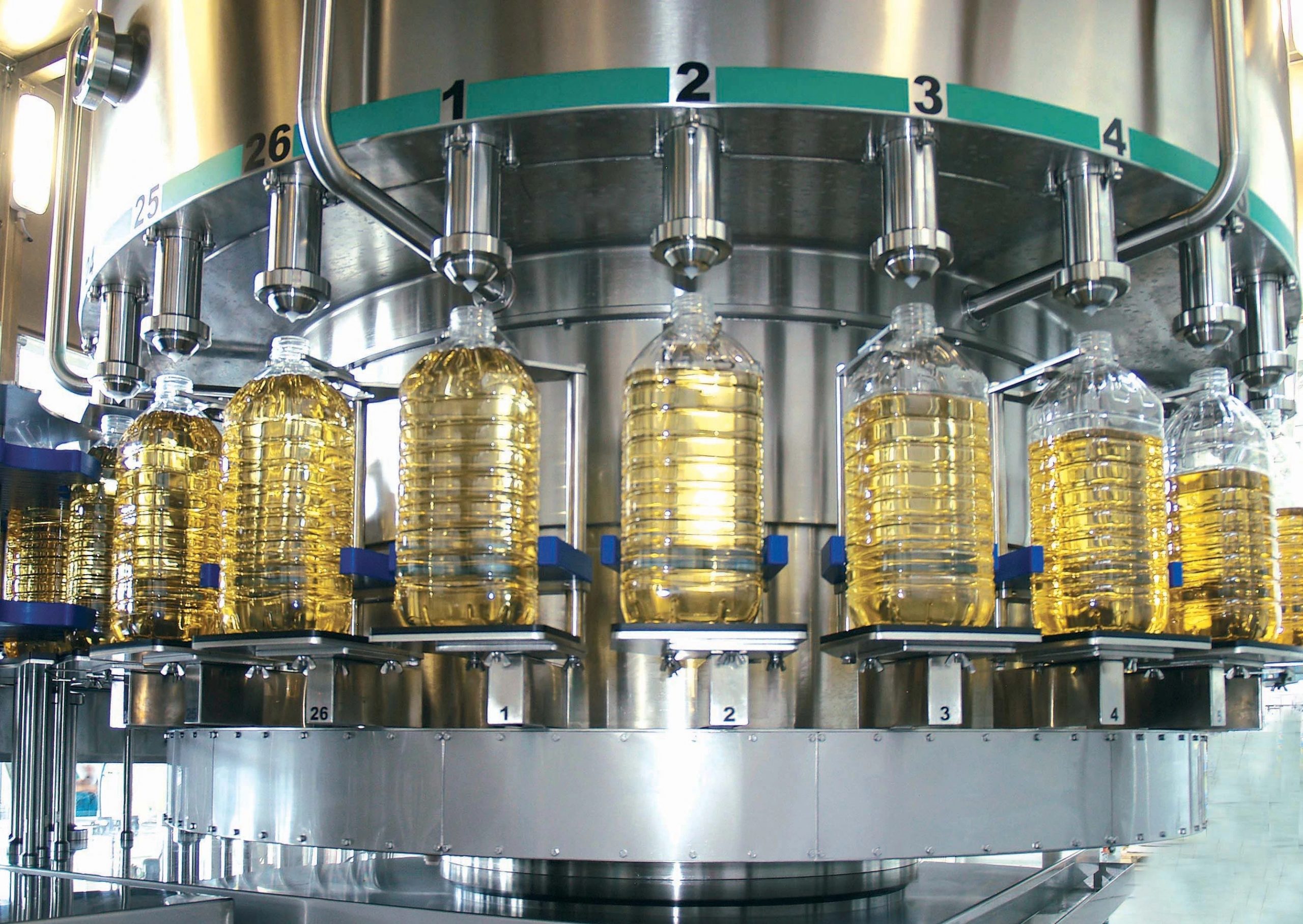
2024-01-06
Edible Oil production process
The edible oil production process is a multi-stage operation that involves extracting oil from oilseeds, refining it, and packaging it for sale.
Learn more
2023-09-21
Edible Oil Bottle Filling Machine: Manufacturers and Pricing
Edible Oil Bottle Filling Machines are indispensable in the food production industry, ensuring accurate and efficient bottling processes. When seeking reliable machinery, HZM Machinery, as professional Edible Oil Bottle Filling Machine manufacturers, offers tailored solutions with a commitment to quality and competitive pricing.
Learn more
2023-09-25
Overview of Equipment for Edible Oil Filling Production Line
However, the key challenge lies in understanding how to configure the equipment for an edible oil filling production line, which is crucial for packaging edible oil. Below, let us provide a detailed explanation of the equipment typically required for a complete edible oil filling production line.
Learn more2023-10-22
What is an edible oil filling machine?
An edible oil filling machine is a specialized mechanical device used for filling and packaging edible oils. It is widely employed in the production and packaging processes of oil-based products to ensure precise filling, sealing, and packaging of these products.
Learn more