
Insights & Updates
Automatic Edible Oil Filling Machine Guide: Accuracy, Drip Control and Cleaning
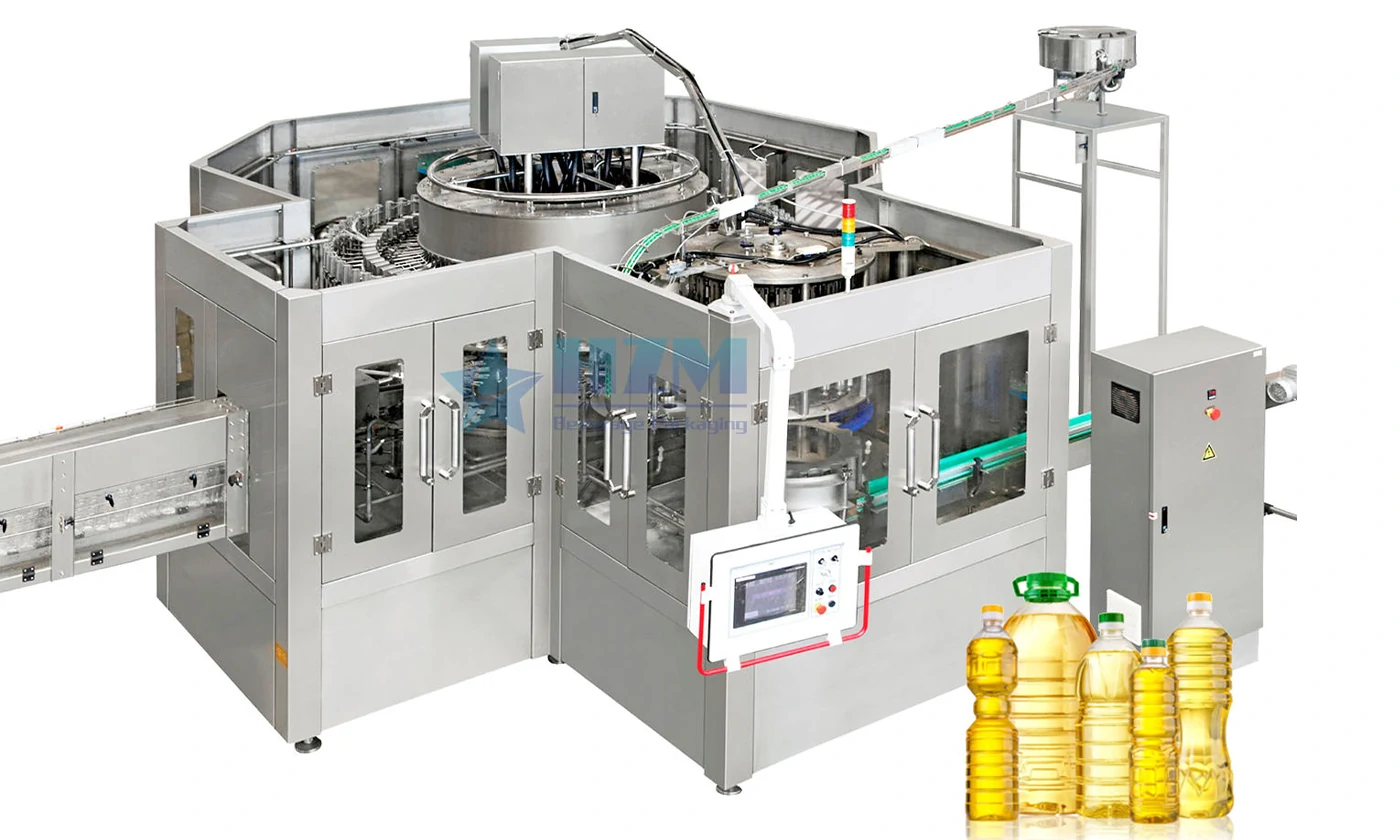
Selecting an automatic edible oil filling machine should begin with the oil grades, operating temperature, bottle range and required net output. A machine described only as fast or fully automatic may still create dripping, inaccurate fills, foaming, unstable bottles or difficult cleaning when actual production data are not included in the specification.
Key procurement takeaways
- Provide viscosity data at the lowest and highest filling temperatures.
- Test every bottle and closure format with production samples.
- Define accuracy, product loss and drip acceptance with a measurable FAT method.
- Review filling, capping, labeling, packing and conveyor interfaces together.
Match the filling principle to the oil and container
Edible oils can change viscosity with temperature, and the same factory may run several bottle sizes or oil grades. The proposal should list density, viscosity range, allowable product temperature, particulates if any, target fill quantity and tolerance. These inputs influence whether a flowmeter, piston, weighing or another controlled filling method is appropriate.
Container geometry matters just as much. A lightweight PET bottle, handled bottle, wide-neck container and rigid glass bottle behave differently at the infeed, under the nozzle and during capping. Send drawings and physical samples so HZM can confirm guides, lifting or neck-handling parts, nozzle position and changeover scope.
Control accuracy, dripping and product loss
Accuracy should be defined as a test method rather than a general claim. Agree the product temperature, fill size, sample quantity, weighing instrument, tolerance and treatment of start-up bottles. Anti-drip nozzles, suck-back control, stable pressure or flow, recipe settings and clean container positioning all contribute to repeatable results.
- Oil grade, density and viscosity at operating temperatures
- Bottle drawing, sample, neck finish and cap specification
- Net output for every bottle size
- Target fill quantity and acceptance tolerance
- Allowed product loss during start-up and changeover
Plan cleaning and product changeover
Specify how often products change, whether the line runs allergen-sensitive or flavored oils, and what cleaning chemicals and temperatures are permitted. Product-contact piping should be accessible and drainable, while tanks, pumps, valves and filler circuits should have clearly assigned cleaning responsibilities. The buyer and supplier should agree which parts require manual cleaning and which can be included in a circulation procedure.
Integrate the complete edible oil bottling line
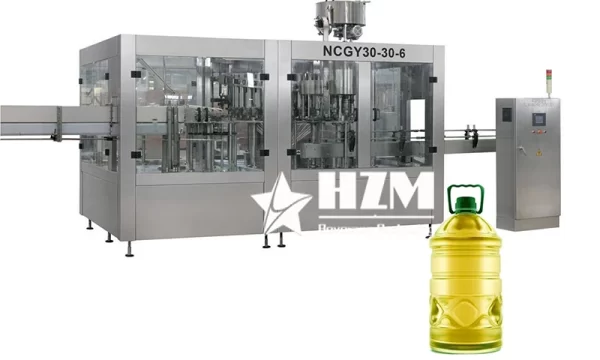
The PET Bottle Edible Oil Bottling Line provides a rotary-line reference, while the 2-in-1 Monoblock Edible Cooking Oil Filling and Capping Machine shows a compact filling-and-capping arrangement. The correct solution depends on the confirmed speed, bottle range, accuracy method, available floor space and downstream packaging.
| Decision point | Why it matters | What to provide |
|---|---|---|
| Oil properties | Controls filling method, speed and cleanability | Density, viscosity and temperature range |
| Bottle and cap | Determines handling, nozzles and change parts | Drawings and production samples |
| Acceptance target | Defines accuracy, output and product-loss limits | Written FAT protocol |
RFQ and FAT checklist
- List every oil grade, fill volume, bottle, cap and label format.
- State net saleable output rather than only the filler nameplate speed.
- Define fill-accuracy sampling, drip limits, reject handling and product recovery.
- Mark the scope for unscrambling, capping, induction sealing, labeling, coding, packing and conveyors.
- Confirm changeover parts, cleaning procedure, training, manuals and critical spares.
Frequently asked questions
Which filling method is suitable for edible oil?
It depends on viscosity, temperature, fill range, accuracy target and speed. HZM reviews product data and samples before confirming the filling principle.
How can dripping be reduced?
Nozzle design, shutoff timing, suck-back settings, stable product delivery and correct bottle positioning all matter. FAT should use the real oil and containers whenever practical.
Can one machine run several bottle sizes?
Usually within an agreed range, but each bottle and cap must be checked. Additional change parts, recipes or handling components may be required.
Request an edible oil filling proposal
Send oil data, bottle and cap samples, net output and accuracy targets for a suitable HZM configuration. Get Quotes And Specifications
Talk to our engineering team
Need help planning your packaging line?
Share your product, bottle and capacity requirements for a practical equipment recommendation.
Equipment
Edible Oil Filling Machine
Rotary edible oil filling and capping with GYH models from 3,500 to 10,000 bottles/hour at 500 ml.
Learn moreEquipment
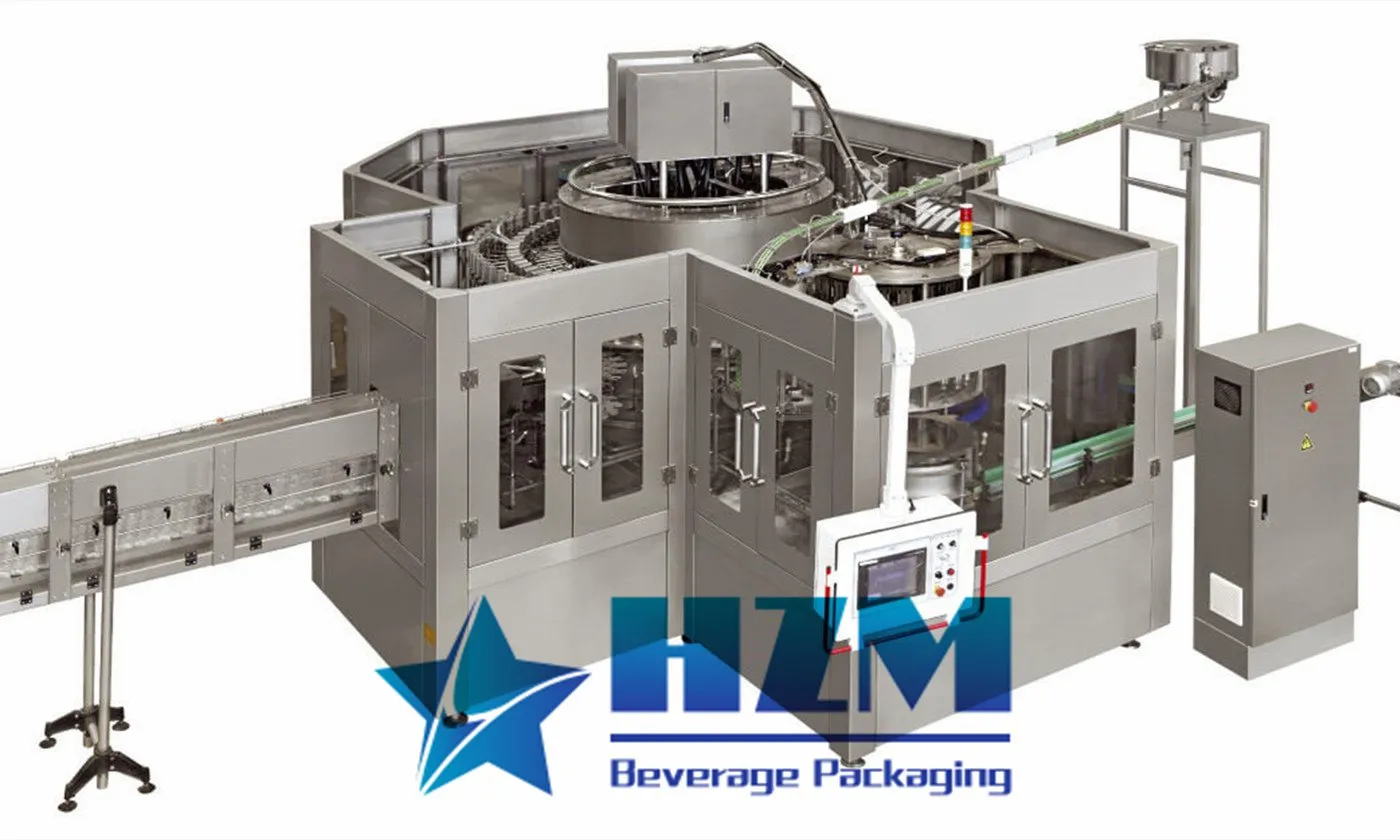
PET Bottle Edible Oil Bottling Line | Automatic Rotary Type Edible Oil Filling Machine
The PET bottle edible oil bottling line combines rotary oil filling and capping with bottle conveying and downstream packaging.
Learn more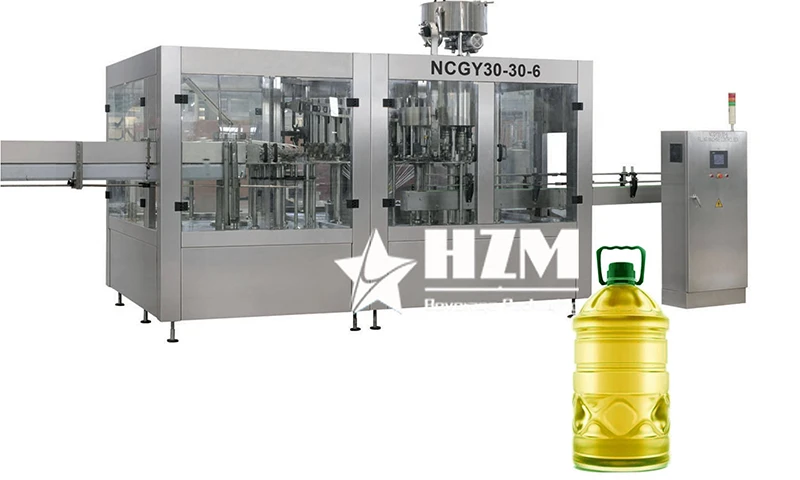
Equipment
2-in-1 Monoblock Edible Cooking Oil Filling and Capping Machine
The 2-in-1 monoblock fills and caps bottles of edible cooking oil in a continuous operation.
Learn more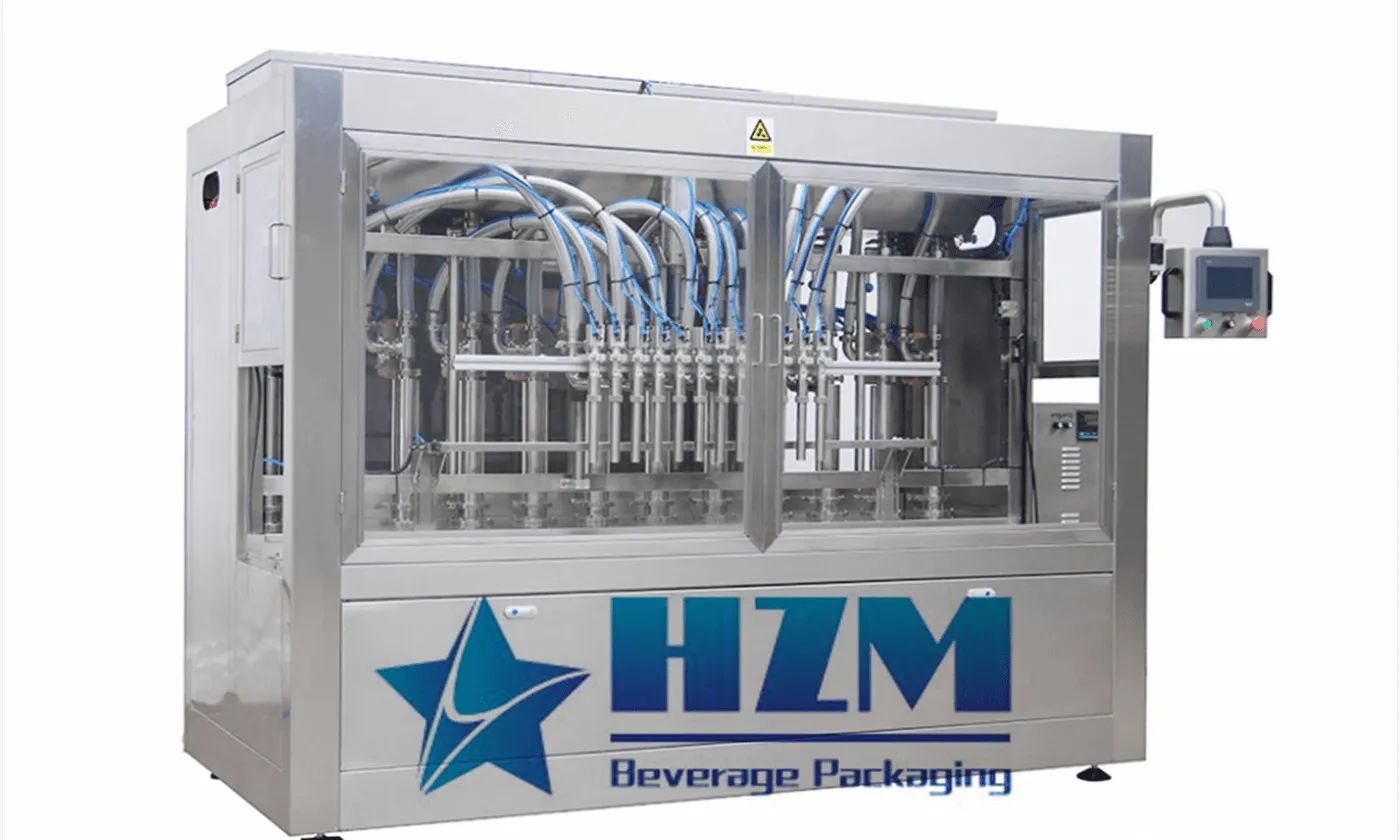
Equipment
Linear Type Oil Filling Machine
The linear oil filling machine fills bottled edible oils and compatible liquid food products.
Learn more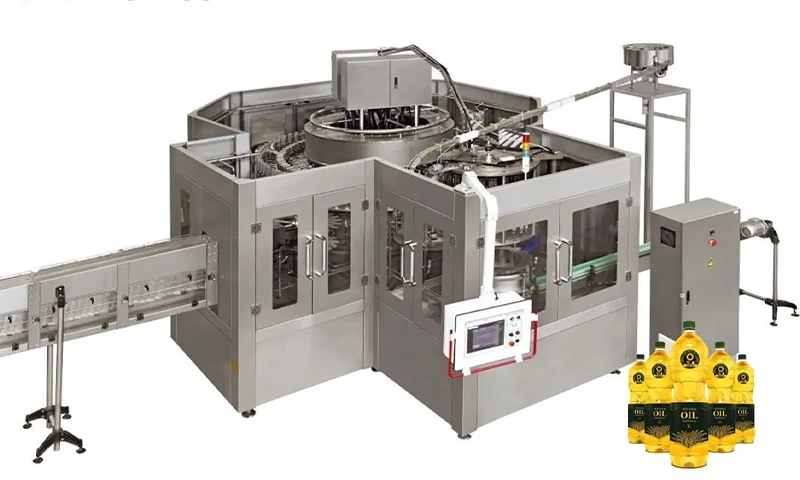
Equipment
Olive Oil Filling Machine
Olive oil bottle filling and capping with GYH models from 3,500 to 10,000 bottles/hour at 500 ml.
Learn more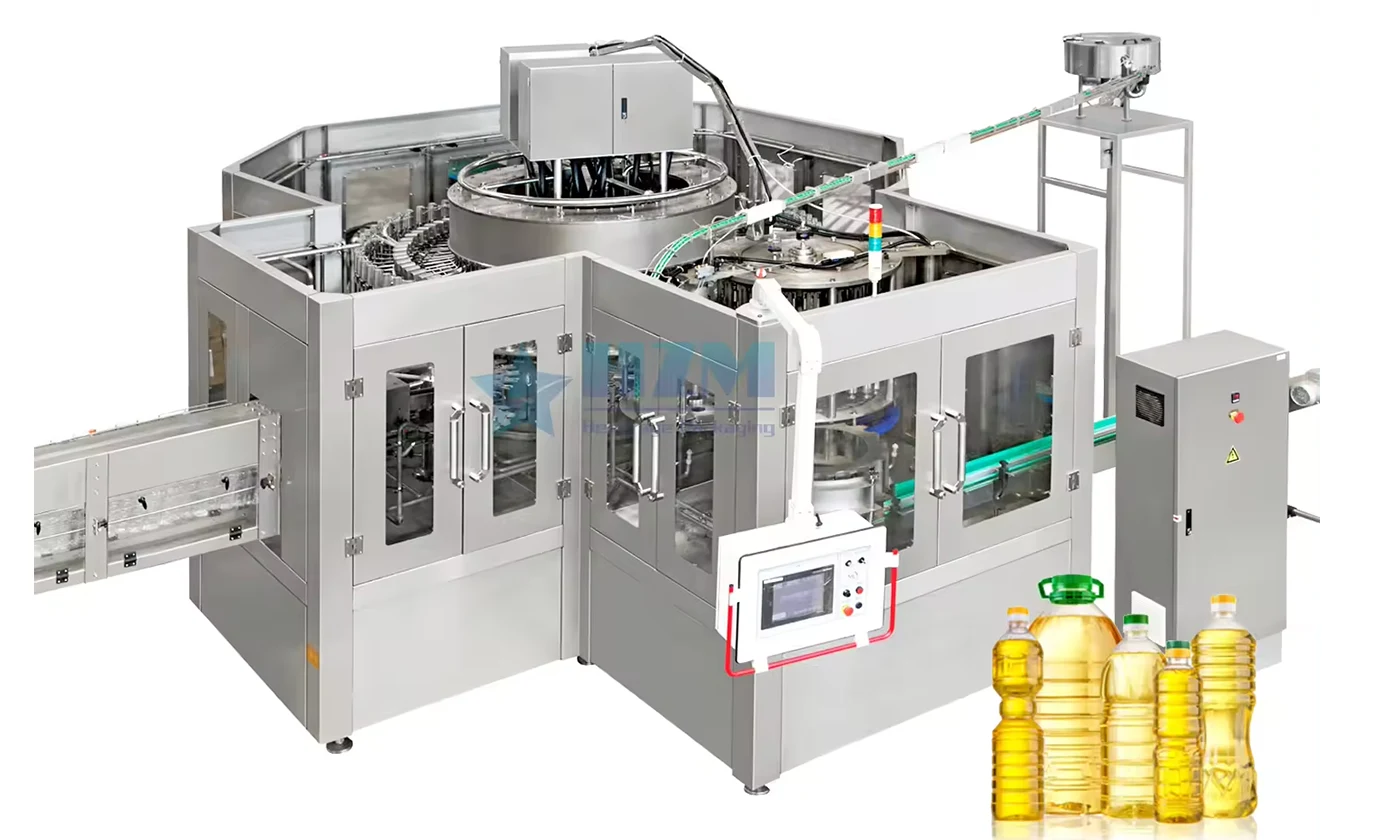
Equipment
Automatic Cooking Oil Filling Machine
The automatic cooking oil filling machine fills and caps bottles of edible oil.
Learn moreEquipment
Automatic Edible Oil Filling Machine | Cooking Oil Bottling & Packing Line
Automatic cooking oil filling and capping with GYH models from 3,500 to 10,000 bottles/hour at 500 ml.
Learn more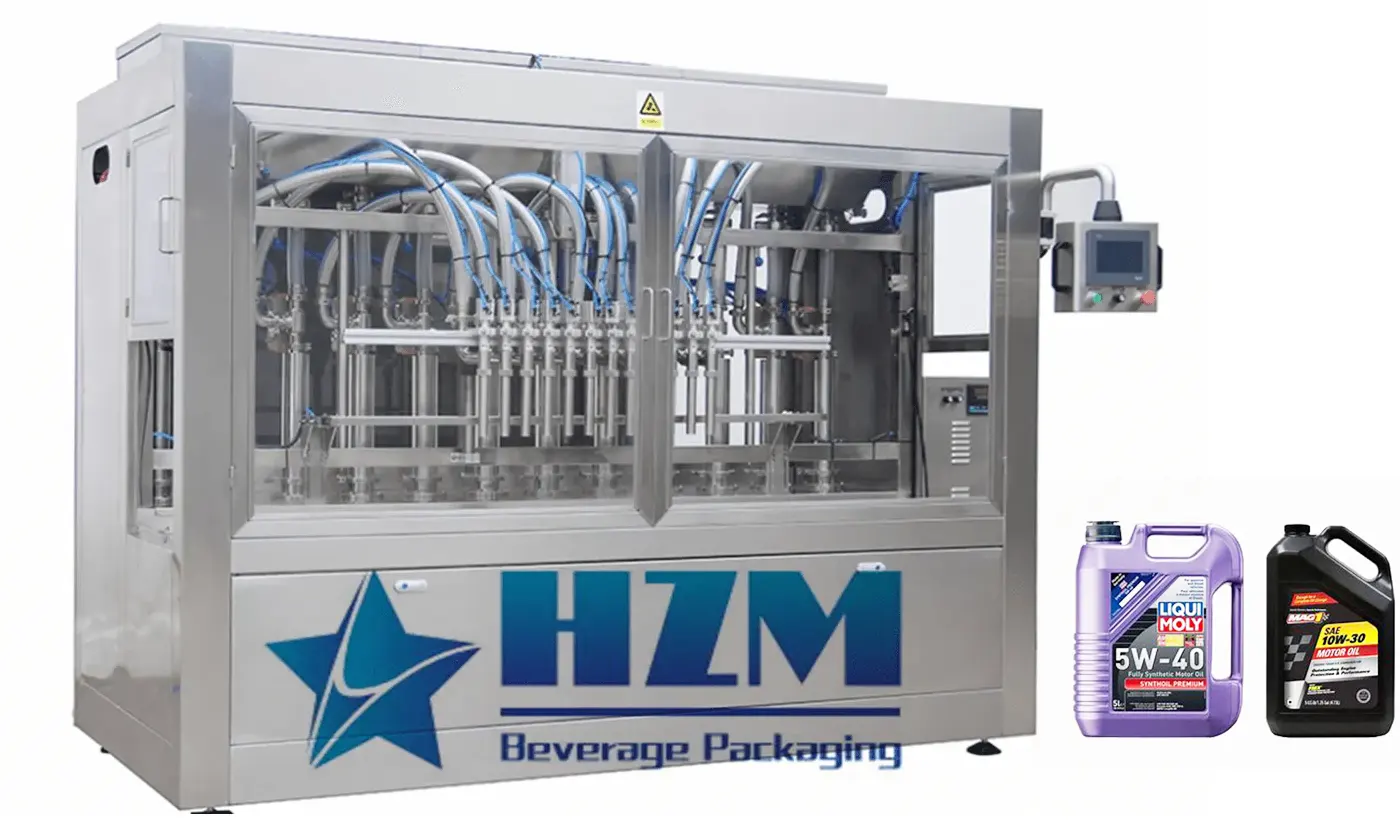
Equipment
Automotive Lubricants Oil Filling Machine
This automotive lubricating-oil filling machine doses oil into bottles and containers on a linear filling line.
Learn more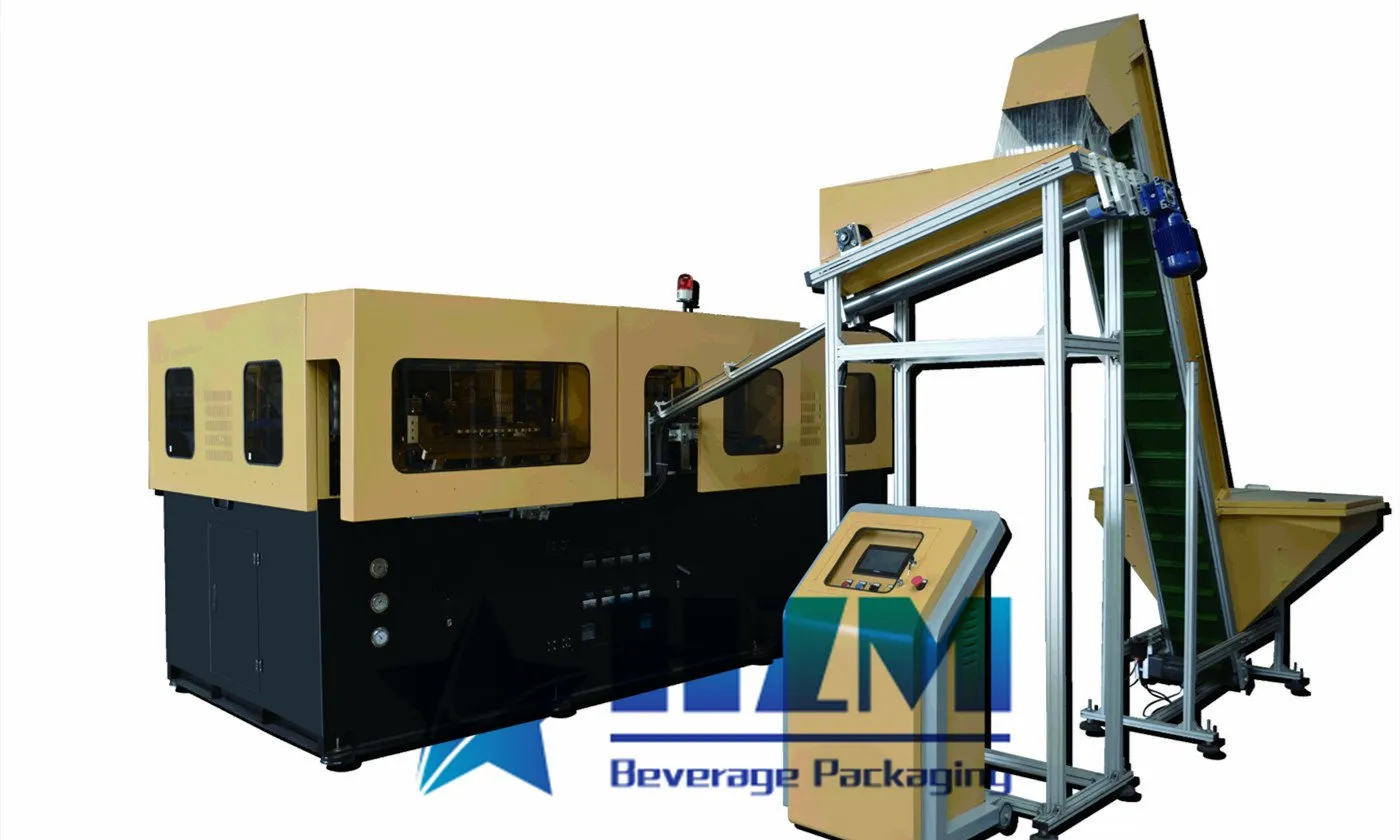
Equipment
Automatic Oil Bottle Wide Neck PET Bottle Blowing Machine
PET blow moulding equipment for large edible-oil, drinking-water and wide-neck bottles, with bottle sizes up to 5–10 L by model.
Learn more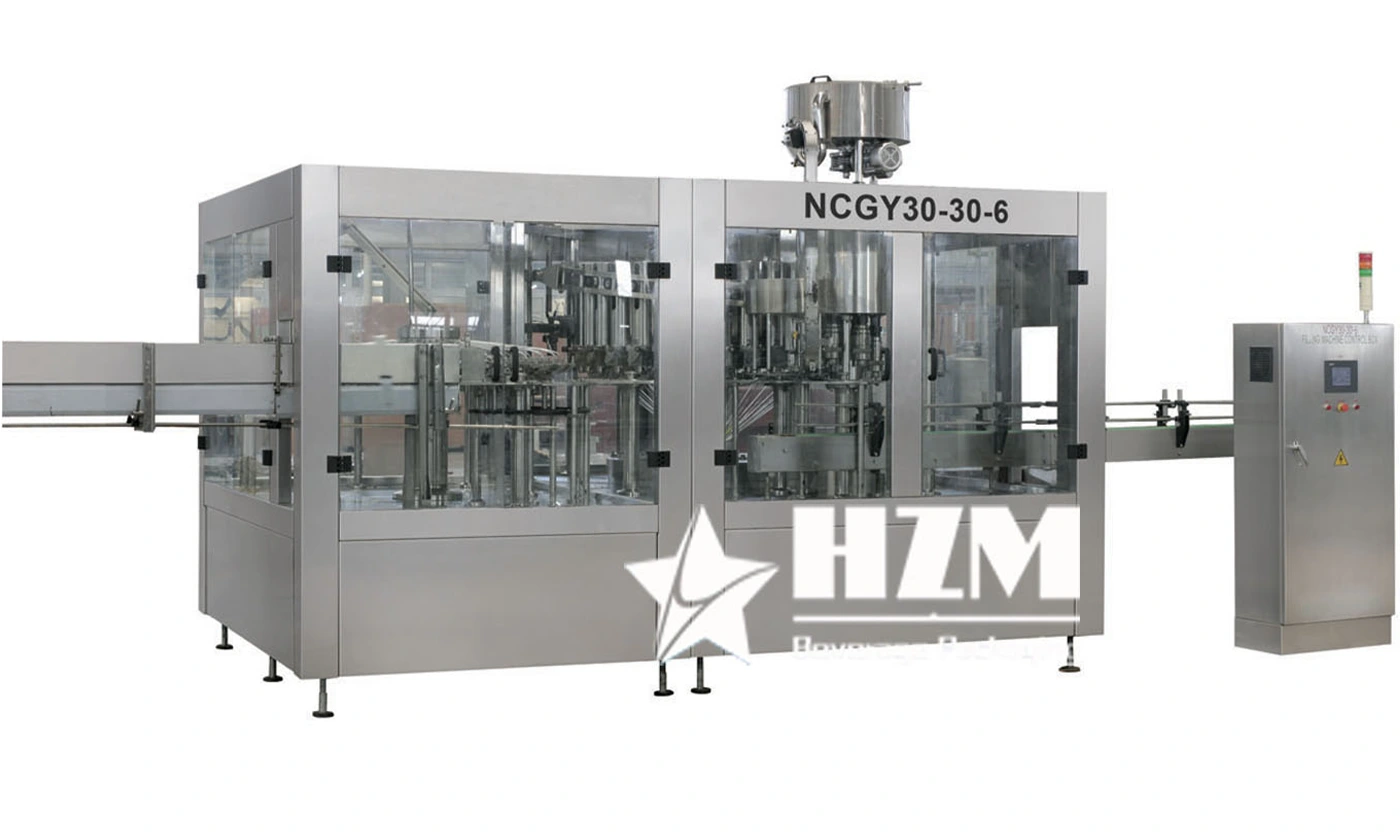
2023-11-26
Introduction to the Edible Oil Filling Production Line
The edible oil filling production line is a modern bottling production system designed to enhance the efficiency and quality of edible oil production while meeting the demands of standardized production. This assembly line consists of various individual machines, including bottle sorting, filling, capping, aluminum foil sealing, and adhesive labeling equipment.
Learn more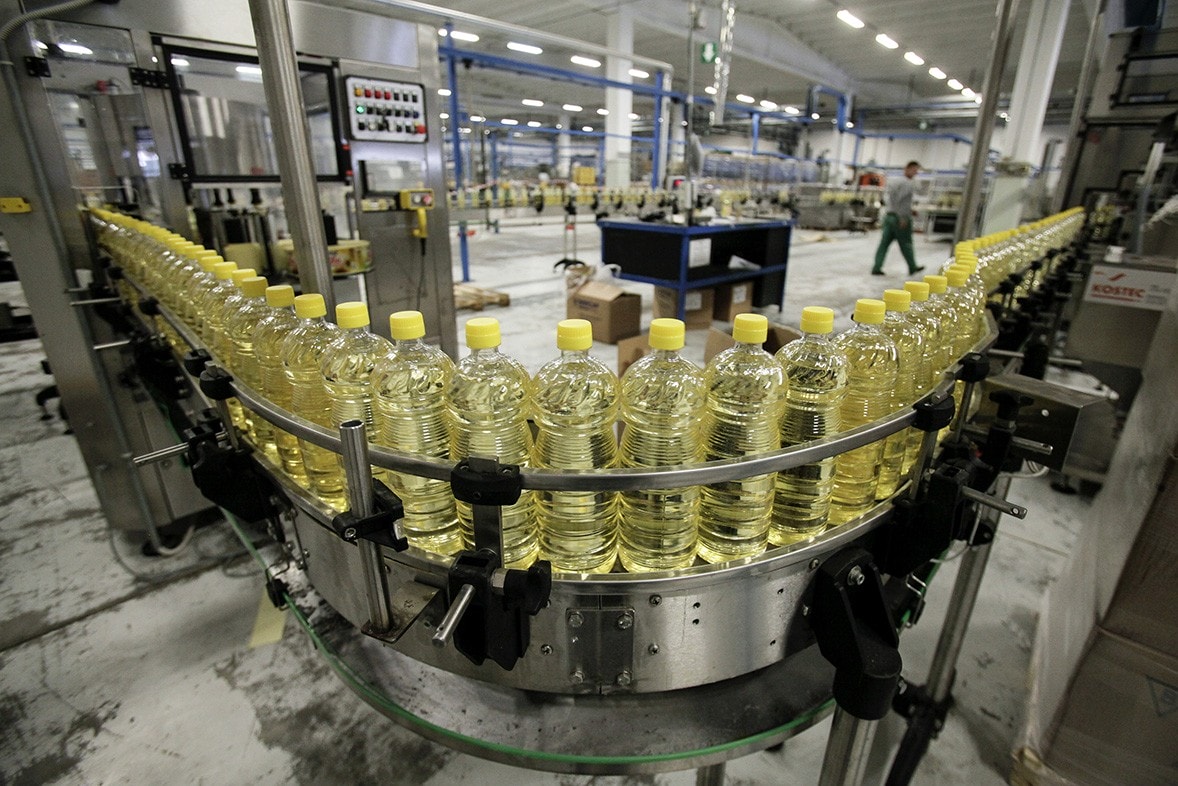
2023-11-20
Edible Oil Production Line Equipment and Costs
As a professional edible oil packaging machine solution provider, HZM Machinery offers tailor-made complete edible oil filling production line solutions to meet customer needs.
Learn more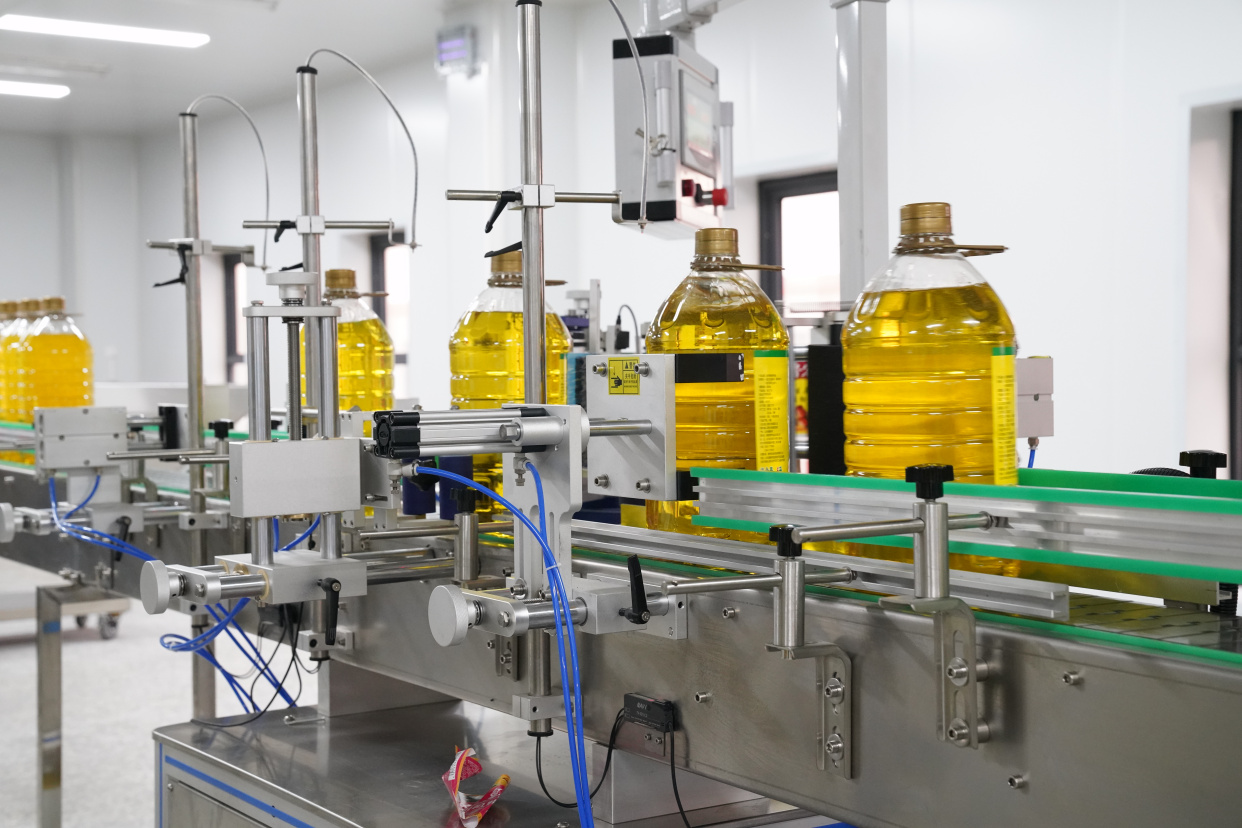
2023-09-21
Edible Oil Bottle Filling Machine: Manufacturers and Pricing
Edible Oil Bottle Filling Machines are indispensable in the food production industry, ensuring accurate and efficient bottling processes. When seeking reliable machinery, HZM Machinery, as professional Edible Oil Bottle Filling Machine manufacturers, offers tailored solutions with a commitment to quality and competitive pricing.
Learn more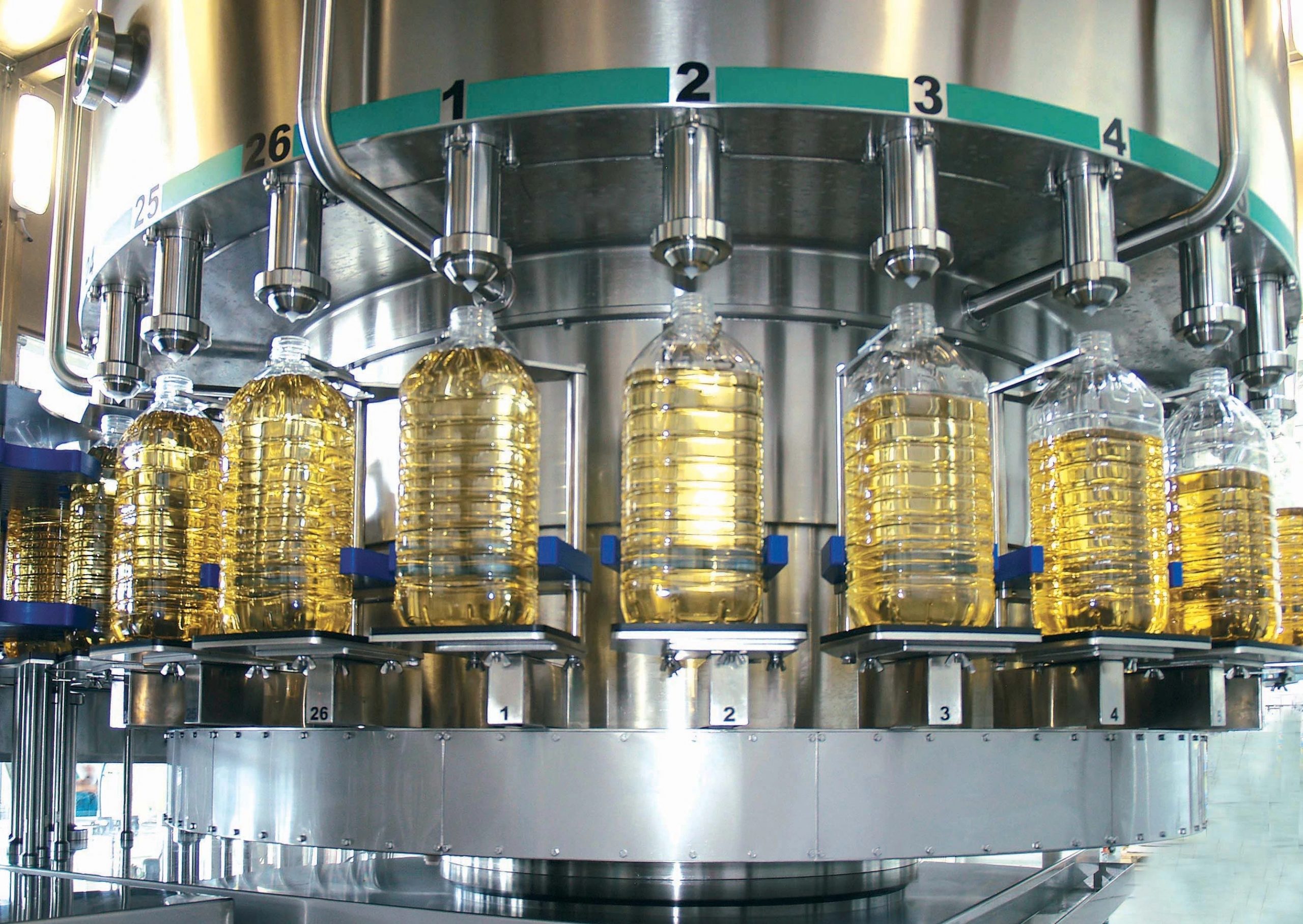
2024-01-06
Edible Oil production process
The edible oil production process is a multi-stage operation that involves extracting oil from oilseeds, refining it, and packaging it for sale.
Learn more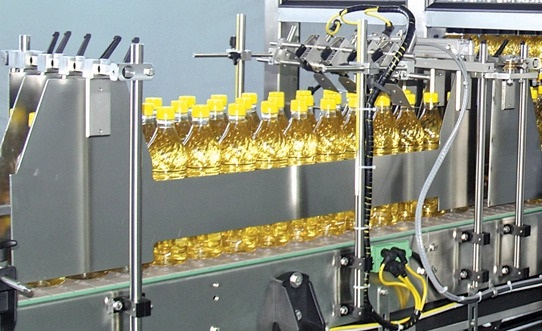
2023-09-25
Overview of Equipment for Edible Oil Filling Production Line
However, the key challenge lies in understanding how to configure the equipment for an edible oil filling production line, which is crucial for packaging edible oil. Below, let us provide a detailed explanation of the equipment typically required for a complete edible oil filling production line.
Learn more2023-10-22
What is an edible oil filling machine?
An edible oil filling machine is a specialized mechanical device used for filling and packaging edible oils. It is widely employed in the production and packaging processes of oil-based products to ensure precise filling, sealing, and packaging of these products.
Learn more