
Insights & Updates
Mastering Techniques and Precautions in Juice Beverage Filling Machine Operations
In the intricate world of juice beverage production lines, the filling machine emerges as a linchpin, wielding significant influence over the final product’s quality. This machine serves the crucial function of precisely filling prepared juice beverages into bottles or cans, facilitating their journey from production to sale and transportation. However, the operation of a filling machine is not a mere push-button task; it demands a nuanced understanding of techniques and adherence to essential precautions. Let’s unravel these intricacies in detail.
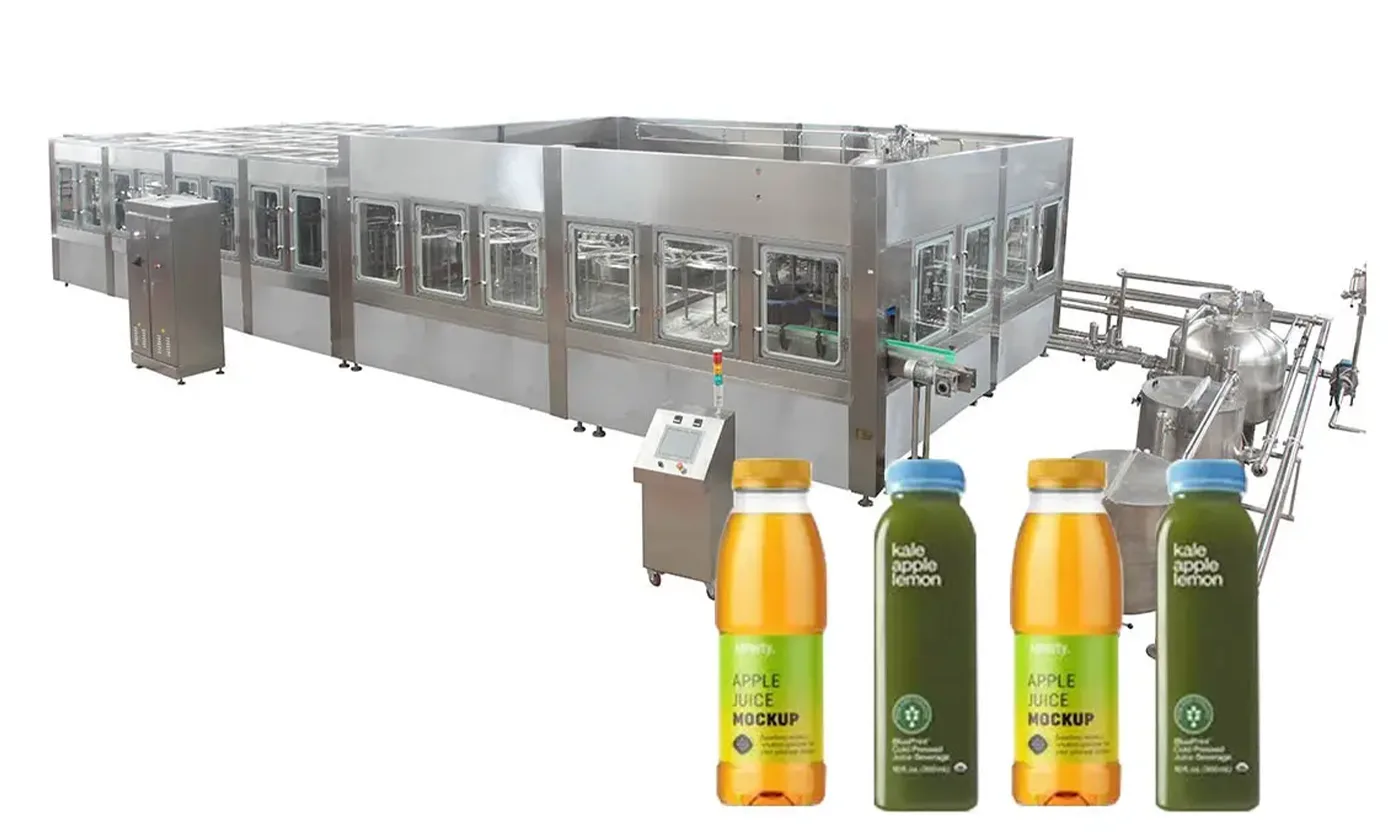
Juice Beverage Filling Machines
1. Equipment Inspection and Cleaning:
- Pre-Operation Rituals: Before the filling machine hums to life, a meticulous inspection is imperative. This involves scrutinizing the equipment’s functionality, ensuring it operates seamlessly. Moreover, both the interior and exterior of the machine demand thorough cleaning to uphold hygiene and safety standards.
- Component Check: Beyond a cursory glance, a detailed inspection of vital components like pipelines, valves, and transmission mechanisms is crucial. This guarantees the smooth and reliable operation of the filling machine.
2. Adjustments for Juice Varieties:
- Tailored Adjustments: The filling process is not a one-size-fits-all affair. Specific adjustments are requisite based on the type of juice beverage. Thick juices demand nuanced alterations in flow rate and speed to achieve uniform and stable filling. Carbonated beverages, on the other hand, necessitate meticulous adjustments to pressure and temperature, safeguarding the beverage’s quality and taste.
3. Operating Guidelines:
- Hygiene Protocols: Filling machine operators must adhere to strict hygiene protocols. Wearing clean work attire and gloves is non-negotiable to ensure both the operator’s safety and equipment hygiene.
- Technical Mastery: A profound understanding of equipment operation techniques and safety protocols is paramount. This knowledge is the bulwark against accidents and malfunctions during the operation of the filling machine.
- Maintenance Regimen: Regular maintenance routines are indispensable for the longevity and optimal functioning of the equipment. A well-maintained filling machine translates to sustained efficiency and high-quality production.
In conclusion, the filling machine stands as an indispensable cornerstone in juice beverage production lines. Its operation is an art that demands specific techniques and strict adherence to precautions. Mastery of correct operational methods and safety measures is not just a preference; it is the key to ensuring the equipment’s seamless function and the production of consistently high-quality juice beverages.
Talk to our engineering team
Need help planning your packaging line?
Share your product, bottle and capacity requirements for a practical equipment recommendation.
Equipment
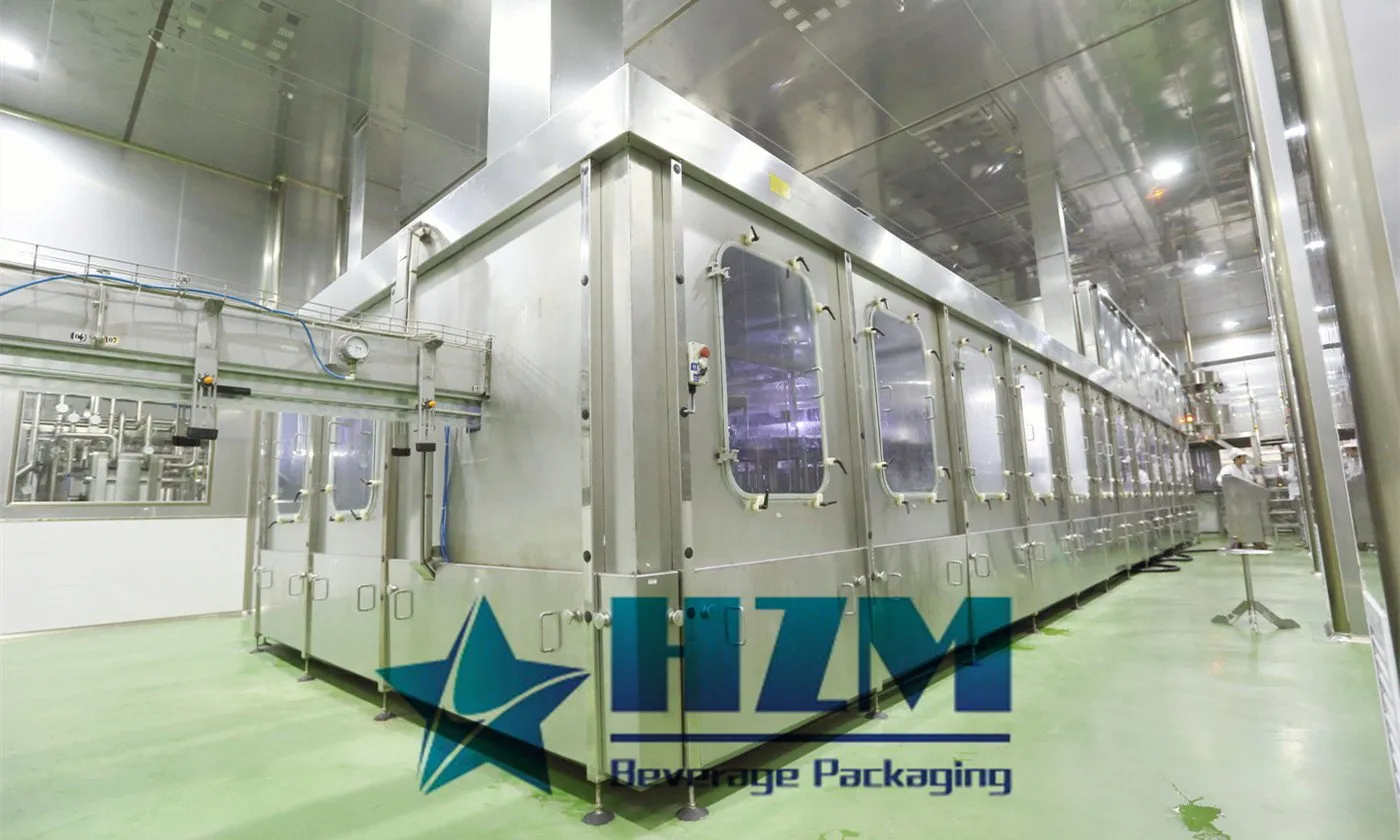
PET Bottle Juice Beverage Filling Machine
PET bottle juice filling with automatic rinsing and capping, for juice, tea and still beverages.
Learn more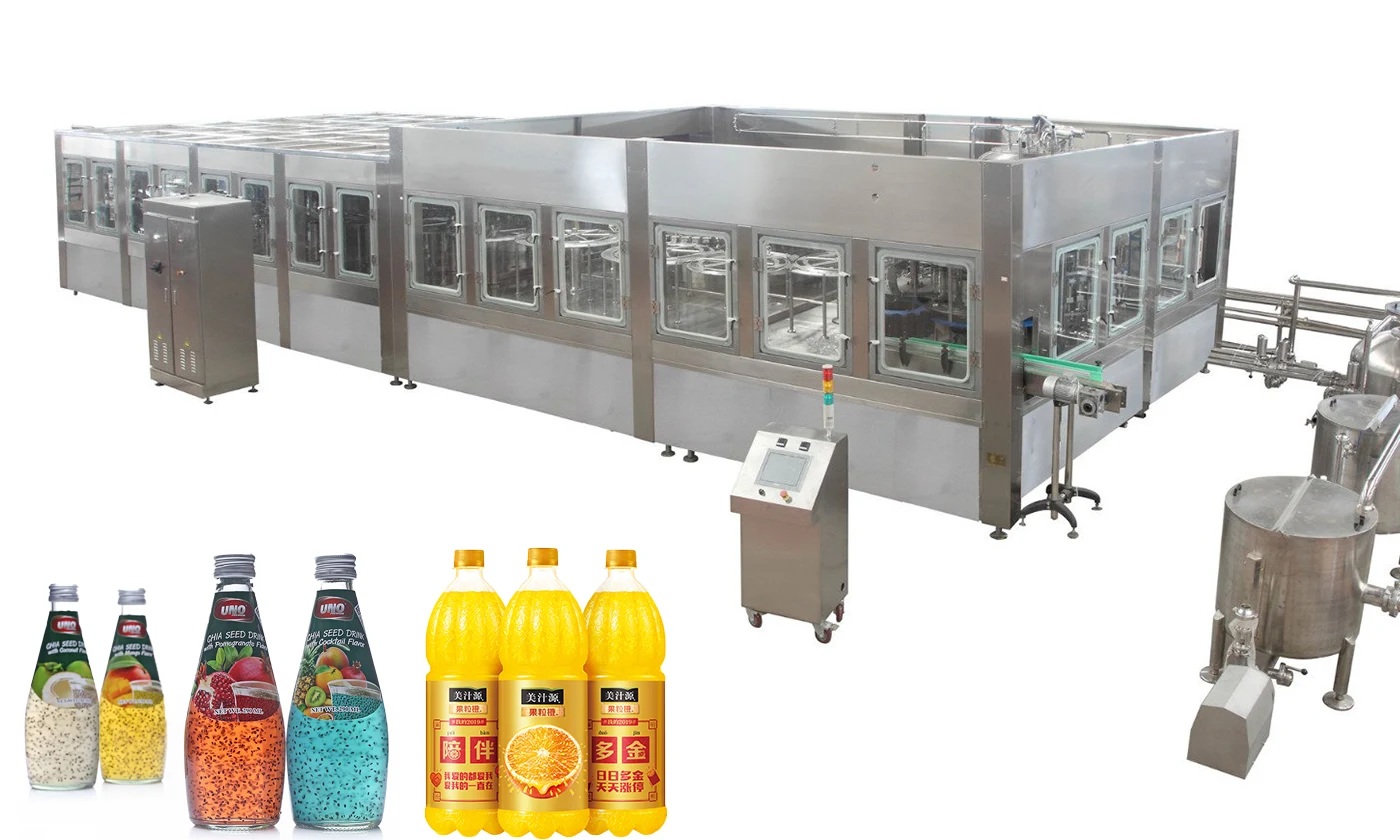
Equipment
juice Pulp Filling Machine 4 in 1
RXGGF16-16-5 pulp juice filling with separate pulp and liquid dosing, rinsing and capping at 5,000 bottles/hour for 250 ml bottles.
Learn moreEquipment
Bottled Juice Packaging Machine
Bottled juice filling equipment with rinsing and capping, from 6,000 to 18,000 bottles/hour at 500 ml.
Learn more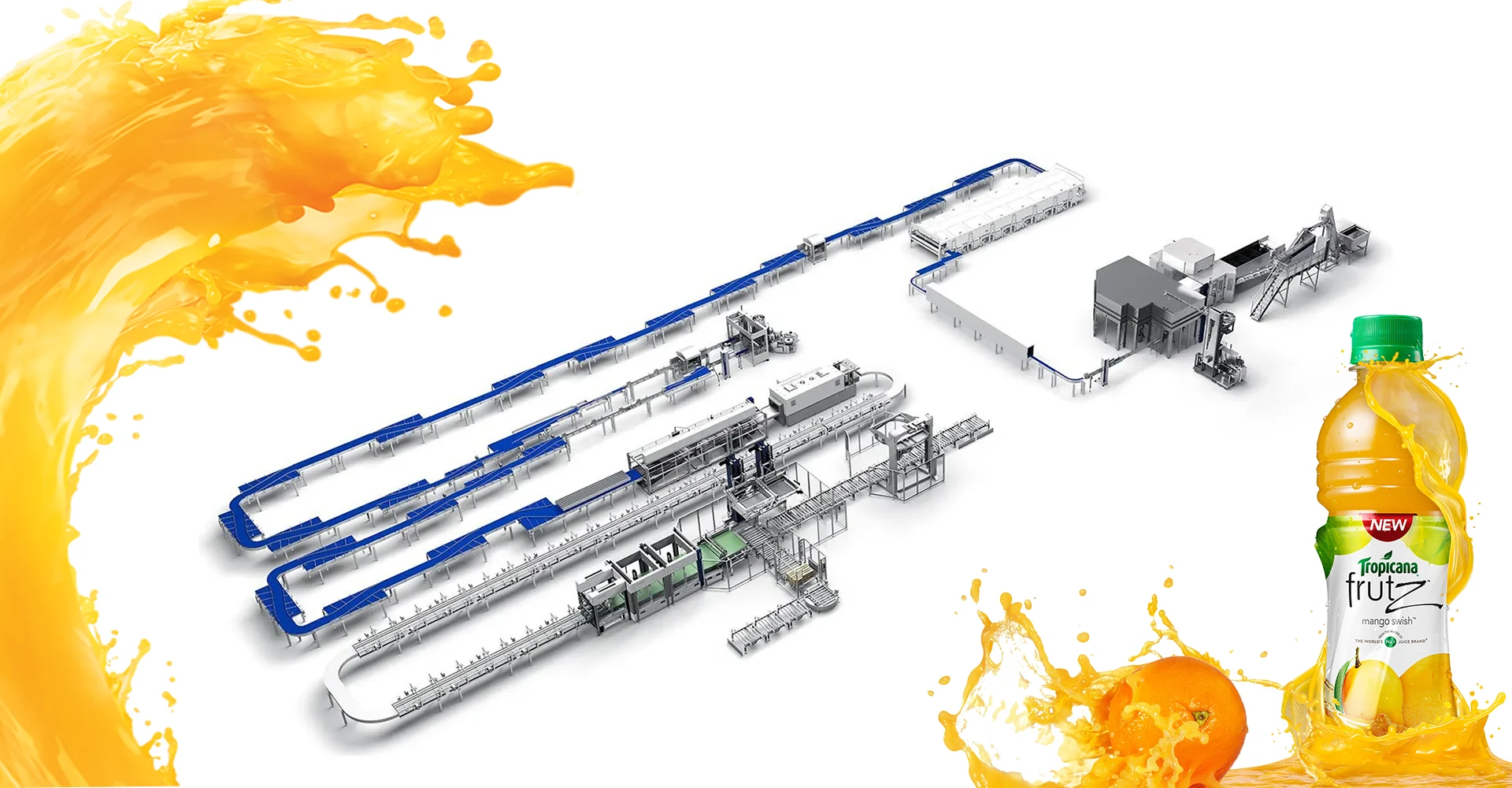
Equipment
Juice beverage bottling line
The juice beverage bottling line connects beverage preparation and thermal processing with bottle filling, capping, labelling and packing.
Learn more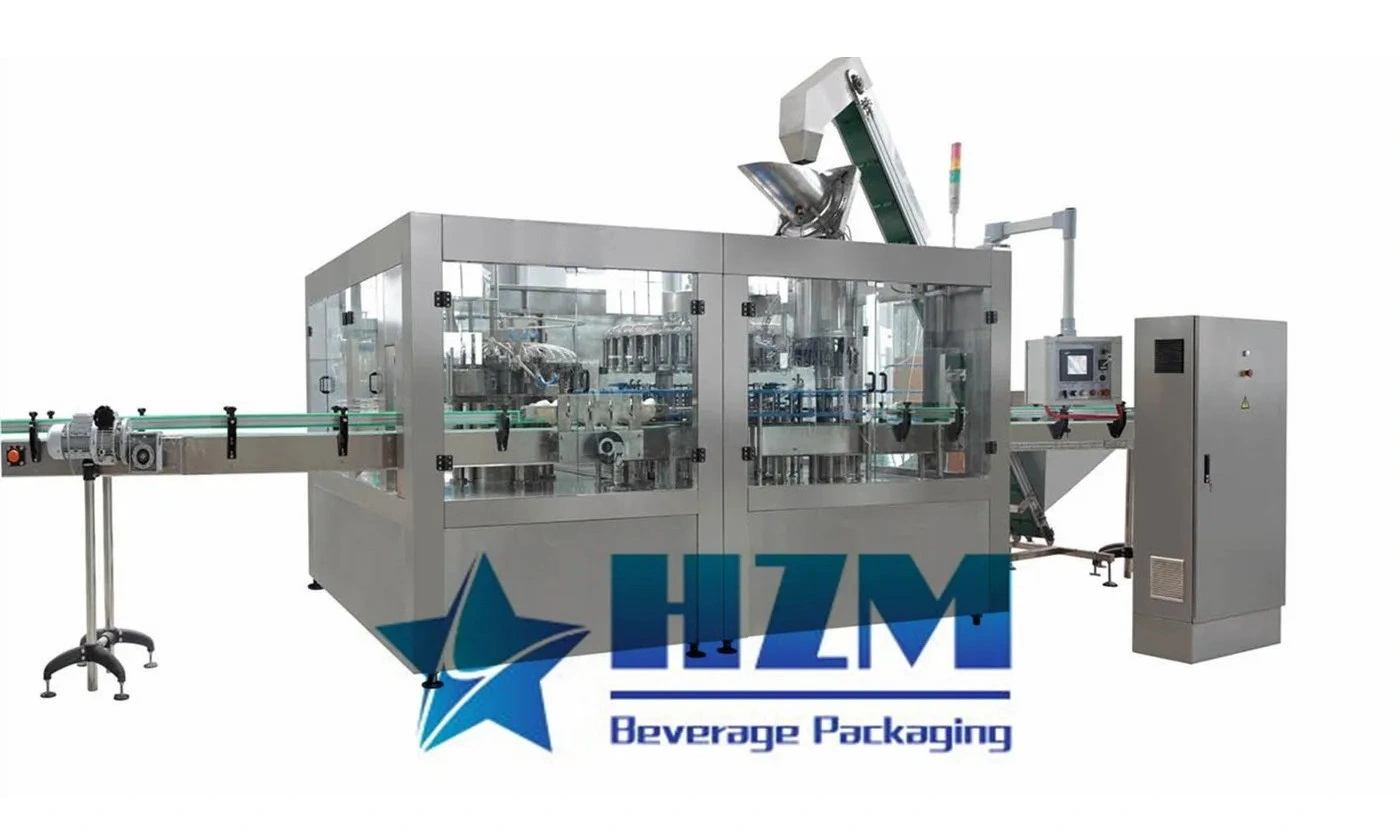
Equipment
Glass Bottle Juice Beverage Filling Machine
Glass bottle juice filling with rinsing and capping, for juice, tea and other still beverages.
Learn more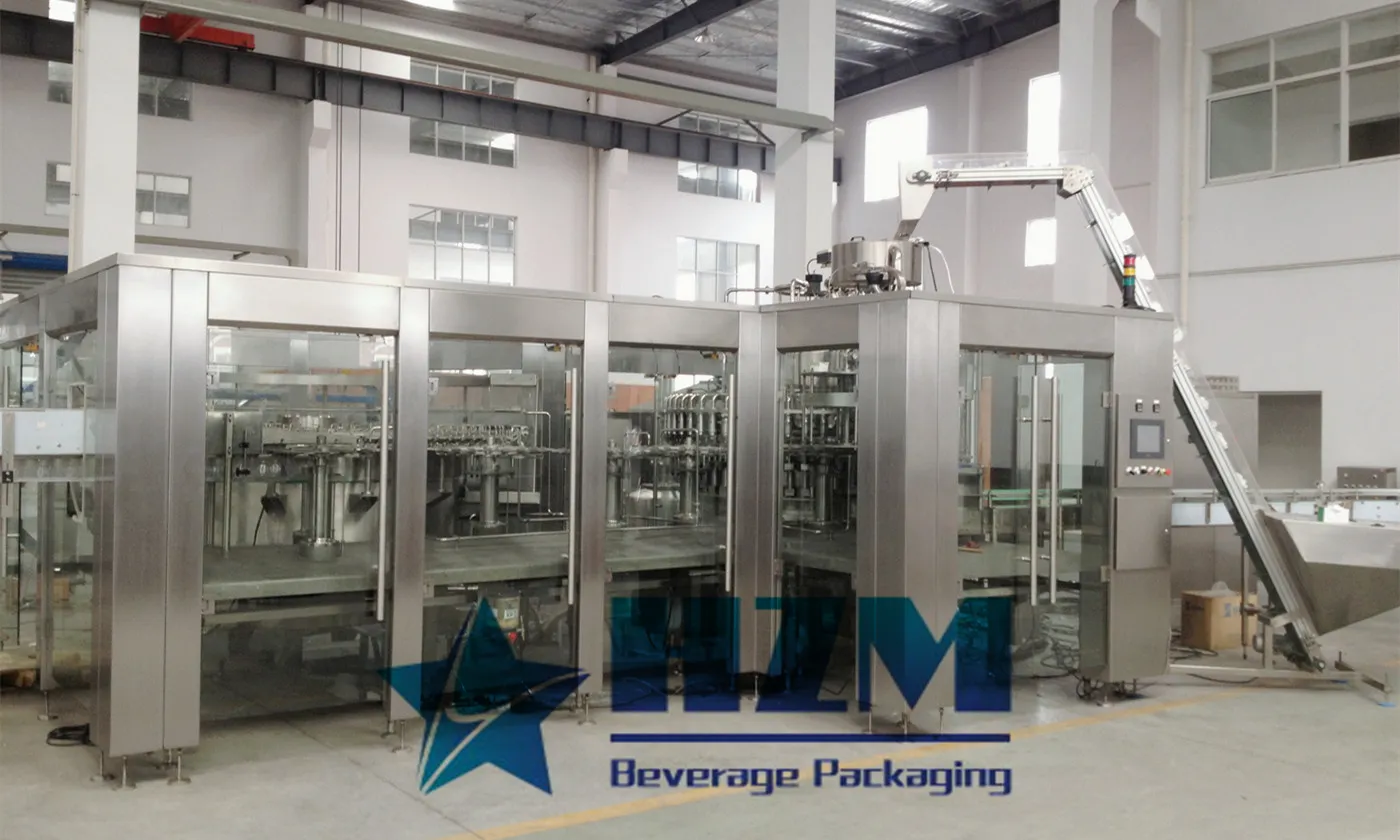
Equipment
PET Bottle juice Beverage Hot Filling Machine
Hot filling for juice and tea in heat-compatible PET bottles, with automatic rinsing, filling and capping.
Learn more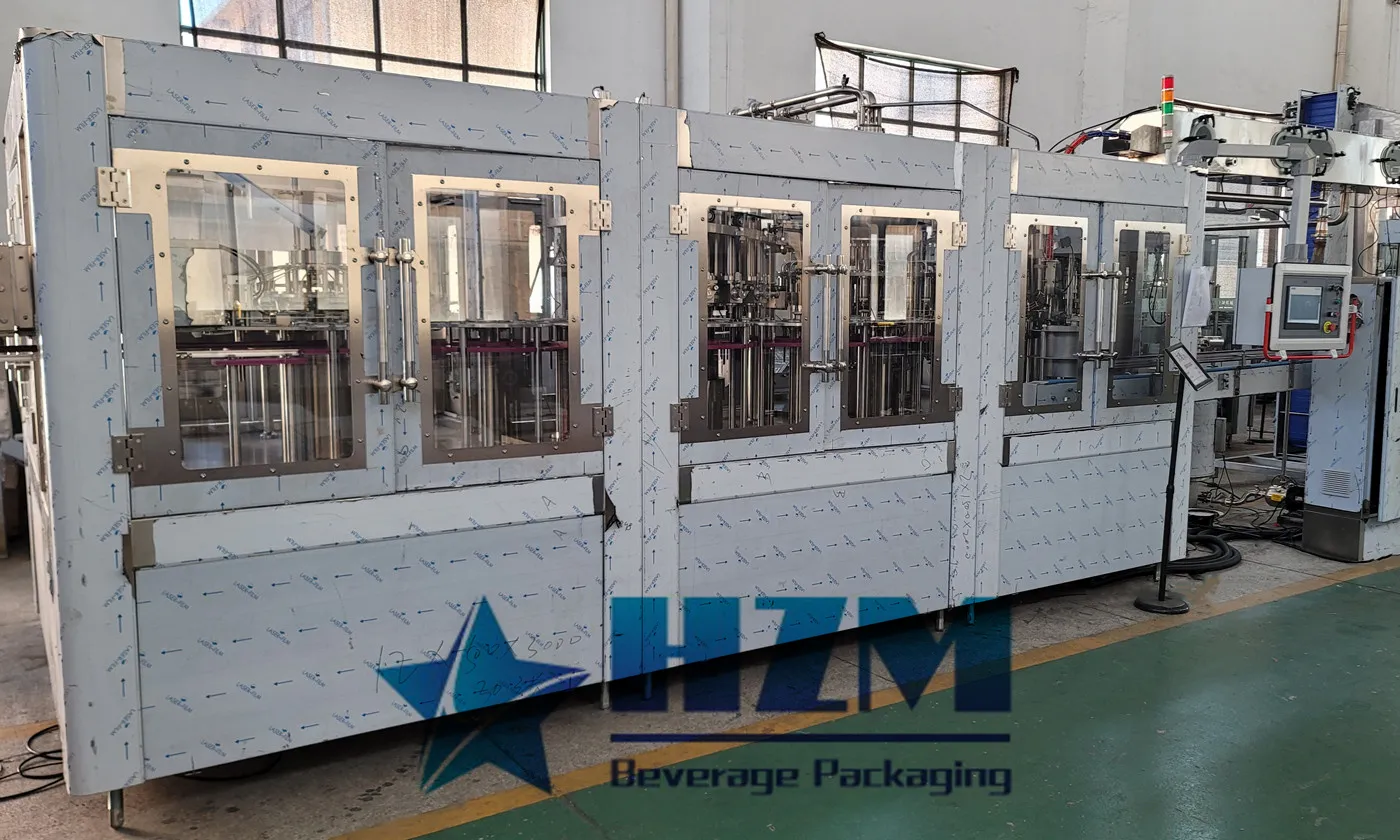
Equipment
Automatic Pulp Juice Filling Machine
Pulp juice filling with separate pulp and liquid dosing, bottle rinsing and capping for beverages containing fruit particles.
Learn more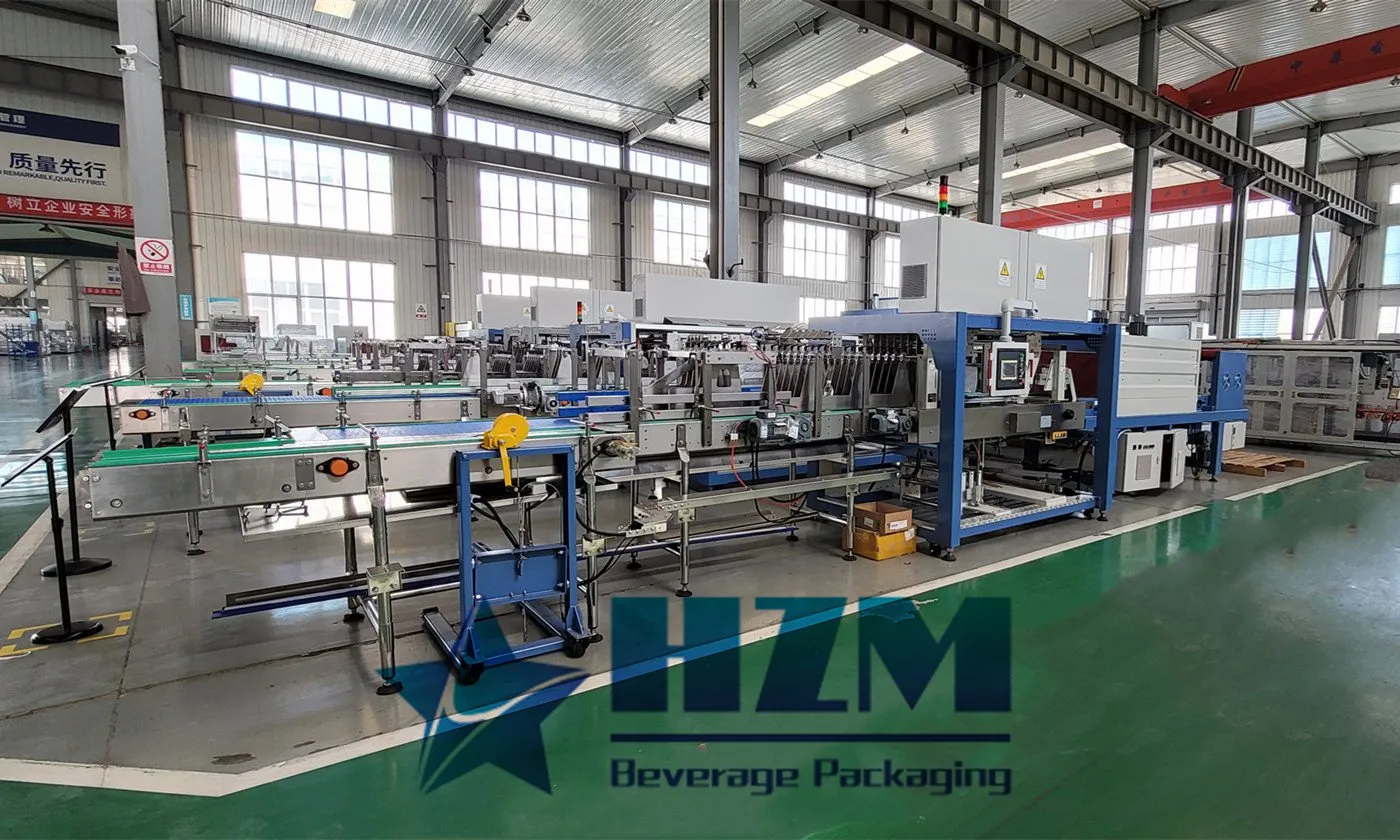
Equipment
Automatic Beverage Packaging Machines – Juice, Soda & Soft Drinks
HZM beverage packaging equipment connects juice, soda and soft drink filling with labelling, coding and secondary packaging.
Learn more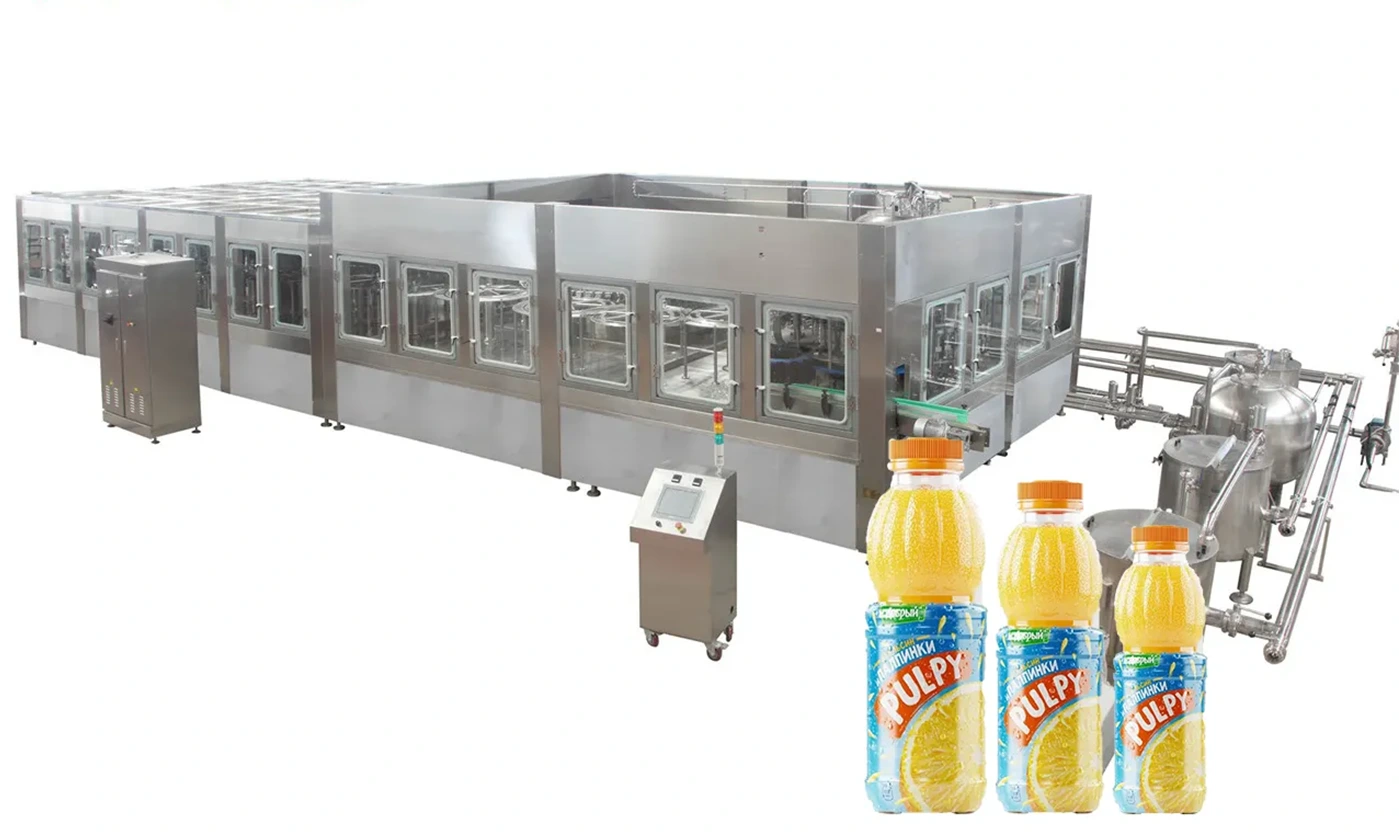
Equipment
Fully Automatic Beverage Filling Machine
The fully automatic beverage filling machine combines bottle rinsing, filling and capping.
Learn more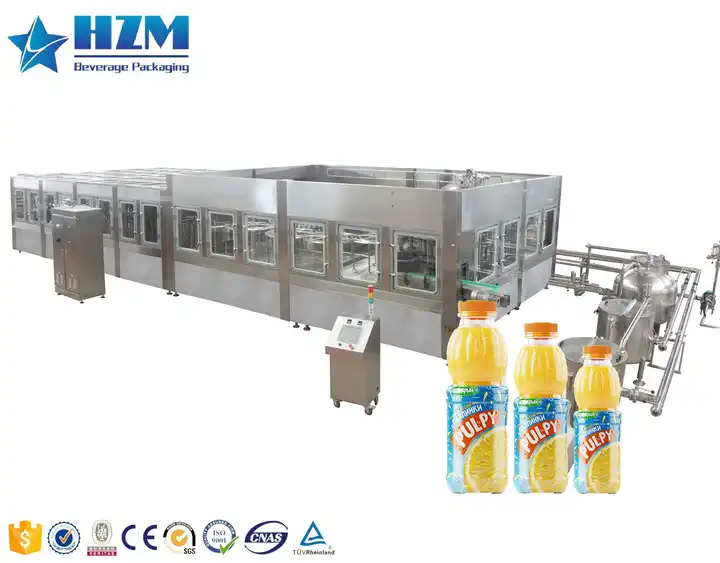
2023-11-02
Operating Techniques and Precautions for Juice Beverage Filling Machines
In juice beverage production lines, the filling machine plays a pivotal role. Its function is to fill prepared juice beverages into bottles or cans for sale and transportation. However, operating a filling machine requires specific techniques and precautions. Let's delve into this in detail
Learn more2023-11-22
Common Faults and Solutions in Juice Beverage Filling Machines
It is inevitable that issues may arise when using a juice beverage filling machine over an extended period. This does not necessarily indicate a problem with the quality of the equipment. Just like any other machinery, minor malfunctions can develop with time. While these issues may not immediately disrupt operations, if left unattended, they can […]
Learn more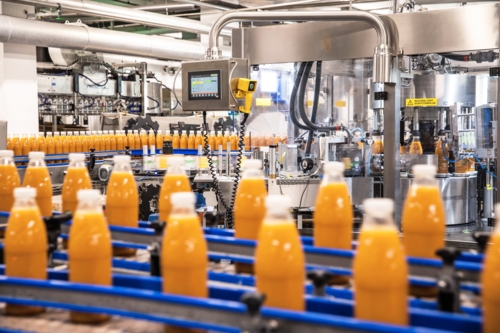
2023-11-27
Three-in-One Juice Beverage Packaging Machine
A three-in-one juice beverage packaging machine is a versatile piece of equipment that combines three essential functions into a single unit: bottle washing, filling, and capping.
Learn more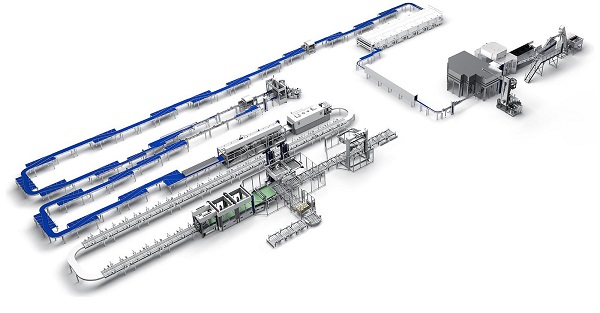
2023-09-08
Juice Beverage Filling Production Process
In the cold filling method of the beverage production line, the product is cooled to room temperature after being ultra-high-temperature sterilized. It is filled in aseptic conditions created by humans into bottles or cartons that have been sterilized with hydrogen peroxide.
Learn more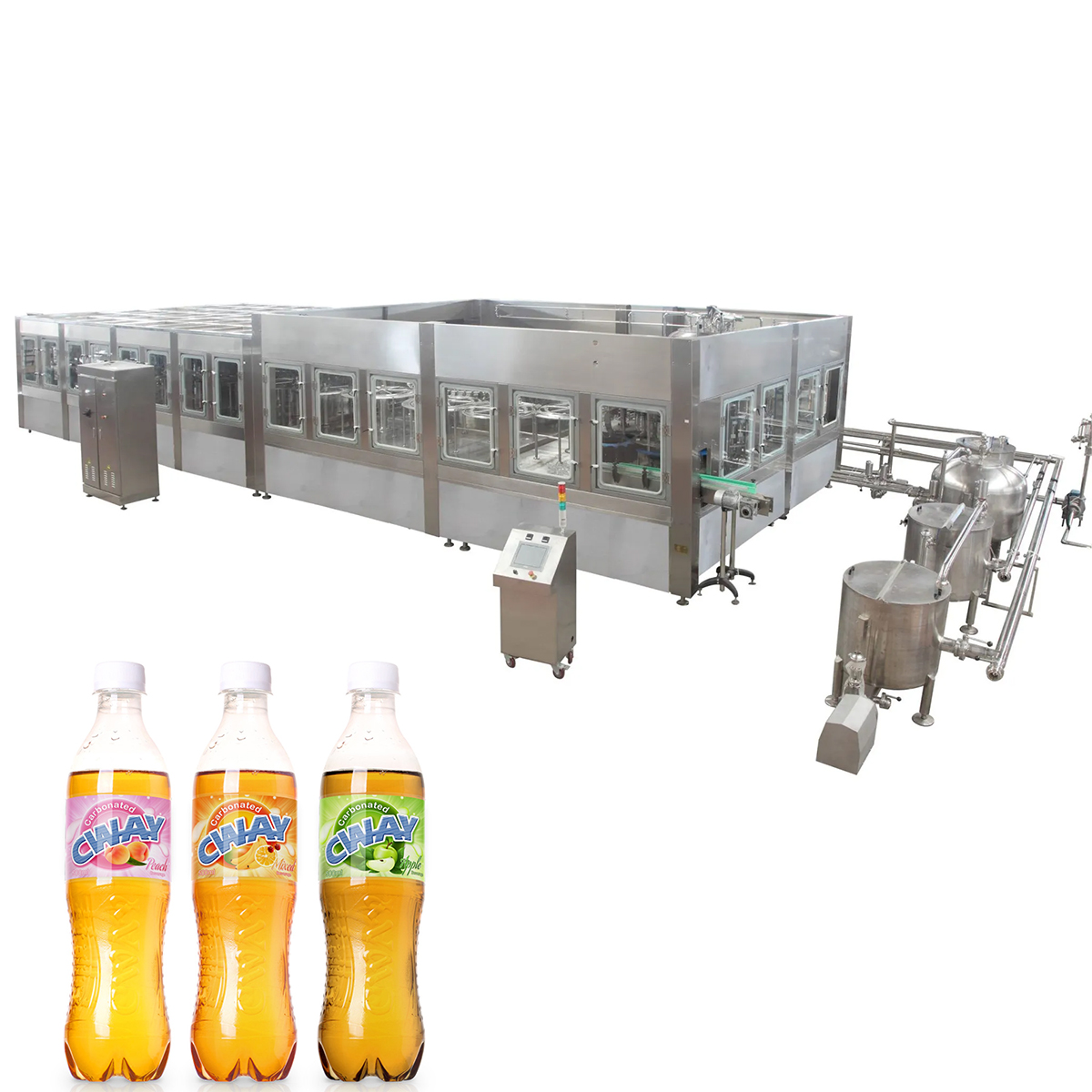
2023-07-10
What is a Beverage Filling Machine?
A beverage filling machine, also known as a Beverage Filling Machine, is a device used for automatic filling and capping of various beverages. It can be used for filling carbonated beverages, sodas, salted carbonated water, and other carbonated drinks. It can also be used for filling juice beverages, purified water, and other non-carbonated drinks
Learn more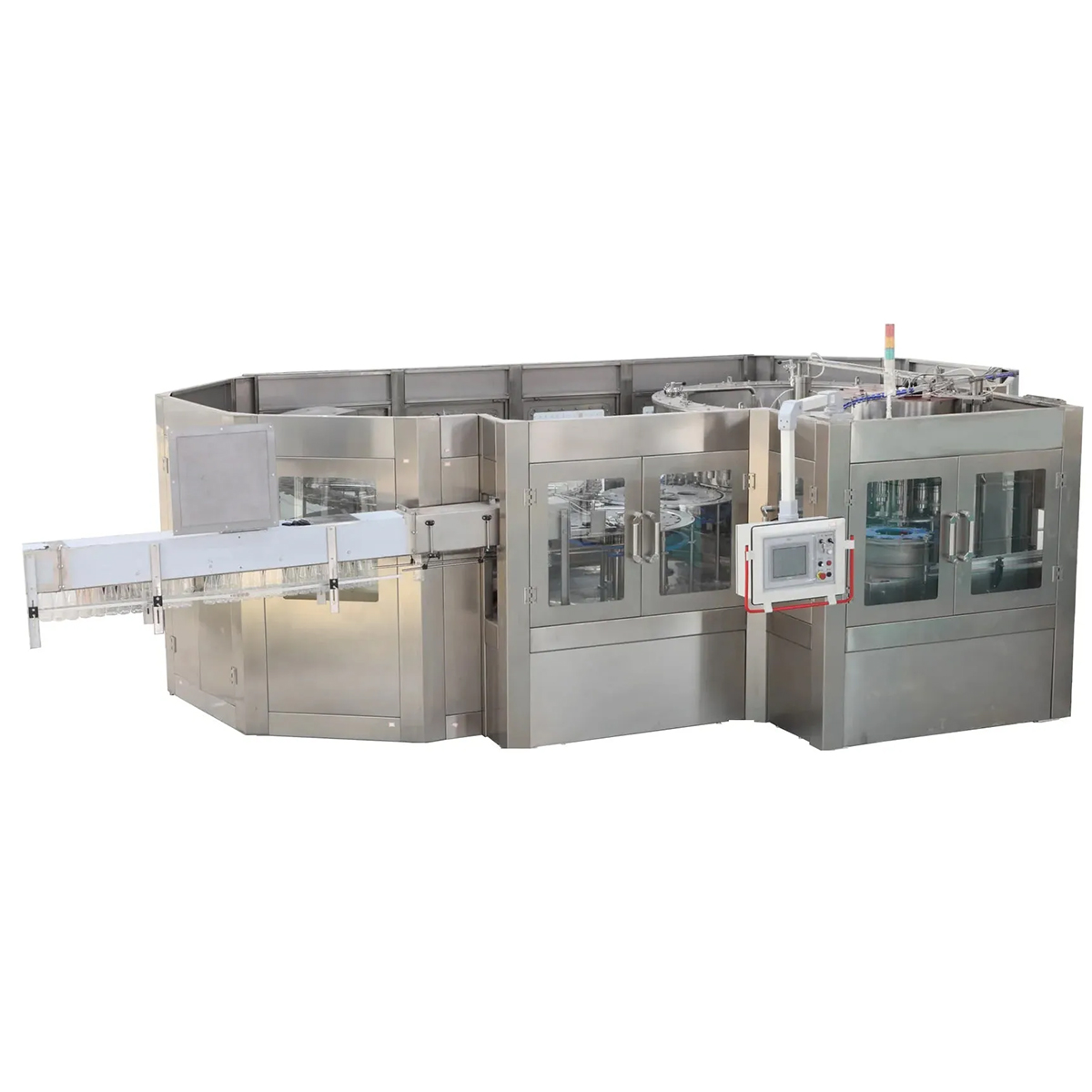
2023-07-10
Automatic Beverage Filling Machine Solution
The beverage filling machine is suitable for filling various capacities of juice beverages, such as grape juice, mango juice, peach juice, apricot juice, seabuckthorn juice, and so on. The popular beverages in the market are made from pure fruit juice without any additives or preservatives. The outer packaging containers are made of materials such as glass bottles, PET heat-resistant plastic bottles, and cans
Learn more