
Insights & Updates
Common Failures and Solutions of Plastic Blow Molding Machine
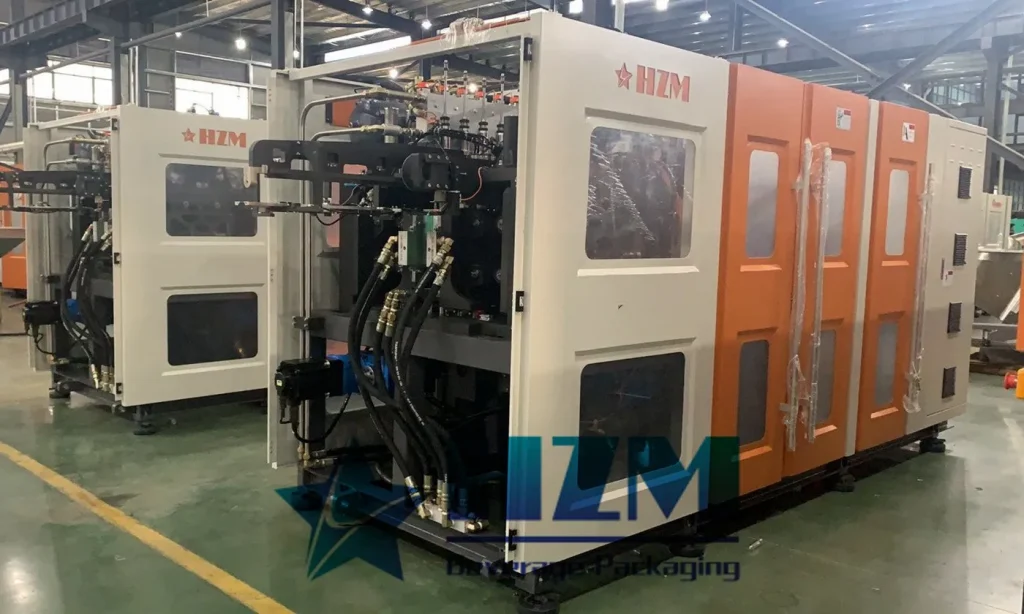
Plastic bottles are almost ubiquitous in our daily lives – water, beverages, tea, milk, oil, and other liquid products are all packaged in plastic bottles. As the machine responsible for producing plastic bottles, the plastic blow molding machine is widely used in various industries, contributing significantly to the development of the liquid packaging industry. However, being a complex machine that integrates mechanics, electronic control, and hydraulics, the plastic blow molding machine can inevitably experience failures if operated incorrectly, and poorly designed machines are more prone to problems. In this article, we will analyze and provide solutions to five common failures of plastic blow molding machines to help you overcome the challenges.
Five Common Failures and Solutions of Plastic Blow Molding Machine:
Excessive Noise
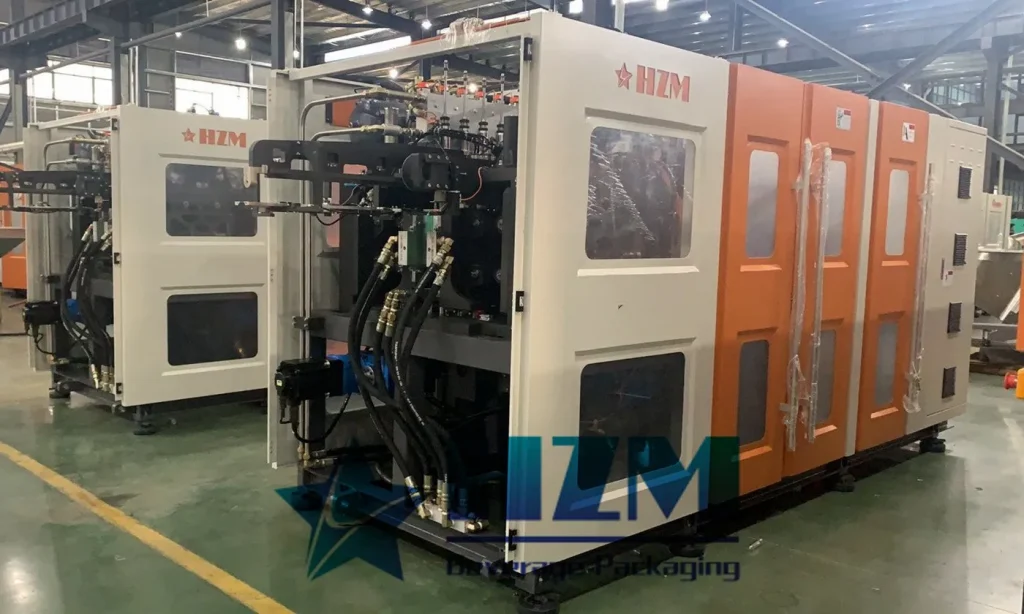
During the operation of the plastic blow molding machine, some irregular vibrations of the machine body can lead to significant noise. Additionally, certain guide wheels rolling on the cam’s outer track and groove may produce substantial noise due to impact. Excessive noise not only creates an unfavorable working environment on-site but also affects the normal work and rest of nearby residents.
Solution: At the source, upgrading the old version of plastic blow molding machines to the new generation equipped with multi-axis servo motor control is possible. To mitigate sound propagation, increasing the workshop’s sealing and providing operators with earplugs can be effective.
Accumulation of Material at the Bottom of Bottles
If there is material accumulation at the bottom of bottles produced by the plastic blow molding machine, the common reasons might be that the blowing time is too long, the air pressure is unstable, or the stretching rod is not adjusted properly.
Solution: Shorten the blowing time, reduce the descent speed of the stretching rod, increase the heating temperature at the bottom of the preform, and shorten the supply air pipeline.
Deformation of Bottle Mouth
Deformation of the bottle mouth in PET bottles is generally caused by continuous temperature rise in the heating machine, leading to mouth expansion.
Solution: Enhance the cooling at the bottle mouth through air cooling or water cooling, or install central air conditioning in the production workshop to lower the ambient temperature.
Difficulty in Mold Ejection
This situation may arise due to too short exhaust time of the plastic blow molding machine, malfunction of the exhaust valve, fracture of the locking screw, or excessive locking force.
Solution: Adjust the exhaust time, repair the exhaust valve and locking screw, or reduce the locking force.
Obvious Mold Joint Line on Bottles
If the mold joint line is too obvious, it might be due to insufficient mold clamping pressure, premature sealing time, or mold issues.
Solution: Increase the mold clamping pressure of the plastic blow molding machine, adjust the angle of the support bar during clamping, check for tight mold fit, and repair the mold thread matching position.
The Simplest Solution: Choose HZM Machinery’s PET Fully Automatic Blow Molding Machine
The ever-changing market demands have prompted the need for updates and upgrades in blow molding machines. After intensive research and technological development, HZM Machinery has launched the sixth generation of fully automatic rotary blow molding machines, significantly reducing the occurrence of failures. The upgraded advantages include:
- A fast mold replacement mechanism with coordinated motion between the bottom mold and the open-close mold, controlled by locking blocks to reduce machine vibrations. Along with high-performance servo motors, mechanical arm positioning mechanisms, and an optimized exhaust channel design, the noise of the plastic blow molding machine is minimized.
- Precise servo stretching control, achieving maximum processing angles and flexibility.
- An optimized heating machine with cooling at the bottle mouth, combined with a precise temperature control system to prevent mouth deformation.
- Six-valve blow molding process with large-diameter blow molding valves for accurate control of high-pressure air pressure.
Furthermore, HZM Machinery provides blow molding mold design services, designing molds that meet the most stringent conditions from a professional perspective. Moreover, HZM offers excellent after-sales service, responding promptly to your specific needs, ensuring a convenient, professional, and responsive service attitude. Throughout the lifecycle of the PET fully automatic blow molding machine, HZM will be there with you!
Talk to our engineering team
Need help planning your packaging line?
Share your product, bottle and capacity requirements for a practical equipment recommendation.
Equipment
Automatic Blow Molding Machine
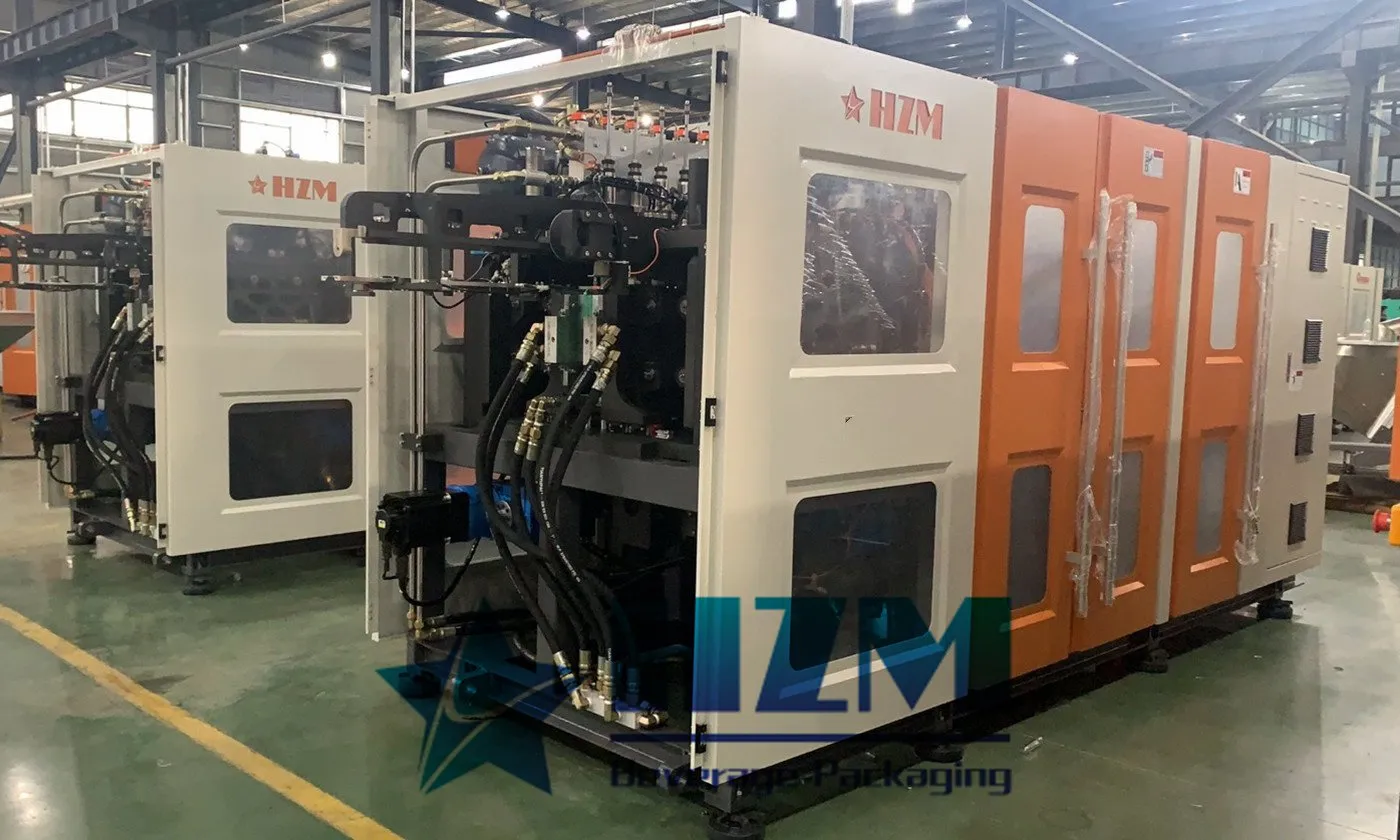
Automatic PET bottle blowing for water and beverage packaging, with capacities of 12,000–24,000 bottles/hour at 500 ml.
Learn more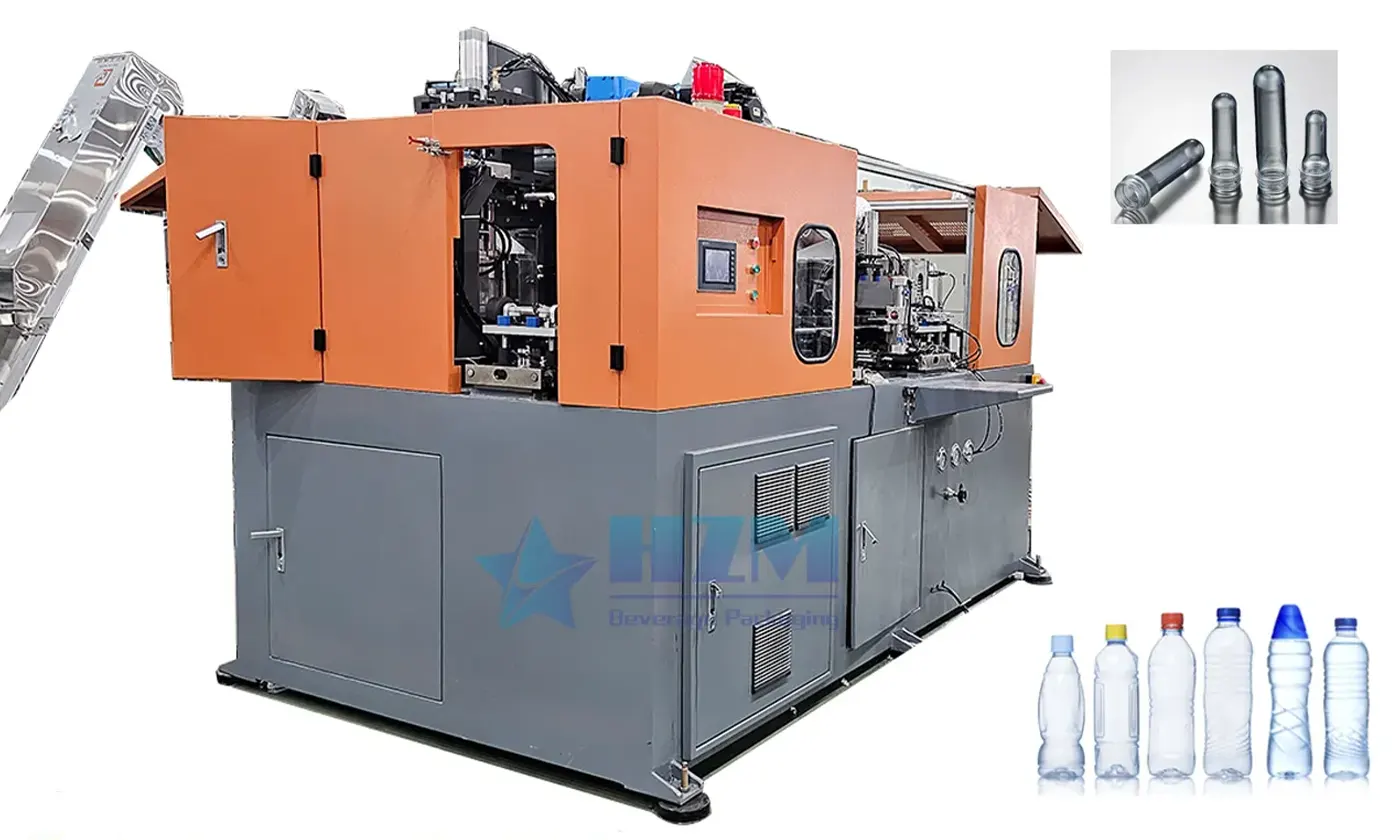
Equipment
PET Bottle Blow Molding Machine
PET bottle blow moulding with 6–12 cavities and capacities of 12,000–21,600 bottles/hour at 500 ml.
Learn more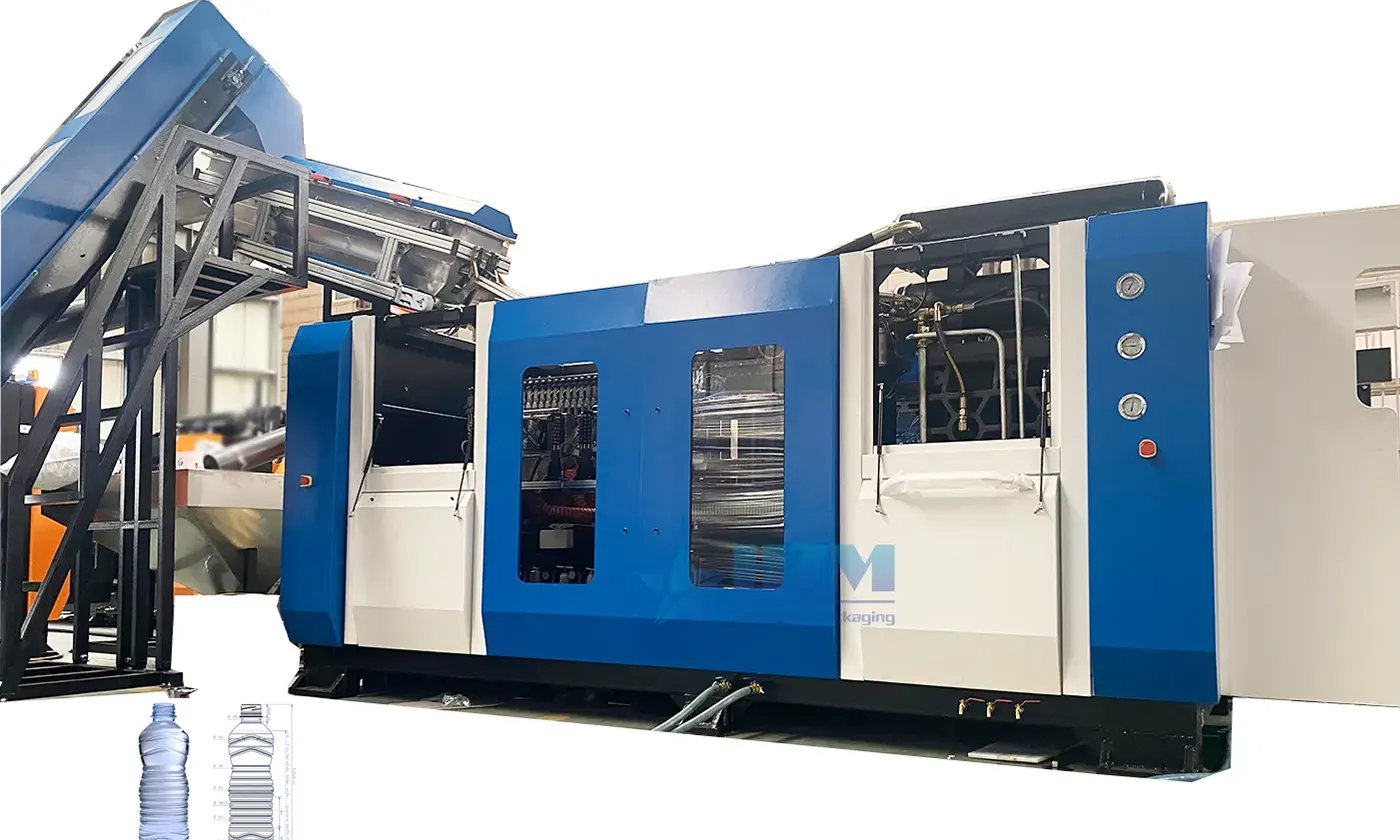
Equipment
Automatic Water Bottle Blowing Molding Machine
Automatic water bottle blowing from PET preforms, with 6–12 cavities and capacities up to 21,600 bottles/hour at 500 ml.
Learn more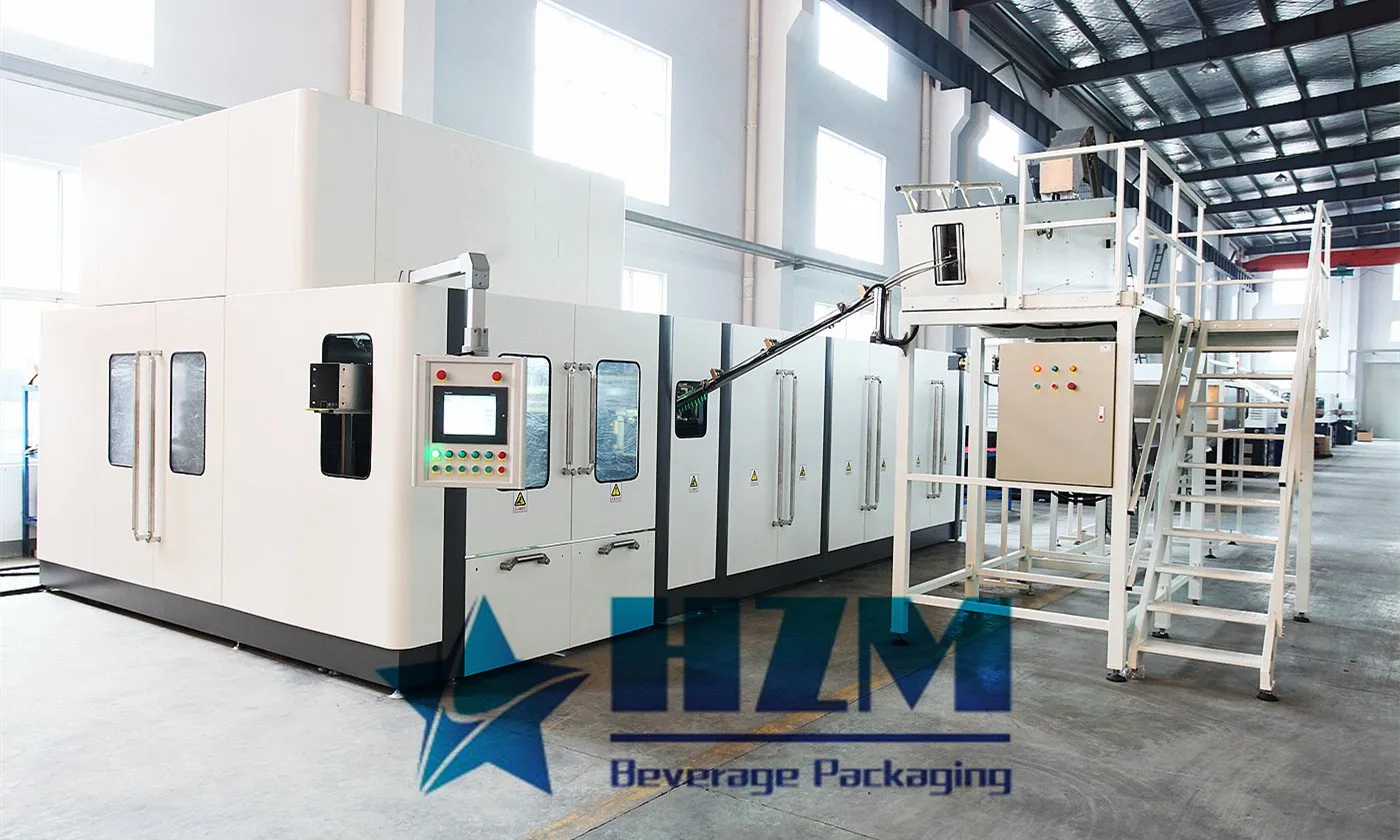
Equipment
Automatic Rotary Blow Molding Machine
Rotary PET bottle blow moulding for water and beverage packaging, with 6–24 cavities and capacities up to 48,000 bottles/hour at 500 ml.
Learn more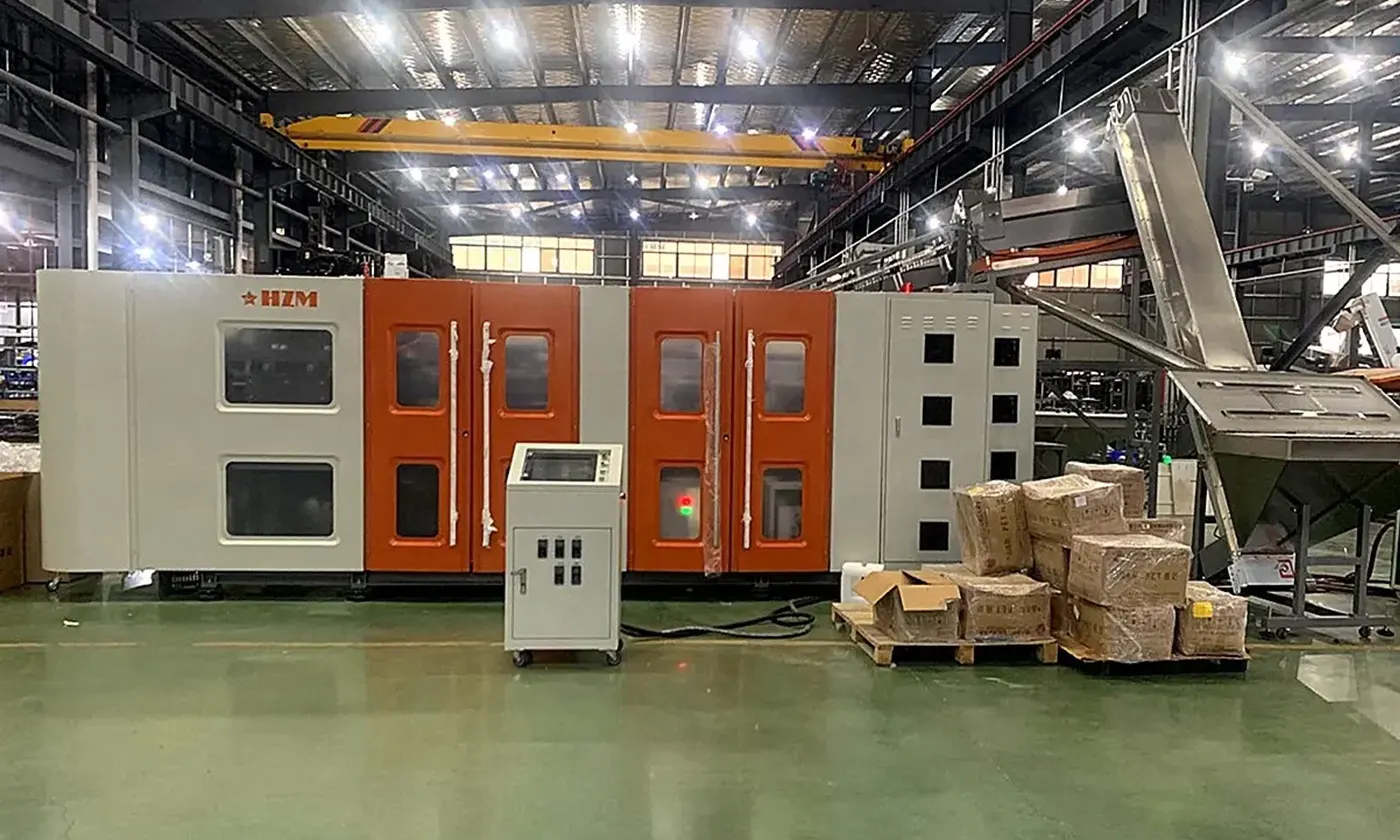
Equipment
Automatic PET Stretch Blow Molding Machine
Automatic PET stretch blow moulding with 2, 4 or 6 cavities and HZM-ECO model capacities of 1,800–7,000 bottles/hour.
Learn more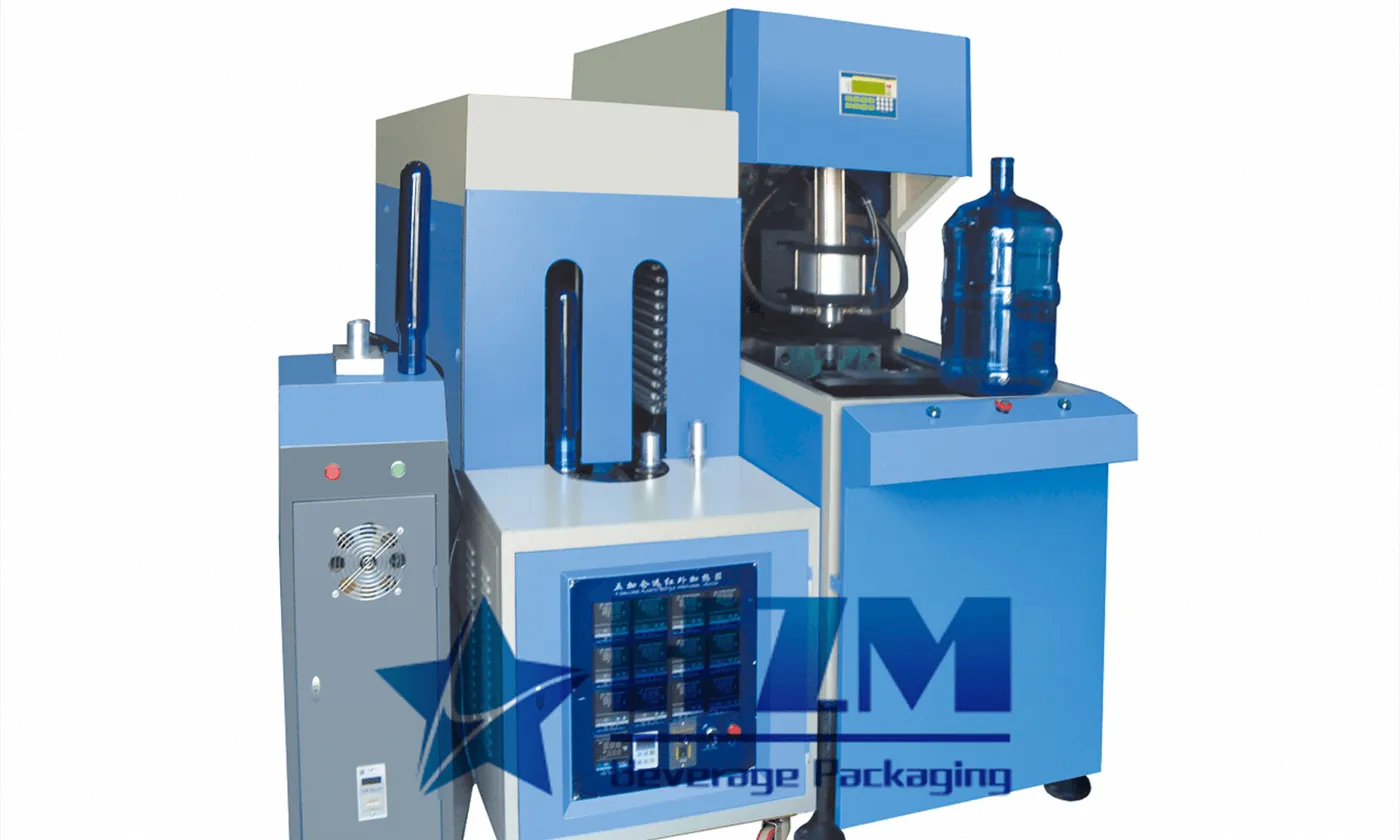
Equipment
5 Gallon Bottle Blow Molding Machine
This blow moulding machine produces large PET water bottles, including 5-gallon containers.
Learn more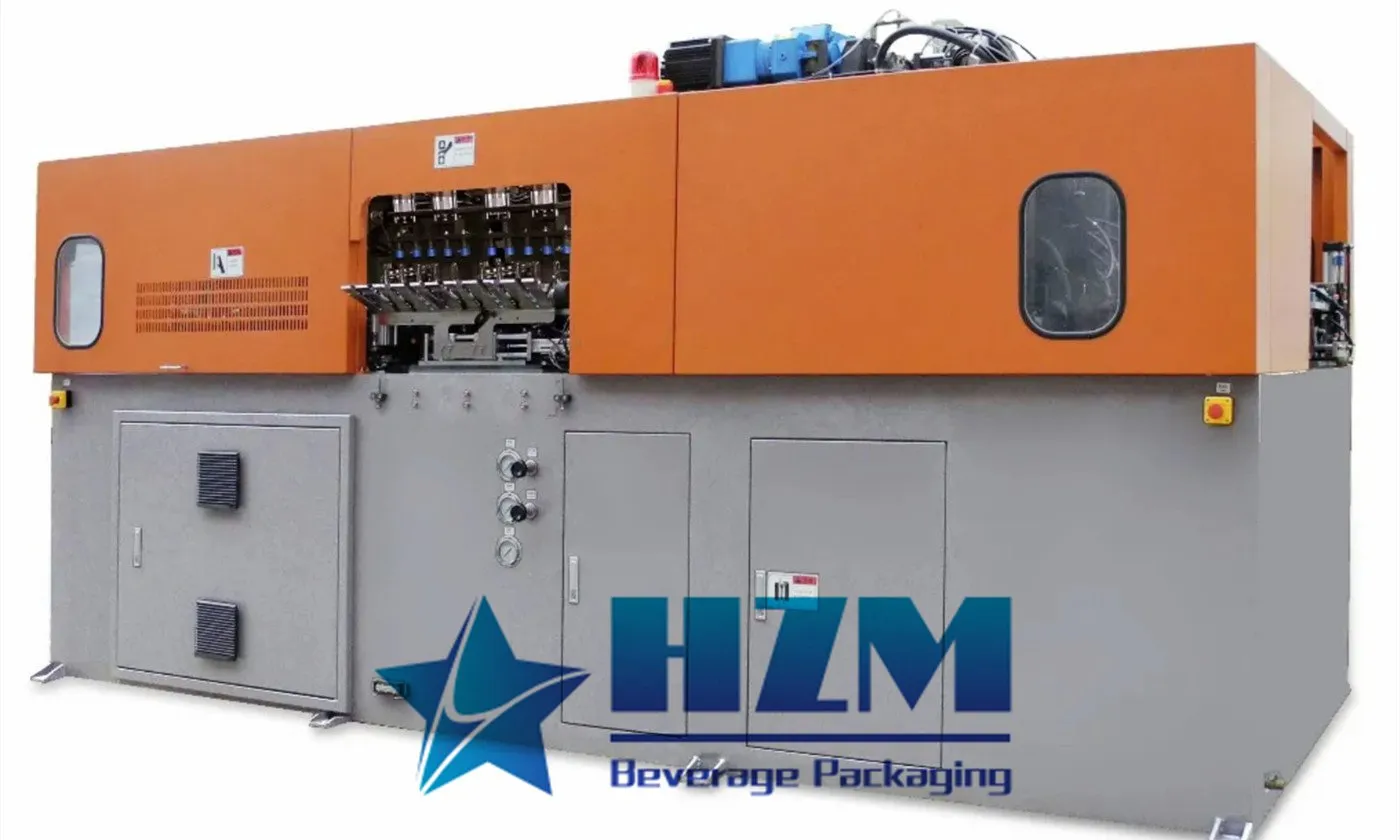
Equipment
Full Electric Servo Type Blow Molding Machine
Full-electric servo PET blow moulding with 4, 6, 9 or 10 cavities and capacities of 5,400–13,000 bottles/hour at 500 ml.
Learn more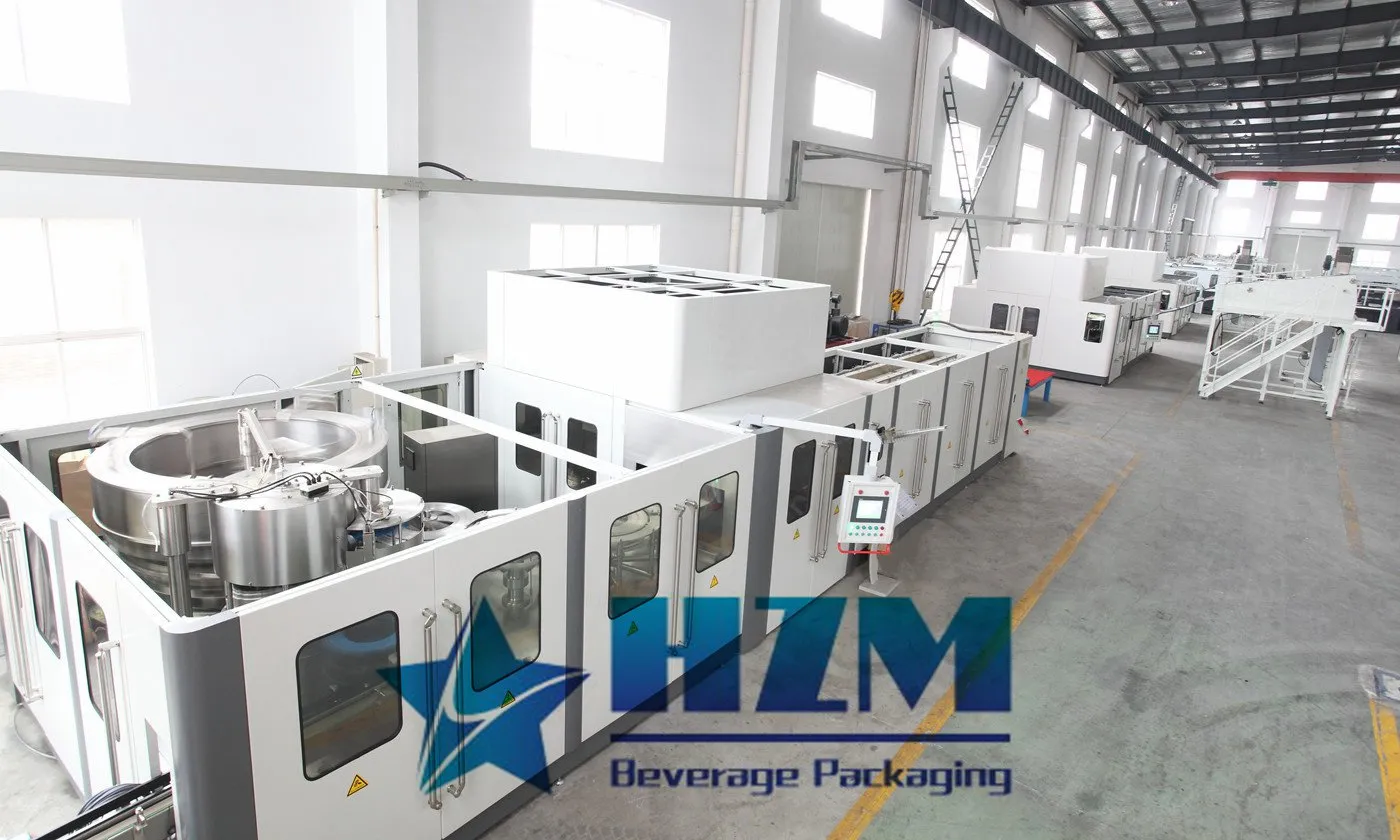
Equipment
Blowing-Filling-Capping Machine
A PET combiblock that combines preform heating, bottle blowing, filling and capping at 12,000–48,000 bottles/hour at 500 ml.
Learn more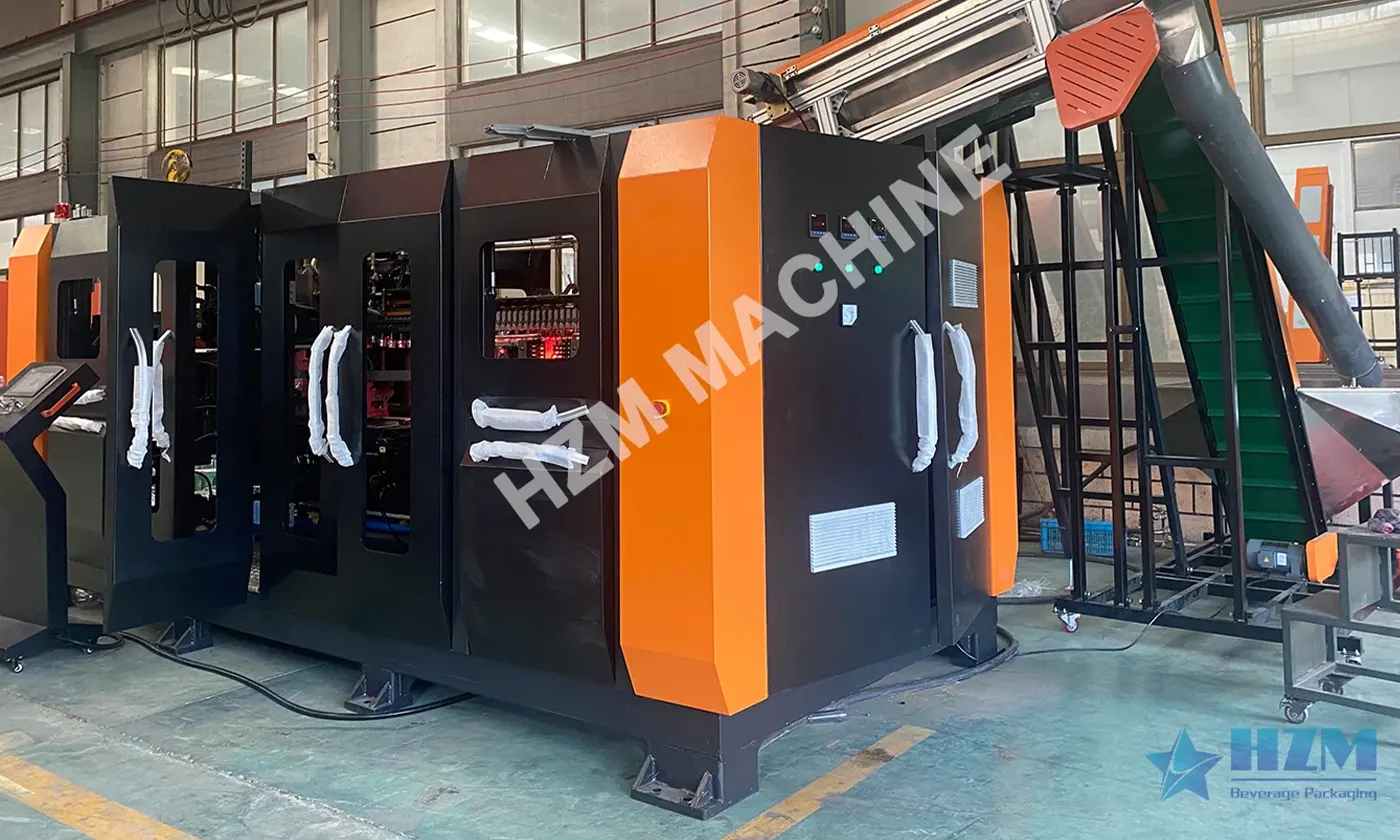
Equipment
Plastic Bottle Blowing Machine, making machine
PET bottle making for drinking water, beverages and liquid packaging, with automatic preform heating and stretch blowing.
Learn more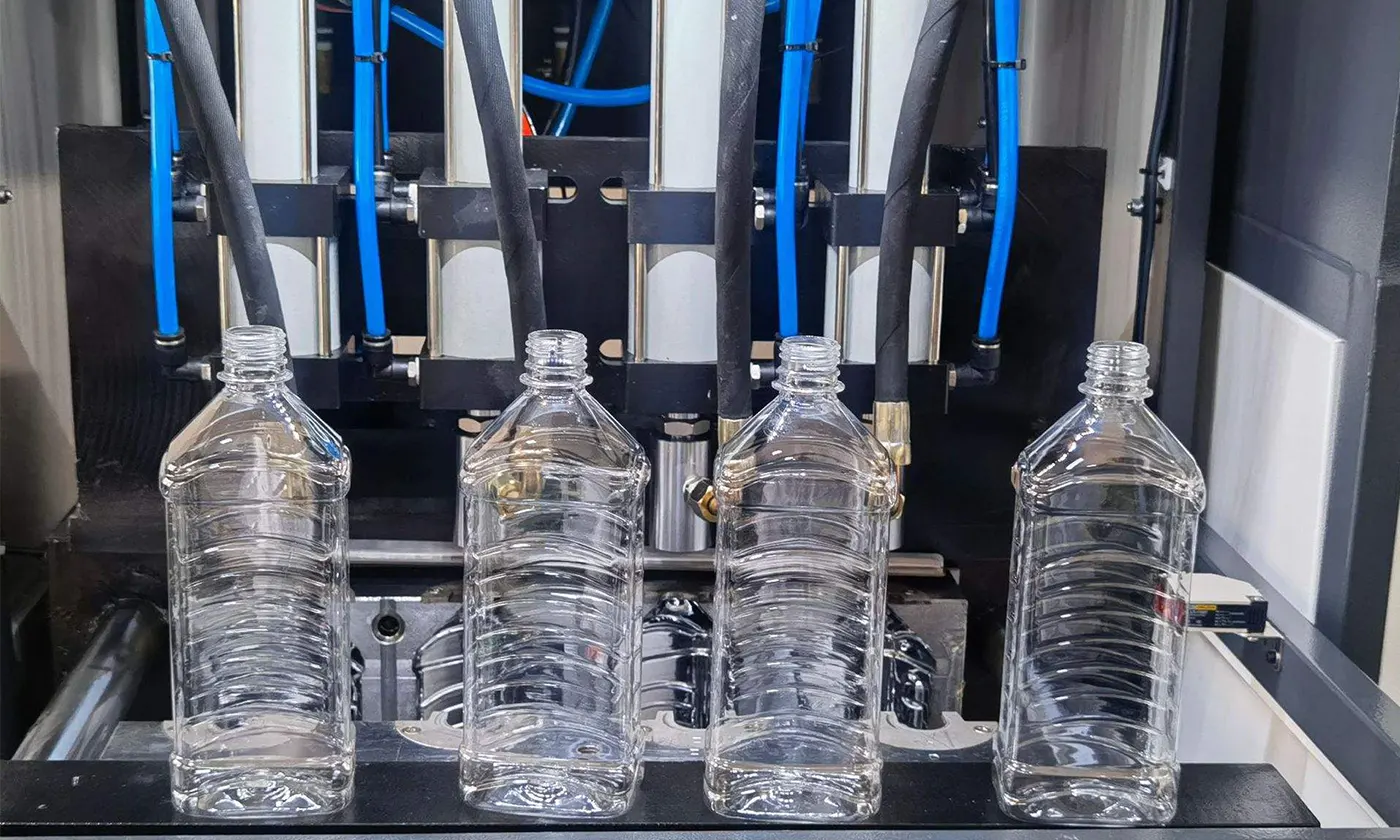
2024-01-02
Common quality failures and solutions for PET bottle blow molding machines
PET bottle blow molding machines are complex and require precise control of various parameters to produce high-quality bottles.
Learn more2023-06-09
Solutions for Blow Molding Plastic Bottles
This article will discuss the price, HZM manufacturer, functions, applicable industries, solutions, procurement considerations, and maintenance techniques related to blow molding machines.
Learn more2023-06-07
How Much Does a Blow Molding Machine Cost?
we will explore the various factors that influence the cost of a blow molding machine and provide insights into the pricing range.
Learn more2023-06-08
how does a blow molding machine work
How Does a Blow Molding Machine Work? Exploring the Process with HZM Blow Molding Machine Manufacturer
Learn more2024-02-04
Plastic Bottle Blow Molding Machine Price
Plastic bottle blow molding machine is an important equipment for plastic bottle production, and its price is affected by many factors. This article will introduce the factors affecting the price of plastic bottle blow molding machine, the price of HZM Machinery plastic bottle blow molding machine, and the precautions for purchasing plastic bottle blow molding […]
Learn more2024-01-28
PET Blow Molding Machine Principles and Process
Currently, most blow molding machines employ a two-step method, requiring the conversion of plastic raw materials into preforms before the actual blowing process. The commonly used material is environmentally friendly PET (Polyethylene Terephthalate) plastic, collectively referred to as PET blow molding machines.
Learn more