
Insights & Updates
Key Features of Fully Automatic Beverage Filling Machines
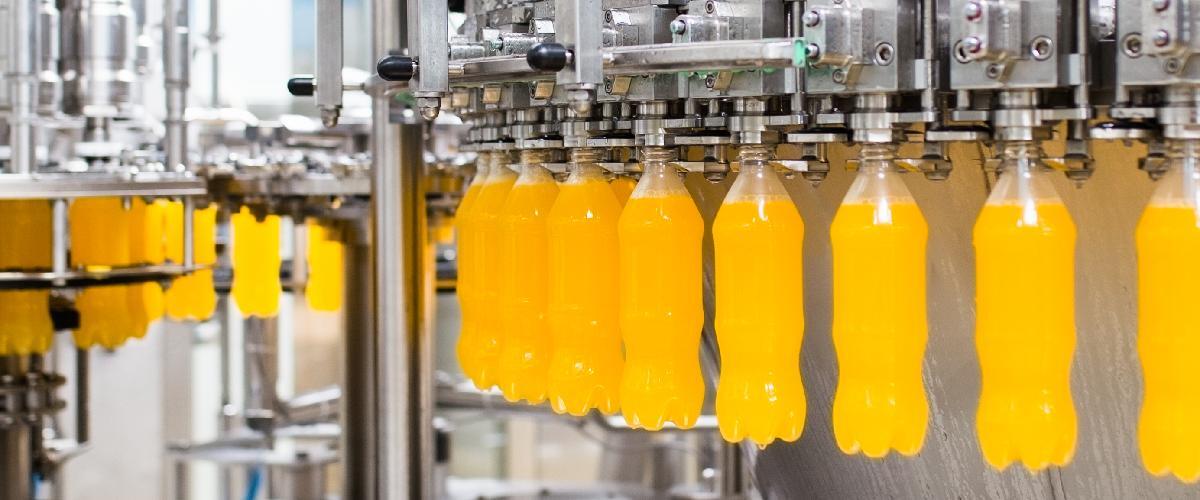
Fully automatic beverage filling machines have gained increasing popularity and trust in various industries. As the demand for these machines grows, businesses face greater pressure to invest in them. In this article, we will explore the key features of fully automatic beverage filling machines that make them a valuable asset for companies.
- Compact and User-Friendly Design: Fully automatic beverage filling machines are designed with a compact and rational layout, exhibiting a sleek and aesthetically pleasing appearance. They offer convenient adjustment of filling volumes, ensuring ease of operation.
- Easy Adjustment and Accurate Filling: These machines facilitate easy adjustment, ensuring that no bottle goes unfilled. They provide accurate filling volumes and often include counting functions to enhance precision.
- Simplified Operations and Maintenance: Fully automatic beverage filling machines simplify various aspects, such as usage, precision adjustments, equipment cleaning, and maintenance. They are designed to streamline processes, making them more convenient and user-friendly.
- High-Quality Components: Critical components of fully automatic beverage filling machines employ branded pneumatic and electrical parts, ensuring stability and reliability in performance.
- Automatic Bottle or Can Handling: These machines are equipped with automatic bottle or can handling mechanisms. They boast high precision in filling and can accommodate different bottle sizes and neck diameters. They can also be integrated into automated production lines.
- Efficient Performance: Fully automatic beverage filling machines offer highly efficient operations with their advanced automation capabilities. They enable high-speed and continuous filling, significantly boosting production efficiency.
- Versatility: These machines are designed to handle various types and sizes of beverages, including carbonated drinks, juices, and teas. Their flexibility and adaptability make them suitable for diverse product ranges.
- Hygiene and Safety: Fully automatic beverage filling machines prioritize hygiene standards with their use of materials and design that comply with sanitary regulations. They minimize the risk of contamination and cross-contamination, ensuring the safety of the products.
- Resource Conservation: By employing precise metering and control technology, fully automatic beverage filling machines minimize beverage wastage, thereby conserving raw materials and energy resources.
- Data Monitoring and Management: Modern fully automatic beverage filling machines are equipped with advanced data monitoring and management systems. These systems provide real-time production monitoring, data analysis, production reports, and quality traceability, enhancing production management.
- Convenient Troubleshooting and Maintenance: With intelligent diagnostic systems, fully automatic beverage filling machines can promptly identify and address equipment faults. This capability improves equipment reliability and maintenance efficiency.
- Environmental Sustainability: Fully automatic beverage filling machines prioritize energy efficiency and environmental protection. They reduce water, air, and waste emissions, aligning with environmental regulations and sustainable practices.
Fully automatic beverage filling machines represent technological progress and economic advancement. Their key features, including compact design, user-friendly adjustments, efficient performance, and advanced monitoring systems, make them indispensable for companies in the beverage industry. By investing in these machines, businesses can enhance productivity, ensure product quality, and contribute to sustainable manufacturing practices.
Talk to our engineering team
Need help planning your packaging line?
Share your product, bottle and capacity requirements for a practical equipment recommendation.
Equipment
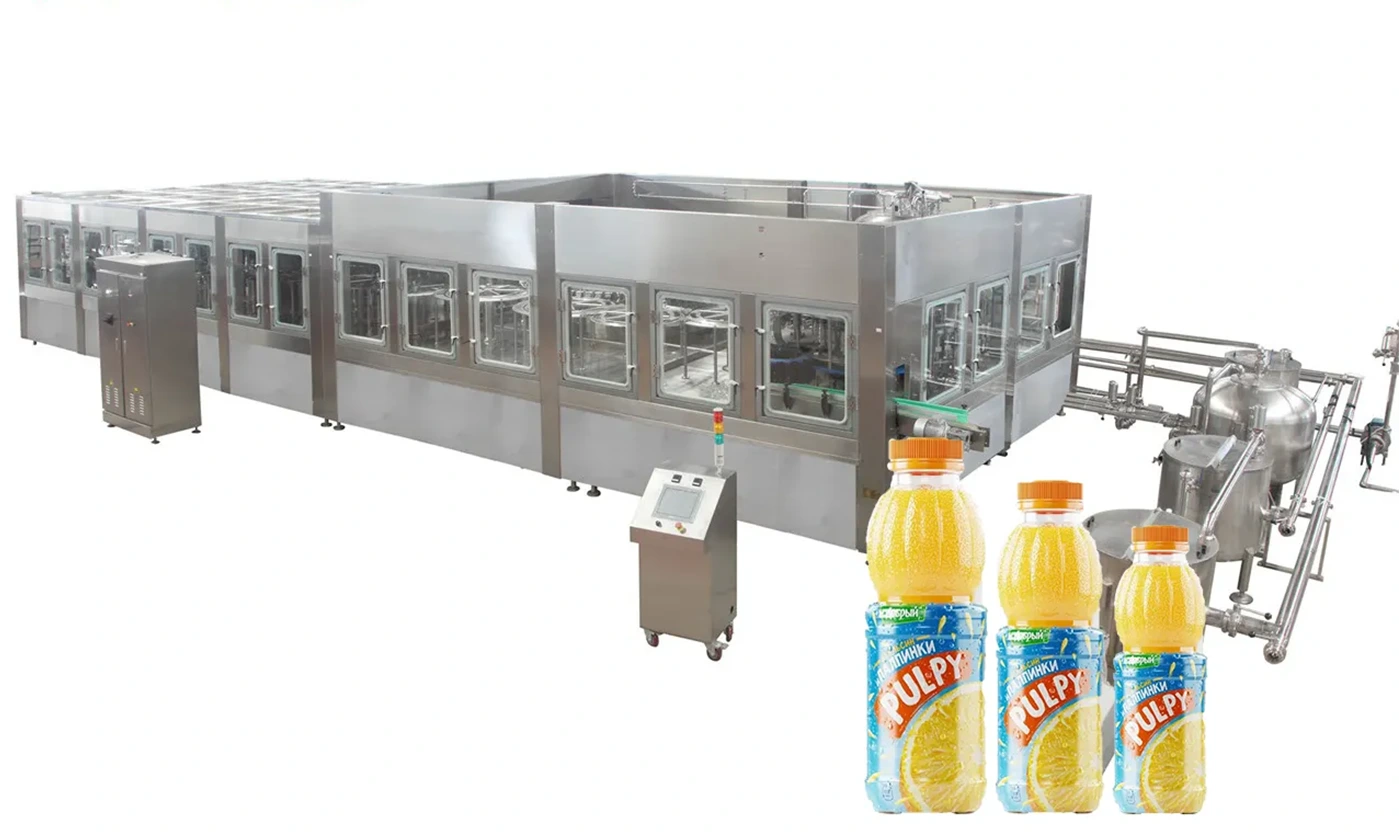
Fully Automatic Beverage Filling Machine
The fully automatic beverage filling machine combines bottle rinsing, filling and capping.
Learn more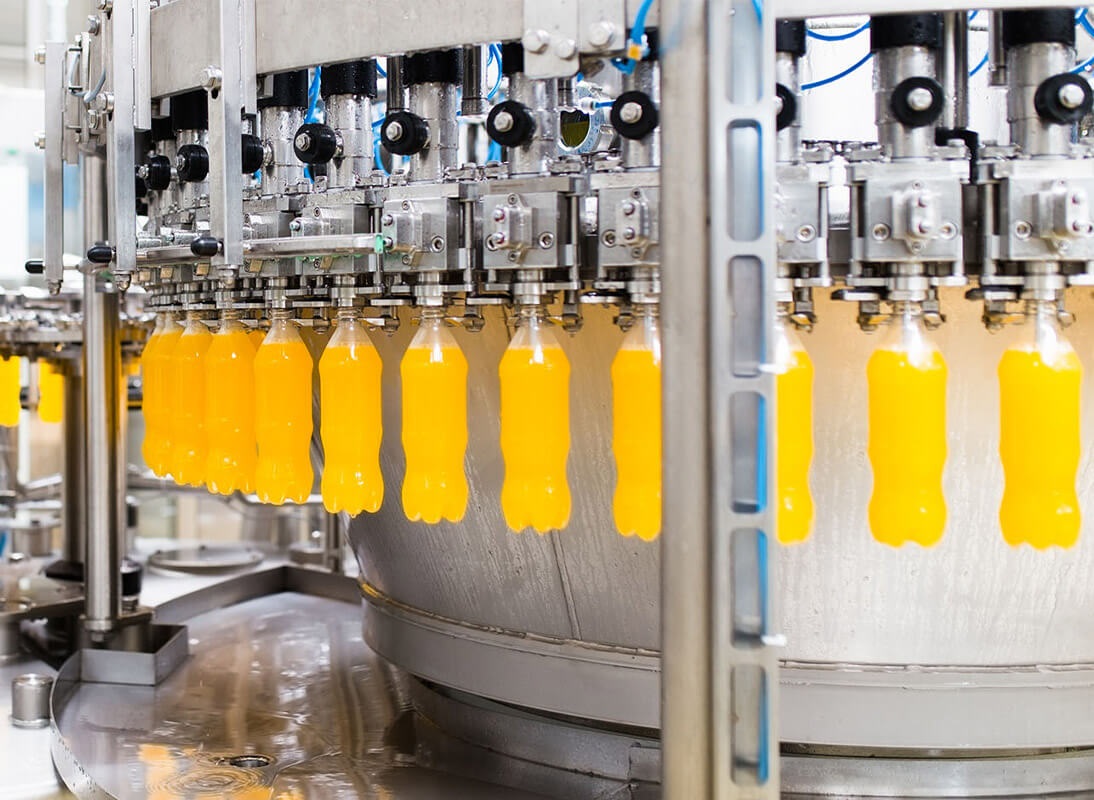
2023-05-10
The Principle and Characteristics of Beverage Filling Machine
It is a multifunctional beverage filling machine. It is used for filling carbonated drinks, soda water, salt soda water and other carbonated drinks. It can also be used for filling juice drinks, pure water and other non-carbonated drinks. It is a new type of practical filling machinery with high practicality.
Learn more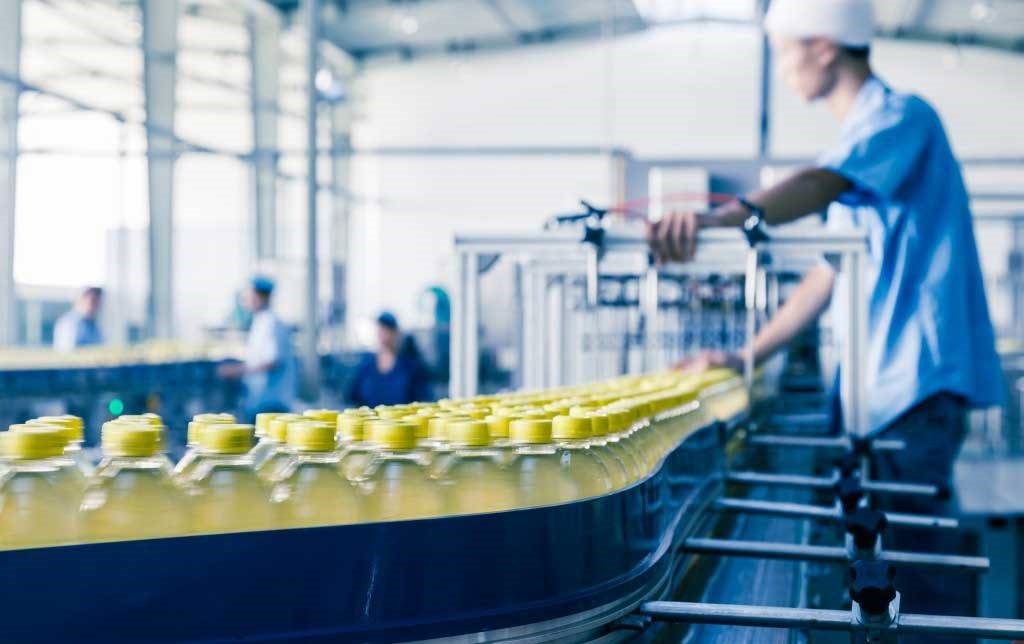
2023-04-26
HZM Machinery: Your Reliable Beverage Filling Machine Supplier
HZM Machinery is a professional supplier of beverage filling machines, dedicated to providing high-quality filling equipment and services to customers worldwide. With years of experience in the industry, we have become a trusted partner for many beverage manufacturers, helping them to improve their production efficiency, reduce costs, and enhance product quality
Learn more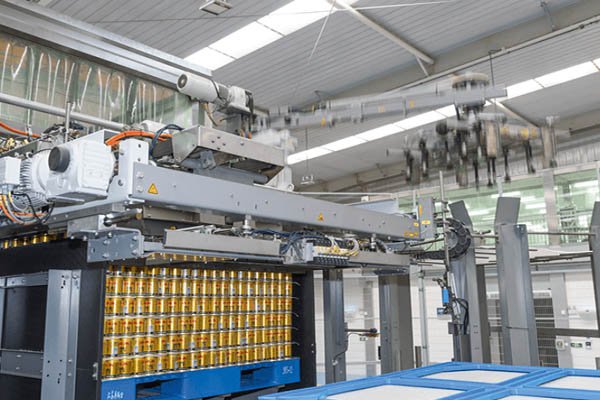
2023-05-10
The common faults of a fully automatic beverage filling machine.
The common faults of a fully automatic beverage filling machine:1.Insufficient or excessive filling amount . 2.Bottles falling or caps not tightened. 3.Conveyor belt jams 4.Control system failure
Learn more2023-05-30
Factors to Consider When Purchasing Beverage Filling Machine Equipment
When it comes to the production stage of a product, for beverage manufacturing companies, selecting a versatile, efficient, and low-consumption filling machine is exceptionally crucial. So, how do you choose a beverage filling machine that is both up-to-date and cost-effective?
Learn more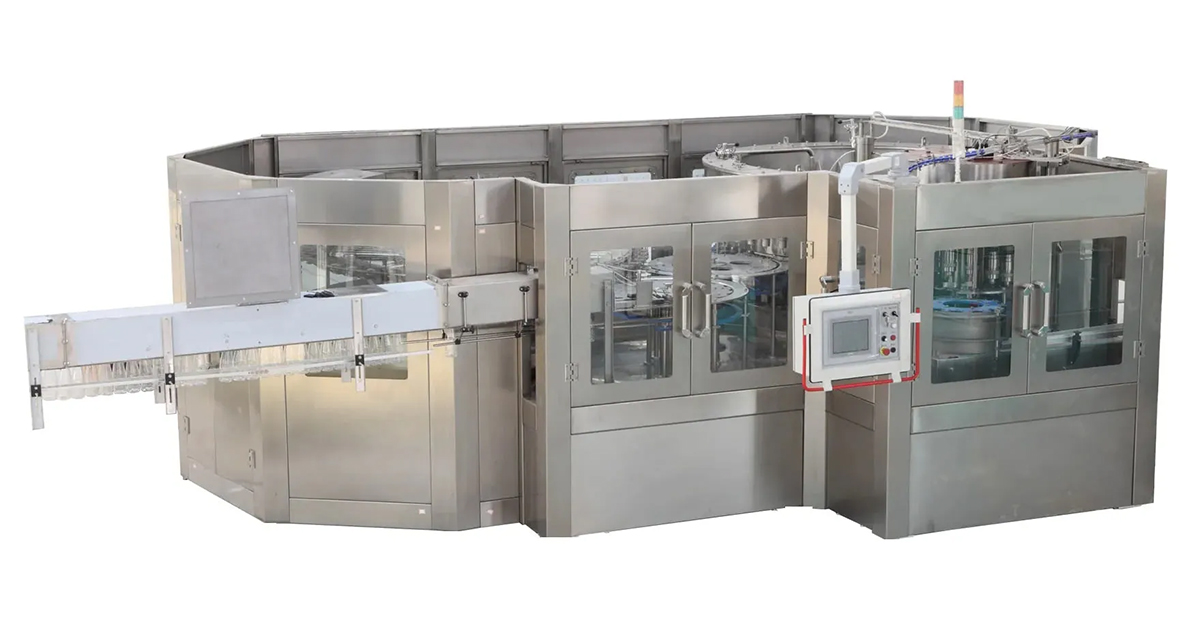
2023-07-20
How much does an automatic beverage filling machine cost?
the price range for an automatic beverage filling machine is wide, ranging from a few thousand dollars to hundreds of thousands of dollars. The price difference is primarily influenced by the following factors
Learn more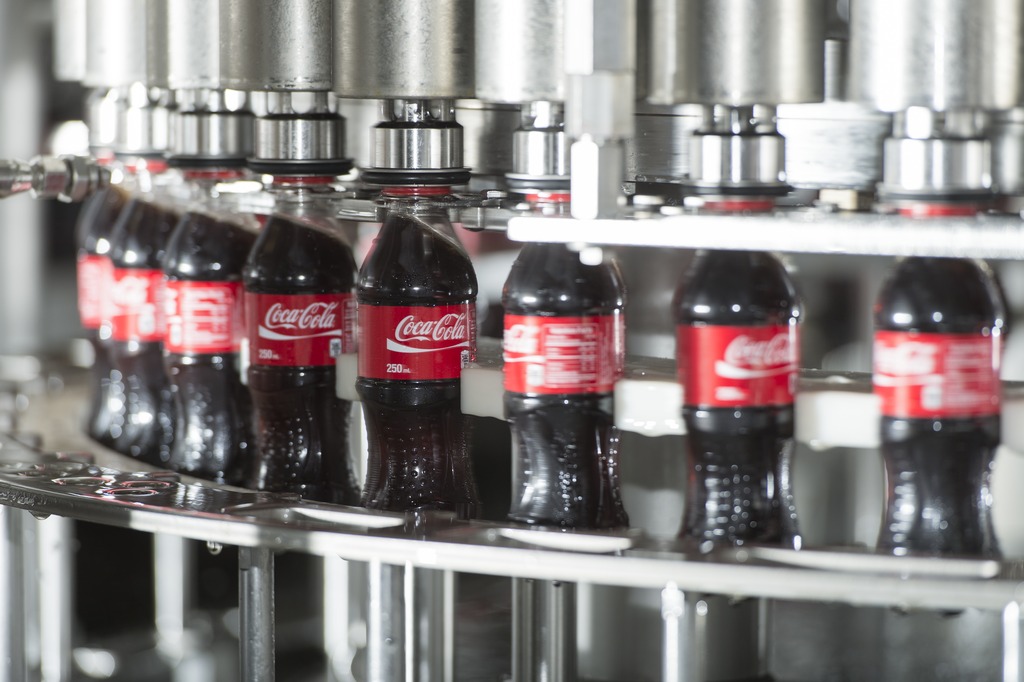
2023-07-26
Three-in-One Beverage Filling Machine for Sale
Our three-in-one beverage filling machine incorporates state-of-the-art technology, ensuring high efficiency and reliable operation of your beverage production line. Key features include
Learn more