
Insights & Updates
Custom Plastic and Hardware Components Used in Beverage Packaging Machinery
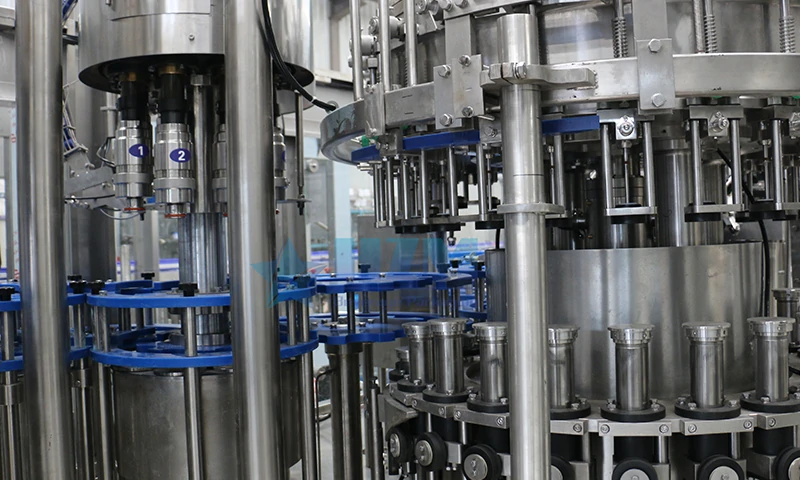
A beverage production line is assembled from far more than tanks, fillers, labelers and conveyors. Each machine also depends on smaller components such as guides, handles, brackets, covers, shafts, spacers and mounting parts.
These components rarely receive much attention during the initial equipment comparison. Once production begins, however, a worn conveyor guide, damaged sensor bracket or poorly fitted plastic part can stop an entire line.
Component selection affects machine stability, sanitation, changeover time and maintenance cost. Materials, tolerances and surface condition must be matched to the actual operating environment rather than selected on price alone.
Where Custom Components Are Used
A complete beverage line can include water treatment, beverage preparation, bottle blowing, filling, capping, labeling, conveying, packing and palletizing. Each section has different requirements for its plastic and metal parts.
Typical applications include:
- Conveyor guides and wear strips
- Bottle transfer and positioning parts
- Sensor brackets and protective housings
- Adjustment handles and hand knobs
- Machine doors, hinges and latches
- Cable and hose supports
- Covers for moving components
- Shafts, pins, spacers and mounting blocks
- Equipment feet and frame connectors
- Change parts for different bottle formats
A component that performs well in a dry packaging area may not be suitable near a filler or processing tank. Temperature, moisture, chemicals, mechanical load and cleaning frequency all influence the final design.
Plastic Components in Beverage Machinery
Plastic parts are widely used in beverage packaging equipment because they can be lightweight, corrosion-resistant and economical to reproduce in quantity. They can also be formed into shapes that would be difficult or expensive to machine from metal.
Conveyors are one of the most common applications. Plastic guide rails, wear strips, rollers and positioning blocks help containers move between machines. These parts must maintain their dimensions while being exposed to repeated friction, vibration and cleaning.
Plastic components may also be used for:
- Adjustment knobs and operating handles
- Electrical and sensor housings
- Cable clips and pipe supports
- Protective caps and machine covers
- Bushings, spacers and low-load bearings
- Format parts for bottle changeovers
- Non-product-contact guards
The required properties vary by application. A conveyor wear component needs low friction and good abrasion resistance. A handle needs impact resistance and a secure grip. A sensor housing may require dimensional stability and protection from moisture.
The material name alone is not enough to approve a component. Grade, additives, operating temperature and chemical resistance must also be considered.
Custom Hardware and Metal Components
Metal parts provide the strength and rigidity needed for machine frames, transmission assemblies, guards and mounting structures. Some are standard components, while others are manufactured according to equipment drawings.
Common examples include:
- Stainless steel mounting brackets
- Shafts and locating pins
- Hinges and door latches
- Threaded connectors and fasteners
- Sensor and camera supports
- Motor and gearbox mounting plates
- Conveyor support components
- Machine feet and adjustment assemblies
- Pipe and cable mounting hardware
- Custom fittings for non-product-contact areas
Material selection depends on load, exposure and sanitation requirements. Stainless steel is commonly used in wet areas and around processing or filling equipment. Coated or galvanized carbon steel may be suitable in dry utility and secondary packaging areas, depending on the plant standard.
Surface finish also matters. Burrs, sharp edges and rough welds can injure operators, trap residue or damage nearby cables and hoses. Parts installed close to bottles and packaging materials should be manufactured and finished with the surrounding production environment in mind.
Product-Contact and Non-Product-Contact Parts
One of the first decisions is whether the component will contact the beverage, treated water, bottle interior, closure or another product-contact surface.
Product-contact components require stricter control over:
- Material composition
- Surface condition
- Cleaning resistance
- Chemical compatibility
- Temperature resistance
- Traceability
- Applicable food-contact documentation
A general industrial plastic is not automatically suitable for a food or beverage application. Even when the base polymer is commonly used in food machinery, its additives, pigments and manufacturing conditions may affect compliance.
Non-product-contact components usually present less risk, but they still need to withstand the workshop environment. Parts installed close to open bottles or filling valves should not generate dust, flakes or loose particles.
The equipment designer should classify each component before approving its material and supplier. Food-contact suitability should be supported by the required documentation rather than assumed from appearance or material name.
Match the Material to the Working Environment
Several engineering plastics are found in beverage and packaging machinery, but their suitability varies.
| Material | Typical characteristics | Possible machinery applications |
|---|---|---|
| UHMW-PE | Low friction and good wear resistance | Conveyor guides and wear strips |
| POM | Good dimensional stability and machinability | Spacers, guides and precision change parts |
| PA | Good strength and wear resistance | Rollers, supports and mechanical components |
| PP | Chemical resistance and low moisture absorption | Covers, housings and selected supports |
| TPU or TPE | Flexibility and impact absorption | Grips, protective pads and flexible parts |
These are general engineering references, not automatic material approvals. The final grade must be checked against operating temperature, load, cleaning chemicals and any applicable food-contact requirements.
Metal components require the same application-based approach. Stainless steel grades, carbon steel coatings, aluminum alloys and copper materials have different corrosion and load characteristics. A material that works in a dry packing area may deteriorate quickly in a frequently washed filling room.
Drawings and Tolerances Determine Fit
A custom component cannot be evaluated from its photograph alone. Reliable production starts with a controlled drawing or approved sample.
The technical file should define:
- Overall dimensions
- Critical tolerances
- Hole and thread specifications
- Material and material grade
- Surface finish
- Color requirements
- Hardness where applicable
- Maximum working load
- Operating temperature
- Chemical exposure
- Inspection method
Not every dimension needs a very tight tolerance. Applying unnecessary precision increases tooling, machining and inspection costs without improving machine performance.
Critical dimensions are those that affect alignment, fit, sealing, bottle handling or interchangeability. These should be identified clearly. Decorative or non-functional dimensions can often use broader tolerances.
For replacement parts, the original component may already be worn or deformed. Measuring it directly can reproduce the wear rather than the intended geometry. Whenever possible, the original equipment drawing and installation position should be reviewed together.
From Prototype to Batch Production
Prototype approval reduces the risk of producing a large quantity of unusable components. The prototype should be installed and tested under realistic conditions, not only measured on an inspection table.
A useful trial may evaluate:
- Fit with adjacent machine components
- Bottle movement through the transfer point
- Resistance to vibration
- Noise during operation
- Wear after repeated cycles
- Cleaning and chemical resistance
- Removal and installation time
- Compatibility with existing fasteners
- Performance during machine changeovers
Injection-molded components also require tooling review. Gate location, draft angle, wall thickness, ribs and shrinkage can influence strength and dimensional stability. A part designed for machining may need modification before it can be produced reliably by injection molding.
After the sample is approved, the drawing, material, color and inspection criteria should be frozen. Any later change should be documented so that replacement batches remain interchangeable.
Evaluating a Custom Component Manufacturer
A supplier should be assessed according to the process required for the part. A factory experienced in injection molding may not have the same capability in precision machining, stamping or stainless steel fabrication.
For non-product-contact components, equipment manufacturers and maintenance teams may review specialist suppliers that provide injection molding, mold development and custom hardware production. The services presented by OK TOOL Manufacturing are examples of capabilities that can be compared during supplier evaluation, including drawing review, material selection, prototype development, tooling, batch production and quality inspection.
The final decision should be based on the actual part requirements. Useful questions include:
- Can the supplier process the specified material grade?
- Which production process will be used?
- How are critical dimensions inspected?
- Can material certificates or inspection records be supplied?
- How are samples approved before mass production?
- What is the expected tooling and production lead time?
- How are nonconforming parts identified and controlled?
- Can the supplier maintain consistency between production batches?
- Are drawing revisions recorded?
- Can replacement parts be reproduced several years later?
For components close to product-contact areas, the supplier should also be able to provide the required material and compliance documentation. A general quality statement is not a substitute for application-specific evidence.
Quality Control for Custom Components
Inspection should focus on characteristics that affect machine performance. Measuring every dimension may not be necessary, but critical dimensions must be checked consistently.
A practical control plan can include:
- Incoming material verification
- First-piece inspection
- In-process dimensional checks
- Appearance and surface inspection
- Assembly or fit testing
- Final sampling before shipment
- Batch identification and record retention
Plastic parts should be checked for warpage, sink marks, cracking, flash, short shots and color variation. Metal parts may require inspection for burrs, corrosion, thread damage, coating defects and dimensional deviation.
For high-wear parts, service-life testing may be more useful than appearance inspection alone. A guide rail can meet its drawing dimensions but still wear too quickly because of an unsuitable material grade or surface condition.
Spare Parts Planning for Beverage Lines
A small component can have a long manufacturing lead time if it requires a custom mold, special material or imported raw material. Spare-parts planning should therefore begin before the production line is commissioned.
The recommended stock should consider:
- Failure consequence
- Replacement frequency
- Supplier lead time
- Minimum production quantity
- Storage conditions
- Number of identical parts used on the line
- Availability of standard alternatives
Frequently adjusted handles, conveyor wear strips, bottle guides, sensor brackets and change parts may justify local stock. Rarely replaced structural components can often be ordered when required, provided their drawings remain available.
Each custom part should have a clear part number linked to the approved drawing. Storing unmarked components in a general spare-parts room makes future identification difficult, especially when several machines use similar-looking parts.
Coordination With the Complete Production Line
Plastic and hardware components should be evaluated as part of the machine assembly rather than isolated items. A small dimensional change can affect bottle stability, sensor position, guard clearance or conveyor alignment.
On a beverage filling machine, the relationship between the bottle, transfer components, filling section and cap-handling system must remain stable at operating speed. Components used around these areas should only be changed after their effect on the full process has been reviewed.
The same applies to a beverage processing system. Components near tanks, valves and utility pipes must suit the cleaning method, temperature and chemical environment.
For a complete water filling production line, spare parts and change components should be planned across bottle production, filling, labeling, conveying and packing. Standardizing suitable components can simplify maintenance, but standardization should not override the requirements of each machine.
Conclusion
Custom plastic and hardware parts contribute directly to the reliability of beverage filling and packaging equipment. Their size does not reflect their importance. A damaged guide, loose bracket or poorly fitted cover can reduce line efficiency or stop production.
Effective component sourcing begins with a clear application, controlled drawing and suitable material. Prototypes should be tested on the equipment, critical dimensions should be inspected, and approved specifications should be retained for future orders.
When evaluating a supplier, beverage equipment manufacturers and plant operators should look beyond unit price. Process capability, material control, repeatability, documentation and delivery stability have a greater effect on the long-term cost of the component.
HZM Machinery supplies individual machines and complete beverage production line solutions covering water treatment, beverage processing, bottle handling, filling, labeling and packaging. Customers can provide their beverage type, bottle specifications, required capacity and workshop dimensions to receive an equipment configuration and line-layout proposal.
Talk to our engineering team
Need help planning your packaging line?
Share your product, bottle and capacity requirements for a practical equipment recommendation.
2023-09-18
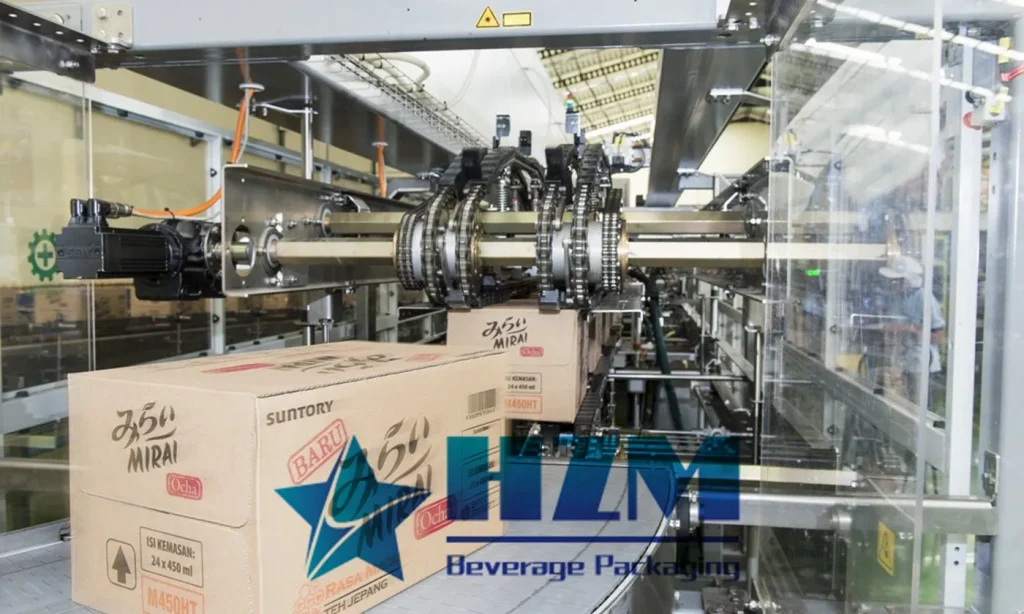
Custom Beverage Packaging Machines,Key to Innovative Packaging Solutions
Custom beverage packaging machines have become an indispensable tool in achieving this goal. This article will delve into the significance of custom beverage packaging machines and their pivotal role in today's beverage industry.
Learn more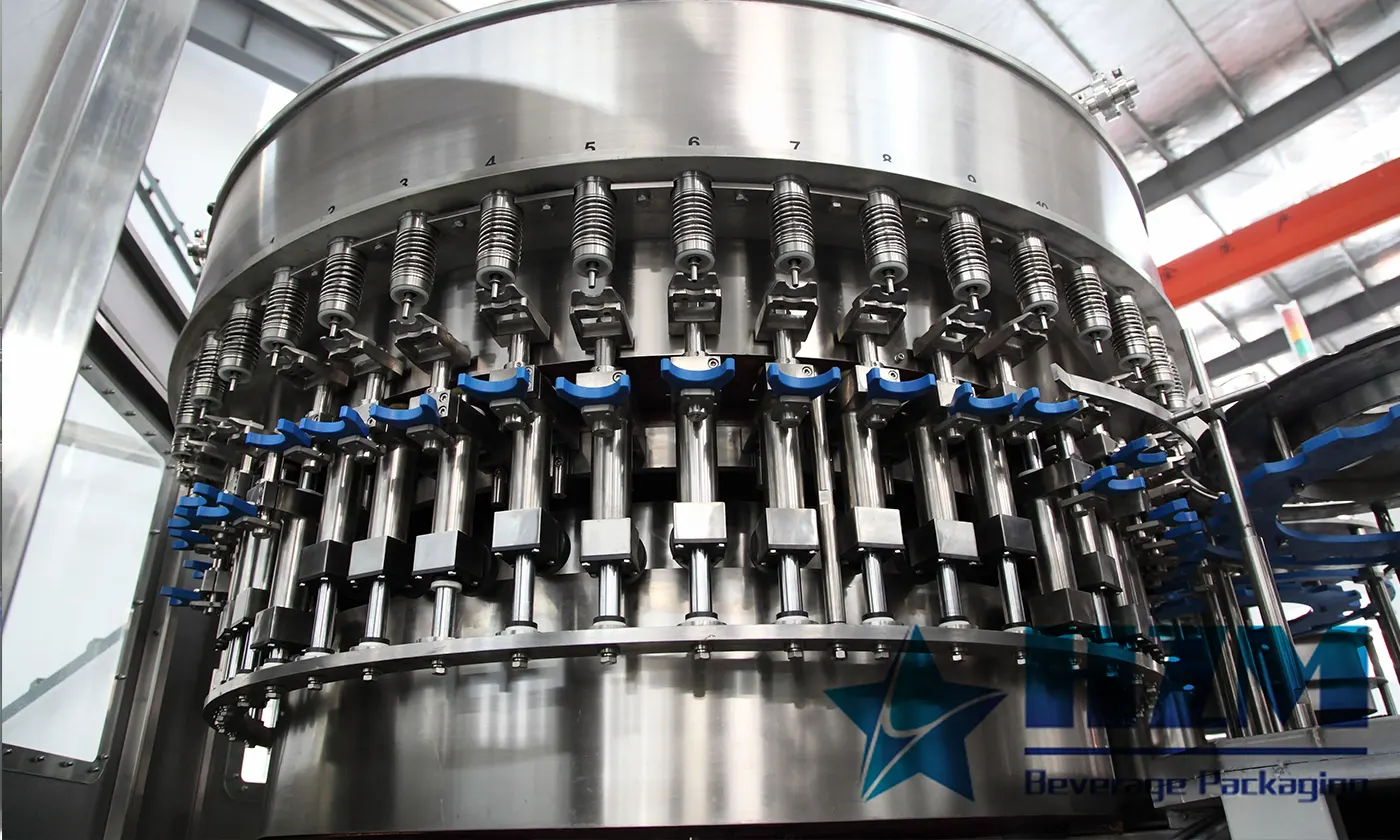
2026-07-24
Key Components of a Filling Machine: Rinsing, Filling and Capping Explained
Understand the main components of beverage filling equipment and how the rinser, filler, capper, product circuit, drives, sensors and controls work together.
Learn more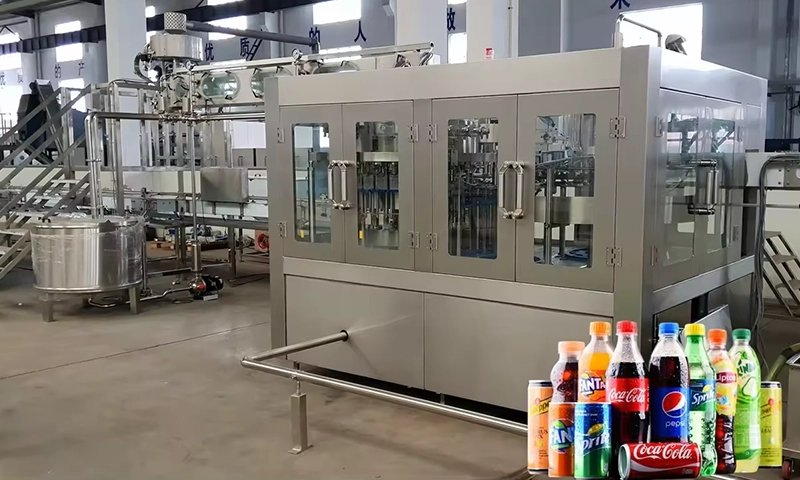
2026-07-24
Custom Beverage Filling System: Configuration and RFQ Guide
Learn how to configure a custom beverage filling system around product, container, speed, hygiene, changeovers, utilities and future expansion—without copying a generic machine list.
Learn more
2023-03-24
Basic Electrical Components Of Bottle Filling Machine
For operational purposes, the bottle filling machine depends on various electrical constituents or parts. Also, these are the constituents that make up the machine and it helps the functions of this machine. Without these electrical components, the filling system cannot work. These electrical components are power supply, controllers, timers and counters, PLCs, motors […]
Learn more
2023-03-24
Major Components Of A Water Treatment System
Your water might taste okay and along the way, you observe rotten egg smell when you turn the faucet on. Probably you also observe an odd flavor, unpleasant odor, itchy skin soap scum or water spot. Then you can assume that you need a water treatment system. Once this happens there are various ways through […]
Learn more