
Insights & Updates
Plate Heat Exchanger Pressure Drop Is Rising
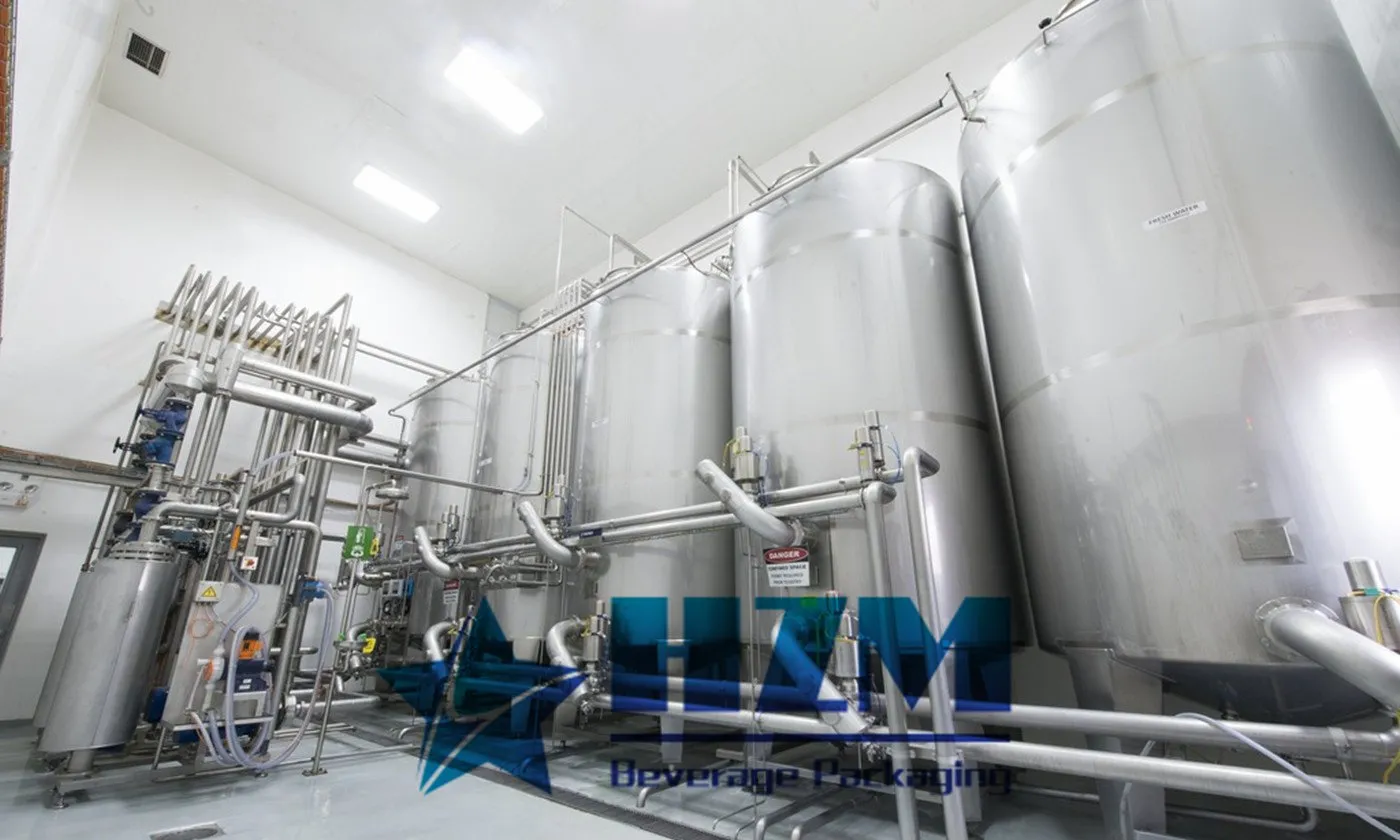
When rising pressure drop and falling heat-transfer performance in a plate heat exchanger appears, changing the nearest setpoint is tempting but risky. A durable repair starts by retaining samples, capturing the first alarm and separating a local head or lane problem from a line-wide process problem.
Process-system alarms can affect both food safety and finished-product consistency. Temperature, time, flow, concentration, pressure and hygienic state must be evaluated as a connected process rather than as isolated instruments. For this fault, the first distinction is between product fouling on plate surfaces and mineral scale on water side. The procedure below moves from non-invasive checks to controlled repair and restart.
Quick answer: Trend pressure drop at comparable flow and viscosity, then distinguish product fouling, mineral scale, blocked ports, gasket intrusion and flow imbalance. Confirm loss of thermal performance before opening the plate pack.
What operators usually see
The failure pattern narrows the search more quickly than replacing parts. Mark samples and record which of these conditions are present: For this case, preserve evidence that shows whether pump pressure rises at the same production rate.
- Pump pressure rises at the same production rate
- Outlet temperature requires more utility
- One circuit shows unstable flow
- CIP return becomes heavily soiled early
Make the equipment safe and protect the product
Place affected product on hold and follow the validated food-safety plan. Isolate heat, pressure, chemicals and rotating equipment before inspection; only an authorized process authority may release product after a critical deviation.
Preserve the batch record and trend temperature, flow, pressure, conductivity or concentration, valve states, recipe version and alarm history from before, during and after the deviation. Explicitly record whether pump pressure rises at the same production rate.
Most likely causes, in practical checking order
1. Product fouling on plate surfaces
Proteins, sugars, pulp or burnt product narrow channels and reduce heat transfer To test this explanation without guessing, normalize pressure drop to comparable flow, temperature and product viscosity Record the result before moving to the next cause.
2. Mineral scale on water side
Hardness precipitates at hot surfaces A practical confirmation step is to trend process and utility inlet and outlet temperatures. Compare the finding with a known-good run.
3. Blocked port or foreign material
Gasket fragments and solids restrict only part of the plate pack Do not compensate for this condition in the recipe. First, compare pressure drop on both sides to locate the affected circuit Keep the original setting and measured result in the fault record.
4. Gasket displacement or wrong tightening
A gasket intrudes into a channel or plate geometry is compressed incorrectly Separate this cause from the others with one controlled check: review CIP flow, chemistry and temperature against the validated cycle Use the same product, format and speed for the comparison.
Step-by-step diagnostic procedure
The aim is to eliminate whole groups of causes with each check. Record actual values rather than “normal” or “looks good.”
- Normalize pressure drop to comparable flow, temperature and product viscosity
- Trend process and utility inlet and outlet temperatures
- Compare pressure drop on both sides to locate the affected circuit
- Review CIP flow, chemistry and temperature against the validated cycle
- Inspect strainers and recover foreign material
- Open the exchanger only under the manufacturer procedure and preserve plate order
Corrective actions that address the root cause
A reset is not a repair. Complete the mechanical, process or controls work indicated by the evidence and document the as-left state.
- Apply validated cleaning appropriate to product soil or scale
- Correct upstream filtration and prevent burn-on conditions
- Replace damaged gaskets and blocked components
- Reassemble and tighten the plate pack to the specified dimension
How to verify the repair before full-speed production
Restart at reduced speed with normal production materials, then increase output in steps. The first acceptance check is: Confirm that rising pressure drop and falling heat-transfer performance in a plate heat exchanger is absent for multiple consecutive cycles, not only for one sample. Review the alarm history and keep diagnostic product segregated until the site’s quality procedure releases it.
- Confirm that rising pressure drop and falling heat-transfer performance in a plate heat exchanger is absent for multiple consecutive cycles, not only for one sample.
- Compare the repaired result for “Pump pressure rises at the same production rate” with the approved quality limit and the last known-good baseline.
- Check adjacent stations and downstream package quality for side effects associated with product fouling on plate surfaces.
- For “Plate Heat Exchanger Pressure Drop Is Rising”, record the final settings, measurements, parts used and restart authorization.
Prevent the problem from returning
The most effective preventive action is an observable limit with a named response, not a general instruction to “check regularly.”
- Trend thermal approach and pressure drop
- Trigger cleaning before severe blockage
- Control water hardness
- Inspect strainers
- Keep plate and gasket service records
When to stop troubleshooting and call a specialist
Stop and contact the machine or component supplier when rising pressure drop and falling heat-transfer performance in a plate heat exchanger cannot be isolated with non-invasive checks, when it returns after an approved repair, or when calibration requires protected service tools. Specialist support is also required when the same protective fault returns after an approved repair or structural damage is suspected. Send the service engineer the fault history, photos, samples, trend data, recipe revision and work already completed.
Relevant equipment for this application
For a project-level comparison related to rising pressure drop and falling heat-transfer performance in a plate heat exchanger, see HZM Machinery’s Automatic Beverage Processing System. Use actual product, container and utility data when evaluating whether the configuration fits the duty.
Frequently asked questions
What should be checked first when rising pressure drop and falling heat-transfer performance in a plate heat exchanger?
Trend pressure drop at comparable flow and viscosity, then distinguish product fouling, mineral scale, blocked ports, gasket intrusion and flow imbalance. Confirm loss of thermal performance before opening the plate pack. Preserve the original settings and take representative samples before repair work begins.
How can we distinguish product fouling on plate surfaces from mineral scale on water side?
Proteins, sugars, pulp or burnt product narrow channels and reduce heat transfer In contrast, hardness precipitates at hot surfaces Compare the two mechanisms under the same operating condition by completing these checks: normalize pressure drop to comparable flow, temperature and product viscosity Then trend process and utility inlet and outlet temperatures
Can production continue while rising pressure drop and falling heat-transfer performance in a plate heat exchanger?
Only when the plant’s documented risk assessment and quality procedure allow it. For rising pressure drop and falling heat-transfer performance in a plate heat exchanger, stop and segregate production when package integrity, sanitation, validated processing, pressure safety, electrical protection or an uncontrolled reject trend is involved.
What evidence will help the equipment supplier respond faster?
Provide the model and serial number, product and format, target speed, first fault, timestamps, photos or video, affected station pattern and maintenance history. For this issue, also include pump pressure rises at the same production rate and the measured result from this check: open the exchanger only under the manufacturer procedure and preserve plate order
Talk to our engineering team
Need help planning your packaging line?
Share your product, bottle and capacity requirements for a practical equipment recommendation.
Equipment
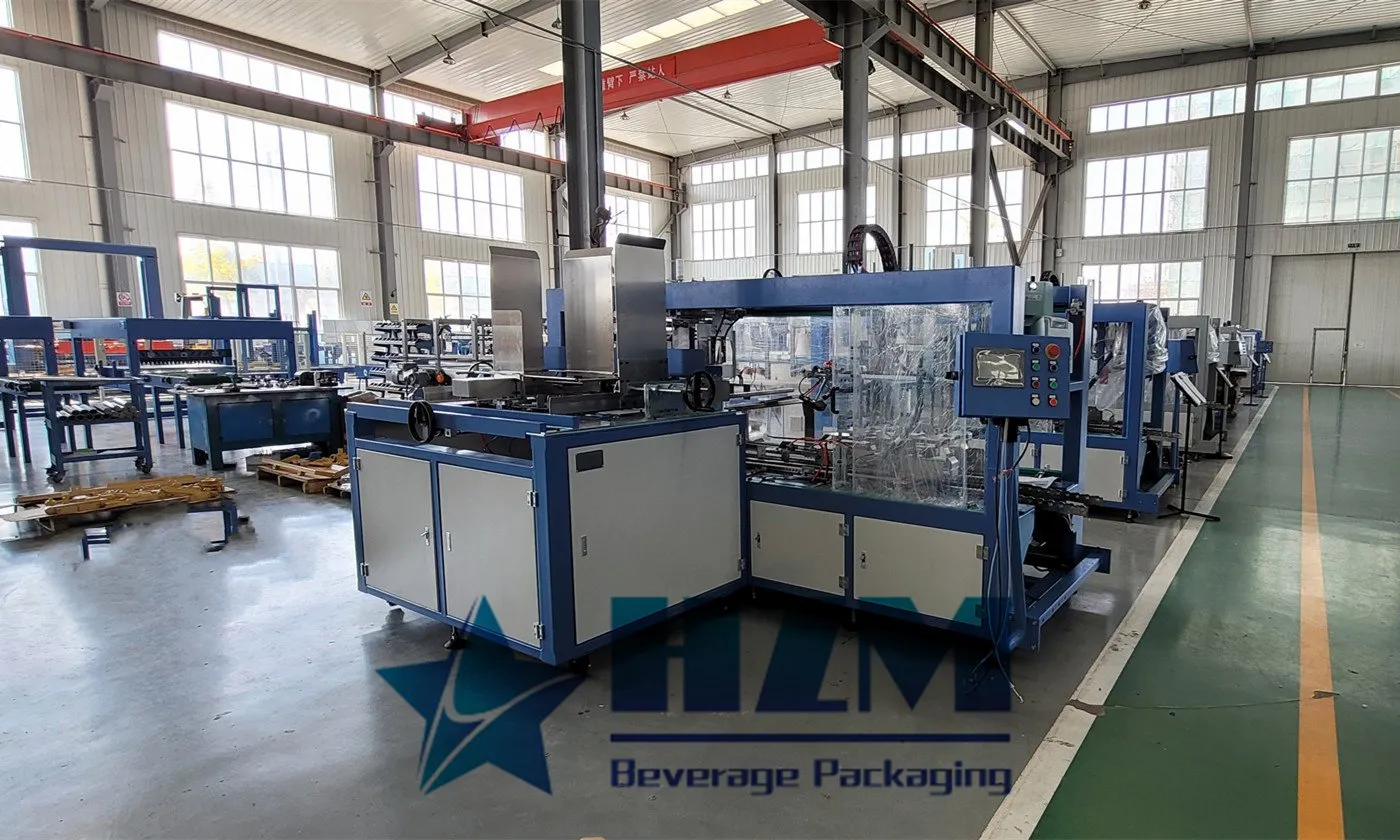
Automatic Drop Type Carton Packing Machine
The automatic drop-type carton packing machine loads grouped products into cartons for beverage, bottled-water and food production lines.
Learn more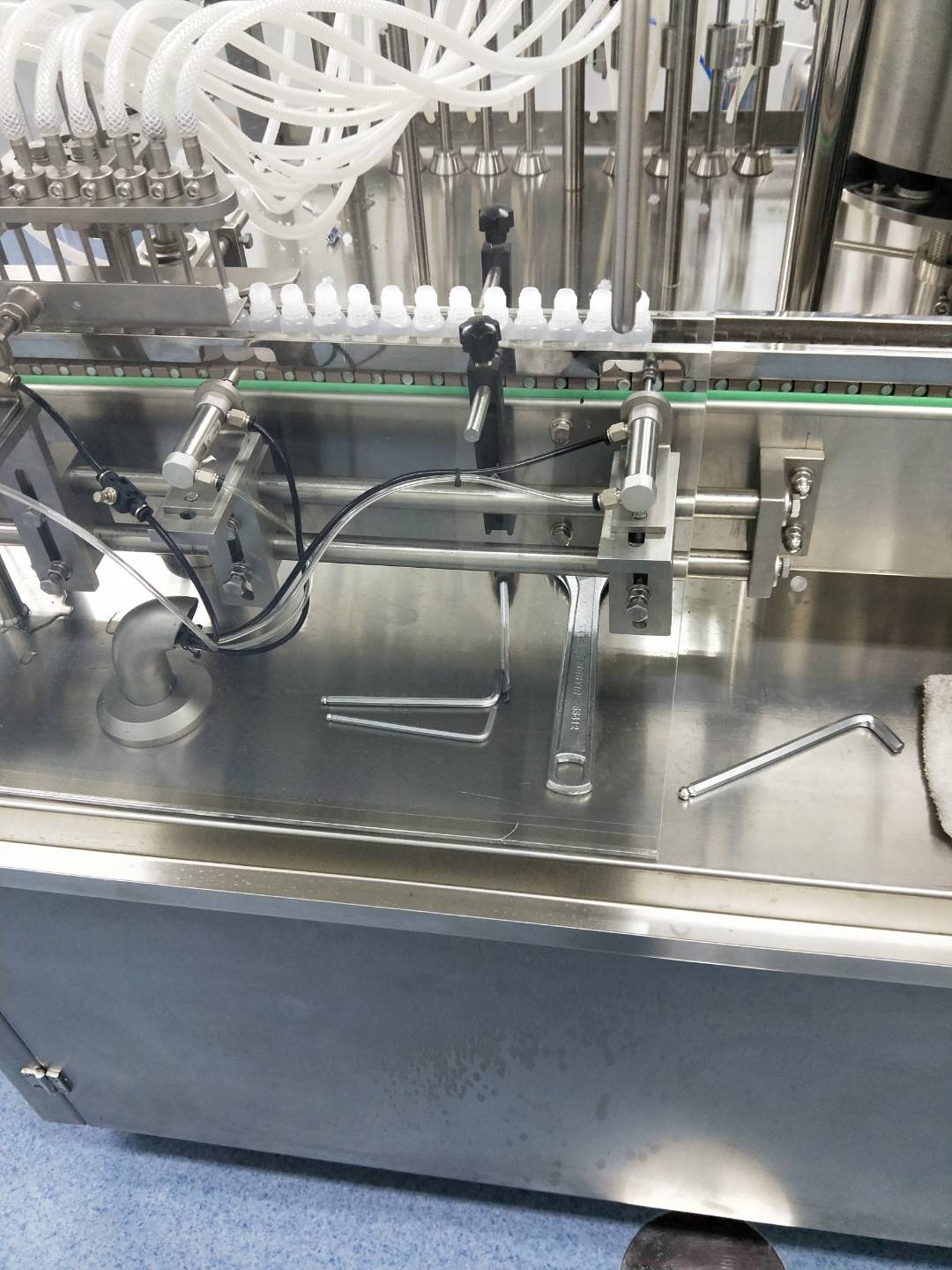
2024-02-19
Five Tips for Using Eye Drop Bottle Filling Machines
Achieving high-precision filling with eye drop bottle filling machines requires mature technology and extensive experience. The accuracy of these machines is directly related to the quality of the eye drop bottles, especially for products with special requirements such as medicinal eye drop bottles.
Learn more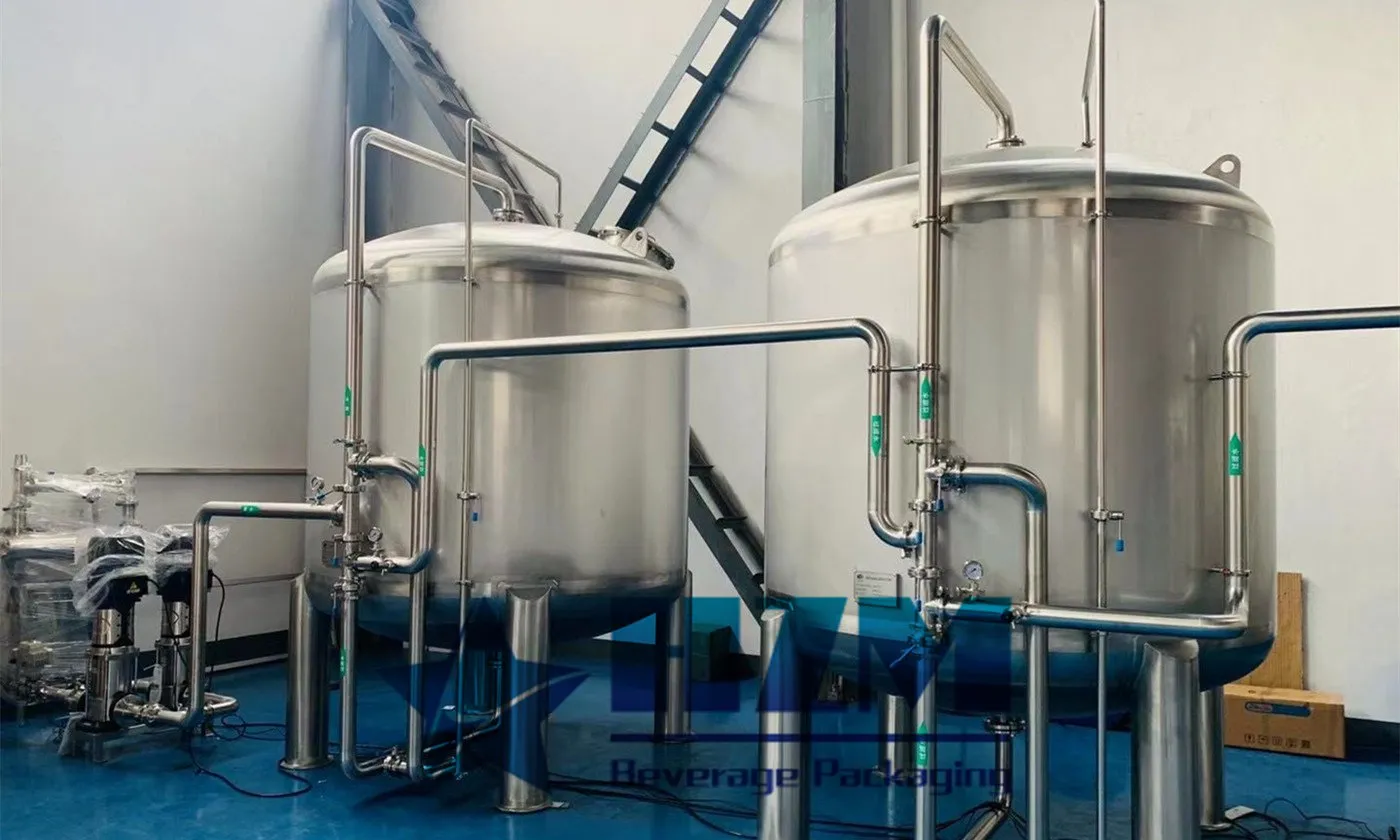
2026-09-04
RO Differential Pressure Keeps Rising: Fouling Location Matters
Locate the stage where pressure loss is increasing and relate it to normalized flow and salt passage. A first-stage rise often points to particulate or biological fouling; a later-stage rise can indicate scale, but feed analysis is required. Follow this practical fault-isolation, repair and prevention guide for bottling-line operators and maintenance teams.
Learn more
2023-09-02
Enhancing Product Protection and Aesthetics: The Automatic Drop Type Carton Packing Machine
In today’s dynamic market, where consumer preferences and demands are ever-evolving, packaging plays a pivotal role in product presentation, protection, and marketability. The Automatic Carton Packing Machine emerges as a technological solution designed to cater to high-end and delicate products, particularly those crafted from glass. This innovative machine not only safeguards the products during transportation […]
Learn more2023-06-09
8t Normal Pressure Ss304 Ro Water Treatment System
High quality 8t Normal Pressure Ss304 Ro Water Treatment System from China, China's leading ss304 ro water treatment system product, with strict quality control 8t ro water treatment system factories, producing high quality normal pressure ro water treatment equipment products.
Learn more2023-06-09
Normal Pressure SS304 SS316 RO Water Treatment System
High quality Normal Pressure SS304 SS316 RO Water Treatment System from China, China's leading SS316 RO Water Treatment System product, with strict quality control SS304 RO Water Treatment System factories, producing high quality SS316 water reverse osmosis system products.
Learn more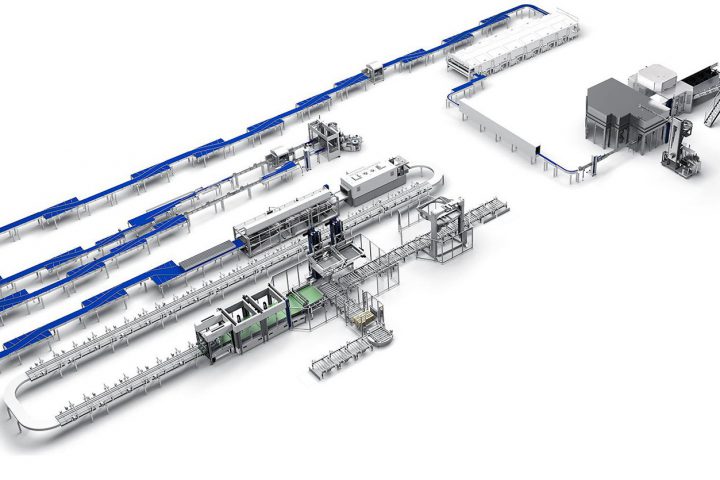
2023-06-09
Juice and Tea Filling Line Guide: Bottle Heat Resistance and Changeover
Practical HZM guidance on juice and tea filling line, focused on bottle heat resistance and changeover, line integration, RFQ data and measurable acceptance checks.
Learn more