
Project Case
PET Bottle Blow Molding Machines Delivered to Indonesia
Indonesia
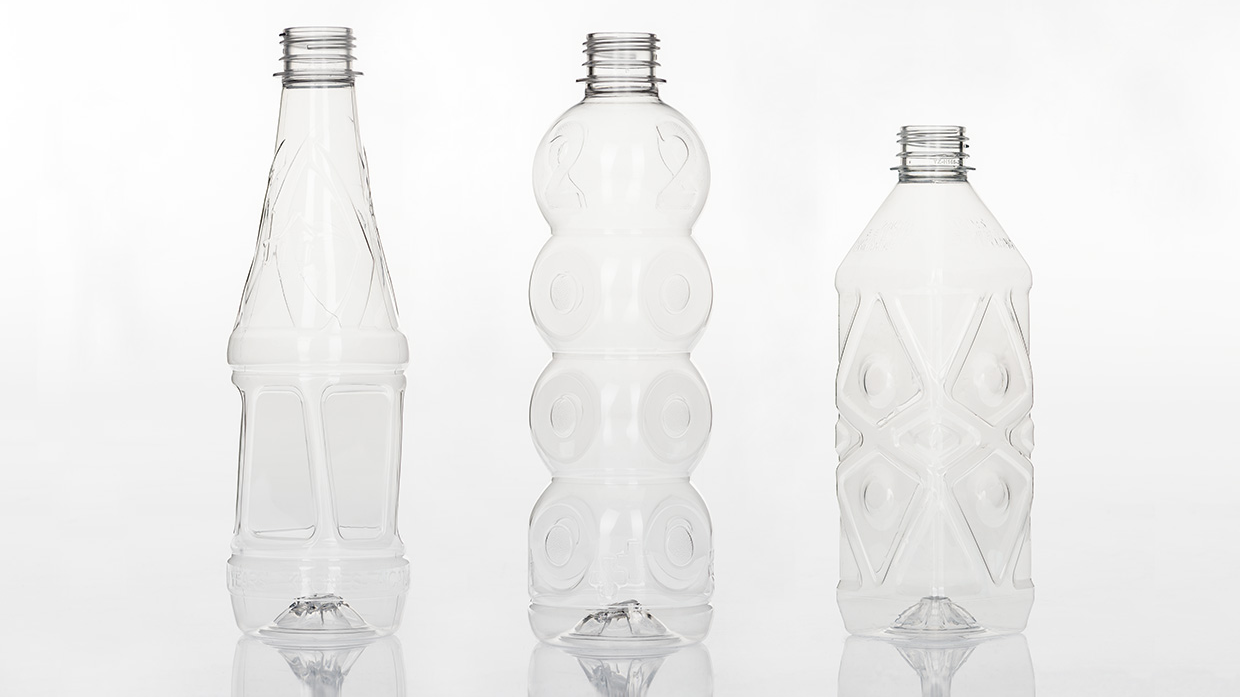
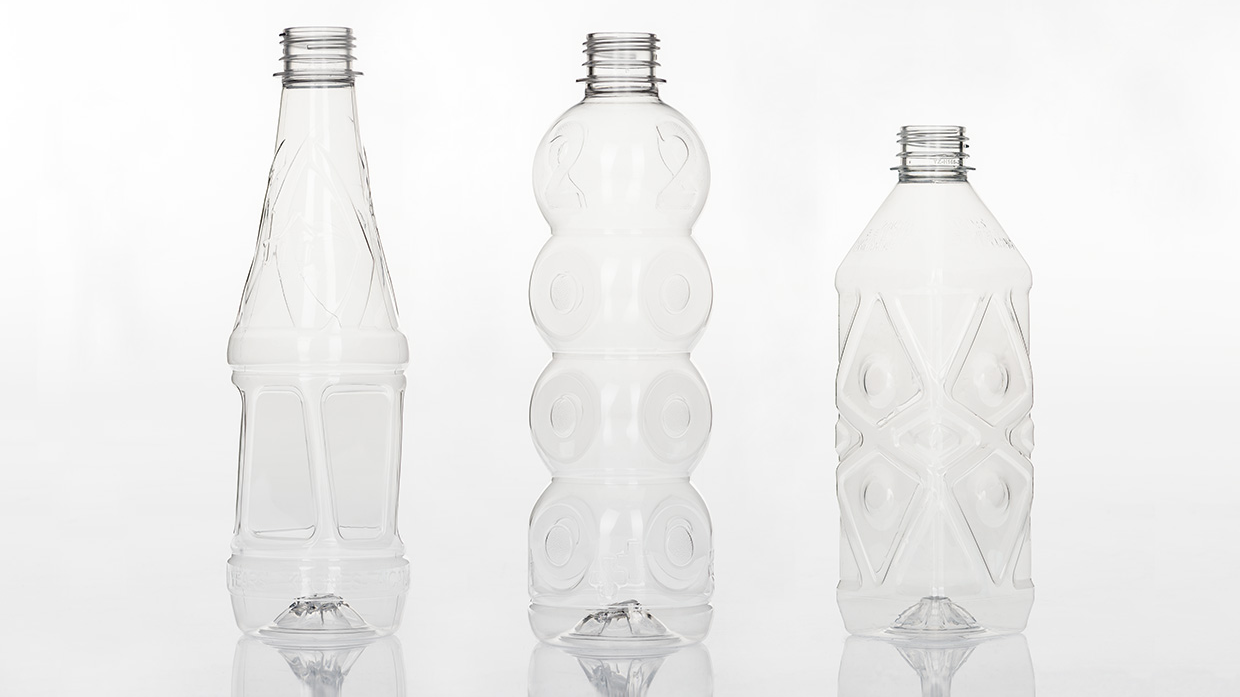
This Indonesian bottle-blowing project grew from an existing customer relationship. Two years earlier, the customer had purchased a fully automatic four-cavity machine for 550 ml bottles and a two-cavity machine for 5L bottles. According to the project record, both machines remained in good operating condition and the customer was satisfied with the equipment and service.
The repeat order introduced a more demanding package requirement: producing a 550 ml bottle from a lightweight 10.2 g preform. HZM engineers used testing and adjustment to complete the required bottle trial before delivery.
Why the Customer Returned to HZM
Repeat business is useful evidence because it reflects experience beyond a factory demonstration. The customer had already operated HZM equipment across two very different bottle sizes and could evaluate production stability, maintenance and technical response over time.
For the new investment, that operating history reduced project uncertainty while still requiring a fresh engineering review for the lightweight preform.
The Lightweight Bottle Challenge
Reducing preform weight can lower resin use, but it narrows the process window. Heating profile, stretch-rod movement, pre-blow timing, final blowing pressure and mold cooling all influence material distribution. A bottle that looks acceptable immediately after molding may still fail top-load, wall-thickness or filling-line handling requirements.
HZM’s work therefore focused on adapting the blowing process to the customer’s actual 10.2 g preform and 550 ml bottle requirement rather than relying on a standard recipe.
Factory Inspection and Testing
Before shipment, the machine completed inspection and bottle testing. A useful acceptance process checks bottle appearance, weight, dimensions and repeatability, then confirms that the output can be handled by the intended downstream conveyor and filler.
- Preform and neck-finish compatibility.
- Heating and blowing recipe stability.
- Bottle wall distribution and visible defects.
- Change parts and mold installation.
- Safety devices, alarms and operating documentation.
Project Images and Video
Project Scope and Operational Value
The earlier installation included separate equipment for 550 ml and 5L formats, showing HZM’s ability to support both small and large PET containers. The new machine extends the customer’s bottle-making capability while using experience gained from the existing lines.
In-house bottle production can improve control over supply and bottle design, but it also makes compressor capacity, air quality, cooling water and preform storage part of the bottling operation. These utilities should be verified before installation.
What This Project Demonstrates
This case demonstrates engineering support for a customer-specific preform and the importance of proving the bottle before delivery. It also shows the long-term value of service: the repeat purchase followed two years of successful use of earlier HZM equipment.
For buyers, the key information is the preform drawing, bottle drawing, resin, target output, number of molds and available high-pressure air. Supplying those details early allows the blow molding process and utilities to be evaluated together.
For a related configuration, review HZM’s PET bottle blow molding machine range. A project proposal should always be confirmed against the actual product, package, utilities, layout and required output.
Talk to our engineering team
Need help planning your packaging line?
Share your product, bottle and capacity requirements for a practical equipment recommendation.
Equipment
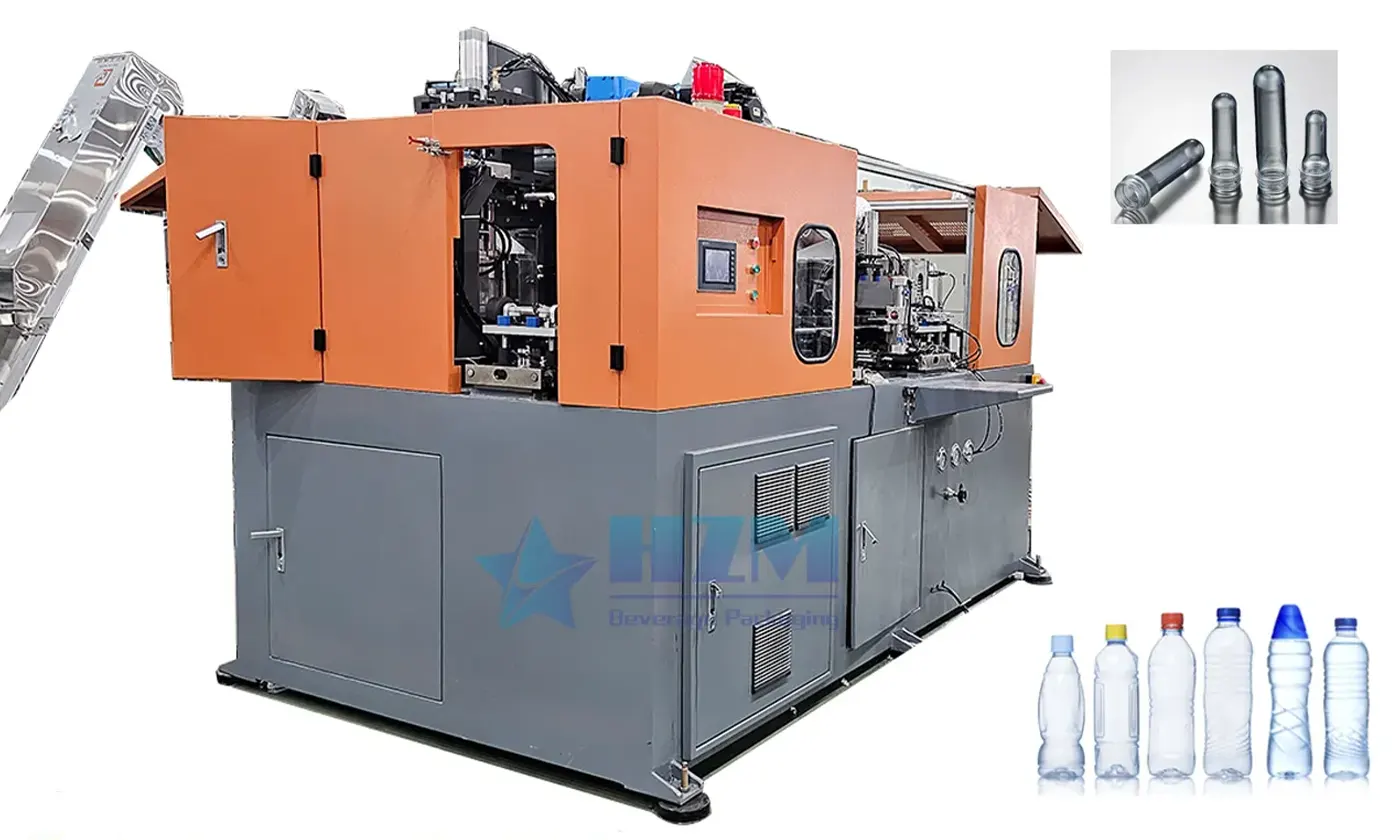
PET Bottle Blow Molding Machine
PET bottle blow moulding with 6–12 cavities and capacities of 12,000–21,600 bottles/hour at 500 ml.
Learn more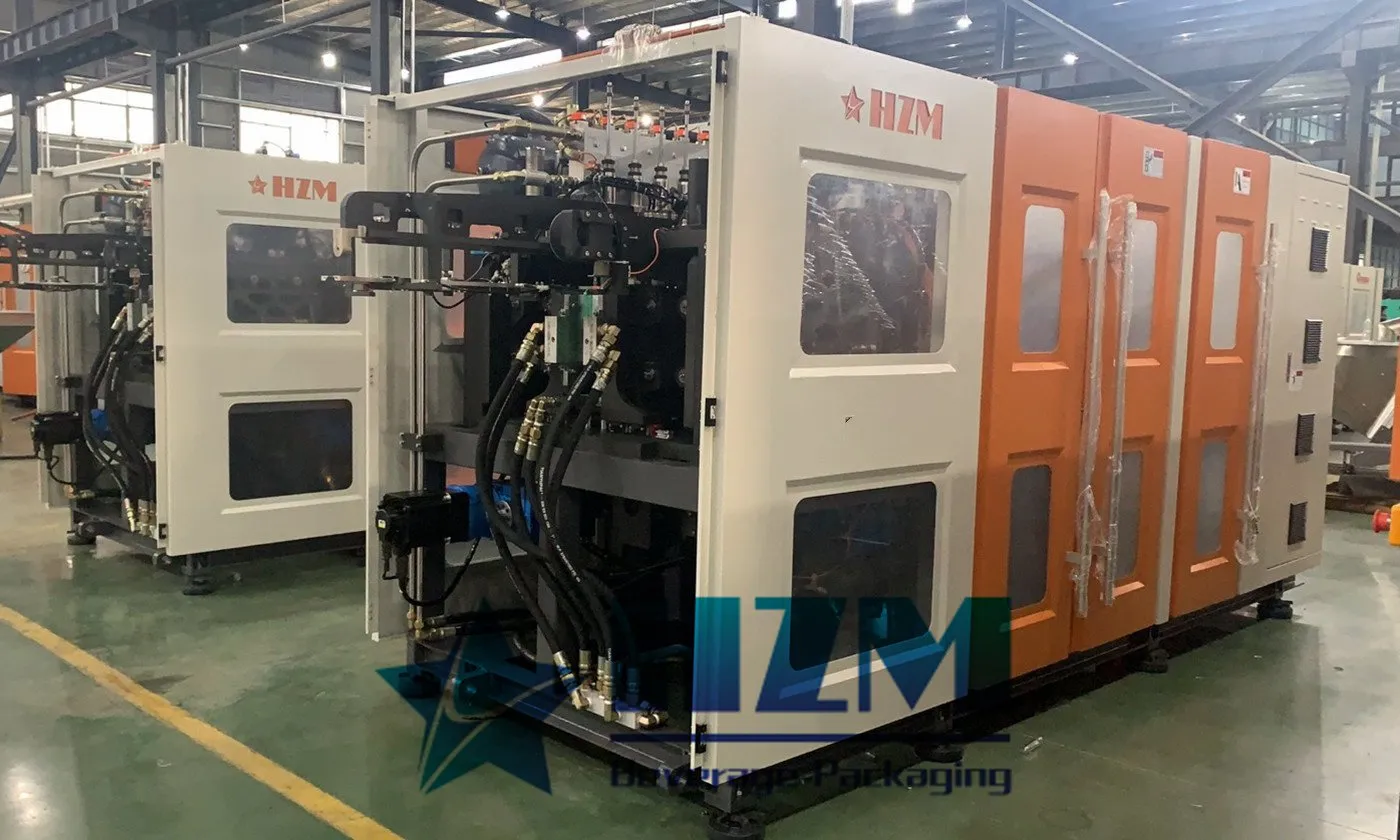
Equipment
Automatic Blow Molding Machine
Automatic PET bottle blowing for water and beverage packaging, with capacities of 12,000–24,000 bottles/hour at 500 ml.
Learn more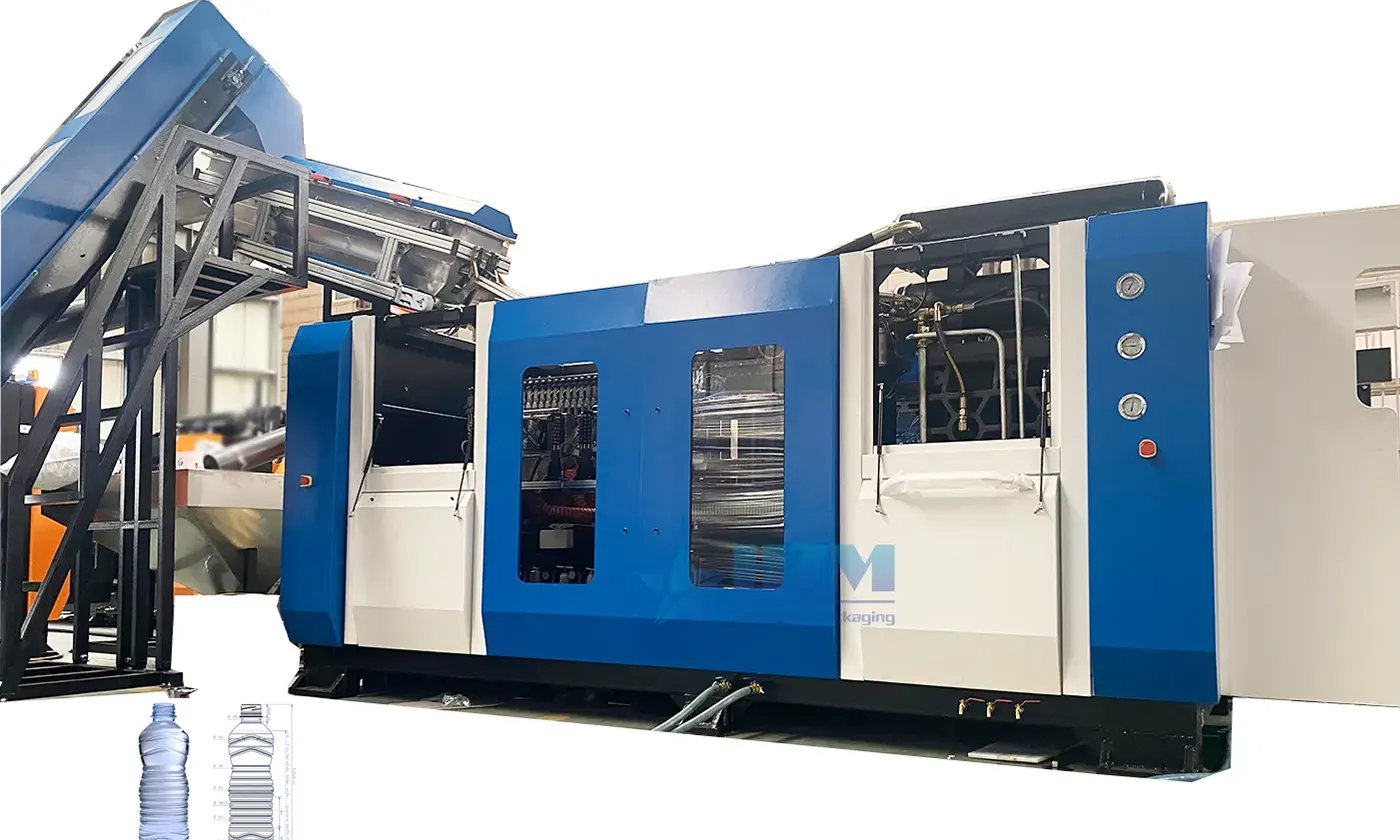
Equipment
Automatic Water Bottle Blowing Molding Machine
Automatic water bottle blowing from PET preforms, with 6–12 cavities and capacities up to 21,600 bottles/hour at 500 ml.
Learn more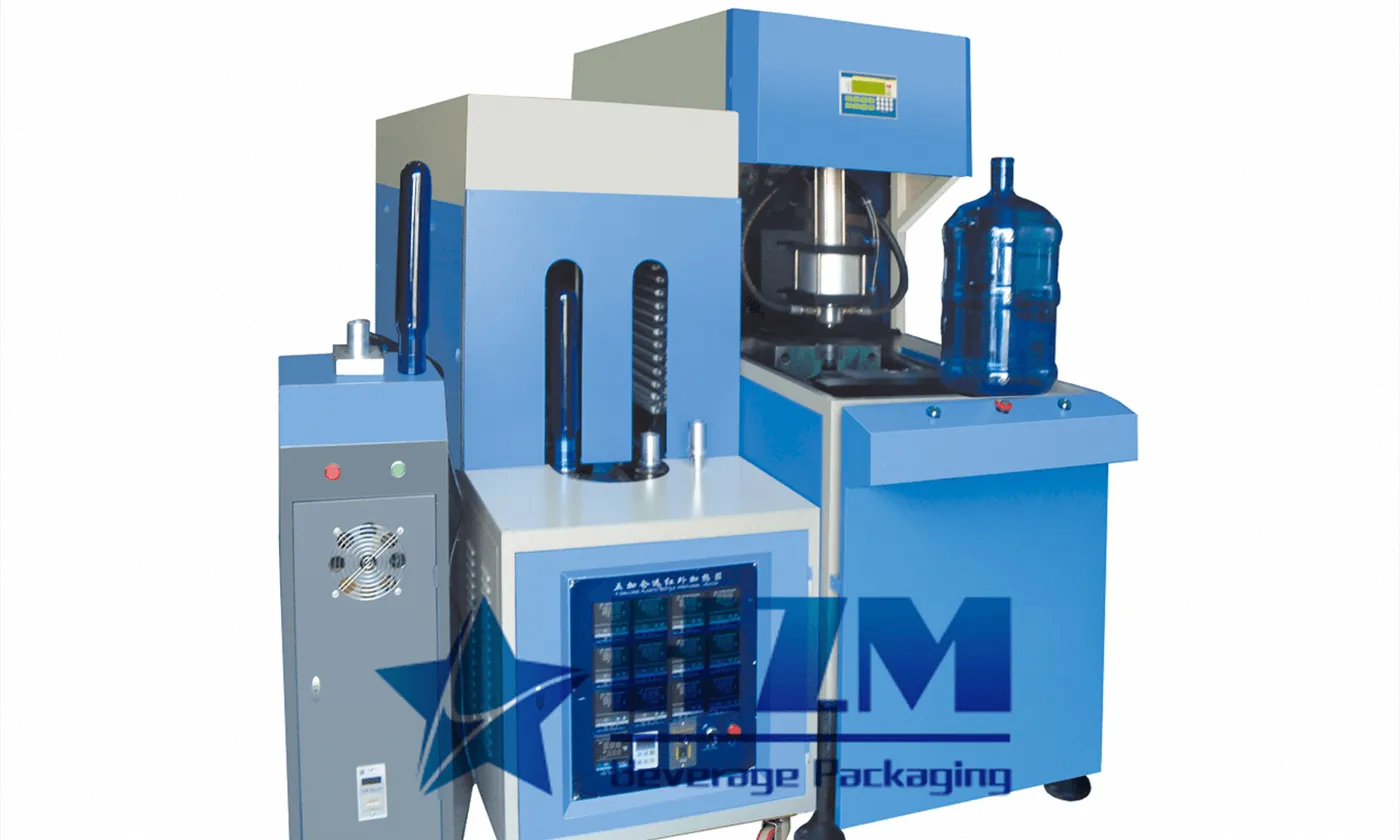
Equipment
5 Gallon Bottle Blow Molding Machine
This blow moulding machine produces large PET water bottles, including 5-gallon containers.
Learn more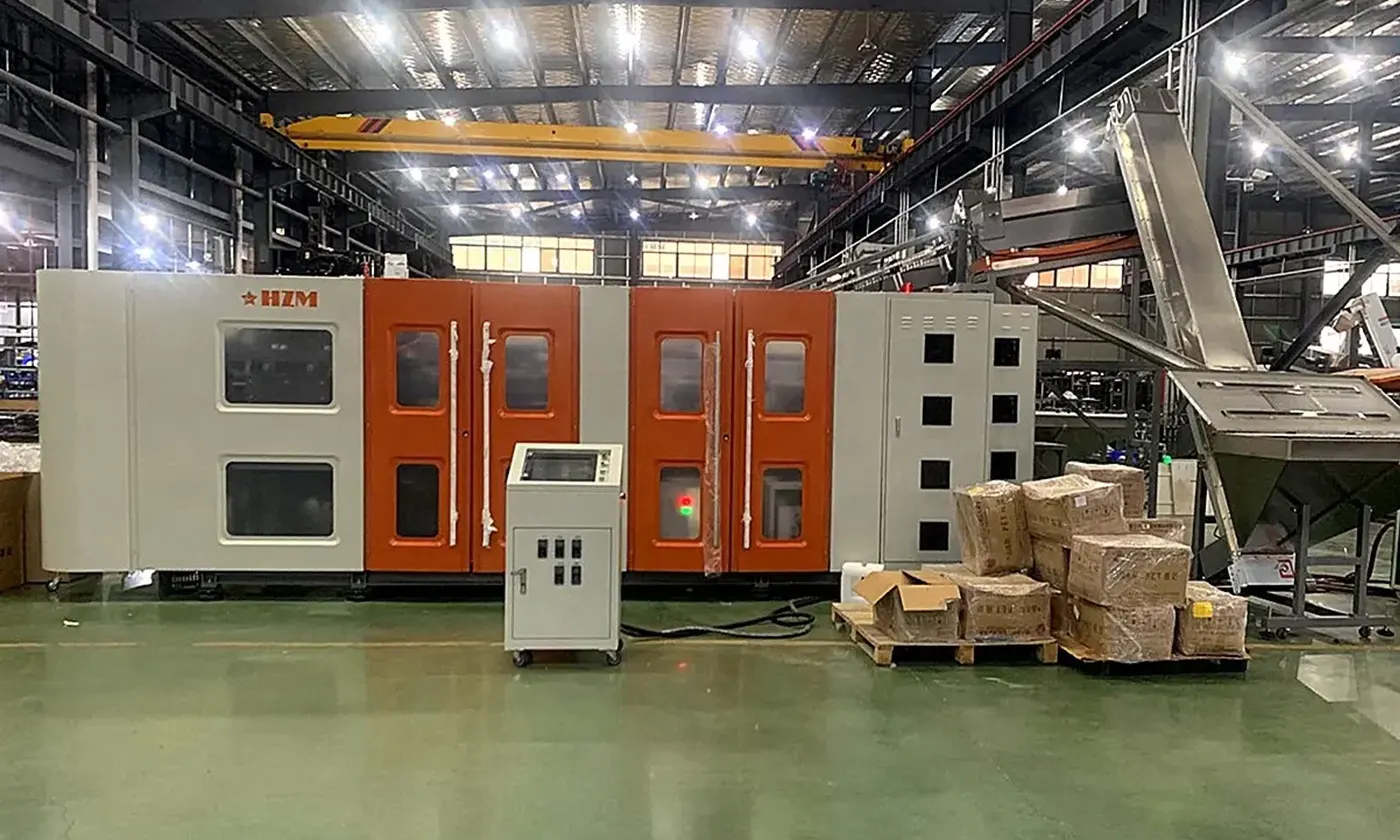
Equipment
Automatic PET Stretch Blow Molding Machine
Automatic PET stretch blow moulding with 2, 4 or 6 cavities and HZM-ECO model capacities of 1,800–7,000 bottles/hour.
Learn more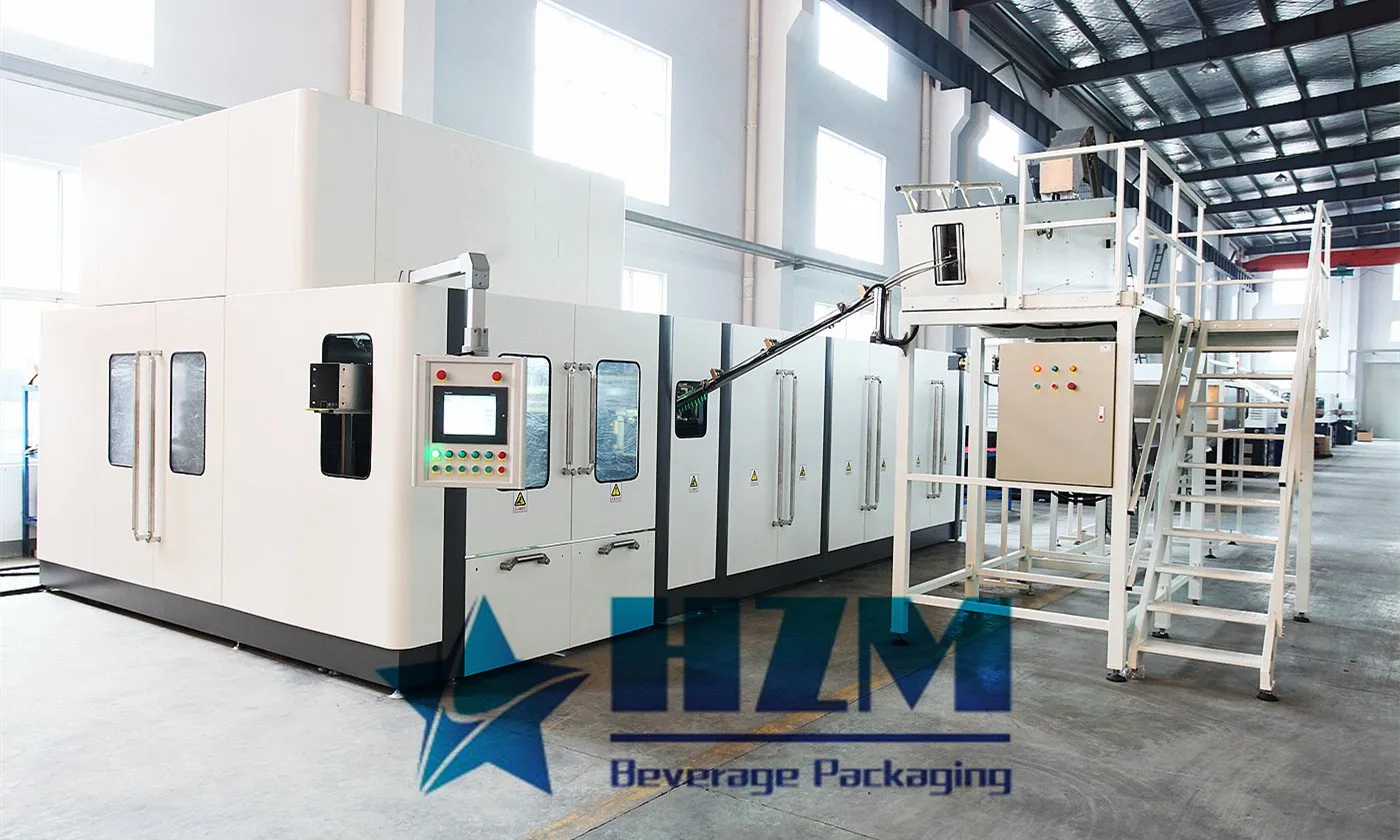
Equipment
Automatic Rotary Blow Molding Machine
Rotary PET bottle blow moulding for water and beverage packaging, with 6–24 cavities and capacities up to 48,000 bottles/hour at 500 ml.
Learn more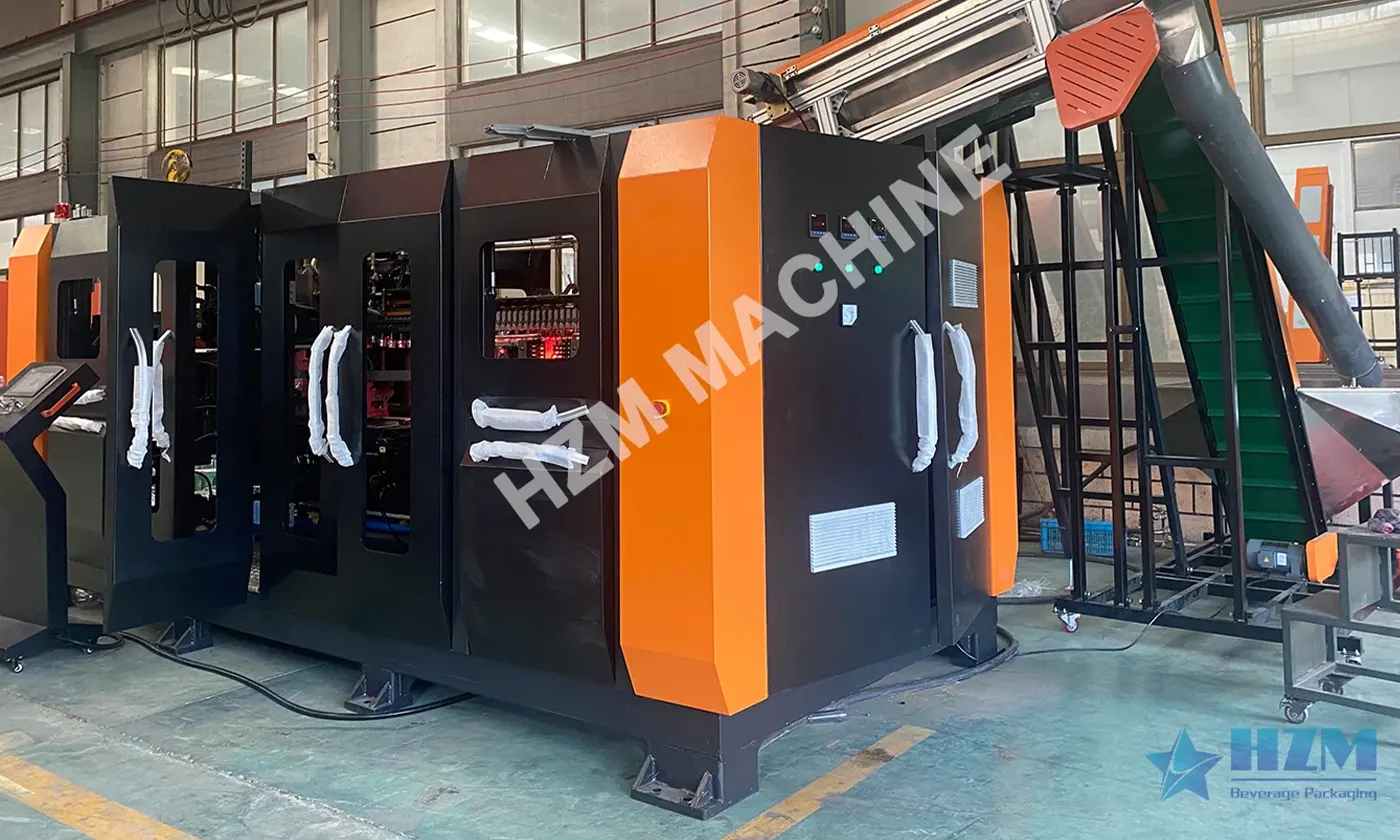
Equipment
Plastic Bottle Blowing Machine, making machine
PET bottle making for drinking water, beverages and liquid packaging, with automatic preform heating and stretch blowing.
Learn more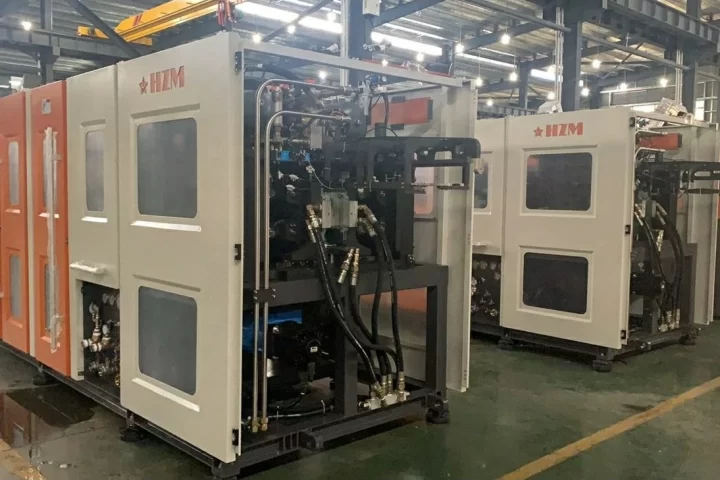
Equipment
4 cavity automatic pet bottle blowing machine
Four-cavity automatic PET bottle blowing from heated preforms, with manual handling during the operating cycle.
Learn more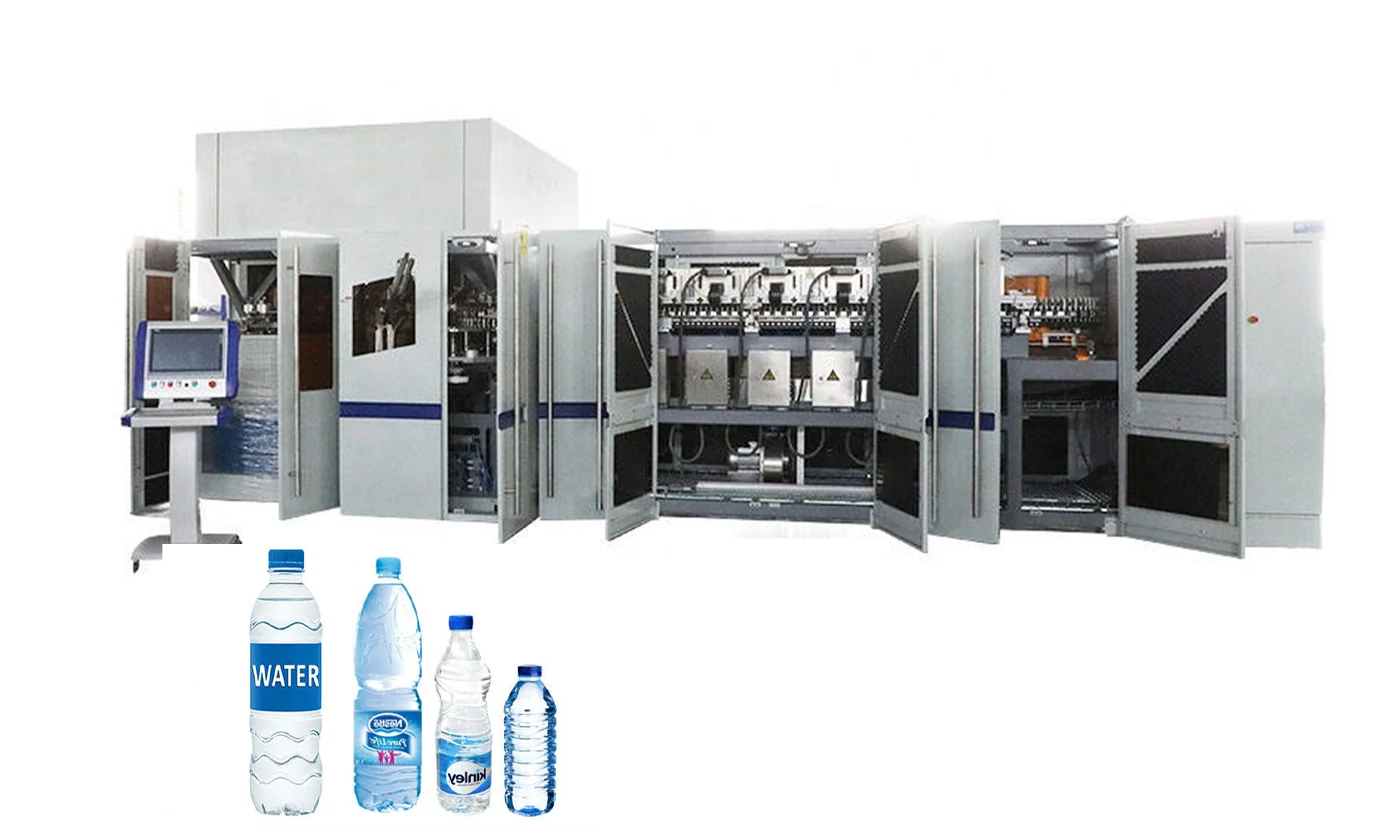
Equipment
Automatic PET Bottle Blowing Filling Capping Machine – Best price beverage machinery
Automatic PET bottle blowing, filling and capping, with capacities of 12,000–48,000 bottles/hour at 500 ml and bottle volumes up to 2 L.
Learn more2023-06-07
How Much Does a Blow Molding Machine Cost?
we will explore the various factors that influence the cost of a blow molding machine and provide insights into the pricing range.
Learn more2023-06-08
how does a blow molding machine work
How Does a Blow Molding Machine Work? Exploring the Process with HZM Blow Molding Machine Manufacturer
Learn more2024-01-28
PET Blow Molding Machine Principles and Process
Currently, most blow molding machines employ a two-step method, requiring the conversion of plastic raw materials into preforms before the actual blowing process. The commonly used material is environmentally friendly PET (Polyethylene Terephthalate) plastic, collectively referred to as PET blow molding machines.
Learn more2024-02-04
Plastic Bottle Blow Molding Machine Price
Plastic bottle blow molding machine is an important equipment for plastic bottle production, and its price is affected by many factors. This article will introduce the factors affecting the price of plastic bottle blow molding machine, the price of HZM Machinery plastic bottle blow molding machine, and the precautions for purchasing plastic bottle blow molding […]
Learn more2023-06-09
Solutions for Blow Molding Plastic Bottles
This article will discuss the price, HZM manufacturer, functions, applicable industries, solutions, procurement considerations, and maintenance techniques related to blow molding machines.
Learn more2024-01-20
Automatic PET Bottle Blowing Machine Price?
HZM Machinery, as a professional manufacturer of automatic bottle blowing machines, is dedicated to providing high-quality and efficient equipment, offering customers an ideal solution with 2 years of warranty and global sales.
Learn more