
Insights & Updates
The Essential Guide to Blow Molding Machines: From Basics to Choosing the Right One
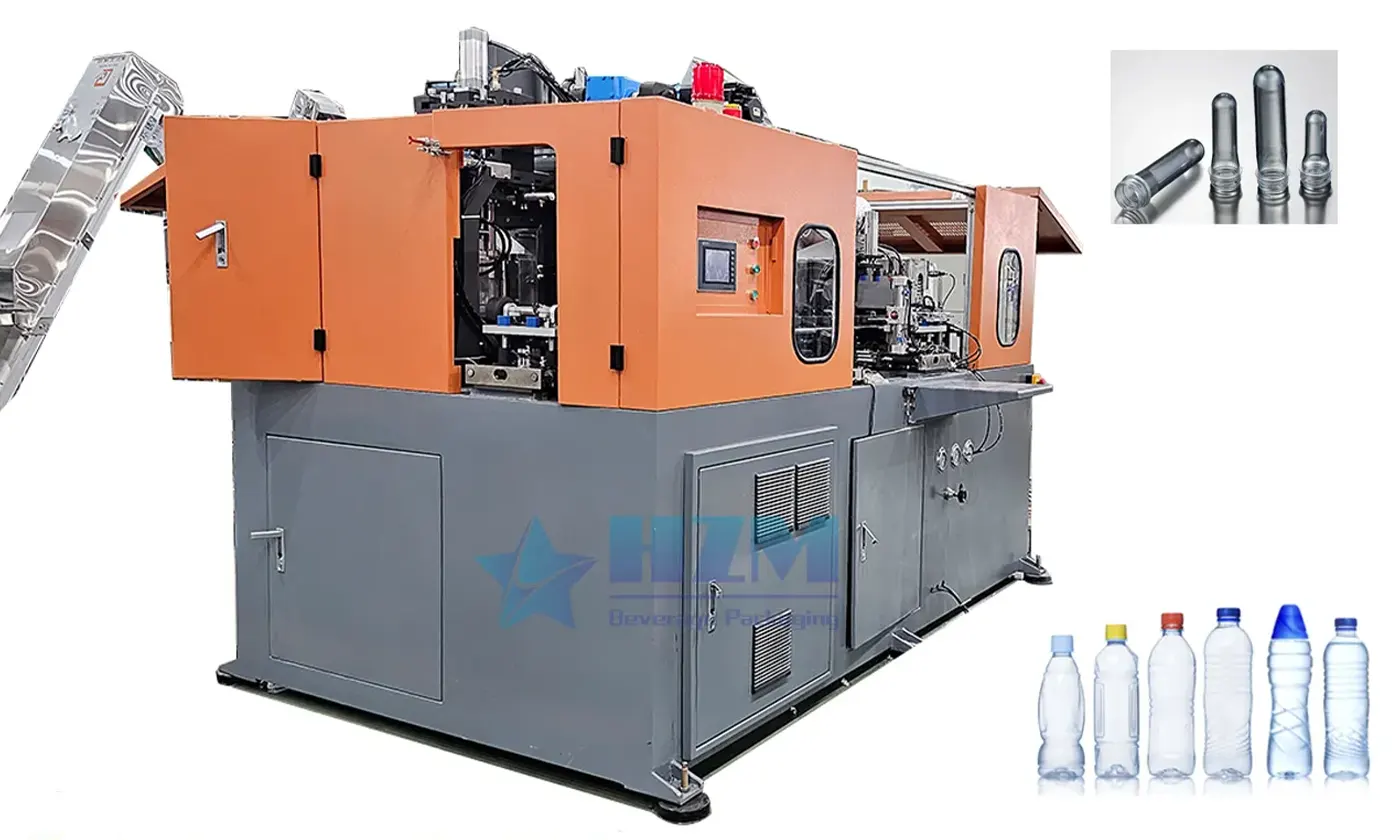
Blow molding machines are pivotal in the production of hollow containers, primarily bottles, offering versatility and efficiency in manufacturing processes. In this comprehensive guide, we delve into the intricacies of blow molding machines, their features, processes, and how to choose the right model for your production needs.
Exploring Blow Molding Machines
Blow molding machines are adept at transforming plastic particles or pre-made preforms into bottles through specialized processing methods. They encompass various features designed to enhance performance and durability:
- Utilization of oil-free bladder locking technology ensures high locking force, reduced stress on joints, and extended lifespan.
- Patented rapid sealing technology simplifies the sealing process, particularly for wide-mouth bottles, enhancing efficiency.
- Integration of Panasonic PLC and touchscreen facilitates intuitive operation and ensures reliability.
Understanding the Process
The blow molding process involves several key steps, primarily preheating and blow molding:
- Preheating: Infrared lamps are utilized to heat the body part of the preform, softening it for molding. Notably, the preform’s mouth remains unheated and requires subsequent cooling.
- Blow Molding: The preheated preform is positioned in a prepared blow mold, where high-pressure air is injected, stretching it into the desired bottle shape.
Types of Blow Molding Machines
Blow molding machines are broadly categorized into two types: pneumatic and hydraulic, depending on their capacity. Pneumatic machines are suitable for bottles up to 10L, while hydraulic machines cater to capacities above 10L, albeit with higher energy consumption. Common variants include blow molders, hollow molding machines, injection blow machines, and the prevalent two-step blow molding machines.
Choosing the Right Machine
Selecting the appropriate blow molding machine involves careful consideration of various factors, including product specifications, cavity count, bottle capacity, and hourly output. Fully automatic machines offer enhanced efficiency by automating the bottle-blowing process through robotic arms, albeit at a higher cost compared to semi-automatic counterparts.
Key Considerations
- Evaluate your production requirements and select a machine model that aligns with your specific needs.
- Consider reputable manufacturers, particularly those based in Jiangsu, China, known for their quality and comprehensive technical support.
- Opt for manufacturers capable of customizing machine models based on specific requirements and offering reliable after-sales service.
Blow molding machines represent a cornerstone in modern manufacturing, enabling the efficient production of hollow containers like bottles. By understanding their features, processes, and selecting the right model, manufacturers can optimize production capabilities and achieve superior results in their operations.
Talk to our engineering team
Need help planning your packaging line?
Share your product, bottle and capacity requirements for a practical equipment recommendation.
Equipment
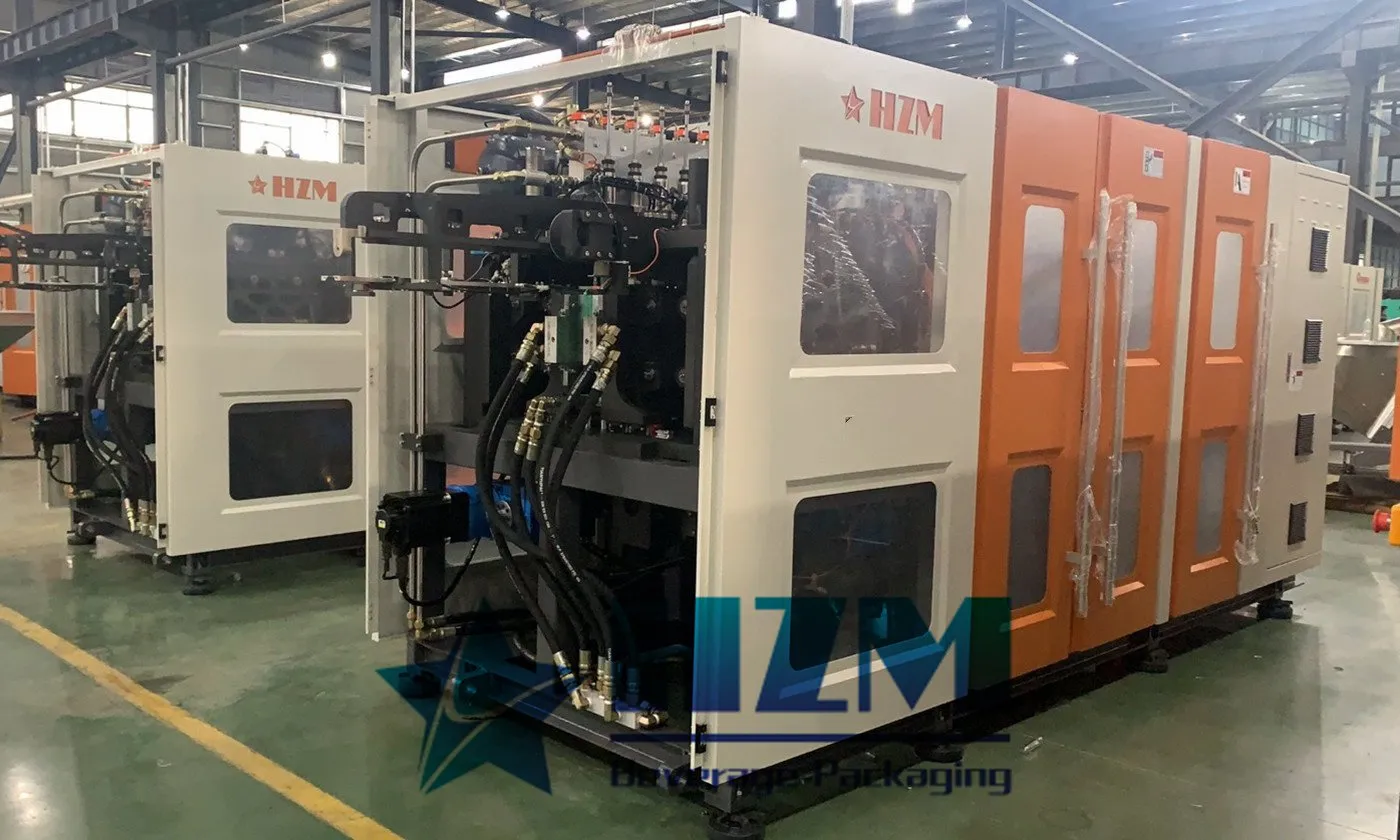
Automatic Blow Molding Machine
Automatic PET bottle blowing for water and beverage packaging, with capacities of 12,000–24,000 bottles/hour at 500 ml.
Learn moreEquipment
PET Bottle Blow Molding Machine
PET bottle blow moulding with 6–12 cavities and capacities of 12,000–21,600 bottles/hour at 500 ml.
Learn more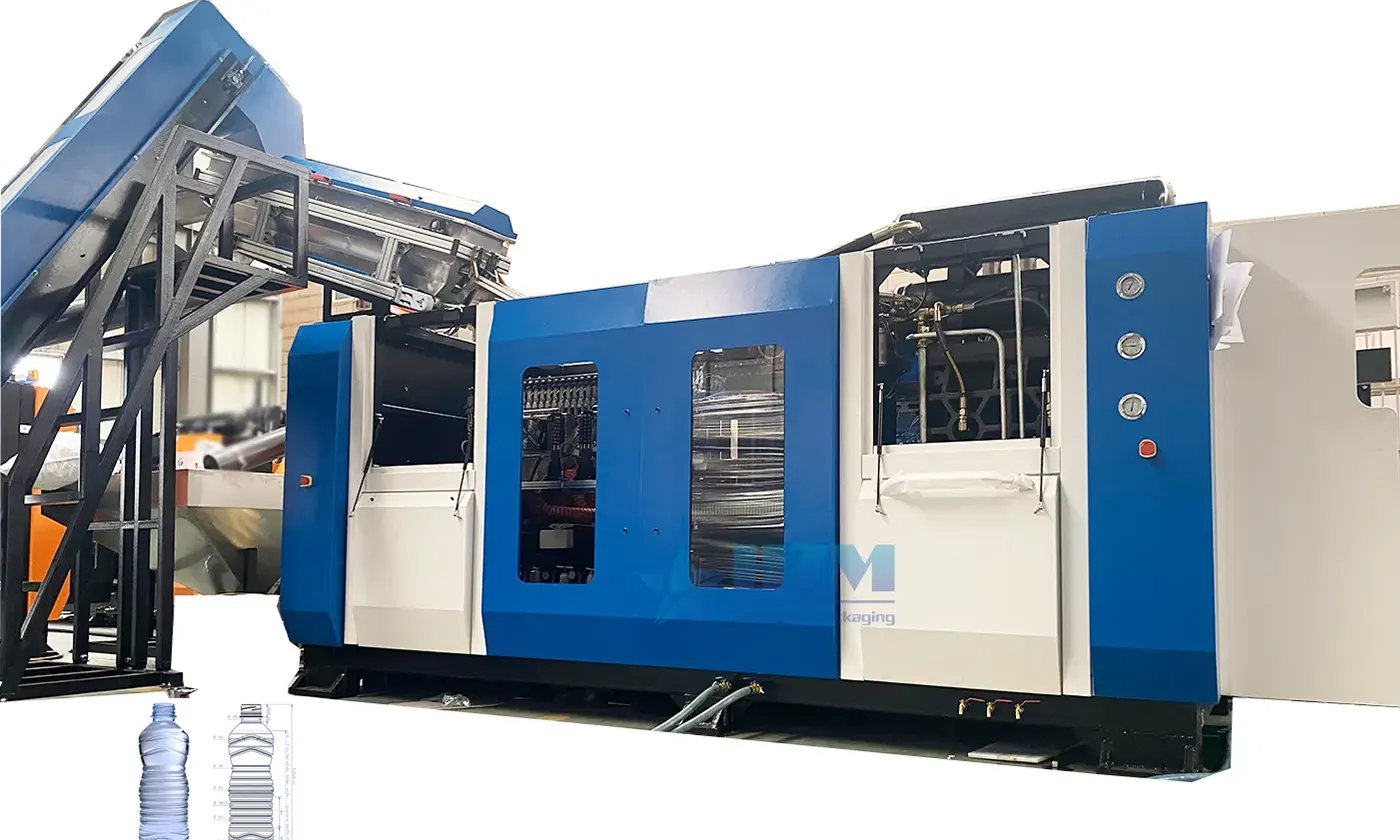
Equipment
Automatic Water Bottle Blowing Molding Machine
Automatic water bottle blowing from PET preforms, with 6–12 cavities and capacities up to 21,600 bottles/hour at 500 ml.
Learn more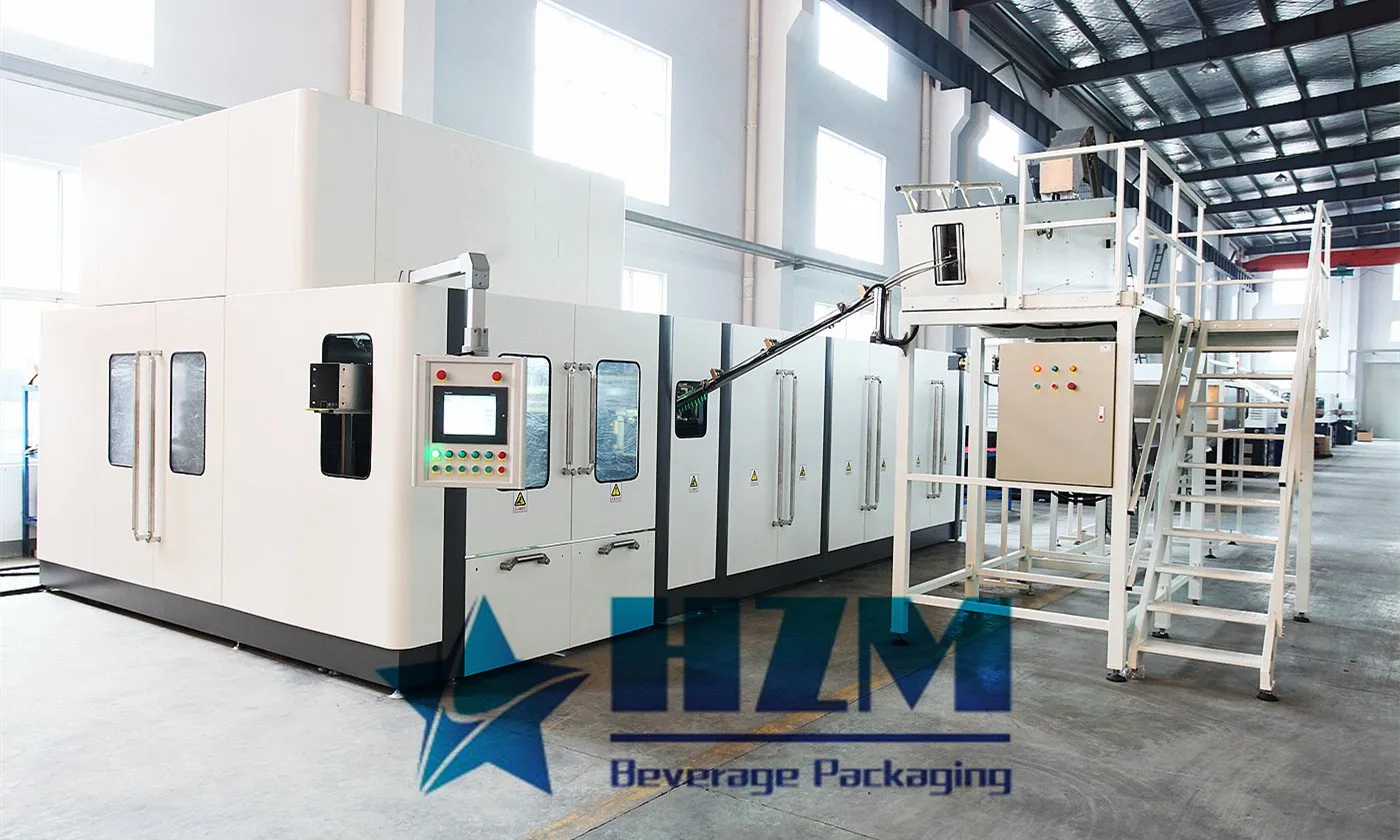
Equipment
Automatic Rotary Blow Molding Machine
Rotary PET bottle blow moulding for water and beverage packaging, with 6–24 cavities and capacities up to 48,000 bottles/hour at 500 ml.
Learn more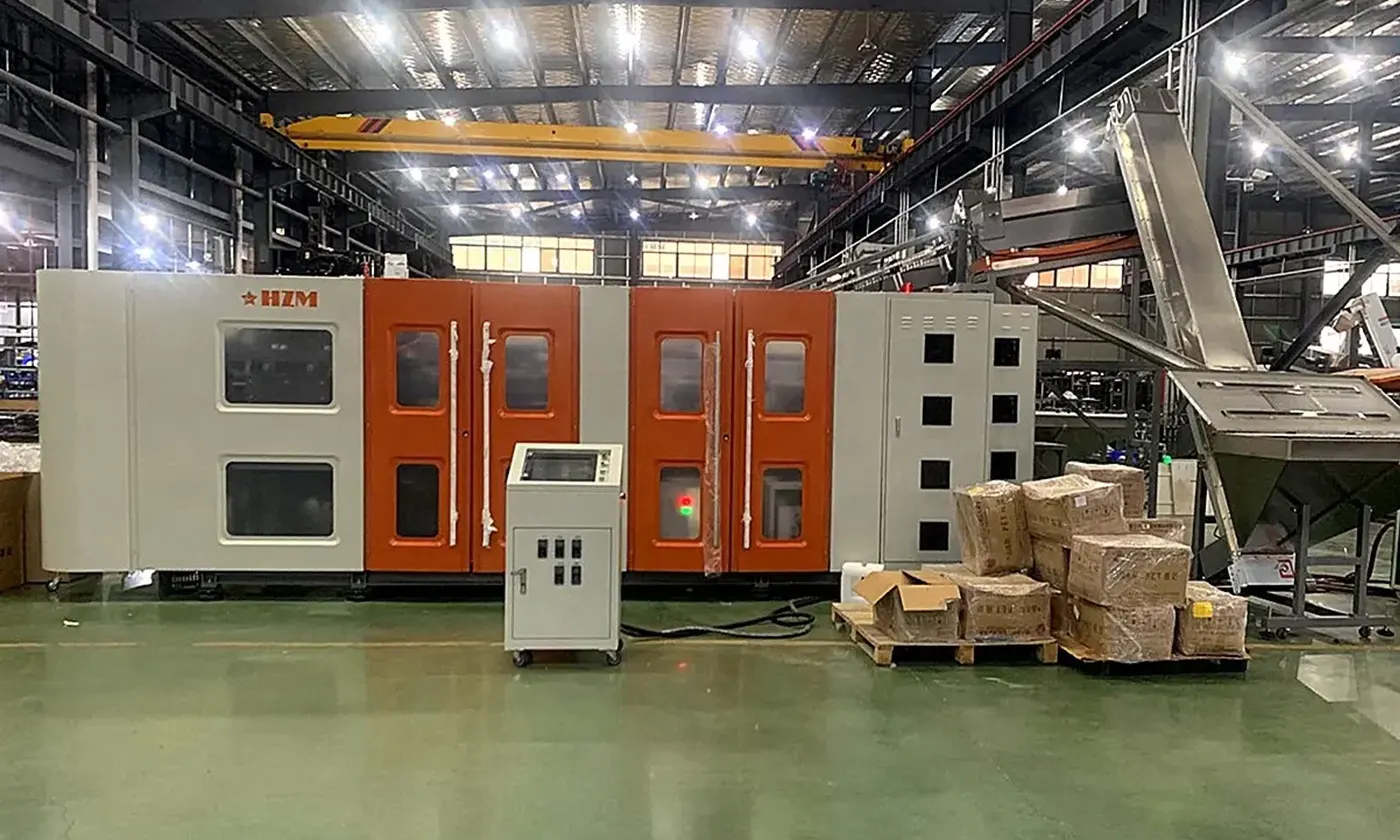
Equipment
Automatic PET Stretch Blow Molding Machine
Automatic PET stretch blow moulding with 2, 4 or 6 cavities and HZM-ECO model capacities of 1,800–7,000 bottles/hour.
Learn more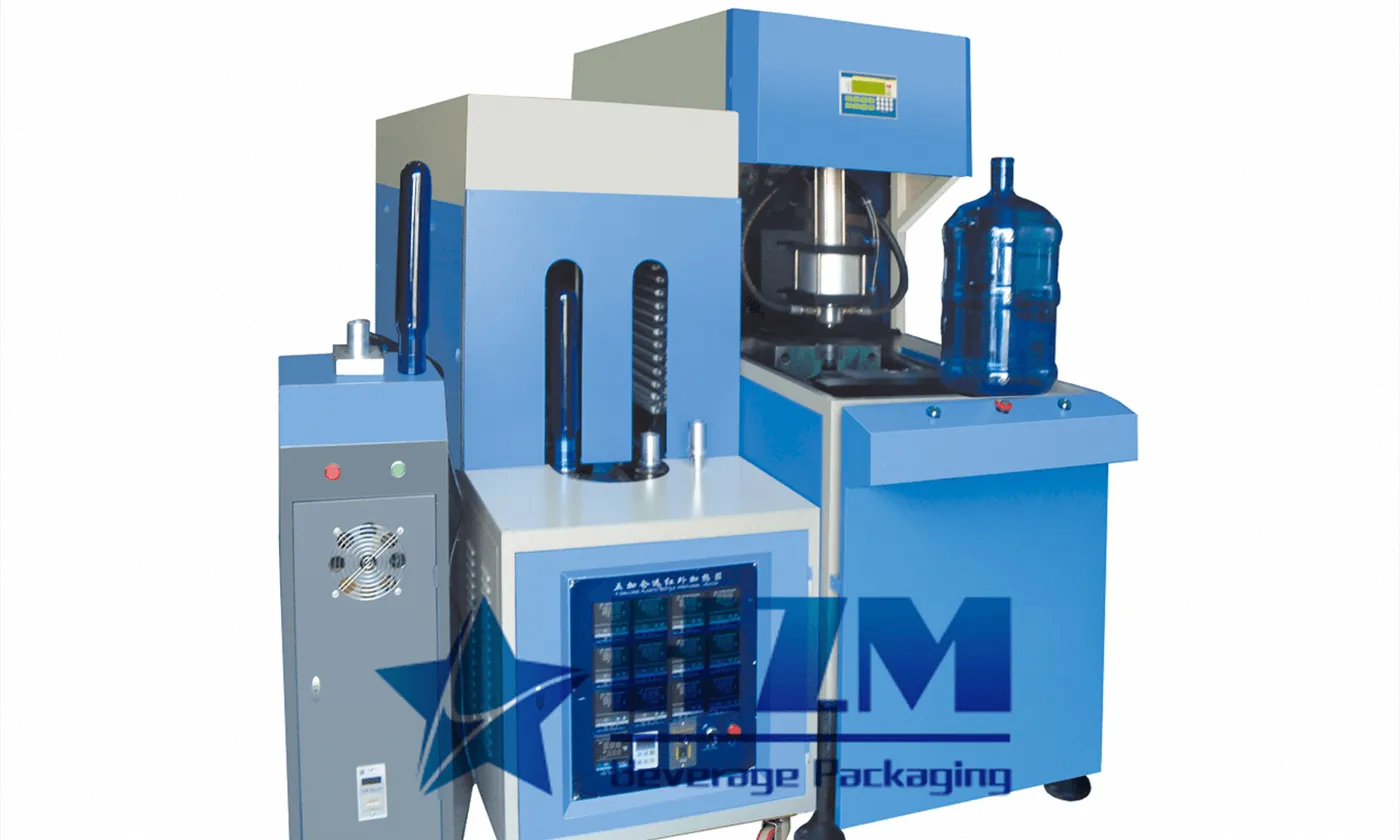
Equipment
5 Gallon Bottle Blow Molding Machine
This blow moulding machine produces large PET water bottles, including 5-gallon containers.
Learn more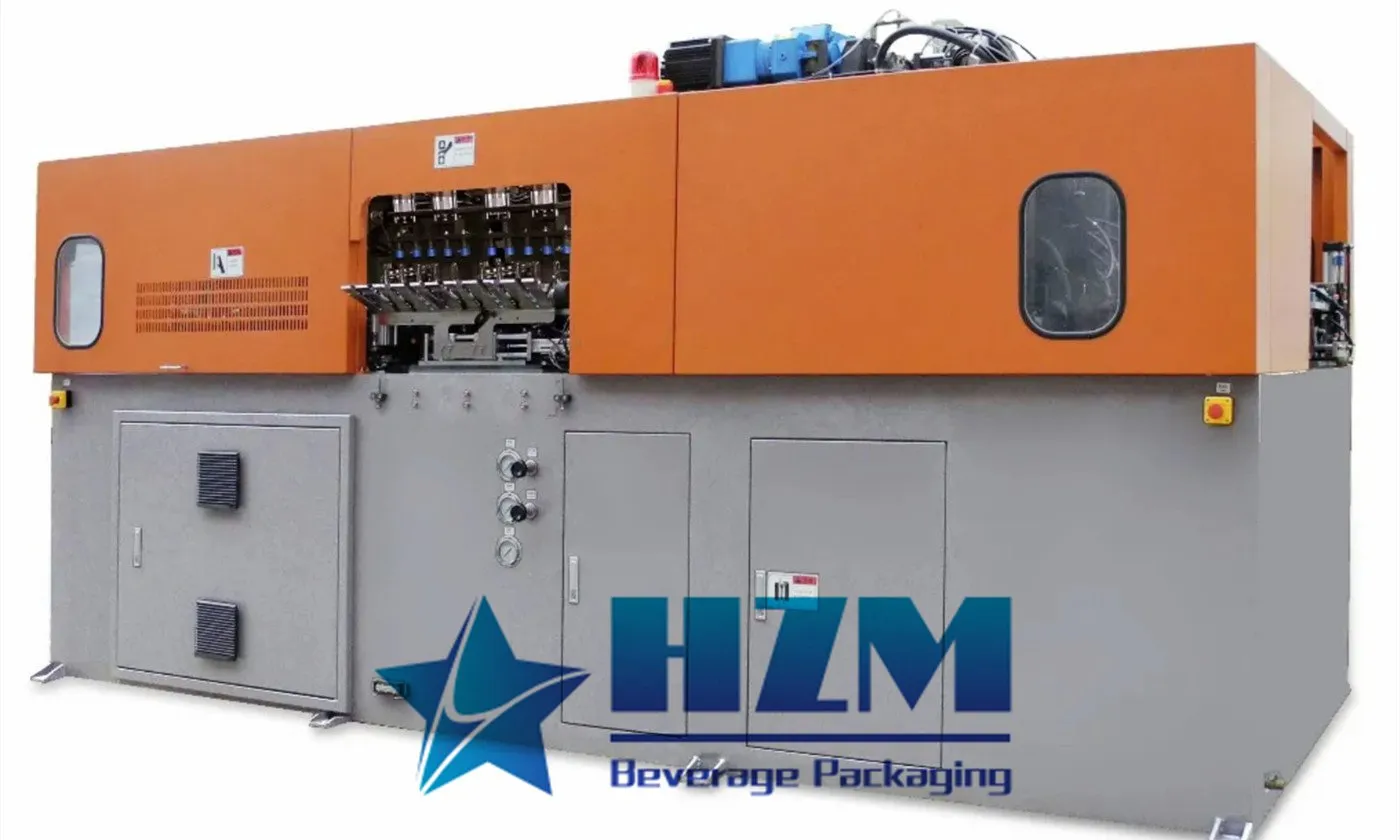
Equipment
Full Electric Servo Type Blow Molding Machine
Full-electric servo PET blow moulding with 4, 6, 9 or 10 cavities and capacities of 5,400–13,000 bottles/hour at 500 ml.
Learn more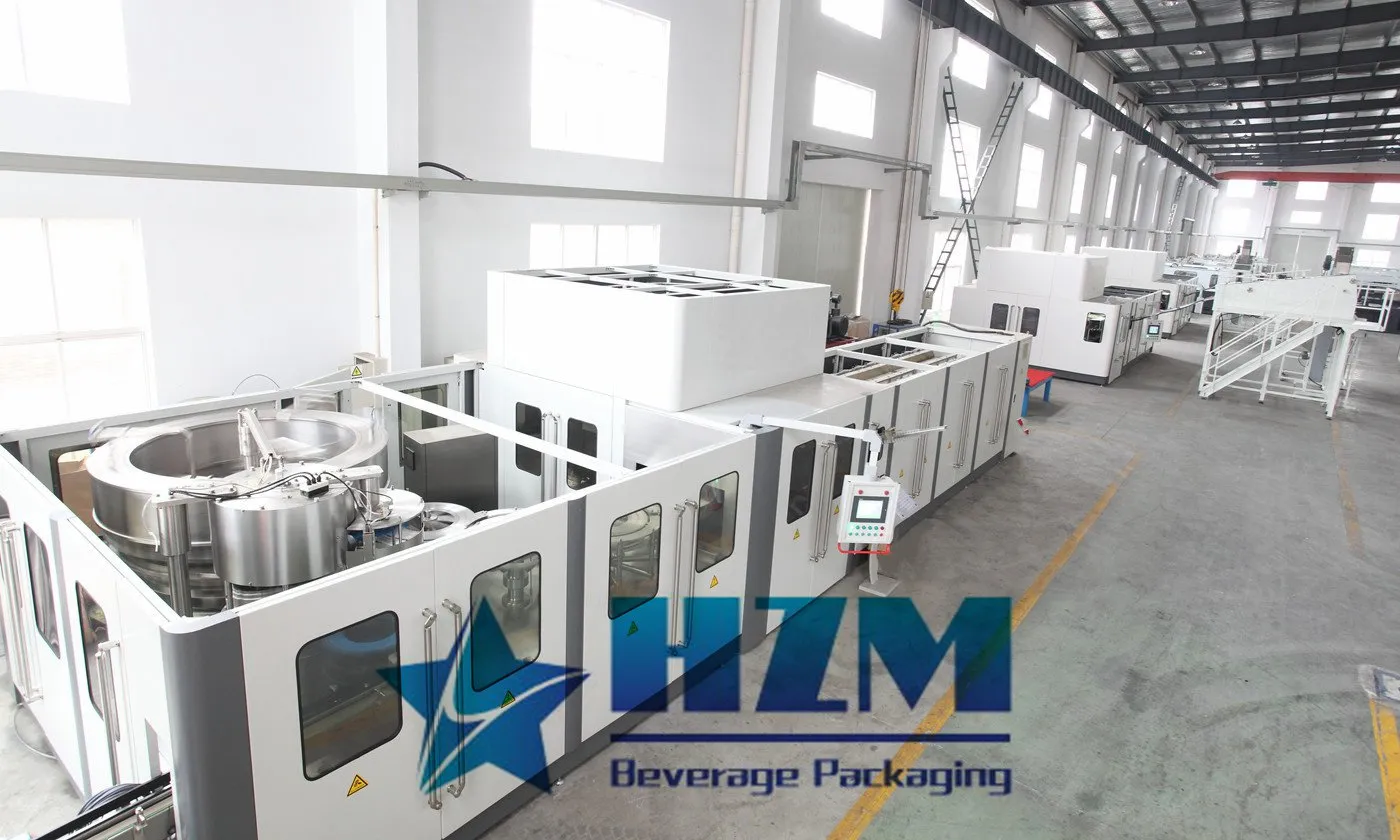
Equipment
Blowing-Filling-Capping Machine
A PET combiblock that combines preform heating, bottle blowing, filling and capping at 12,000–48,000 bottles/hour at 500 ml.
Learn more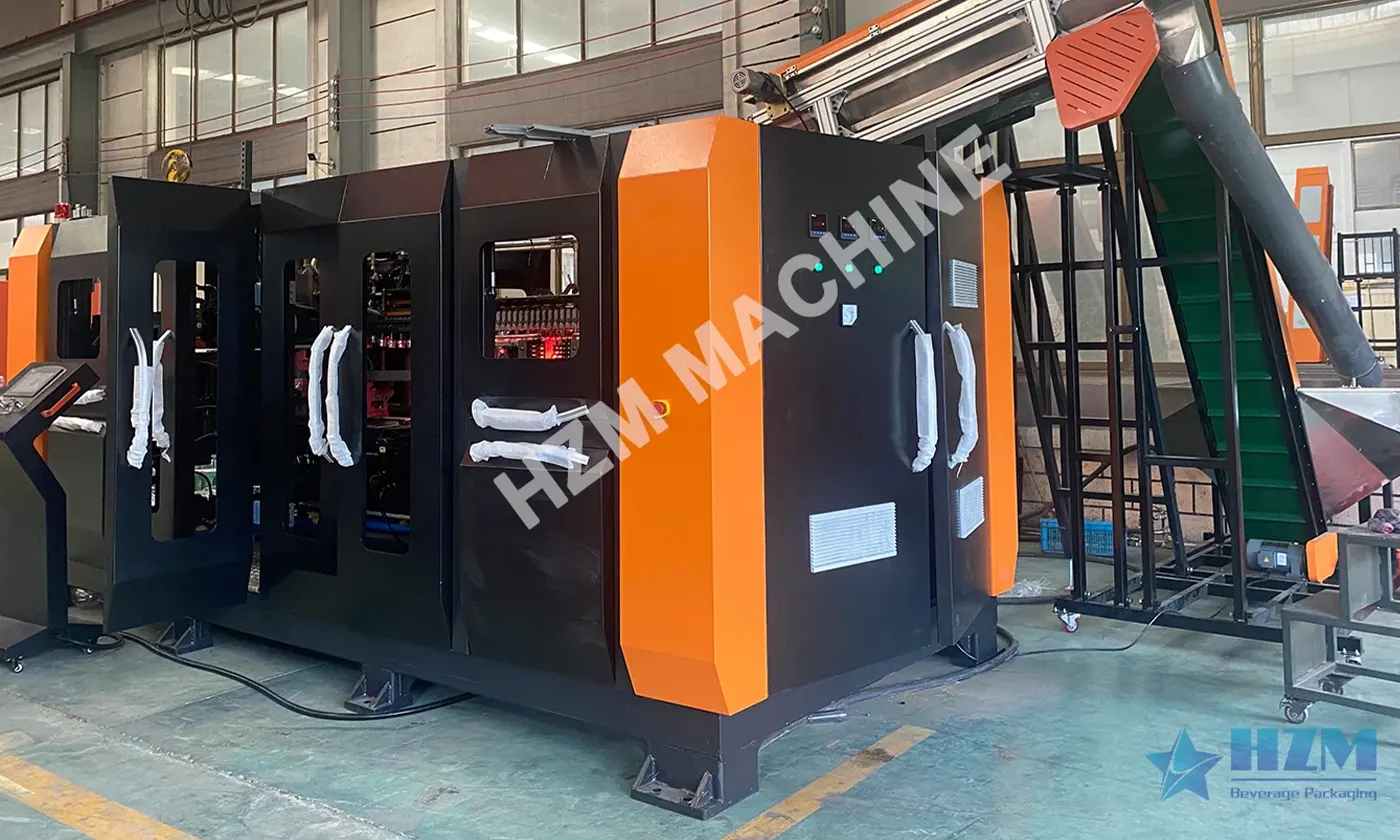
Equipment
Plastic Bottle Blowing Machine, making machine
PET bottle making for drinking water, beverages and liquid packaging, with automatic preform heating and stretch blowing.
Learn more2023-06-07
How Much Does a Blow Molding Machine Cost?
we will explore the various factors that influence the cost of a blow molding machine and provide insights into the pricing range.
Learn more2023-06-08
how does a blow molding machine work
How Does a Blow Molding Machine Work? Exploring the Process with HZM Blow Molding Machine Manufacturer
Learn more2023-06-09
Solutions for Blow Molding Plastic Bottles
This article will discuss the price, HZM manufacturer, functions, applicable industries, solutions, procurement considerations, and maintenance techniques related to blow molding machines.
Learn more2024-01-28
PET Blow Molding Machine Principles and Process
Currently, most blow molding machines employ a two-step method, requiring the conversion of plastic raw materials into preforms before the actual blowing process. The commonly used material is environmentally friendly PET (Polyethylene Terephthalate) plastic, collectively referred to as PET blow molding machines.
Learn more2023-06-09
High Efficiency 28000 BPH Automatic Pet Blow Molding Machine
High quality High Efficiency 28000 BPH Automatic Pet Blow Molding Machine from China, China's leading 28000 BPH Automatic Pet Blow Molding Machine product, with strict quality control 28000 BPH Auto Pet Blow Molding Machine factories, producing high quality 800 BPH Blow Molding Machine products.
Learn more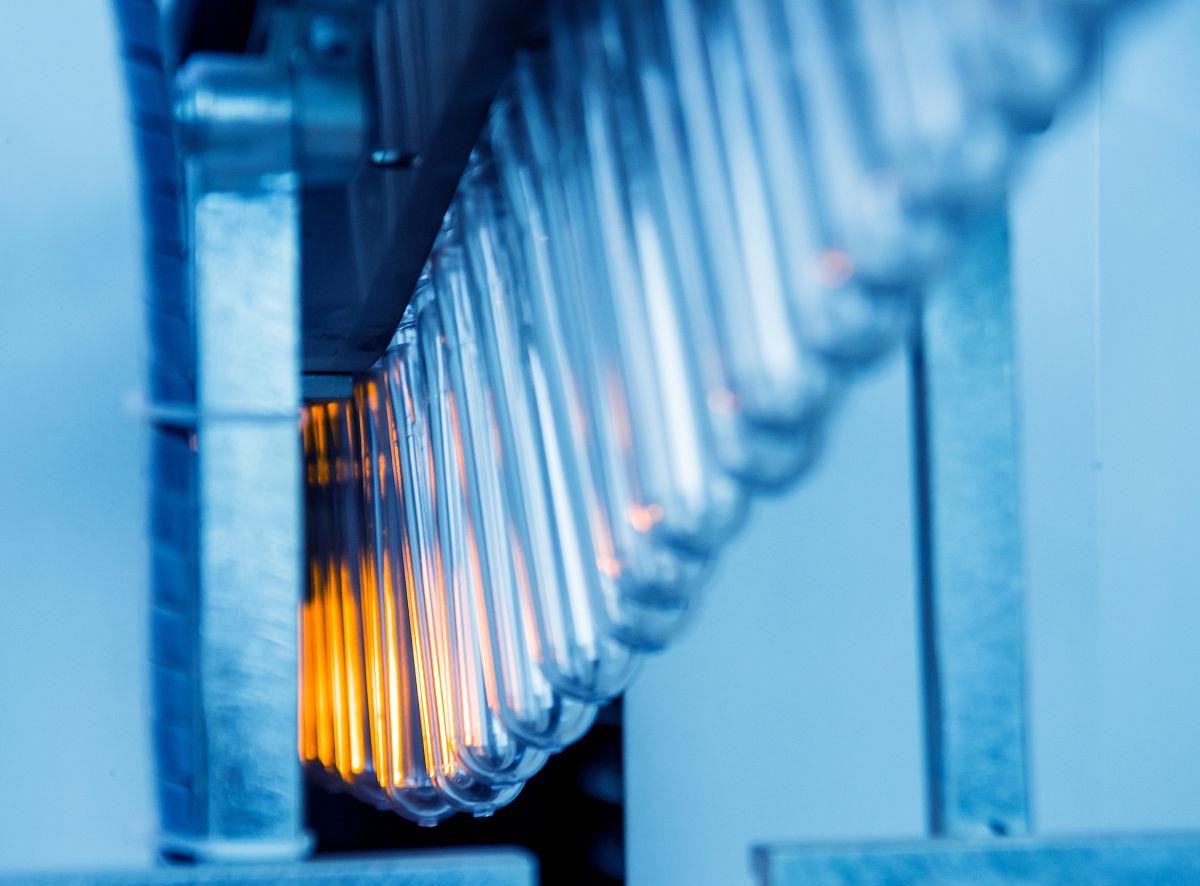
2023-11-23
User What are the three types of blow moulding?
Blow molding is a manufacturing process used to produce hollow plastic parts. There are three main types of blow molding: 1、Extrusion Blow Molding (EBM) This is the most common type of blow molding. In EBM, a continuous tube of plastic, called a parison, is extruded (pushed out) from an extruder. The parison is then enclosed […]
Learn more