
Insights & Updates
Coca-Cola bottling machine suppliers
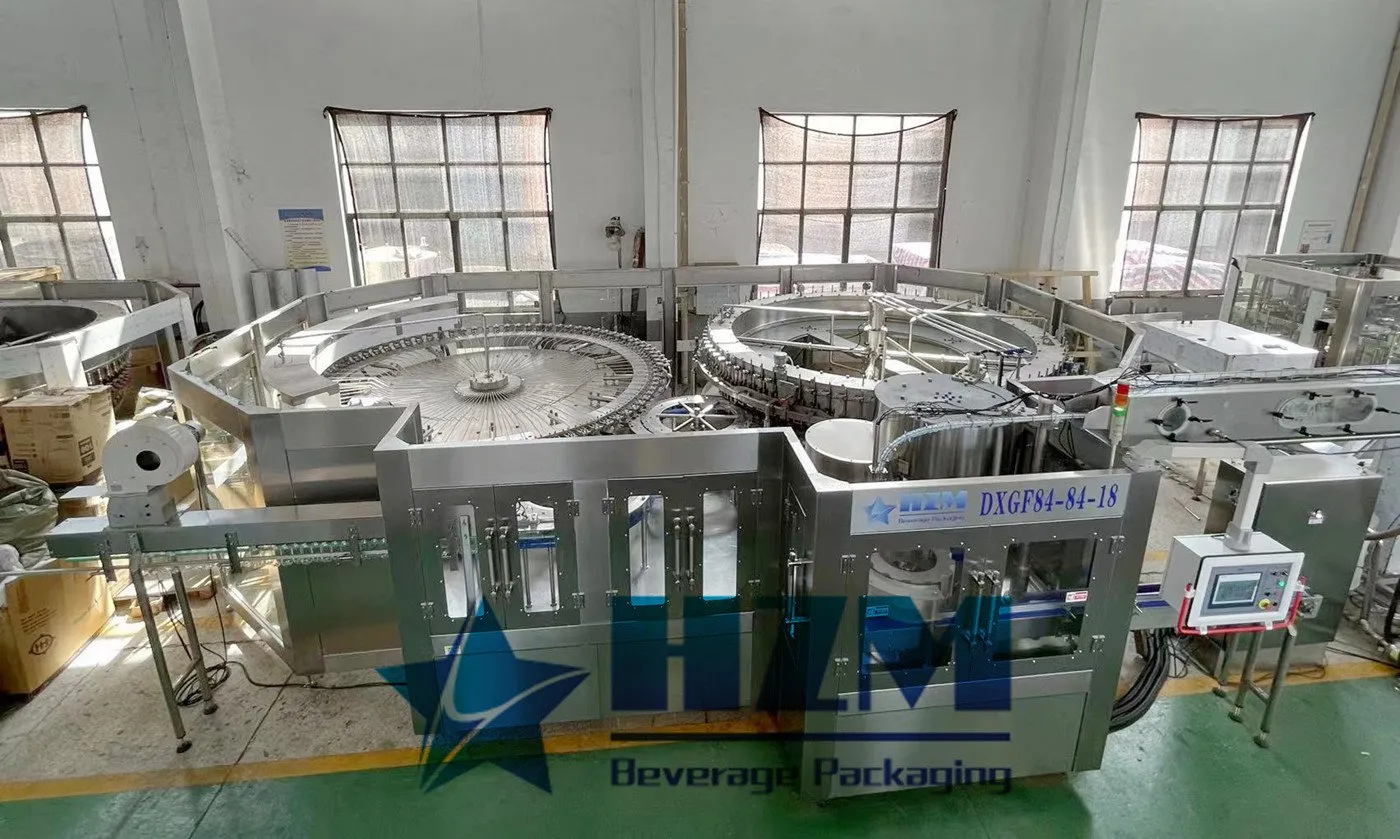
When searching for Coca-Cola bottling machine suppliers, first establish whether the project is an authorised Coca-Cola bottling operation or an independent producer looking for equipment to fill its own cola. The machinery may share engineering principles, but brand-specific procurement approval is a separate requirement. A machine photograph showing a branded bottle does not establish an approved-supplier relationship.
Coca-Cola bottling partners prepare, package and distribute finished drinks under the brand’s requirements. Buyers working on an authorised bottling project should obtain the applicable equipment specification and supplier-approval requirements from the responsible bottler or procurement team.
HZM supplies carbonated-drink filling equipment for cola and other soft drinks. For Coca-Cola projects, equipment suitability and supplier approval must be confirmed separately through the responsible bottler’s procurement process.
Separate the purchasing requirements
| Project situation | First action | Equipment assessment |
|---|---|---|
| Authorised Coca-Cola bottling project | Obtain the responsible organisation’s current procurement and engineering requirements | Check the proposed supplier and exact configuration against that process |
| Independent cola or carbonated-soft-drink brand | Define the recipe, carbonation, package and production target | Select a suitable carbonated-beverage process and filling system |
| Replacement or upgrade of an existing line | Document the installed machine and interfaces | Confirm mechanical, control, hygiene and capacity compatibility |
Request written evidence for any supplier-approval claim and verify its scope through the appropriate procurement contact. Approval for one component, service or project should not be assumed to cover an entire new filling line.
What a cola bottling line has to control
A carbonated-drink process can include water treatment, syrup preparation, blending, carbonation, bottle preparation, filling, capping and secondary packaging. The recipe defines the product requirements; the equipment must maintain those requirements through the line.
For the filling stage, product temperature, carbonation and pressure behaviour affect foaming and gas retention. A typical counter-pressure sequence brings the bottle and product circuit to the required pressure relationship before controlled filling and pressure release. The actual sequence and settings belong to the approved machine and product specification.
The CO2 mixing and carbonation equipment and carbonated-drink filling machine should therefore be assessed together. An unstable product supply can restrict the filler even when its mechanical capacity is sufficient.
Package selection changes the machinery
A PET bottle requires a suitable neck finish, pressure performance and closure. A glass-bottle project has different handling and, where returnable bottles are involved, bottle-preparation requirements. A can line requires a seamer and a can/end combination with its own acceptance checks. These are not interchangeable final operations.
Provide drawings and samples for the actual package. Check pressure suitability, closure engagement and handling throughout the line. If bottle blowing is included, the preform and mould need to produce a bottle that passes the agreed package tests, rather than merely one that fills without falling over.
DXGF carbonated-drink filling models and capacity
The HZM DXGF range combines bottle rinsing, carbonated-drink filling and capping. The following capacities are based on 500 ml bottles; the equipment configuration is selected for the beverage and package.
| Model | Rinsing / filling / capping heads | Capacity at 500 ml |
|---|---|---|
| DXGF24/24/8 | 24 / 24 / 8 | 8,000 bottles/hour |
| DXGF32/32/8 | 32 / 32 / 8 | 12,000 bottles/hour |
| DXGF40/40/10 | 40 / 40 / 10 | 15,000 bottles/hour |
Confirm the capacity using the intended recipe, package and operating conditions. Larger bottles, different carbonation levels, foaming behaviour and a changed closure can alter the practical output. A supplier should state the trial basis and the limits of the proposed package range.
How to compare supplier proposals
Ask for a process description rather than a list of attractive features. It should explain how product enters the filler, how the bottle is handled, how filling is controlled, how pressure is released and how the closure is applied. Include the cleaning circuit and the required product-change procedure.
Compare the supply boundaries for carbonation, product tanks, cooling, cap handling, conveyors, inspection, labelling and packing. Define responsibility for the control signals between machines. The line should respond predictably to a cap shortage, product interruption or blocked packer.
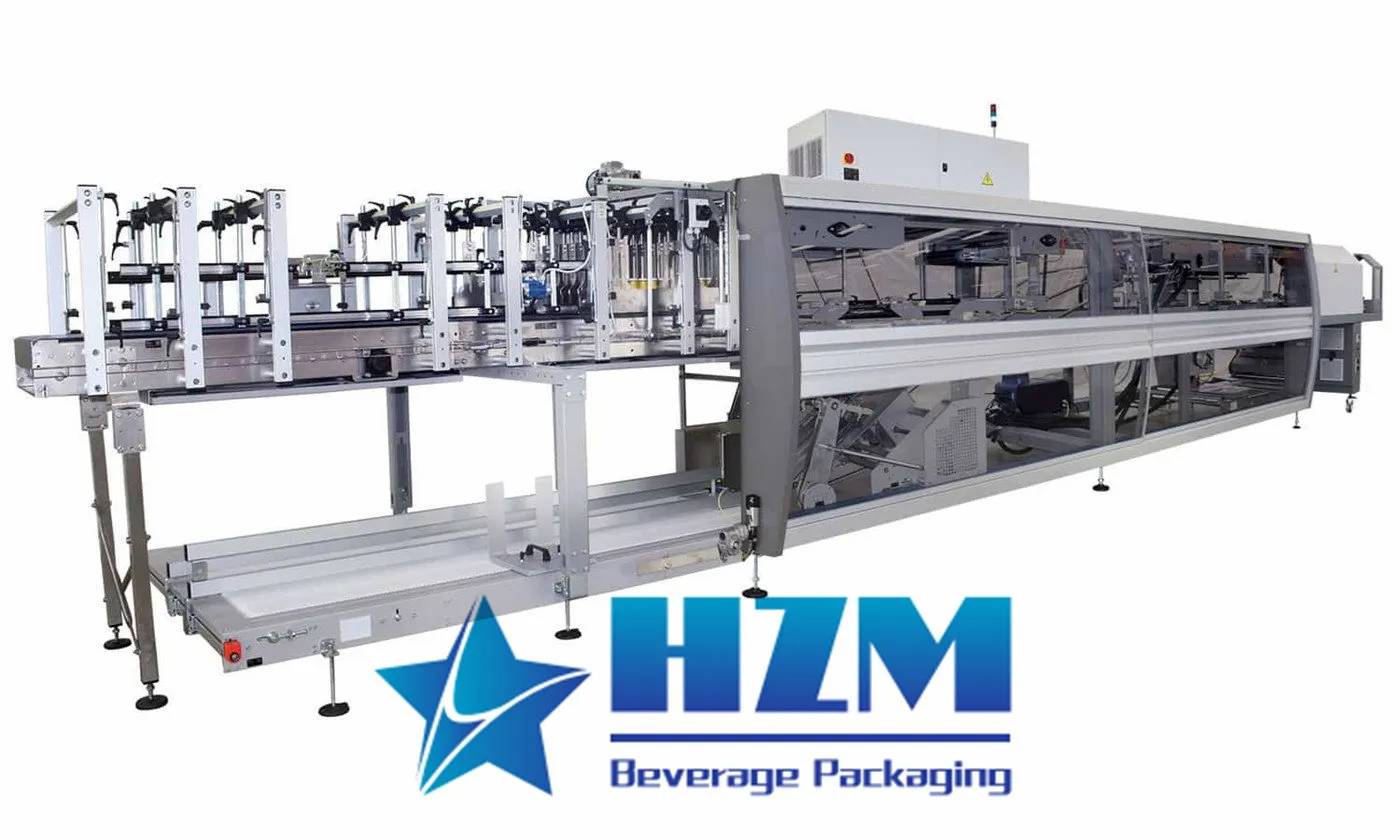
Agree the test evidence before placing the order
Use the approved bottle, cap and product or a documented representative test medium. Measure the agreed fill quantity, closure performance, carbonation-related criteria and good output over a stated run. A water-only demonstration can show some mechanical functions but cannot prove the carbonated-product filling performance.
Include start-up, a controlled interruption and restart, format change where required and the response to relevant faults. Keep a record of test conditions and sample identification. For a brand-controlled project, apply the responsible bottler’s test and documentation requirements.
What an independent beverage producer should send to HZM
Provide the beverage properties, carbonation target, intended filling temperature, bottle and cap drawings, required output by format and the complete line scope. Add utilities, site layout and equipment already owned. HZM can then evaluate its carbonated-drink equipment for that project.
For a project using a licensed brand, obtain the necessary specification and procurement confirmation first. Equipment capability and organisational approval should both be established before a supplier is represented as suitable for that particular bottling programme.
Talk to our engineering team
Need help planning your packaging line?
Share your product, bottle and capacity requirements for a practical equipment recommendation.
Equipment
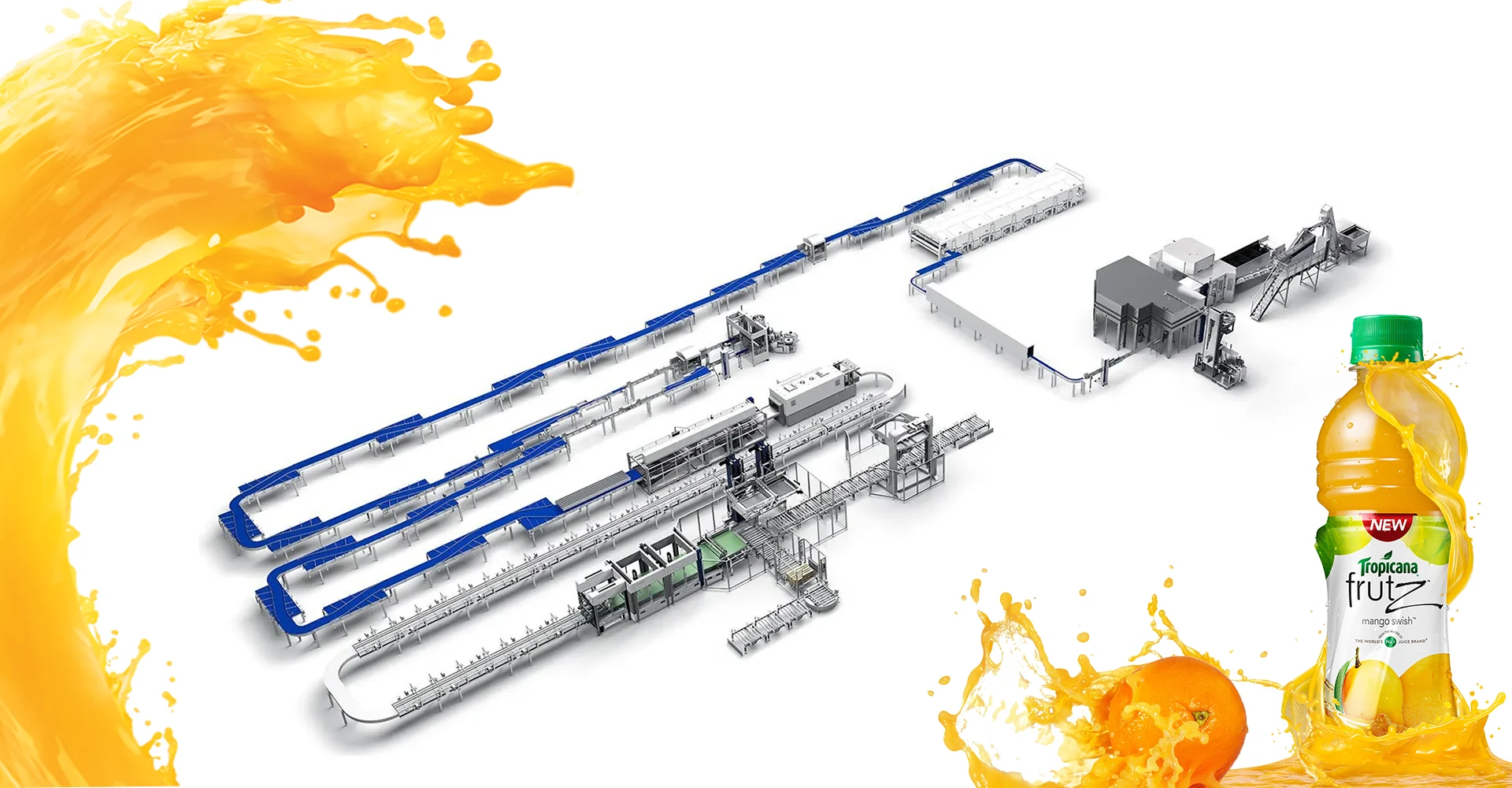
Beverage Filling Line – Juice, Water, Soft Drinks, cola, Beer
Complete beverage filling lines for juice, water, soft drinks and beer, with bottle and can packaging options.
Learn more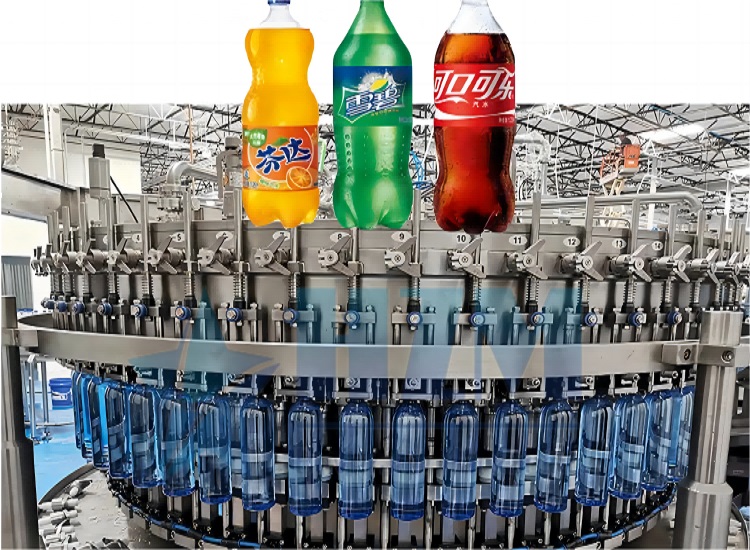
2023-09-08
Coca-Cola Filling Machine: An Efficient Production Tool for Carbonated Beverages
Coca-Cola, as one of the world's most popular carbonated beverages, consumes a significant amount of production processes and resources annually. To meet market demand, manufacturers rely on efficient production lines and innovative technology.
Learn more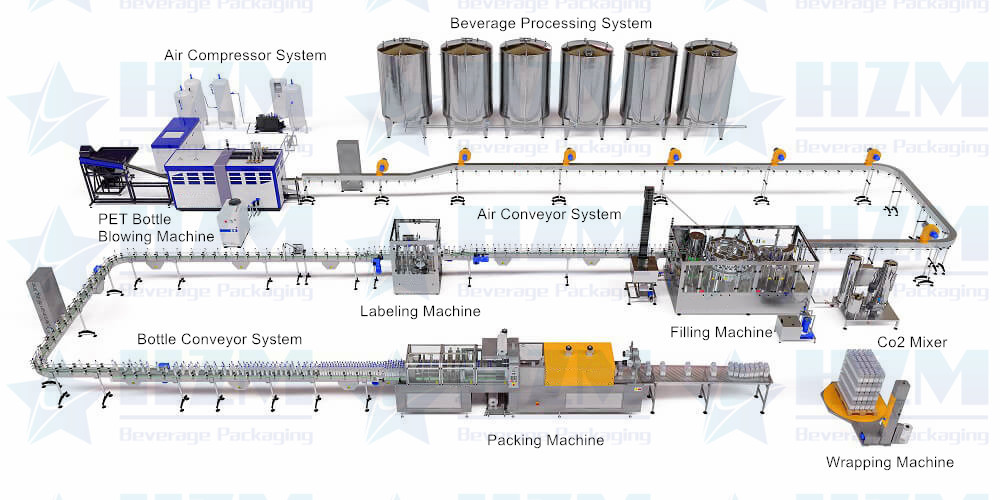
2023-10-31
Selling a complete automated production line for carbonated cola beverages.
Our company offers a range of complete production line equipment for carbonated cola beverages, categorized based on production speed as follows: small-scale (2000 bottles/hour), medium-scale (4000 bottles/hour, 7000 bottles/hour), and large-scale (10000 bottles/hour, 15000 bottles/hour to 36000 bottles/hour).
Learn more