
Insights & Updates
Europe’s Heatwaves and Cold-Drink Demand: A Production Planning Guide
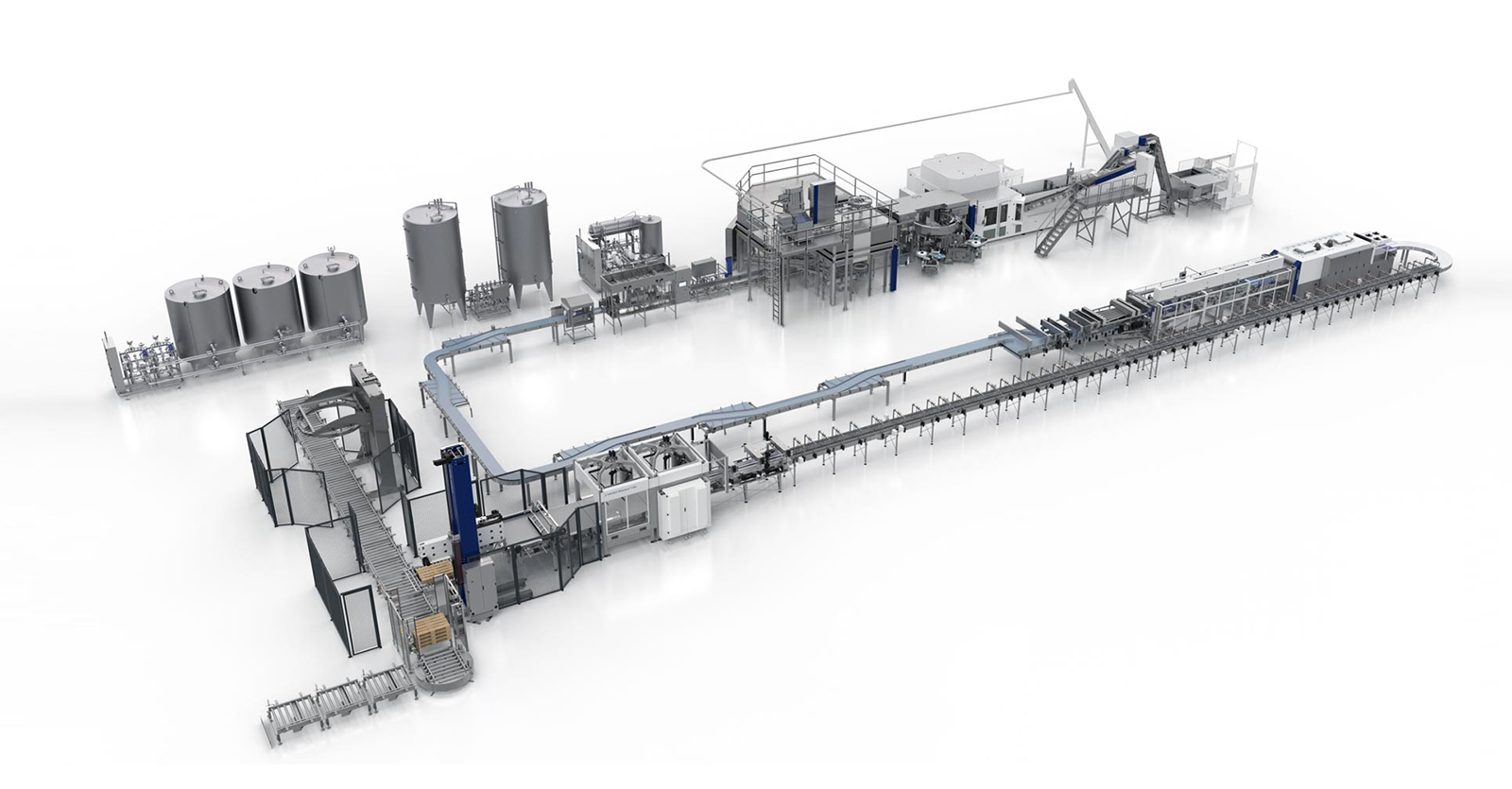
For a beverage producer, a sudden increase in summer orders is useful only if the factory can turn it into acceptable product and deliver it while demand remains strong. The pressure can appear in several places at once: more bottle formats, shorter delivery windows, extra packing shifts and higher loads on cooling and compressed-air systems.
Heatwaves make this a practical capacity question. A factory needs to distinguish genuine demand growth from distributor stock building, locate the equipment or utility that limits output, and choose a response that remains economical after the peak. Buying a faster filler is one possible answer, but it should follow the diagnosis.
Heatwave demand in the German beverage market
Germany’s Federal Statistical Office reported on 28 July 2026 that large supermarket chains sold 77% more still water and 63% more sparkling water during 22–28 June 2026 than in an average summer week of 2023–2025. The experimental scanner-data analysis also recorded a 32% increase for cola. The figures cover one week of German supermarket sales. Local demand planning also needs the duration of the peak, the product mix and the stock available across the distribution network.
The WMO and Copernicus European State of the Climate 2025 report, released in April 2026, documents the continuing importance of heatwave conditions across Europe. For beverage plants exposed to summer heat, capacity planning needs to account for cooling performance, utility loads and peak operating conditions.
Combine weather forecasts with confirmed orders, retail sell-through, inventory and delivery performance. Use those figures to estimate how many additional finished packs the factory needs to supply and for how long.
Separate consumption from replenishment orders
A distributor may order heavily because consumers are buying more, because it is rebuilding a low inventory, or because it expects a future shortage. Those situations create different production decisions. A short burst of orders can end before newly ordered machinery would be installed.
Review orders by customer, package and requested delivery date. Compare them with repeat orders, available retail or distributor stock data and the factory’s finished-goods inventory. Identify whether the constraint is production, packaging material, transport availability or warehouse release. An empty position at a retailer is not automatically proof of insufficient filling-machine capacity.
Use a limited set of scenarios: the normal production plan, a credible summer peak and a short disruption case. Assign volumes and durations from the business’s own information. This makes it possible to compare extra shifts, inventory preparation, a targeted upgrade and a second line on the same basis.
Product mix can increase the workload faster than volume
A switch towards smaller bottles raises the number of containers handled for each litre sold. More promotional packs can increase packer activity even when total beverage volume changes little. Additional recipes or label variants can add cleaning, changeover and start-up losses.
For example, 6,000 litres/hour corresponds to 12,000 half-litre bottles or 6,000 one-litre bottles before losses. The beverage volume is identical, but the smaller format doubles the number of bottle, cap and label operations.
Build the peak plan by stock-keeping unit rather than total litres alone. Include the number of changeovers, the pack pattern and the available production hours. Reserve time for the difficult format instead of assuming every product can run at the principal bottle’s rate.
Measure the line’s present constraint
During representative production, record when the filler waits for bottles, waits for product, stops because of its own fault or stops because the discharge is blocked. Then follow the relevant signal to the upstream or downstream equipment. This produces a more useful investment case than a single factory-wide efficiency percentage.
| Potential summer constraint | Measure during production | What a targeted response may involve |
|---|---|---|
| Water treatment or beverage preparation | Net supply, storage levels, batch timing and cleaning interruptions | Revised scheduling, buffer assessment or process-capacity review |
| PET bottle supply | Good bottles, preform interruptions, air/cooling condition and transfer stops | Utility correction, approved package improvement or bottle-supply expansion |
| Filling process | Good output, product condition, valve-specific defects and fault reasons | Process correction or a suitable filling-machine upgrade |
| Labelling and packing | Stops by material, format and replenishment event | Format planning, material supply improvements or packaging upgrade |
| Warehouse and dispatch | Finished-pack queues, pallet availability and loading delays | Handling capacity and dispatch scheduling |
Verify the result using acceptable packed output. If a faster run increases closure rejects or pack damage, the additional filler count may not produce any extra saleable stock.
Check the utilities under the conditions that create the peak
Higher ambient temperatures can make heat rejection more demanding. Examine the actual operating envelope of chillers, compressors and their ventilation arrangements. Record relevant delivery conditions while the line is loaded, rather than relying on a test made in a cooler season.
For carbonated drinks, stable product conditions and the approved filling-pressure sequence are central to controlling foaming. If the process becomes unstable as production increases, investigate temperature, supply pressure and the relevant machine data before attempting a higher rate. The carbonated-drink filler must be evaluated with its upstream preparation and carbonation equipment.
For PET blowing, air delivery and cooling need to remain suitable for the selected bottle and preform. A bottle that passes at the beginning of a run should continue to pass as the equipment reaches its sustained operating condition. Include cavity-identified samples in a production trial where they help locate variation.
The plant’s worker-protection and maintenance arrangements also need to remain practical during longer or hotter shifts. Staffing, rest arrangements and safe access are operating requirements; they should not be traded away to achieve an optimistic output calculation.
Convert the packer’s speed before blaming the filler
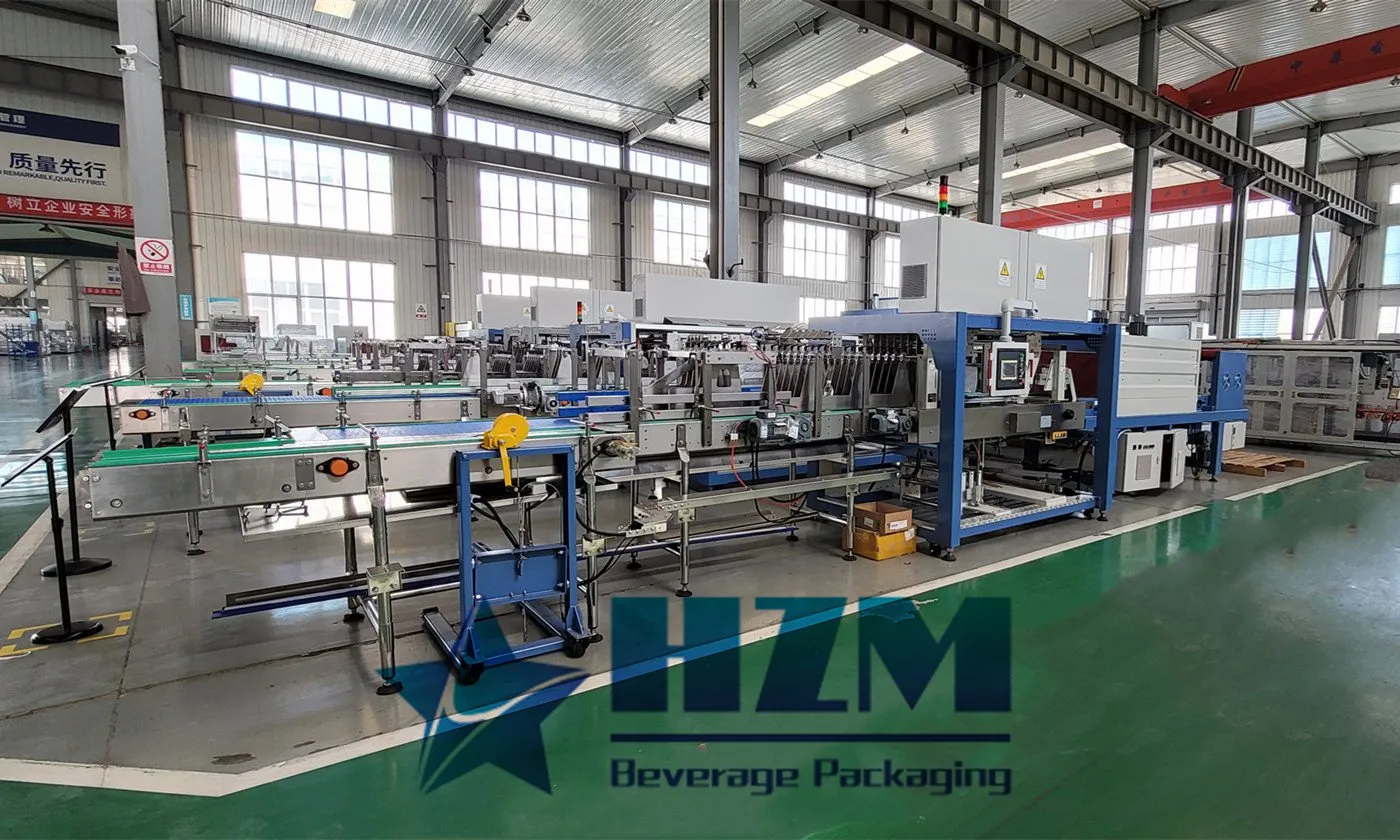
Consider an illustrative line expected to discharge 18,000 bottles/hour. At twelve bottles per pack, the nominal packing requirement is 25 packs/minute. At six bottles per pack, it is 50 packs/minute. That change doubles packer duty without changing the filler output.
The shrink packing machine or carton packing machine must be selected for the actual pack format and sustained operation. Include film or carton replenishment, rejects and removal of finished packs. A buffer protects against a brief stop, but a consistently slower packer will eventually stop the line.
Before committing to a new filler, test whether more reliable material replenishment or a packaging upgrade would release the missing finished output. Keep the calculation tied to the planned product mix.
Make a shift plan with explicit losses
Start with the time genuinely available for production after planned activities. Apply measured running performance and quality results using consistent definitions. Include format changes and cleaning either in the available-time calculation or in the loss factors, without counting the same loss twice.
For example, a 12,000-bottle/hour operation with six productive hours and an assumed 98% quality yield produces 70,560 good bottles. One additional productive hour at the same rate and yield adds 11,760 good bottles. Use measured running hours and quality yield to calculate the gain for the plant.
Compare that result with the effort needed to obtain the additional hour and with the duration of the demand peak. A small number of avoidable changeovers can matter more than an incremental increase in maximum mechanical speed.
Choose the response that matches the duration of demand
For a brief peak, review materials, scheduling, existing spare capacity and dispatch. Build appropriate inventory only within the product’s storage and quality requirements. Avoid interrupting a critical production period with an unnecessary major equipment change.
For a recurring seasonal constraint, investigate the repeated loss. An upgrade to bottle supply, treatment, cooling, labelling or packing can be appropriate if that stage consistently limits good output. Confirm the interfaces and demonstrate the revised duty.
For sustained growth, compare a larger integrated line with an additional line or a separate format-specific operation. Include annual utilisation, utilities, staffing, maintenance access and the effect of a shutdown on delivery reliability. The fastest option at the peak may not have the best annual economics.
What to specify for a summer-capacity project
A useful project brief includes the normal and peak product mix, good output required per shift, measured stop reasons, bottle and closure specifications, packaging formats, utilities under demanding ambient conditions and the available building layout. Include the duration of the peak and the required installation window.
For a water project, the complete drinking water line can be assessed from treatment through packing. For beverage projects, add the formulation and approved processing route. HZM can use that information to evaluate an individual machine, an interface improvement or a complete line configuration.
The investment decision should be supported by a testable production target: the required number of acceptable finished packs on the agreed product mix, with utilities and quality criteria stated. That gives the factory a practical response to hot-weather demand and a useful operating basis after the weather changes.
Talk to our engineering team
Need help planning your packaging line?
Share your product, bottle and capacity requirements for a practical equipment recommendation.
Equipment
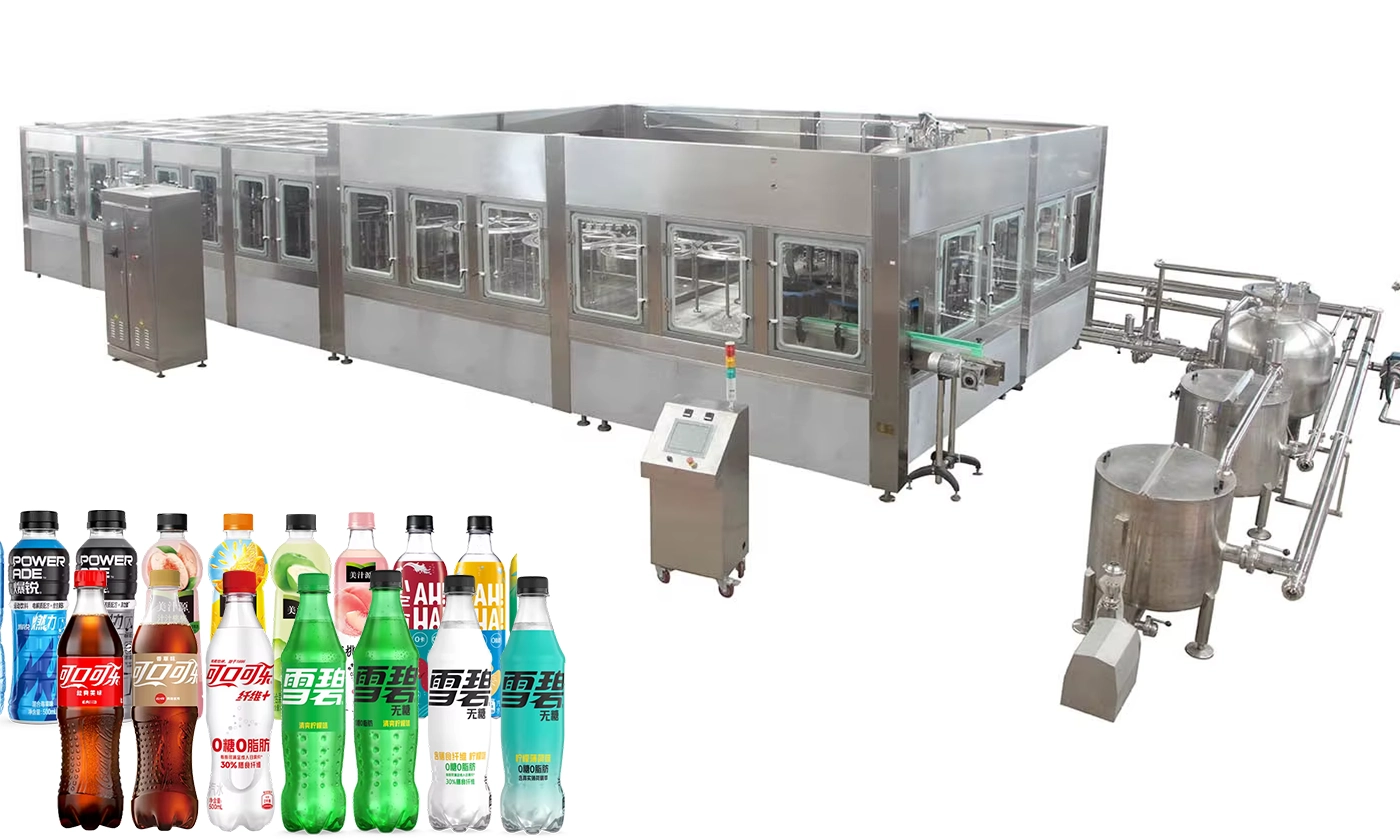
Cold Drink Bottle Packing Machine
HZM cold drink bottling lines connect bottle rinsing, filling and capping with labelling, conveying and packing.
Learn more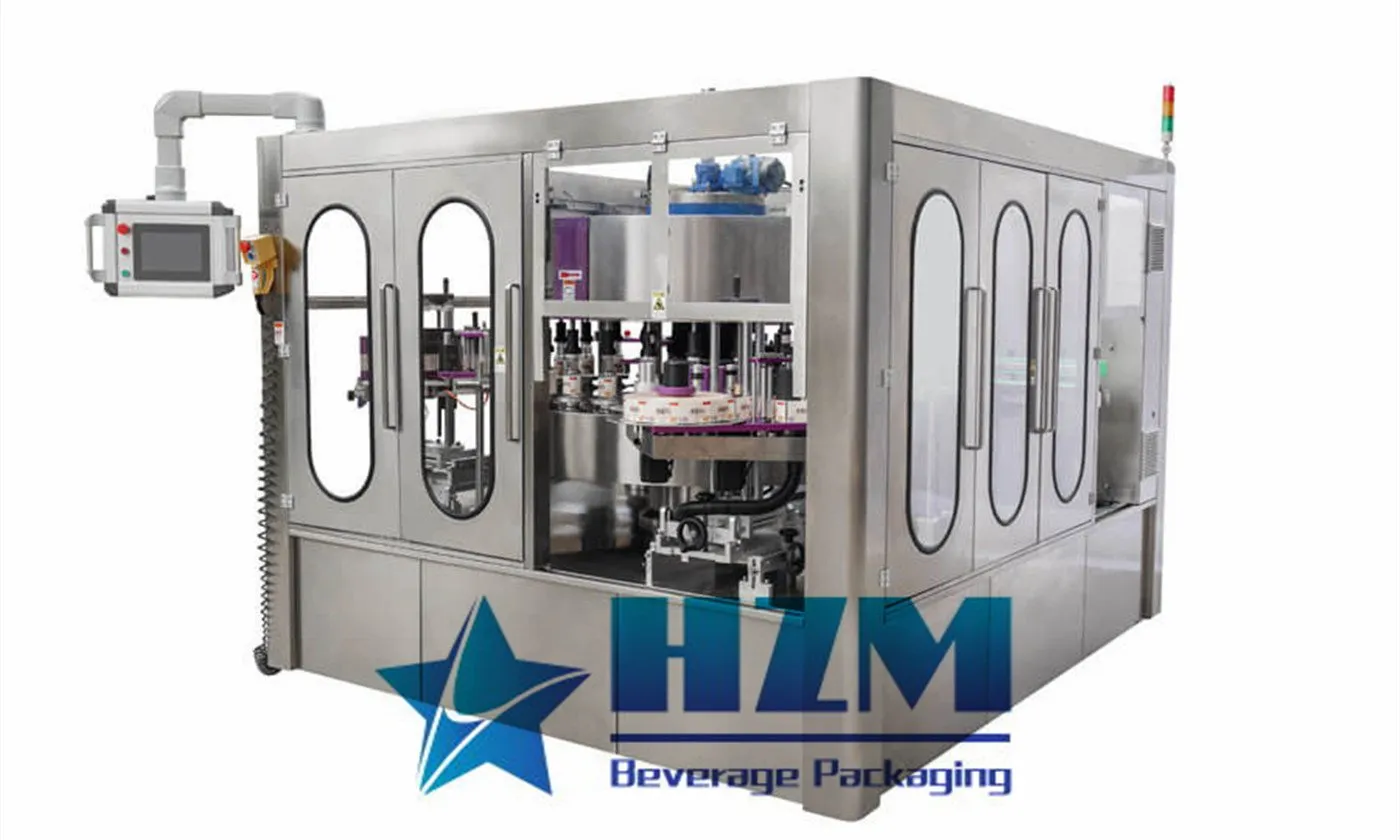
Equipment
Automatic Cold Glue Stick Labeling Machine
Cold-glue paper label application for beverage bottles, with LJ models from 12,000 to 32,000 bottles/hour.
Learn more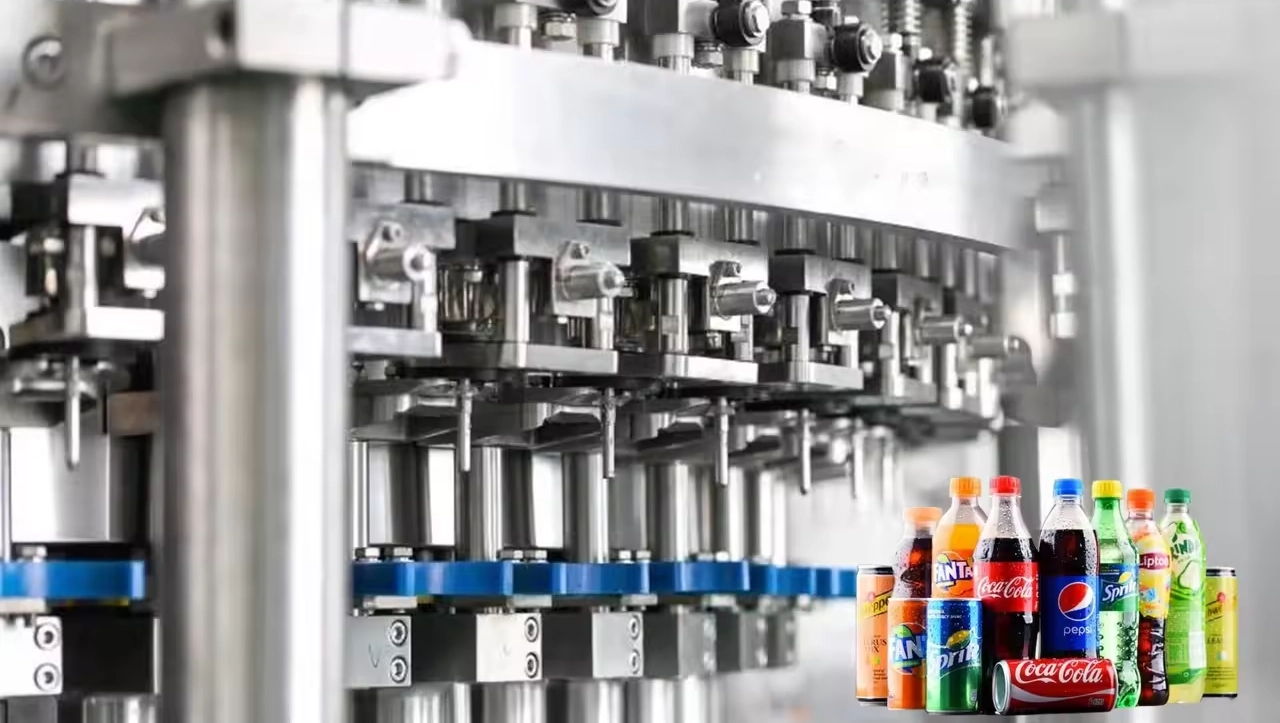
2024-10-10
Cold Drink Bottle Packing Machine Manufacturer ,Price
A cold drink bottle packing machine is a specialized piece of equipment used in the beverage industry to package cold beverages such as soft drinks, juices, and water into bottles.
Learn more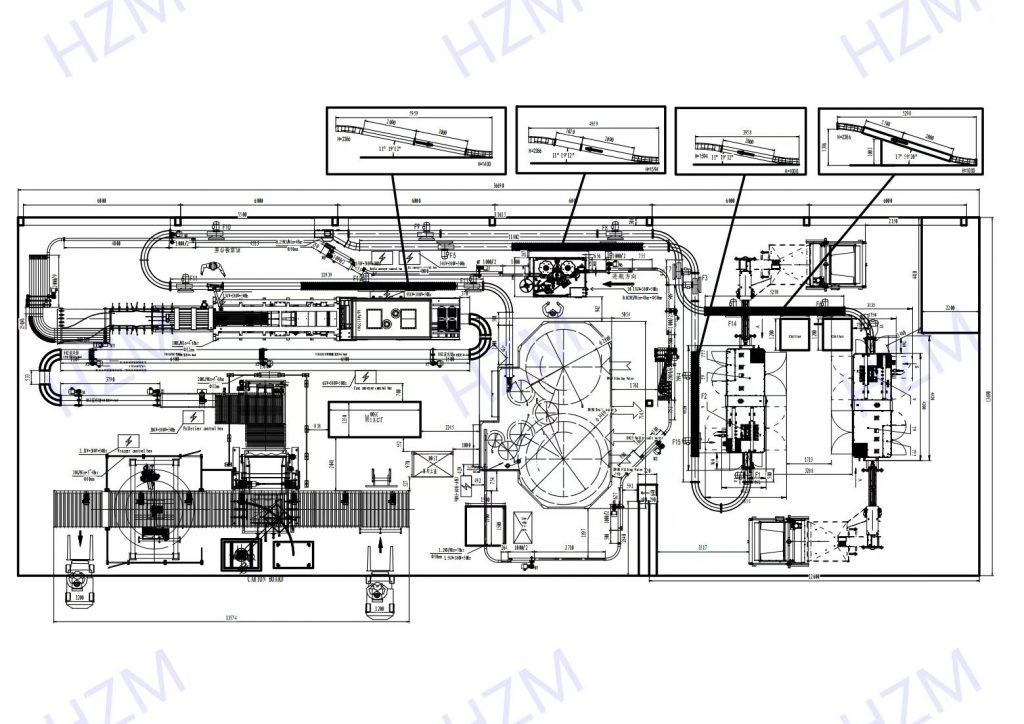
2023-03-24
DXGF80-80-22 Carbonated Drinks Beverage Production Plant In Europe
The DXGF80-80-20 carbonated beverage production line produced by HZM company has passed customer acceptance and been delivered for use. This production line is the second largest carbonated beverage production line produced by our company so far, which can realize the exchange of different bottle types, with a capacity of 36000 bottles per hour and meet the market demand of customers
Learn more
2026-07-17
Global Heatwaves Drive Beverage Demand: Why Production Line Expansion Requires More Than a Faster Filling Machine
As temperatures rise across many parts of the world, demand for chilled beverages is increasing rapidly. Bottled water, carbonated soft drinks, sports drinks, iced tea, juice and other ready-to-drink products are moving through supermarkets, convenience stores, restaurants and distribution centers faster than usual. For beverage manufacturers, the summer sales season is creating both an opportunity […]
Learn more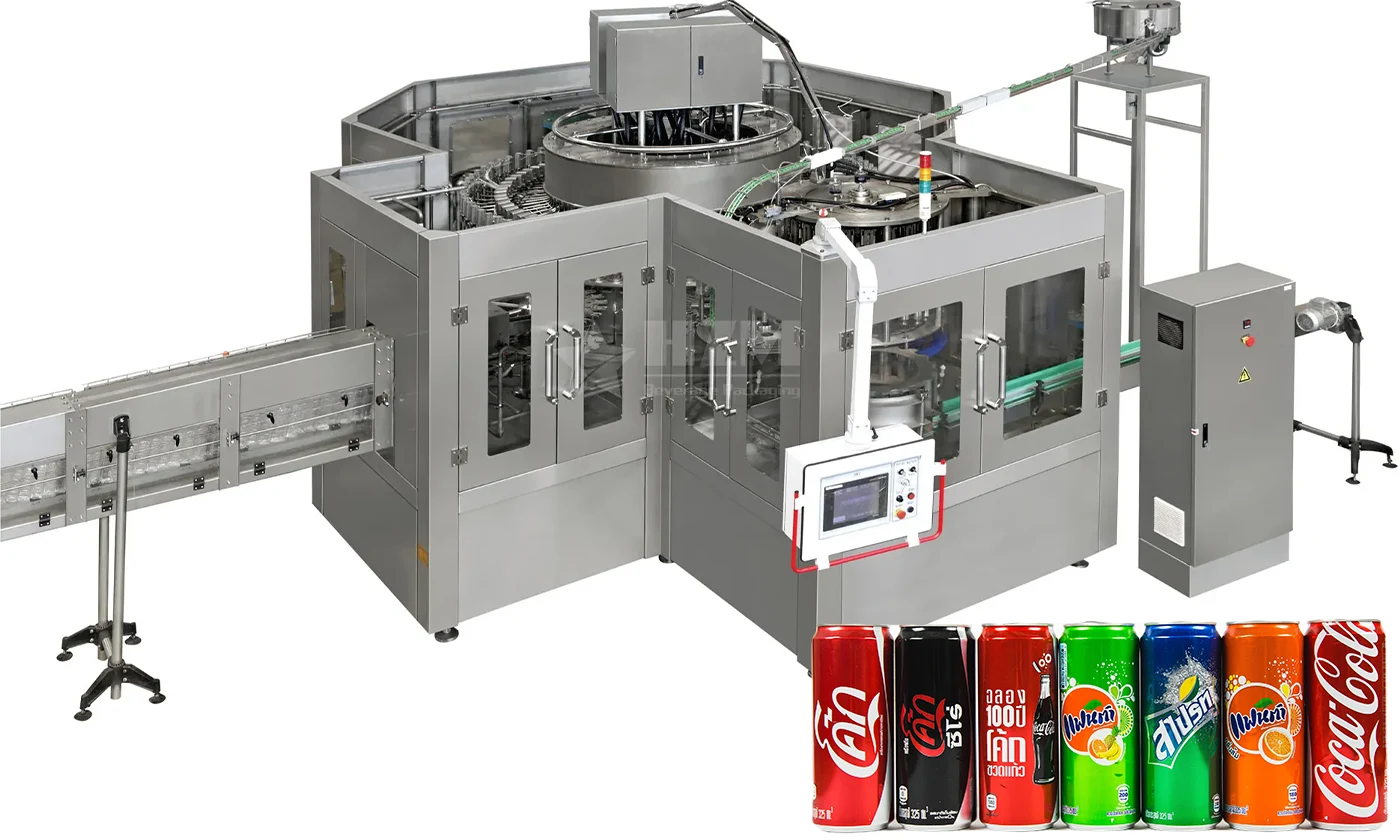
2025-10-24
Differences Between Hot Filling and Cold Filling in Beverage Filling Machines
In the field of beverage filling machines, Hot filling and Cold filling (also known as aseptic filling) are two core processes. Their fundamental differences lie in the product temperature during filling, sterilization logic, and applicable scenarios, which directly affect the beverage quality, shelf life, packaging costs, and equipment investment.
Learn more
2024-10-08
A Leading Manufacturer in the Cold Beverage Bottle Packaging Industry
HZM Machinery is a comprehensive manufacturer of cold beverage bottle packaging machines that integrates research and development, manufacturing, and sales.
Learn more2023-12-25
Canned CSD Filling Machine Is In High Demand
Our company is a comprehensive professional supplier of canned CSD filling machines integrating R&D, manufacturing and sales. We can provide turnkey projects and have professional after-sales service engineers.
Learn more