
Insights & Updates
Global Heatwaves Drive Beverage Demand: Why Production Line Expansion Requires More Than a Faster Filling Machine
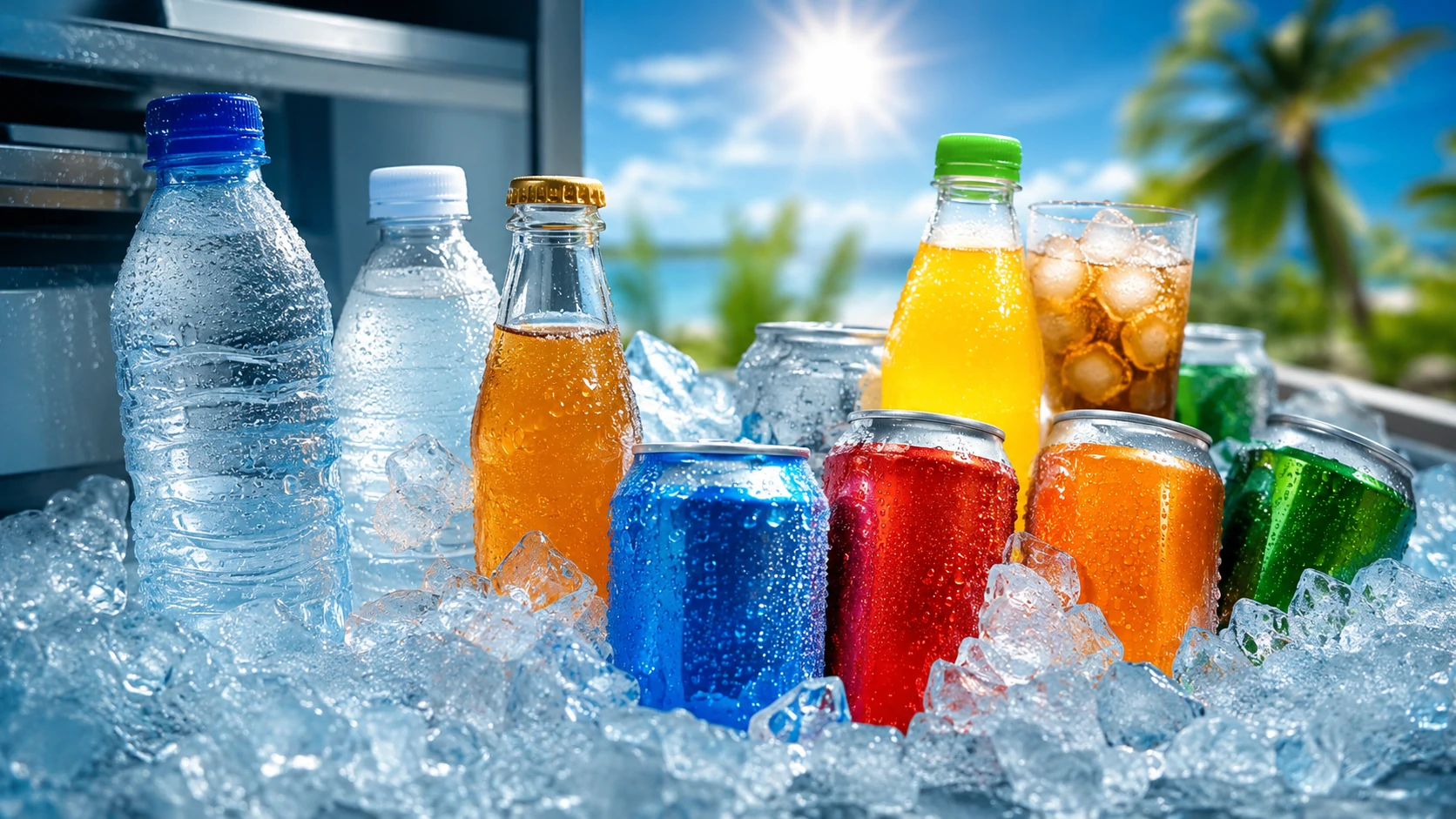

As temperatures rise across many parts of the world, demand for chilled beverages is increasing rapidly.
Bottled water, carbonated soft drinks, sports drinks, iced tea, juice and other ready-to-drink products are moving through supermarkets, convenience stores, restaurants and distribution centers faster than usual. For beverage manufacturers, the summer sales season is creating both an opportunity and a serious production challenge.
Some factories are extending working hours. Others are adding extra shifts, reducing maintenance intervals or accelerating plans to expand their beverage production lines.
However, increasing production capacity is not as simple as purchasing a larger filling machine.
A beverage factory is an interconnected production system. Water treatment, beverage processing, bottle blowing, filling, labeling, packing, conveying and palletizing must all operate at compatible speeds. If one section cannot keep up, the entire line loses efficiency.
The real question is not simply how to produce more beverages this summer. It is how to build a production system that can respond to seasonal demand while remaining efficient, flexible and profitable for years to come.
Hot Weather Is Changing More Than Beverage Sales
Higher temperatures naturally increase beverage consumption, but the effect is not equal across all product categories.
During periods of extreme heat, consumers tend to prioritize three things:
- Hydration
- Cooling
- Convenience
This benefits products such as bottled drinking water, mineral water, electrolyte drinks, sports beverages, low-sugar tea, sparkling water, iced coffee and other ready-to-drink products.
Consumers are also paying more attention to products that can be carried easily, consumed immediately and stored in refrigerators or beverage coolers. Small and medium-sized PET bottles, cans and single-serve packages are particularly suitable for convenience stores, outdoor events, travel, workplaces and food-service environments.
This change creates opportunities for beverage manufacturers, but it also makes production planning more complicated.
A factory must determine which products are experiencing temporary seasonal demand and which categories are likely to achieve long-term growth. Expanding production based only on one successful summer can result in oversized equipment, low utilization and unnecessary operating costs after the peak season ends.
A better expansion strategy considers both immediate orders and future product development.
Manufacturers should ask:
- Which beverage categories are growing consistently?
- Which bottle sizes and packaging formats are selling fastest?
- Can the existing line handle new bottles, caps and labels?
- Can the factory switch between different products efficiently?
- Will the expanded capacity still be useful after the summer season?
The most valuable production line is not always the one with the highest rated speed. It is the one that can respond quickly to changing market demand.
Why Beverage Production Lines Struggle During Peak Season
When orders increase, many factory managers assume that the filling machine is the main production bottleneck.
In practice, this is often not the case.
A complete beverage production line may include:
- Raw water treatment
- Syrup preparation and beverage blending
- Filtration, homogenization and sterilization
- PET bottle blowing
- Bottle rinsing, filling and capping
- Labeling and date coding
- Shrink wrapping or carton packing
- Bottle and package conveying
- Palletizing and warehouse handling
Every section affects the final output.
A filling machine may be capable of producing 18,000 bottles per hour, but if the bottle blowing system can only supply 14,000 bottles per hour, the line will never achieve its designed filling speed.
The same problem occurs when the filling section operates efficiently but the labeling machine stops frequently, the packing machine cannot handle peak output or workers cannot palletize finished products quickly enough.
Production capacity must therefore be evaluated as an integrated system rather than a collection of individual machines.
Start by Identifying the Real Production Bottleneck
Before investing in new equipment, beverage manufacturers should conduct a complete production capacity assessment.
The assessment should include actual output, machine downtime, changeover time, maintenance requirements, utility consumption and the performance of each production section.
Several areas deserve particular attention.
1. Water Treatment and Beverage Processing Capacity
Every beverage begins with water.
For bottled water production, the treatment system may include quartz sand filtration, activated carbon filtration, softening, ultrafiltration, reverse osmosis, UV sterilization and ozone treatment.
Juice, tea, energy drinks and functional beverages may require additional processing equipment, including:
- Sugar dissolving tanks
- Blending tanks
- Homogenizers
- Degassing systems
- Filtration units
- Pasteurizers
- UHT sterilization systems
- CIP cleaning systems
If the processing system can only supply 10,000 liters of product per hour, installing a filling machine designed for a much higher output will not automatically increase production.
The upstream process must provide sufficient product continuously and consistently.
For this reason, water treatment and beverage processing equipment should be sized according to peak production demand, not only average daily output. A reasonable capacity reserve should also be included to support cleaning, product changes and future expansion.
2. PET Bottle Blowing and Empty-Bottle Supply
Empty-bottle supply is another common limitation in PET beverage factories.
Manufacturers that purchase finished empty bottles depend on external suppliers, transportation capacity, warehouse space and delivery schedules. During peak season, these factors can become difficult to control.
Installing an automatic PET bottle blowing machine allows manufacturers to produce bottles directly from preforms. This reduces empty-bottle storage requirements and gives the factory greater control over bottle supply.
However, the blowing system must be properly matched with:
- The filling machine
- High-pressure air compressors
- Low-pressure air systems
- Chillers and cooling towers
- Preform feeding systems
- Air conveyors
Adding more blowing cavities without increasing compressed-air or cooling capacity will not deliver stable output.
A well-designed blow-fill system should maintain a continuous bottle supply without excessive accumulation, bottle deformation or unnecessary energy consumption.
3. The Filling Method Must Match the Beverage
Different beverages require different filling technologies.
Bottled water is commonly filled using gravity or micro-negative-pressure filling. Juice and tea beverages may require hot filling. Carbonated beverages require isobaric filling under controlled pressure.
The correct filling method depends on several factors:
- Beverage type
- Product temperature
- Carbon dioxide content
- Liquid viscosity
- Bottle material
- Bottle shape
- Required shelf life
- Sanitary standard
A machine advertised with a high bottles-per-hour figure may not achieve the same output with every product.
For example, carbonated beverages require careful control of product temperature and pressure. If the beverage is too warm, excessive foaming may occur during filling, resulting in unstable liquid levels, product loss and reduced carbonation.
Hot-fill products create different challenges. Bottles must withstand the filling temperature, and the production line may need bottle inversion, cooling tunnels or additional sterilization processes.
Equipment selection must therefore be based on the actual beverage and packaging requirements, not only the maximum machine speed.
4. Labeling and Packaging Can Limit the Entire Line
End-of-line equipment is often underestimated during expansion projects.
A high-speed filling line provides little benefit if finished bottles cannot be labeled, packed and transported at the same rate.
Typical bottlenecks include:
- Unstable label feeding
- Frequent film replacement
- Slow carton forming
- Manual case packing
- Insufficient conveyor accumulation
- Labor-intensive palletizing
- Inadequate warehouse handling
During peak summer demand, manual packing and palletizing become particularly difficult. Labor availability may be limited, while repetitive handling increases the risk of damaged packaging and inconsistent pallet quality.
Automatic shrink wrapping, carton packing and palletizing can improve production continuity while reducing dependence on manual labor.
The capacity of these systems should be calculated according to the real output of the complete line, including short-term production peaks.
Four Common Beverage Factory Expansion Scenarios
The correct expansion strategy depends on the condition of the existing factory.
Scenario 1: The Line Is Fast Enough but Stops Too Often
A factory experiencing frequent downtime may not need an entirely new production line.
The first step should be to identify the causes of lost production time. These may include:
- Unstable bottle transfer
- Insufficient conveyor buffers
- Outdated labeling equipment
- Frequent cap-feeding problems
- Slow product changeovers
- Inadequate spare-parts management
- Poor preventive maintenance
Improving line balance and reducing downtime may provide a better return than replacing the filling machine.
Increasing overall equipment effectiveness can sometimes release substantial additional capacity without major construction work.
Scenario 2: The Existing Line Is Running at Full Capacity
When a production line is operating for multiple shifts with very little maintenance time, the factory may have reached its practical capacity limit.
Continuing to depend on overtime can increase:
- Mechanical wear
- Unexpected breakdowns
- Filling inaccuracies
- Product quality fluctuations
- Maintenance costs
- Delivery risks
In this situation, adding a parallel production line may be more appropriate.
A second line increases output while allowing one line to continue production during maintenance or product changeovers. It can also be configured for a different bottle size or beverage category, improving production flexibility.
Scenario 3: The Factory Is Entering a New Beverage Category
A bottled water factory that plans to produce juice, carbonated drinks or functional beverages should not assume that the existing water line can be modified easily.
New product categories may require different:
- Processing systems
- Filling technologies
- Cleaning procedures
- Temperature controls
- Sanitary designs
- Packaging equipment
Carbonated beverages require mixing, cooling and isobaric filling systems. Juice and tea may require hot filling, sterilization and cooling. Pulp-containing drinks may need separate pulp and liquid filling processes.
In many cases, building a dedicated production line is more practical than repeatedly modifying equipment that was designed for another product.
Scenario 4: A New Factory or Major Capacity Expansion
A new beverage plant is best planned as a complete turnkey production system.
The project should begin with several basic questions:
- What beverages will be produced?
- What is the condition of the raw water?
- Which bottle or can formats will be used?
- What is the required hourly output?
- How many hours will the factory operate each day?
- How frequently will products and bottle sizes change?
- What expansion is expected over the next three to five years?
Based on these answers, the water treatment, processing, blowing, filling, labeling, packaging and conveying systems can be designed together.
Integrated planning reduces capacity mismatches and makes installation, commissioning, operator training and future maintenance easier.
Stable Production Matters More Than Maximum Speed
Machine specifications often emphasize maximum production speed.
This figure is useful, but it does not represent the complete operating reality of a beverage factory.
The advertised output is generally achieved under suitable conditions, including:
- Stable bottle supply
- Consistent product temperature
- Correct pressure
- Suitable bottle design
- Continuous packaging-material supply
- Properly trained operators
- Well-maintained equipment
During hot weather, factory operating conditions may become more demanding.
Electrical cabinets, motors, frequency converters, compressors and cooling systems must work under higher ambient temperatures. Carbonated drink production requires more cooling capacity, while compressors and chillers may experience heavier loads.
A production line intended for summer operation should therefore be evaluated for continuous stability, not just short-duration peak speed.
Important considerations include:
- Electrical cabinet ventilation and cooling
- Beverage temperature control
- Air-compressor capacity
- Chiller and cooling-water capacity
- Lubrication and maintenance requirements
- Availability of critical spare parts
- Ease of cleaning and sanitation
- Operator access and safety
- Performance during long production shifts
A line that runs reliably for 20 hours can produce more saleable product than a faster machine that stops repeatedly.
Flexible Production Is Becoming More Valuable
The beverage market is becoming increasingly segmented.
In addition to traditional bottled water and soft drinks, manufacturers are introducing:
- Electrolyte water
- Vitamin water
- Low-sugar beverages
- Zero-sugar carbonated drinks
- Sparkling water
- Functional beverages
- Plant-based drinks
- Ready-to-drink tea
- Iced coffee
- Small-volume convenience packages
A new beverage production line should therefore be designed with a reasonable level of flexibility.
Useful features may include:
- Compatibility with multiple bottle sizes
- Quick bottle and cap changeovers
- Adjustable filling parameters
- Recipe storage through PLC and HMI systems
- Flexible label and packaging options
- Modular conveyors
- Space for future equipment installation
Flexible design may require a slightly higher initial investment, but it reduces the cost and disruption associated with future product launches.
A factory that can change from one bottle format to another efficiently is better prepared for seasonal promotions, private-label orders and changing consumer preferences.
Do Not Ignore Energy and Water Consumption
Higher production volume also increases utility costs.
During summer, beverage factories may consume more electricity for:
- Chillers
- Air compressors
- Refrigeration
- Water treatment
- Air conditioning
- Bottle blowing
- Product cooling
If expansion decisions are based only on equipment purchase price, the long-term production cost may be underestimated.
Factories should compare equipment according to total operating cost, including:
- Electricity consumption
- Compressed-air consumption
- Water consumption
- Cleaning water
- Packaging-material waste
- Maintenance requirements
- Labor requirements
- Spare-parts cost
Energy-efficient motors, optimized compressed-air systems, improved CIP programs and water-recovery solutions can reduce the cost of each bottle produced.
Lightweight bottles and optimized secondary packaging can also reduce resin, film, carton and transportation costs.
The goal of expansion should not only be to produce more bottles. It should also be to produce each bottle more efficiently.
Expansion Should Support Long-Term Growth
A heatwave can create immediate demand, but a beverage production line is a long-term investment.
Equipment procurement, factory layout, manufacturing, delivery, installation, commissioning and operator training all require careful coordination. A production line purchased only to respond to a temporary sales increase may not be ready before the market changes.
A stronger strategy combines short-term demand with long-term planning.
Manufacturers should evaluate:
- Sales forecasts
- Distribution growth
- Product-development plans
- Packaging trends
- Local labor costs
- Energy availability
- Water resources
- Future automation requirements
This approach helps prevent both underinvestment and unnecessary overcapacity.
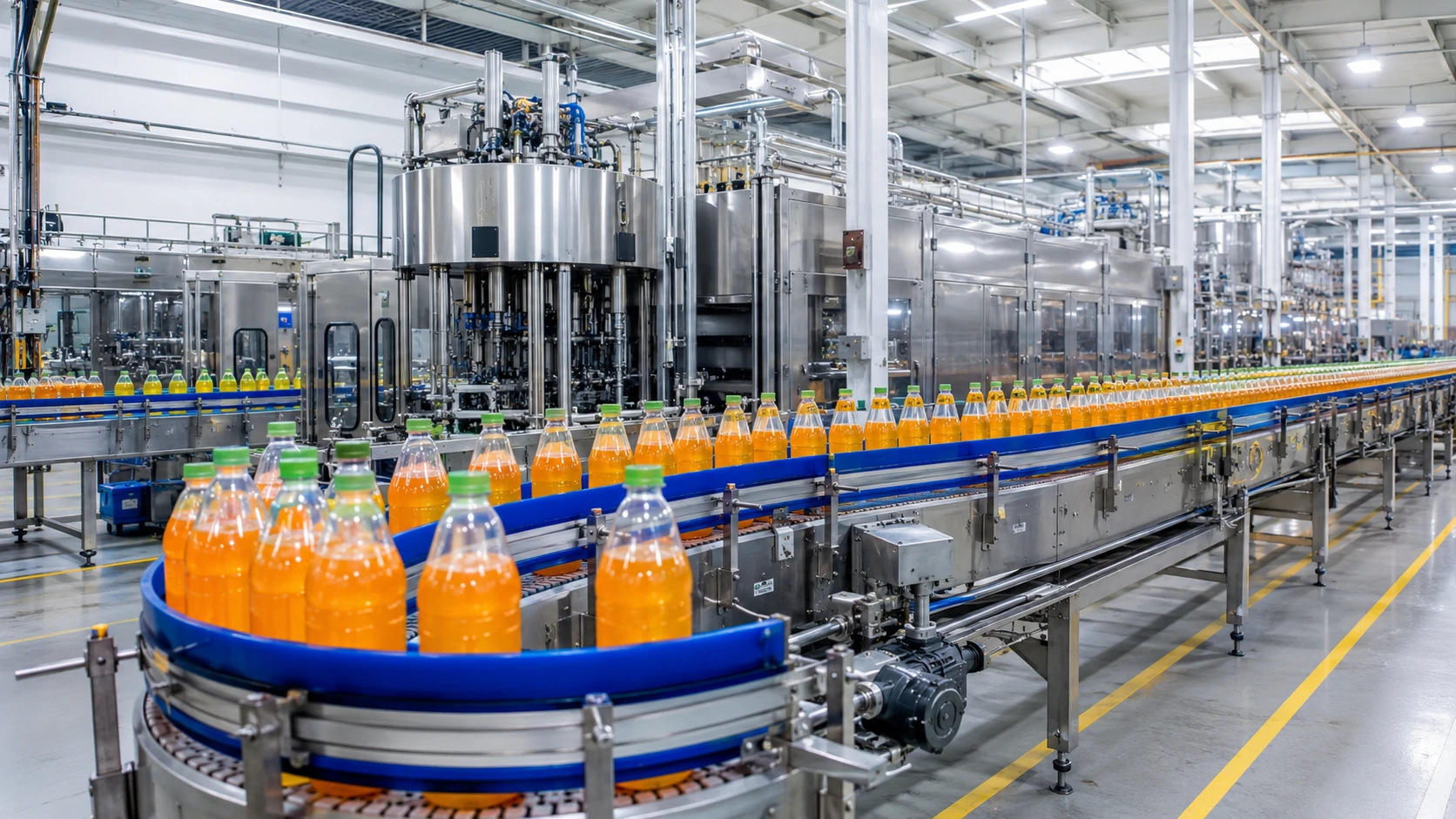
Complete Beverage Production Solutions from HZM Machinery
HZM Machinery provides equipment and complete production line solutions for water and beverage manufacturers.
Available solutions include:
- Water treatment systems
- Beverage processing systems
- PET bottle blowing machines
- Water filling lines
- Juice filling lines
- Carbonated beverage filling lines
- Can filling lines
- 3–5 gallon water filling lines
- Labeling machines
- Shrink wrapping and carton packing machines
- Bottle and package conveyors
- Automatic palletizing systems
Production lines can be configured according to the beverage type, container, hourly capacity, factory layout and level of automation required.
Instead of selecting individual machines independently, manufacturers can plan the complete process from raw water treatment to finished-product packaging. This helps ensure that every section of the line operates at a compatible speed.
Conclusion
Hot weather is increasing demand for bottled water and chilled beverages, but higher demand alone does not guarantee higher profits.
Factories that rely only on longer shifts and faster machine settings may face more breakdowns, inconsistent quality and higher operating costs.
Successful expansion begins with identifying the real production bottleneck. It requires coordinated planning across water treatment, beverage processing, bottle supply, filling, labeling, packaging and material handling.
The best beverage production line is not simply the fastest one.
It is a stable, balanced and flexible production system that can meet current orders, support new products and remain efficient after the summer sales peak has ended.
Talk to our engineering team
Need help planning your packaging line?
Share your product, bottle and capacity requirements for a practical equipment recommendation.
2026-07-22
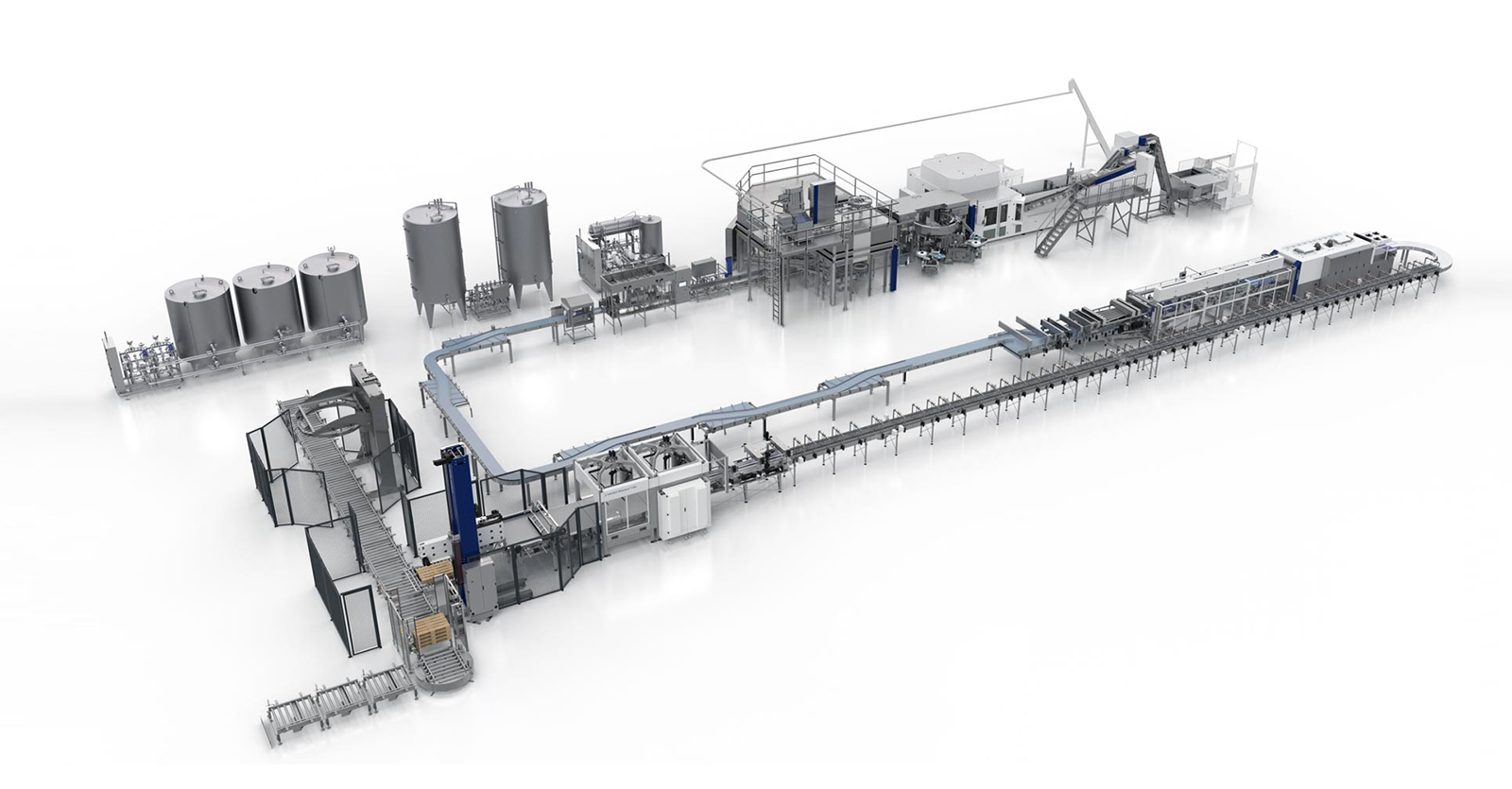
Europe’s Heatwaves and Cold-Drink Demand: A Production Planning Guide
Evidence-based summer production planning: distinguish demand from stock building, find line constraints and compare short-term actions with capacity investment.
Learn more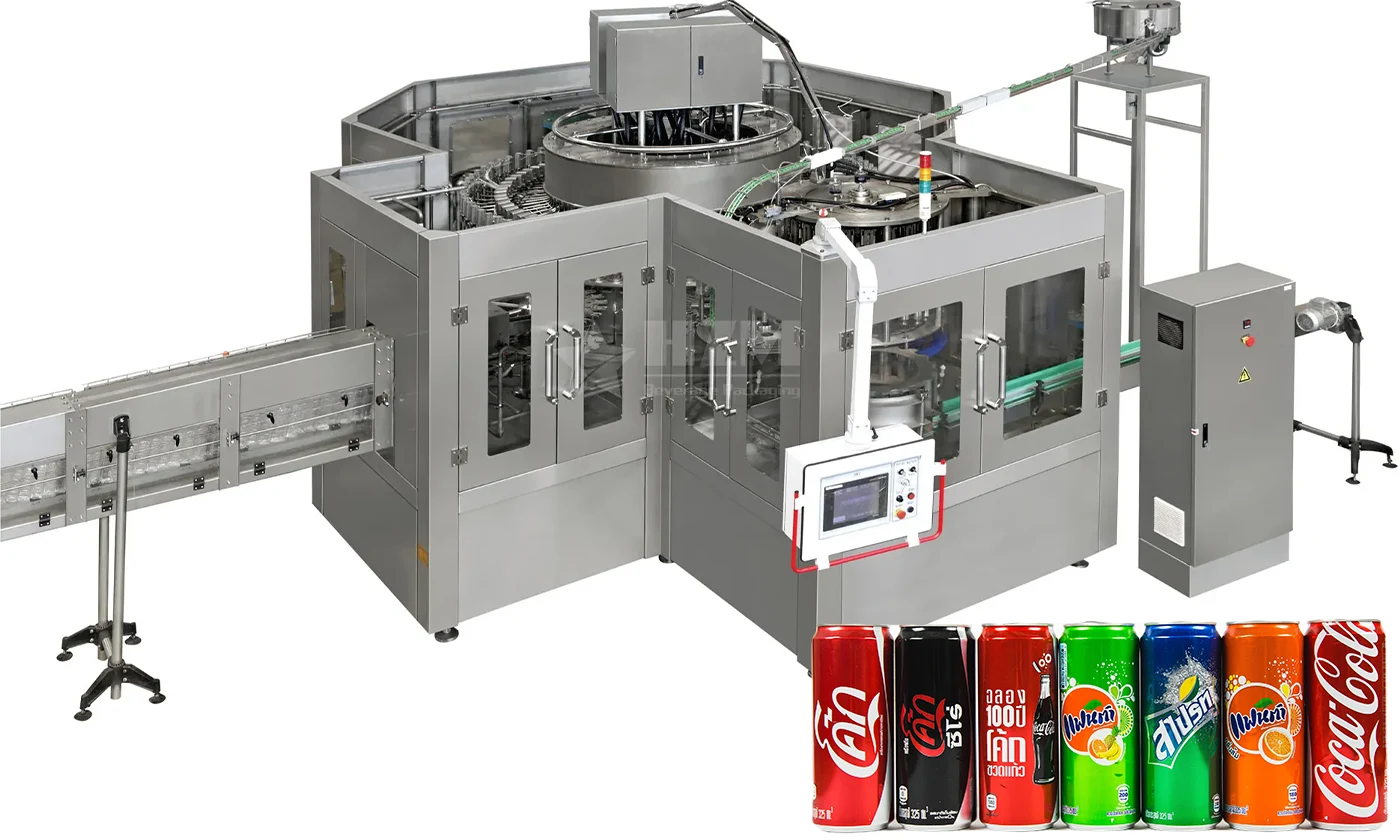
2023-12-25
Canned CSD Filling Machine Is In High Demand
Our company is a comprehensive professional supplier of canned CSD filling machines integrating R&D, manufacturing and sales. We can provide turnkey projects and have professional after-sales service engineers.
Learn more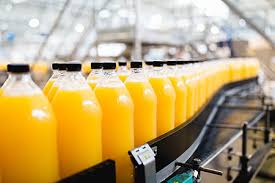
2023-03-24
The growth of personalized demand in the beverage industry
With the increase of consumers’ health awareness, more and more consumers will make more rational and targeted choices of food and beverages. They begin to learn how to choose products that are more suitable for them: for example, when buying products, they begin to pay attention to the ingredient list , Choose foods with healthy […]
Learn more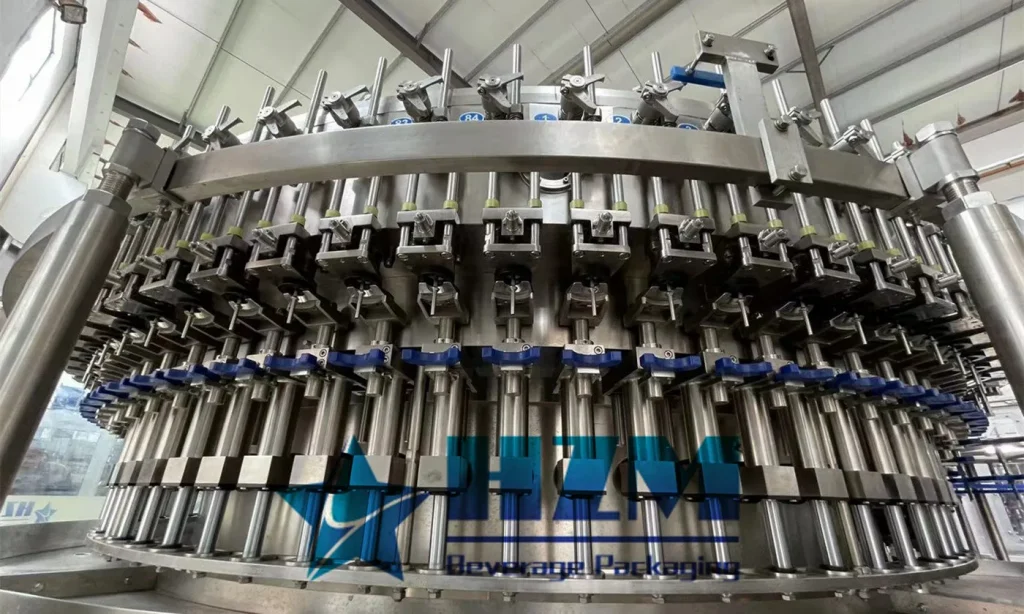
2023-08-31
Global Reach: HZM Machinery’s Export Services for Beverage Filling Machine Equipment
In today’s interconnected world, businesses in every corner seek cutting-edge solutions to stay competitive in their respective industries. HZM Machinery has emerged as a leading provider of advanced technology solutions, and its beverage filling machine equipment is no exception. With an unwavering commitment to quality and innovation, HZM Machinery proudly offers its export services for […]
Learn more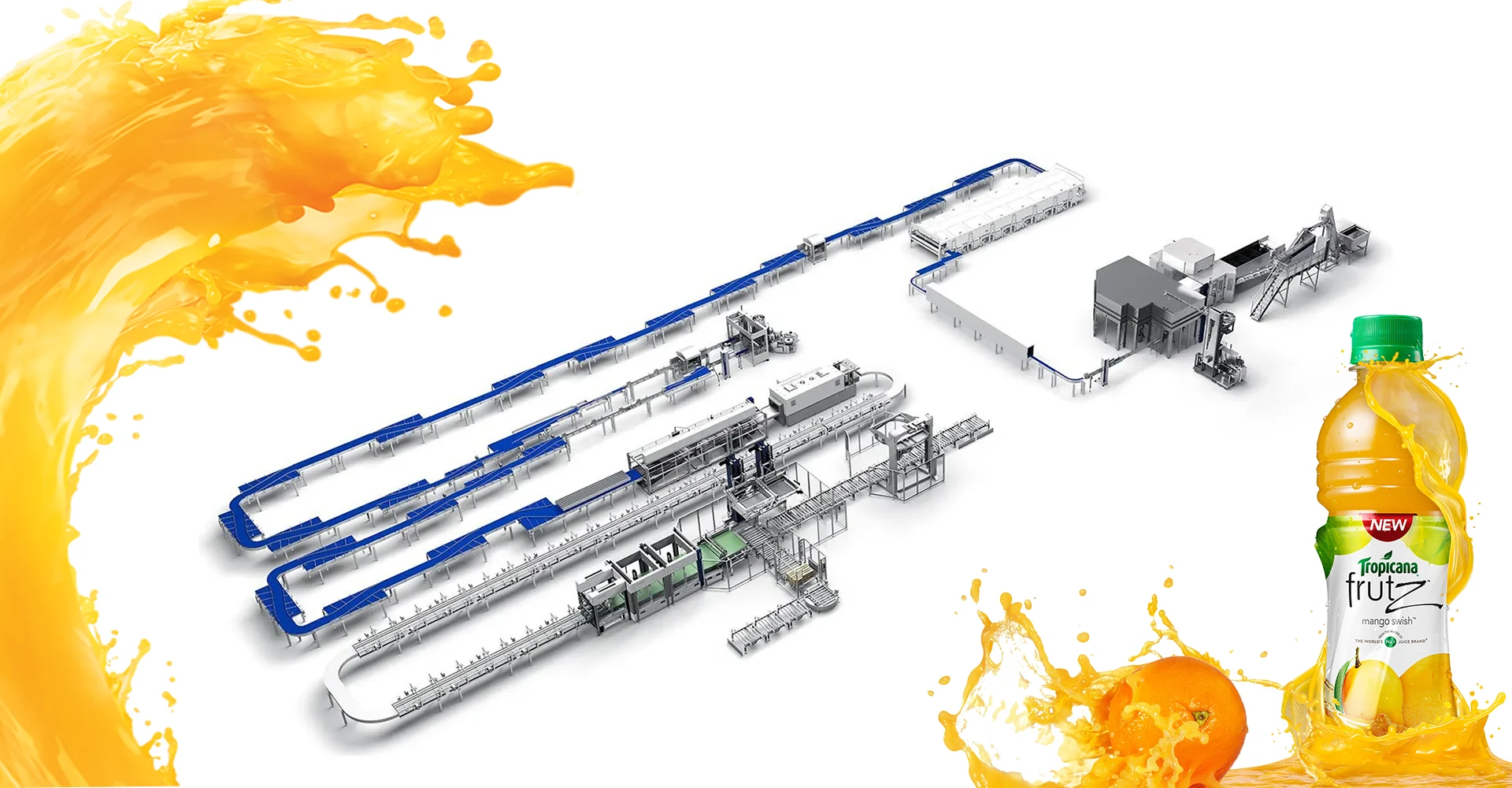
2023-06-09
Aseptic Beverage Filling Project Guide: Future Recipes and Capacity Expansion
Practical HZM guidance on aseptic beverage filling project, focused on future recipes and capacity expansion, line integration, RFQ data and measurable acceptance checks.
Learn more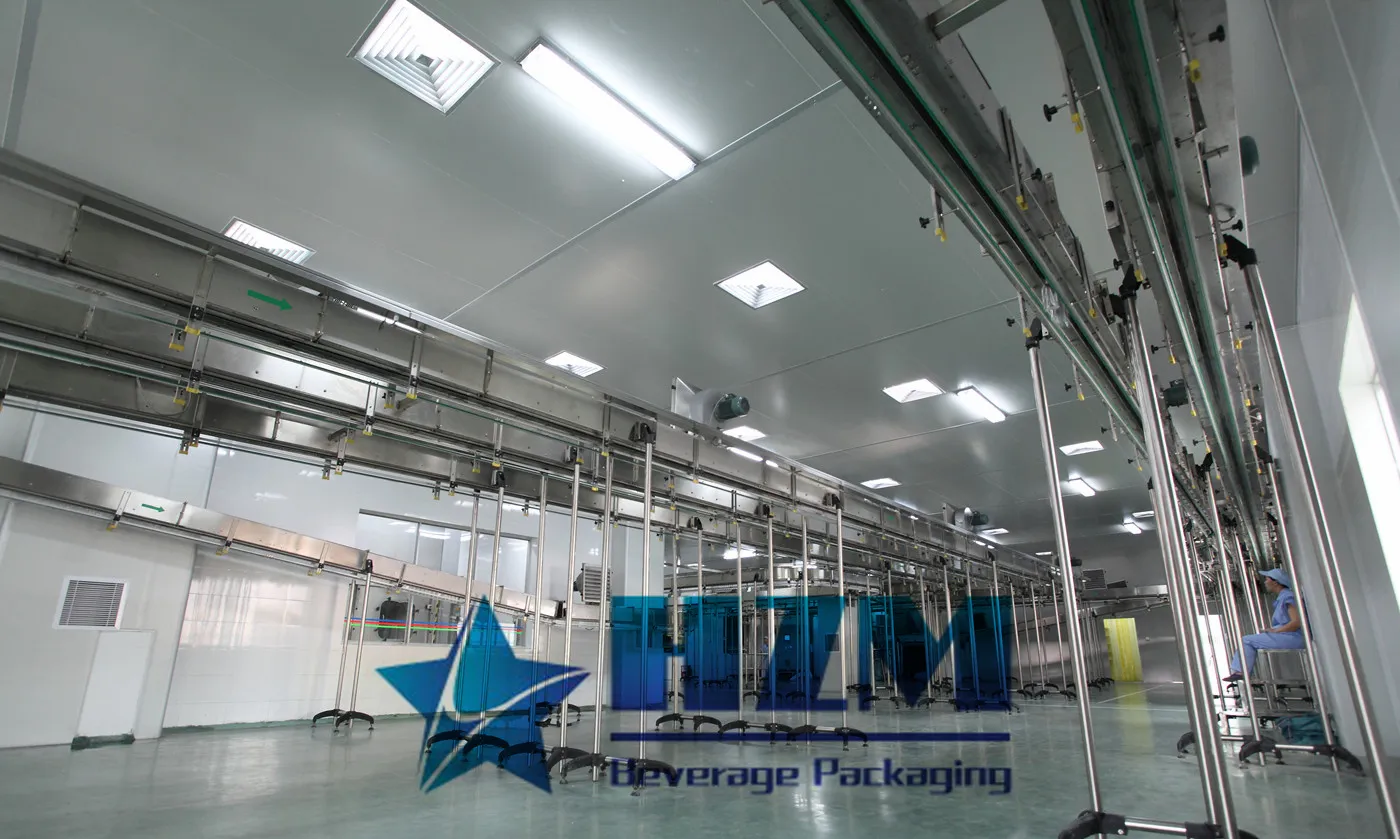
2023-06-09
Bottle Conveyor System Guide: Drive Zoning and Pressure Control
Practical HZM guidance on bottle conveyor system, focused on drive zoning and pressure control, line integration, RFQ data and measurable acceptance checks.
Learn more