
Insights & Updates
Low-cost PET bottle filling machine
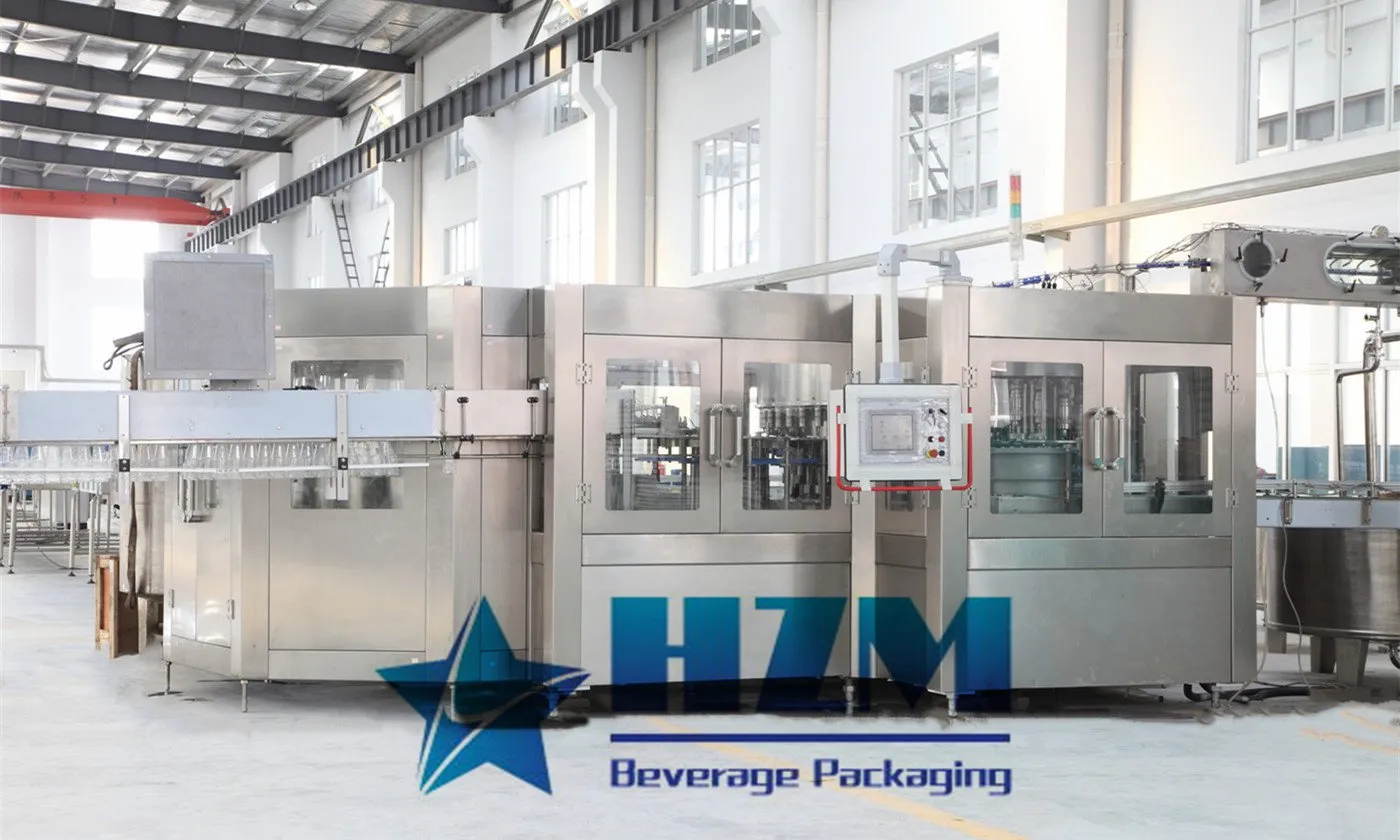
A low-cost PET bottle filling machine is a good purchase when it delivers the required product quality at an affordable cost per saleable bottle. The lowest machine price can become an expensive choice if the offer omits bottle feeding, format parts or the cleaning arrangement needed to run it. A smaller, well-matched installation can also be a better investment than a faster line that spends much of the shift waiting.
Begin by defining the liquid. PET describes the bottle material, not the filling process. Still water, carbonated drinks, hot-filled juice and edible oil impose different requirements on the machine. A comparison that mixes those applications is unlikely to reveal the best value.
Put a firm boundary around the quotation
Ask each supplier to price the same production duty and list exclusions. The offer should identify the machine, approved bottle and cap range, change parts, utilities and test scope. For a complete line, it should also identify equipment between the major machines.
| Cost item | Question to resolve | What an omission can cause |
|---|---|---|
| Bottle and cap feeding | What feeding equipment and interfaces are supplied? | Unexpected labour or a filler waiting for containers |
| Format changes | Which bottle/cap sizes and change parts are included? | Additional parts purchases or a restricted product range |
| Utilities | What air, power, water and cooling equipment is required? | A machine that cannot reach the quoted duty on site |
| Cleaning and maintenance | How are the product circuit and handling parts serviced? | Longer downtime, inaccessible parts or unsuitable cleaning |
| Installation and commissioning | Who supplies wiring, piping, travel and site labour? | Unplanned cost before commercial production starts |
| Inspection and packing | How will good bottles be checked and packed? | A bottleneck after the filler or unacceptable finished packs |
Choose capacity to match the production schedule
For still water, HZM’s XGF automatic water filling machines include the XGF14/12/5 at 5,000 bottles/hour and XGF16/16/5 at 8,000 bottles/hour, based on 500 ml bottles. Compare the required shift output, bottle sizes and connected packing capacity before choosing between them.
Do not select between them from nominal output alone. Calculate demand per shift, account for the intended bottle mix and establish how much production time is available after cleaning and changeovers. Confirm the capacity for the exact container rather than assuming a 500 ml rate applies to a larger pack.
Compare total cost per acceptable bottle
A practical cost model includes allocated equipment cost, labour, utilities, maintenance, consumables, product loss and packaging rejects, divided by acceptable finished output. Keep packaging-material cost separate if it is identical between options, but include extra waste caused by an unstable machine.
Consider an illustrative labour comparison: if two arrangements require different numbers of operators, calculate the annual cost using the plant’s wages, shifts and working days. Then compare that saving with the additional equipment cost. Use the actual site figures; a generic international price list cannot settle the decision.
The same logic applies to downtime. A machine that is inexpensive but frequently waits for caps or requires prolonged adjustments can cost more per bottle than a better-integrated installation. Ask for production records or a witnessed test that demonstrates the proposed operating method.
Where a smaller project can sensibly save
Limit unnecessary format diversity at launch. One established bottle neck and a defined cap family can reduce change-part requirements and simplify spare-parts holding. Choose a realistic output that matches demand and the packing arrangement rather than paying for speed that cannot be used.
Purchased empty bottles can avoid an initial investment in in-house blowing, although transport, storage, handling and bottle purchasing costs still need comparison. If a blower may be added later, plan the connection and utilities now. HZM’s PET stretch-blowing equipment provides a separate equipment route for that assessment.
Retaining an existing labeller or packer can also be economical when its condition and capacity are suitable. Measure its performance and verify interfaces before treating it as available capacity.
Where cutting the specification tends to cost more
Do not reduce protection, product-contact suitability, cleanability or closure verification simply to lower the purchase price. Those features support usable production. Likewise, a missing utility package or undocumented control system is not a saving if it delays commissioning or makes future service difficult.
Ask for a spare-parts list identifying routine wear parts, part numbers, quantities and expected procurement arrangements. Component accessibility and technical documentation can matter more to a small factory than an extensive list of brand names in a brochure.
A short list of tests before purchase
Run the intended bottle and cap at the agreed output, inspect net quantity or fill level by the approved method, and verify closure quality. Include a stop/restart and an actual format change if several bottles are part of the project. Record operator involvement rather than describing the machine simply as “automatic.”
Check the downstream result as well. An oil-stained, poorly labelled or unstable pack is a loss even if the filler itself completed the cycle. For water, confirm that treatment and hygienic handling are covered by the wider plant specification.
What a useful low-cost enquiry looks like
Instead of asking only “What is your cheapest PET filler?”, send the liquid specification, bottle and closure drawings, required good bottles per shift, available space and utilities, and equipment already owned. Identify a budget range and the items that must be included in it.
HZM can then compare a standalone filler with a more complete water bottling line where relevant. The result should be a priced, defined scope with verified format compatibility and a clear route to production, rather than an attractive machine price with essential items left unresolved.
Talk to our engineering team
Need help planning your packaging line?
Share your product, bottle and capacity requirements for a practical equipment recommendation.
2023-06-09
Aseptic Beverage Filling Project Guide: Low-Acid Beverage Project Questions
Practical HZM guidance on aseptic beverage filling project, focused on low-acid beverage project questions, line integration, RFQ data and measurable acceptance checks.
Learn more
2026-08-21
CIP Flow Is Too Low to Clean the Beverage Circuit
Verify the flow instrument, then check tank level, pump suction, strainers, valve routing, simultaneous circuits, return restriction and pump performance. Cleaning time cannot compensate for inadequate hydraulic action in a validated circuit. Follow this practical fault-isolation, repair and prevention guide for bottling-line operators and maintenance teams.
Learn more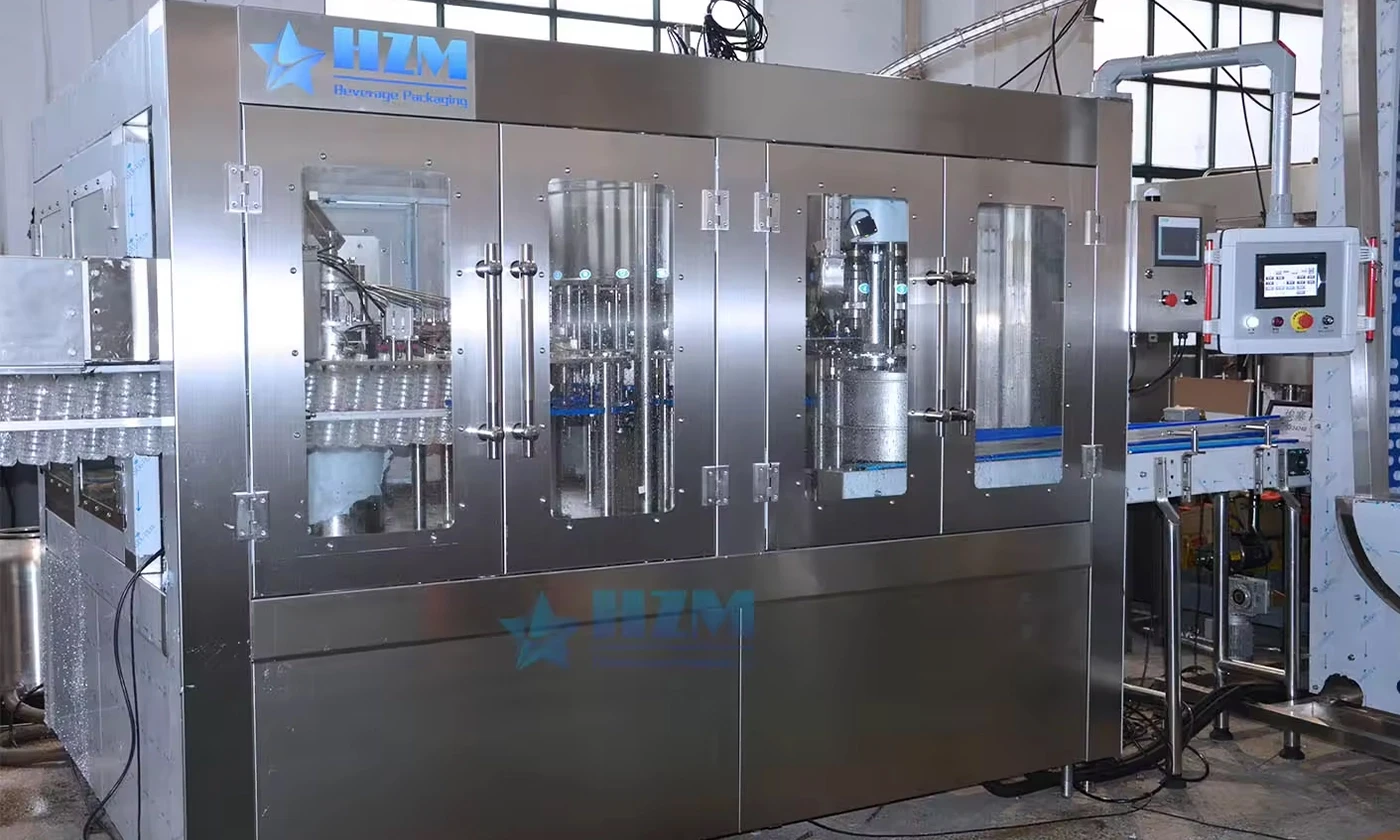
2026-08-23
Bottle Rinser Has Low Spray Pressure: Causes and Repair Steps
Check whether the loss affects the entire rinser or only several nozzles. System-wide loss points to supply, pump, filter or valve problems; a local pattern points to blocked nozzles, damaged tubing or a misaligned bottle. Follow this practical fault-isolation, repair and prevention guide for bottling-line operators and maintenance teams.
Learn more