
Insights & Updates
CIP Flow Is Too Low to Clean the Beverage Circuit
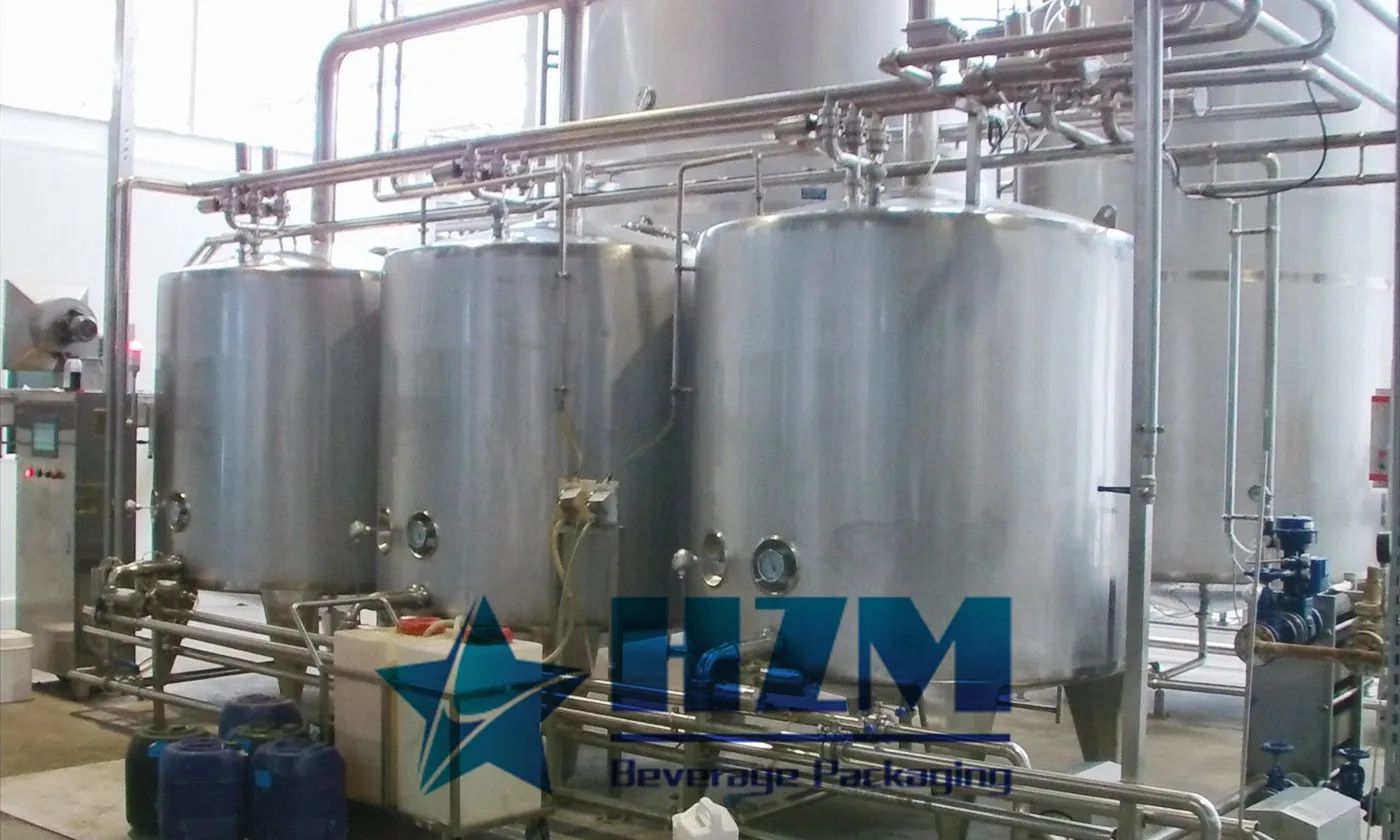
Low cleaning-flow rate during CIP should be investigated before small losses become a repeat breakdown. Operators need a safe test sequence that protects product, preserves the original settings and proves the cause with measured data.
Process-system alarms can affect both food safety and finished-product consistency. Temperature, time, flow, concentration, pressure and hygienic state must be evaluated as a connected process rather than as isolated instruments. The sections below connect cIP flow never reaches the phase setpoint with measurements so maintenance work addresses the failure mechanism.
Quick answer: Verify the flow instrument, then check tank level, pump suction, strainers, valve routing, simultaneous circuits, return restriction and pump performance. Cleaning time cannot compensate for inadequate hydraulic action in a validated circuit.
What operators usually see
Start by describing the defect precisely. These observations reveal whether the event follows a component, a material lot, a speed change or the entire process: For this case, preserve evidence that shows whether cIP flow never reaches the phase setpoint.
- CIP flow never reaches the phase setpoint
- Pump current or discharge pressure is abnormal
- One route cleans correctly while another does not
- Return flow contains air or surges
Make the equipment safe and protect the product
Place affected product on hold and follow the validated food-safety plan. Isolate heat, pressure, chemicals and rotating equipment before inspection; only an authorized process authority may release product after a critical deviation.
Preserve the batch record and trend temperature, flow, pressure, conductivity or concentration, valve states, recipe version and alarm history from before, during and after the deviation. Explicitly record whether cIP flow never reaches the phase setpoint.
Most likely causes, in practical checking order
1. Pump starved or cavitating
Low tank level, blocked suction or air ingress prevents stable delivery To test this explanation without guessing, hold the equipment from production until the validated clean is demonstrated Record the result before moving to the next cause.
2. Incorrect valve route
A closed branch, bypass or unintended parallel circuit changes resistance and flow A practical confirmation step is to verify tank level and compare flow indication with an independent approved check. Compare the finding with a known-good run.
3. Restriction in strainers or return
Soil, damaged gasket or a blocked spray device raises pressure loss Do not compensate for this condition in the recipe. First, record suction pressure, discharge pressure, return pressure and pump current Keep the original setting and measured result in the fault record.
4. Instrument or pump fault
A bad flowmeter, worn impeller or wrong rotation misrepresents or reduces actual flow Separate this cause from the others with one controlled check: confirm valve feedback and route against the CIP matrix Use the same product, format and speed for the comparison.
Step-by-step diagnostic procedure
Begin with process conditions and external evidence, then move toward invasive inspection. Make only one controlled change between comparison runs.
- Hold the equipment from production until the validated clean is demonstrated
- Verify tank level and compare flow indication with an independent approved check
- Record suction pressure, discharge pressure, return pressure and pump current
- Confirm valve feedback and route against the CIP matrix
- Inspect strainers and high-loss devices after chemical isolation
- Evaluate pump rotation, speed and curve condition
Corrective actions that address the root cause
Choose the least invasive correction that restores the approved condition, then verify its effect before changing anything else.
- Restore adequate tank level and unrestricted flooded suction
- Correct valve actuation and route logic
- Clean restrictions and replace damaged internal parts
- Repair the pump or flow instrument and repeat the validated cleaning cycle
How to verify the repair before full-speed production
Keep product made during testing on hold. At low, normal and target speed, apply this first criterion: Confirm that low cleaning-flow rate during cip is absent for multiple consecutive cycles, not only for one sample. Review the alarm history and keep diagnostic product segregated until the site’s quality procedure releases it.
- Confirm that low cleaning-flow rate during cip is absent for multiple consecutive cycles, not only for one sample.
- Compare the repaired result for “CIP flow never reaches the phase setpoint” with the approved quality limit and the last known-good baseline.
- Check adjacent stations and downstream package quality for side effects associated with pump starved or cavitating.
- For “CIP Flow Is Too Low to Clean the Beverage Circuit”, record the final settings, measurements, parts used and restart authorization.
Prevent the problem from returning
Turn the confirmed cause into a centerline, inspection or trend so the team can detect drift before the same shutdown returns.
- Trend flow and pressure by route
- Interlock phases to minimum verified flow
- Inspect strainers and spray devices
- Maintain pump seals and impeller
- Revalidate hydraulics after piping modifications
When to stop troubleshooting and call a specialist
Stop and contact the machine or component supplier when low cleaning-flow rate during cip cannot be isolated with non-invasive checks, when it returns after an approved repair, or when calibration requires protected service tools. Escalate immediately for a damaged pressure boundary, uncontrolled motion, food-safety risk, exposed conductor or repeated protective trip. Send the service engineer the fault history, photos, samples, trend data, recipe revision and work already completed.
Relevant equipment for this application
The site example most closely related to low cleaning-flow rate during CIP is the CIP System. Equipment selection should be checked against samples, quality limits, required sustained output and available utilities.
Frequently asked questions
What should be checked first when low cleaning-flow rate during CIP?
Verify the flow instrument, then check tank level, pump suction, strainers, valve routing, simultaneous circuits, return restriction and pump performance. Cleaning time cannot compensate for inadequate hydraulic action in a validated circuit. Preserve the original settings and take representative samples before repair work begins.
How can we distinguish pump starved or cavitating from incorrect valve route?
Low tank level, blocked suction or air ingress prevents stable delivery In contrast, a closed branch, bypass or unintended parallel circuit changes resistance and flow Compare the two mechanisms under the same operating condition by completing these checks: hold the equipment from production until the validated clean is demonstrated Then verify tank level and compare flow indication with an independent approved check
Can production continue while low cleaning-flow rate during CIP?
Only when the plant’s documented risk assessment and quality procedure allow it. For low cleaning-flow rate during CIP, stop and segregate production when package integrity, sanitation, validated processing, pressure safety, electrical protection or an uncontrolled reject trend is involved.
What evidence will help the equipment supplier respond faster?
Provide the model and serial number, product and format, target speed, first fault, timestamps, photos or video, affected station pattern and maintenance history. For this issue, also include cIP flow never reaches the phase setpoint and the measured result from this check: evaluate pump rotation, speed and curve condition
Talk to our engineering team
Need help planning your packaging line?
Share your product, bottle and capacity requirements for a practical equipment recommendation.
Equipment
CIP System
The CIP system cleans the internal surfaces of beverage tanks, pipelines and filling equipment without routine disassembly.
Learn more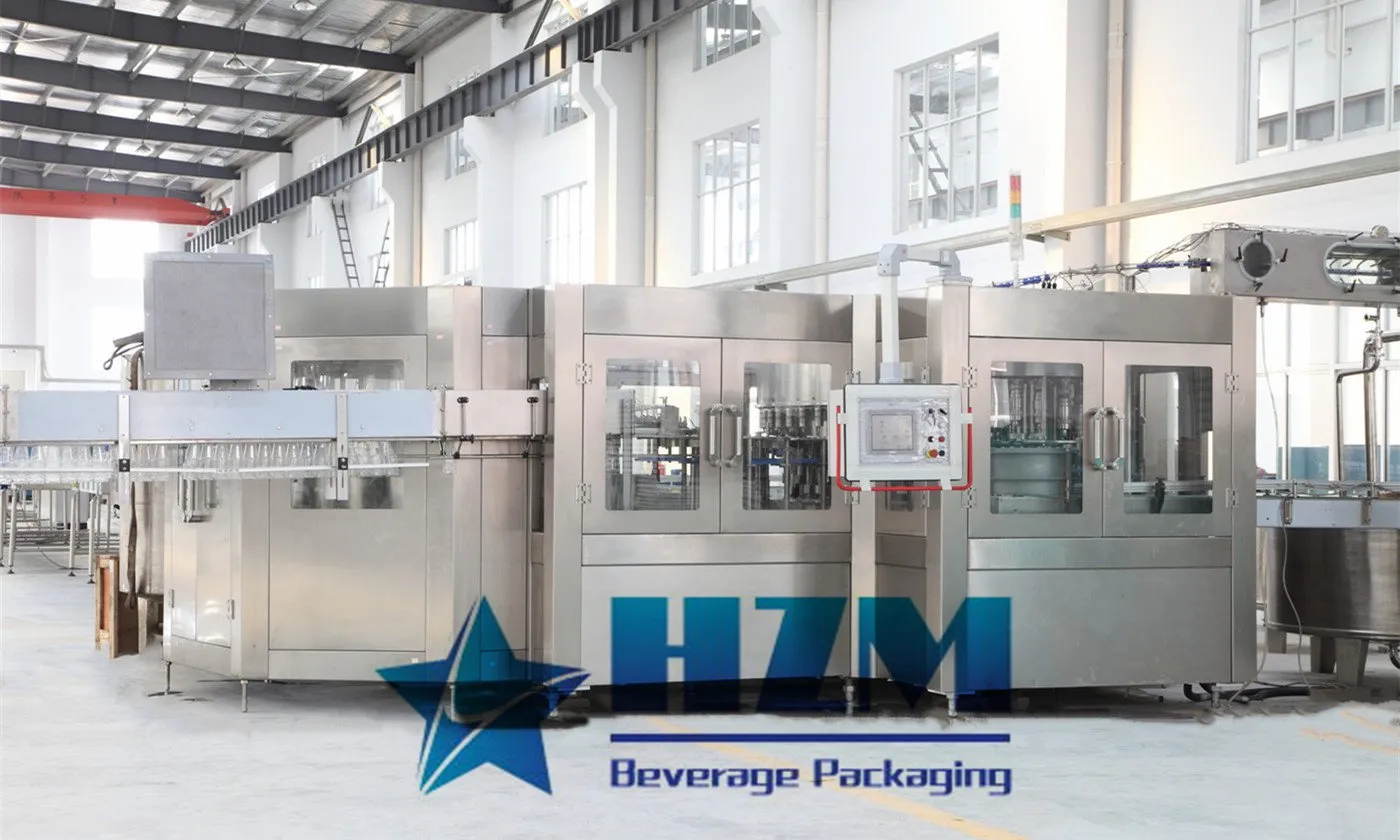
2025-03-03
Low-cost PET bottle filling machine
Compare PET filling-machine costs, production capacity, labour, utilities and changeovers to choose equipment that meets your budget and bottle requirements.
Learn more
2023-06-09
Aseptic Beverage Filling Project Guide: CIP and SIP Circuit Planning
Practical HZM guidance on aseptic beverage filling project, focused on cip and sip circuit planning, line integration, RFQ data and measurable acceptance checks.
Learn more2023-09-14
Carbonated Beverage manufacturing process flow
The manufacturing process for carbonated beverages involves several key steps to create the characteristic fizz and flavor while ensuring product safety and quality.
Learn more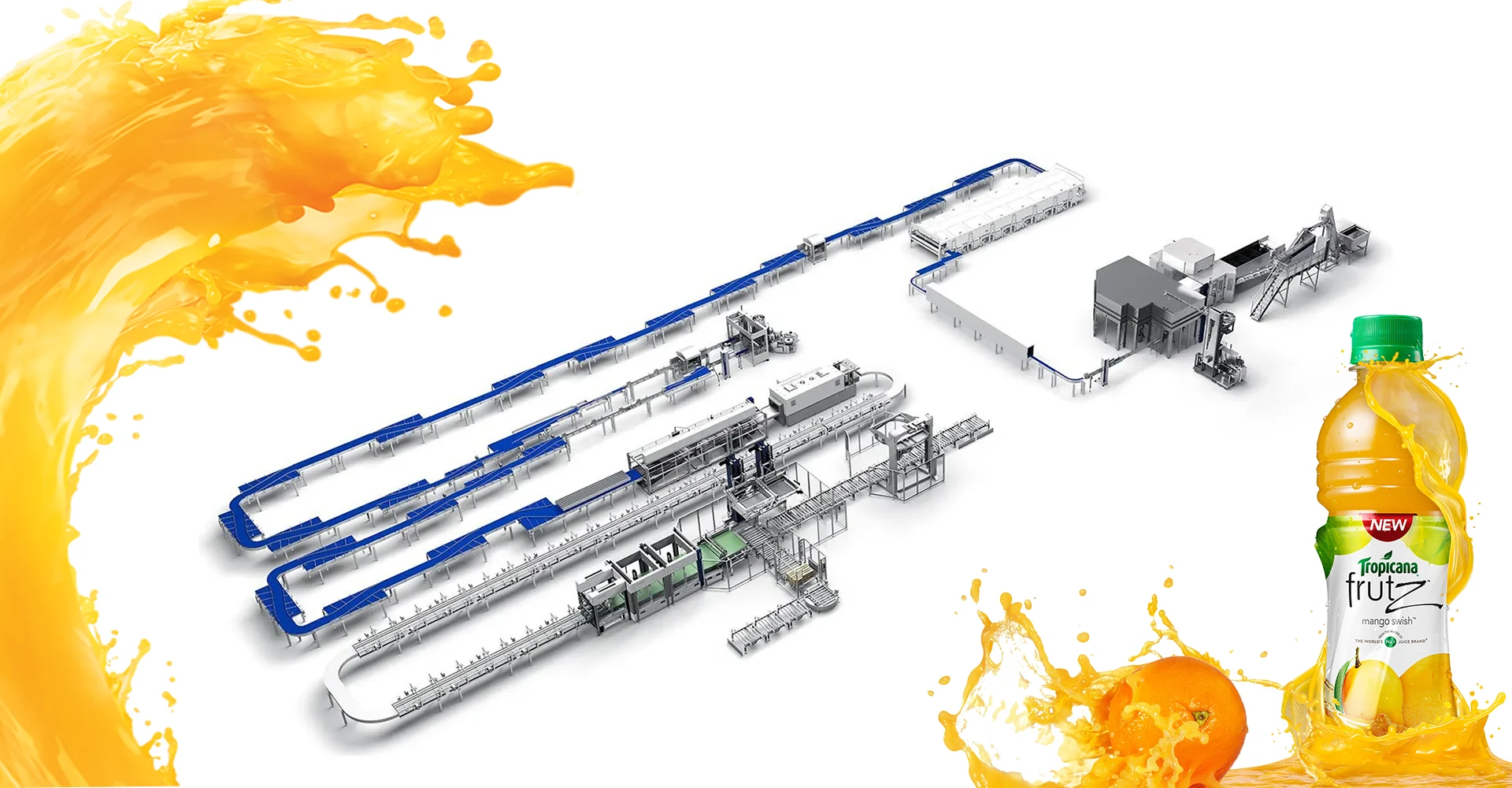
2023-06-09
Aseptic Beverage Filling Project Guide: Low-Acid Beverage Project Questions
Practical HZM guidance on aseptic beverage filling project, focused on low-acid beverage project questions, line integration, RFQ data and measurable acceptance checks.
Learn more2026-07-31
CIP Verification for Beverage Plants: Flow, Temperature, Time and Concentration
Go beyond running a cleaning recipe: verify CIP flow, turbulence, temperature, chemical concentration, time, return condition and hygienic coverage.
Learn more2024-02-06
The process flow of mineral water production line
The production process of the mineral water production line includes mineral water treatment equipment, mineral water bottle blowing machine, fully automatic mineral water filling machine ...
Learn more