
Insights & Updates
Pallet Loads Lean or Collapse: Palletizer Troubleshooting
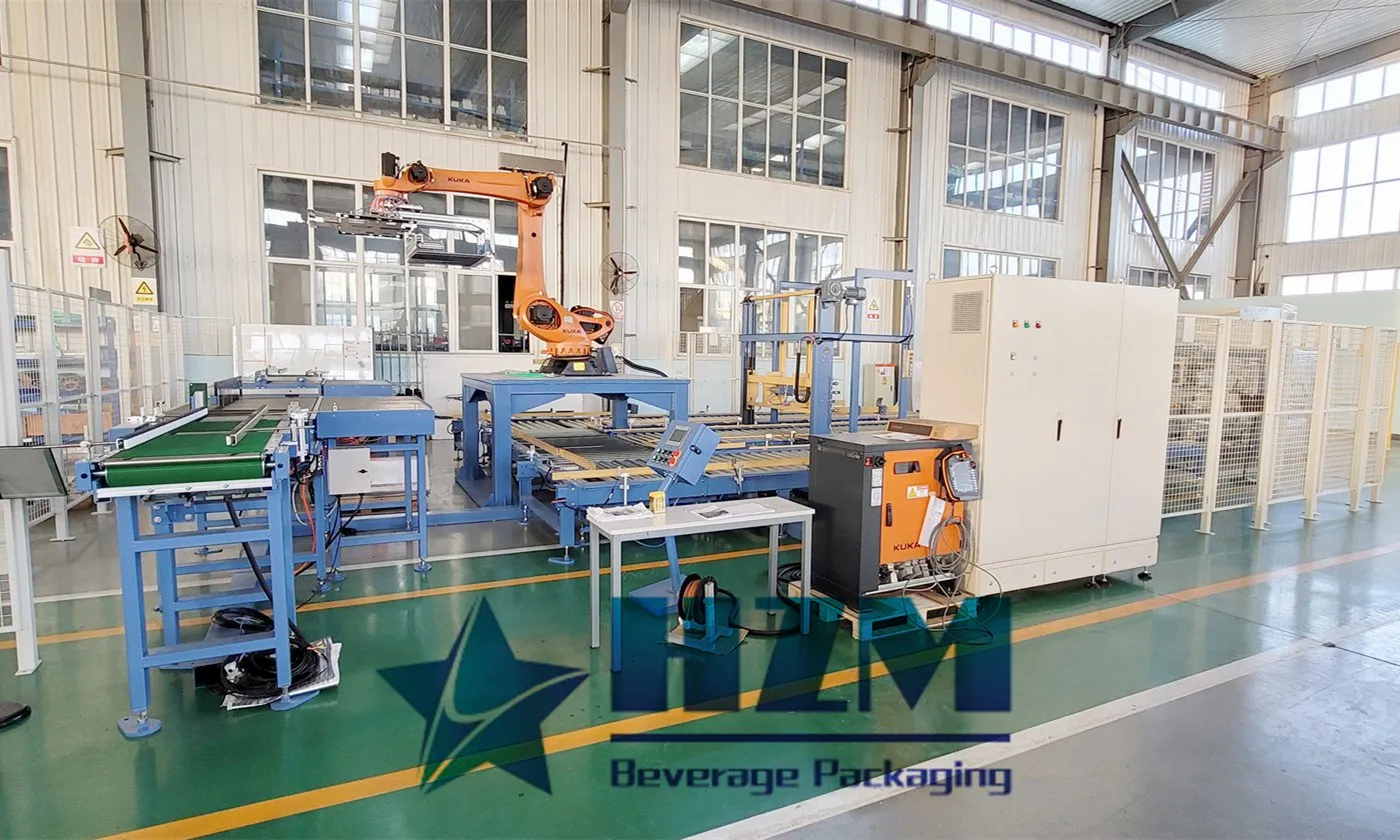
When unstable, leaning or collapsed pallet loads appears, changing the nearest setpoint is tempting but risky. A durable repair starts by retaining samples, capturing the first alarm and separating a local head or lane problem from a line-wide process problem.
Secondary-packaging defects often begin upstream with unstable container pitch or an incomplete group. Film, carton, heat, timing and compression then amplify the original variation. For this fault, the first distinction is between damaged or inconsistent pallet and layer pattern or placement error. The procedure below moves from non-invasive checks to controlled repair and restart.
Quick answer: Check the load from the bottom up: pallet condition, pack strength, layer pattern, centering, interlayer placement, compression, robot or pusher position and stretch wrapping. A perfect top layer cannot correct a weak base.
What operators usually see
The failure pattern narrows the search more quickly than replacing parts. Mark samples and record which of these conditions are present: For this case, preserve evidence that shows whether the stack leans progressively by layer.
- The stack leans progressively by layer
- Cases overhang one side of the pallet
- Layers shift during transfer or wrapping
- Only one SKU or pattern collapses
Make the equipment safe and protect the product
Use lockout/tagout before clearing a jam or entering the guarded packaging or palletizing cell. Allow heaters and sealing bars to cool, and secure suspended or robot-handled loads.
Record pack pattern, infeed pitch, film or carton batch, sealing temperature, tunnel-zone readings, air pressure, servo position and the station where the first abnormal condition appears. Explicitly record whether the stack leans progressively by layer.
Most likely causes, in practical checking order
1. Damaged or inconsistent pallet
Broken boards and dimensional variation change the support plane To test this explanation without guessing, stop access to the unstable load and document the first shifted layer Record the result before moving to the next cause.
2. Layer pattern or placement error
Insufficient interlock, wrong orientation or accumulated position bias reduces stability A practical confirmation step is to inspect pallet flatness, dimensions and damage. Compare the finding with a known-good run.
3. Package strength insufficient
Loose shrink packs or weak cartons deform under upper layers Do not compensate for this condition in the recipe. First, compare actual layer coordinates and pattern with the controlled recipe Keep the original setting and measured result in the fault record.
4. Wrapper or transfer disturbance
Excess film force, abrupt acceleration or poor centering shifts the load Separate this cause from the others with one controlled check: measure package dimensions and compression condition before palletizing Use the same product, format and speed for the comparison.
Step-by-step diagnostic procedure
The aim is to eliminate whole groups of causes with each check. Record actual values rather than “normal” or “looks good.”
- Stop access to the unstable load and document the first shifted layer
- Inspect pallet flatness, dimensions and damage
- Compare actual layer coordinates and pattern with the controlled recipe
- Measure package dimensions and compression condition before palletizing
- Check robot tool, pusher or layer-transfer position repeatability
- Observe wrapper turntable, film force and conveyor transfer under approved safe conditions
Corrective actions that address the root cause
A reset is not a repair. Complete the mechanical, process or controls work indicated by the evidence and document the as-left state.
- Reject damaged pallets and correct pallet-feed centering
- Restore layer recipe, reference frame and placement accuracy
- Correct upstream package strength and group dimensions
- Tune approved transfer motion and wrapping force for load stability
How to verify the repair before full-speed production
Restart at reduced speed with normal production materials, then increase output in steps. The first acceptance check is: Confirm that unstable, leaning or collapsed pallet loads is absent for multiple consecutive cycles, not only for one sample. Review the alarm history and keep diagnostic product segregated until the site’s quality procedure releases it.
- Confirm that unstable, leaning or collapsed pallet loads is absent for multiple consecutive cycles, not only for one sample.
- Compare the repaired result for “The stack leans progressively by layer” with the approved quality limit and the last known-good baseline.
- Check adjacent stations and downstream package quality for side effects associated with damaged or inconsistent pallet.
- For “Pallet Loads Lean or Collapse: Palletizer Troubleshooting”, record the final settings, measurements, parts used and restart authorization.
Prevent the problem from returning
The most effective preventive action is an observable limit with a named response, not a general instruction to “check regularly.”
- Incoming-inspect pallets
- Verify the first complete pallet after changeover
- Trend robot placement and tool condition
- Test package compression
- Qualify stretch-wrap settings by SKU and transport route
When to stop troubleshooting and call a specialist
Stop and contact the machine or component supplier when unstable, leaning or collapsed pallet loads cannot be isolated with non-invasive checks, when it returns after an approved repair, or when calibration requires protected service tools. Specialist support is also required when the same protective fault returns after an approved repair or structural damage is suspected. Send the service engineer the fault history, photos, samples, trend data, recipe revision and work already completed.
Relevant equipment for this application
For a project-level comparison related to unstable, leaning or collapsed pallet loads, see HZM Machinery’s Automatic Robot Palletizing System. Use actual product, container and utility data when evaluating whether the configuration fits the duty.
Frequently asked questions
What should be checked first when unstable, leaning or collapsed pallet loads?
Check the load from the bottom up: pallet condition, pack strength, layer pattern, centering, interlayer placement, compression, robot or pusher position and stretch wrapping. A perfect top layer cannot correct a weak base. Preserve the original settings and take representative samples before repair work begins.
How can we distinguish damaged or inconsistent pallet from layer pattern or placement error?
Broken boards and dimensional variation change the support plane In contrast, insufficient interlock, wrong orientation or accumulated position bias reduces stability Compare the two mechanisms under the same operating condition by completing these checks: stop access to the unstable load and document the first shifted layer Then inspect pallet flatness, dimensions and damage
Can production continue while unstable, leaning or collapsed pallet loads?
Only when the plant’s documented risk assessment and quality procedure allow it. For unstable, leaning or collapsed pallet loads, stop and segregate production when package integrity, sanitation, validated processing, pressure safety, electrical protection or an uncontrolled reject trend is involved.
What evidence will help the equipment supplier respond faster?
Provide the model and serial number, product and format, target speed, first fault, timestamps, photos or video, affected station pattern and maintenance history. For this issue, also include the stack leans progressively by layer and the measured result from this check: observe wrapper turntable, film force and conveyor transfer under approved safe conditions
Talk to our engineering team
Need help planning your packaging line?
Share your product, bottle and capacity requirements for a practical equipment recommendation.
Equipment
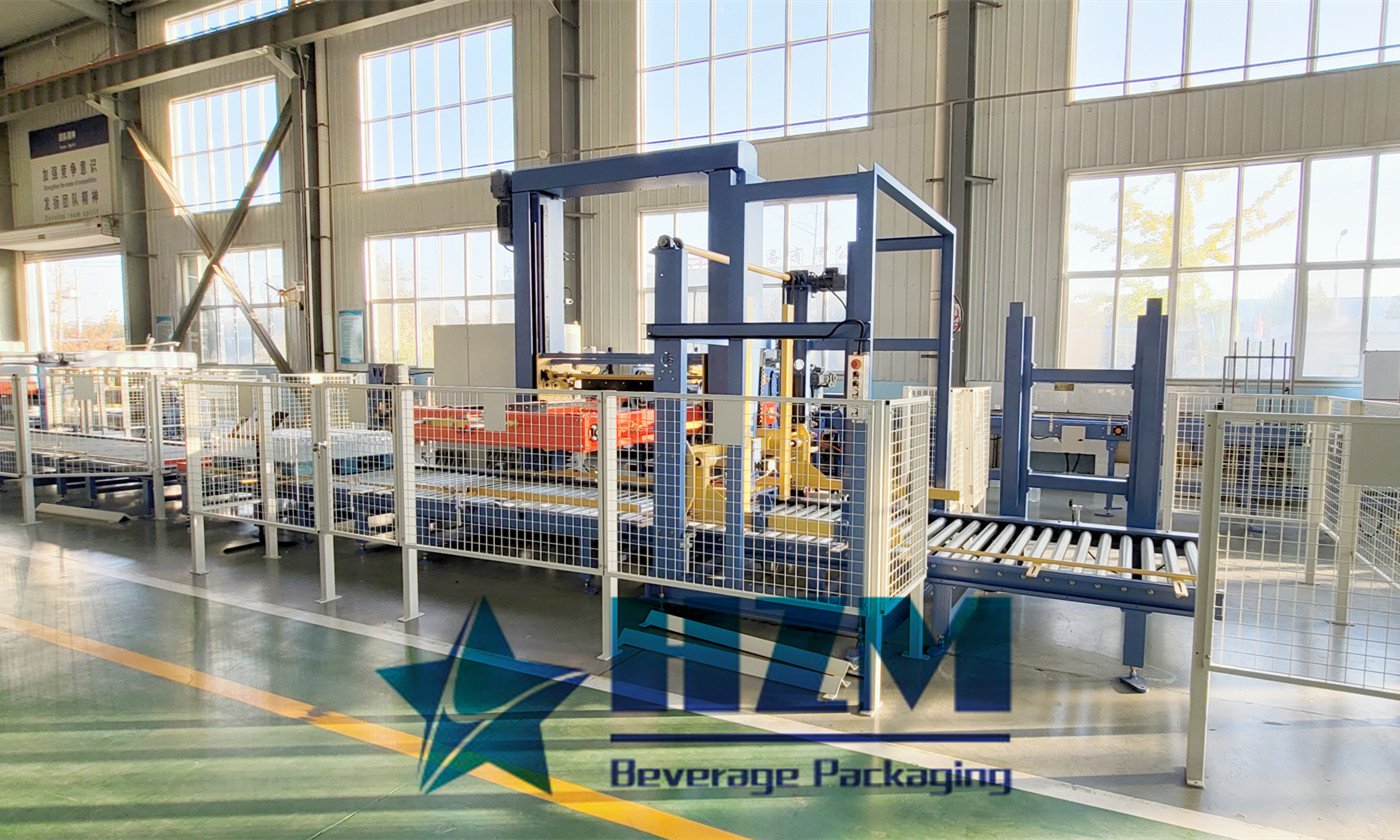
Automatic Palletizing Machine
The automatic palletizing machine stacks cartons and film-wrapped packs onto pallets at the end of the production line.
Learn more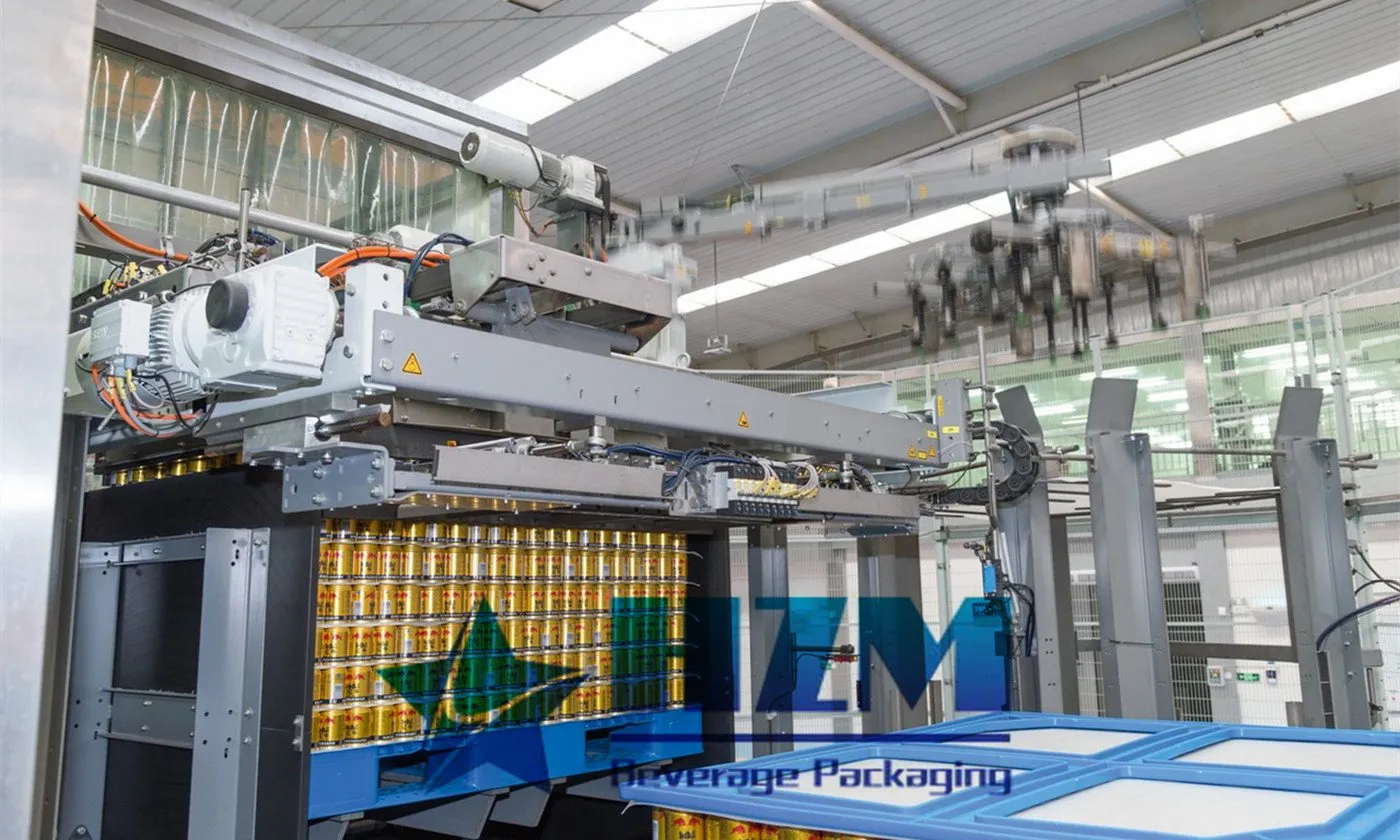
Equipment
Automatic De-palletizer
The automatic de-palletizer unloads empty containers from pallets one layer at a time and transfers them onto a conveyor.
Learn moreEquipment
Automatic Robot Palletizing System
The robot palletizing system transfers finished cartons, crates, bags or shrink-wrapped packs onto pallets.
Learn more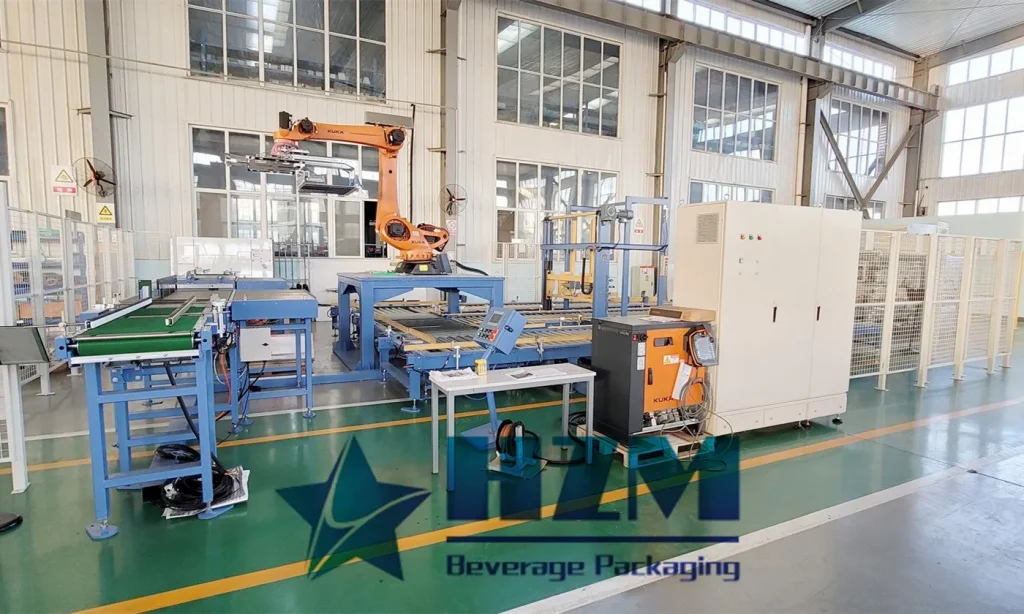
2023-10-08
What are the Common Troubleshooting Methods for Automatic Palletizing Machines?
Automatic palletizing machines offer advantages in organized and fast stacking, and are widely used in various industries. After long-term use, it's inevitable that automatic palletizing machines may encounter some issues. To help customers identify common problems, what are the troubleshooting methods for common issues with automatic palletizing machines?
Learn more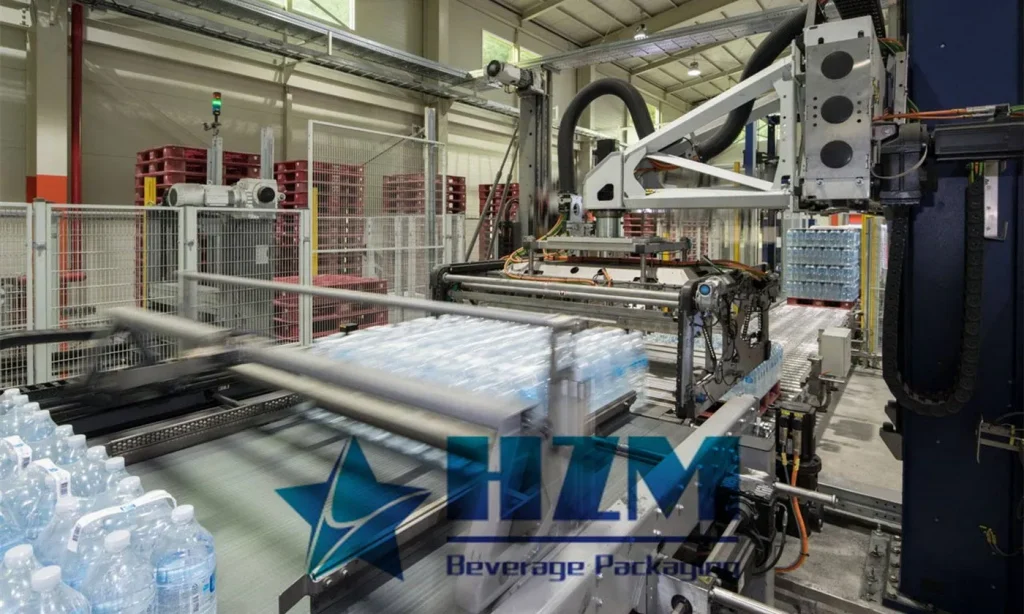
2023-07-25
Buying Guide for Automatic Palletizing Machine: Price and Considerations
The price of automatic palletizing machines varies due to multiple factors, including functionality, workload capacity, stacking height, production capacity, and brand, among others.
Learn more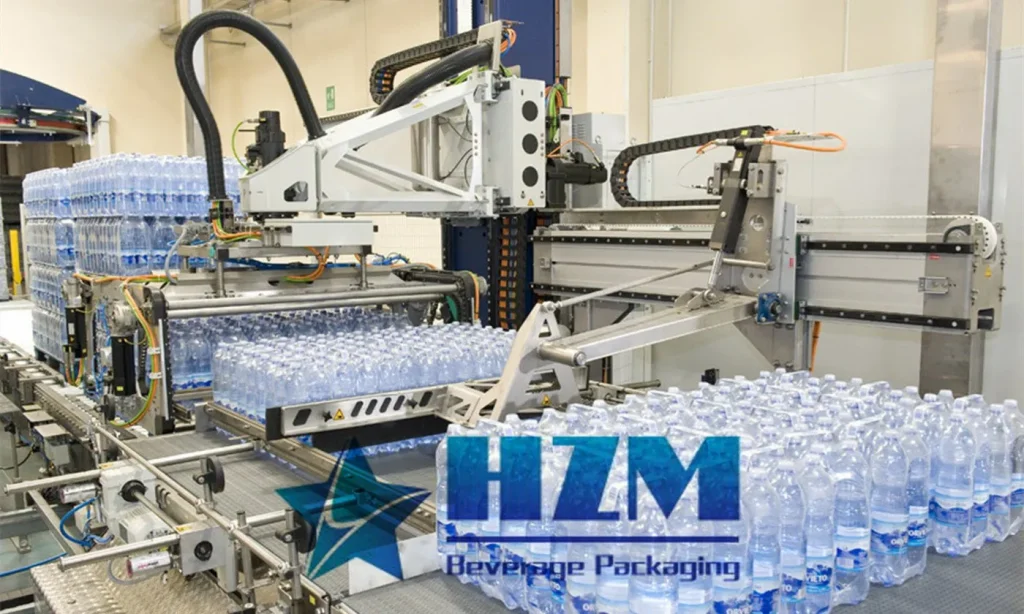
2023-11-07
What is Automatic Palletizing Machine
An Automatic Palletizing Machine is an industrial automation device used to automatically stack goods or products onto pallets in a production line or warehouse environment.
Learn more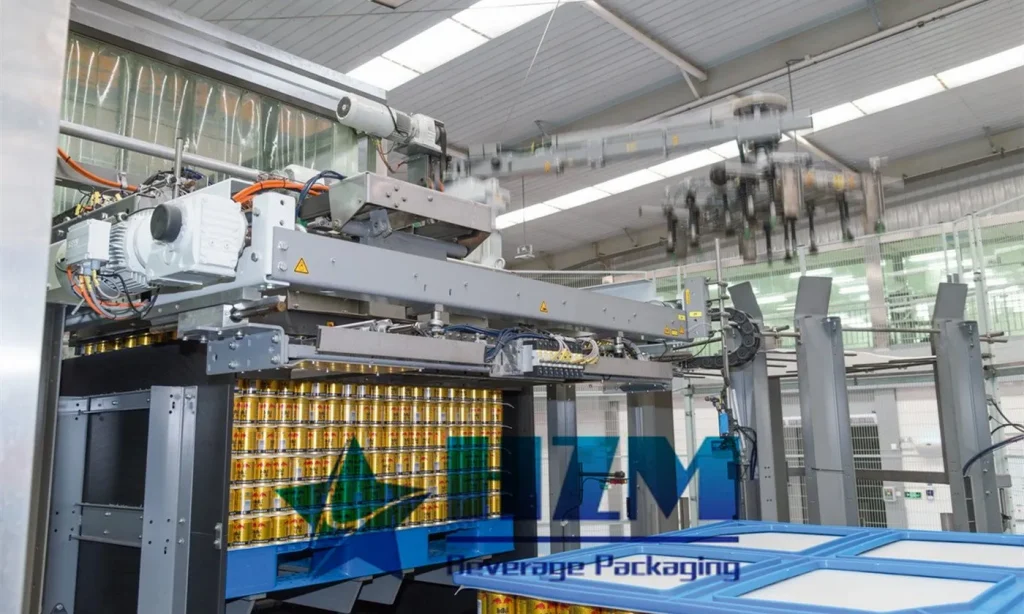
2023-11-02
The Application of Automatic Palletizing Machines in Beverage Production Lines
Automatic Palletizing Machines play a significant role in beverage production lines, bringing efficiency, labor cost savings, and improved product quality to the beverage manufacturing industry.
Learn more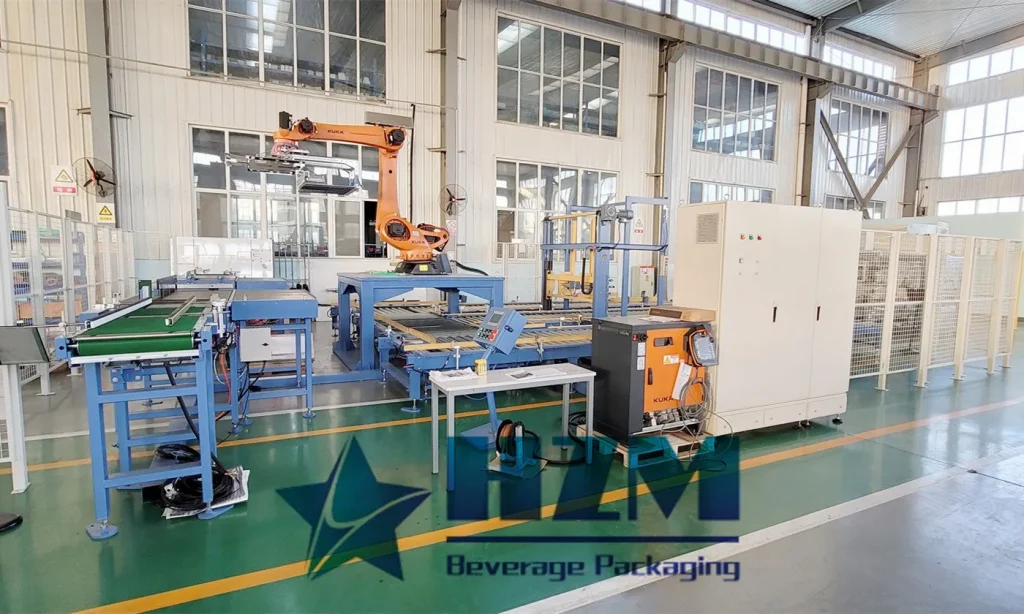
2023-08-06
Palletizing Robot: An Introduction and Principles
Palletizing robots are mechanical devices used for automatic execution of tasks. During operation, they can accept human commands and accurately run pre-programmed sequences.
Learn more2023-08-04
HZM-Professional Automatic Palletizing Machine Manufacturer
HZM is a specialized company engaged in the manufacturing and research and development of automatic palletizing machines. The company boasts a strong technical team, comprising professionals in the field of automated equipment manufacturing.
Learn more