
Insights & Updates
Buying Guide for Automatic Palletizing Machine: Price and Considerations
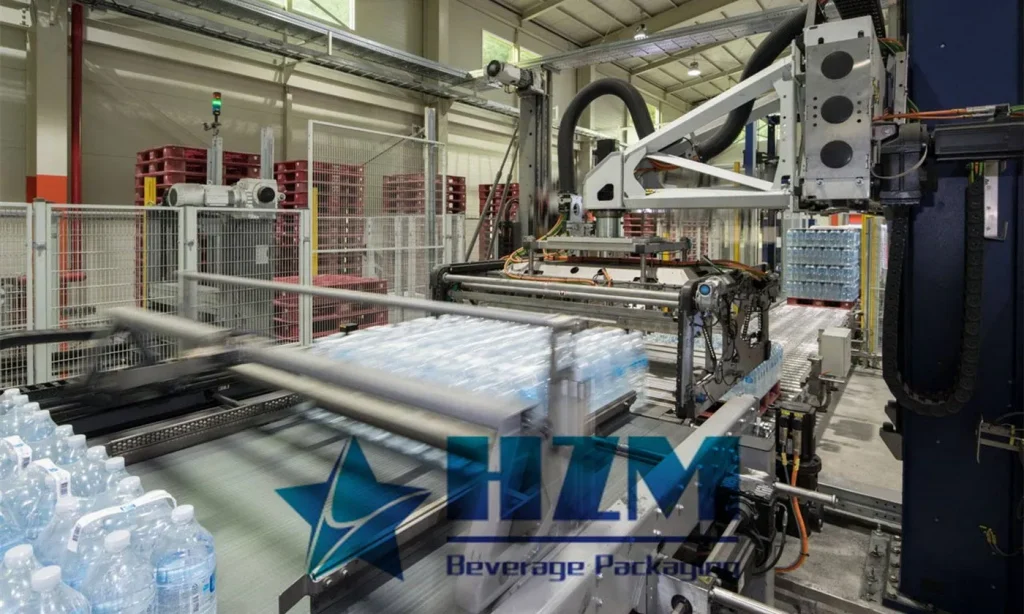
As a representative of modern logistics automation equipment, the automatic palletizing machine plays a crucial role in increasing production efficiency and reducing costs. For businesses, purchasing a suitable automatic palletizing machine is a significant decision, so it is essential to thoroughly understand the price factors and key considerations before making a purchase. This article will focus on the price range of automatic palletizing machines and the critical factors to consider when buying, helping businesses make informed purchasing decisions.
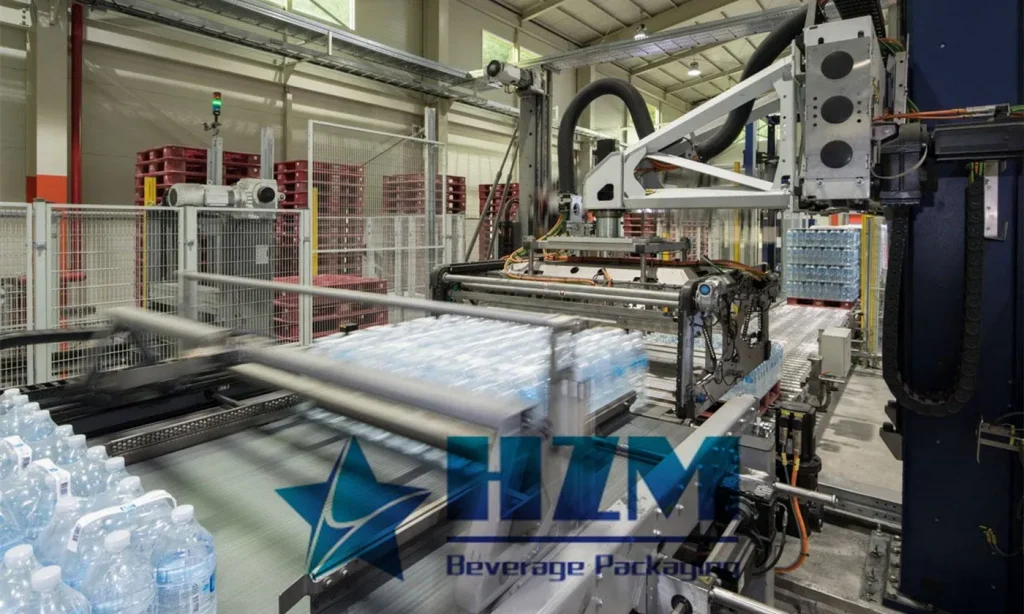
Price Range of Automatic Palletizing Machines
The price of automatic palletizing machines varies due to multiple factors, including functionality, workload capacity, stacking height, production capacity, and brand, among others. Generally, the price of standard models of automatic palletizing machines ranges from tens of thousands to hundreds of thousands of dollars. Highly customized or high-performance models may have higher prices.
- Functionality: Automatic palletizing machines typically come with different features, such as simple stacking, depalletizing, packaging, and sorting, among others. The more functionalities a machine has, the higher its price.
- Workload Capacity: Workload capacity refers to the number of goods that the machine can handle per hour. Palletizing machines with higher workload capacities often come with higher price tags.
- Stacking Height: Stacking height refers to the maximum height to which the machine can stack goods. Machines with higher stacking heights might have correspondingly higher prices.
- Production Capacity: Production capacity denotes the machine’s ability to complete palletizing tasks within a specific timeframe. Palletizing machines with higher production capacities tend to be priced higher.
- Brand: Well-known brands of automatic palletizing machines generally command higher prices, but some high-quality brands offer better value for money.
Key Considerations when Purchasing an Automatic Palletizing Machine
- Production Needs Analysis: Before purchasing an automatic palletizing machine, businesses need to conduct a thorough analysis of their production needs. Understanding stacking height requirements, stacking types, goods dimensions, and workload capacity is essential to ensure the selection of an appropriate model.
- Feasibility Study: Purchasing an automatic palletizing machine is a significant investment, so businesses should conduct a feasibility study to evaluate its impact on production efficiency and costs, ensuring the investment’s reasonability.
- Quality and After-Sales Service: Selecting a reliable supplier and brand ensures that the purchased automatic palletizing machine has high quality and stability. Also, understanding the supplier’s after-sales service and technical support capabilities is crucial.
- Integration with Production Line: The automatic palletizing machine needs to seamlessly integrate with existing production lines or logistics systems. Prior to purchase, effective communication with the supplier is necessary to ensure compatibility with existing equipment.
- Training and Installation: After purchasing the automatic palletizing machine, businesses need to arrange training for employees to understand machine operation and maintenance. Additionally, ensuring that the supplier provides professional installation and commissioning services is important.
Conclusion:
The automatic palletizing machine is a significant tool for increasing production line efficiency and reducing costs. Businesses should have a comprehensive understanding of the price range of automatic palletizing machines and consider key factors such as production needs analysis, feasibility study, quality and after-sales service, integration with production lines, and training and installation. By carefully considering these factors, businesses can make informed decisions and choose an automatic palletizing machine that suits their production lines, contributing to their development and competitiveness.
Talk to our engineering team
Need help planning your packaging line?
Share your product, bottle and capacity requirements for a practical equipment recommendation.
Equipment
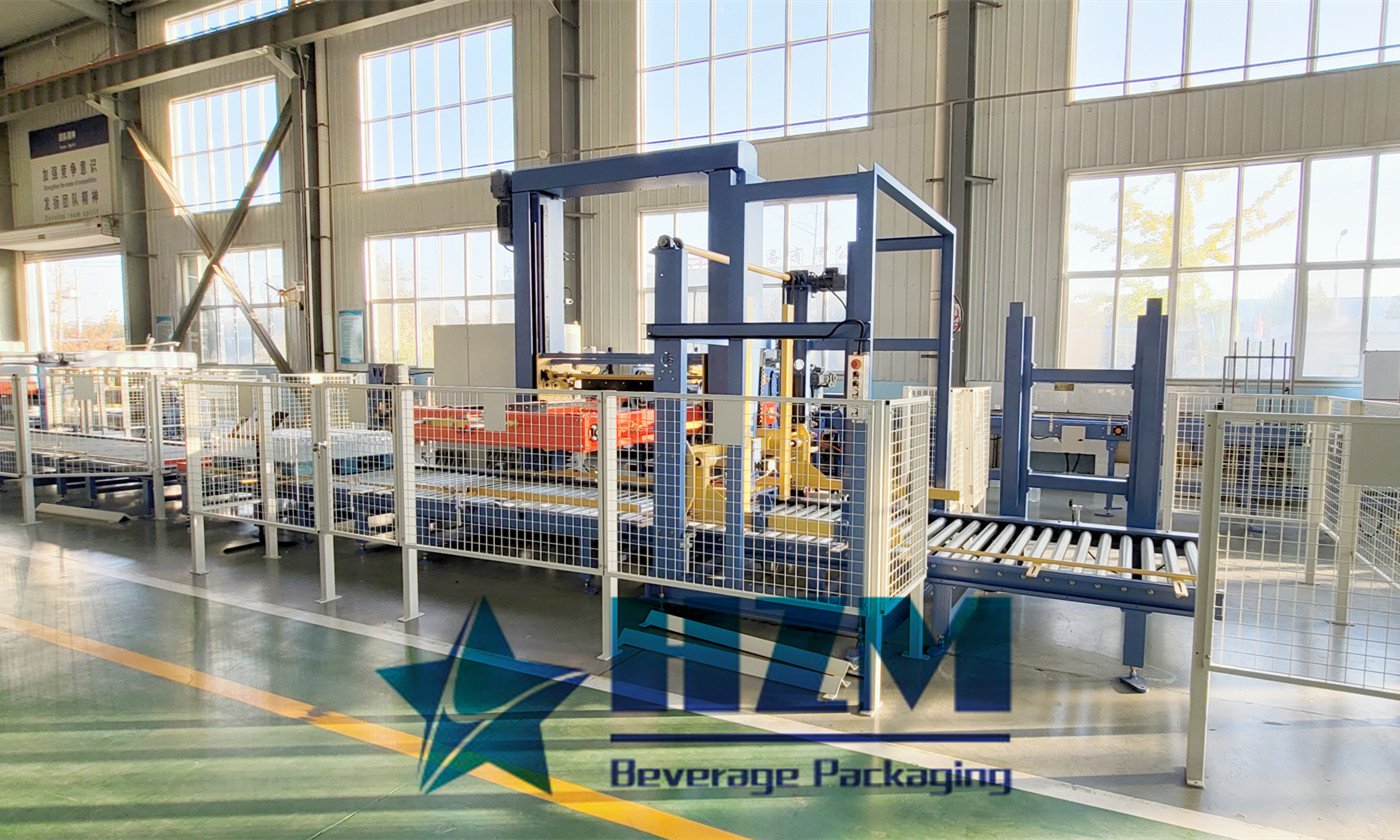
Automatic Palletizing Machine
The automatic palletizing machine stacks cartons and film-wrapped packs onto pallets at the end of the production line.
Learn more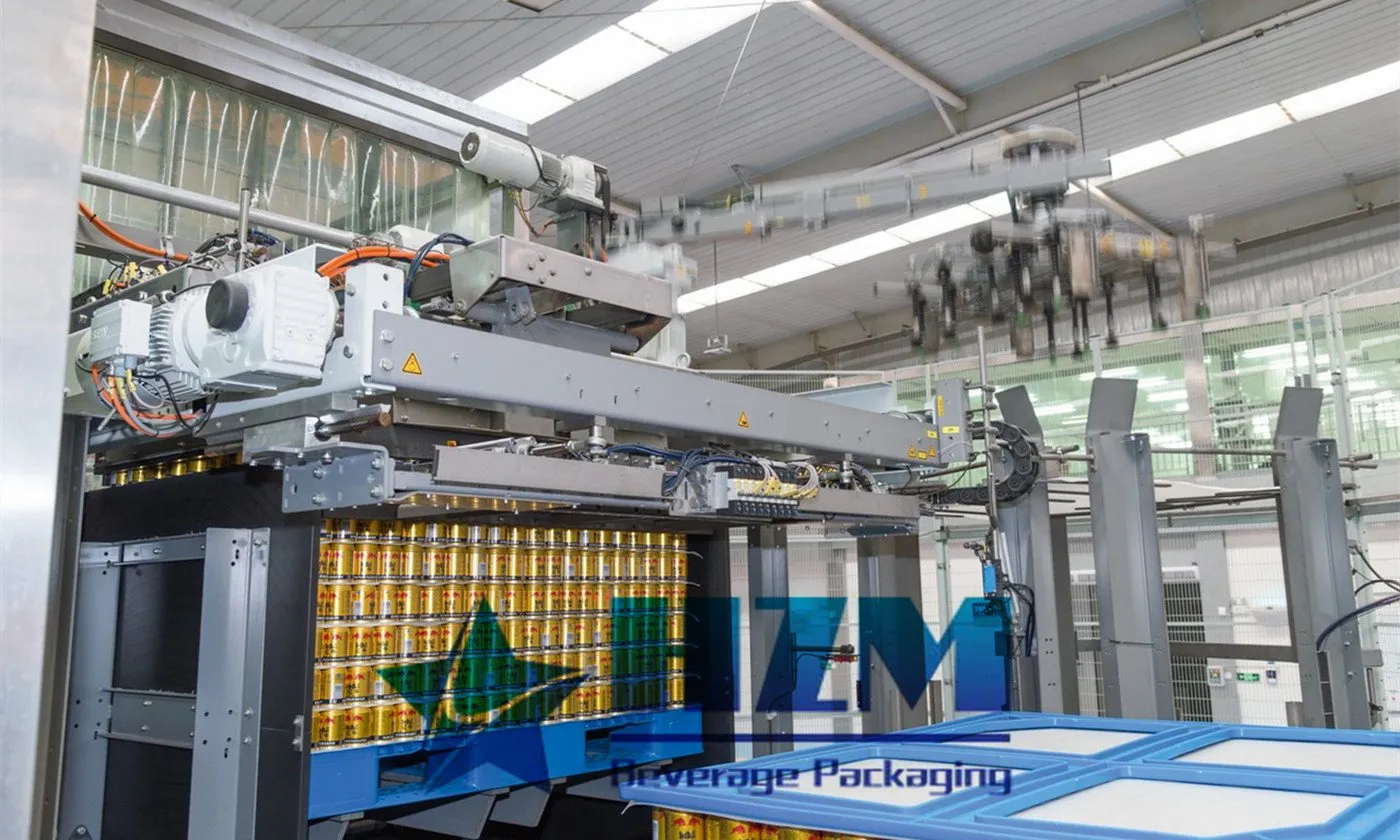
Equipment
Automatic De-palletizer
The automatic de-palletizer unloads empty containers from pallets one layer at a time and transfers them onto a conveyor.
Learn more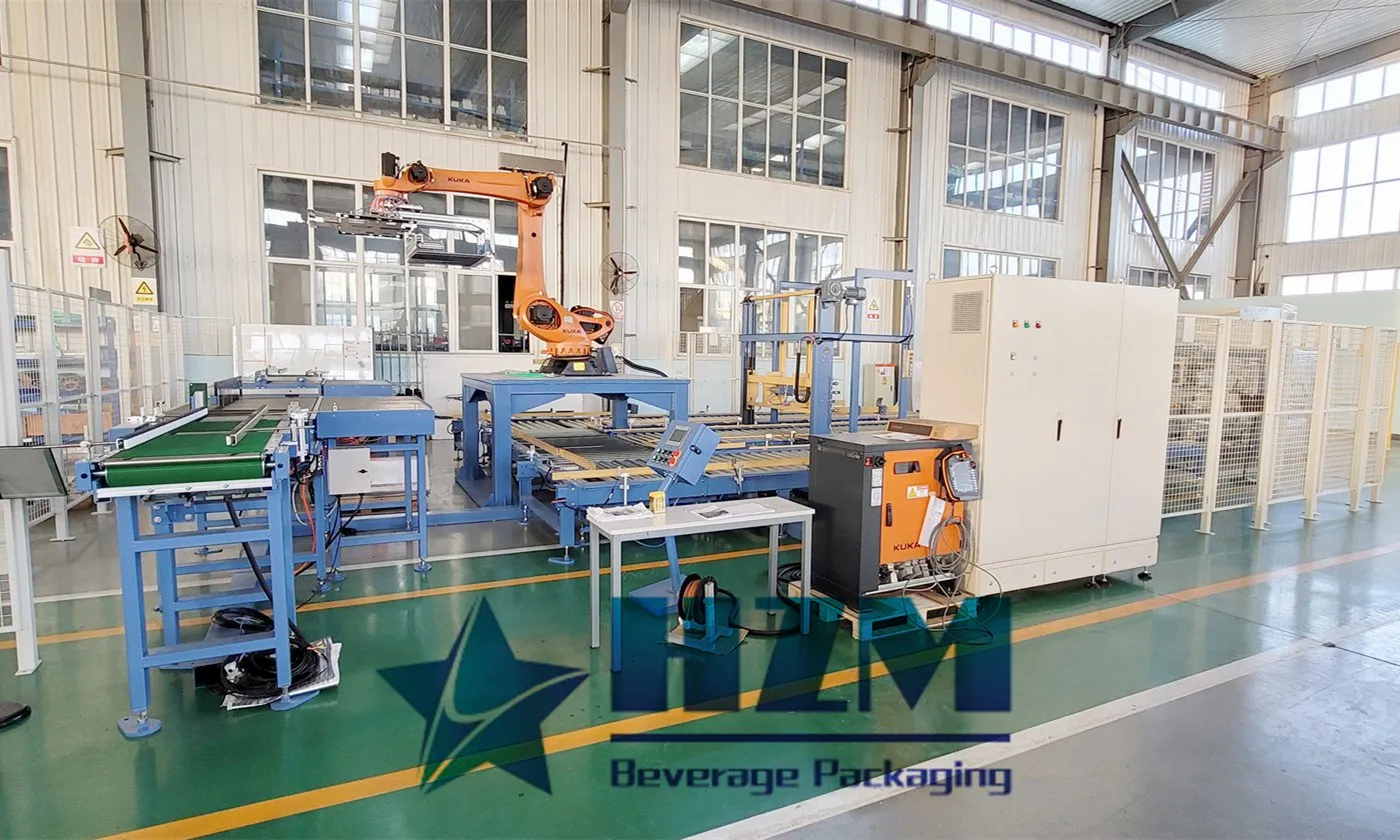
Equipment
Automatic Robot Palletizing System
The robot palletizing system transfers finished cartons, crates, bags or shrink-wrapped packs onto pallets.
Learn more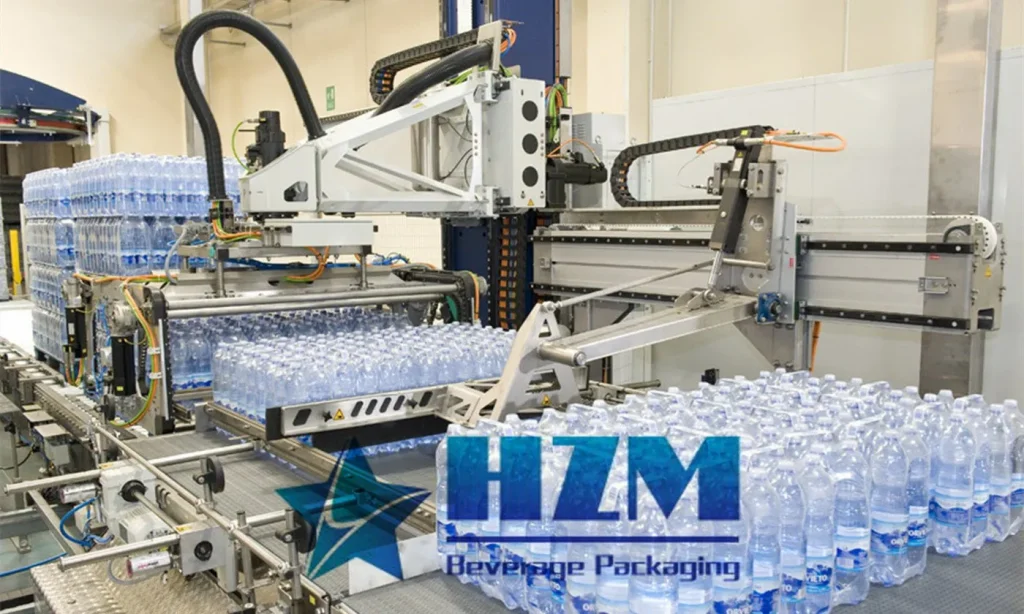
2023-11-07
What is Automatic Palletizing Machine
An Automatic Palletizing Machine is an industrial automation device used to automatically stack goods or products onto pallets in a production line or warehouse environment.
Learn more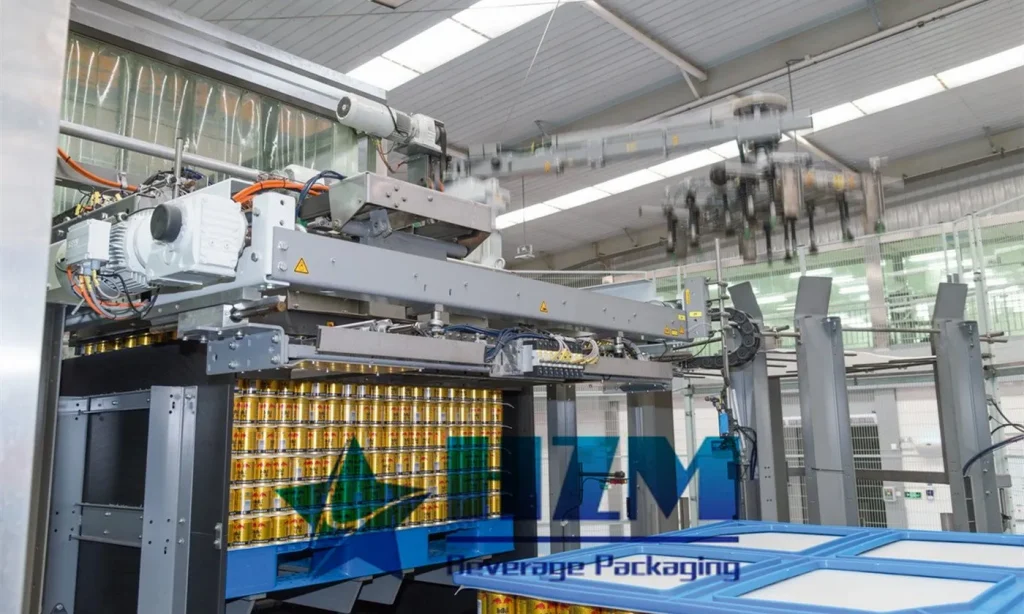
2023-11-02
The Application of Automatic Palletizing Machines in Beverage Production Lines
Automatic Palletizing Machines play a significant role in beverage production lines, bringing efficiency, labor cost savings, and improved product quality to the beverage manufacturing industry.
Learn more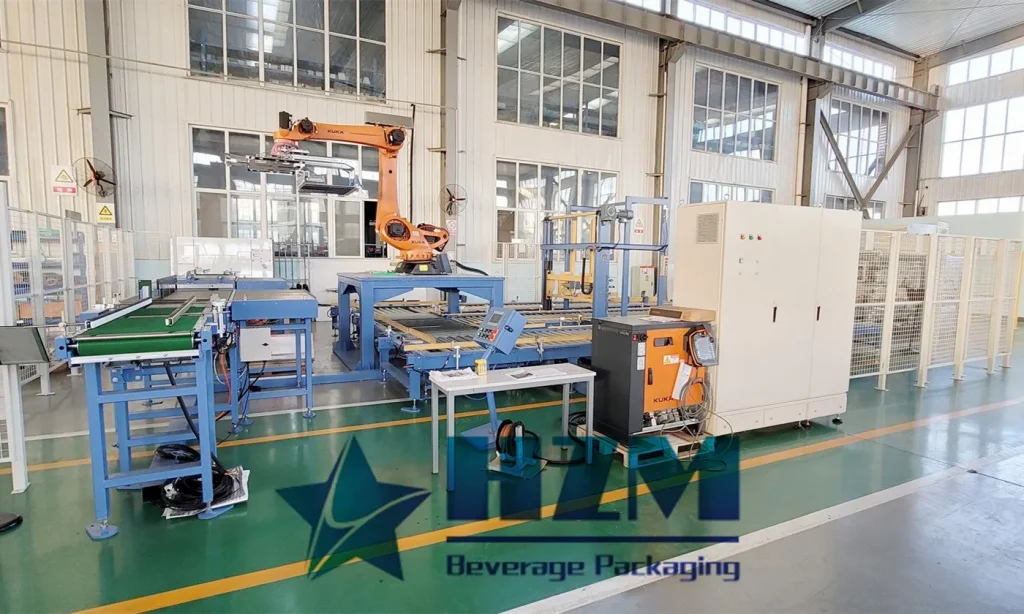
2023-10-08
What are the Common Troubleshooting Methods for Automatic Palletizing Machines?
Automatic palletizing machines offer advantages in organized and fast stacking, and are widely used in various industries. After long-term use, it's inevitable that automatic palletizing machines may encounter some issues. To help customers identify common problems, what are the troubleshooting methods for common issues with automatic palletizing machines?
Learn more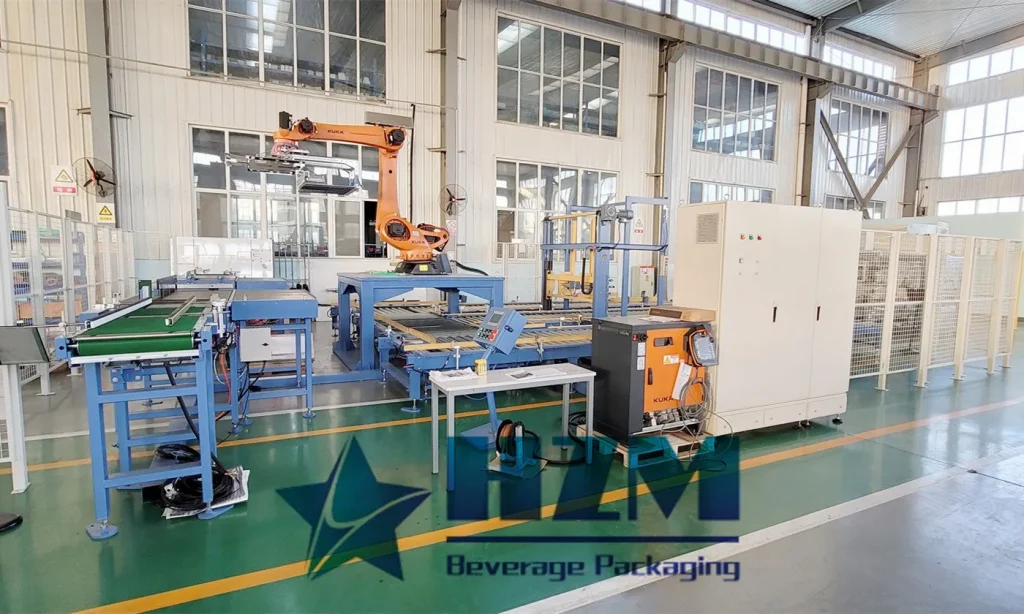
2023-08-06
Palletizing Robot: An Introduction and Principles
Palletizing robots are mechanical devices used for automatic execution of tasks. During operation, they can accept human commands and accurately run pre-programmed sequences.
Learn more2023-08-04
HZM-Professional Automatic Palletizing Machine Manufacturer
HZM is a specialized company engaged in the manufacturing and research and development of automatic palletizing machines. The company boasts a strong technical team, comprising professionals in the field of automated equipment manufacturing.
Learn more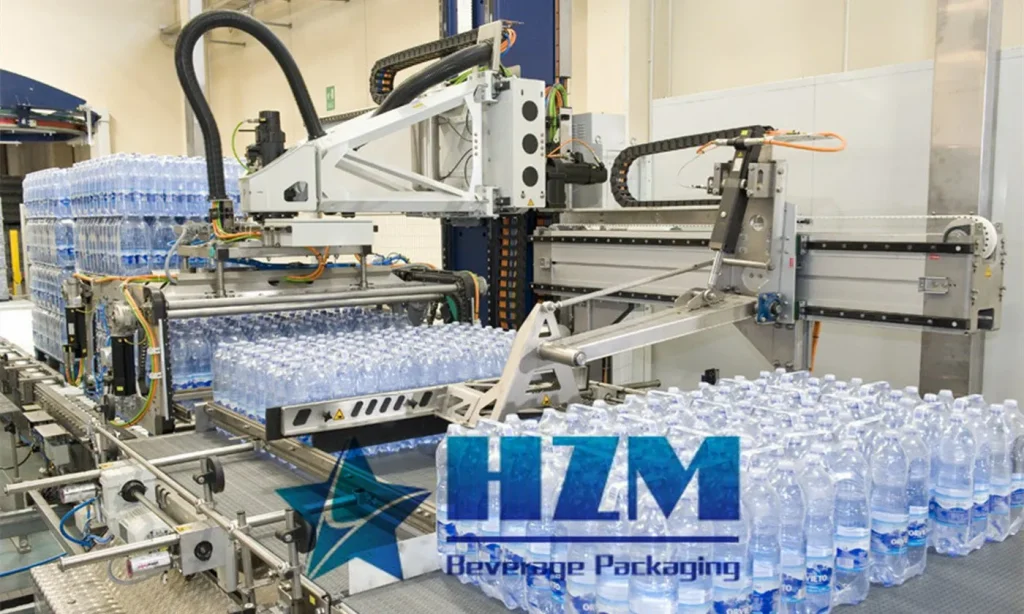
2023-08-07
Mineral Water Automatic Palletizing Machine
The Mineral Water Automatic Palletizing Machine can be applied not only in the production of mineral water and beverages but also in various industries such as automotive, logistics, home appliances, pharmaceuticals, and food and beverages. It can be used for palletizing products in different packaging forms, such as bags, powders, boxes, and barrels.
Learn more