
Insights & Updates
Automatic Palletizing Machine: A Powerful Tool for High-Speed Water Production Line Palletizing and Storage
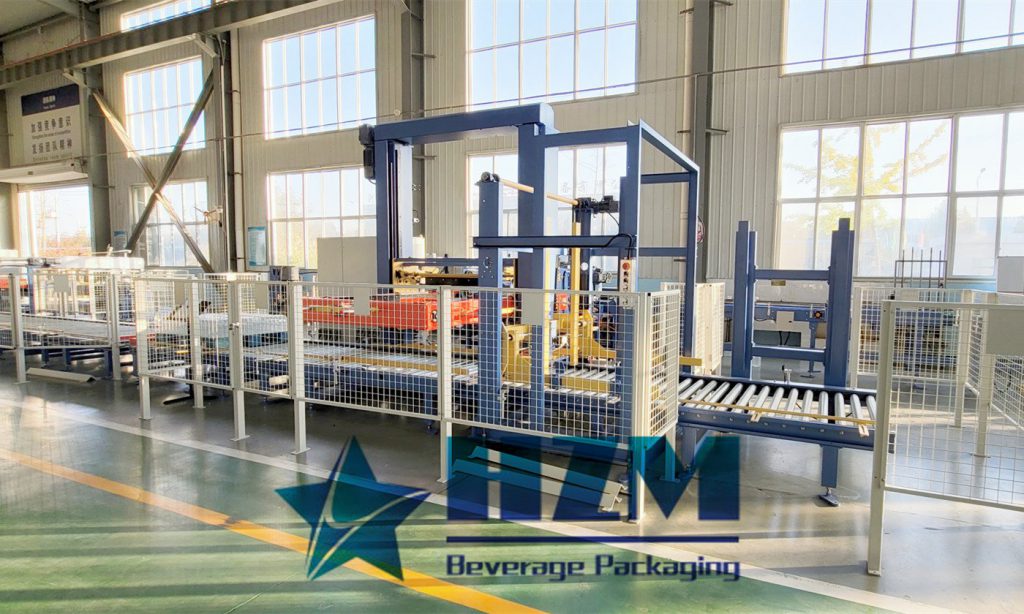
In modern industrial production, the application of automation technology has become an essential way to improve efficiency and reduce labor costs. Among them, the automatic palletizing machine, as a representative of intelligent logistics systems, is widely used in palletizing and storage processes in various high-speed water production lines. This article will introduce the principles and advantages of automatic palletizing machines, explore their applications in high-speed water production lines, and discuss their positive impact on production efficiency and quality.
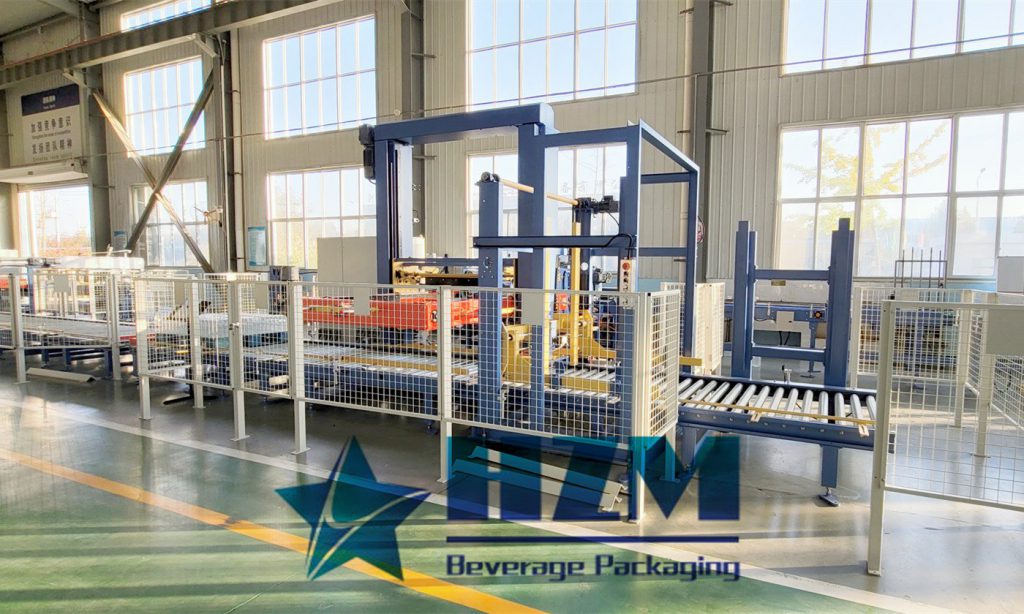
Principles and Components of Automatic Palletizing Machines
The automatic palletizing machine is an intelligent device capable of automating stacking and storage of goods. Its main components include:
- Conveyor system: Used to transport products from the production line to the palletizing machine’s working area. This step is a prerequisite for automated palletizing to ensure the continuous operation of the production line.
- Robotic arm: The core component of the palletizing machine, equipped with advanced machine vision systems and motion control technology, enabling precise gripping and positioning of the goods.
- Control system: Integrates advanced automation control technology to ensure accuracy, stability, and efficiency throughout the palletizing process.
- Pallet storage: Used to store finished palletized products, facilitating subsequent transportation and storage.
Advantages of Automatic Palletizing Machines
- Improved production efficiency: Compared to traditional manual palletizing, automatic palletizing machines can complete stacking tasks at a faster speed and higher precision, significantly improving production efficiency.
- Reduced labor costs: Automated palletizing machines reduce the need for manual labor, lowering labor costs and minimizing the risk of fatigue and errors associated with repetitive tasks.
- Product quality assurance: The automated palletizing process reduces human interference, ensuring that products are not damaged or deformed during stacking and storage.
- Flexibility and adaptability: Automatic palletizing machines can be flexibly adjusted and customized according to the needs of the production line, accommodating different sizes and types of products for palletizing.
Applications of Automatic Palletizing Machines in High-Speed Water Production Lines
In high-speed water production lines, palletizing and storage of products are critical stages. By introducing automatic palletizing machines, overall efficiency and competitiveness of the production line can be significantly enhanced.
- High-speed palletizing: Aquatic products often require high-speed stacking to meet market demands. Automatic palletizing machines can achieve fast and stable stacking, ensuring the continuous and stable operation of the production line.
- Space utilization: Palletizing machines can compactly stack products on pallets, maximizing storage space and reducing warehousing costs.
- Safety: High-speed water production lines often face complex working environments and special processes, where manual palletizing can lead to accidents and injuries. In contrast, automated palletizing machines offer a safer and more reliable operation.
Conclusion:
As a vital tool in modern high-speed water production, automatic palletizing machines provide businesses with more efficient, stable, and safe palletizing and storage solutions. Their superior performance and broad application prospects make them an ideal choice for intelligent upgrades in production lines. With the continuous advancement of technology, it is believed that automatic palletizing machines will play an increasingly important role in the future, contributing to the sustained and healthy development of the aquatic industry.
Talk to our engineering team
Need help planning your packaging line?
Share your product, bottle and capacity requirements for a practical equipment recommendation.
Equipment
Automatic Palletizing Machine
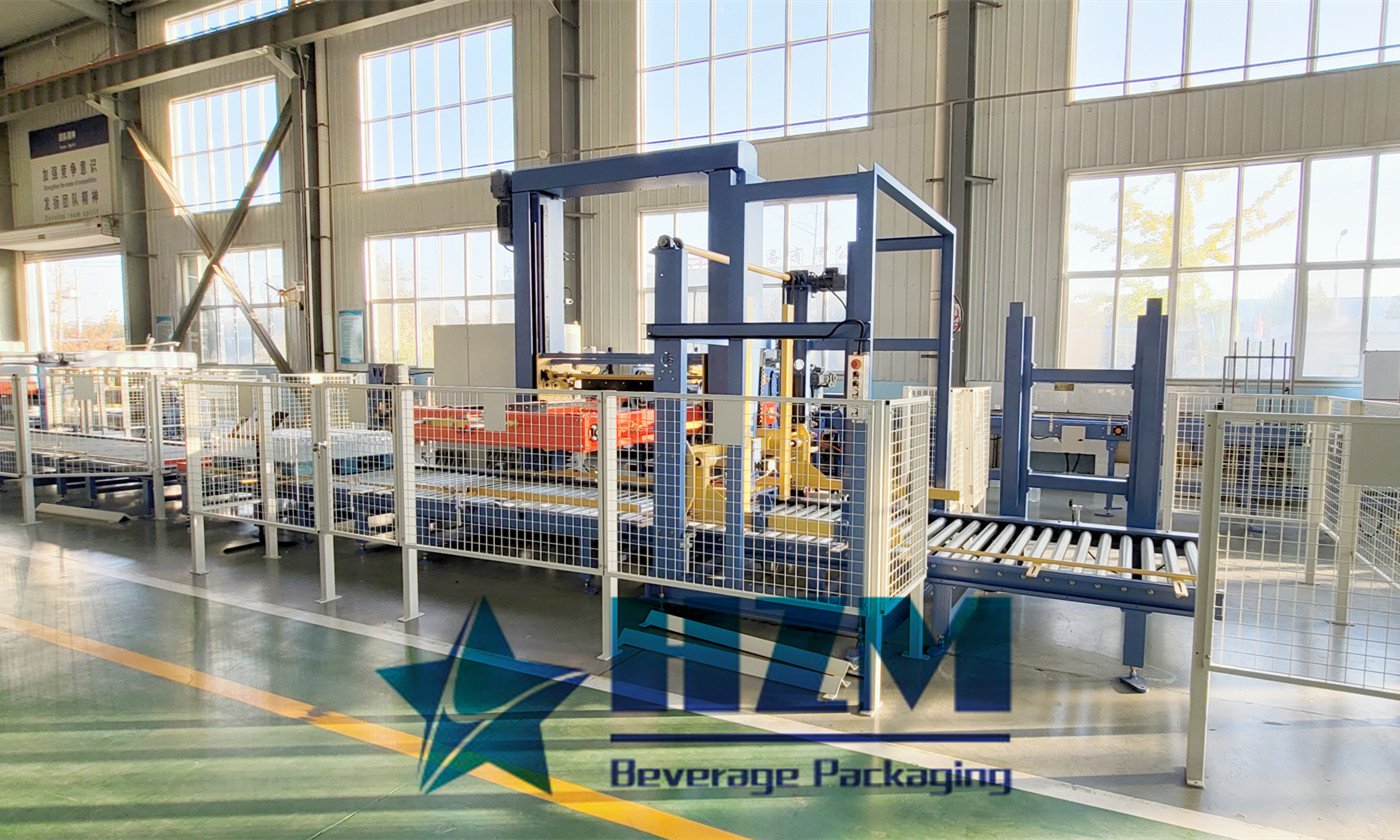
The automatic palletizing machine stacks cartons and film-wrapped packs onto pallets at the end of the production line.
Learn more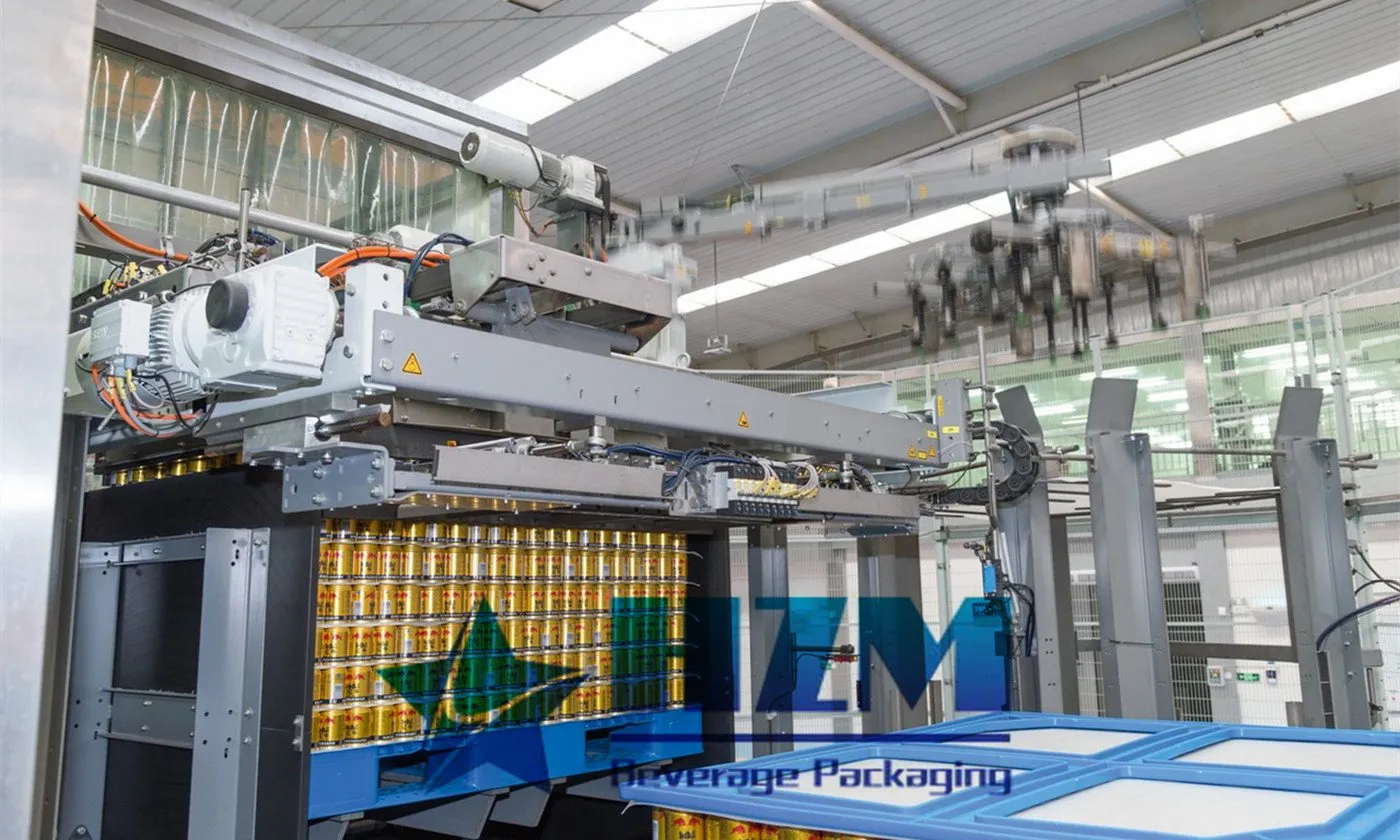
Equipment
Automatic De-palletizer
The automatic de-palletizer unloads empty containers from pallets one layer at a time and transfers them onto a conveyor.
Learn more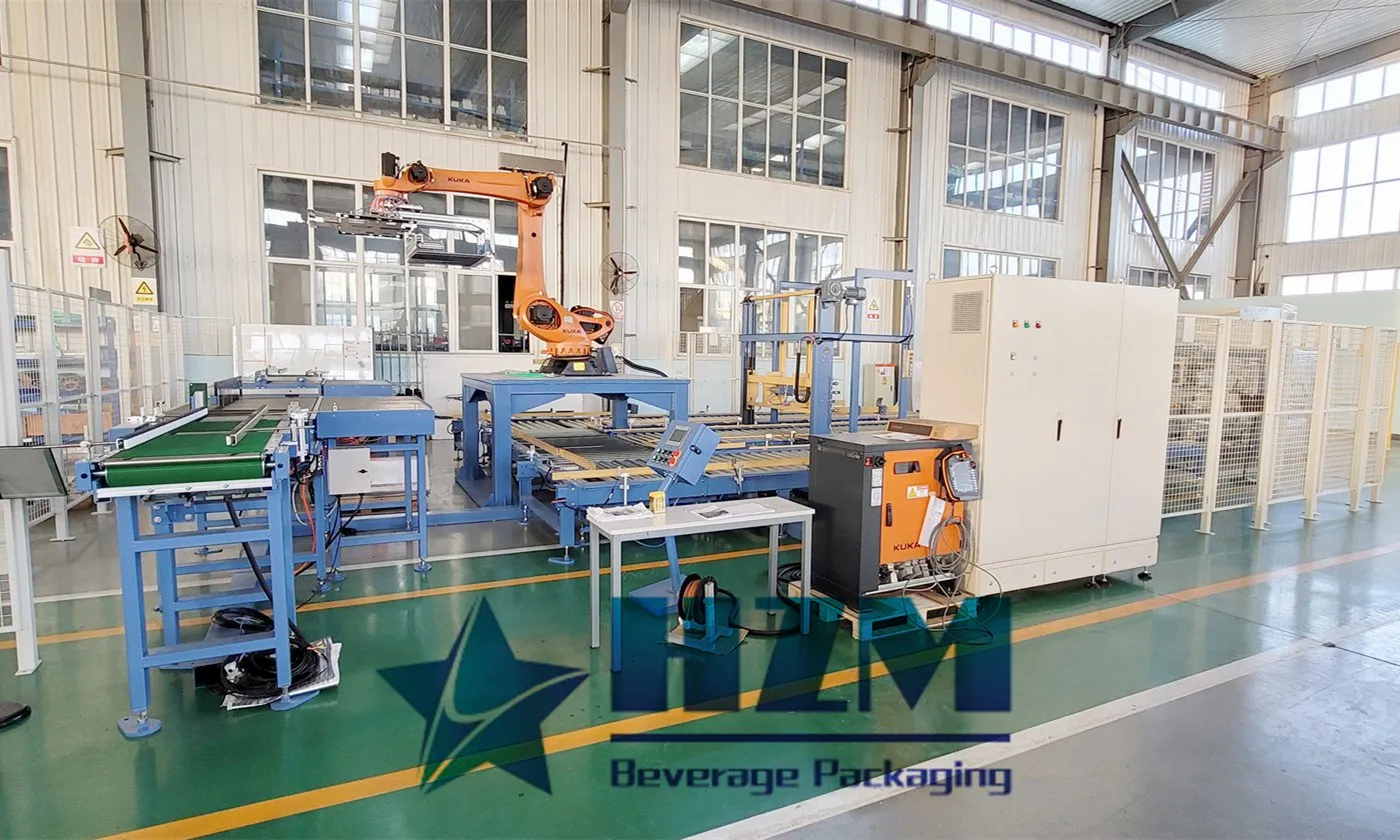
Equipment
Automatic Robot Palletizing System
The robot palletizing system transfers finished cartons, crates, bags or shrink-wrapped packs onto pallets.
Learn more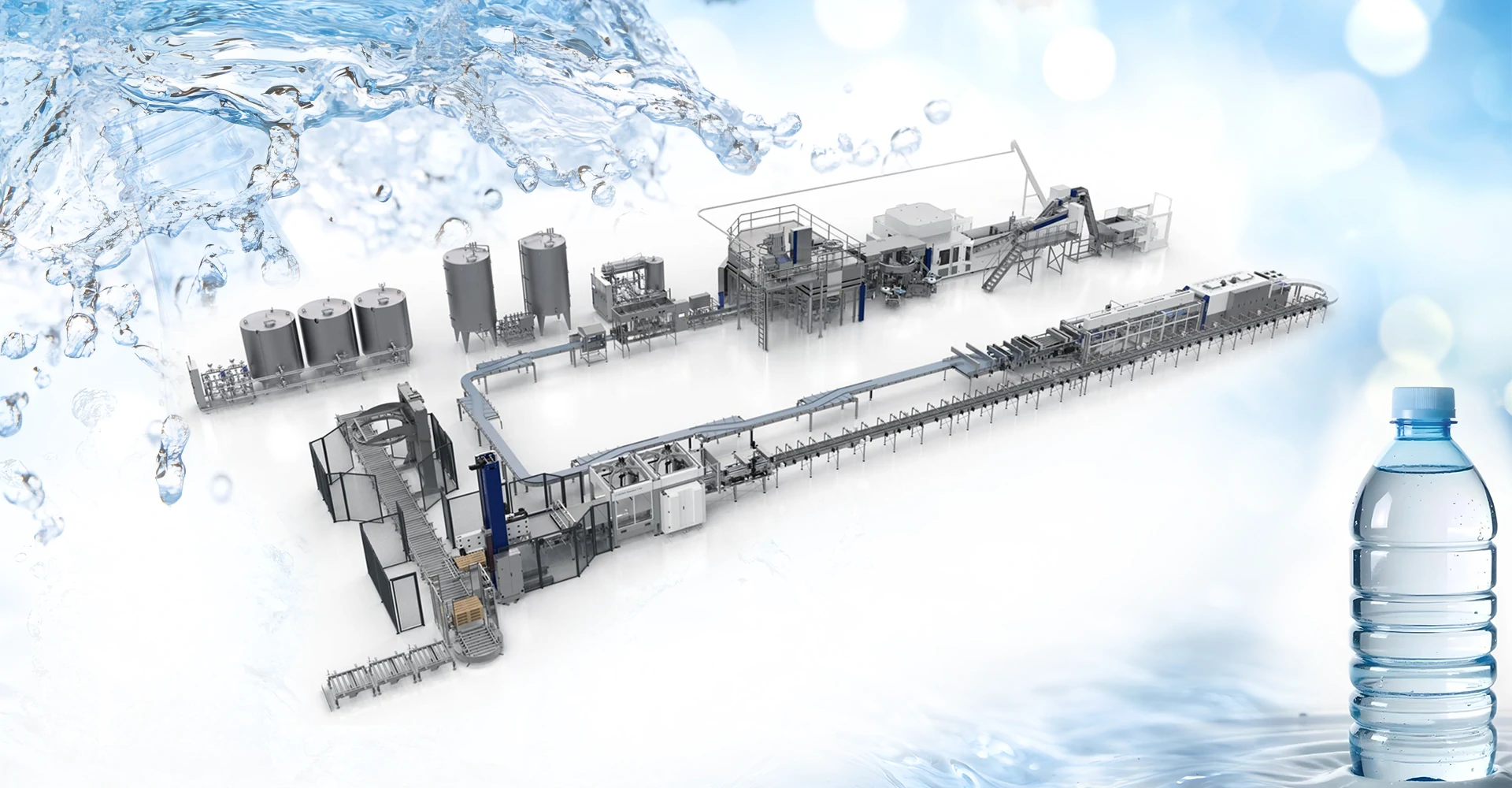
Equipment
Drinking water production line – Bottled Water Filling Machine Manufacturer
PET-bottled drinking-water production with automatic rinsing, filling and capping, plus water treatment and packaging equipment.
Learn more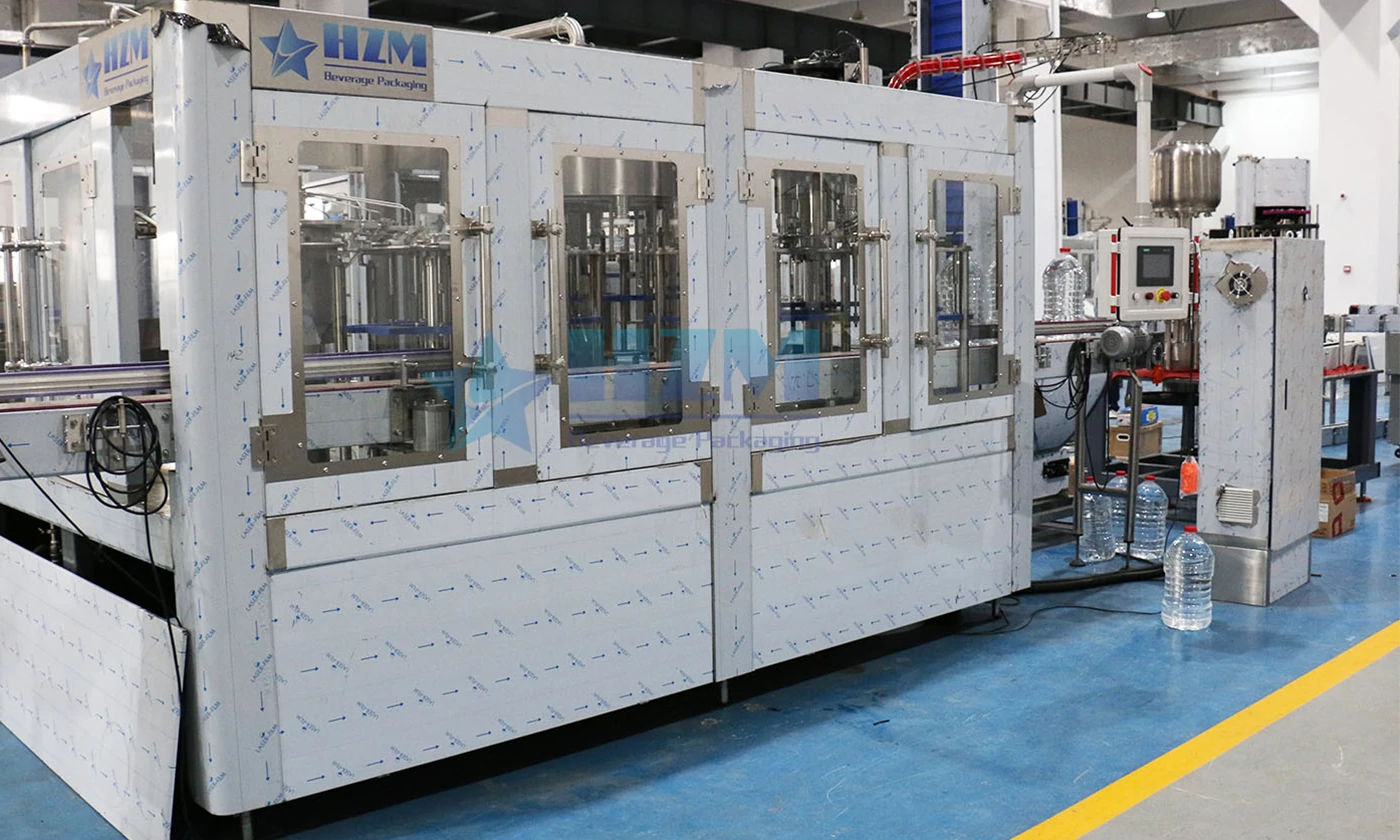
Equipment
5L-10L Large Bottle Drinking Water production line
XGF12-12-4 rinsing, filling and capping for 5 L and 10 L water bottles, with stable outputs of 1,200 and 700 bottles/hour respectively.
Learn more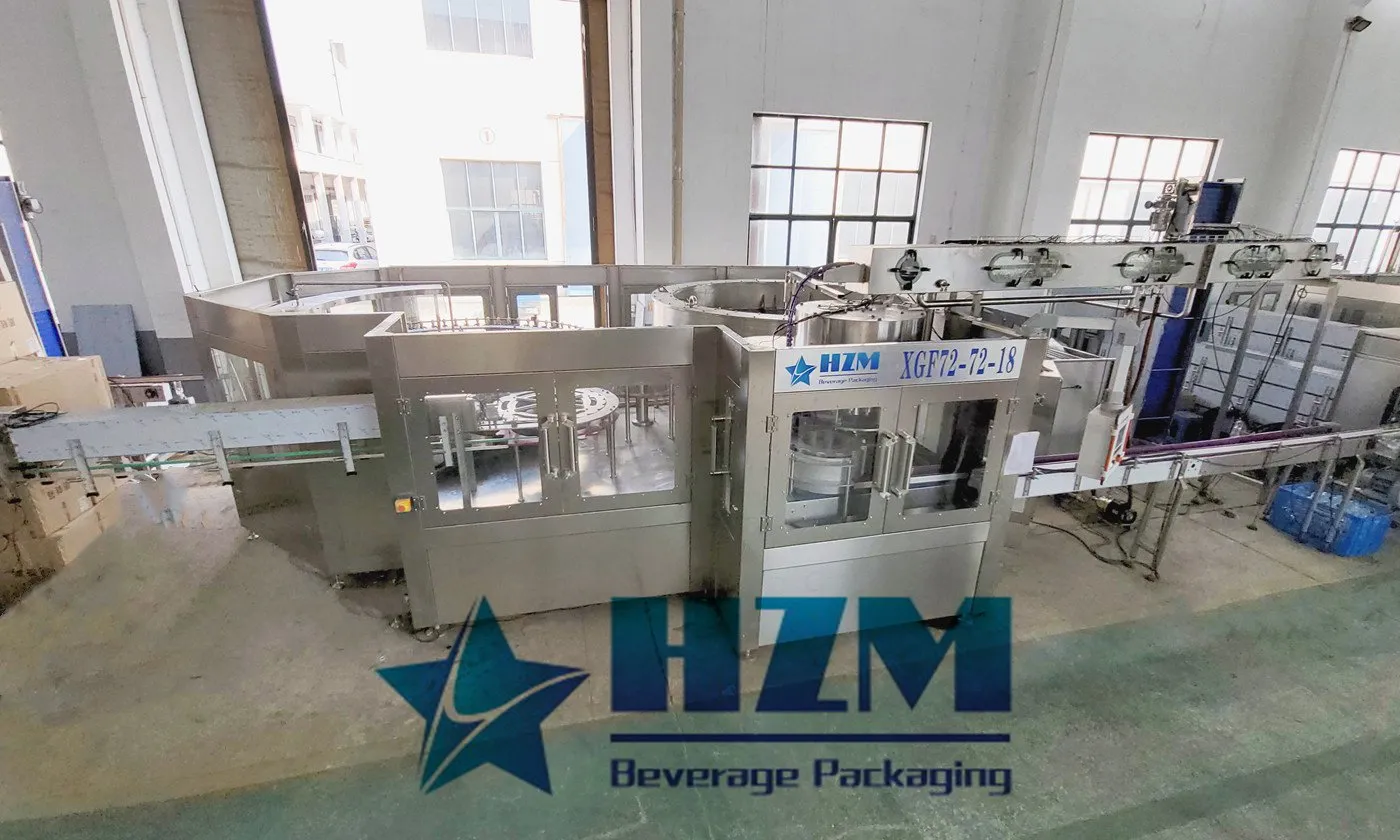
Equipment
Automatic Water Bottle Filling Machine
Automatic rinsing, filling and capping for purified and mineral water in PET bottles, with capacities of 5,000–42,000 bottles/hour at 500 ml.
Learn more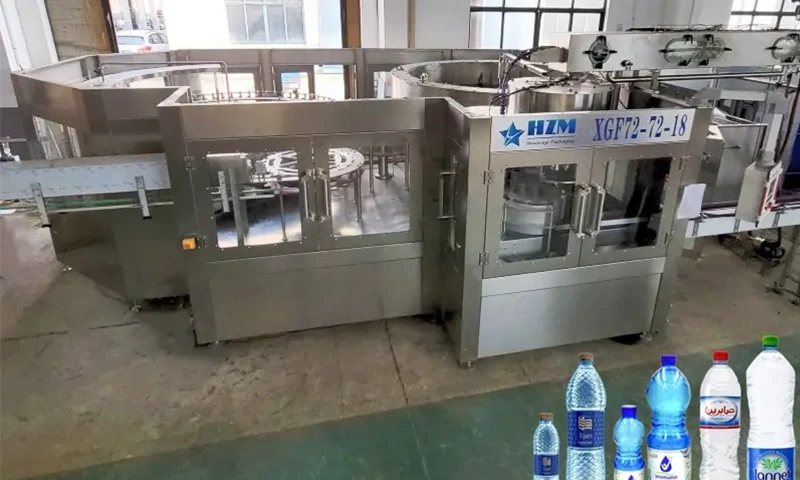
Equipment
3-In-1 Water Bottle Filling Machine
A 3-in-1 PET bottle rinsing, filling and capping machine for drinking water, from 5,000 to 18,000 bottles/hour at 500 ml.
Learn more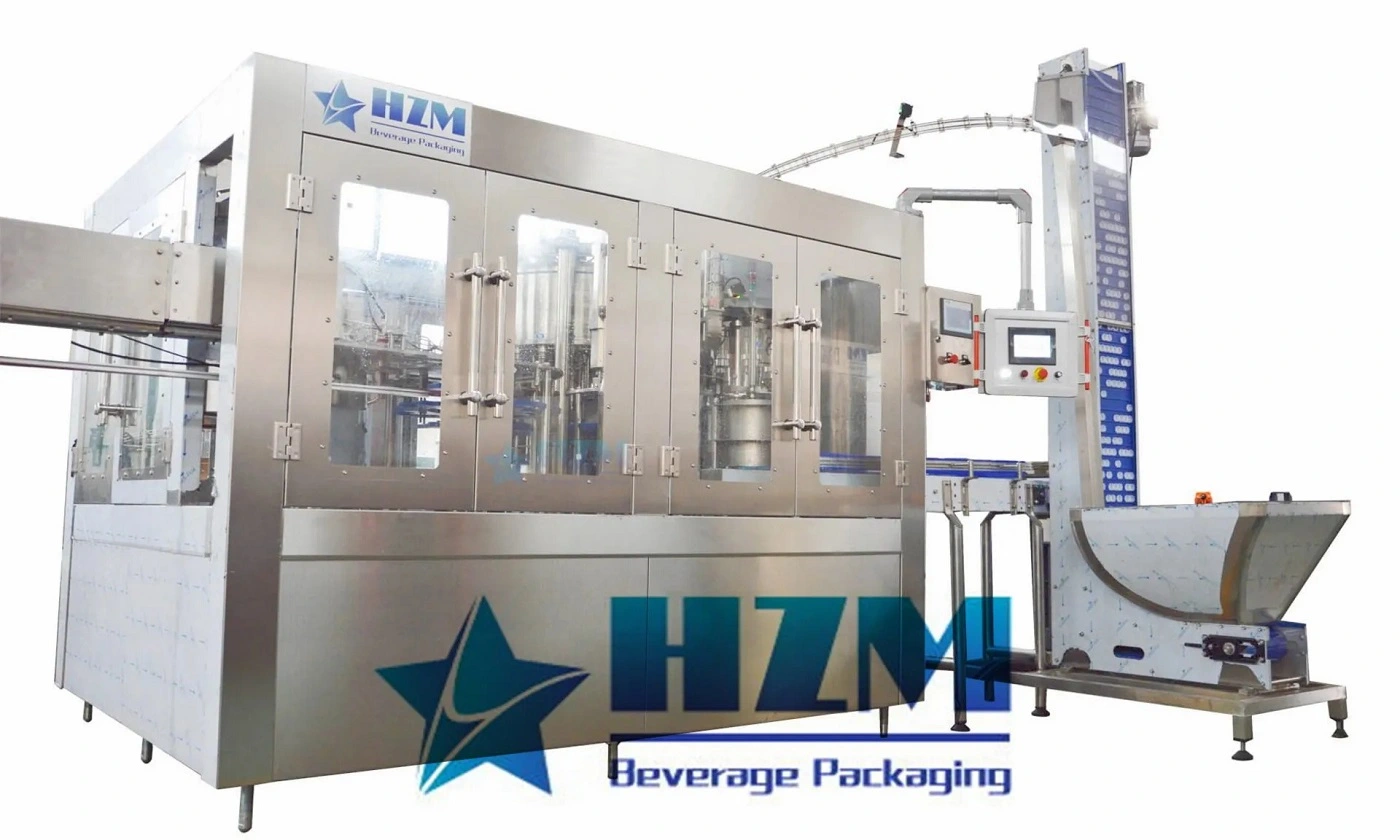
Equipment
Automatic Drinking Water Bottling Machine
Drinking-water bottling equipment with automatic rinsing, filling and capping, plus conveying, labelling and packing options.
Learn more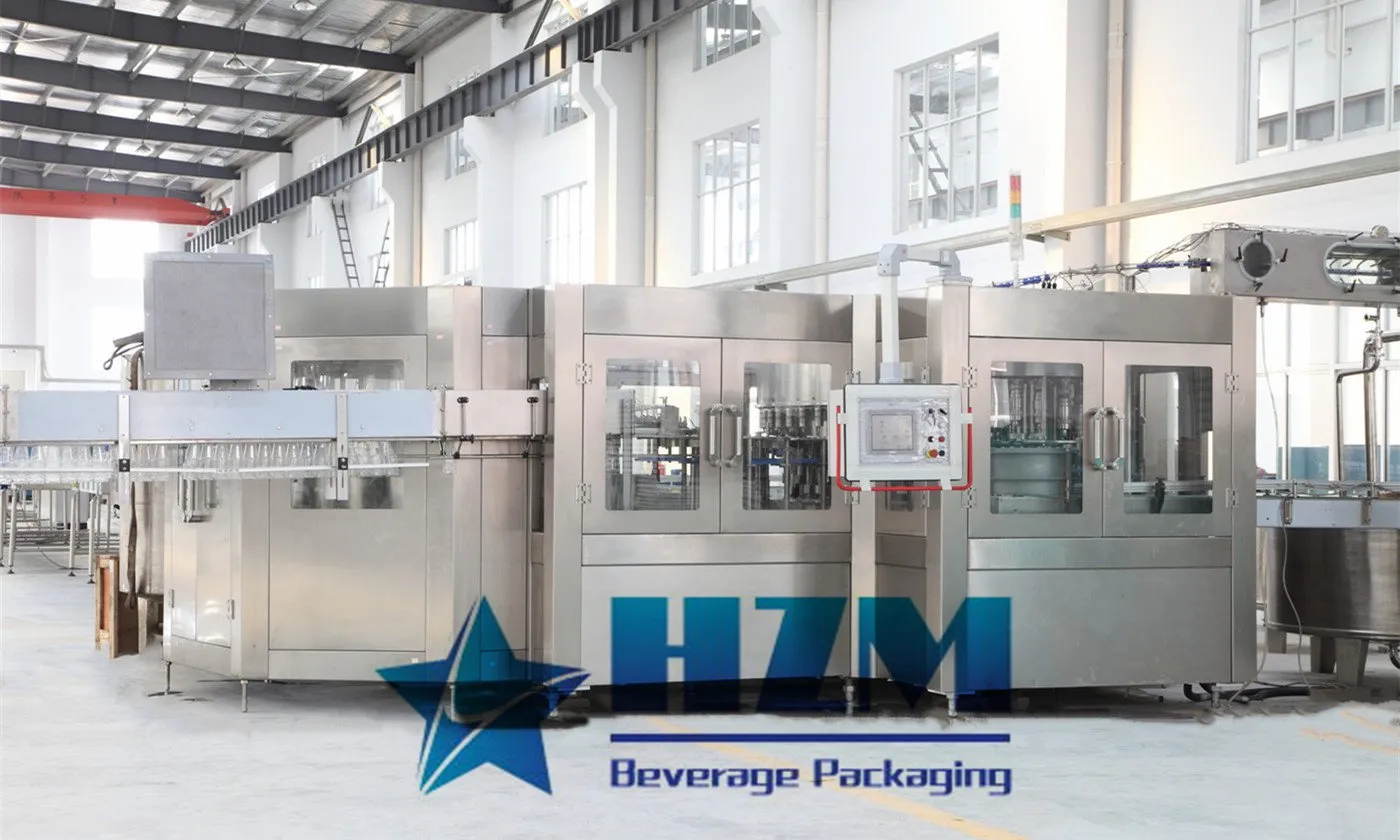
Equipment
PET Bottle Water Filling Machine
PET bottle water filling with automatic rinsing and capping, for purified water, mineral water and still drinking water.
Learn more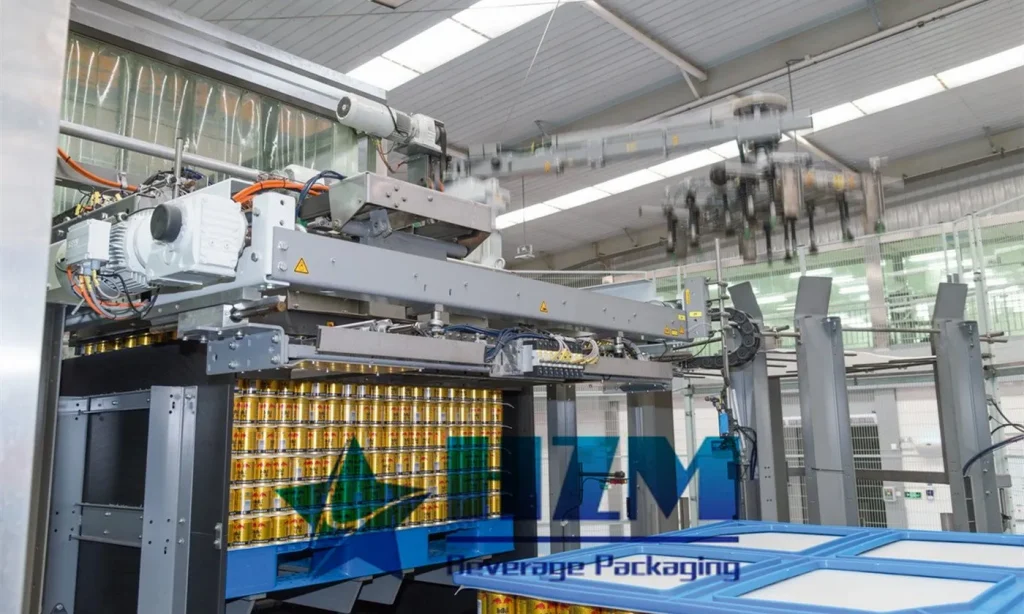
2023-11-02
The Application of Automatic Palletizing Machines in Beverage Production Lines
Automatic Palletizing Machines play a significant role in beverage production lines, bringing efficiency, labor cost savings, and improved product quality to the beverage manufacturing industry.
Learn more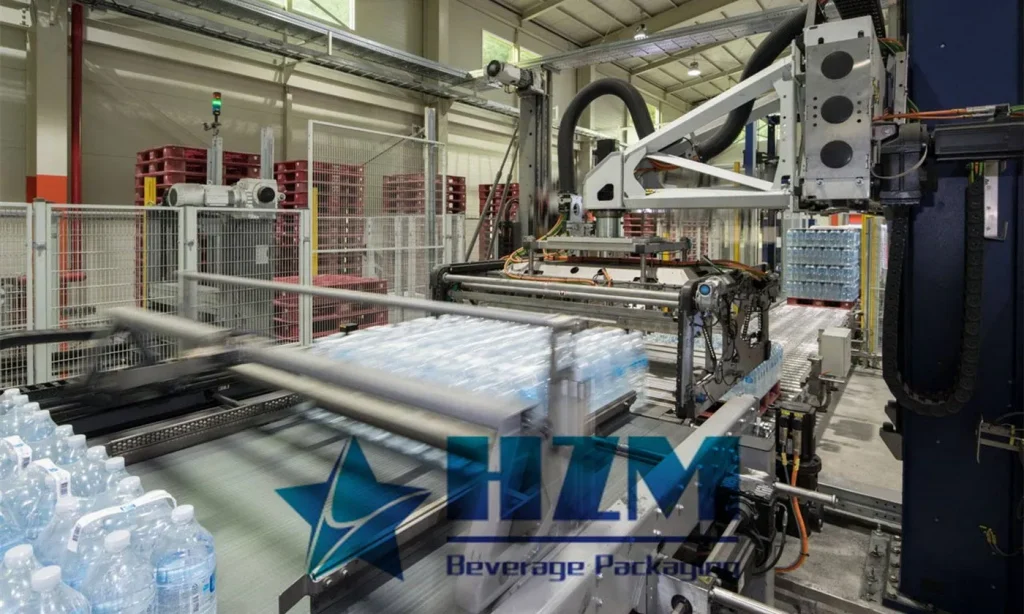
2023-07-25
Buying Guide for Automatic Palletizing Machine: Price and Considerations
The price of automatic palletizing machines varies due to multiple factors, including functionality, workload capacity, stacking height, production capacity, and brand, among others.
Learn more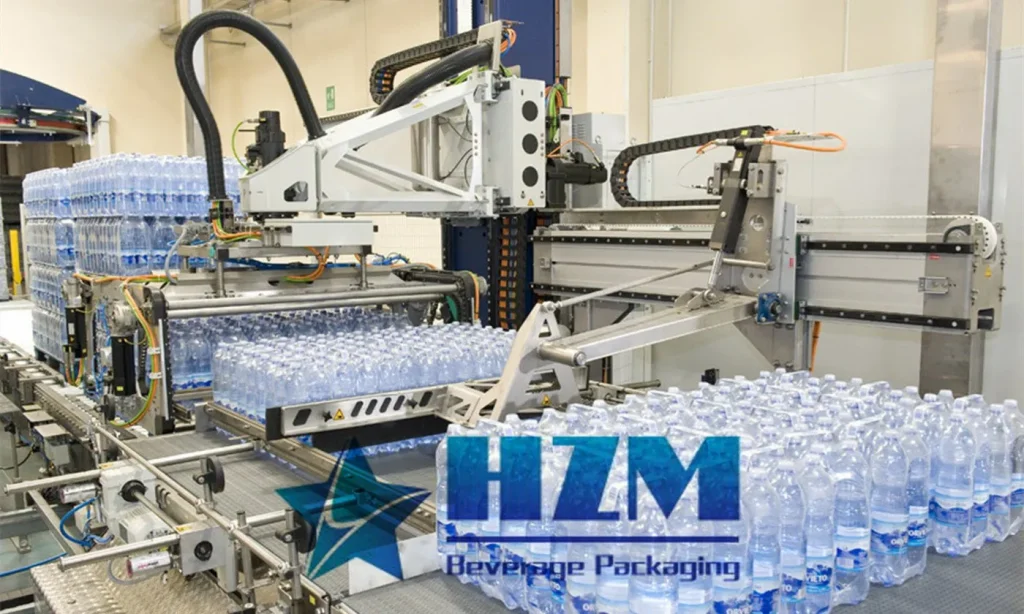
2023-11-07
What is Automatic Palletizing Machine
An Automatic Palletizing Machine is an industrial automation device used to automatically stack goods or products onto pallets in a production line or warehouse environment.
Learn more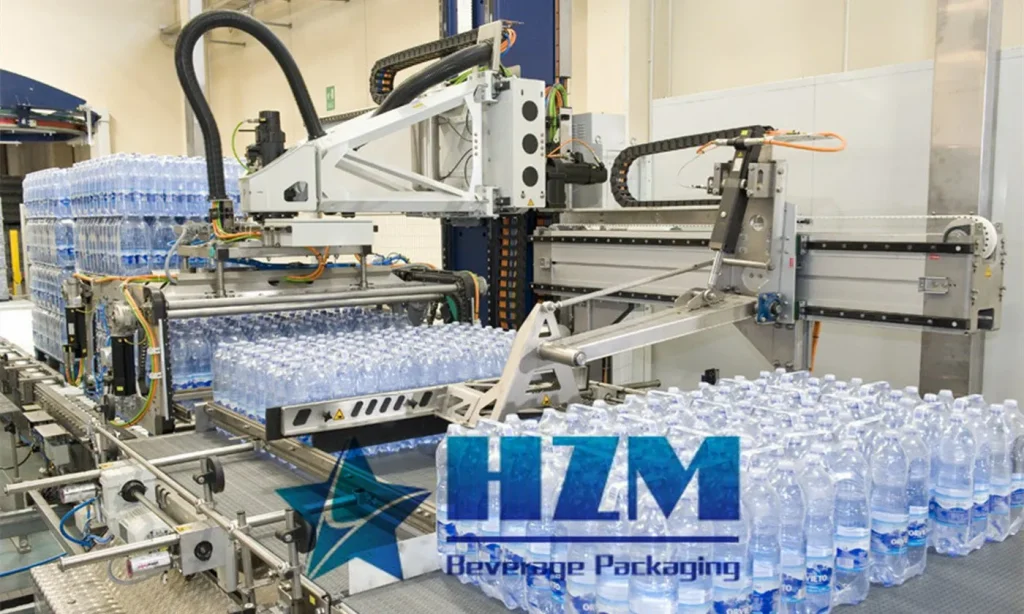
2023-08-07
Mineral Water Automatic Palletizing Machine
The Mineral Water Automatic Palletizing Machine can be applied not only in the production of mineral water and beverages but also in various industries such as automotive, logistics, home appliances, pharmaceuticals, and food and beverages. It can be used for palletizing products in different packaging forms, such as bags, powders, boxes, and barrels.
Learn more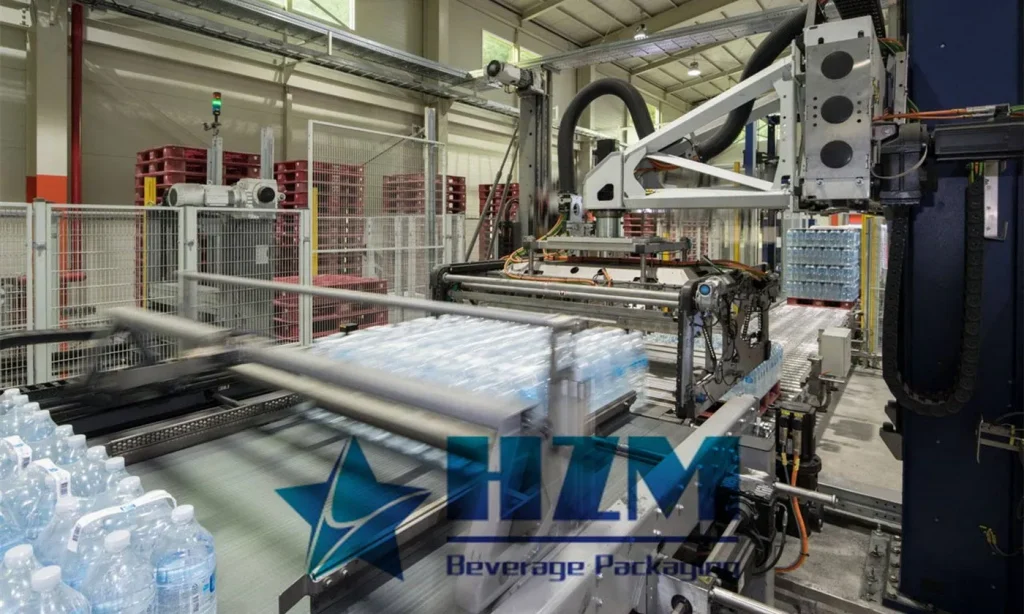
2023-08-09
For Sale: High-Quality Mineral Water Automatic Palletizing Machine
Automatic Palletizing Machine can meet expected and stable production efficiency according to production capacity requirements, reducing the workload and physical exertion of workers. It is highly favored by enterprises and workshop workers.
Learn more2023-11-12
Streamlining Mineral Water Production with Automatic Palletizing Systems
In a mineral water production line, the Automatic Palletizing System plays a crucial role. It is a highly automated device designed to stack bottled mineral water or other beverage products onto standard or custom pallets.
Learn more