
Insights & Updates
What is Automatic Palletizing Machine
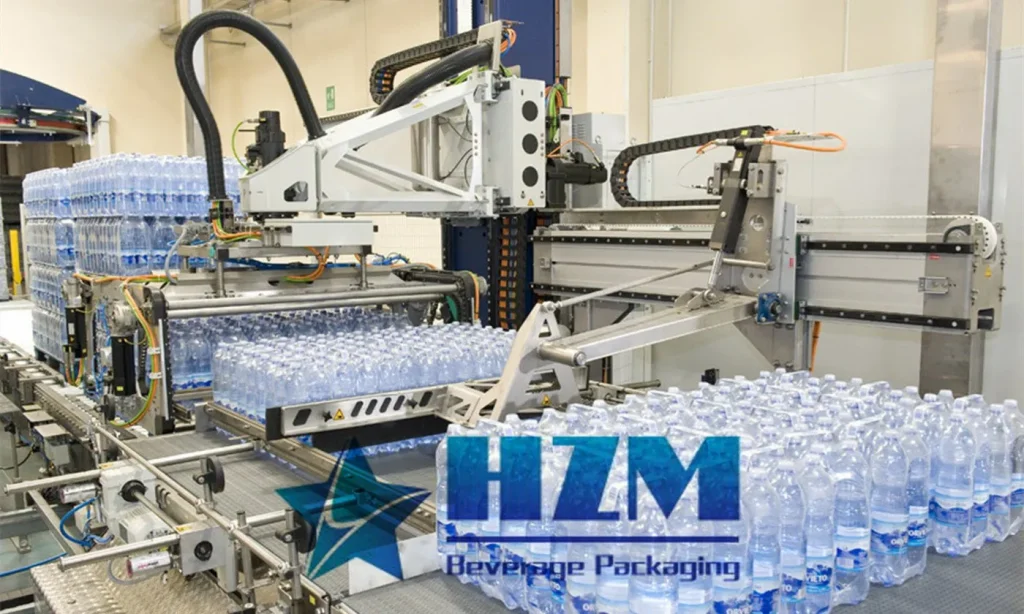
An Automatic Palletizing Machine is an industrial automation device used to automatically stack goods or products onto pallets in a production line or warehouse environment. These machines are typically employed to stack finished products, goods, or packaged items onto standard or custom pallets for ease of transportation, storage, and logistics management.
Automatic Palletizing Machines typically consist of the following main components:
Robotic Arm or Robot
This is the core component of an automatic palletizing machine, capable of accurately gripping, moving, and stacking products based on pre-programmed routines, sensors, or visual systems. These robotic arms can be multi-joint robots or parallel operation robots, offering high levels of flexibility and precision.
Conveyor System
Automatic palletizing machines are often integrated with conveyor belts or roller conveyors to transport products from the production line or loading area to the palletizing machine’s workspace.
Control System
The operation of an automatic palletizing machine is usually managed by a computer control system. These control systems can be pre-programmed to adapt to different products and stacking requirements while ensuring safety and efficiency.
Visual Systems or Sensors
Some automatic palletizing machines are equipped with visual systems or sensors to detect the position, orientation, and features of products for more precise stacking.
The advantages of using automatic palletizing machines include increased production efficiency, reduced labor costs, decreased operational errors, and enhanced employee safety. These machines find applications in various industrial sectors, including food and beverage, chemical, pharmaceutical, logistics, and manufacturing industries. Automatic palletizing machines can be customized to meet different industry and application requirements based on distinct stacking demands and product characteristics.
Talk to our engineering team
Need help planning your packaging line?
Share your product, bottle and capacity requirements for a practical equipment recommendation.
Equipment
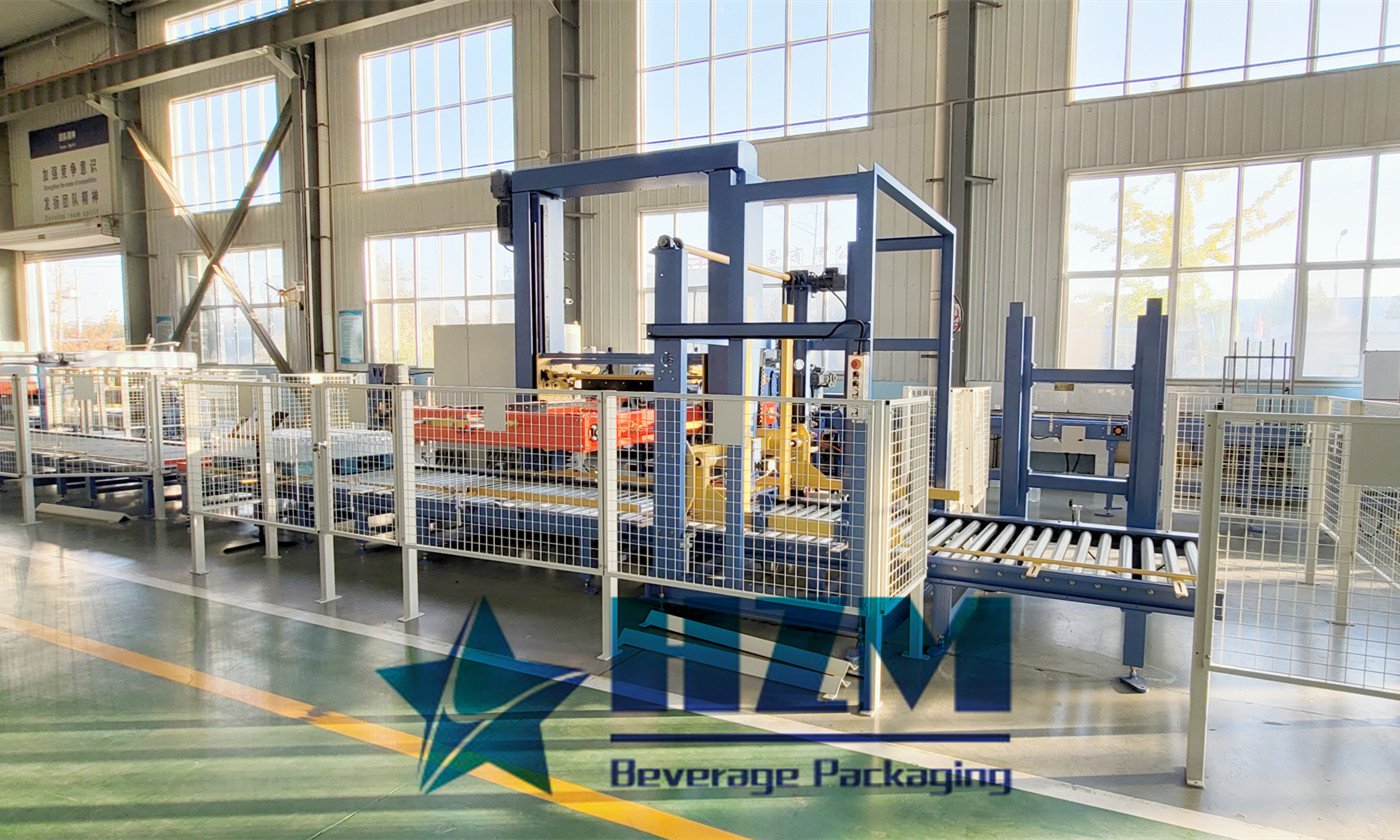
Automatic Palletizing Machine
The automatic palletizing machine stacks cartons and film-wrapped packs onto pallets at the end of the production line.
Learn more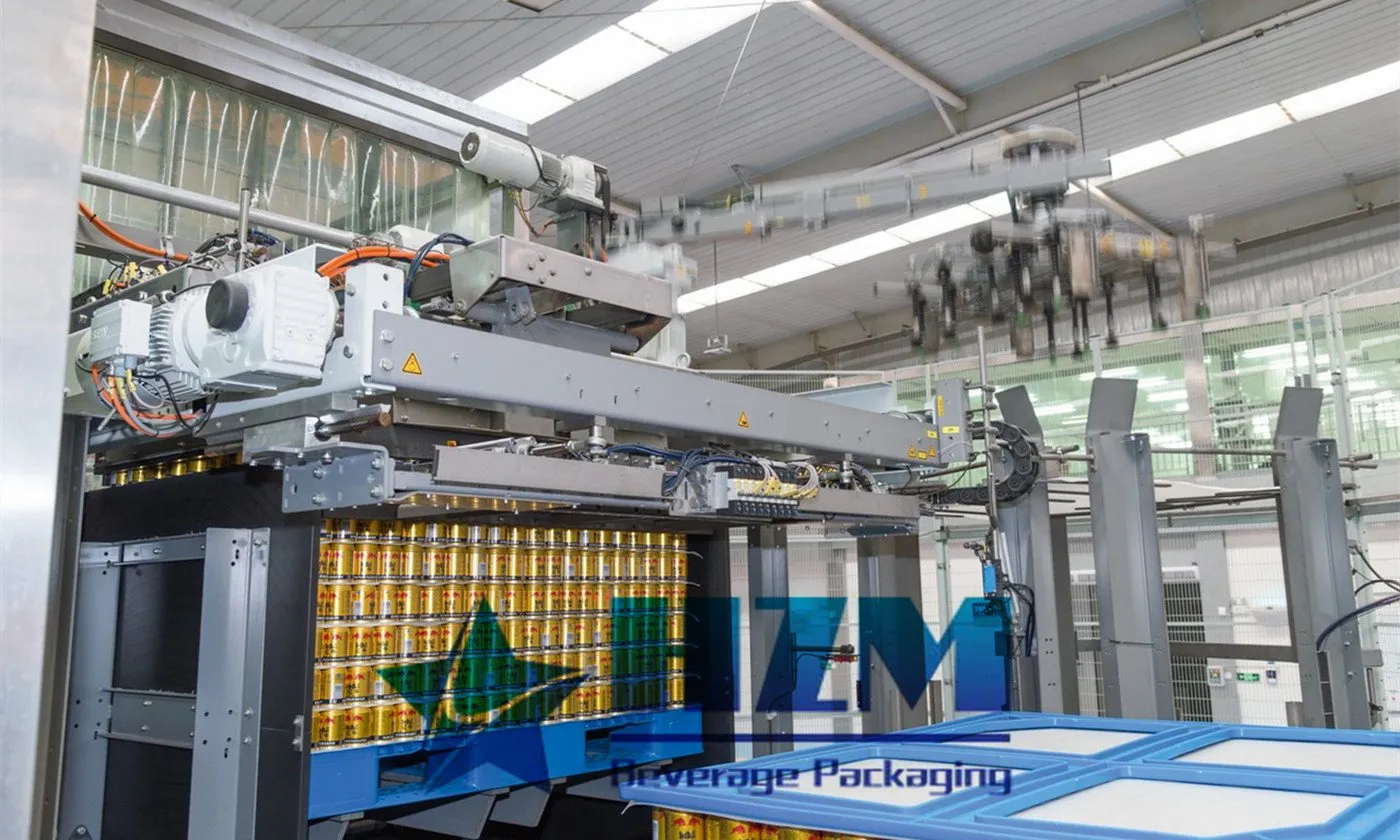
Equipment
Automatic De-palletizer
The automatic de-palletizer unloads empty containers from pallets one layer at a time and transfers them onto a conveyor.
Learn more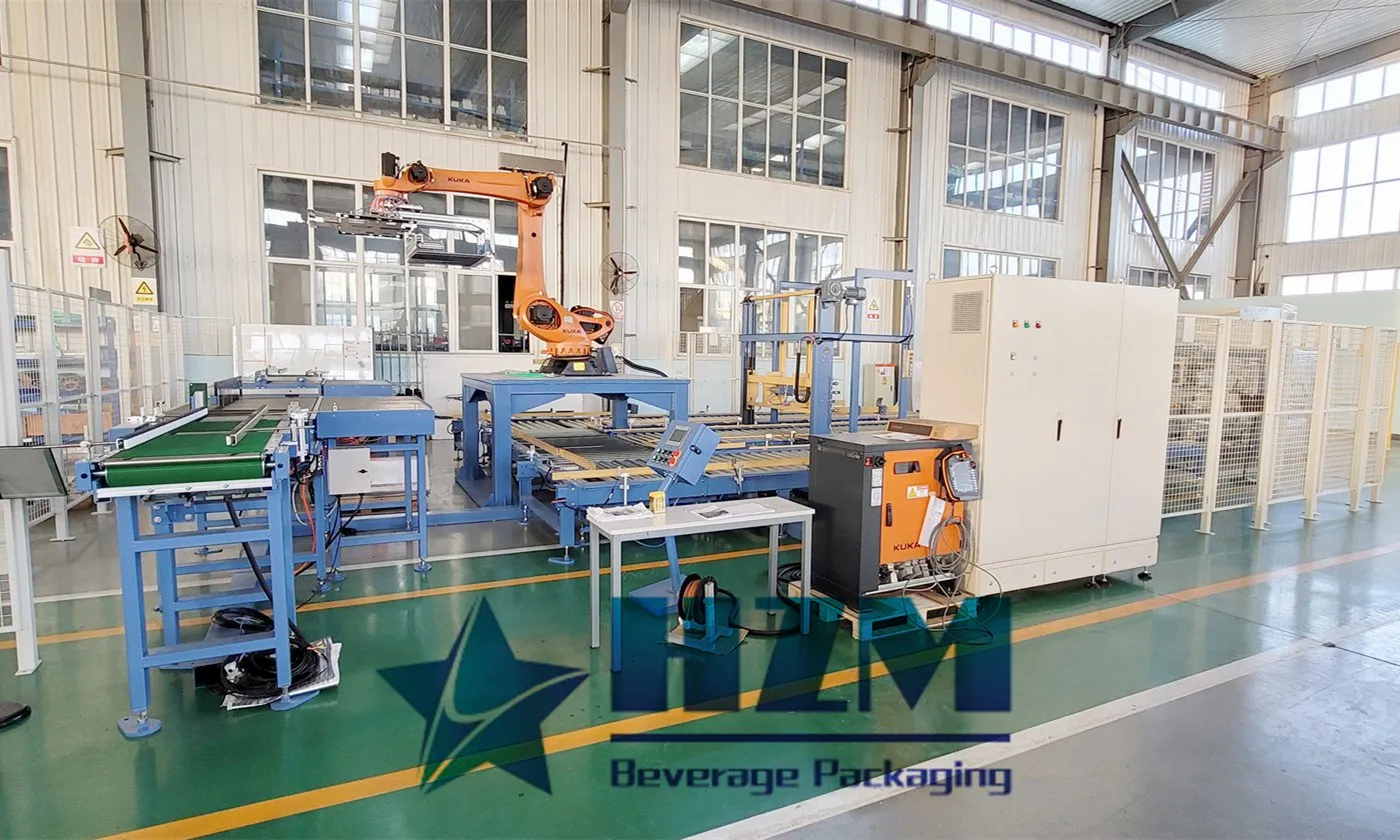
Equipment
Automatic Robot Palletizing System
The robot palletizing system transfers finished cartons, crates, bags or shrink-wrapped packs onto pallets.
Learn more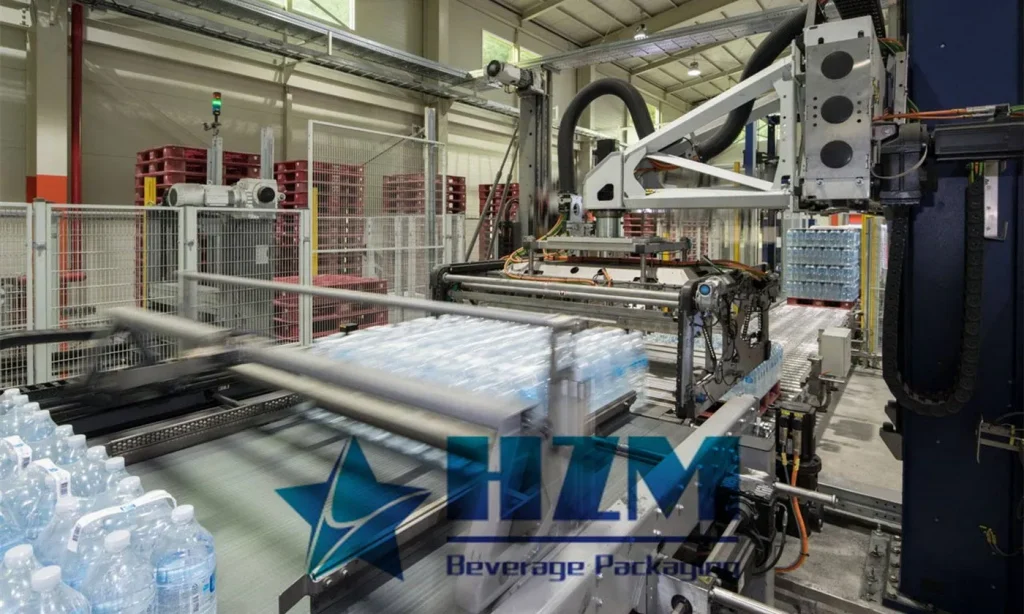
2023-07-25
Buying Guide for Automatic Palletizing Machine: Price and Considerations
The price of automatic palletizing machines varies due to multiple factors, including functionality, workload capacity, stacking height, production capacity, and brand, among others.
Learn more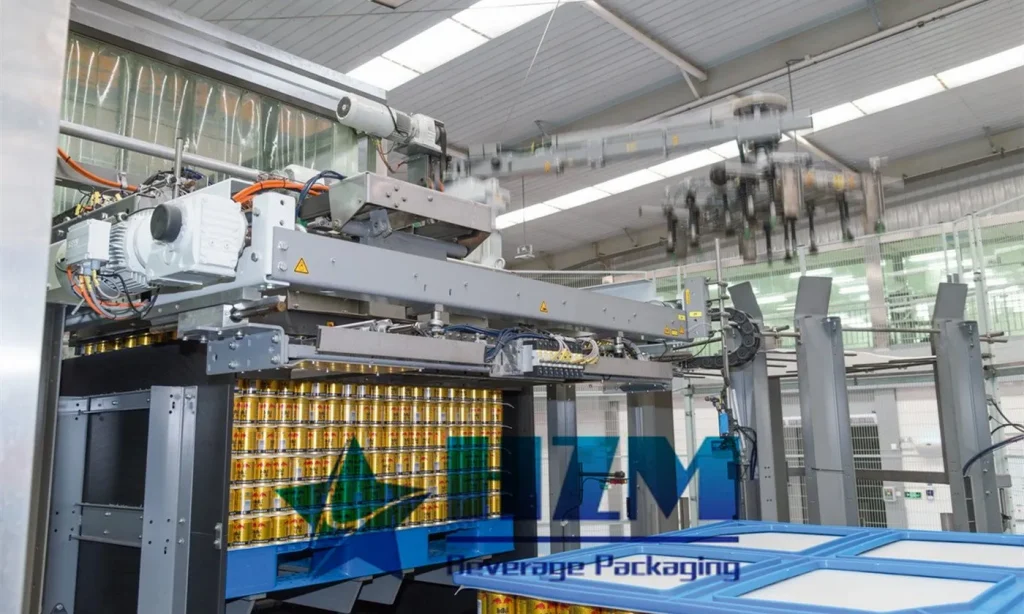
2023-11-02
The Application of Automatic Palletizing Machines in Beverage Production Lines
Automatic Palletizing Machines play a significant role in beverage production lines, bringing efficiency, labor cost savings, and improved product quality to the beverage manufacturing industry.
Learn more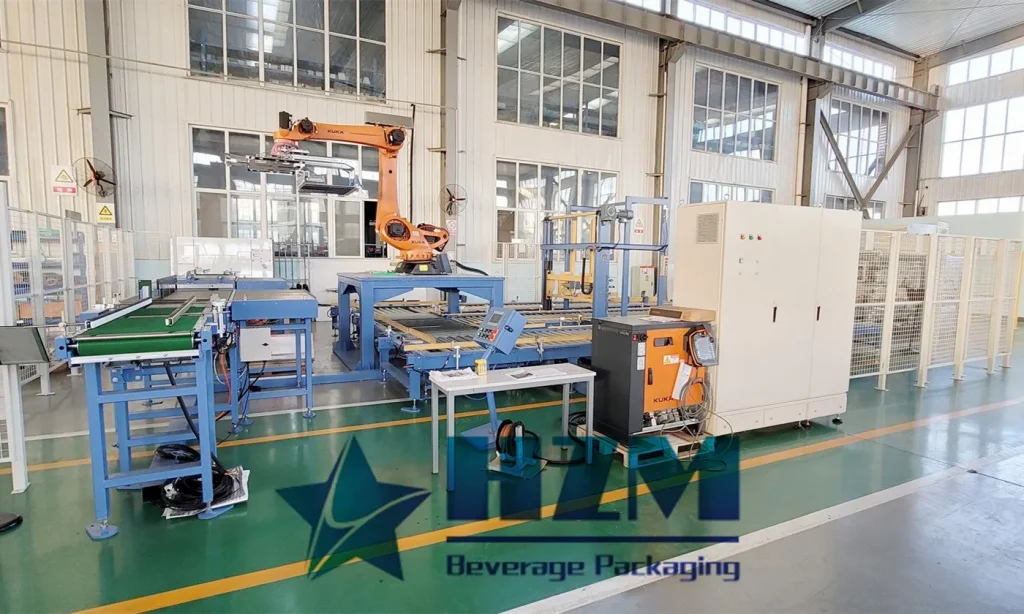
2023-10-08
What are the Common Troubleshooting Methods for Automatic Palletizing Machines?
Automatic palletizing machines offer advantages in organized and fast stacking, and are widely used in various industries. After long-term use, it's inevitable that automatic palletizing machines may encounter some issues. To help customers identify common problems, what are the troubleshooting methods for common issues with automatic palletizing machines?
Learn more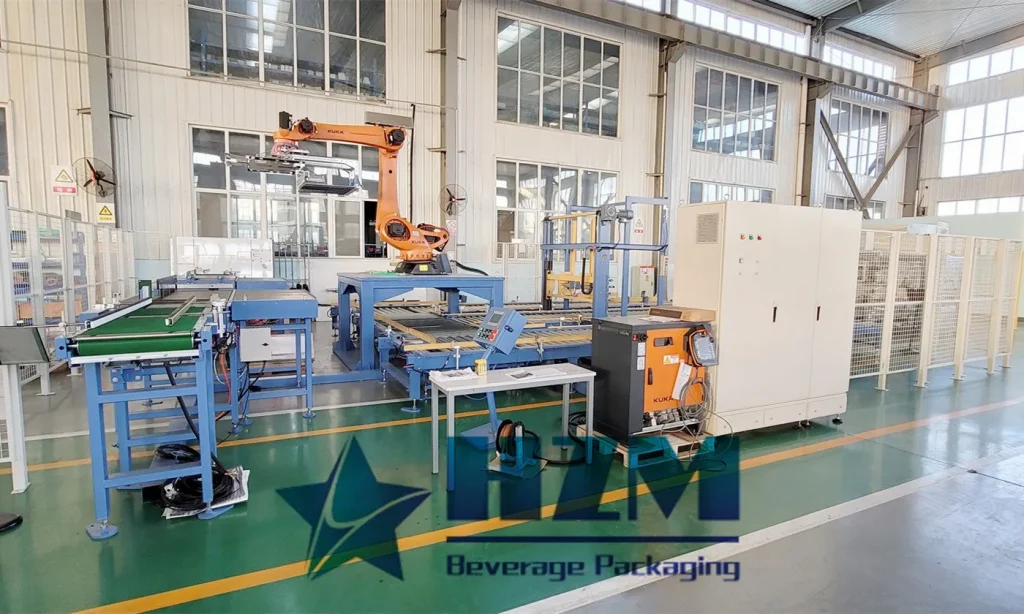
2023-08-06
Palletizing Robot: An Introduction and Principles
Palletizing robots are mechanical devices used for automatic execution of tasks. During operation, they can accept human commands and accurately run pre-programmed sequences.
Learn more2023-08-04
HZM-Professional Automatic Palletizing Machine Manufacturer
HZM is a specialized company engaged in the manufacturing and research and development of automatic palletizing machines. The company boasts a strong technical team, comprising professionals in the field of automated equipment manufacturing.
Learn more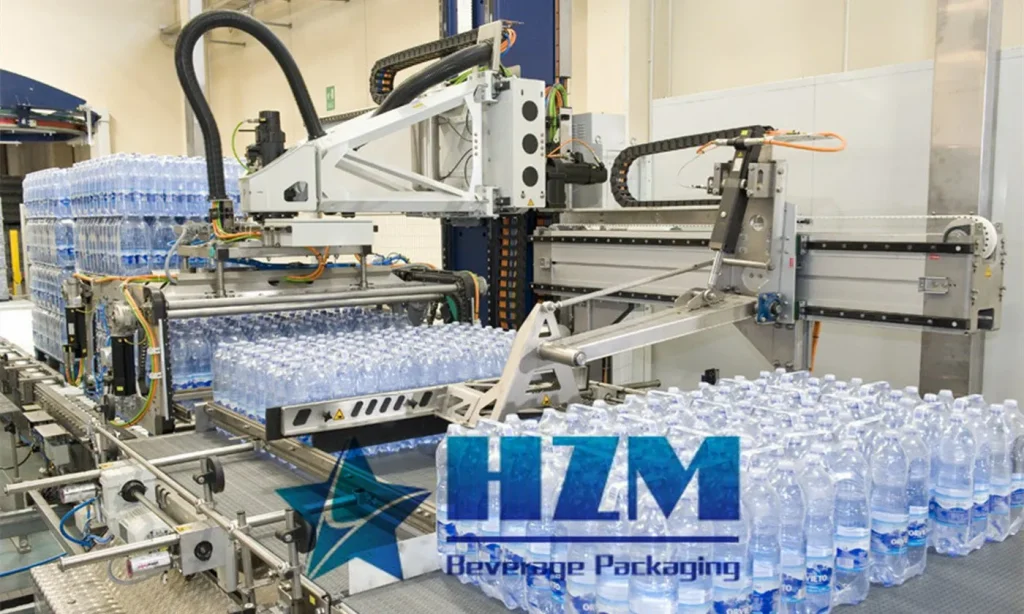
2023-08-07
Mineral Water Automatic Palletizing Machine
The Mineral Water Automatic Palletizing Machine can be applied not only in the production of mineral water and beverages but also in various industries such as automotive, logistics, home appliances, pharmaceuticals, and food and beverages. It can be used for palletizing products in different packaging forms, such as bags, powders, boxes, and barrels.
Learn more