Conveyor Cleaning Access and Drainage
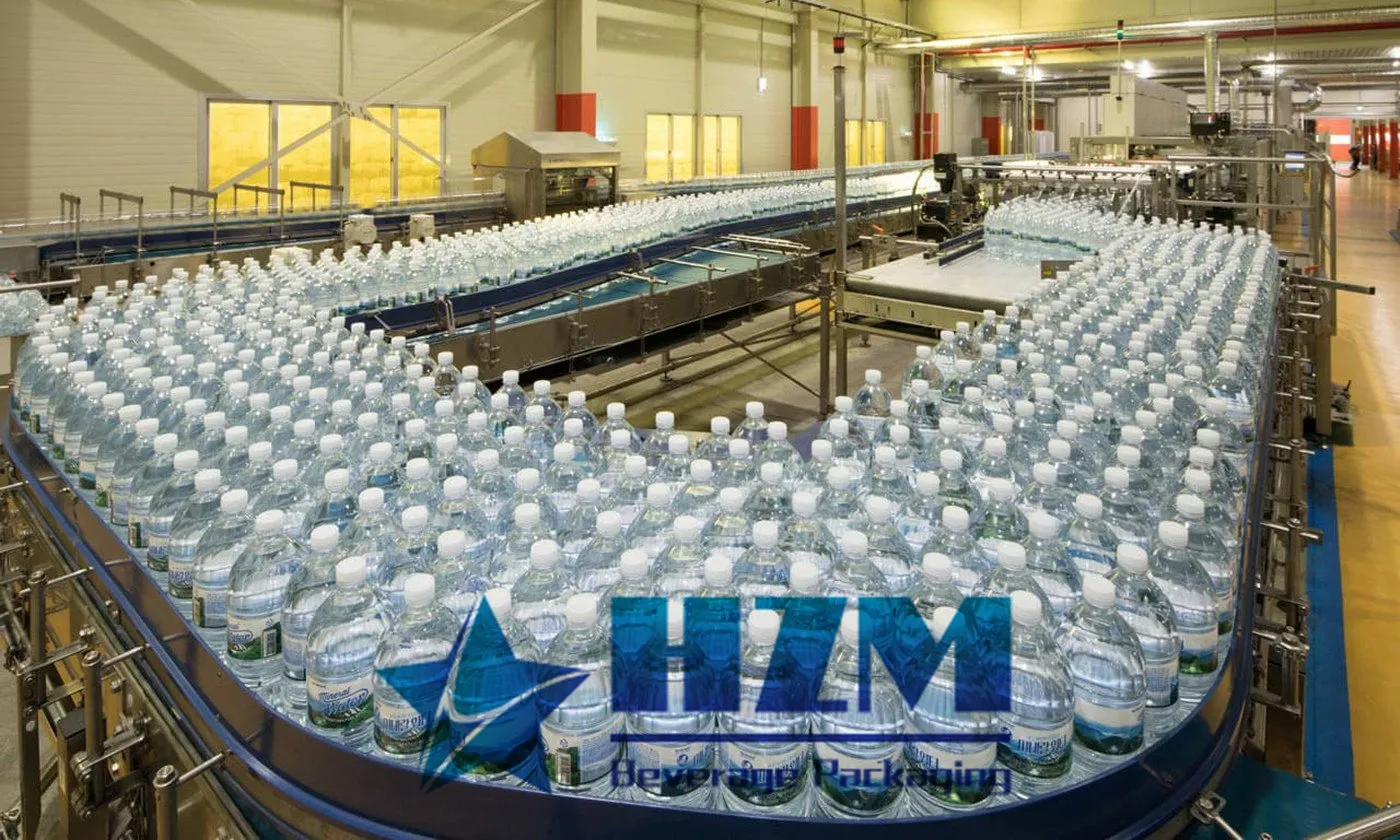
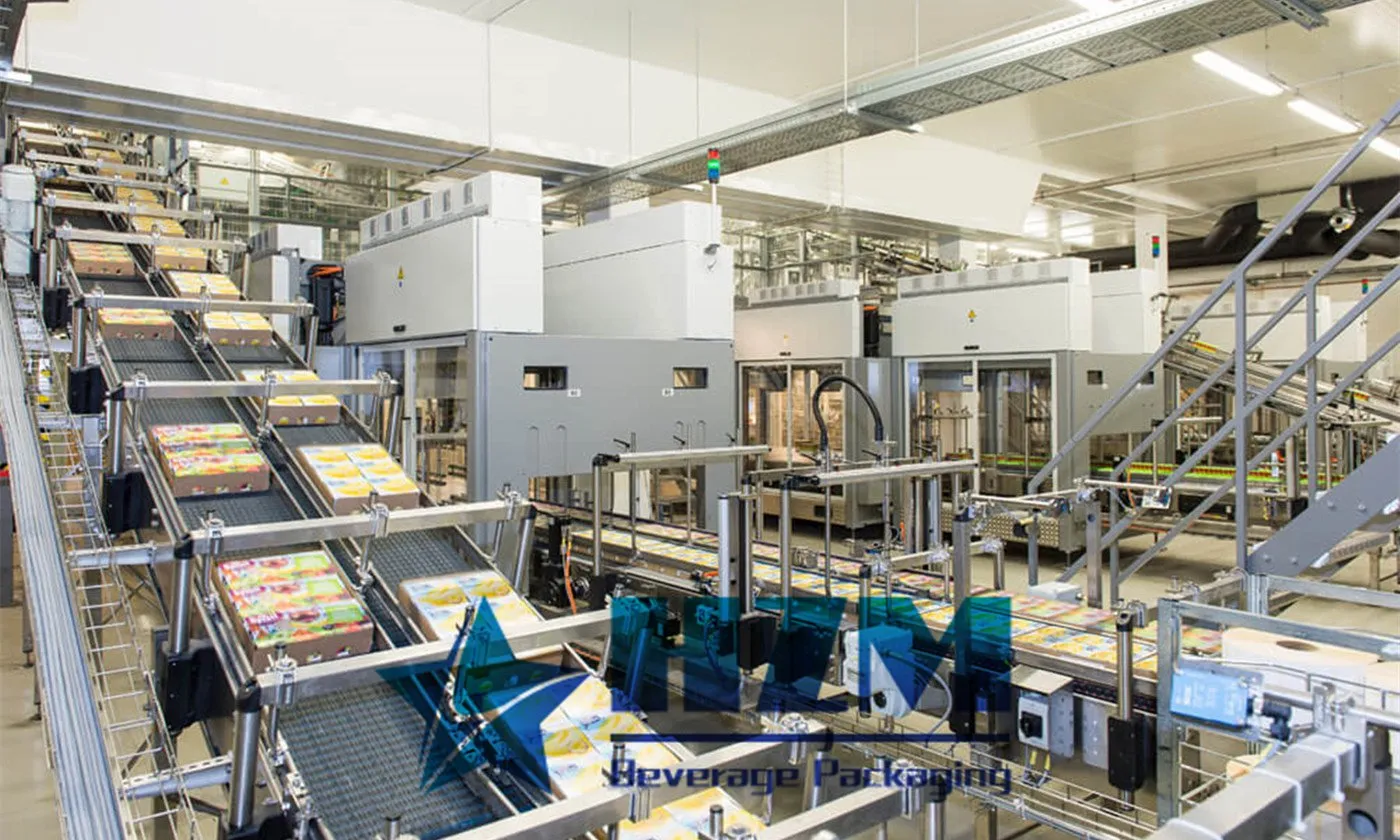
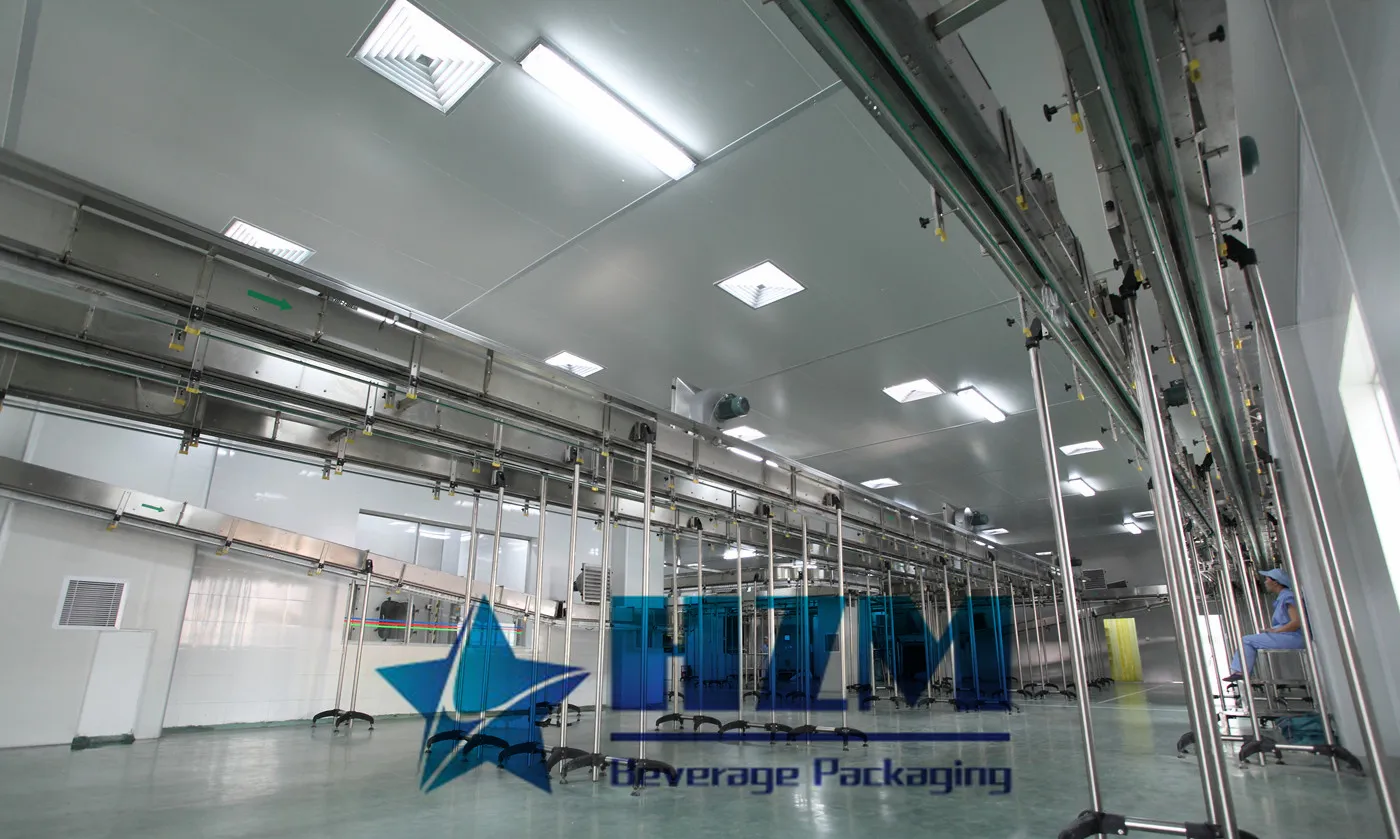
Inspect the surfaces below belts, guides and transfer plates where spilled beverage can collect. A clean belt surface does not establish that the supporting structure is clean.
Learn more
Inspect the surfaces below belts, guides and transfer plates where spilled beverage can collect. A clean belt surface does not establish that the supporting structure is clean.
Learn moreA continuous demonstration does not show how a conveyor recovers from a blocked downstream machine. Test the agreed accumulation state, upstream stop signal and controlled restart.
Learn moreA sensor must identify the intended bottle or accumulation condition at its installed position.
Learn moreBase conveyor loading on the actual gross pack weight and the accumulation condition. A section may carry several queued packs even when its normal running load is small.
Learn moreUse a format sheet that identifies guide positions at straight sections, curves and machine transfers.
Learn moreDrive zoning controls how bottles enter, accumulate and leave a conveyor section.
Learn morePractical HZM guidance on bottle conveyor system, focused on line speed, accumulation and buffer design, line integration, RFQ data and measurable acceptance checks.
Learn moreAn air conveyor supports an empty PET bottle below its neck ring.
Learn moreDefine PLC sequences, machine interlocks, HMI screens, recipes, production data and fault-recovery tests for a juice filling project.
Learn moreUnderstand how variable-frequency drives help coordinate fillers, conveyors and downstream equipment without replacing correct line sizing.
Learn moreUnderstand what a 36,000 BPH juice line rating means and how to calculate sustained output, upstream demand, downtime and downstream capacity.
Learn moreTell us your beverage, container, capacity and target market. Our engineering team will prepare a practical line proposal.