
Insights & Updates
36,000 BPH Juice Filling Line: Capacity Planning and Output Calculation
A 36,000 bottles-per-hour rating is a useful starting point, but it does not mean that every bottle, recipe and operating day will produce 36,000 saleable units each hour. The rating must be tied to a reference bottle volume, beverage properties, filling process and agreed operating conditions. A reliable project converts the sales target into a line balance, utility plan and acceptance test.
HZM lists juice equipment for still beverages and a complete juice filling production line covering preparation, filling and packaging. The final output depends on the approved configuration and connected machines.
Nominal speed versus saleable output
Nominal speed normally describes the machine’s design output under stated reference conditions. Saleable output is the quantity that passes filling, closure, coding, inspection and packaging requirements. Stops for product change, CIP, bottle changeover, material replenishment, maintenance and quality release reduce the available production time.
A practical planning formula is:
Expected saleable bottles = nominal bottles per hour x scheduled running hours x agreed operating factor x quality yield.
The operating factor and yield should come from an agreed project basis, not a universal percentage. A new format, difficult foaming product or frequent changeover schedule may perform differently from a long campaign of one stable product.
Define the reference condition
Before accepting “36,000 BPH,” record the bottle volume and drawing, neck finish, cap, beverage, fill temperature, product viscosity, pulp content and required fill-level tolerance. Confirm whether the number applies at the filler discharge or after final packaging. Also record the quality checks that determine a good bottle.
If several bottles will run, request a capacity table for every format. A large bottle can require more product flow and may reduce speed. A small lightweight bottle may create handling limits. The selected juice filling machine must therefore be matched to a defined package range.
Check product-flow demand
Bottle count must be converted into liquid demand. Multiply bottle volume by the target bottles per hour, then allow for the validated operating and recovery plan. The beverage preparation system, heat treatment, balance tanks, transfer pumps and product piping need enough sustained capacity to feed the filler without creating long holding times or frequent starvation.
Different recipes can set different limits. Clear juice, a pulpy drink and tea may need different preparation, filtration and filling arrangements. The automatic beverage processing system is configured from the liquid product and process flow rather than bottle count alone.
Balance bottle supply and downstream equipment
At high speed, every connected machine matters. Bottle blowing or empty-bottle supply must support the required format. Cap handling must provide correctly oriented closures. Cooling, conveyors, labeling, coding, inspection and packing must accept the filler output with an appropriate design margin.
When one downstream machine stops briefly, controlled accumulation may let the filler continue. When a machine is permanently slower, accumulation only postpones the stop. Review the capacity and reference conditions for each section, especially when equipment comes from different suppliers.
Utilities must follow the operating case
Ask for a utility schedule covering connected load and expected consumption for electricity, compressed air, product water, process water, heating and cooling. Peak demand during start-up, cleaning or simultaneous operation can differ from average production demand. Pipe size, compressor selection, boiler or heater duty and cooling capacity should be checked against the complete line.
Design a meaningful acceptance test
An acceptance test should state the product or test liquid, bottle and cap, test duration, input quality, utility conditions and allowable planned stops. It should measure good bottles at the agreed line boundary, not only instantaneous filler speed. Fill quantity or level, cap application, leakage, label position, code quality and final pack should be included where relevant.
For multiple formats, test the reference bottle and any format that creates a known challenge. Record stops by cause so adjustments can target the actual constraint.
Questions to ask before ordering a high-speed line
- Which bottle, product and filling temperature define the headline speed?
- What output is proposed for every other bottle size?
- Where is output measured and what qualifies as a good unit?
- What are the capacities of preparation, blowing, labeling and packing sections?
- How are short downstream stops managed?
- What utilities are required during production and CIP?
- Which change parts and recipes are included?
- What are the factory and site acceptance criteria?
Frequently asked questions
How many 500 ml bottles can a 36,000 BPH line make in one shift?
Multiply 36,000 by the scheduled running hours, then apply the agreed operating factor and quality yield. Cleaning, changeovers and planned maintenance should be deducted separately if they fall within the shift. Use plant-specific assumptions for an investment model.
Should every machine be rated at exactly 36,000 BPH?
Not necessarily. The line balance may use different design margins and operating patterns for different machines. What matters is that the complete system delivers the agreed sustained output without creating an unsafe or unstable process.
Is filling precision the main measure of line performance?
It is one important quality measure, but stable bottle handling, closure quality, hygiene, product temperature, label and code quality, pack integrity and overall saleable output also belong in the performance definition.
Talk to our engineering team
Need help planning your packaging line?
Share your product, bottle and capacity requirements for a practical equipment recommendation.
Equipment
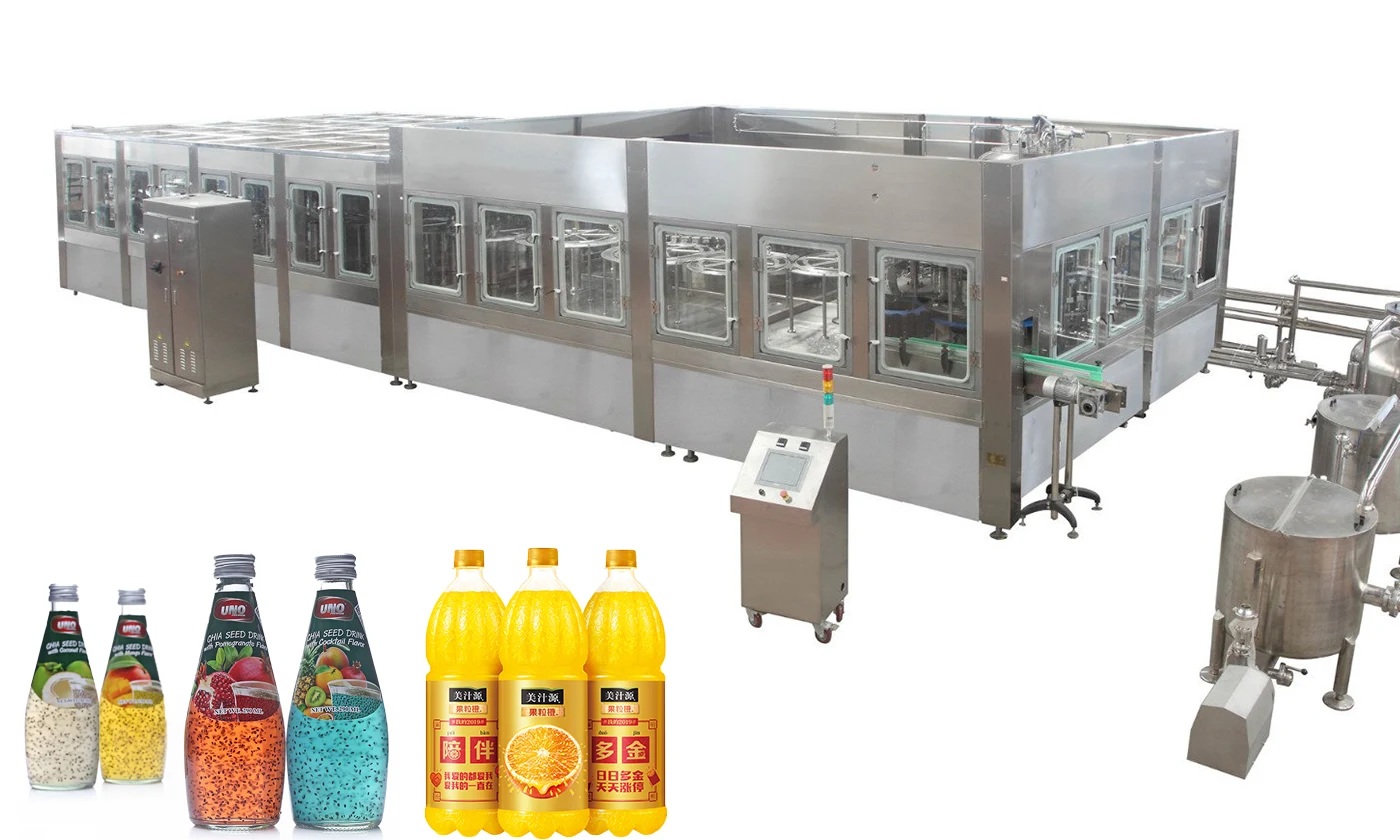
juice Pulp Filling Machine 4 in 1
RXGGF16-16-5 pulp juice filling with separate pulp and liquid dosing, rinsing and capping at 5,000 bottles/hour for 250 ml bottles.
Learn more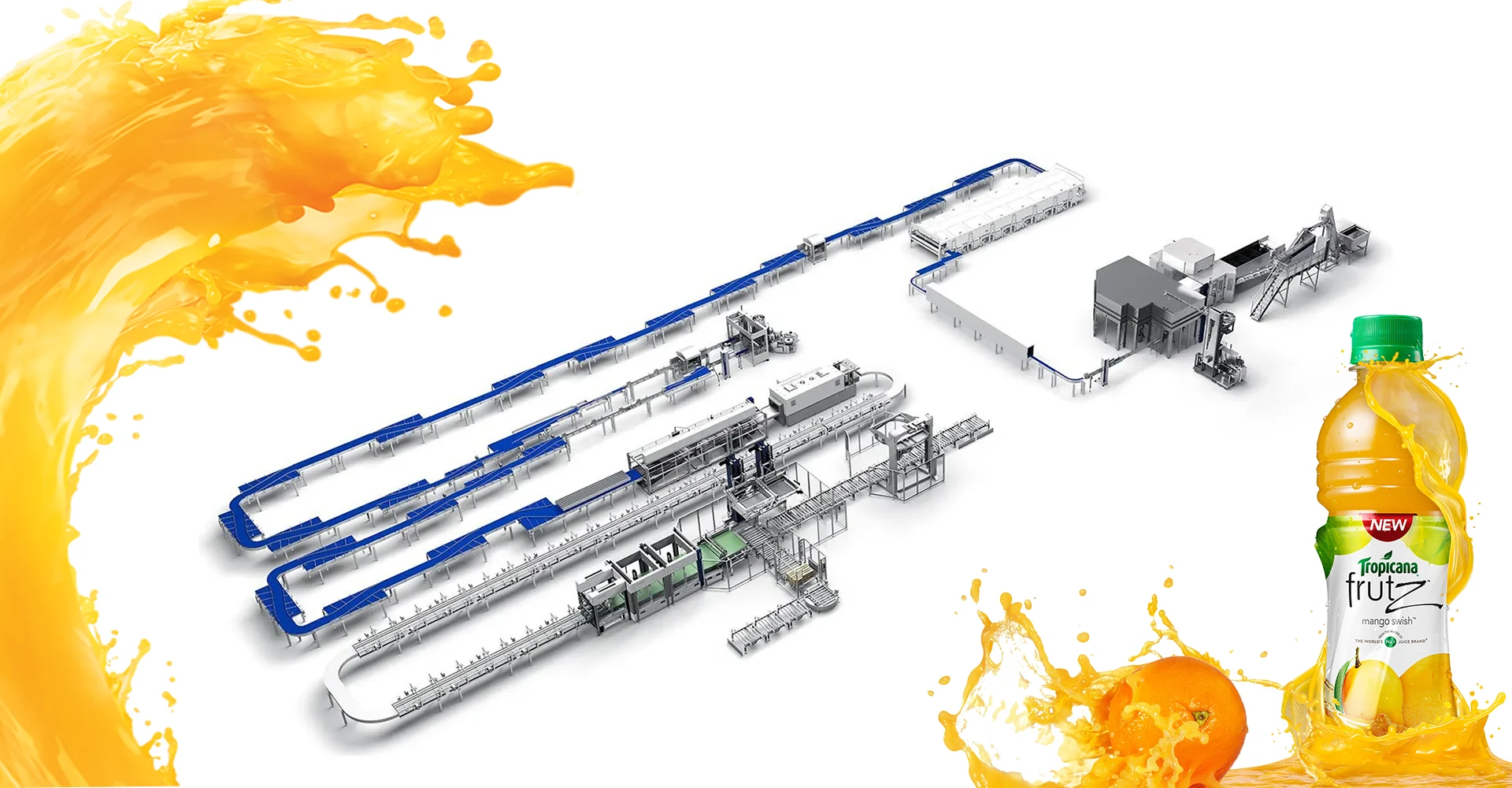
Equipment
Juice beverage bottling line
The juice beverage bottling line connects beverage preparation and thermal processing with bottle filling, capping, labelling and packing.
Learn more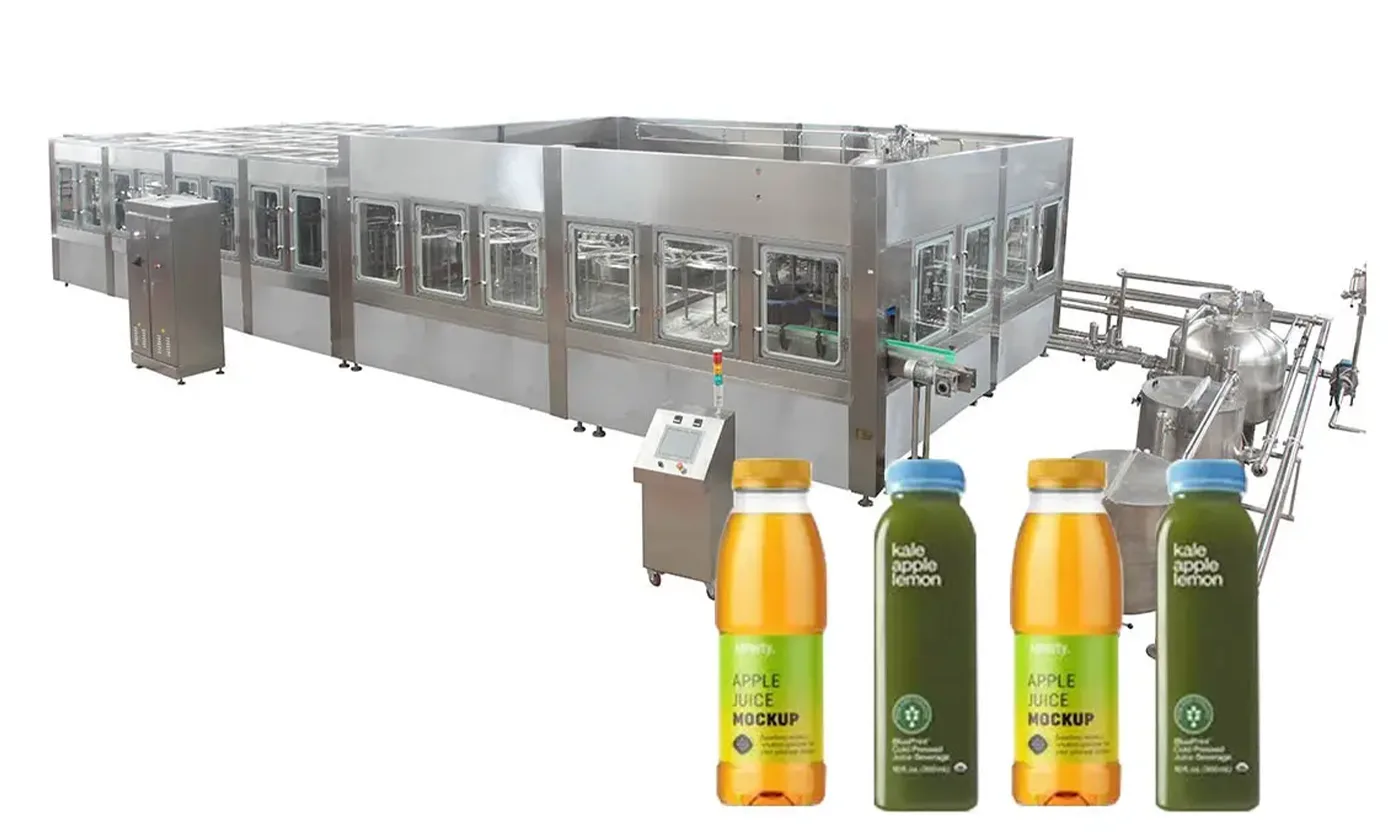
Equipment
Bottled Juice Packaging Machine
Bottled juice filling equipment with rinsing and capping, from 6,000 to 18,000 bottles/hour at 500 ml.
Learn more
Equipment
PET Bottle Juice Beverage Filling Machine
PET bottle juice filling with automatic rinsing and capping, for juice, tea and still beverages.
Learn more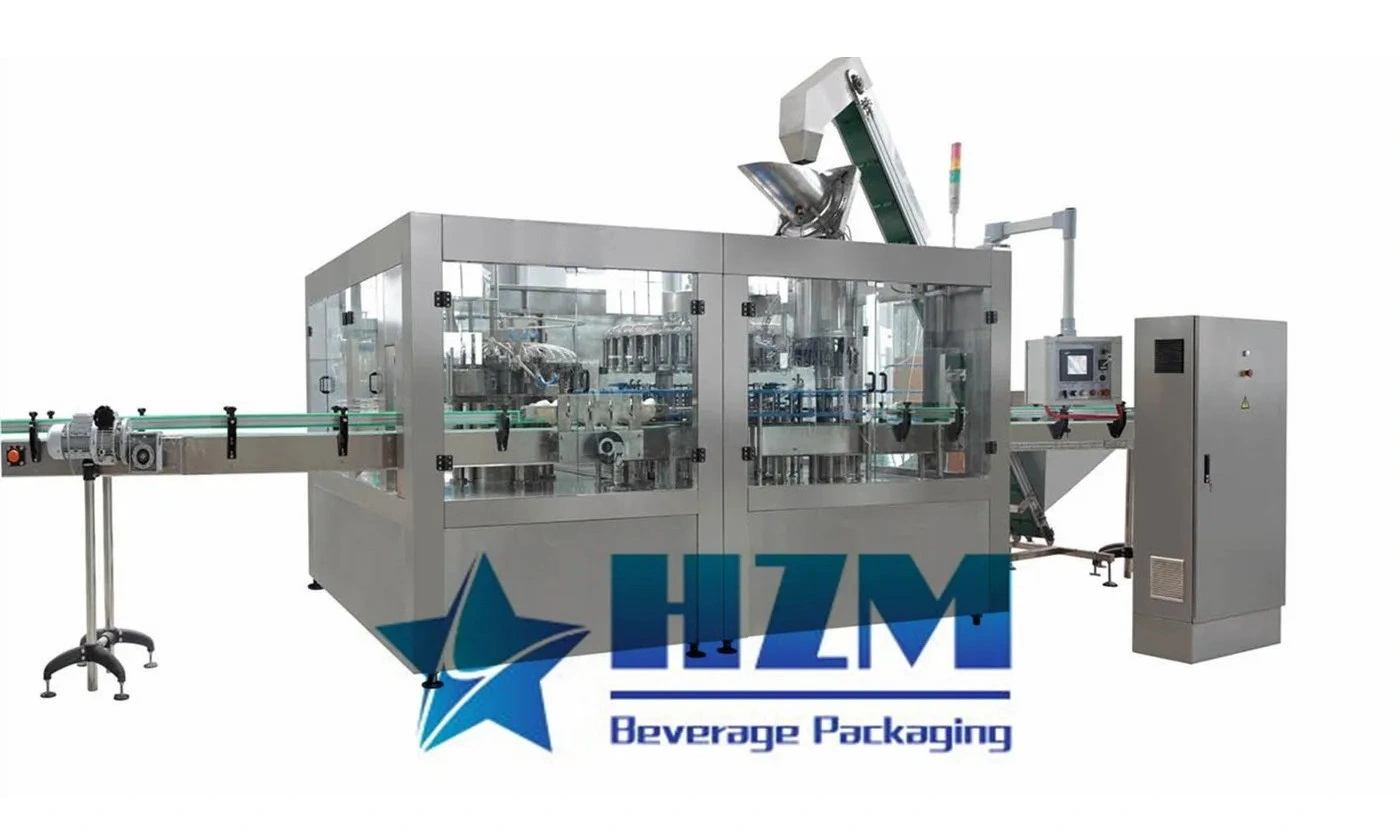
Equipment
Glass Bottle Juice Beverage Filling Machine
Glass bottle juice filling with rinsing and capping, for juice, tea and other still beverages.
Learn more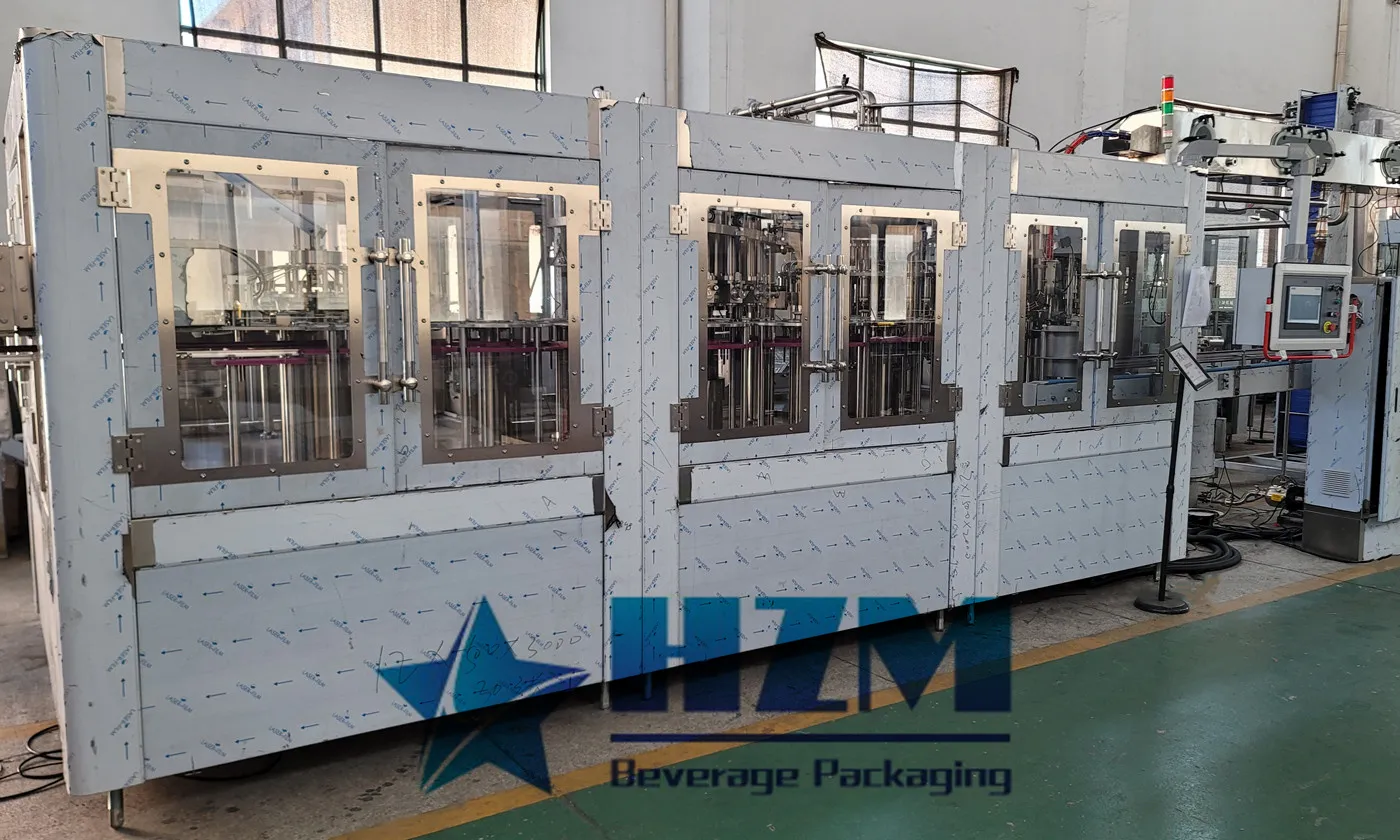
Equipment
Automatic Pulp Juice Filling Machine
Pulp juice filling with separate pulp and liquid dosing, bottle rinsing and capping for beverages containing fruit particles.
Learn more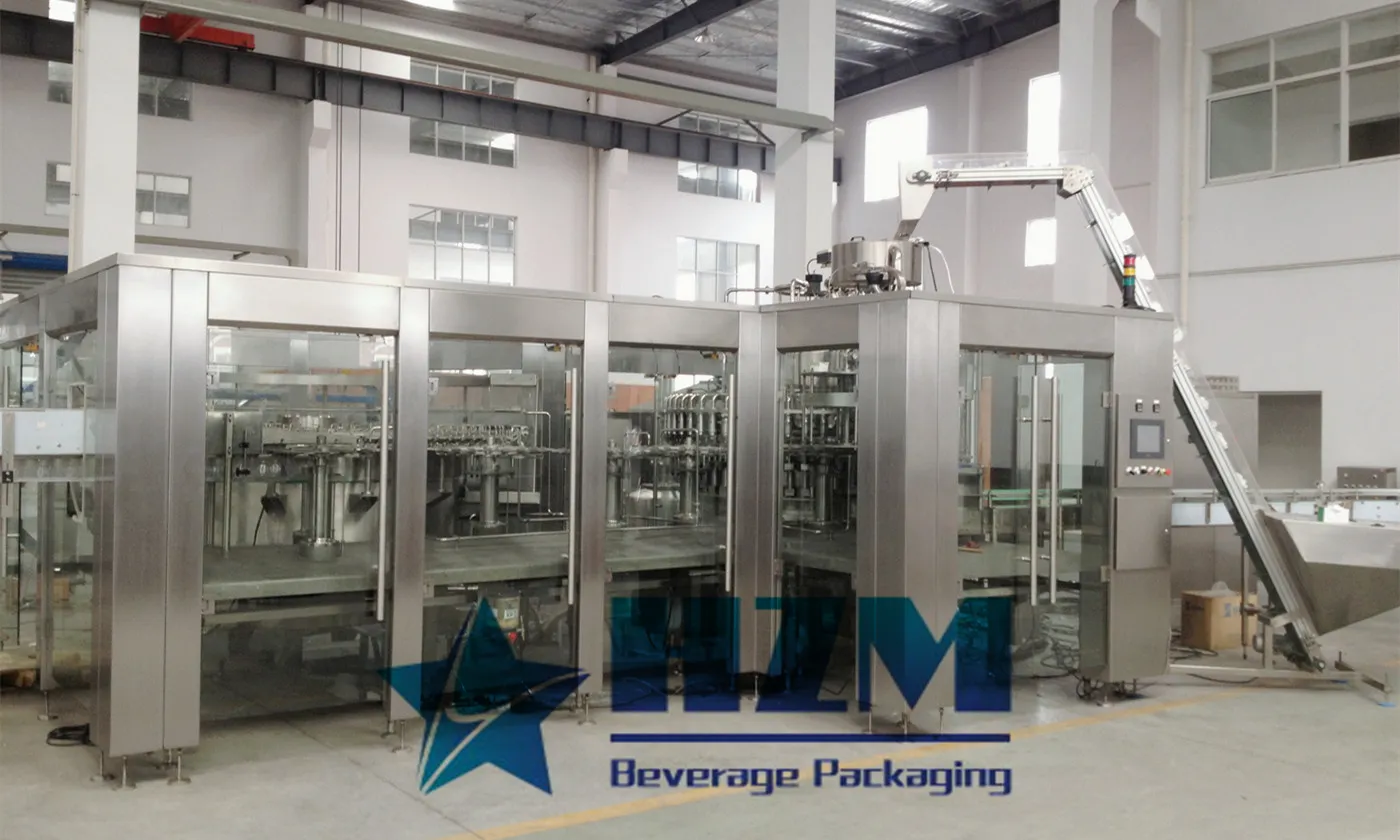
Equipment
PET Bottle juice Beverage Hot Filling Machine
Hot filling for juice and tea in heat-compatible PET bottles, with automatic rinsing, filling and capping.
Learn more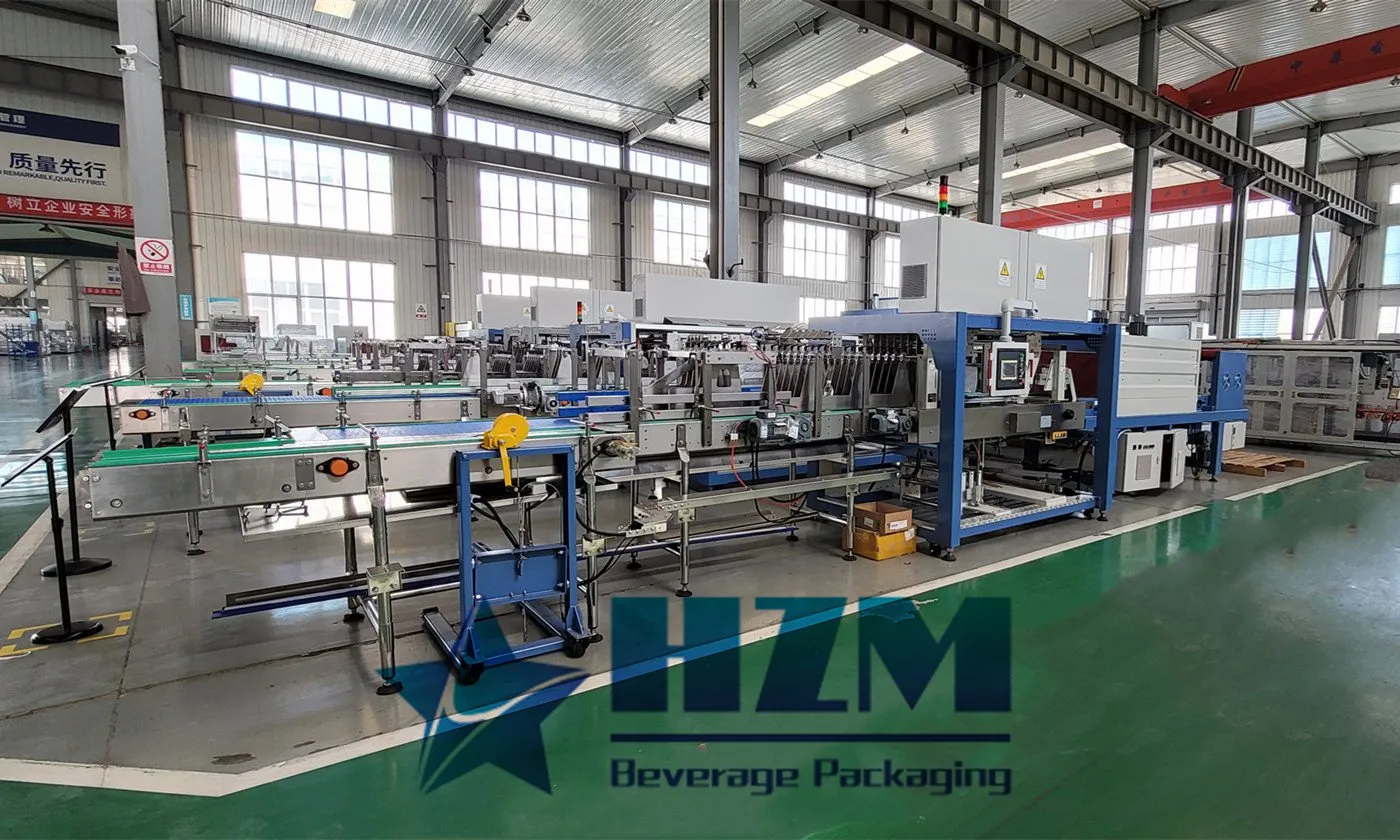
Equipment
Automatic Beverage Packaging Machines – Juice, Soda & Soft Drinks
HZM beverage packaging equipment connects juice, soda and soft drink filling with labelling, coding and secondary packaging.
Learn more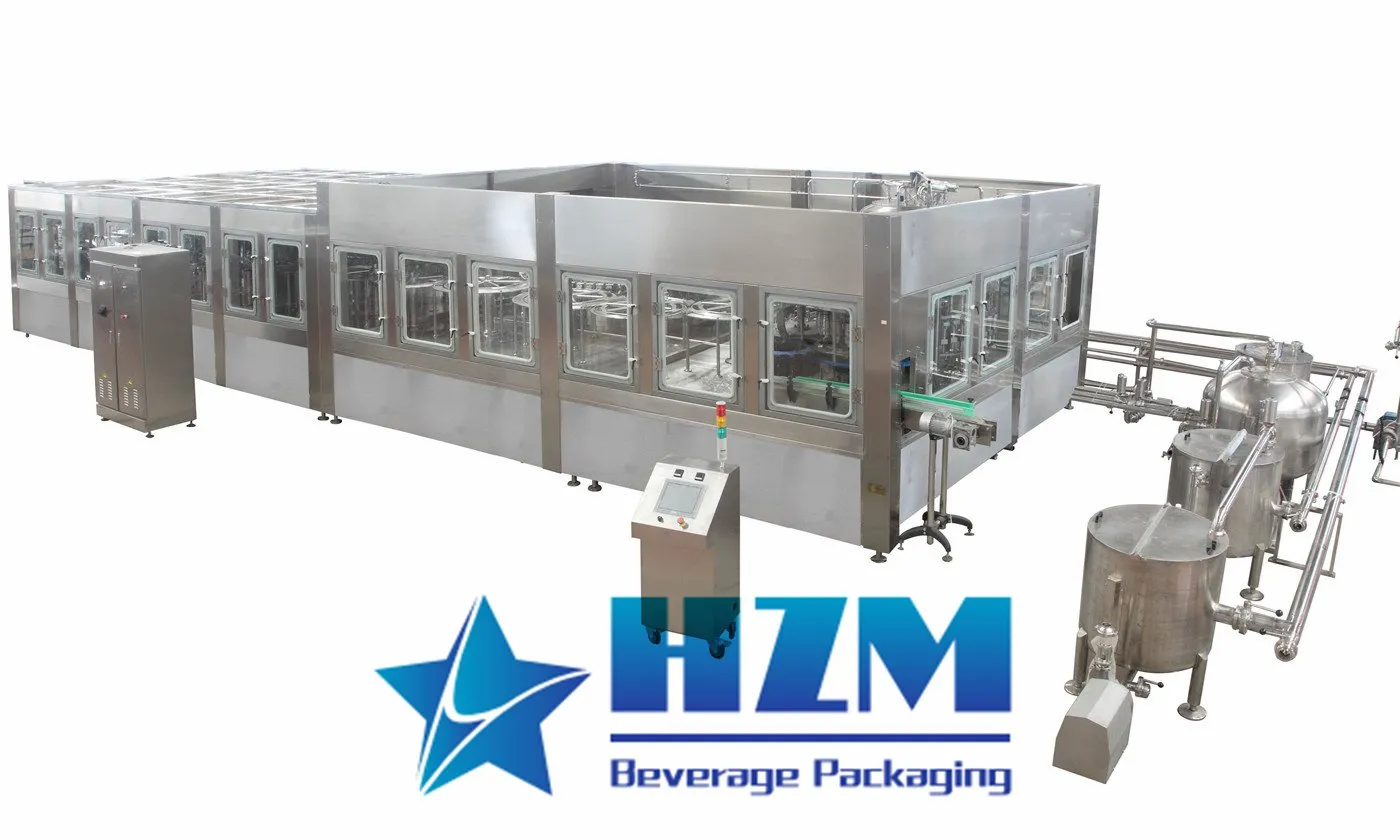
Equipment
Moderate Temperature Juice Filling Machine
Moderate-temperature juice filling with automatic bottle rinsing and capping, with XXGF models from 6,000 to 24,000 bottles/hour at 500 ml.
Learn more2023-06-09
PLC Control for 22,000-28,000 BPH Juice Filling Lines
Learn which PLC, HMI, interlock, recipe and production-data functions matter when specifying a high-speed juice filling line.
Learn more
2023-04-21
Fruit juice beverage filling production line
Juice and beverage filling production lines are used to produce and package juice and beverage products in PET plastic bottles, glass bottles, Tetra Pak packaging, and other forms. The filling capacity of the production line is typically 330ml, 500ml, 1L, 1.5L, and it can produce a variety of juice beverages such as mango juice, kiwi juice, peach juice, and more.
Learn more2023-06-09
PET Juice Filling and Packaging Line: A Practical Selection Guide
Plan a PET juice filling and packaging line for 200 ml to 1.5 L bottles by matching the beverage process, bottle, output target and downstream equipment.
Learn more2023-06-06
Juice Filling Line equipment manufactory
With the increasing focus on healthy diet, the demand for juice in the market is growing rapidly. As an important part of juice production, the selection of equipment and solutions for juice filling lines has a crucial impact on product quality and production efficiency. HZM, as a comprehensive solution provider for juice filling lines
Learn more2023-06-09
PET Juice Line for 200 ml to 1.5 L Bottles: Changeover and Layout Guide
Learn how bottle dimensions, neck finish, change parts, conveyors and production scheduling affect a multi-format PET juice line.
Learn more
2023-06-09
5-Gallon Water Bottling Line Guide: Output Planning for 3- and 5-Gallon Formats
Practical HZM guidance on 5-gallon water bottling line, focused on output planning for 3- and 5-gallon formats, line integration, RFQ data and measurable acceptance checks.
Learn more