
Insights & Updates
PET Juice Filling and Packaging Line: A Practical Selection Guide
A PET juice filling and packaging line should be selected as one connected process, not as a single machine with an attractive nominal speed. For bottles from 200 ml to 1.5 L, the right configuration depends on the beverage recipe, filling temperature, bottle design, cap, required output and final pack format. Defining these inputs first helps prevent unstable filling, difficult changeovers and downstream bottlenecks.
For an overview of the available equipment sequence, see the juice filling production line solution and the juice filling machine range.
Start with the beverage, not the bottle count
Two products in the same 500 ml PET bottle may need different processing and filling conditions. A clear project brief should state whether the drink is clear juice, juice with pulp, tea, an energy drink or another still beverage. It should also define acidity, pulp size and concentration, expected shelf life, preservative policy and the validated thermal process.
These details determine whether the line uses hot filling, moderate-temperature filling, ambient filling or dedicated pulp handling. For example, HZM lists a PET bottle hot filling machine for still beverages and an automatic pulp juice filling machine when a separate pulp-handling step is required. The final choice should follow the approved recipe and process study rather than a generic model table.
Typical equipment in a PET juice line
A complete project can include the following sections. The exact scope depends on whether bottles are made in-house and which operations already exist in the factory.
- Water treatment: pretreatment and purification selected from the raw-water analysis and target product-water quality.
- Beverage preparation: sugar dissolving, blending, filtration, heat treatment, storage and transfer according to the recipe.
- CIP: cleaning circuits sized for the connected tanks, pipelines and filling equipment. HZM’s CIP system can be configured around the confirmed cleaning recipe.
- Bottle production or supply: an in-house blow molding machine, or a controlled supply of approved empty bottles.
- Rinsing, filling and capping: matched to the drink, bottle neck, cap and filling process.
- Cooling or product treatment: included when required by the validated process and package.
- Labeling, coding and packing: selected for the label material, code position and transport pack.
- Conveying and controls: used to balance all machines and manage accumulation safely.
Define every bottle and cap before engineering
Do not describe the package only as “200-1500 ml.” Send dimensioned bottle and neck drawings, preform details when bottles will be blown on site, cap drawings or samples, bottle weight and material, label drawing and final pack pattern. Bottle height, diameter and stability can affect guide rails, star wheels, filling height, conveyors and change parts even when the nominal volume is the same.
If several formats will run on one line, list the expected production share of each format. A frequently produced 500 ml bottle may justify faster or tool-less change parts, while an occasional 1.5 L format may tolerate a longer scheduled changeover. Confirm which adjustments are automatic and which require parts or manual setup.
Calculate capacity at the line level
Rated filling speed is not the same as sustained saleable output. Bottle volume, fill temperature, foaming, product viscosity, changeovers, cleaning, cap supply and downstream stops all affect real production. Establish the required bottles per hour for each format and the planned production hours per shift. Then apply an agreed allowance for normal stops and changeovers.
The filler should not be selected in isolation. Bottle blowing, beverage preparation, labeling and packing must support the same production plan. Small accumulation sections can absorb short interruptions, but they cannot correct a permanently undersized machine. Ask for a line balance showing the rated speed of each section, the design basis and the conditions under which the target output applies.
Choose labeling and packing from the market package
The label and transport pack affect both equipment and layout. Sleeve labels, self-adhesive labels and roll-fed labels use different machines and consumables. Shrink packs, trays or cartons require different packers and utilities. Review the labeling machine and packaging machine categories only after the bottle artwork and sales pack have been defined.
Information needed for an accurate proposal
- Beverage recipe and whether it contains pulp or particles.
- Required filling and cooling process.
- Bottle volumes, drawings, neck finish, cap and label.
- Target output for every bottle size.
- Daily production schedule and changeover frequency.
- Raw-water report and required finished-water quality.
- Available floor space, building height and preferred line direction.
- Electrical supply, compressed air, water, steam and cooling conditions.
- Final pack pattern and pallet or warehouse interface.
Frequently asked questions
Can one line run both 200 ml and 1.5 L PET bottles?
Usually it can be engineered for multiple formats, but compatibility depends on the bottle and neck drawings, the speed required for each size and the number of change parts. Samples or approved drawings should be reviewed before the configuration is confirmed.
Should the blow molding machine match the filler speed exactly?
It should match the agreed production plan with a practical operating margin and a defined bottle-transfer method. The correct balance also depends on cavity configuration, bottle size, preform heating and expected efficiency.
What is the best way to compare quotations?
Compare the process basis, included equipment, capacity conditions, materials in product-contact areas, utilities, change parts, controls, documentation, installation scope and acceptance criteria. A short model name or headline speed is not enough to compare two complete lines.
Talk to our engineering team
Need help planning your packaging line?
Share your product, bottle and capacity requirements for a practical equipment recommendation.
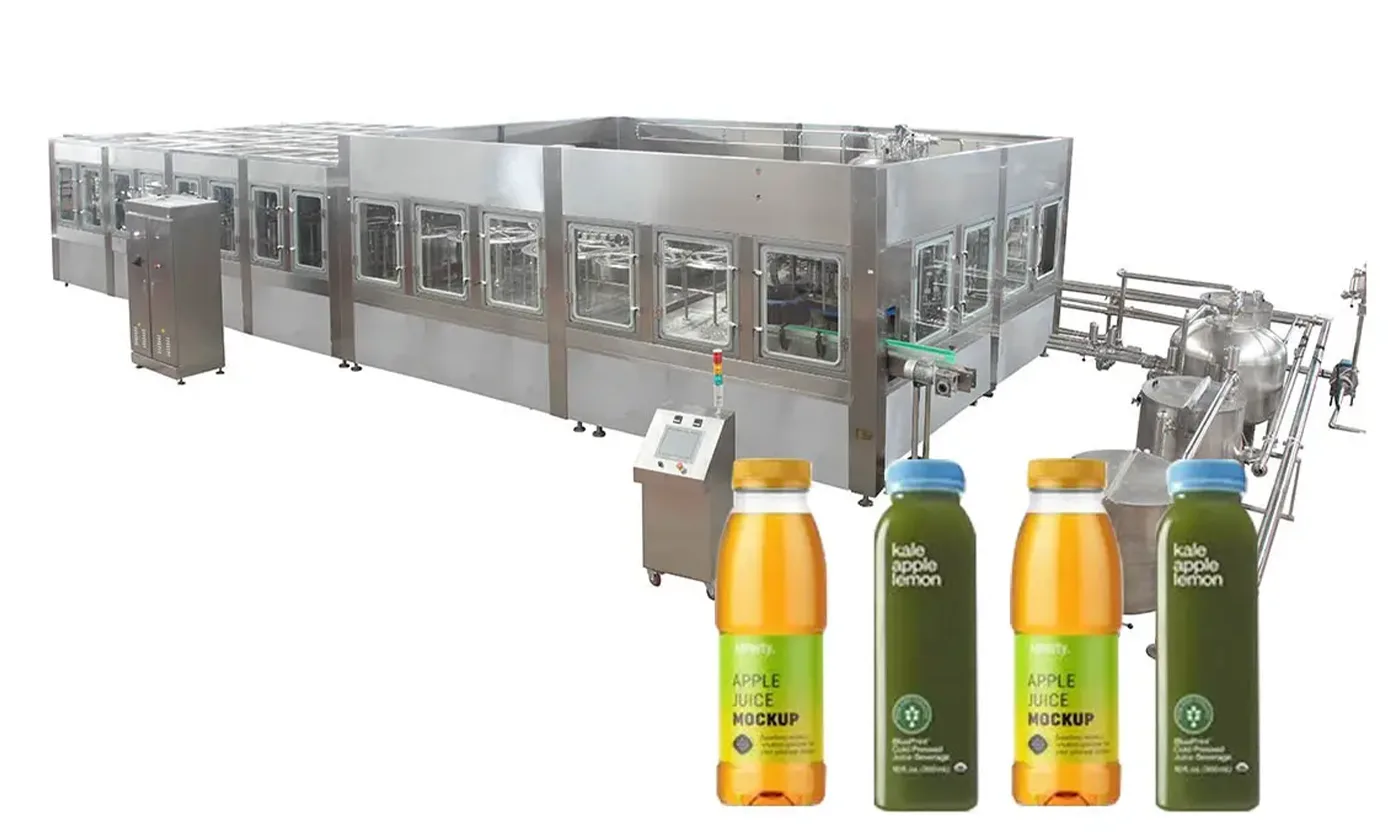
Equipment
Bottled Juice Packaging Machine
Bottled juice filling equipment with rinsing and capping, from 6,000 to 18,000 bottles/hour at 500 ml.
Learn more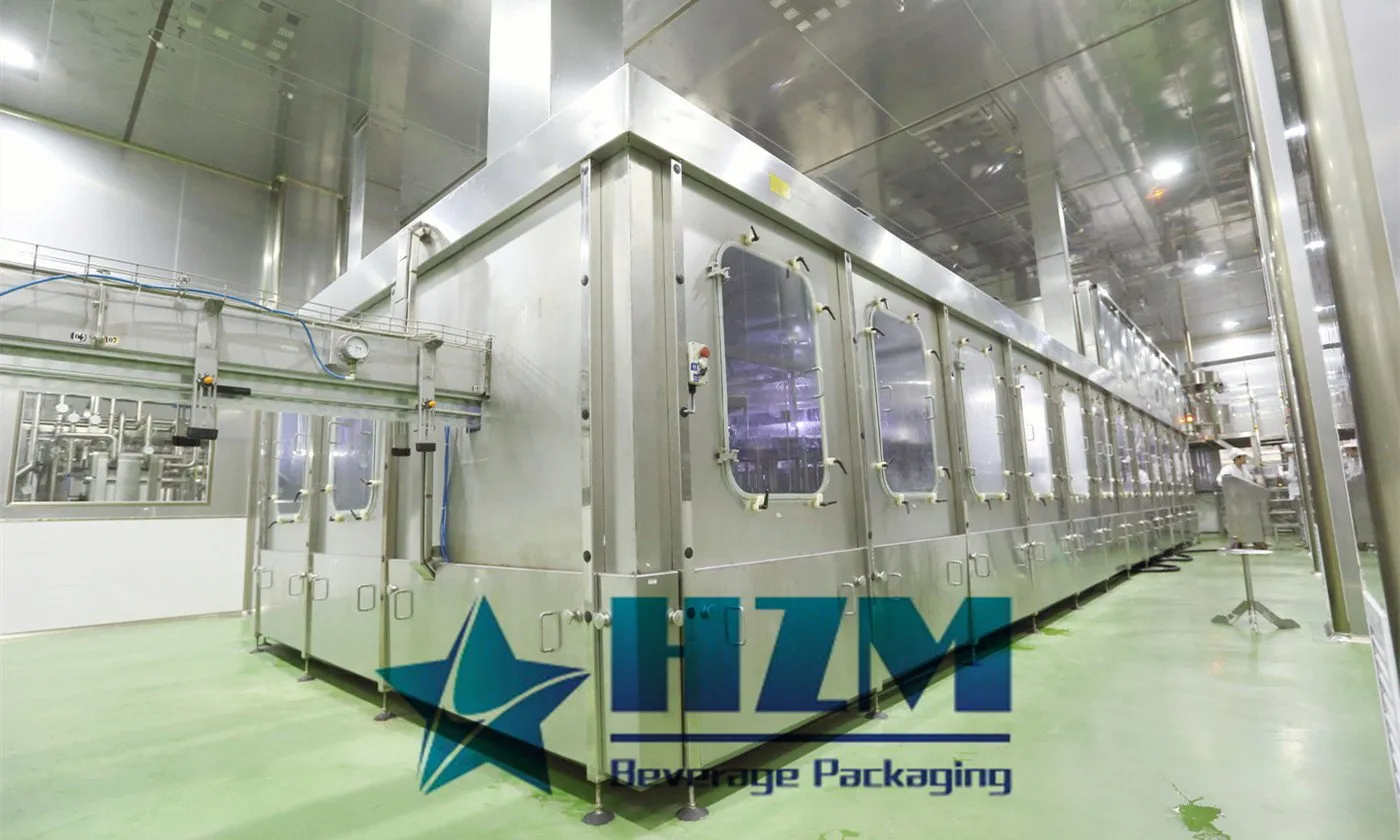
Equipment
PET Bottle Juice Beverage Filling Machine
PET bottle juice filling with automatic rinsing and capping, for juice, tea and still beverages.
Learn more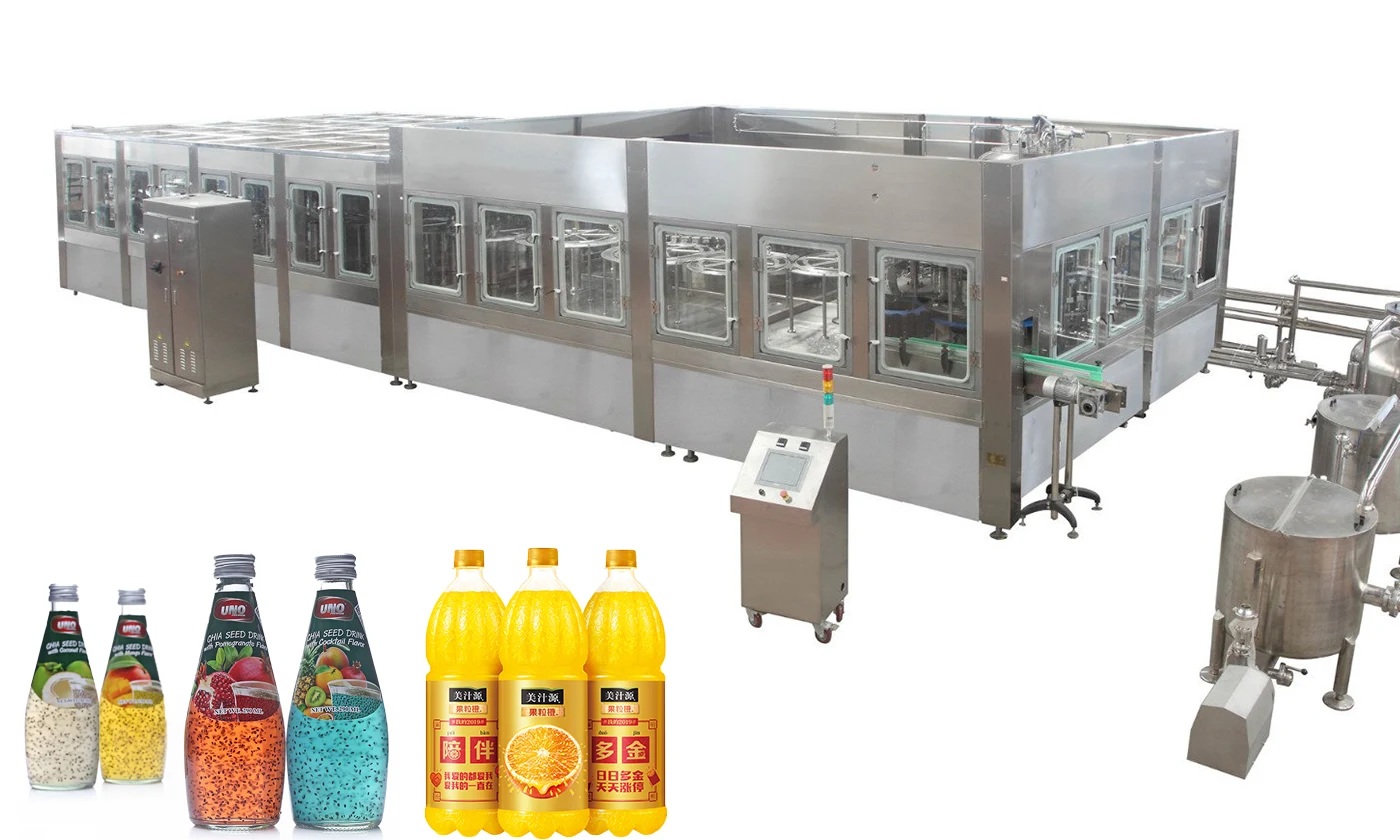
Equipment
juice Pulp Filling Machine 4 in 1
RXGGF16-16-5 pulp juice filling with separate pulp and liquid dosing, rinsing and capping at 5,000 bottles/hour for 250 ml bottles.
Learn more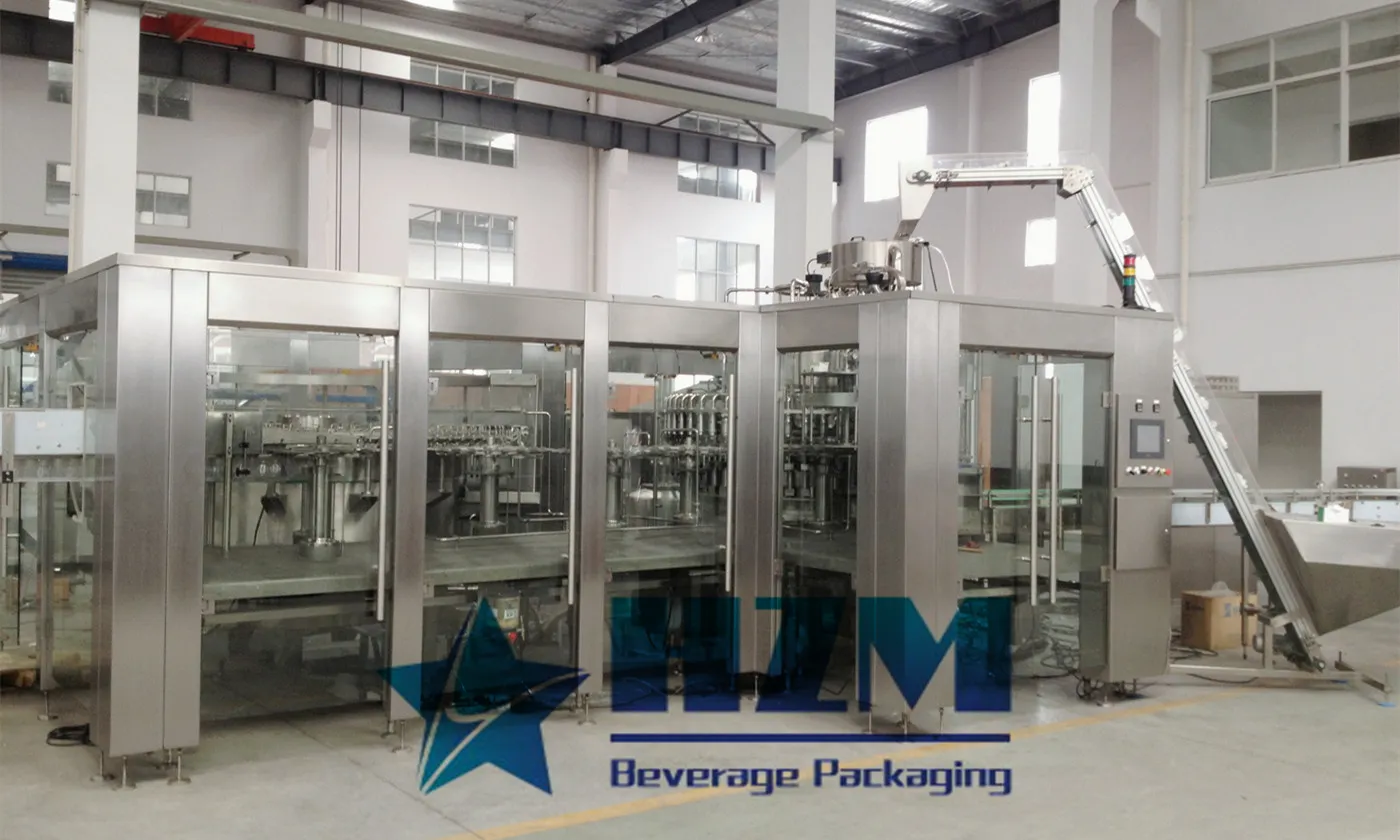
Equipment
PET Bottle juice Beverage Hot Filling Machine
Hot filling for juice and tea in heat-compatible PET bottles, with automatic rinsing, filling and capping.
Learn more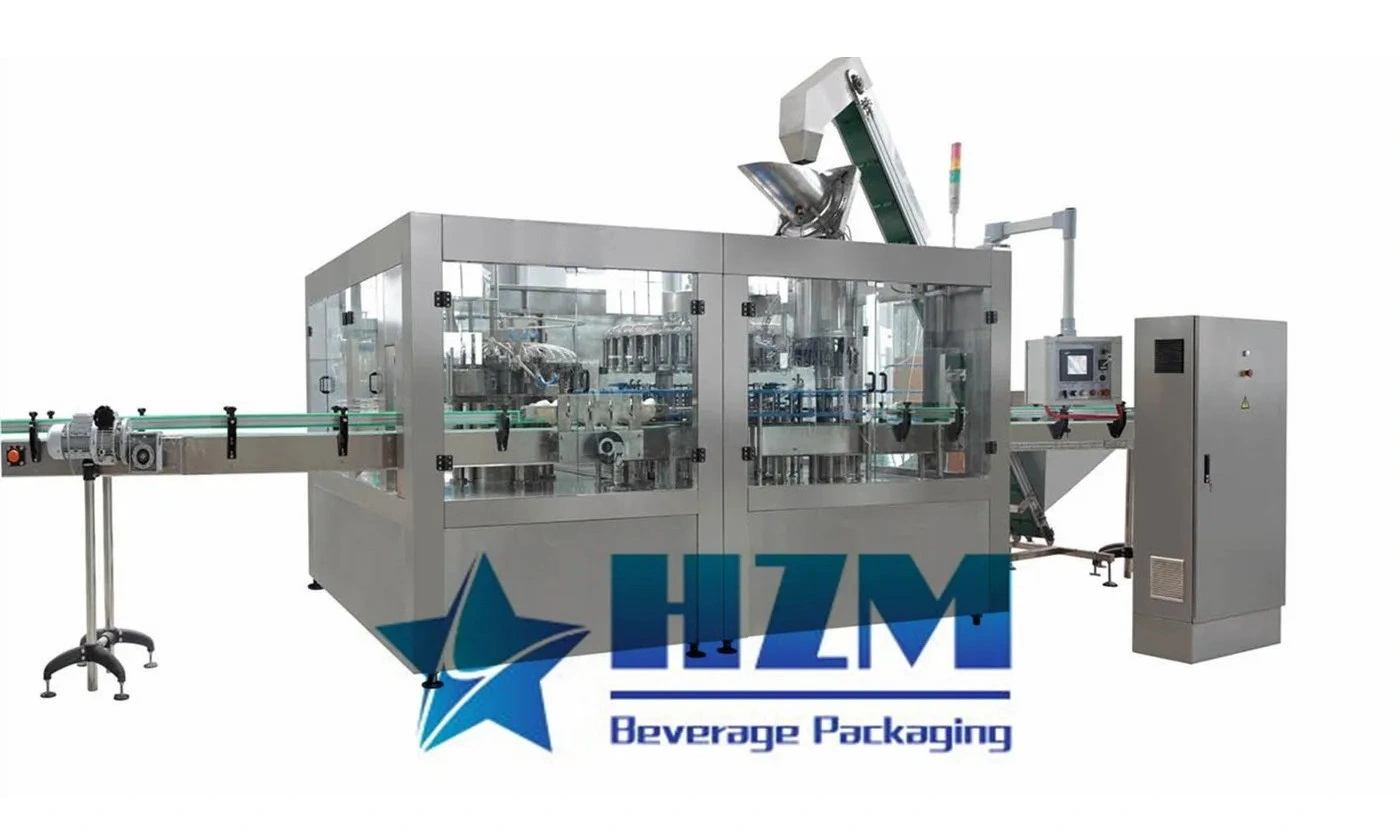
Equipment
Glass Bottle Juice Beverage Filling Machine
Glass bottle juice filling with rinsing and capping, for juice, tea and other still beverages.
Learn more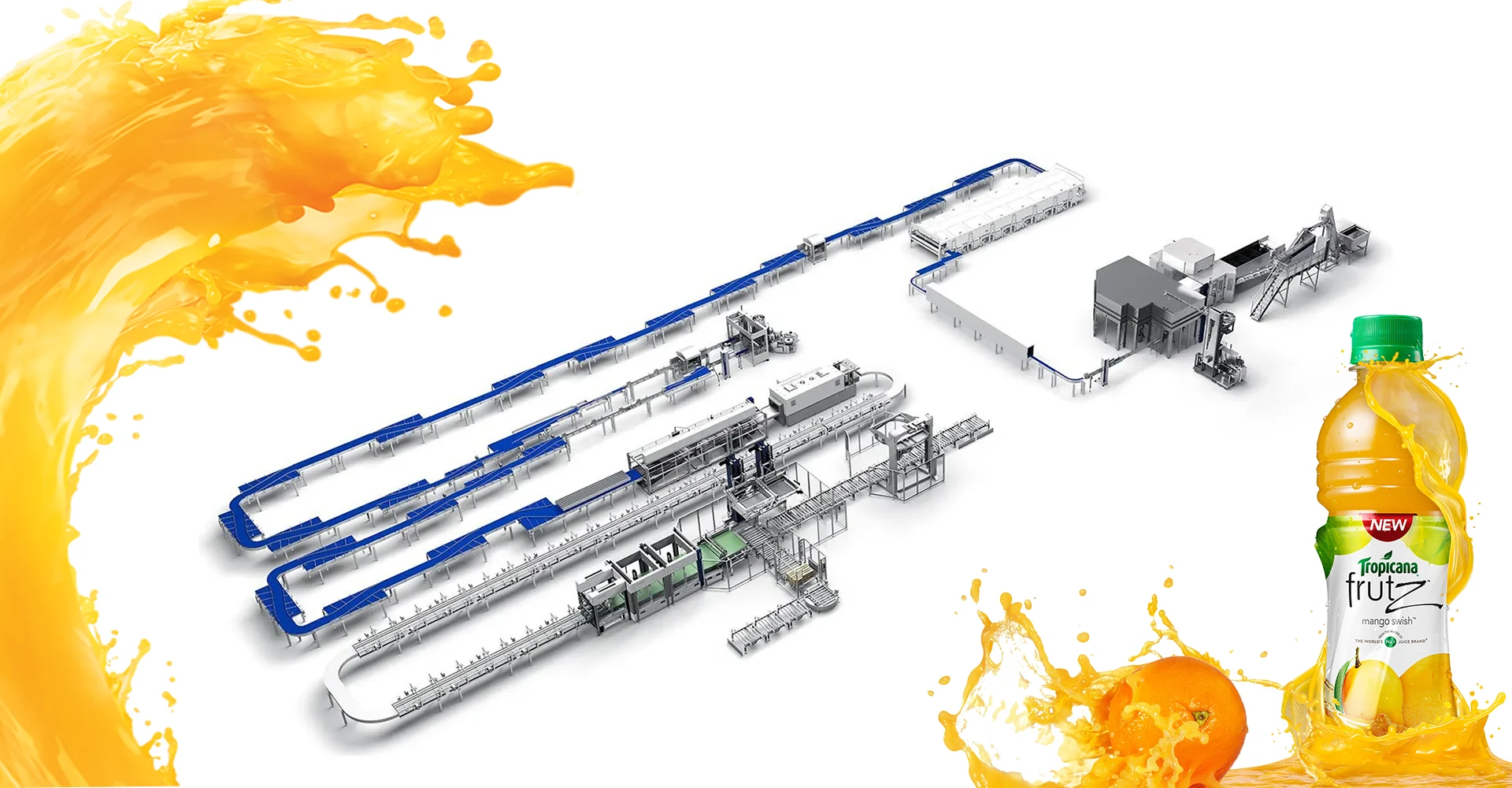
Equipment
Juice beverage bottling line
The juice beverage bottling line connects beverage preparation and thermal processing with bottle filling, capping, labelling and packing.
Learn more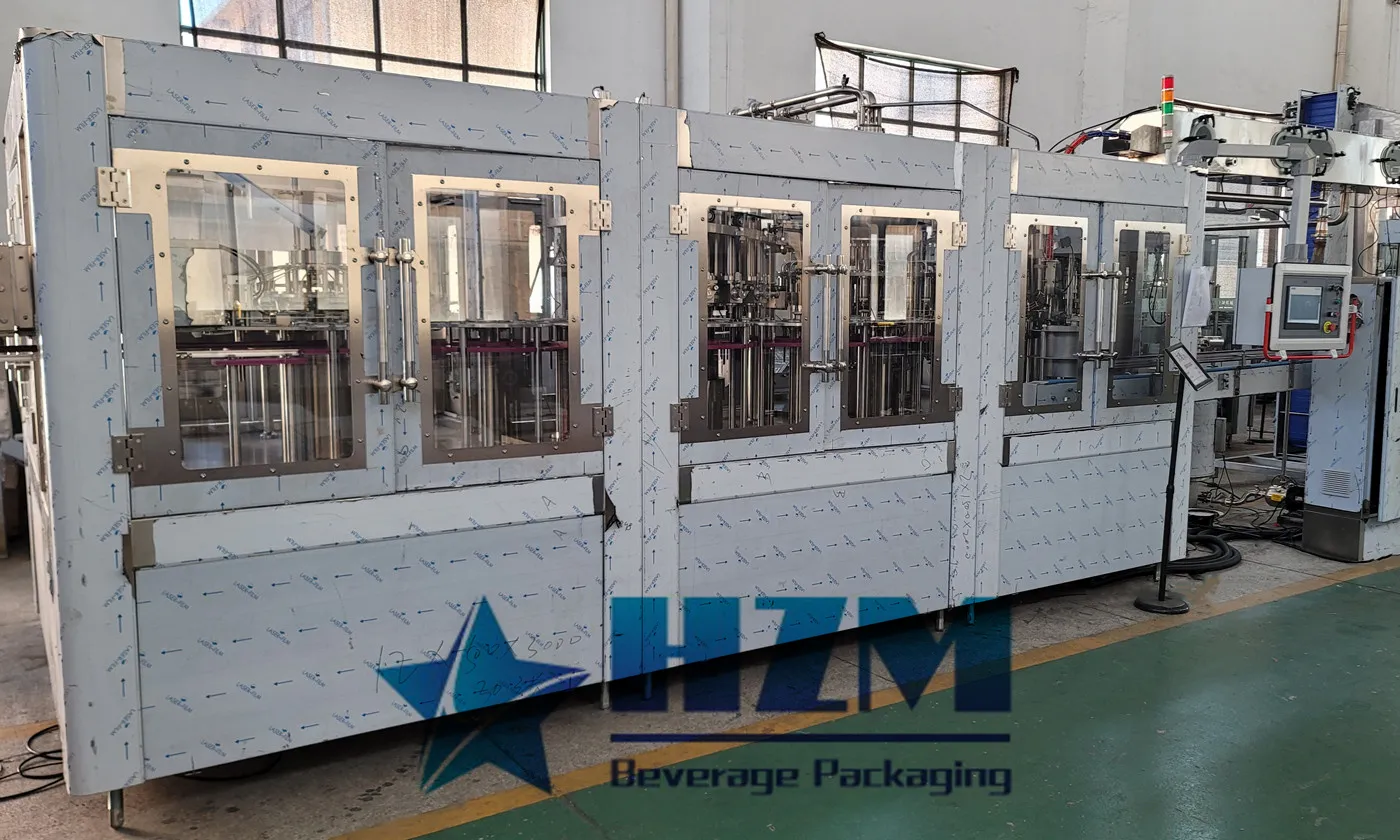
Equipment
Automatic Pulp Juice Filling Machine
Pulp juice filling with separate pulp and liquid dosing, bottle rinsing and capping for beverages containing fruit particles.
Learn more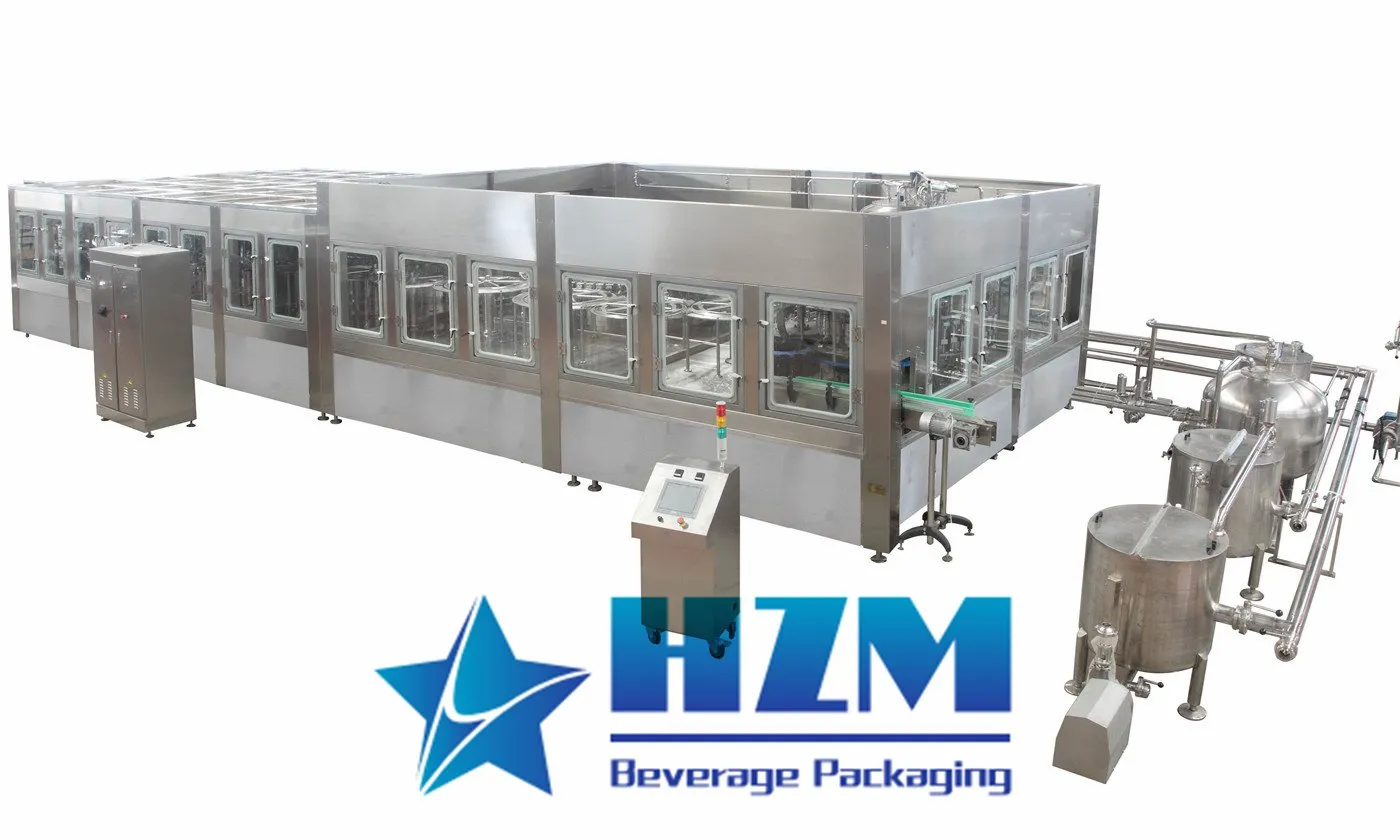
Equipment
Moderate Temperature Juice Filling Machine
Moderate-temperature juice filling with automatic bottle rinsing and capping, with XXGF models from 6,000 to 24,000 bottles/hour at 500 ml.
Learn more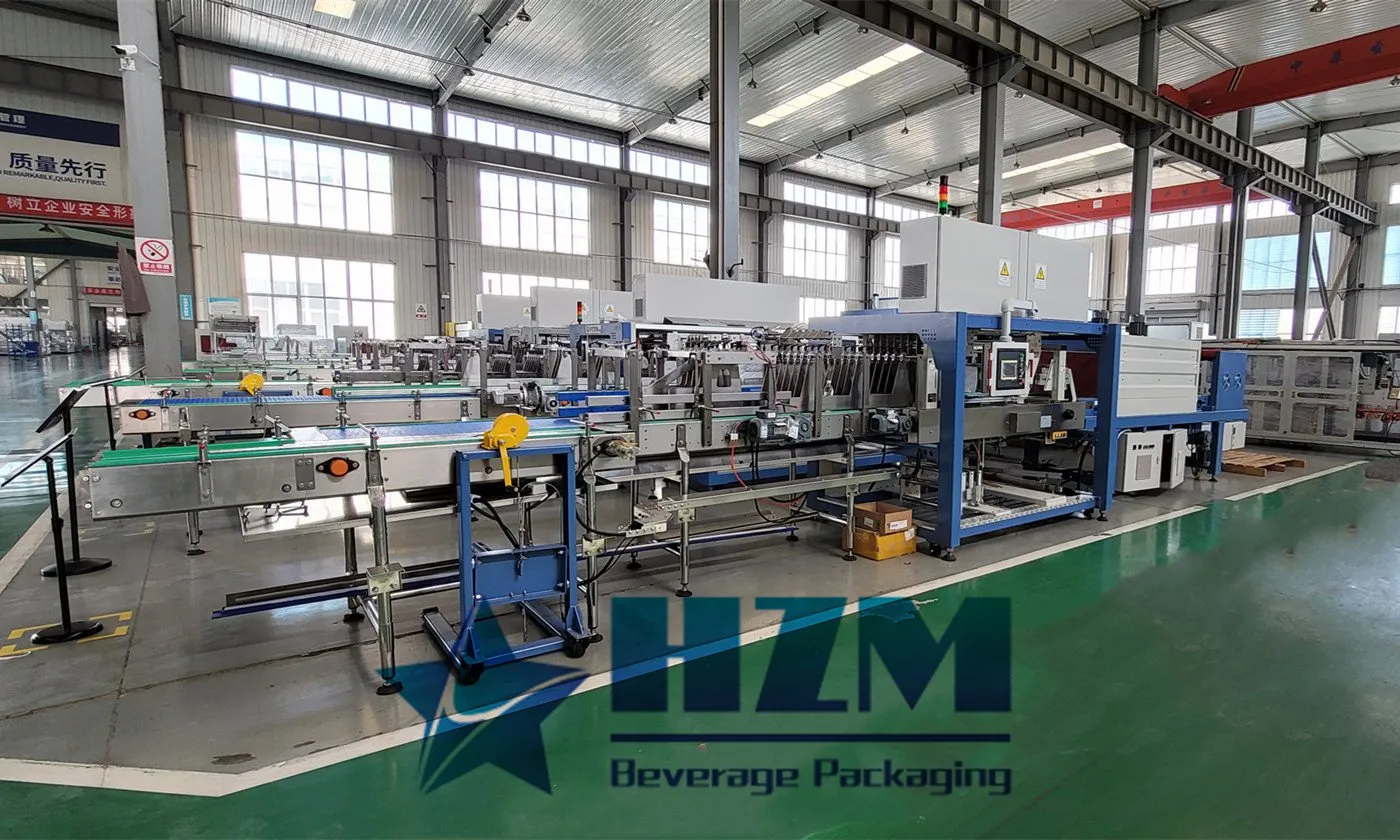
Equipment
Automatic Beverage Packaging Machines – Juice, Soda & Soft Drinks
HZM beverage packaging equipment connects juice, soda and soft drink filling with labelling, coding and secondary packaging.
Learn more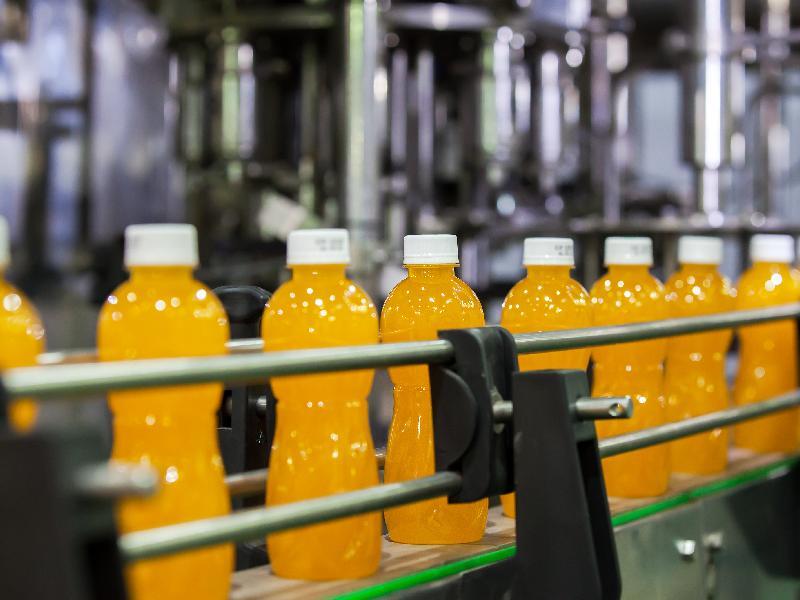
2023-04-21
Fruit juice beverage filling production line
Juice and beverage filling production lines are used to produce and package juice and beverage products in PET plastic bottles, glass bottles, Tetra Pak packaging, and other forms. The filling capacity of the production line is typically 330ml, 500ml, 1L, 1.5L, and it can produce a variety of juice beverages such as mango juice, kiwi juice, peach juice, and more.
Learn more2023-06-06
Juice Filling Line equipment manufactory
With the increasing focus on healthy diet, the demand for juice in the market is growing rapidly. As an important part of juice production, the selection of equipment and solutions for juice filling lines has a crucial impact on product quality and production efficiency. HZM, as a comprehensive solution provider for juice filling lines
Learn more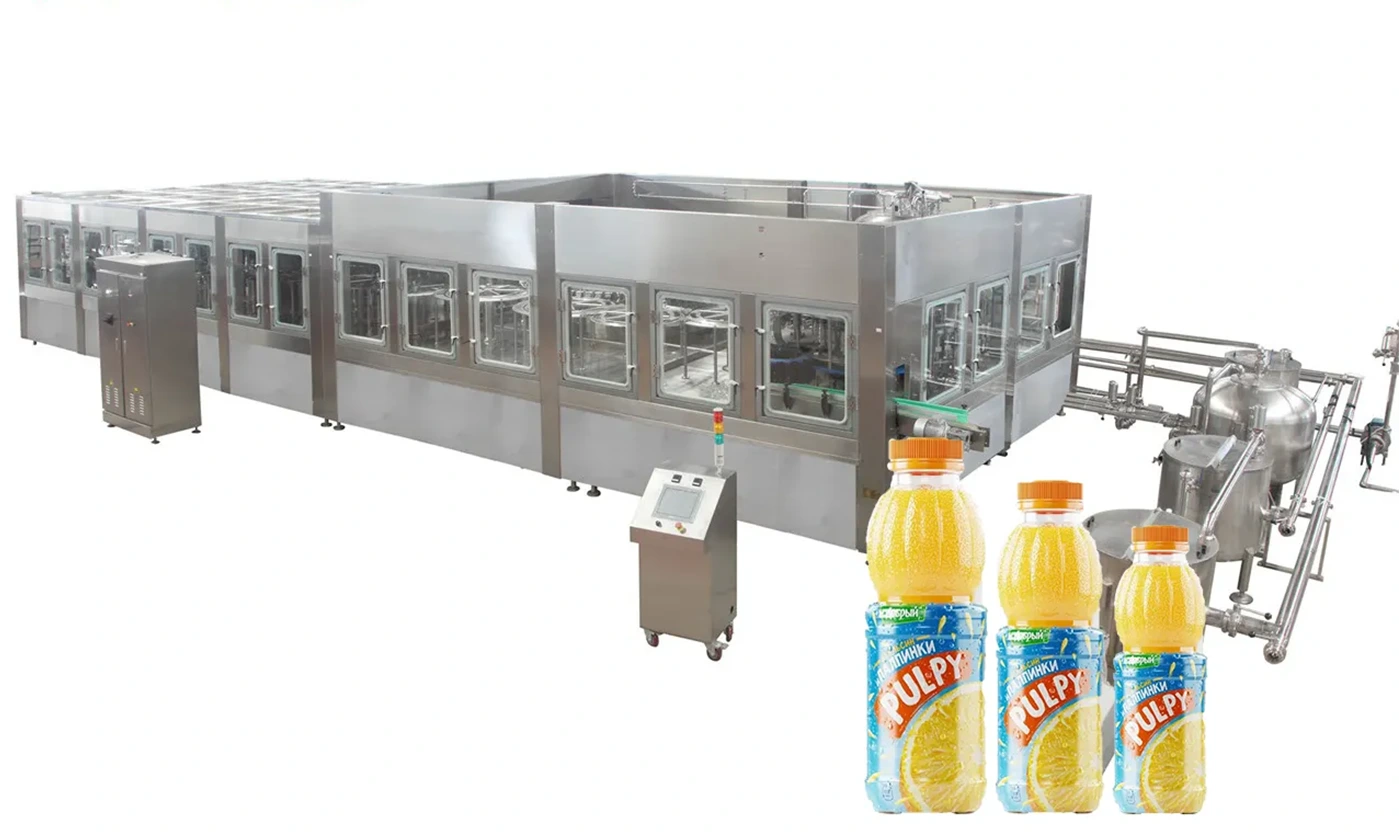
2023-11-04
Juice Beverage Filling Equipment: Detailed Introduction
As a beloved beverage, fruit juice production encompasses a range of flavors, such as orange juice, pineapple juice, grape juice, apple juice, mango juice, pomegranate juice, and carrot juice, among others. In this article, we will provide a comprehensive overview of juice beverage filling equipment and its production process.
Learn more
2023-11-27
Three-in-One Juice Beverage Packaging Machine
A three-in-one juice beverage packaging machine is a versatile piece of equipment that combines three essential functions into a single unit: bottle washing, filling, and capping.
Learn more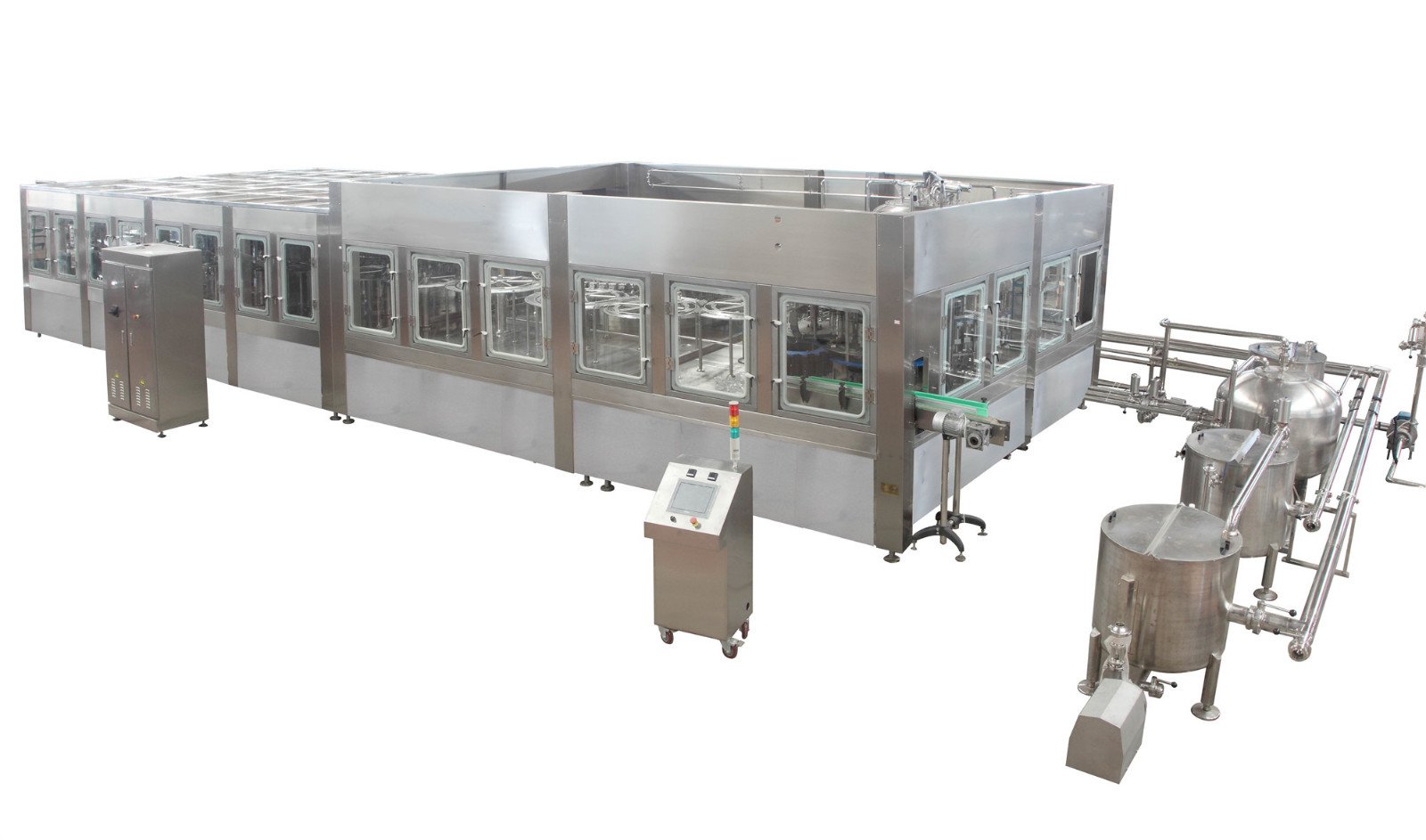
2023-03-24
The Working Principle of Juice Filling Machine
Juice filling machine and ordinary water or carbonated beverage materials are significantly different in composition, filling methods and filling processes are also different. Therefore, the structure of juice filling machine is very different from that of ordinary water filling machine in terms of filling cylinder, filling valve and management system. Because the ingredients of the juice hot filling […]
Learn more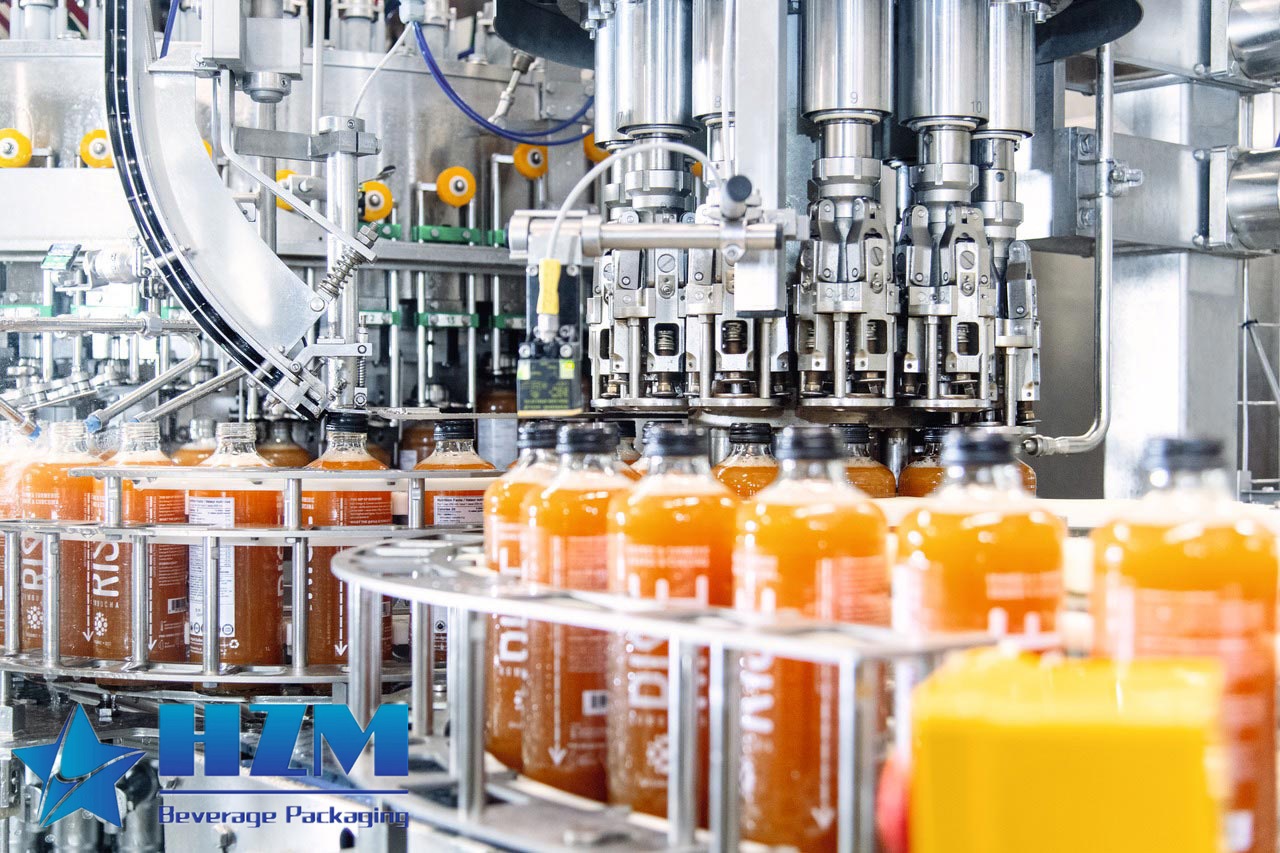
2023-08-22
The Application of Filling Machines in the Juice Beverage Industry
With the growing emphasis on healthy consumption, juice beverages have become increasingly popular in modern life. To meet market demands, juice beverage manufacturers employ advanced technologies and equipment, with filling machines playing a pivotal role in the juice beverage industry. This article focuses on the application and advantages of filling machines in the realm of juice beverages.
Learn more