
Insights & Updates
The Working Principle of Juice Filling Machine
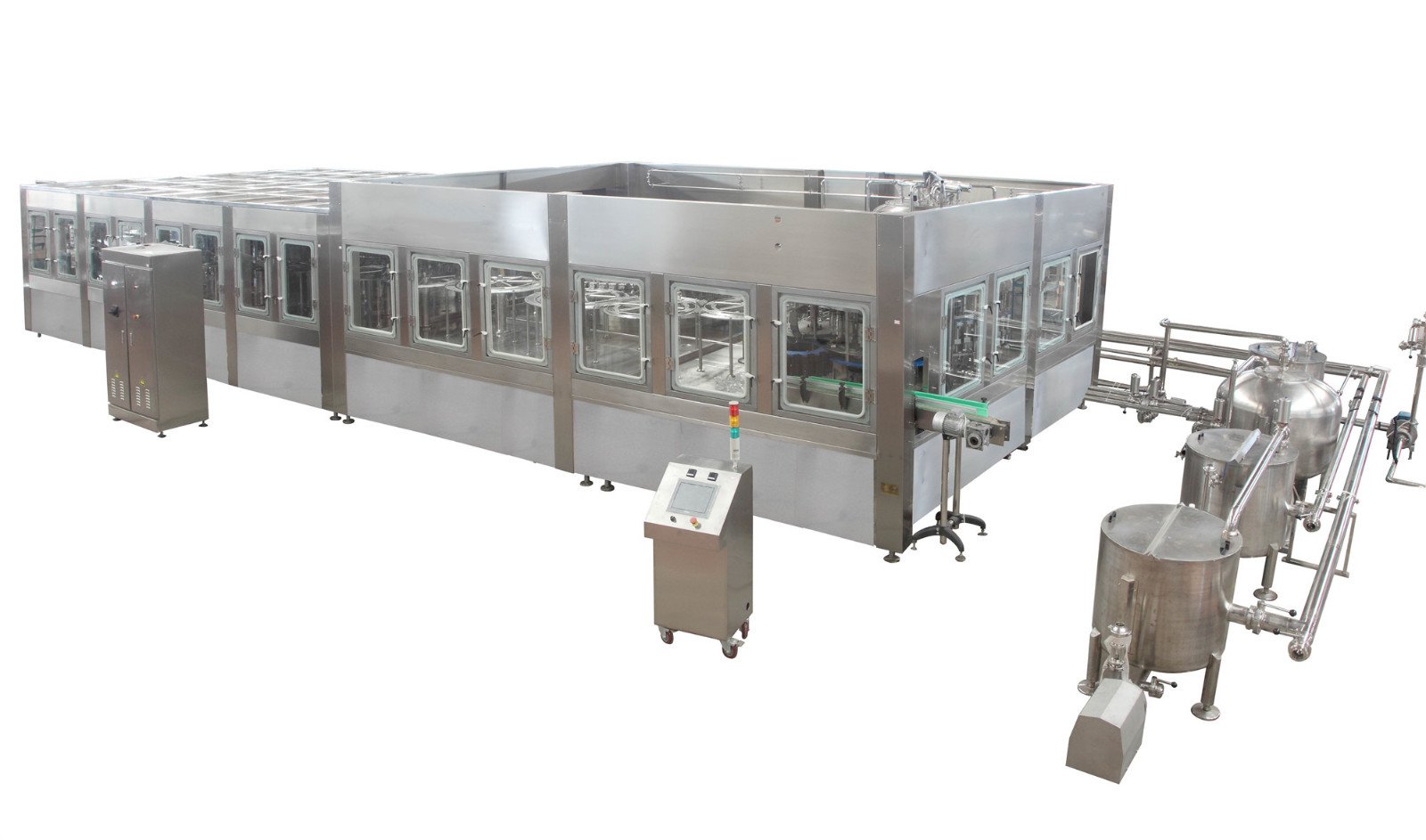
Juice filling machine and ordinary water or carbonated beverage materials are significantly different in composition, filling methods and filling processes are also different. Therefore, the structure of juice filling machine is very different from that of ordinary water filling machine in terms of filling cylinder, filling valve and management system. Because the ingredients of the juice hot filling machine are filled with different ingredients such as juice, tea, coffee milk and functional health drinks, some have high sugar content, some even contain pectin and theophylline.
Juice filling machine is one of the main equipment in juice filling line. It consists of three-in-one machine of bottle washing, filling and capping. It also has a material return tank and a circulation system. The flushing bottle and the filling part do not need a conveyor belt connection and the star wheel conveys it. The machine is fully automatic controlled, simple and convenient to operate, easy to arrange the equipment of the filling room and control.

Features of fruit juice filling machine
A. The filling machine is a fully automatic quantitative liquid filling machine, which is suitable for filling various oils, such as lubricating oil and edible oil.
B. This model is equipped with a touch display screen, a frequency-converting speed regulating conveyor belt of 8 meters, an automatic induction capping machine and a vacuum drip-proof device.
C. The filling machine has the characteristics of beautiful appearance, high filling accuracy, convenient adjustment and easy operation.
1.Man-machine interface, directly set the filling volume;
2. PLC program control, frequency converter speed linear filling;
3. High-precision volumetric flowmeter, accurate and reliable quantitative;
4. Mechanical seal plus vacuum back suction double anti-drip;
5. Fast and efficient double-flow filling.
General process of fruit juice filling machine:
Boxes filled with empty bottles are stacked on pallets and sent to the unloader by the conveyor belt. The trays are unloaded one by one. Then, the boxes are sent to the unloader with the conveyor belt. It is sent to the box washing machine, cleaned and then transported to the box packing machine, so that the bottle containing the beverage can be filled therein. The empty bottles taken out of the box unloader are sent to the bottle washer for disinfection and cleaning by another conveyor belt. After being inspected by the bottle inspection machine, they pass through the filling machine and capping machine after meeting the cleaning standards. Beverages are filled into bottles by the filler. The filled beverage bottles are capped and sealed by a capping machine and transported to the labeling system for labeling. After labeling, the bottles are sent to the cartoning machine into the box, and then sent to the palletizer, stacked on the pallet and sent to the warehouse.
The juice filling machine is also equipped with a suction fan in the workbench. The suction port is connected to the buffer tank. The suction fan is started during filling. The air in the bottle is quickly sucked through the buffer tank, the lower cylinder and the return pipe of the filling valve.
Talk to our engineering team
Need help planning your packaging line?
Share your product, bottle and capacity requirements for a practical equipment recommendation.
Equipment
Bottled Juice Packaging Machine
Bottled juice filling equipment with rinsing and capping, from 6,000 to 18,000 bottles/hour at 500 ml.
Learn more
Equipment
PET Bottle Juice Beverage Filling Machine
PET bottle juice filling with automatic rinsing and capping, for juice, tea and still beverages.
Learn more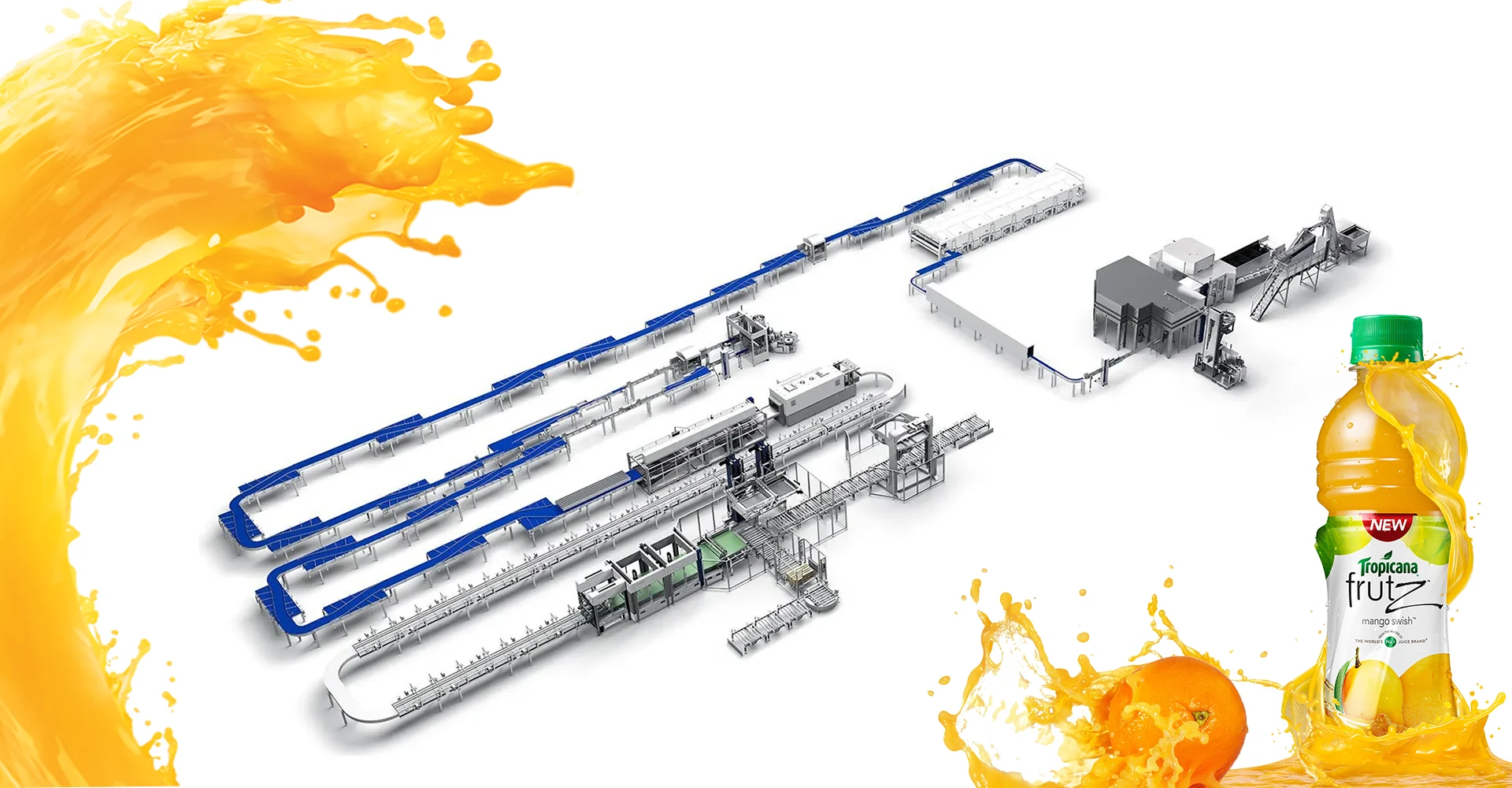
Equipment
Juice beverage bottling line
The juice beverage bottling line connects beverage preparation and thermal processing with bottle filling, capping, labelling and packing.
Learn more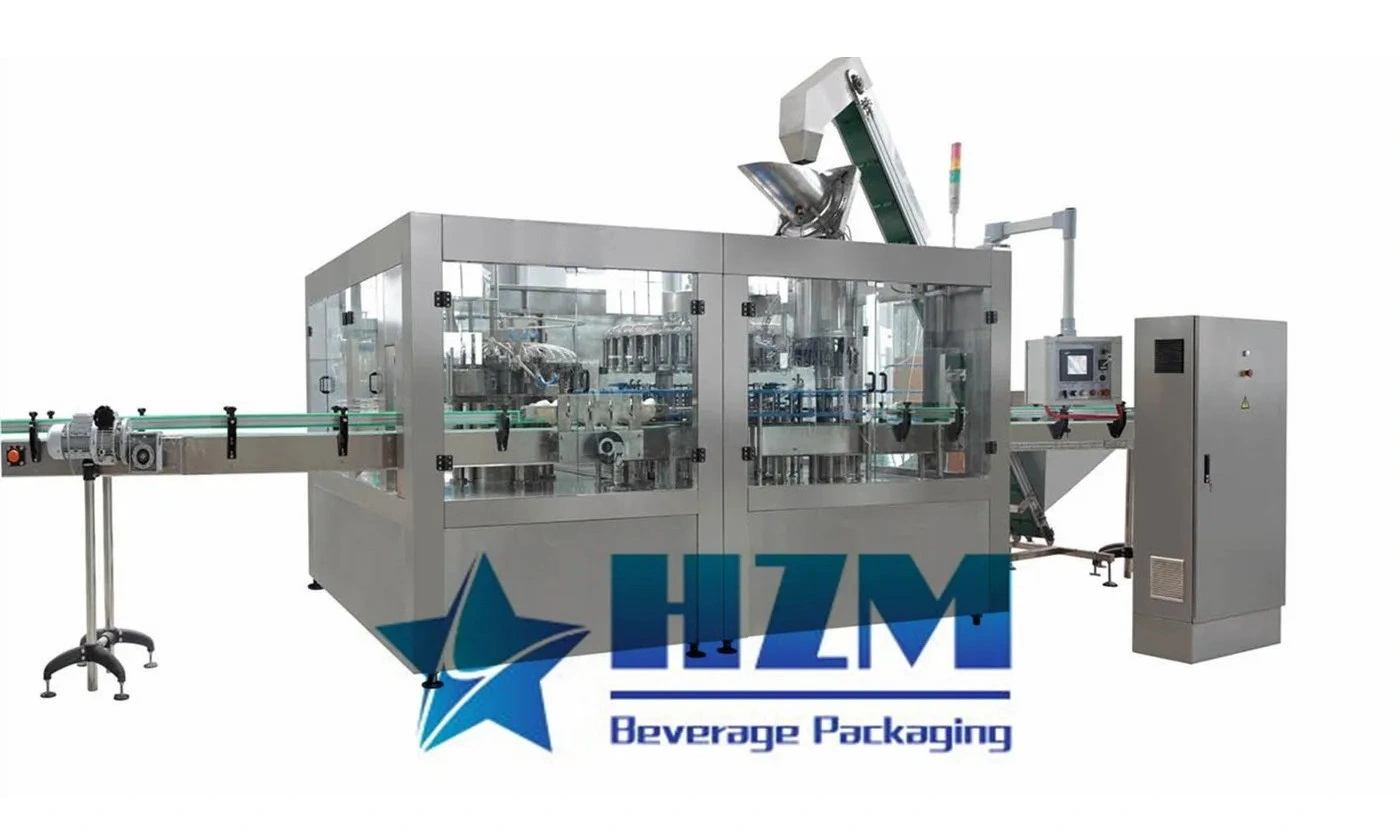
Equipment
Glass Bottle Juice Beverage Filling Machine
Glass bottle juice filling with rinsing and capping, for juice, tea and other still beverages.
Learn more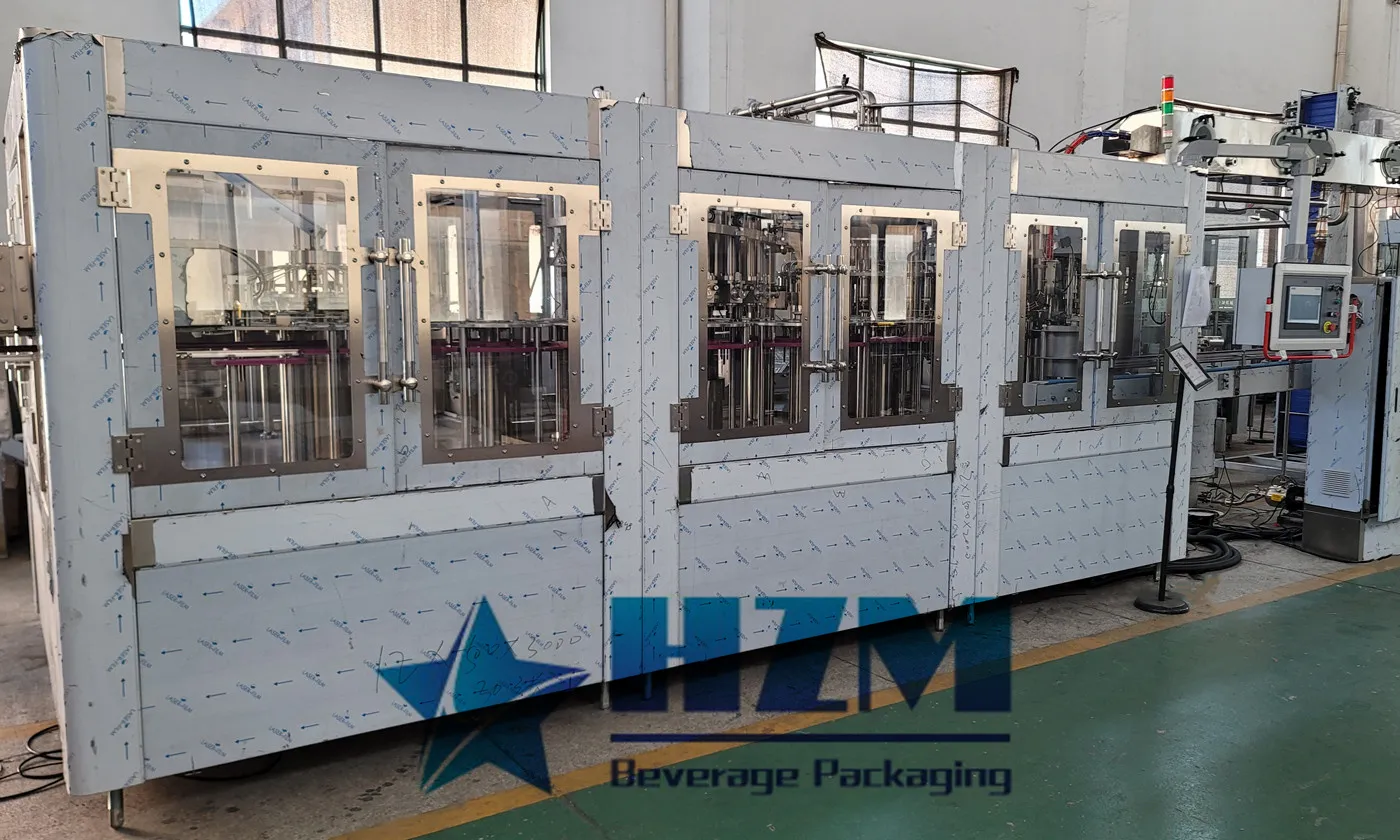
Equipment
Automatic Pulp Juice Filling Machine
Pulp juice filling with separate pulp and liquid dosing, bottle rinsing and capping for beverages containing fruit particles.
Learn more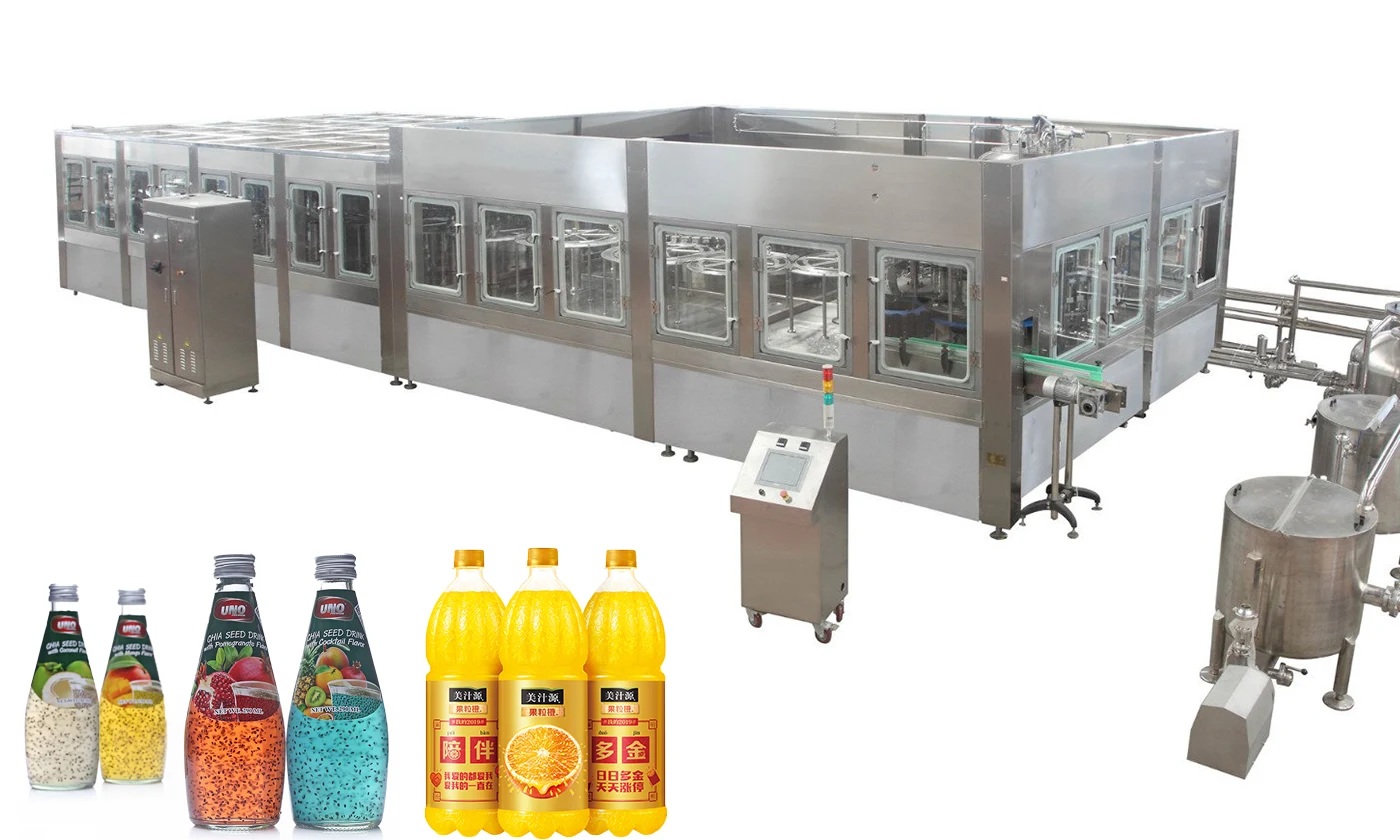
Equipment
juice Pulp Filling Machine 4 in 1
RXGGF16-16-5 pulp juice filling with separate pulp and liquid dosing, rinsing and capping at 5,000 bottles/hour for 250 ml bottles.
Learn more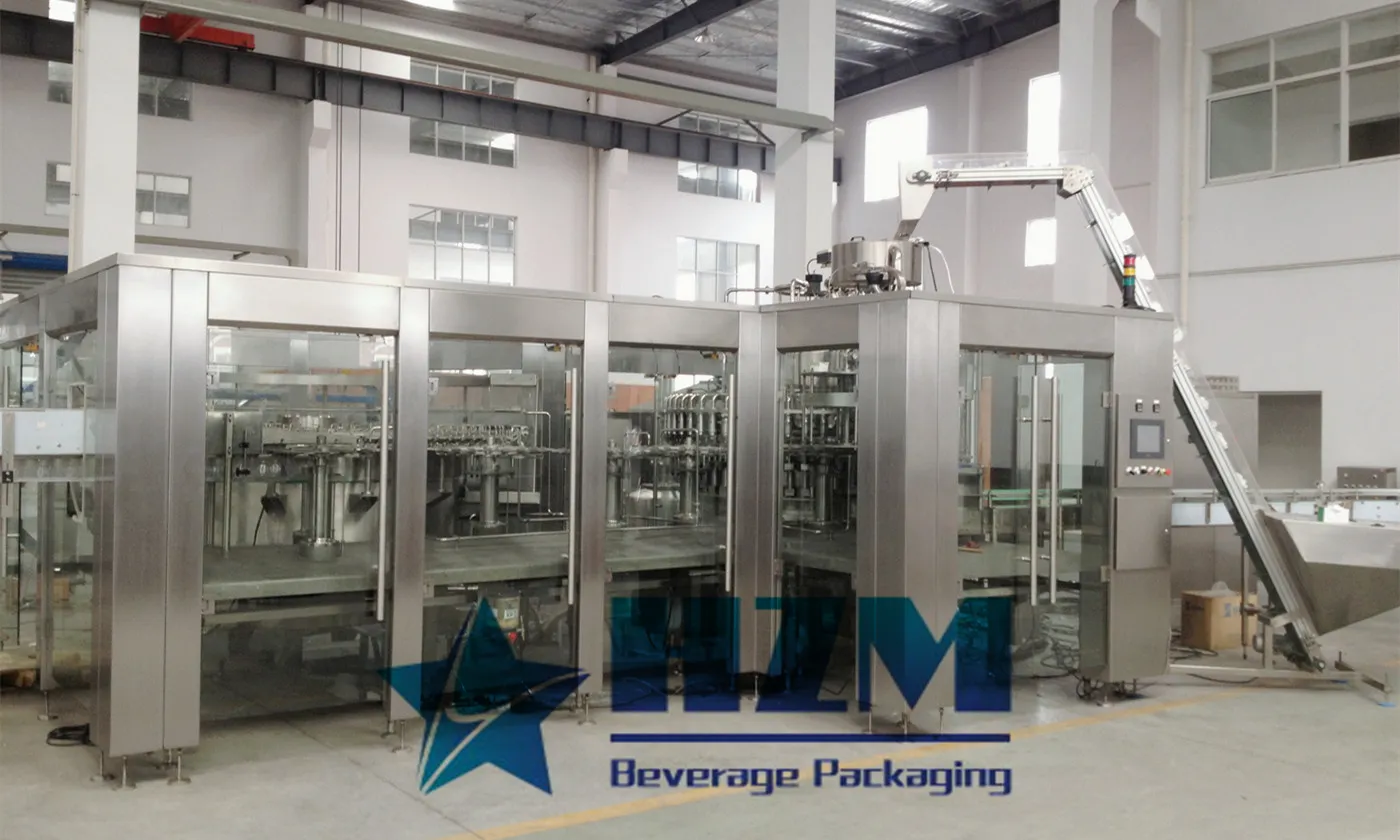
Equipment
PET Bottle juice Beverage Hot Filling Machine
Hot filling for juice and tea in heat-compatible PET bottles, with automatic rinsing, filling and capping.
Learn more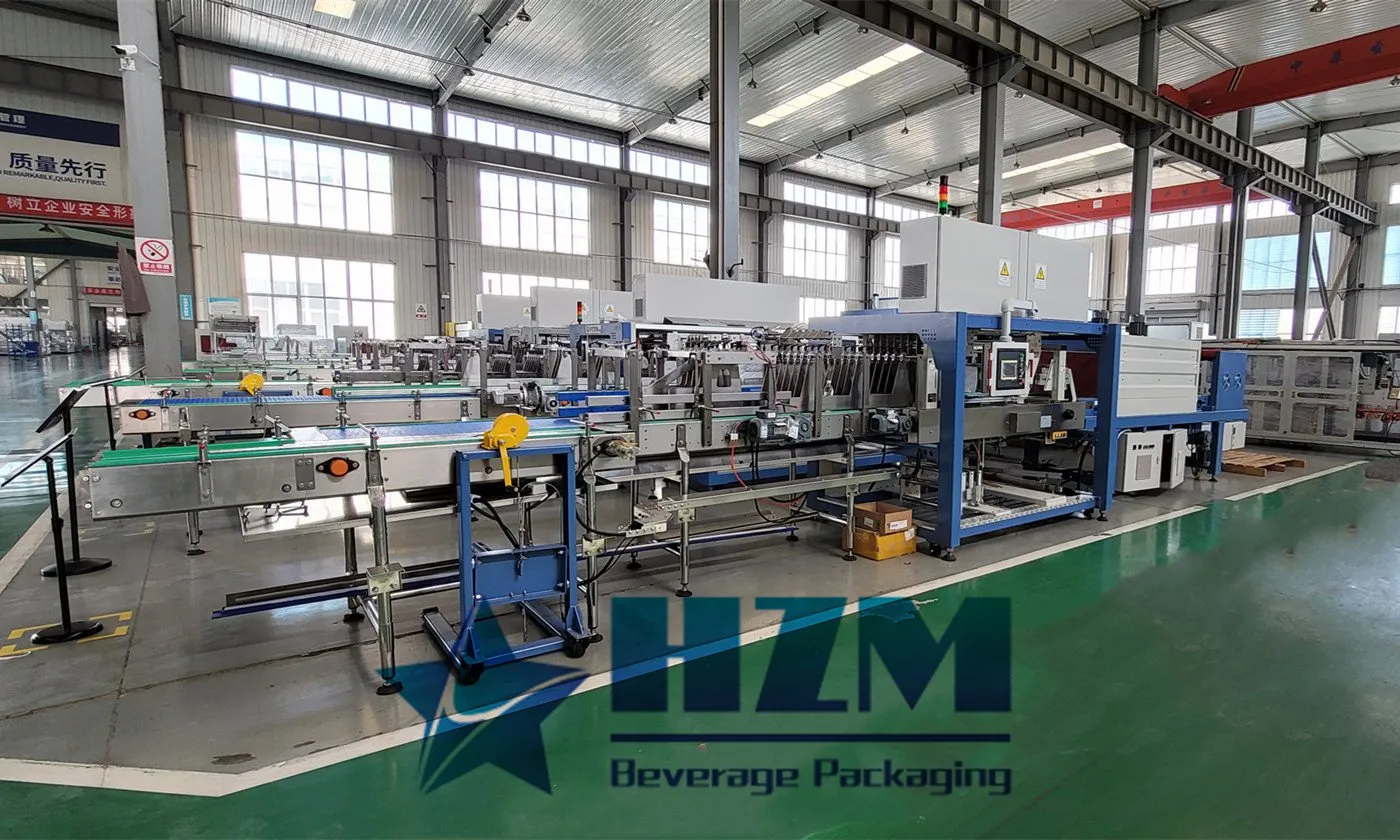
Equipment
Automatic Beverage Packaging Machines – Juice, Soda & Soft Drinks
HZM beverage packaging equipment connects juice, soda and soft drink filling with labelling, coding and secondary packaging.
Learn more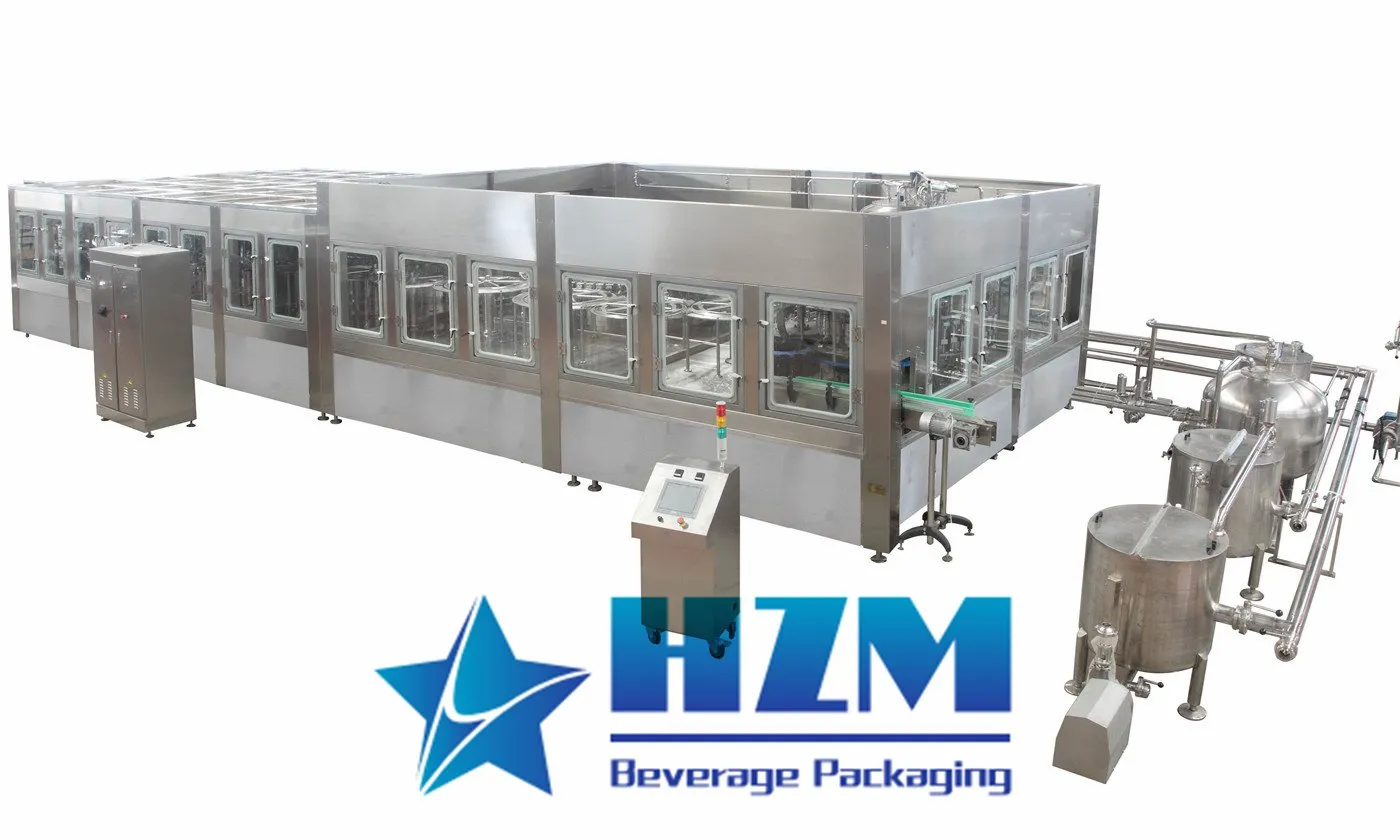
Equipment
Moderate Temperature Juice Filling Machine
Moderate-temperature juice filling with automatic bottle rinsing and capping, with XXGF models from 6,000 to 24,000 bottles/hour at 500 ml.
Learn more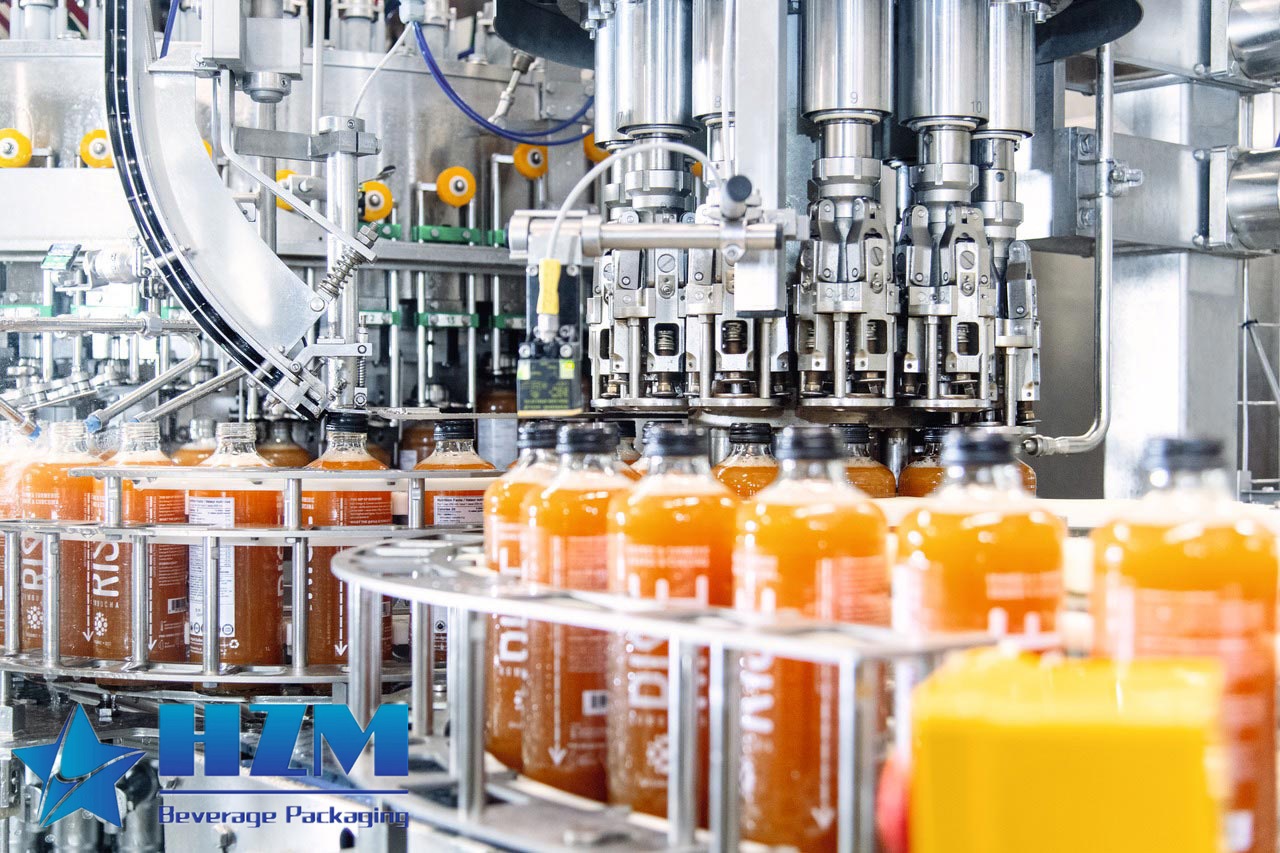
2023-08-22
The Application of Filling Machines in the Juice Beverage Industry
With the growing emphasis on healthy consumption, juice beverages have become increasingly popular in modern life. To meet market demands, juice beverage manufacturers employ advanced technologies and equipment, with filling machines playing a pivotal role in the juice beverage industry. This article focuses on the application and advantages of filling machines in the realm of juice beverages.
Learn more2023-11-22
Common Faults and Solutions in Juice Beverage Filling Machines
It is inevitable that issues may arise when using a juice beverage filling machine over an extended period. This does not necessarily indicate a problem with the quality of the equipment. Just like any other machinery, minor malfunctions can develop with time. While these issues may not immediately disrupt operations, if left unattended, they can […]
Learn more
2023-07-16
Juice Beverage Filling Machine: Enhancing Production Efficiency
The flexibility and high output of the juice beverage filling machine make it an indispensable tool in the modern juice beverage production process. Whether accommodating different types and capacities of bottles or ensuring efficient production in terms of hourly output, the juice beverage filling machine plays a vital role.
Learn more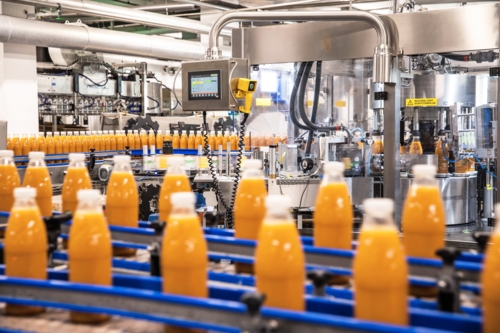
2023-11-27
Three-in-One Juice Beverage Packaging Machine
A three-in-one juice beverage packaging machine is a versatile piece of equipment that combines three essential functions into a single unit: bottle washing, filling, and capping.
Learn more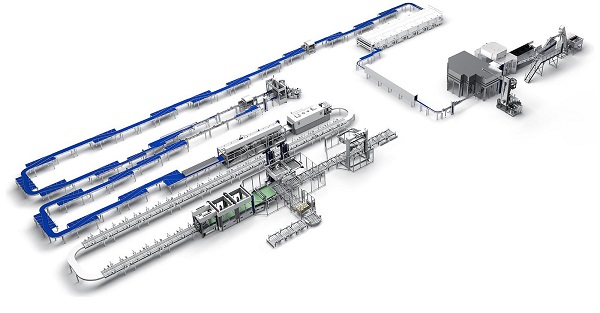
2023-09-08
Juice Beverage Filling Production Process
In the cold filling method of the beverage production line, the product is cooled to room temperature after being ultra-high-temperature sterilized. It is filled in aseptic conditions created by humans into bottles or cartons that have been sterilized with hydrogen peroxide.
Learn more2023-04-30
The requirement of aseptic filling machine for the juice production line process
The requirements of aseptic filling machine manufacturers for the juice production line process are as follows: Dilution: Aseptic filling machine manufacturers dilute the frozen concentrated juice with pure water according to the formula requirements.
Learn more