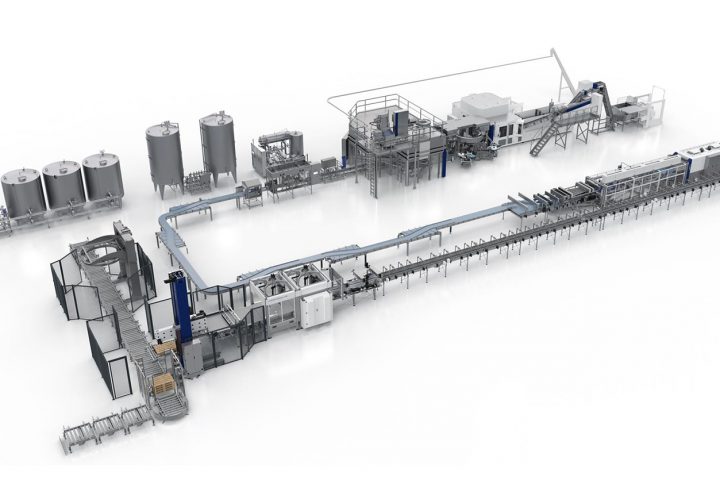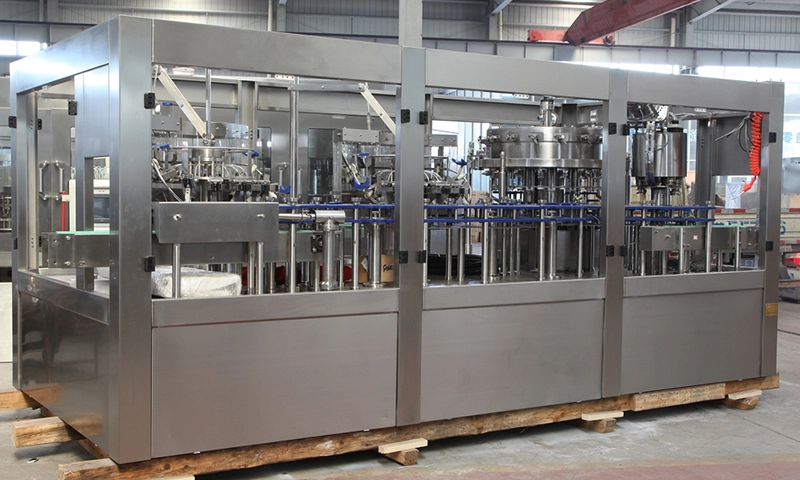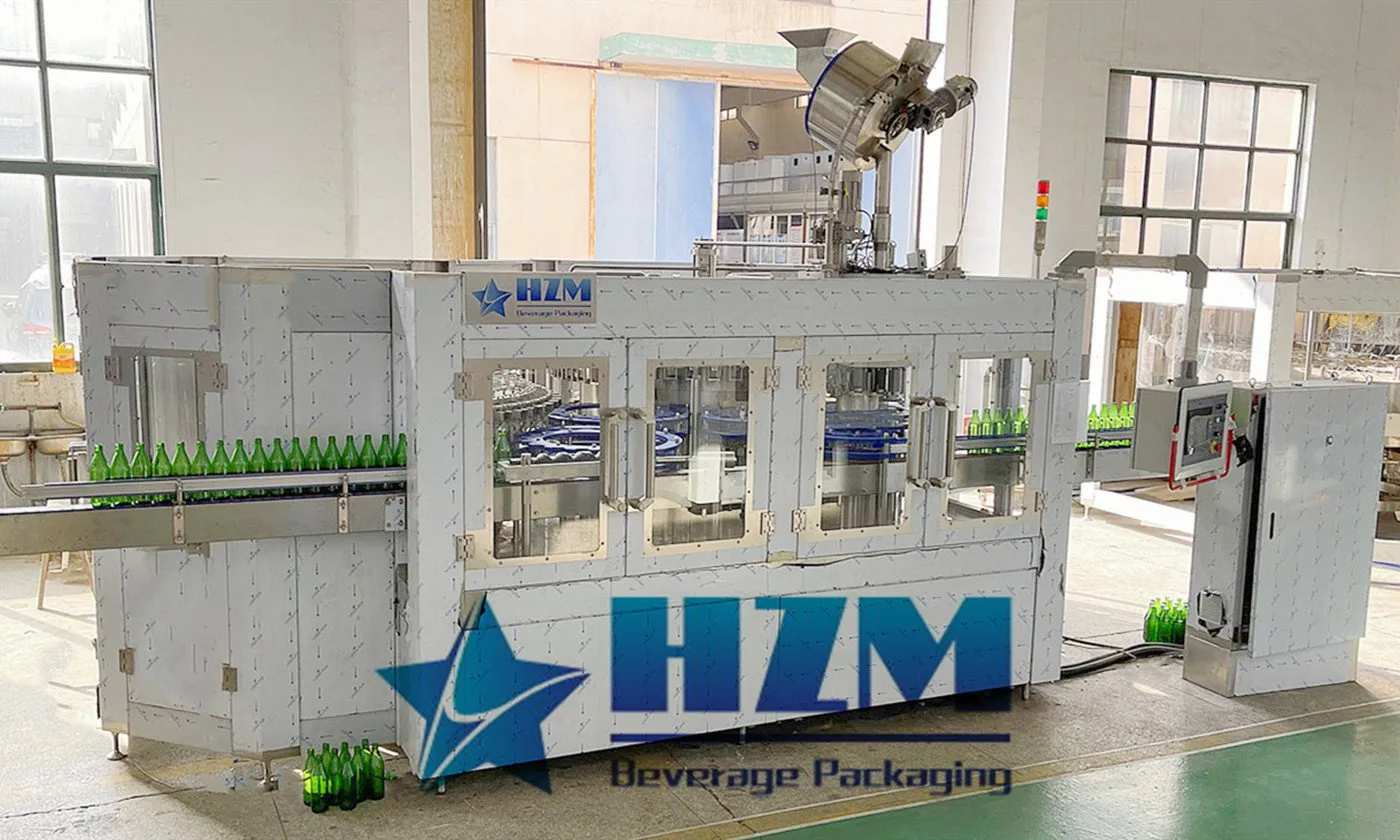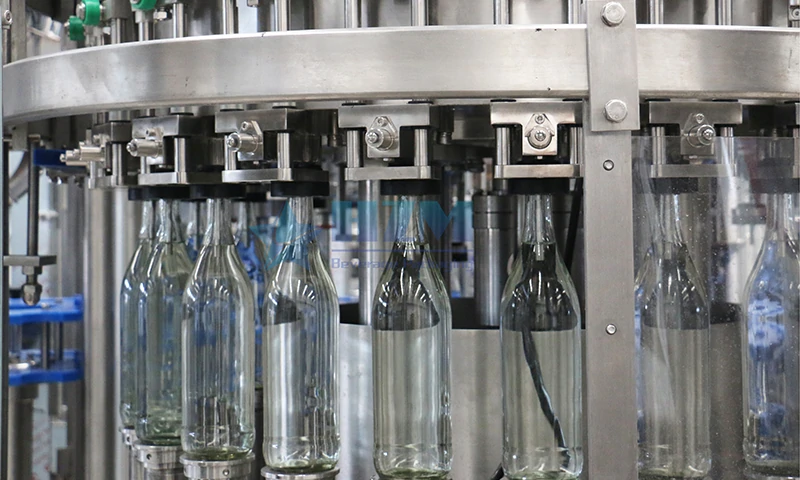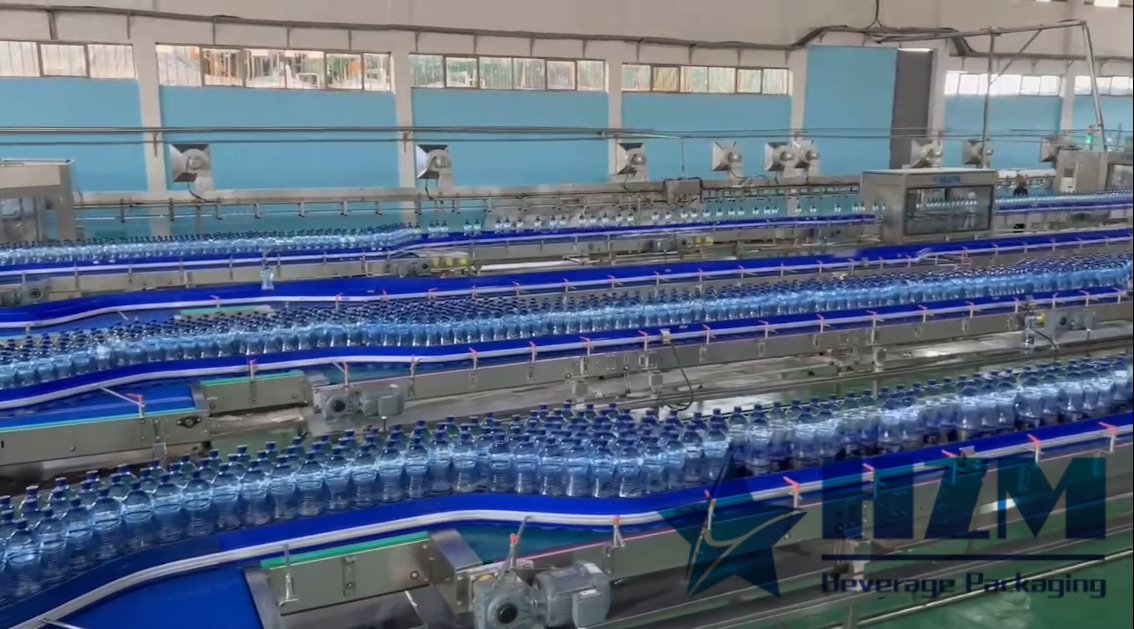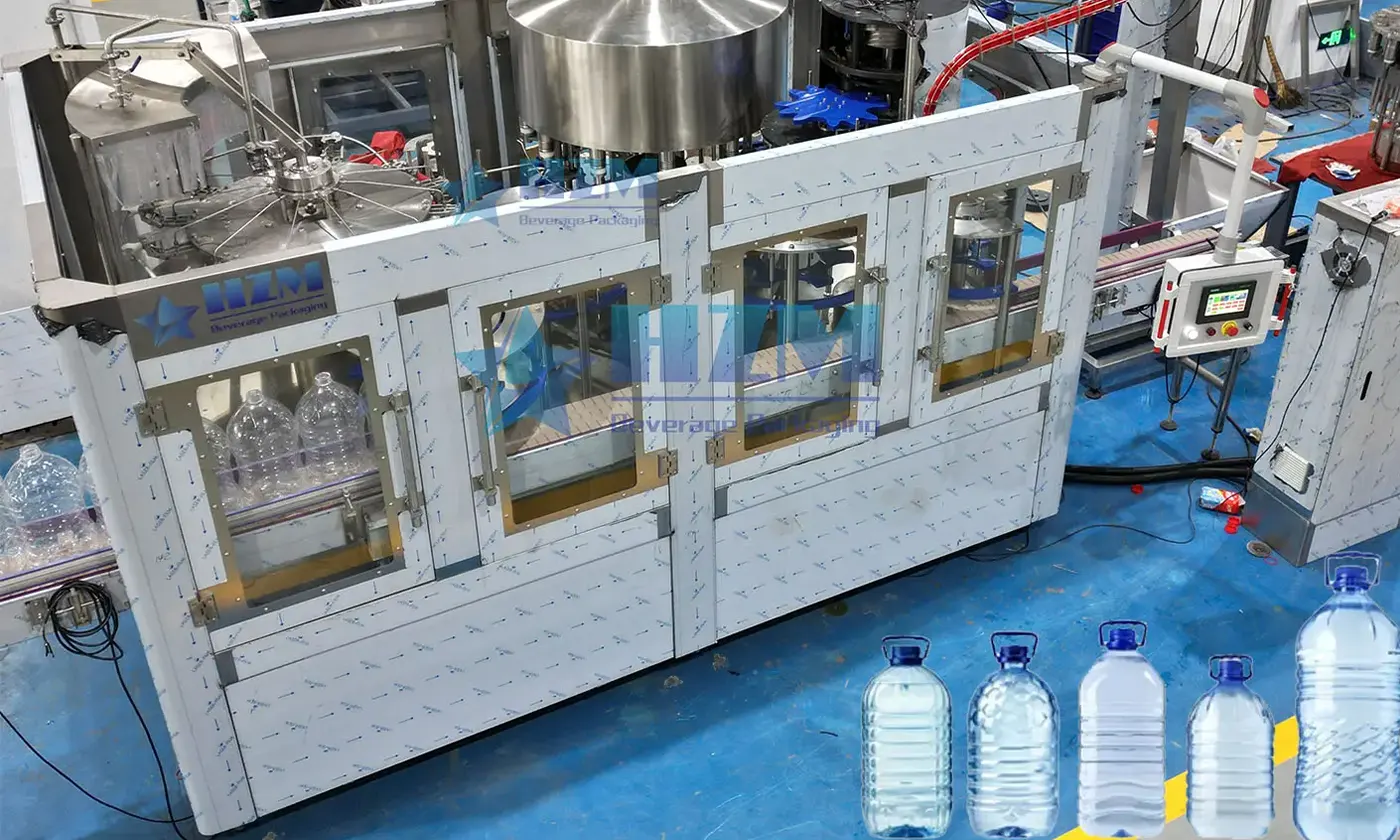
Water Bottling Line Guide: Utility Loads and Factory Layout
Practical HZM guidance on water bottling line, focused on utility loads and factory layout, line integration, RFQ data and measurable acceptance checks.
Learn more
Practical HZM guidance on water bottling line, focused on utility loads and factory layout, line integration, RFQ data and measurable acceptance checks.
Learn morePractical HZM guidance on water bottling line, focused on fat tests and ramp-up planning, line integration, RFQ data and measurable acceptance checks.
Learn moreInspect bottle condition, filled quantity and closure application during one controlled production run. Count damaged containers and operator interventions alongside accepted output.
Learn moreMap the product path through tanks, valves, filler and drains.
Learn moreA claimed bottle range needs a station-by-station handling check. Neck shape, bottle height and body profile can affect the rinser grippers, starwheels, guides and closure tooling.
Learn morePractical HZM guidance on glass bottle filling line, focused on hot-fill temperature and container protection, line integration, RFQ data and measurable acceptance checks.
Learn moreClosure selection begins with compatible neck and closure drawings. Crown caps, screw caps and other closures use different application and inspection methods.
Learn morePractical HZM guidance on glass bottle filling line, focused on pressure control for carbonated beverages, line integration, RFQ data and measurable acceptance checks.
Learn morePractical HZM guidance on glass bottle filling line, focused on product temperature and filling method, line integration, RFQ data and measurable acceptance checks.
Learn moreStill and carbonated products impose different filling conditions.
Learn moreCheck the neck, sealing surface, base and body of representative incoming bottles. Separate manufacturing damage from scuffing or impact introduced by the conveyor.
Learn moreInspect incoming glass, transfer alignment and rinsing conditions together. A chipped bottle can carry a defect into the filler even if the rinser completes its cycle.
Learn moreA material grade alone does not describe a hygienic product path. Inspect joints, seals, dead spaces and the way low points drain after cleaning.
Learn moreLearn how bottle dimensions, neck finish, change parts, conveyors and production scheduling affect a multi-format PET juice line.
Learn moreUnderstand what a 36,000 BPH juice line rating means and how to calculate sustained output, upstream demand, downtime and downstream capacity.
Learn moreCheck cap presentation before changing the capper. Damaged, inverted or inconsistent caps can create faults that resemble an application-head problem.
Learn moreUse the agreed net-quantity method and sample by filling head. A shift average can hide one head that underfills while another gives product away.
Learn moreA rinse only contacts the surfaces reached by its flow. Check bottle inversion, nozzle alignment, drainage and the quality of the rinse medium together.
Learn moreDefine each bottle by its drawing, neck finish, height and handling surfaces. Two bottles with the same volume may require different guides or transfer parts.
Learn moreCalculate the required hourly output from saleable bottles and available production hours.
Learn moreTell us your beverage, container, capacity and target market. Our engineering team will prepare a practical line proposal.