
Insights & Updates
PET Juice Line for 200 ml to 1.5 L Bottles: Changeover and Layout Guide
A juice production line described as suitable for 200 ml to 1.5 L PET bottles still needs detailed package engineering. Nominal volume does not define bottle height, diameter, neck finish, base design or stability. Those dimensions determine whether formats can share the same filler and downstream equipment, which change parts are needed and how long a changeover will take.
This guide focuses on multi-format operation and layout. If you are defining the full process scope, first review the juice filling production line solution.
Create a package matrix
Prepare one controlled table for every bottle, cap, label and final pack. Include approved drawings and samples where available. The matrix should record bottle volume, total height, maximum diameter, neck finish, bottle weight, cap type, label type, units per pack and target bottles per hour.
Mark which components are shared. A common neck finish can simplify handling at the filler, but it does not guarantee that guide rails, star wheels or conveyors need no adjustment. A very light 200 ml bottle may behave differently from a tall 1.5 L bottle during transfer, labeling and packing.
Identify every changeover point
Changeover is a line-wide activity. Review at least these areas:
- Preform and mold change when bottles are blown in-house.
- Air-conveyor neck guides and empty-bottle transfer.
- Filler infeed, star wheels, guide plates and filling-height settings.
- Cap elevator, sorter, chute and capping head compatibility.
- Conveyor rail width and sensor position.
- Label roll, cutter, applicator or container guides.
- Packer lanes, film or carton size and pack pattern.
- Coder message, inspection recipe and reject timing.
Ask the supplier to distinguish tool-less adjustments, recipe-controlled positions and physical change parts. Each loose part should have an identification mark and storage location. A documented sequence reduces setup errors and helps operators return to the validated settings.
Use the production plan to set priorities
The best mechanical solution depends on how often each format runs. If 500 ml accounts for most production, optimize the line around that format while confirming acceptable performance for the others. Grouping production into longer campaigns can reduce lost time from cleaning and package changes.
Do not assume the smallest bottle always has the highest achievable output. Filling conditions, bottle handling, cap supply, label application and pack pattern can all set the limit. The capacity schedule should state the target and design basis for each approved format.
Plan the layout for access and accumulation
A compact layout saves floor space only if operators can still reach change parts, inspection points and maintenance areas. Allow routes for material delivery, removal of finished packs and safe access to utilities. Position controls so operators can see the relevant transfer and stop the line safely.
Conveyors connect machines with different operating characteristics. The bottle air conveyor transfers empty PET bottles, while filled bottles and packs require suitable belt or pack conveyors. Accumulation can absorb brief stops, but too much pressure or poor guidance may damage lightweight bottles or labels.
Match the filling process to the PET package
The beverage process and filling temperature affect bottle design. Hot-fill applications require a package verified for the thermal and vacuum conditions of the approved process. Moderate-temperature or other hygienic filling concepts have their own microbial-control requirements. Select the PET bottle juice filling machine configuration only after the recipe, fill process and package have been agreed.
Where bottles are produced in-house, provide the bottle drawing, preform specification and expected output to the blow molding supplier. HZM’s blow molding machine category covers different PET bottle production requirements, but final compatibility depends on the approved bottle and preform.
Make changeover part of the acceptance test
An acceptance plan should test representative formats, not only the easiest bottle. Define the test duration, saleable output, fill and cap checks, reject handling and conditions for utilities and materials. For a multi-format line, include at least one documented changeover so the team can verify parts, settings and restart quality.
Multi-format project checklist
- Approved bottle, preform, cap, label and pack drawings for every format.
- Required output and production share by format.
- Change-part list and responsibility for sample components.
- Expected changeover sequence and target duration.
- Recipe management and access permissions.
- Conveyor adjustment method and accumulation strategy.
- Cleaning requirements between products and packages.
- Acceptance criteria for each representative bottle.
Frequently asked questions
Can bottles with different neck finishes run on one filler?
It may be possible with additional change parts or a specifically engineered arrangement, but it is more complex than changing bottle body size. Send drawings and cap samples early so the complete handling and capping path can be reviewed.
Does automatic adjustment eliminate all manual work?
No. Recipe-controlled positions can shorten setup, but operators may still need to change mechanical parts, load packaging materials, inspect the first bottles and confirm quality before release.
Why is a sample bottle important?
A drawing defines dimensions, while a physical sample also reveals stiffness, surface behavior and stability. Production-intent samples help with trials and reduce assumptions during final engineering.
Talk to our engineering team
Need help planning your packaging line?
Share your product, bottle and capacity requirements for a practical equipment recommendation.
Equipment
PET Bottle Juice Beverage Filling Machine
PET bottle juice filling with automatic rinsing and capping, for juice, tea and still beverages.
Learn more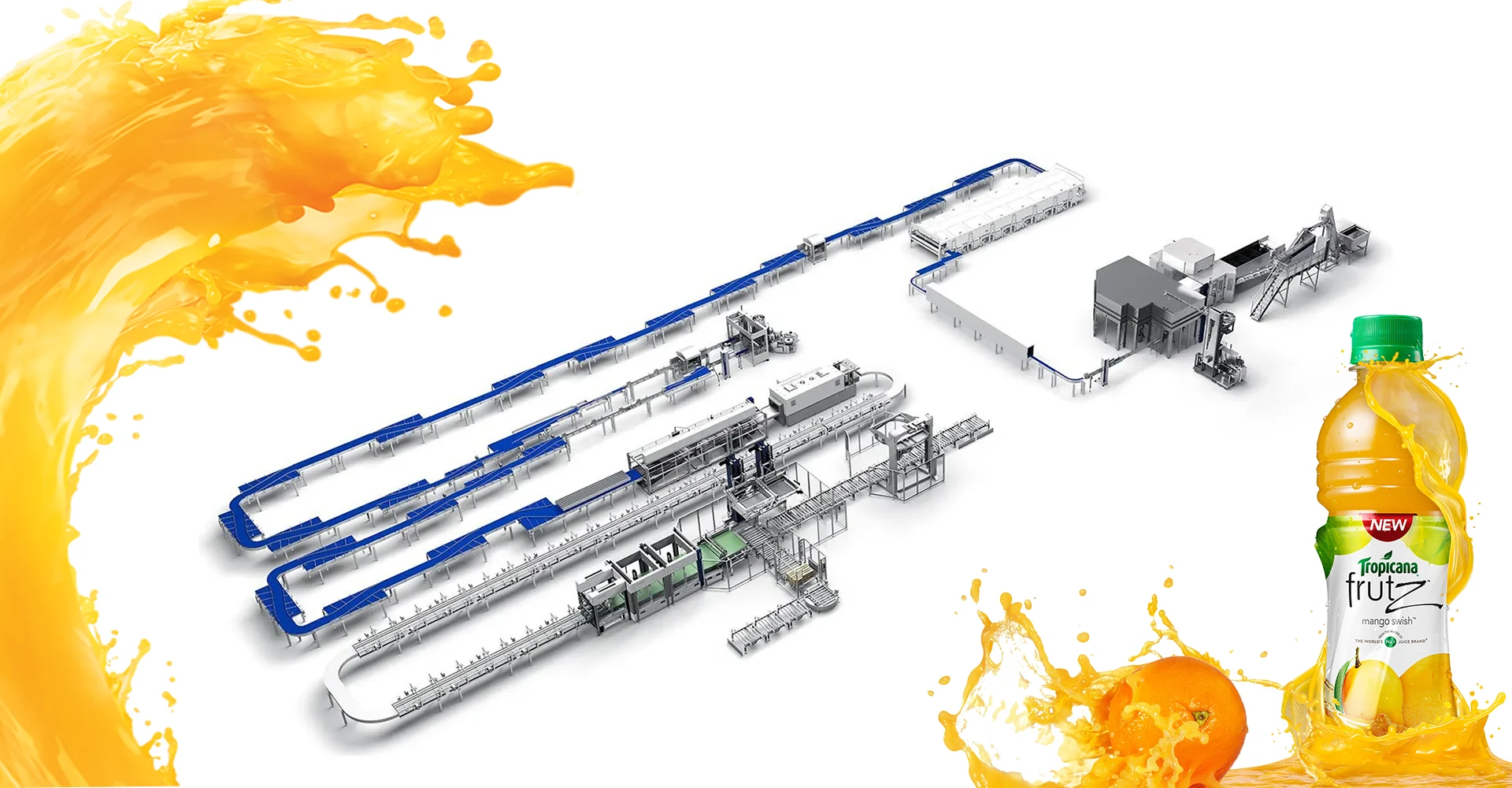
Equipment
Juice beverage bottling line
The juice beverage bottling line connects beverage preparation and thermal processing with bottle filling, capping, labelling and packing.
Learn more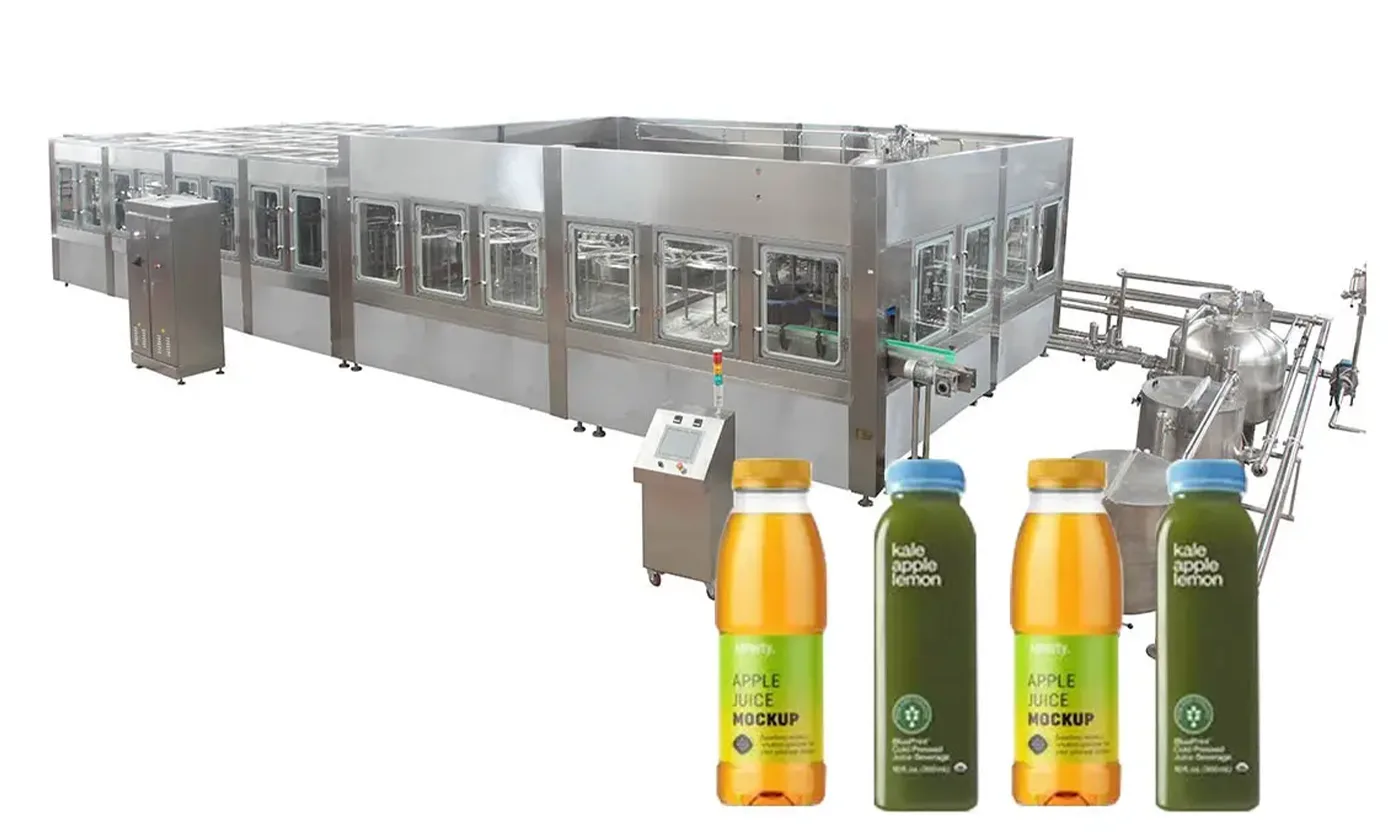
Equipment
Bottled Juice Packaging Machine
Bottled juice filling equipment with rinsing and capping, from 6,000 to 18,000 bottles/hour at 500 ml.
Learn more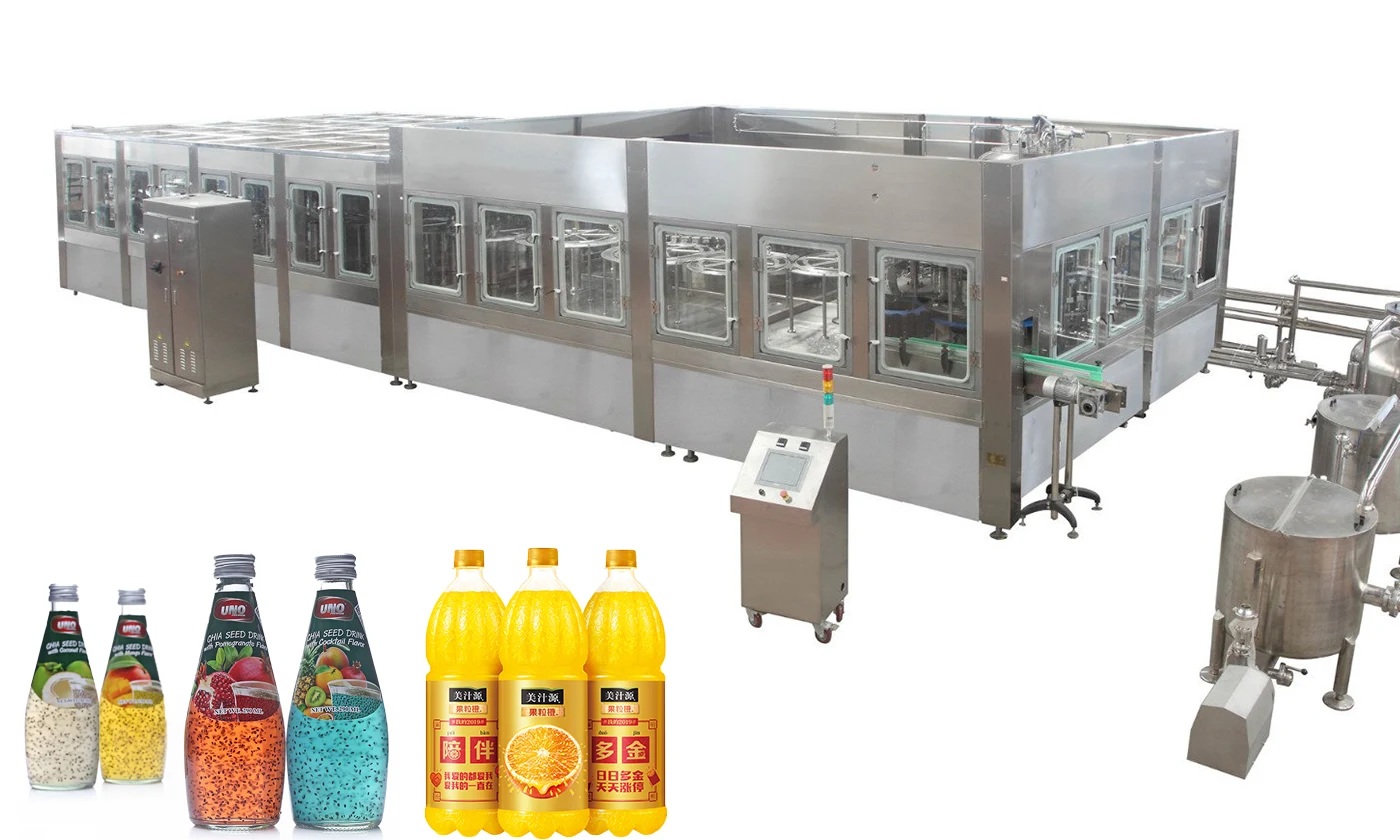
Equipment
juice Pulp Filling Machine 4 in 1
RXGGF16-16-5 pulp juice filling with separate pulp and liquid dosing, rinsing and capping at 5,000 bottles/hour for 250 ml bottles.
Learn more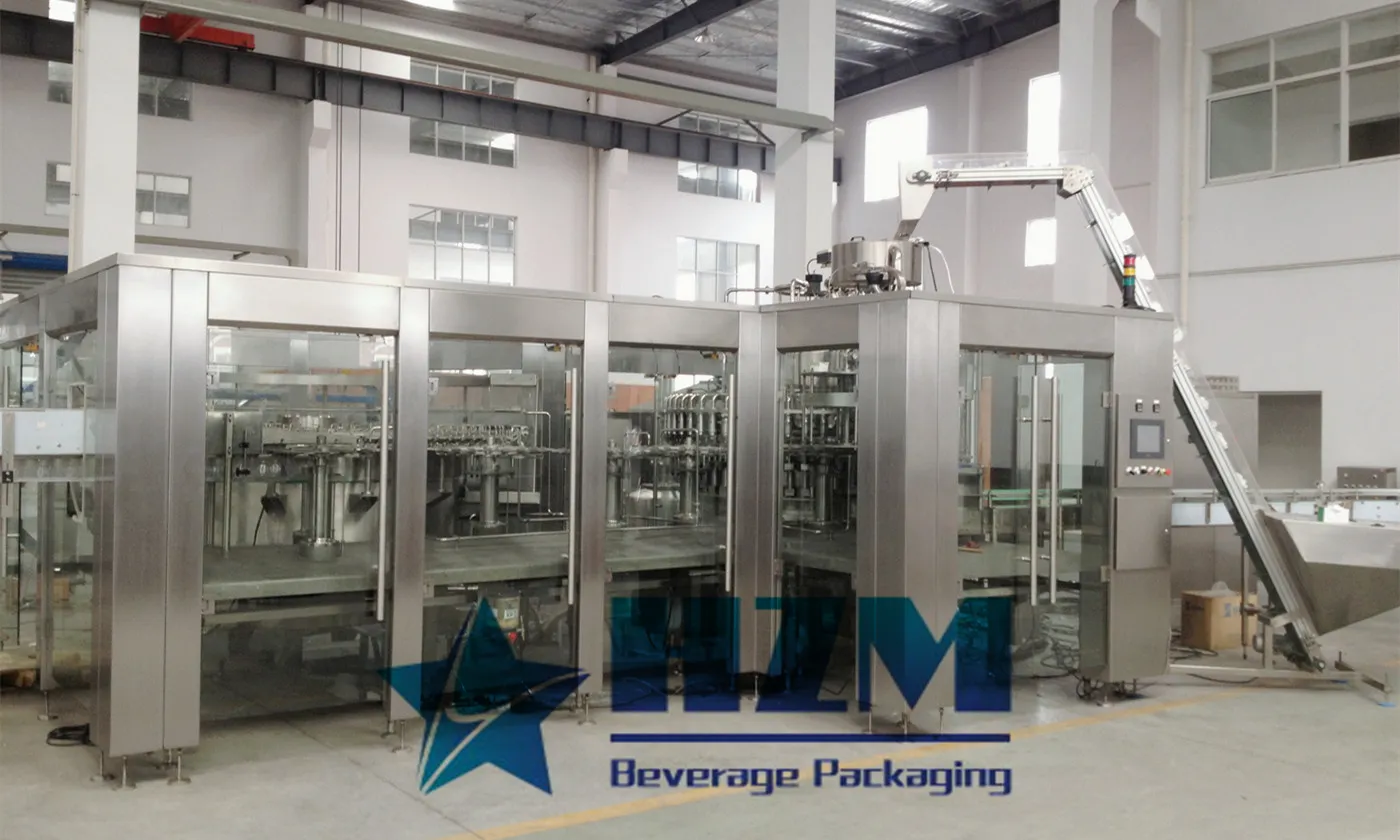
Equipment
PET Bottle juice Beverage Hot Filling Machine
Hot filling for juice and tea in heat-compatible PET bottles, with automatic rinsing, filling and capping.
Learn more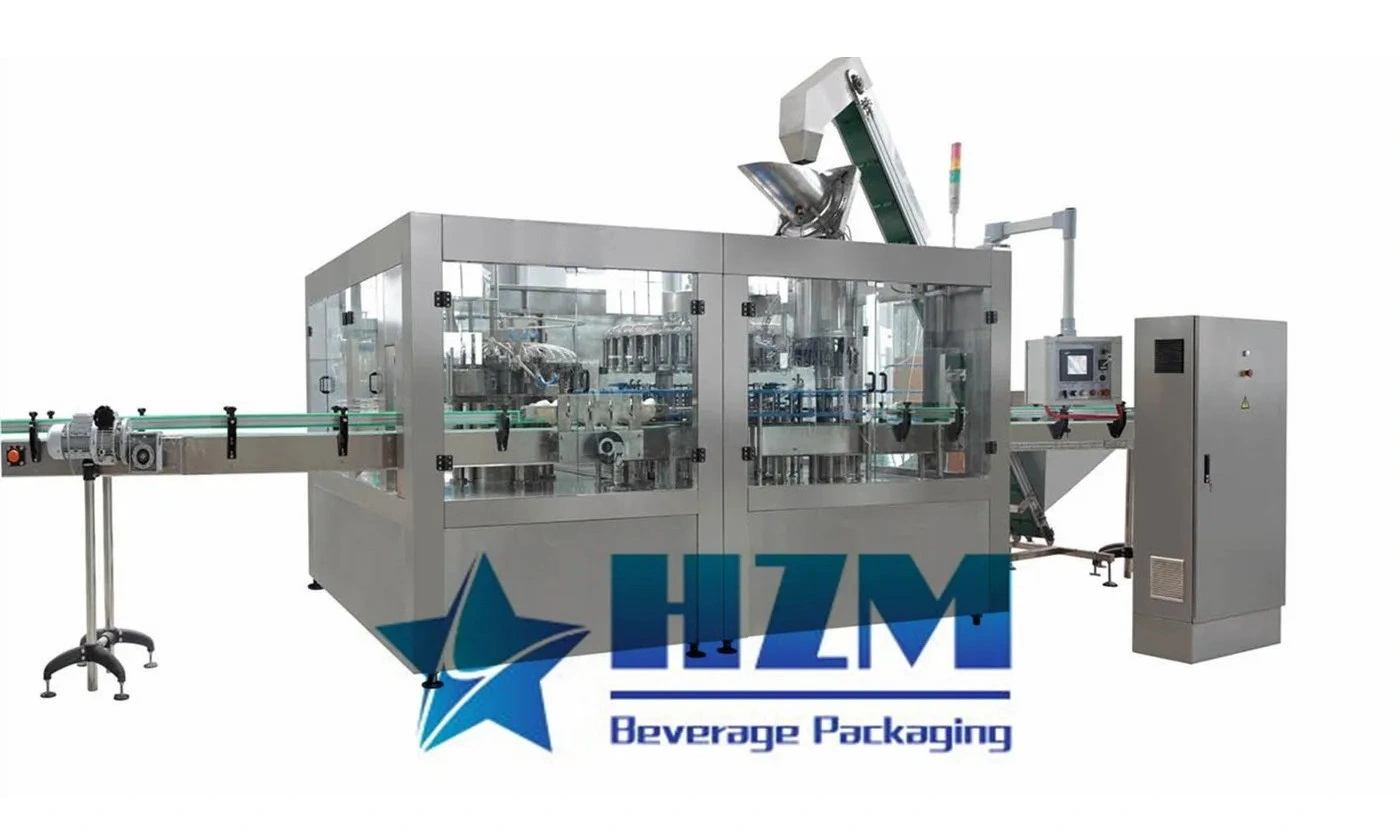
Equipment
Glass Bottle Juice Beverage Filling Machine
Glass bottle juice filling with rinsing and capping, for juice, tea and other still beverages.
Learn more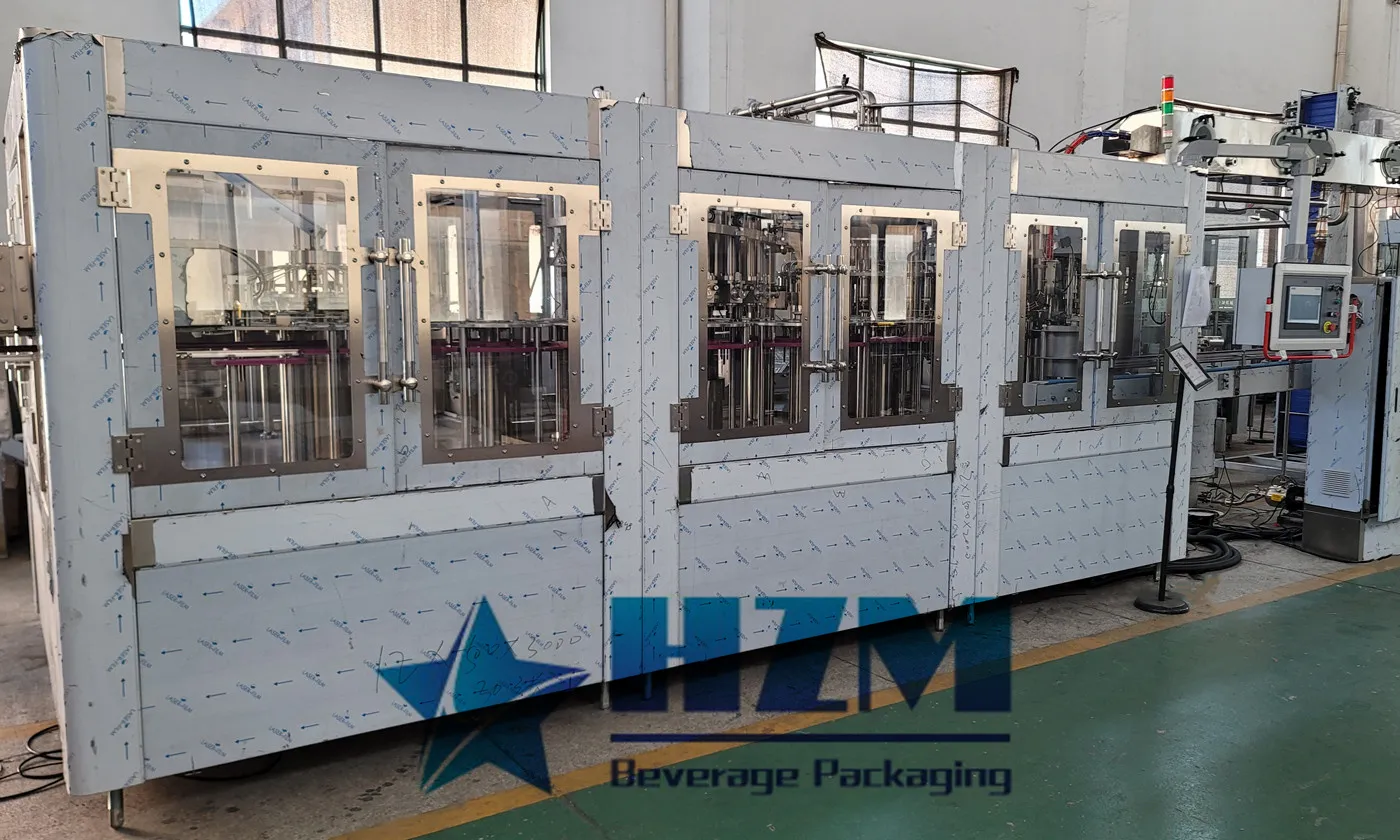
Equipment
Automatic Pulp Juice Filling Machine
Pulp juice filling with separate pulp and liquid dosing, bottle rinsing and capping for beverages containing fruit particles.
Learn more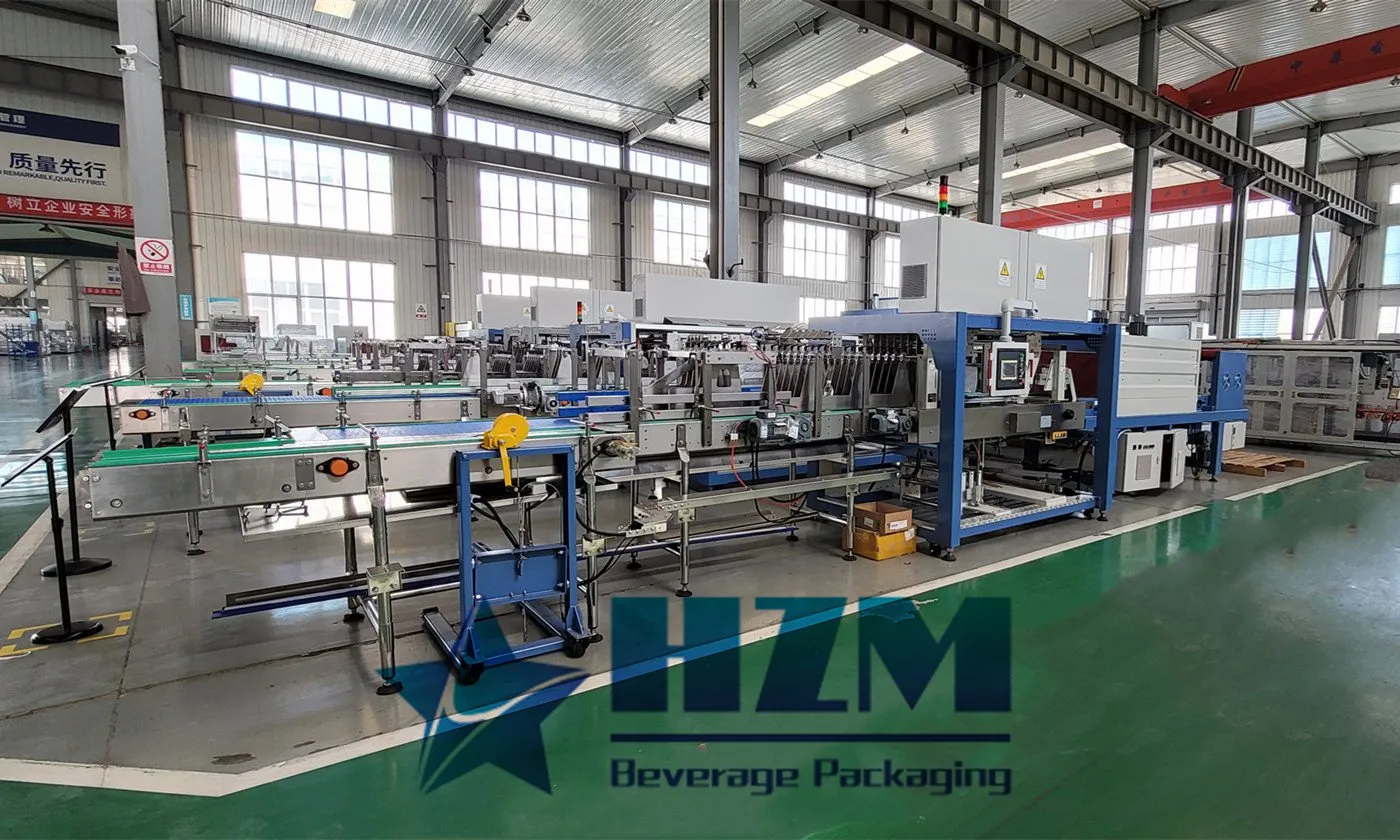
Equipment
Automatic Beverage Packaging Machines – Juice, Soda & Soft Drinks
HZM beverage packaging equipment connects juice, soda and soft drink filling with labelling, coding and secondary packaging.
Learn more
Equipment
Moderate Temperature Juice Filling Machine
Moderate-temperature juice filling with automatic bottle rinsing and capping, with XXGF models from 6,000 to 24,000 bottles/hour at 500 ml.
Learn more2023-06-09
PET Juice Filling and Packaging Line: A Practical Selection Guide
Plan a PET juice filling and packaging line for 200 ml to 1.5 L bottles by matching the beverage process, bottle, output target and downstream equipment.
Learn more
2023-04-21
Fruit juice beverage filling production line
Juice and beverage filling production lines are used to produce and package juice and beverage products in PET plastic bottles, glass bottles, Tetra Pak packaging, and other forms. The filling capacity of the production line is typically 330ml, 500ml, 1L, 1.5L, and it can produce a variety of juice beverages such as mango juice, kiwi juice, peach juice, and more.
Learn more2023-06-06
Juice Filling Line equipment manufactory
With the increasing focus on healthy diet, the demand for juice in the market is growing rapidly. As an important part of juice production, the selection of equipment and solutions for juice filling lines has a crucial impact on product quality and production efficiency. HZM, as a comprehensive solution provider for juice filling lines
Learn more
2023-11-04
Juice Beverage Filling Equipment: Detailed Introduction
As a beloved beverage, fruit juice production encompasses a range of flavors, such as orange juice, pineapple juice, grape juice, apple juice, mango juice, pomegranate juice, and carrot juice, among others. In this article, we will provide a comprehensive overview of juice beverage filling equipment and its production process.
Learn more
2023-03-24
The Working Principle of Juice Filling Machine
Juice filling machine and ordinary water or carbonated beverage materials are significantly different in composition, filling methods and filling processes are also different. Therefore, the structure of juice filling machine is very different from that of ordinary water filling machine in terms of filling cylinder, filling valve and management system. Because the ingredients of the juice hot filling […]
Learn more2023-06-09
36,000 BPH Juice Filling Line: Capacity Planning and Output Calculation
Understand what a 36,000 BPH juice line rating means and how to calculate sustained output, upstream demand, downtime and downstream capacity.
Learn more