
Insights & Updates
PLC Control for 22,000-28,000 BPH Juice Filling Lines
In a 22,000-28,000 bottles-per-hour juice line, the PLC is responsible for much more than starting and stopping the filler. A well-defined control system coordinates bottle supply, product flow, rinsing, filling, capping, conveyors and downstream machines while protecting equipment and helping operators respond to faults. The automation specification should describe required functions and interfaces instead of relying only on a controller brand.
What the PLC should control
The exact scope depends on the machine and project, but a juice filler control system commonly manages the production sequence, safety status, machine speed, product availability, bottle and cap detection, valve or actuator commands, reject conditions and alarms. It may also exchange permissive and speed signals with the complete juice line.
Every automatic action should have a defined start condition, normal state and fault response. For example, loss of bottle supply may call for a controlled slowdown, while loss of product conditions may require the filler to stop before out-of-spec bottles are produced.
Line interlocks and machine interfaces
An interlock prevents operation when a required condition is missing. Typical interface signals include machine ready, running, warning, fault, upstream available, downstream available and emergency-stop status. The project team should agree whether these are hardwired signals, an industrial communication network or a combination.
The interface list should identify signal direction, normal state and response. This is especially important when blow molding, filling, labeling and packing equipment come from different suppliers. HZM’s juice filling machine can be integrated into a complete line after the package, process and control boundaries are confirmed.
HMI screens operators actually need
A clear HMI reduces troubleshooting time and incorrect adjustments. Useful screens normally include:
- A line or machine overview showing current state and active section.
- Production values such as speed, counters and selected recipe.
- Alarm history with timestamp and understandable fault text.
- Manual controls grouped by machine area and protected by safe conditions.
- Setpoint pages with access levels and permitted ranges.
- Maintenance or input/output diagnostics for trained personnel.
Messages should tell the operator what condition is missing, not only show an internal code. Language requirements and engineering units should be agreed before software approval.
Recipe management for several products and bottles
A recipe can store approved settings for a bottle and beverage combination. Depending on scope, it may include speed limits, timing values, sensor positions, filling settings and downstream coordination. Mechanical change parts and quality checks still have to be completed; selecting a recipe does not confirm that the correct bottle, cap or label has been loaded.
Use access levels so only authorized personnel can change validated settings. A change log or controlled approval method is useful when the factory’s quality system requires traceability.
Speed coordination and accumulation
At high output, frequent abrupt starts and stops can destabilize bottle flow. The PLC can use upstream and downstream status, conveyor conditions and accumulation sensors to coordinate gradual speed changes. The objective is stable transfer, not simply running every motor at maximum frequency.
Speed control should be tested with empty bottles, filled bottles and final packs. A bottle that is stable at low speed may behave differently during acceleration or at a conveyor merge. See the related guide to bottle and pack conveyors when defining the complete handling path.
Alarms, counters and production data
Agree which data is required for daily operation: total input, good output, rejects, stop time, stop reason, active recipe and batch reference are common examples. If data will be sent to a plant system, define the protocol, tag list, update frequency, ownership and cybersecurity boundary early.
More data is not automatically better. The useful set is the one that supports quality release, maintenance and output improvement. Counters should have clear reset permissions and a documented counting point.
Safety and recovery after a stop
The safety system and risk assessment determine how guards, emergency stops and safety devices act; the standard PLC must not be treated as a substitute for required safety functions. After a fault, the machine should return to production through a controlled sequence that avoids unexpected movement and identifies bottles that may need rejection.
Automation documents to request
- Functional description and operating-mode definition.
- Input/output and interlock lists.
- Alarm list with cause and expected operator action.
- Recipe and user-access description.
- Network architecture and third-party interface list.
- Electrical drawings, component list and backup procedure.
- Factory and site test protocol.
- Training scope for operators and maintenance staff.
Frequently asked questions
Does a larger PLC make a line faster?
No. Output depends on the mechanical design, filling process, bottle handling and complete line balance. The controller must have suitable capacity and interfaces, but good control logic and correct commissioning are what coordinate the process.
Can the filler communicate with an existing plant system?
It may be possible when the required protocol and data points are defined. Confirm the connection, responsibility and security requirements before engineering; do not assume that a network port means the complete interface is included.
What should be tested before shipment?
Test operating modes, permissives, alarms, recipes, counters, interface simulations, safe fault recovery and backup restoration, in addition to normal machine running under the agreed factory-test conditions.
Talk to our engineering team
Need help planning your packaging line?
Share your product, bottle and capacity requirements for a practical equipment recommendation.
Equipment
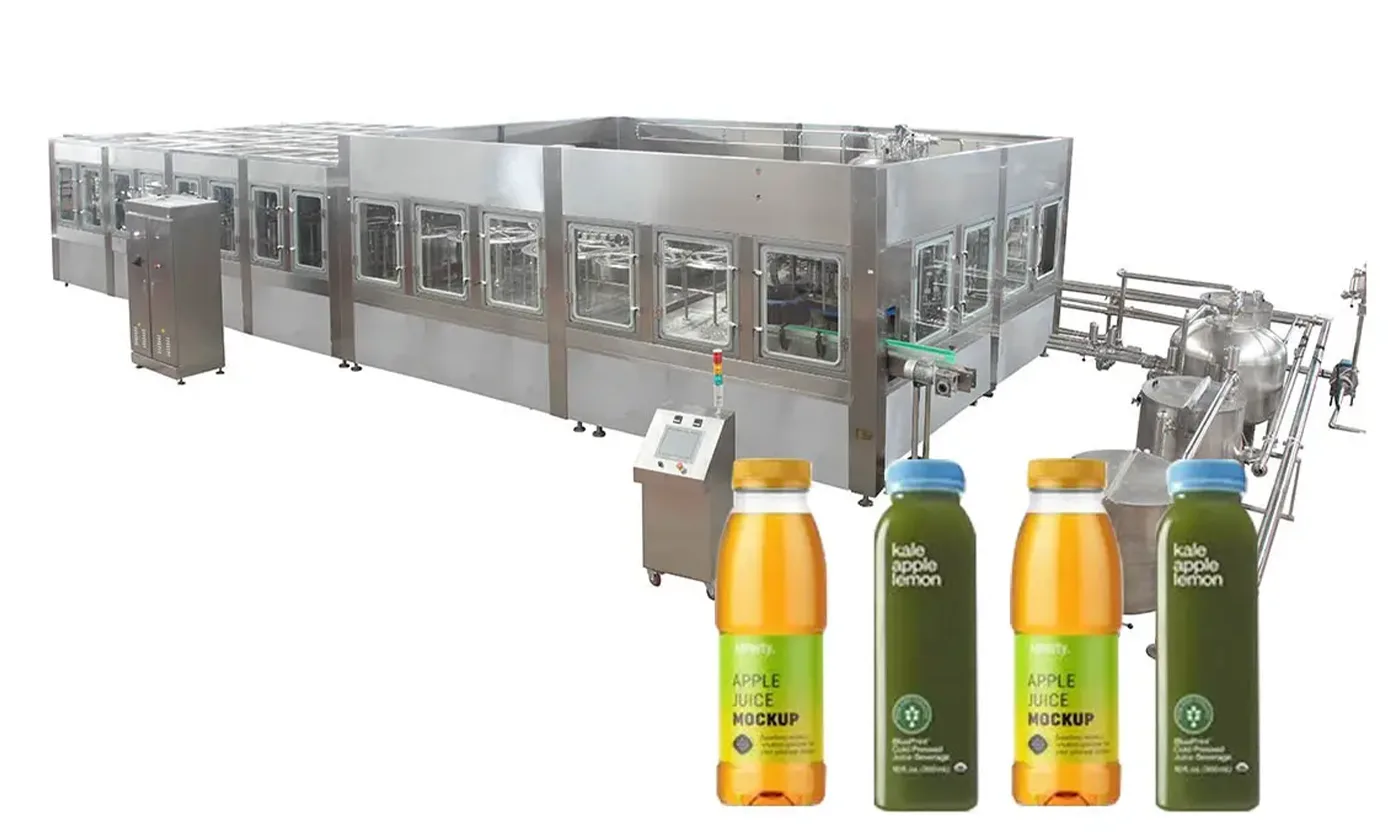
Bottled Juice Packaging Machine
Bottled juice filling equipment with rinsing and capping, from 6,000 to 18,000 bottles/hour at 500 ml.
Learn more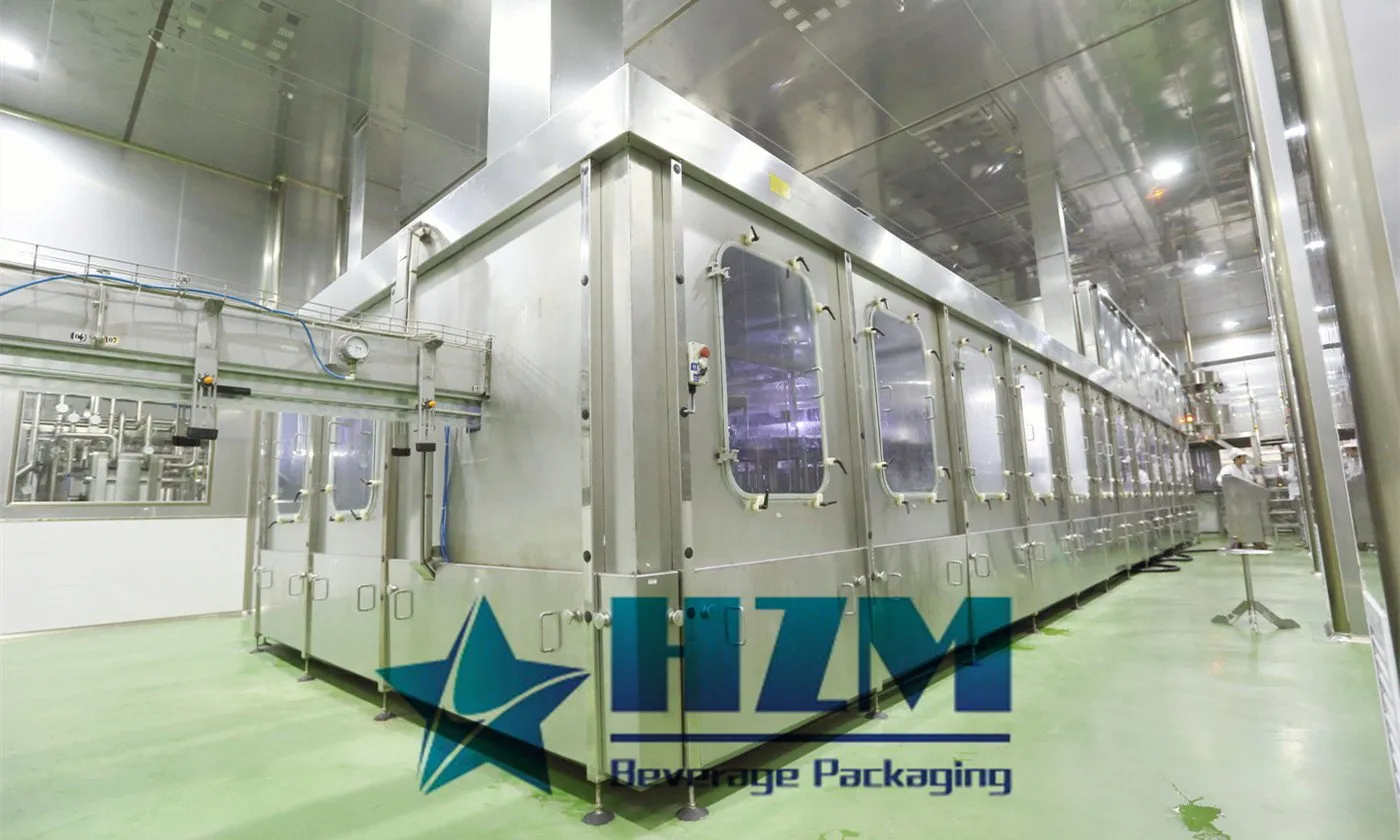
Equipment
PET Bottle Juice Beverage Filling Machine
PET bottle juice filling with automatic rinsing and capping, for juice, tea and still beverages.
Learn more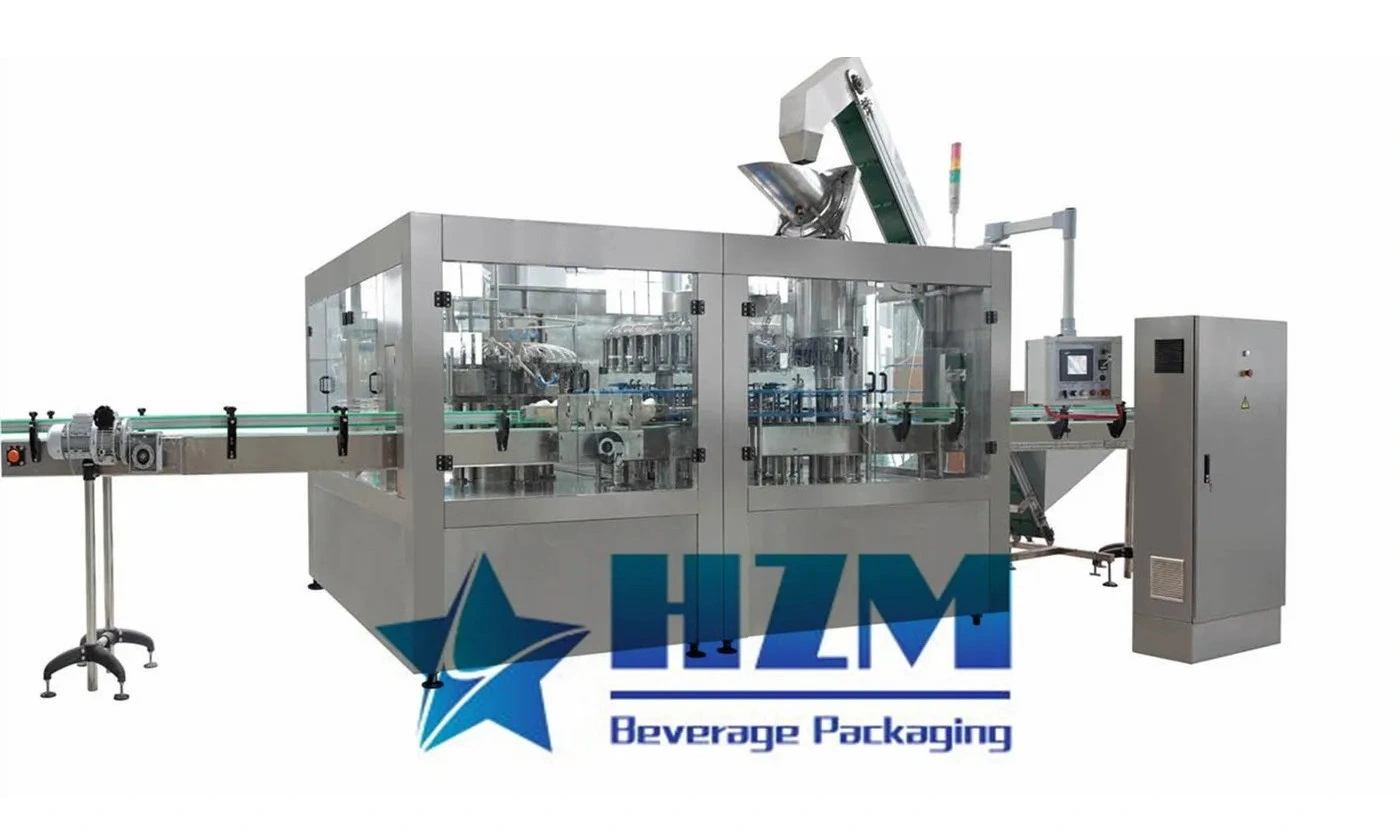
Equipment
Glass Bottle Juice Beverage Filling Machine
Glass bottle juice filling with rinsing and capping, for juice, tea and other still beverages.
Learn more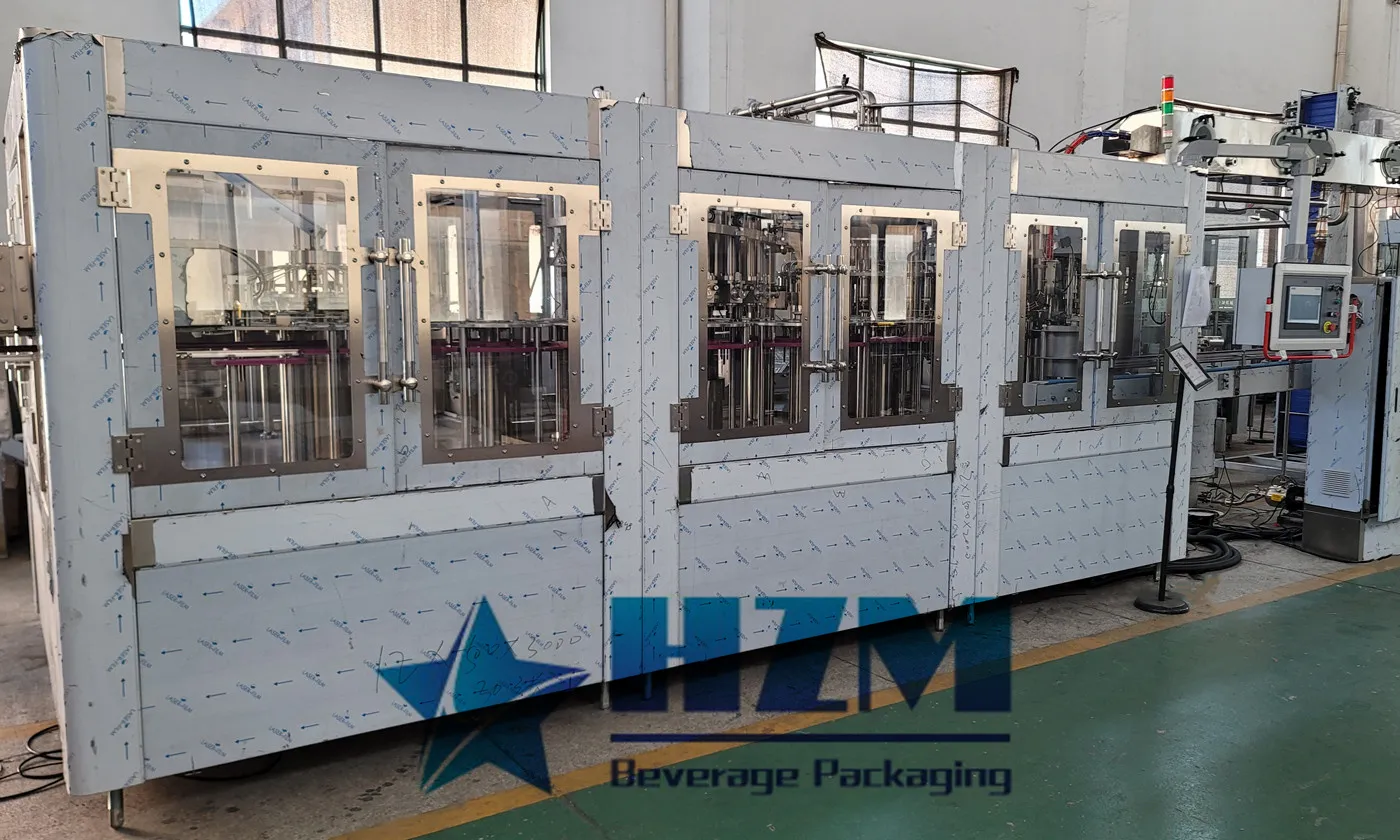
Equipment
Automatic Pulp Juice Filling Machine
Pulp juice filling with separate pulp and liquid dosing, bottle rinsing and capping for beverages containing fruit particles.
Learn more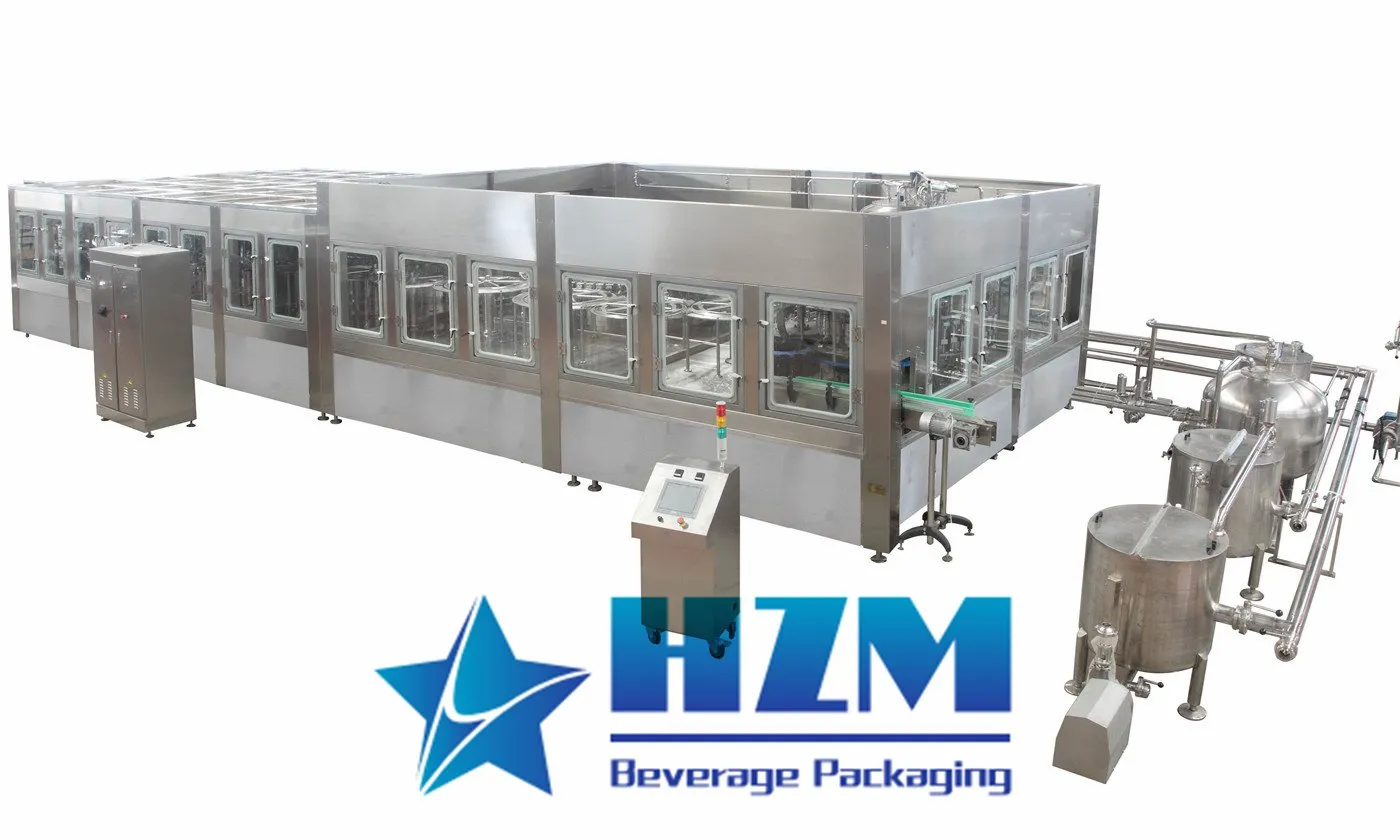
Equipment
Moderate Temperature Juice Filling Machine
Moderate-temperature juice filling with automatic bottle rinsing and capping, with XXGF models from 6,000 to 24,000 bottles/hour at 500 ml.
Learn more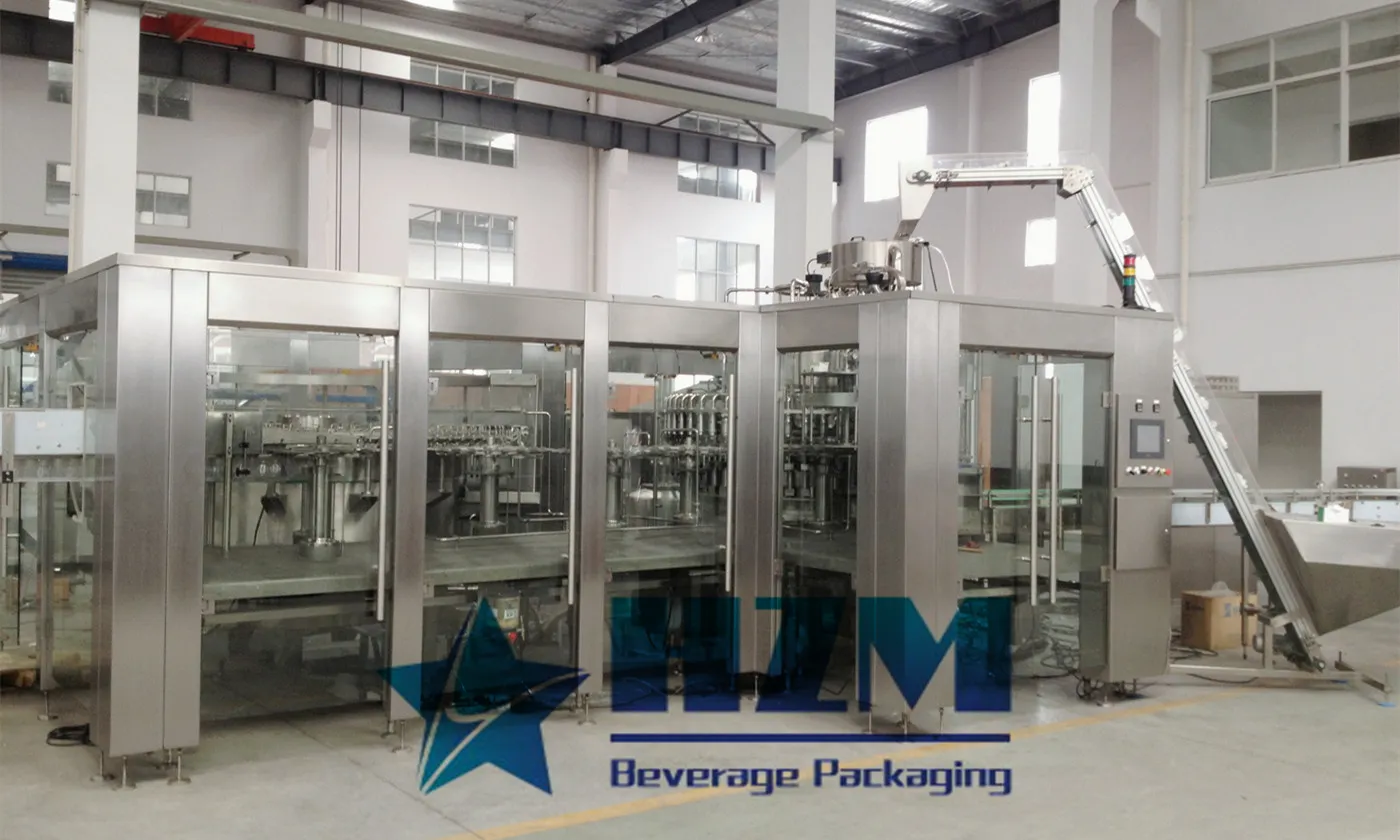
Equipment
PET Bottle juice Beverage Hot Filling Machine
Hot filling for juice and tea in heat-compatible PET bottles, with automatic rinsing, filling and capping.
Learn more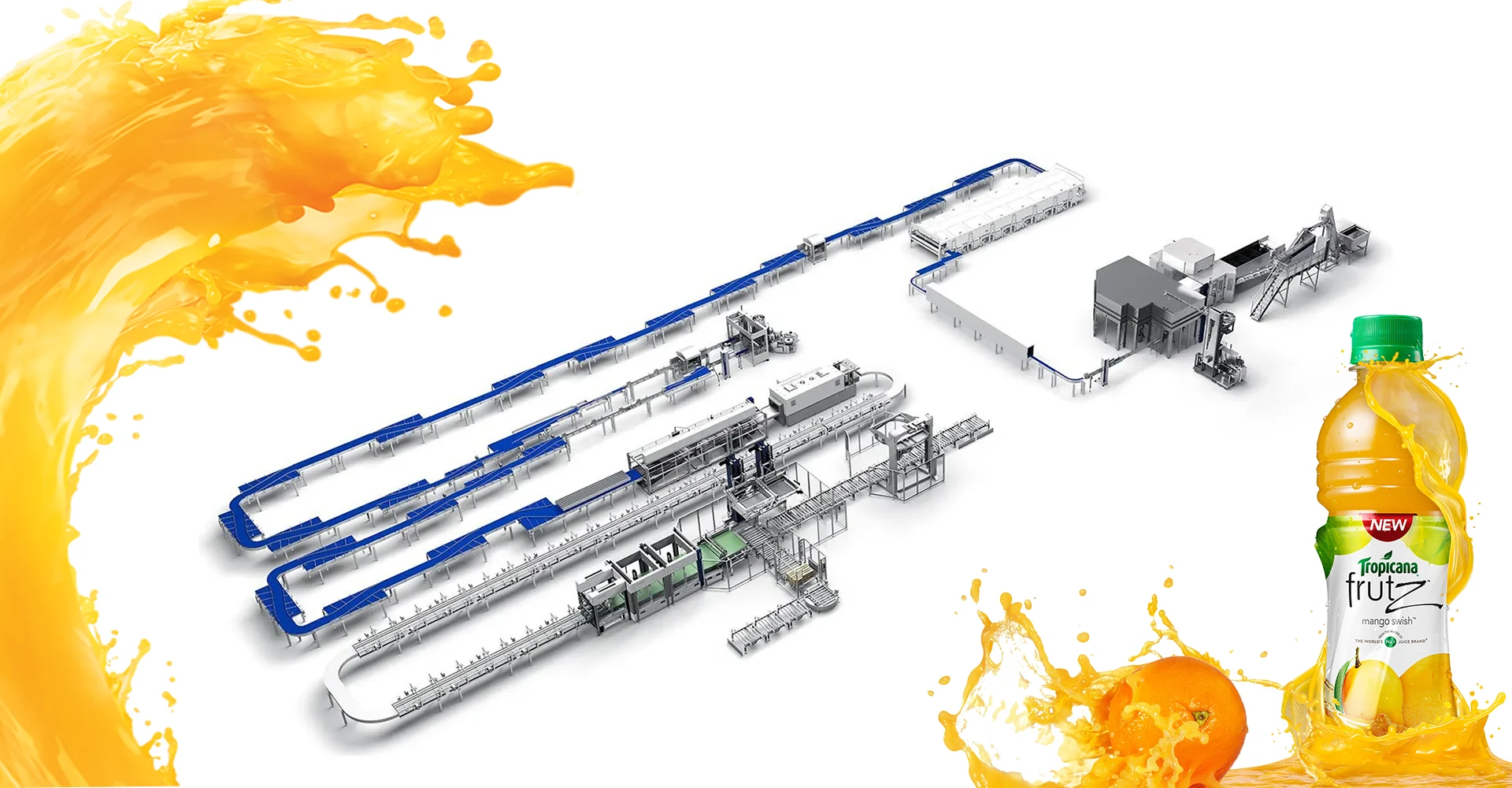
Equipment
Juice beverage bottling line
The juice beverage bottling line connects beverage preparation and thermal processing with bottle filling, capping, labelling and packing.
Learn more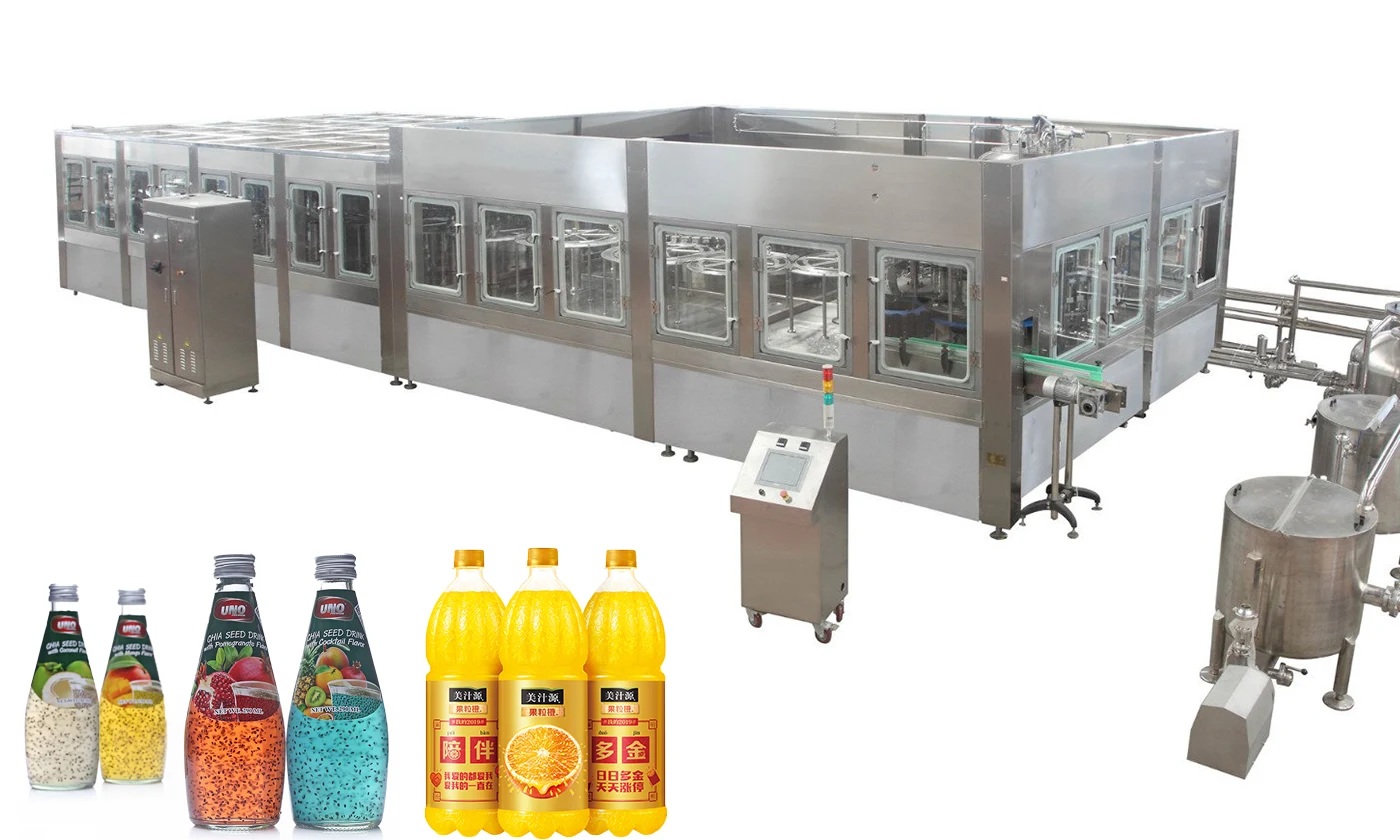
Equipment
juice Pulp Filling Machine 4 in 1
RXGGF16-16-5 pulp juice filling with separate pulp and liquid dosing, rinsing and capping at 5,000 bottles/hour for 250 ml bottles.
Learn more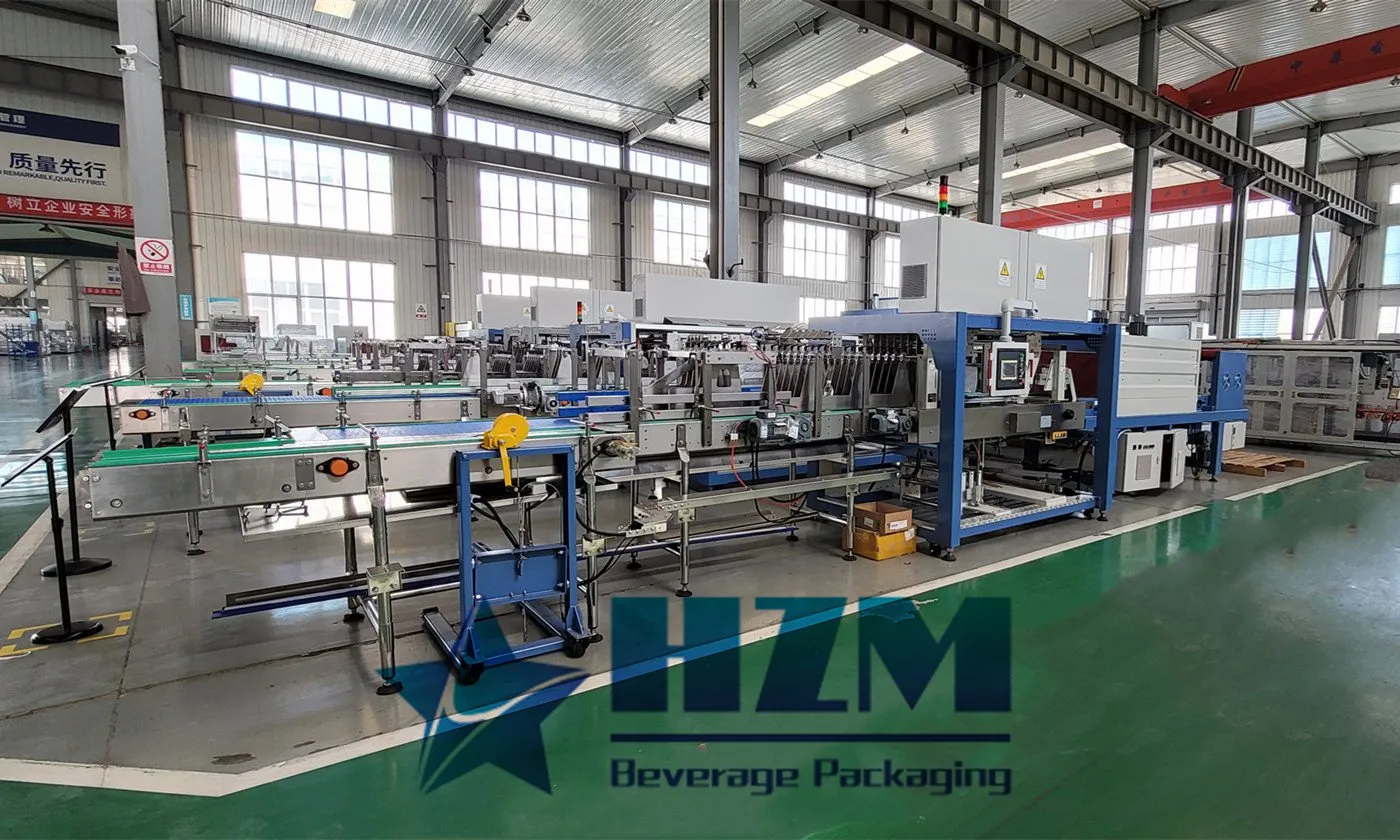
Equipment
Automatic Beverage Packaging Machines – Juice, Soda & Soft Drinks
HZM beverage packaging equipment connects juice, soda and soft drink filling with labelling, coding and secondary packaging.
Learn more2023-06-09
Variable-Frequency Speed Control for Juice Filling Lines
Understand how variable-frequency drives help coordinate fillers, conveyors and downstream equipment without replacing correct line sizing.
Learn more2023-06-09
PLC Control 5 Gallon Water Filling Machine
High quality PLC Control 5 Gallon Water Filling Machine from China, China's leading PLC Control 5 Gallon Water Filling Machine product, with strict quality control 1500bph barreled Water Filling Machine factories, producing high quality barreled 5 Gallon Water Filling Machine products.
Learn more2023-06-09
36,000 BPH Juice Filling Line: Capacity Planning and Output Calculation
Understand what a 36,000 BPH juice line rating means and how to calculate sustained output, upstream demand, downtime and downstream capacity.
Learn more
2023-04-21
Fruit juice beverage filling production line
Juice and beverage filling production lines are used to produce and package juice and beverage products in PET plastic bottles, glass bottles, Tetra Pak packaging, and other forms. The filling capacity of the production line is typically 330ml, 500ml, 1L, 1.5L, and it can produce a variety of juice beverages such as mango juice, kiwi juice, peach juice, and more.
Learn more2023-06-09
PET Juice Filling and Packaging Line: A Practical Selection Guide
Plan a PET juice filling and packaging line for 200 ml to 1.5 L bottles by matching the beverage process, bottle, output target and downstream equipment.
Learn more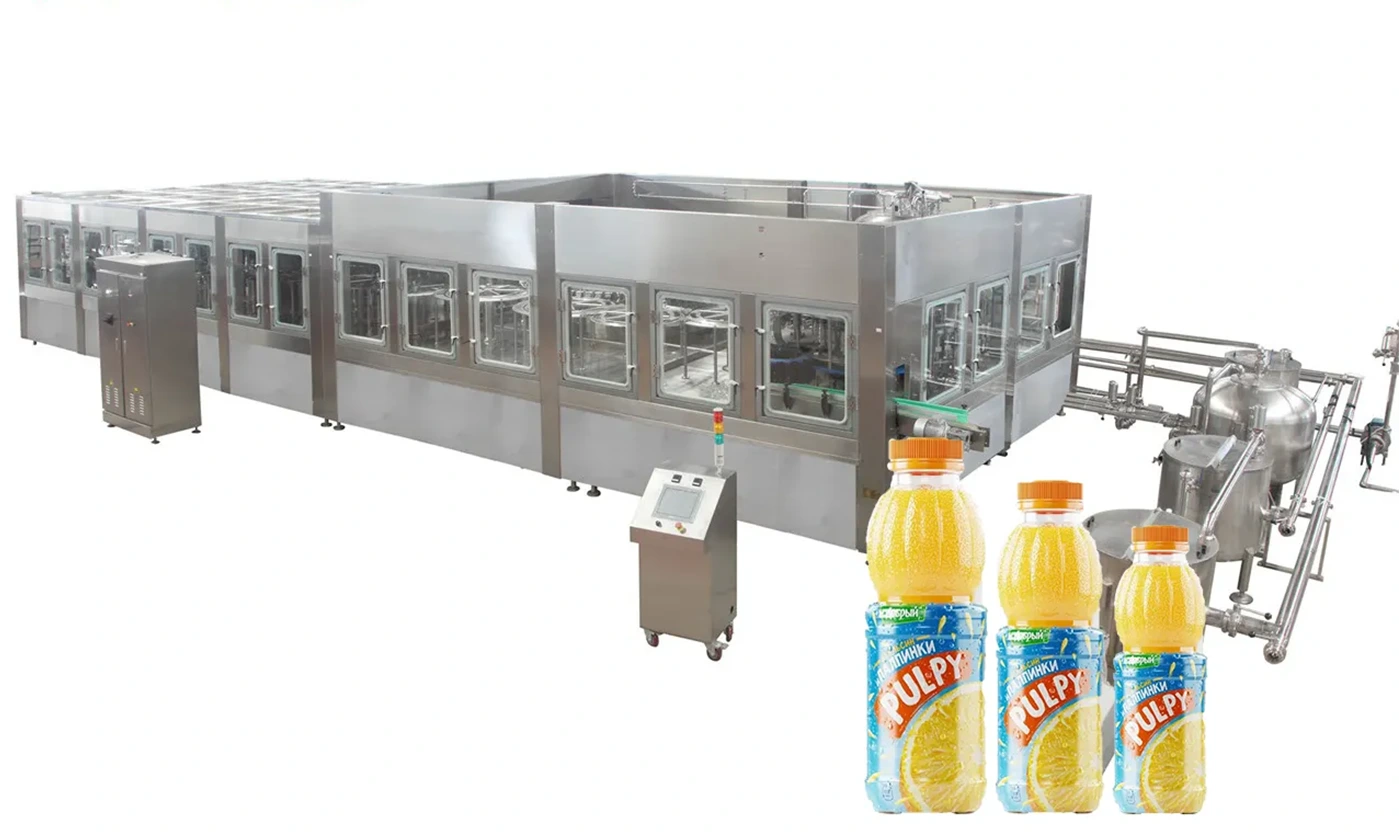
2024-02-21
How to Choose a Fruit Juice Beverage Production Line
As a complete set of process-oriented machinery and equipment, when ordering machinery and equipment, one must not rush into it. It is necessary to conduct relevant comparisons of the complete set of production line equipment. Some specific equipment configurations will directly affect the cost-effectiveness of the entire fruit juice production line machinery and equipment.
Learn more