
Insights & Updates
Variable-Frequency Speed Control for Juice Filling Lines
Variable-frequency drives, often called VFDs or inverters, let a control system adjust the speed of suitable AC motors. In a juice filling line they can help coordinate conveyors, pumps and machine sections as production conditions change. They are valuable control devices, but they cannot make an undersized machine deliver a higher sustained output or correct poor mechanical handling.
Where variable-speed control is useful
Applications may include bottle and pack conveyors, selected process pumps, fans and machine drives designed for adjustable speed. The correct use depends on the motor, load, hygiene requirements and equipment design. Some functions require fixed speed or a different motion-control technology.
In a complete juice filling production line, adjustable drives are commonly used to maintain a smooth flow between bottle production, filling, labeling and packing. Each section should operate within its approved range rather than continuously chasing short changes from the next machine.
Line balancing, not maximum speed
The objective of speed regulation is stable saleable output. If the labeler pauses briefly, the conveyor system can use accumulation status to slow or stop upstream sections in a controlled way. When the downstream machine recovers, the line can return gradually to its normal setpoint.
Running conveyors too fast can increase bottle gaps, pressure, noise and instability. Running too slowly can starve the filler or create congestion. The line-control strategy should define minimum and maximum speeds, acceleration and deceleration times, and how each machine reacts to upstream and downstream conditions.
Use accumulation zones correctly
Accumulation provides time to manage a short interruption. Sensors or controlled tracking indicate when a zone is filling or emptying, and the PLC adjusts related equipment. The required length depends on bottle type, line speed, allowable pressure and expected stop pattern.
Lightweight PET bottles need careful rail, belt and transfer design. The conveyor machine selection should consider empty bottles, filled bottles and packs separately. A control program cannot compensate for a bottle that tips or jams because the physical transfer is unsuitable.
VFD control for process pumps
A variable-speed pump may help maintain an engineered flow or pressure in beverage preparation, transfer or cleaning service. Selection must consider the pump curve, minimum safe flow, product characteristics, seals, cleanability and required instrumentation. The control loop also needs a properly located and calibrated measurement.
For CIP, the required circulation condition should be established by the validated cleaning design. Changing motor frequency is not itself proof that the correct cleaning action has reached every part of the circuit. See the CIP system configuration for the other design inputs.
Recipe-based speed settings
Different bottle sizes and products may need different speed limits and transfer settings. Approved values can be stored in the HMI recipe, with access levels to prevent unauthorized changes. Operators still need to confirm the correct mechanical parts, materials and quality checks before starting a new format.
A practical recipe should use meaningful names and engineering units. It should also define what happens if a requested setting is outside the permitted range or if a drive is unavailable.
Energy use and motor operation
Variable speed can reduce power demand in applications where the load allows it, particularly compared with inefficient throttling or constant full-speed operation. Actual savings depend on the duty cycle and system design, so they should be estimated from the proposed operating profile. A VFD also introduces heat and electrical requirements that belong in the cabinet and plant design.
Electrical and maintenance considerations
- Confirm that the motor and drive are suitable for the required speed and load range.
- Define enclosure, cooling and environmental conditions.
- Provide appropriate isolation, protection and safe maintenance procedures.
- Follow engineering requirements for cable type, grounding and electromagnetic compatibility.
- Record drive parameters and keep controlled backups.
- Train maintenance staff to diagnose both electrical faults and the mechanical cause of overload.
What to include in the control specification
List every variable-speed drive, its load, normal range, control source, feedback signal and response to a fault. Define local and automatic modes, access permissions, ramp times, critical alarms and the behavior after power recovery. If machines use different suppliers, agree how speed references and status signals cross each interface.
Frequently asked questions
Can one speed setting work for every PET bottle?
Not always. Bottle height, diameter, weight, fill level and stability affect handling. Commission and save suitable settings for each approved format, then verify them during changeover.
Will a VFD increase the rated capacity of a juice filler?
No. It can help operate the system within the engineered range, but filling time, valve count, product flow, bottle transfer and downstream capacity still limit output.
What information should be saved as a backup?
Keep the approved PLC and HMI programs, drive parameter files, network settings, device versions and a restoration procedure. Backups should be controlled and tested so the plant can recover after a component replacement.
Talk to our engineering team
Need help planning your packaging line?
Share your product, bottle and capacity requirements for a practical equipment recommendation.
Equipment
Bottled Juice Packaging Machine
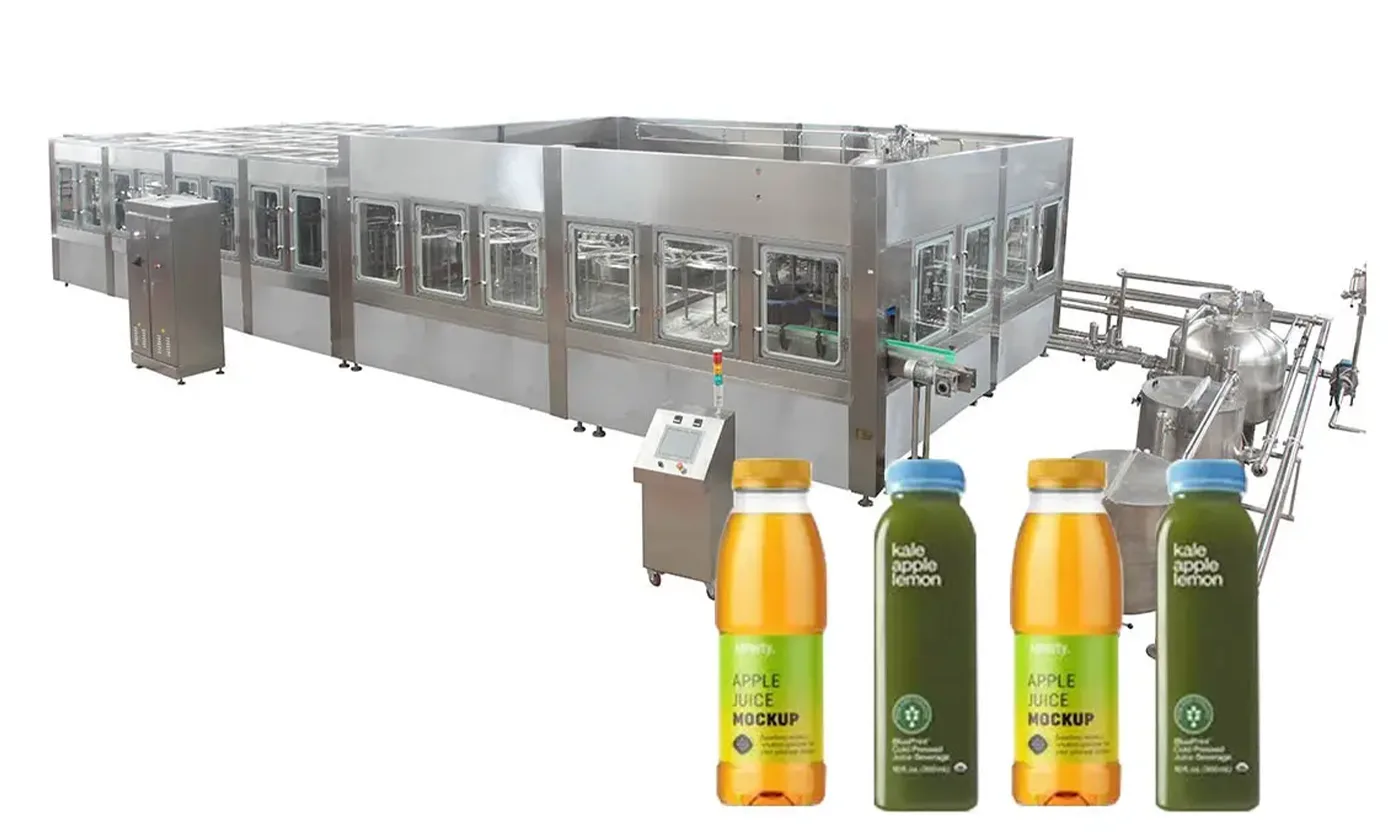
Bottled juice filling equipment with rinsing and capping, from 6,000 to 18,000 bottles/hour at 500 ml.
Learn more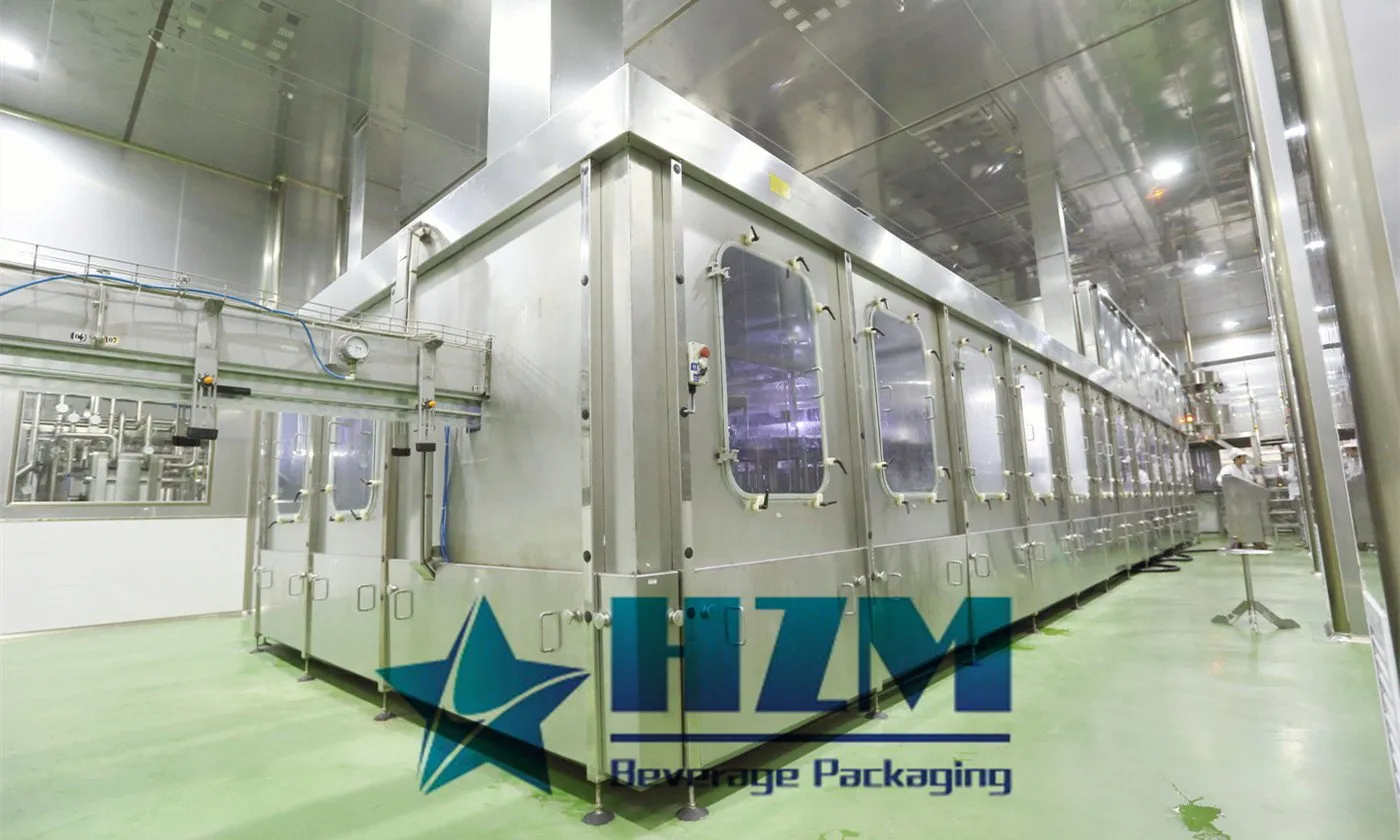
Equipment
PET Bottle Juice Beverage Filling Machine
PET bottle juice filling with automatic rinsing and capping, for juice, tea and still beverages.
Learn more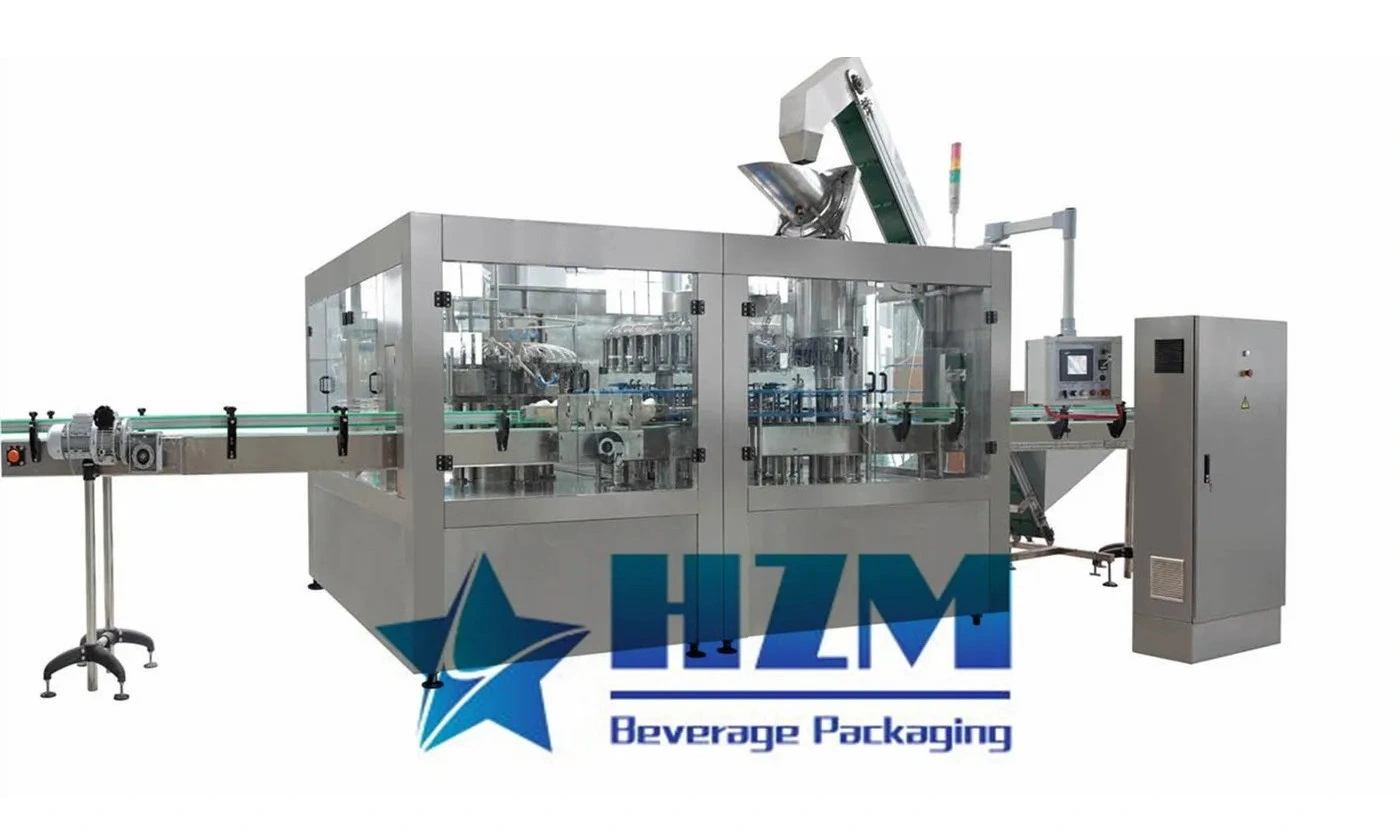
Equipment
Glass Bottle Juice Beverage Filling Machine
Glass bottle juice filling with rinsing and capping, for juice, tea and other still beverages.
Learn more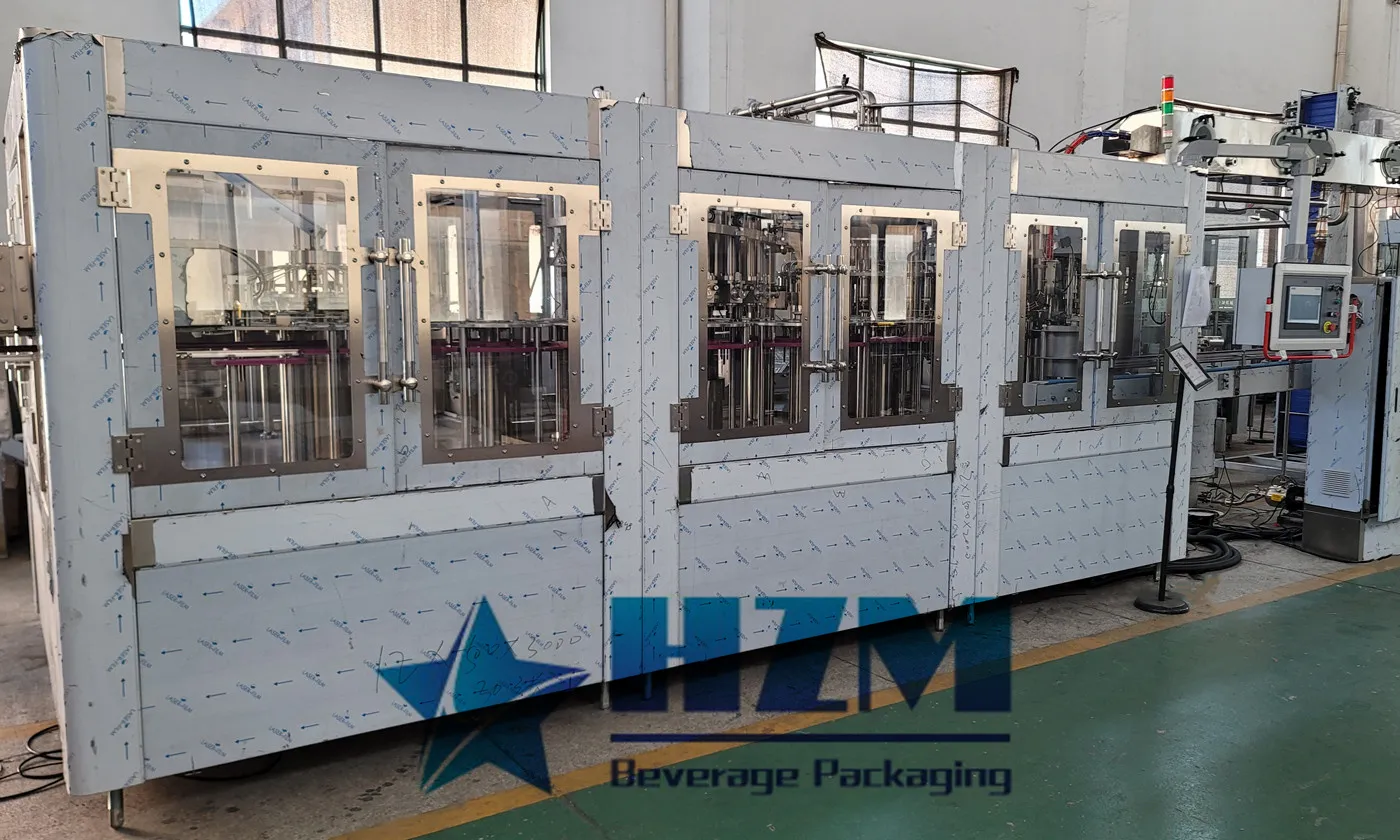
Equipment
Automatic Pulp Juice Filling Machine
Pulp juice filling with separate pulp and liquid dosing, bottle rinsing and capping for beverages containing fruit particles.
Learn more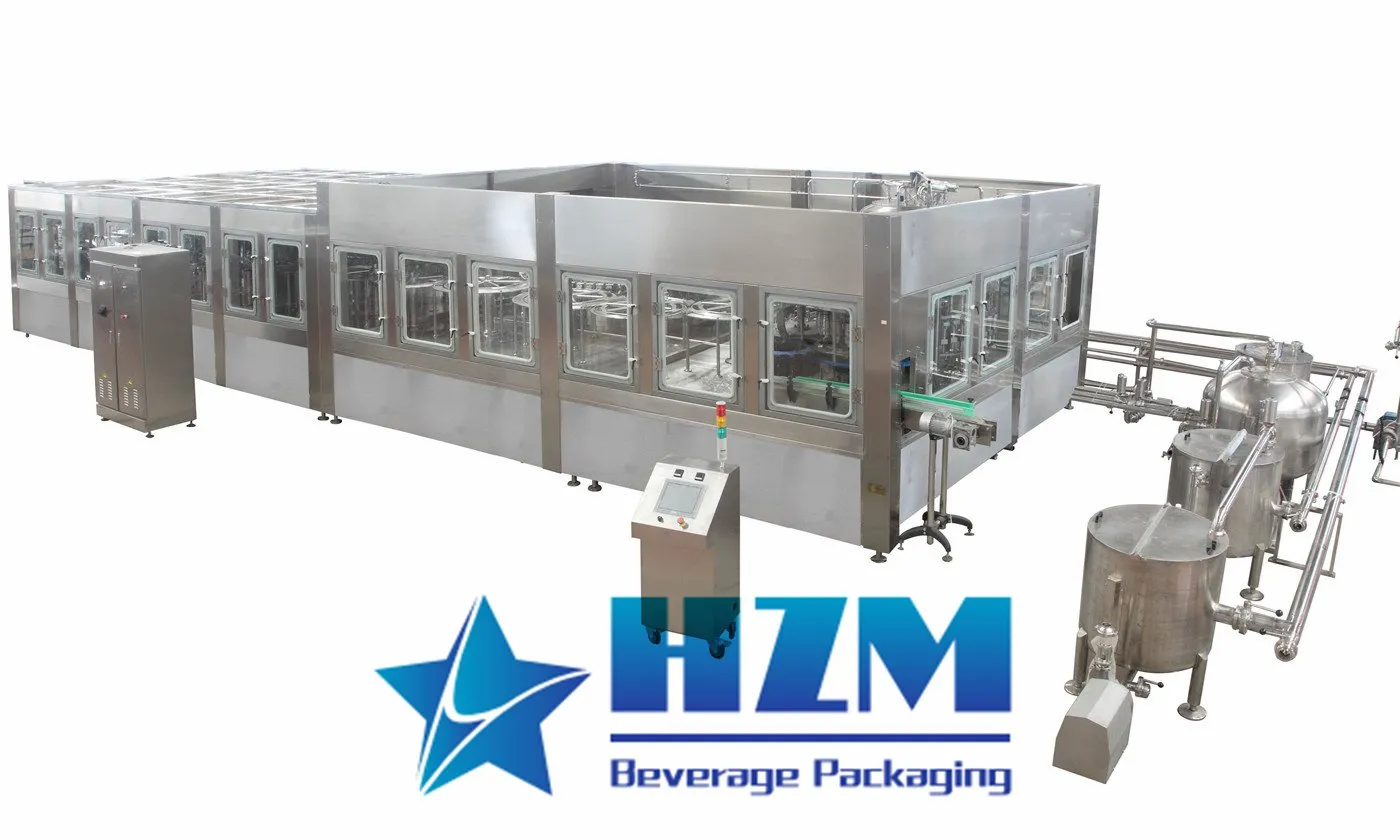
Equipment
Moderate Temperature Juice Filling Machine
Moderate-temperature juice filling with automatic bottle rinsing and capping, with XXGF models from 6,000 to 24,000 bottles/hour at 500 ml.
Learn more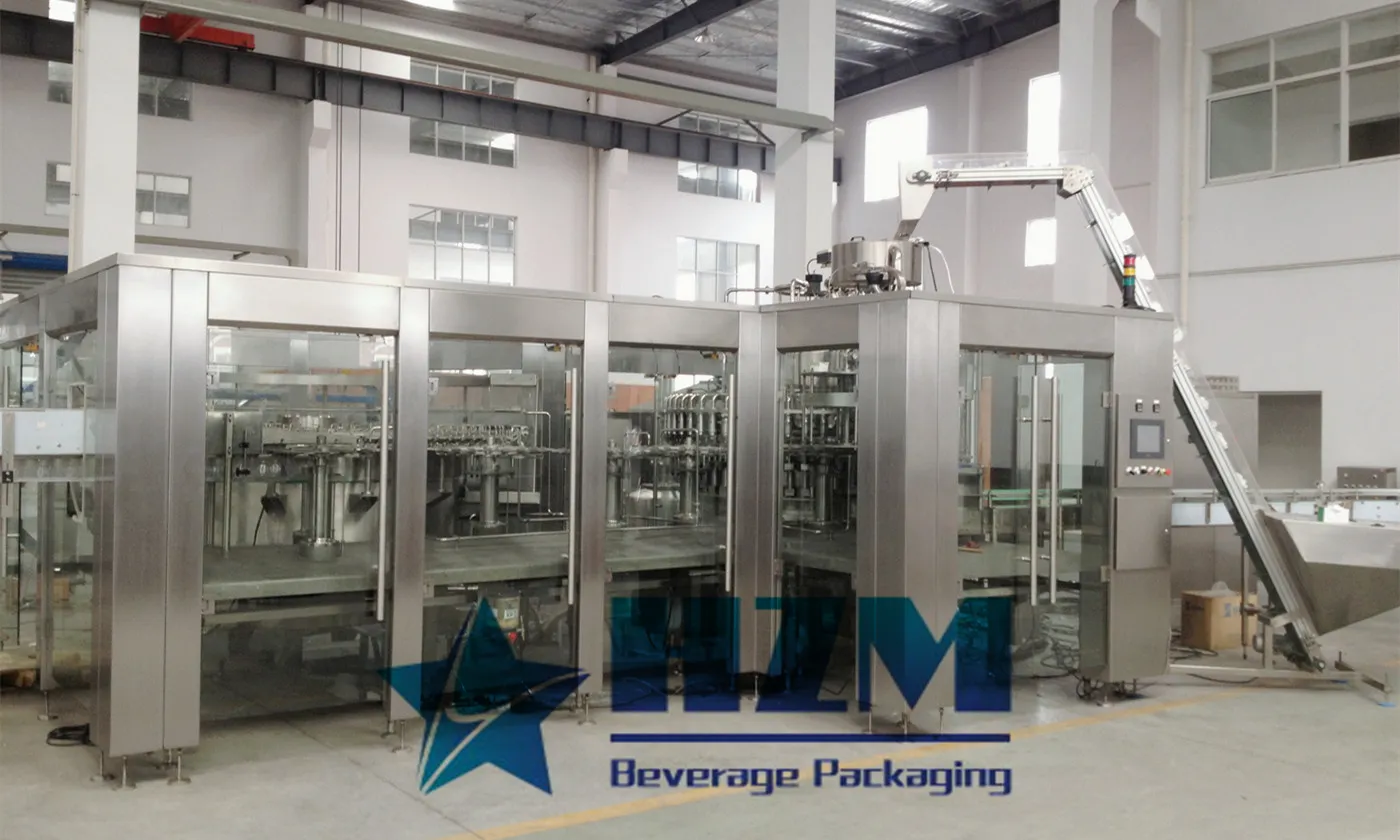
Equipment
PET Bottle juice Beverage Hot Filling Machine
Hot filling for juice and tea in heat-compatible PET bottles, with automatic rinsing, filling and capping.
Learn more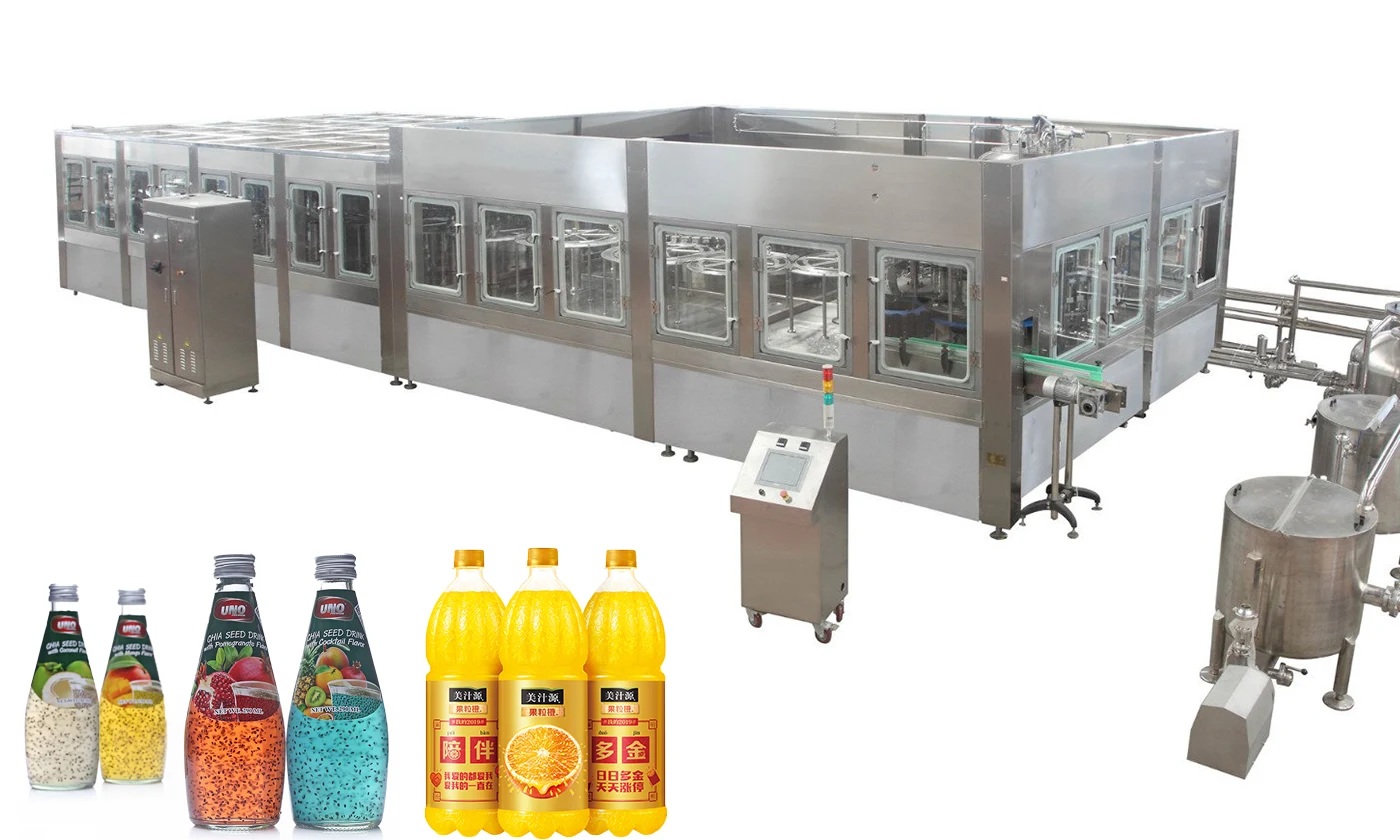
Equipment
juice Pulp Filling Machine 4 in 1
RXGGF16-16-5 pulp juice filling with separate pulp and liquid dosing, rinsing and capping at 5,000 bottles/hour for 250 ml bottles.
Learn more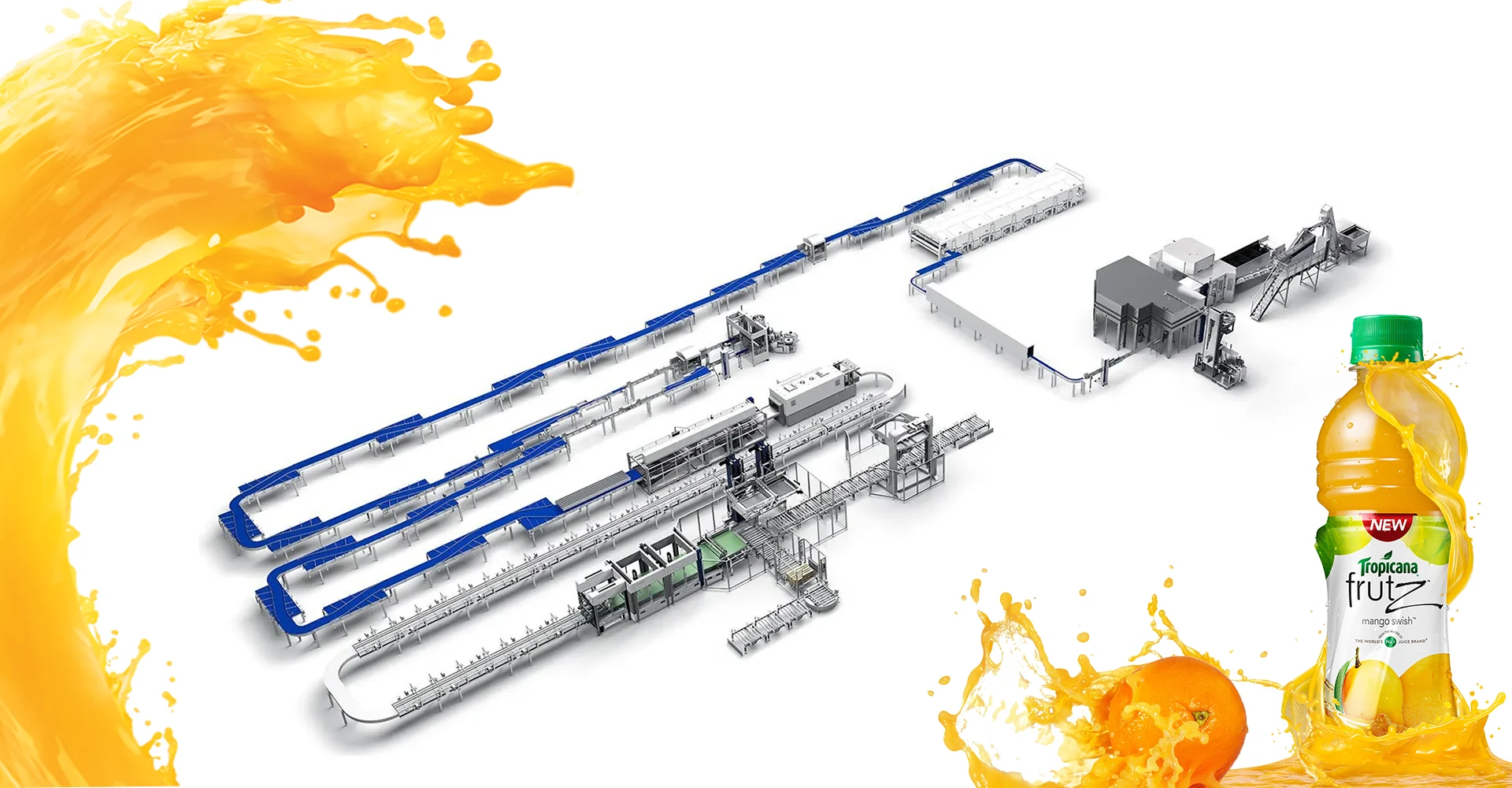
Equipment
Juice beverage bottling line
The juice beverage bottling line connects beverage preparation and thermal processing with bottle filling, capping, labelling and packing.
Learn more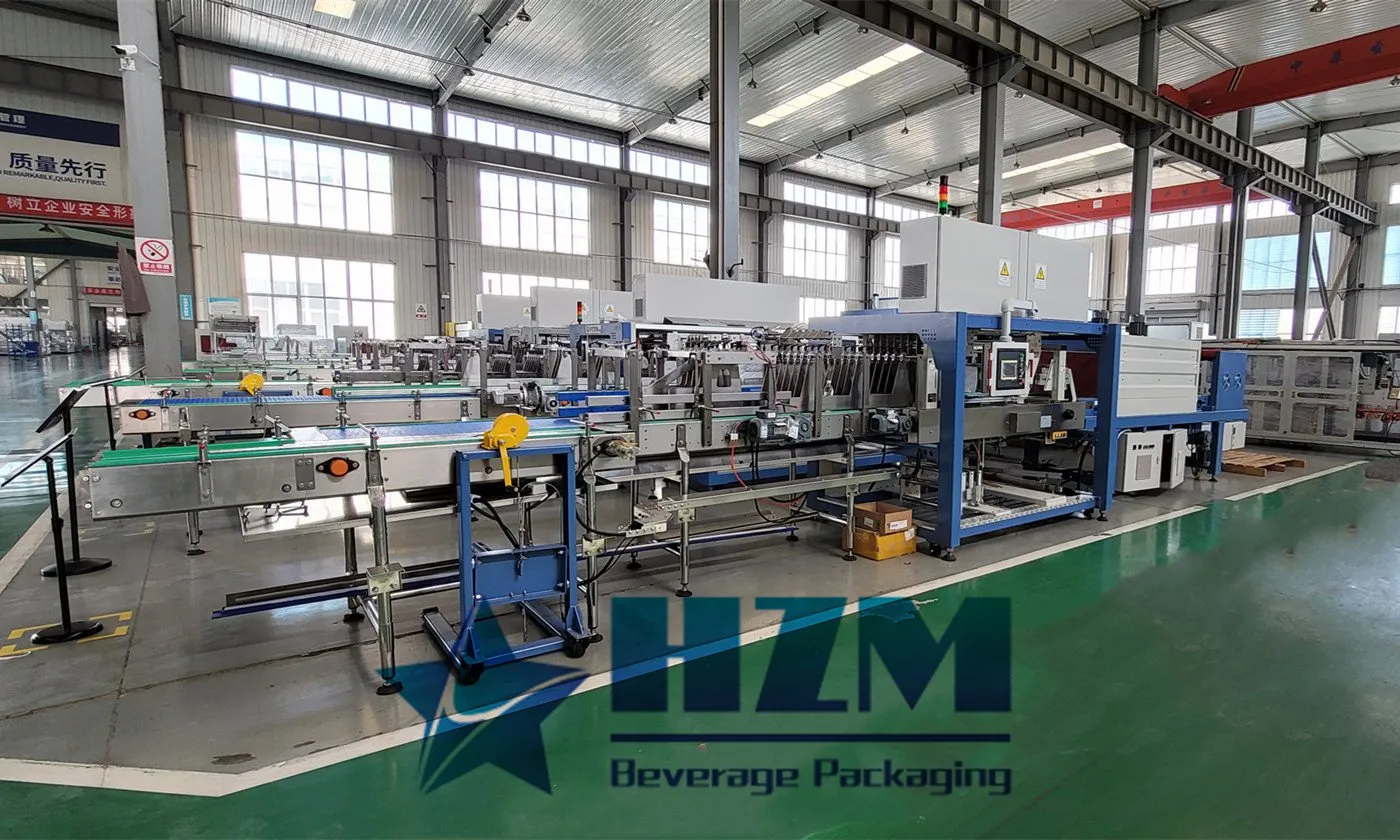
Equipment
Automatic Beverage Packaging Machines – Juice, Soda & Soft Drinks
HZM beverage packaging equipment connects juice, soda and soft drink filling with labelling, coding and secondary packaging.
Learn more2023-06-09
PLC Control for 22,000-28,000 BPH Juice Filling Lines
Learn which PLC, HMI, interlock, recipe and production-data functions matter when specifying a high-speed juice filling line.
Learn more2023-06-09
Frequency Conversion Control Carbonated Soft Drink Filling Machine
High quality Frequency Conversion Control Carbonated Soft Drink Filling Machine from China, China's leading 13Kw Carbonated Soft Drink Filling Machine product, with strict quality control 6Kw Carbonated Soft Drink Filling Machine factories, producing high quality 6Kw Frequency Conversion Drink Filling Machine products.
Learn more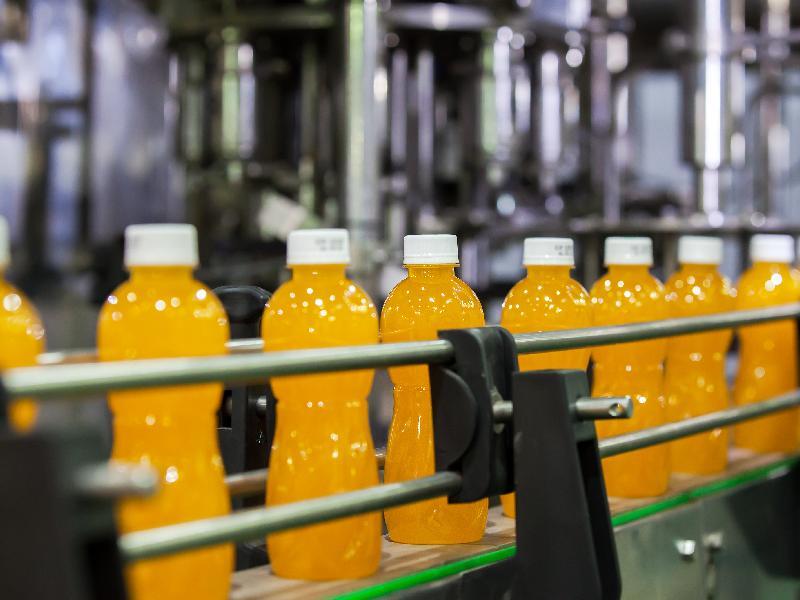
2023-04-21
Fruit juice beverage filling production line
Juice and beverage filling production lines are used to produce and package juice and beverage products in PET plastic bottles, glass bottles, Tetra Pak packaging, and other forms. The filling capacity of the production line is typically 330ml, 500ml, 1L, 1.5L, and it can produce a variety of juice beverages such as mango juice, kiwi juice, peach juice, and more.
Learn more2023-06-09
PET Juice Filling and Packaging Line: A Practical Selection Guide
Plan a PET juice filling and packaging line for 200 ml to 1.5 L bottles by matching the beverage process, bottle, output target and downstream equipment.
Learn more2026-07-24
Juice Production Line Optimization: Cold Filling vs. Hot Filling
Compare cold, hot and aseptic juice filling by product risk, shelf-life target, packaging, utilities and total operating cost, then optimize the complete juice production process.
Learn more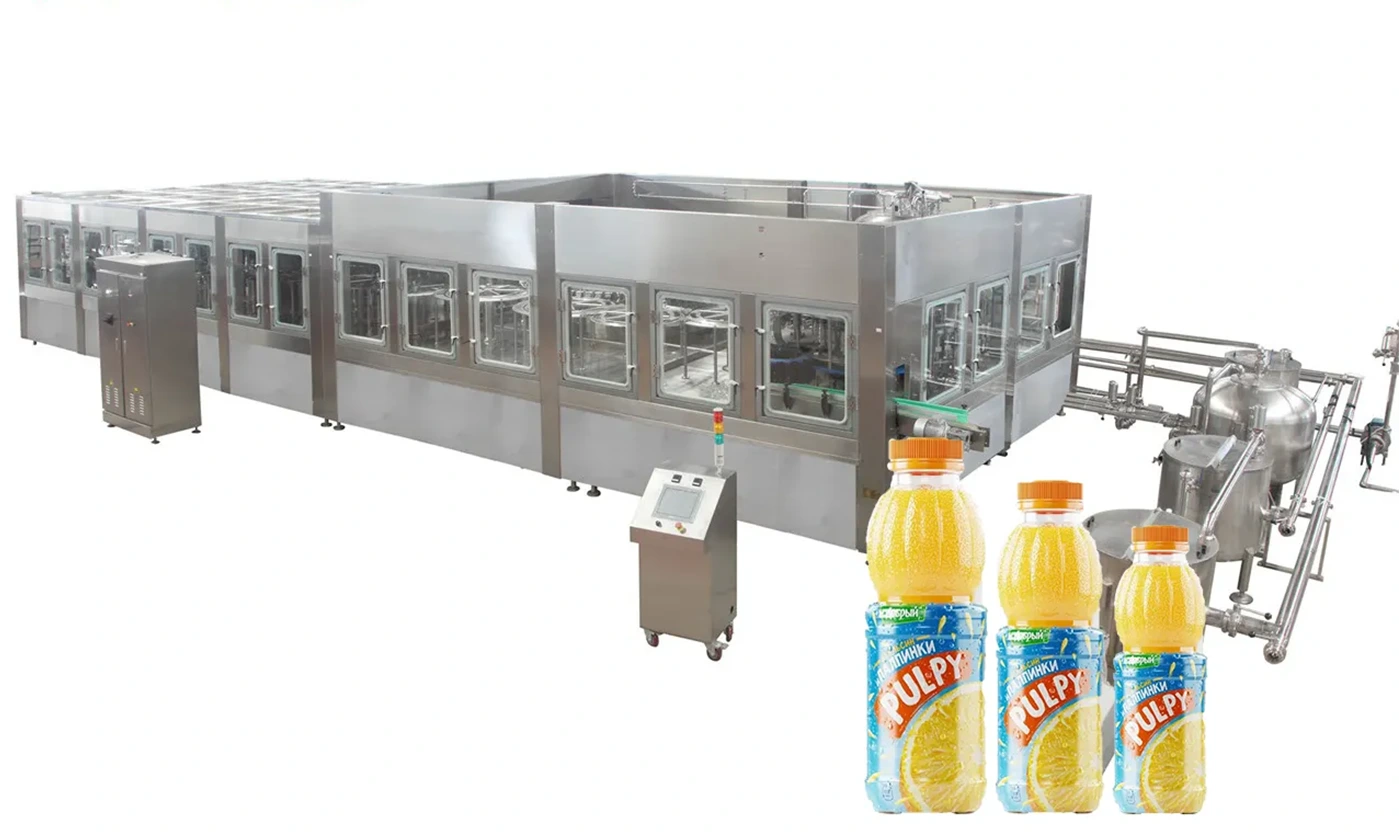
2024-02-21
How to Choose a Fruit Juice Beverage Production Line
As a complete set of process-oriented machinery and equipment, when ordering machinery and equipment, one must not rush into it. It is necessary to conduct relevant comparisons of the complete set of production line equipment. Some specific equipment configurations will directly affect the cost-effectiveness of the entire fruit juice production line machinery and equipment.
Learn more