
Insights & Updates
Juice Production Line Optimization: Cold Filling vs. Hot Filling
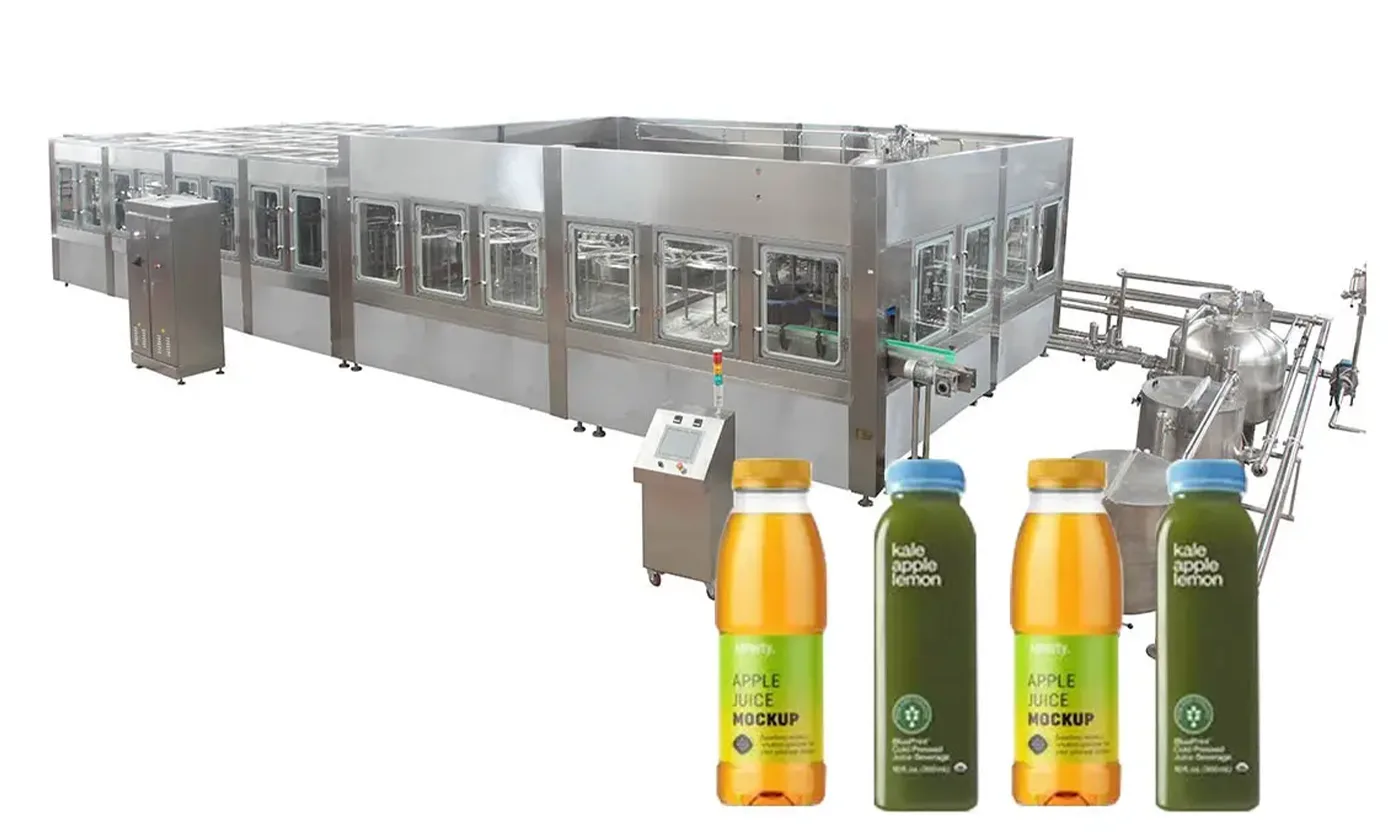
Choosing between cold and hot filling is not simply a question of which machine runs faster. The correct process depends on the juice acidity, pulp content, thermal sensitivity, target shelf life, packaging material, distribution temperature and the level of hygienic control the plant can maintain. A poor choice can cause flavor loss, bottle deformation, excessive preservative use or—more seriously—an unsafe and unstable product.
Juice preparation, thermal treatment, bottle filling and downstream packing must work together to maintain product consistency and line output.
Start with the product, not the filling machine
The process authority or qualified food-safety team should define the required microbial control. Key inputs include pH, soluble solids, pulp or fiber, heat resistance of the recipe, expected storage temperature and desired shelf life. Acidic juice and low-acid beverages do not present the same risk and should not share an unvalidated process assumption.
Before selecting equipment, document:
- Recipe and worst-case pH range, including production variation.
- Whether the product is NFC juice, reconstituted juice, nectar or a juice drink.
- Maximum particle or pulp size and whether settling is acceptable.
- Required refrigerated or ambient shelf life.
- Bottle material, closure type, oxygen barrier and available headspace.
- Target bottles per hour and the number of planned SKUs.
Typical juice production line stages
A juice line may include fruit reception and washing, extraction or concentrate handling, filtration, blending, deaeration, homogenization, thermal processing, buffer storage, filling, capping and secondary packaging. Not every beverage requires every stage. The design should remove unnecessary product residence time while keeping enough controlled buffer capacity to prevent frequent starts and stops.
Measure losses at each transition. Yield can disappear through fruit sorting, filter discharge, tank heels, pipe hold-up, off-spec startup product and filler changeovers. A simple mass-balance sheet by batch often identifies a larger saving than increasing nominal filler speed.
What “cold filling” can mean
Cold filling describes product entering the package near ambient or chilled temperature, but the hygienic requirements vary widely. A refrigerated, short-shelf-life product may use a clean filling process with continuous cold-chain control. An ambient shelf-stable product filled cold may require aseptic processing, sterilized packaging and a controlled filling environment. These are very different capital, validation and operating commitments.
Cold filling can protect fresh flavor, color and heat-sensitive nutrients. It may also allow lighter PET bottles that are not designed to resist hot-fill vacuum. However, the benefit is only real when product processing, package decontamination, environmental control and closure handling work as one validated system.
How hot filling works
In a hot-fill process, the beverage receives a validated thermal treatment and enters a heat-resistant container at a controlled temperature. The filled package is capped promptly and may be held or inverted as required so relevant internal surfaces receive the intended treatment. Cooling then brings the package down through a controlled profile.
Hot filling is widely used for acidic juice beverages because it can support ambient distribution with a comparatively straightforward packaging environment. Its tradeoffs include greater thermal impact, higher heating and cooling demand, and the need for bottles and closures that tolerate filling temperature and the vacuum created during cooling.
A PET bottle hot filling machine must therefore be selected together with the thermal process, bottle design and cooling system. A generic temperature copied from another recipe is not a validated process.
Cold filling vs. hot filling: the operational comparison
| Decision area | Cold or aseptic filling | Hot filling |
|---|---|---|
| Product quality | Better protection of heat-sensitive flavor and color when correctly designed | More thermal exposure; recipe and residence time need control |
| Package | May permit lighter bottles, depending on process and distribution | Requires heat-resistant bottle, closure and vacuum performance |
| Hygiene | Ambient shelf-stable cold filling demands stringent aseptic control | Relies on validated thermal process plus hygienic handling |
| Utilities | May require sterile utilities, environmental control and refrigeration | Requires heating plus enough controlled cooling capacity |
| Operation | Aseptic systems demand disciplined validation and operator competence | Temperature, holding conditions and package cooling are critical |
Five ways to optimize the complete process
1. Stabilize blending before chasing filler speed
Inconsistent Brix, pH or temperature forces adjustments later and creates off-spec startup product. Use defined ingredient addition order, verified instruments and enough mixing time to produce a repeatable batch.
2. Reduce oxygen pickup
Oxygen can accelerate flavor and color change. Review mixing turbulence, open transfers, tank headspace, deaeration, pump selection and filling conditions as one oxygen-control system.
3. Control thermal residence time
Product that waits in a hot balance tank or repeatedly recirculates can receive more heat than intended. Coordinate upstream processing with filler availability and define what happens after a stop.
4. Match bottle cooling to filler output
Insufficient cooling capacity can deform packs, damage labels or create a downstream bottleneck. Validate actual bottle exit temperature at normal and peak line rates.
5. Use data from real production losses
Track filler rejects, cap defects, product giveaway, changeover time, cleaning time and micro holds separately. “Line efficiency” alone can hide the loss that matters most.
Information a supplier needs for a reliable proposal
Provide the juice formulation, pH range, thermal-process requirement, pulp size, bottle and closure drawings, target output, pack pattern and available utilities. Also state whether the product will be refrigerated or stored at ambient temperature. HZM can then configure the processing, PET bottle juice filling equipment, cooling and packaging around a defined product rather than an assumed one.
The best choice is the process that repeatedly delivers safe product and the promised shelf life at an acceptable total cost. Validate the product-package-process combination, then optimize the interfaces that keep it stable.
Talk to our engineering team
Need help planning your packaging line?
Share your product, bottle and capacity requirements for a practical equipment recommendation.
Equipment
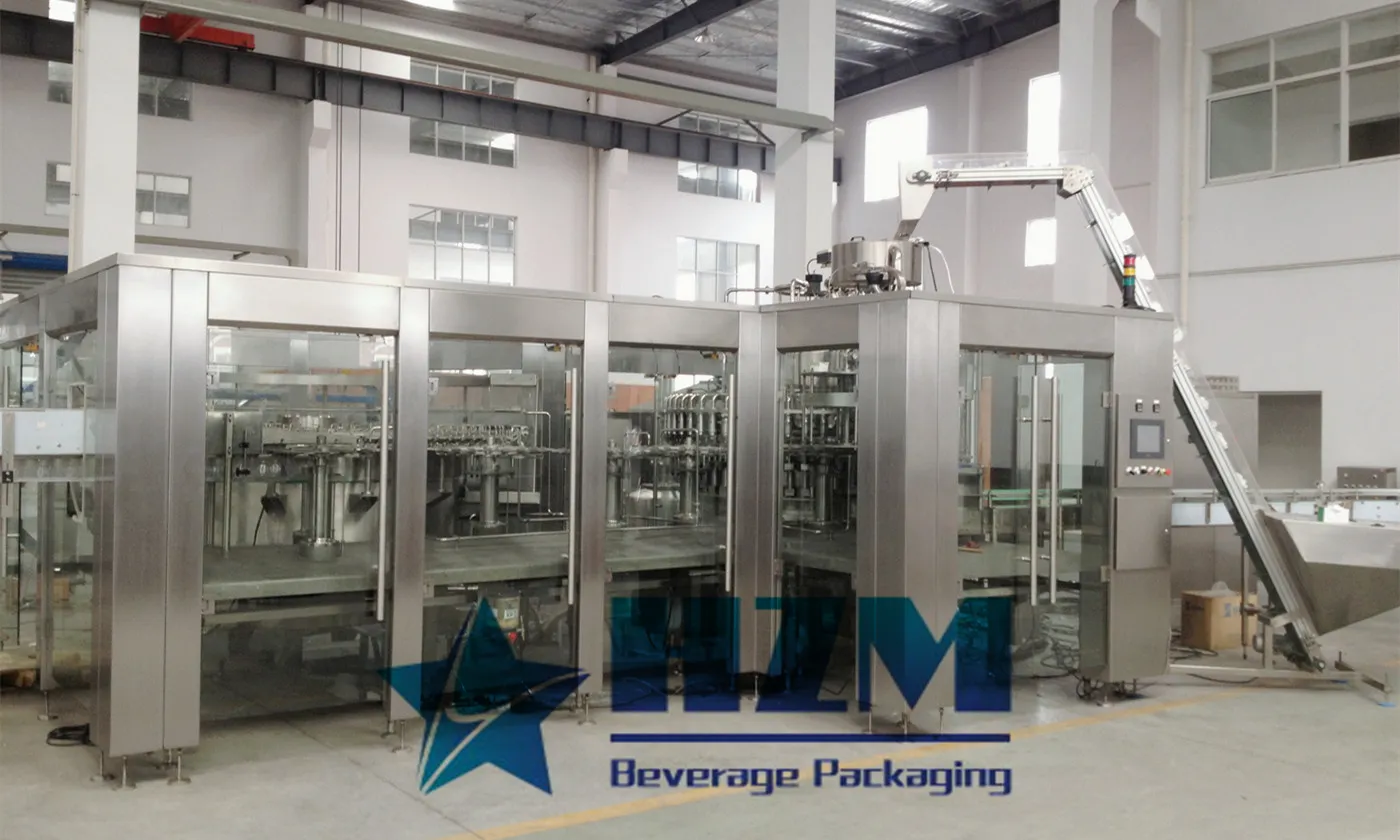
PET Bottle juice Beverage Hot Filling Machine
Hot filling for juice and tea in heat-compatible PET bottles, with automatic rinsing, filling and capping.
Learn moreEquipment
Bottled Juice Packaging Machine
Bottled juice filling equipment with rinsing and capping, from 6,000 to 18,000 bottles/hour at 500 ml.
Learn more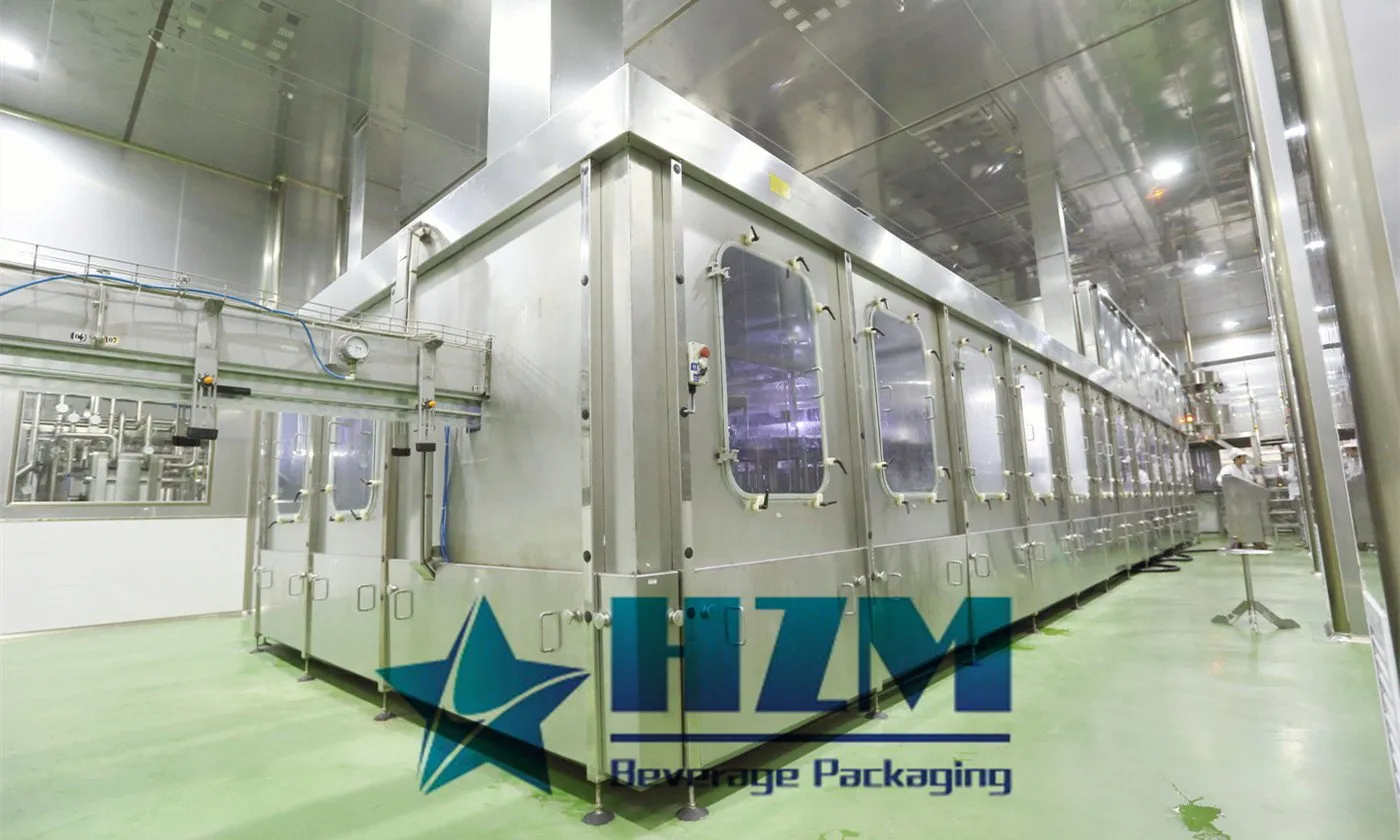
Equipment
PET Bottle Juice Beverage Filling Machine
PET bottle juice filling with automatic rinsing and capping, for juice, tea and still beverages.
Learn more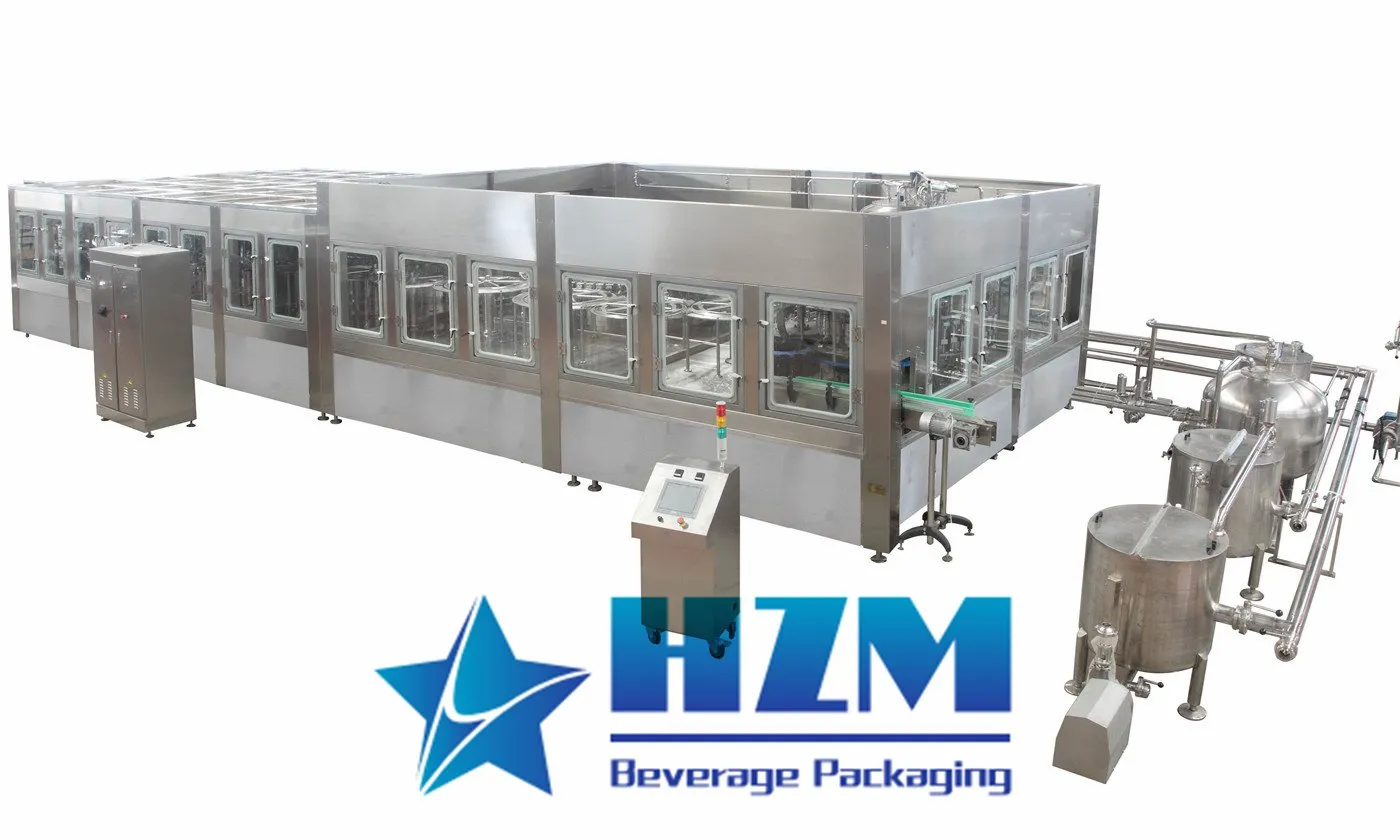
Equipment
Moderate Temperature Juice Filling Machine
Moderate-temperature juice filling with automatic bottle rinsing and capping, with XXGF models from 6,000 to 24,000 bottles/hour at 500 ml.
Learn more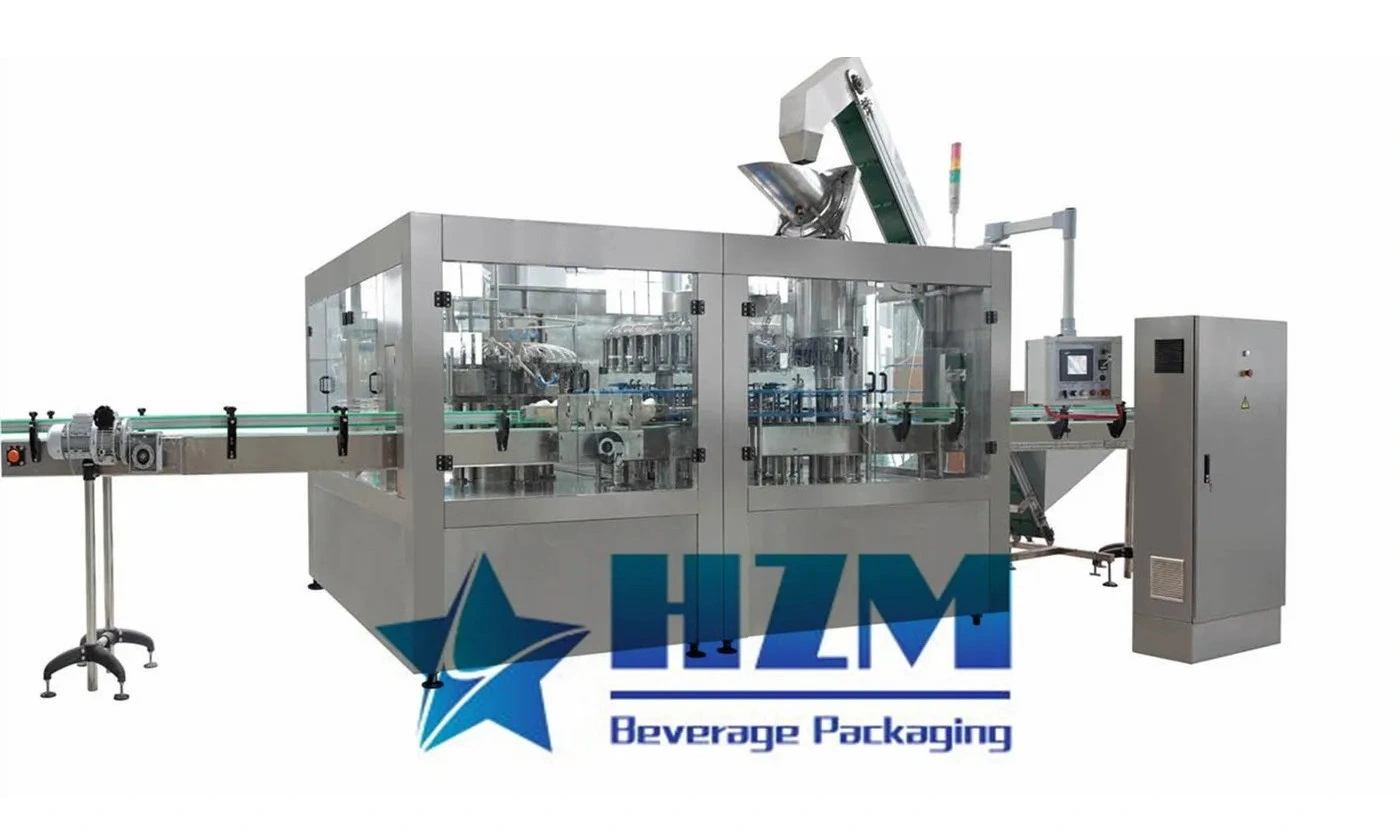
Equipment
Glass Bottle Juice Beverage Filling Machine
Glass bottle juice filling with rinsing and capping, for juice, tea and other still beverages.
Learn more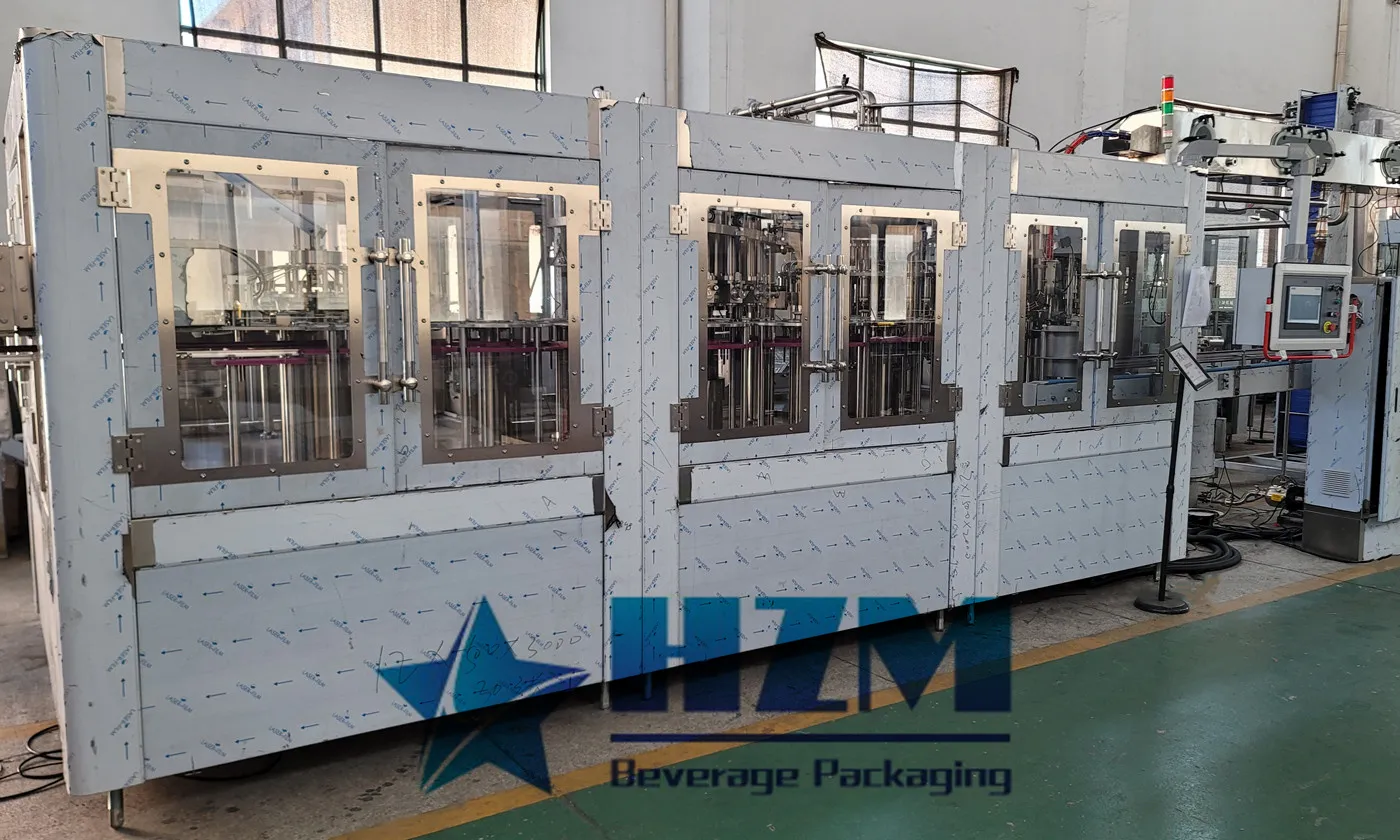
Equipment
Automatic Pulp Juice Filling Machine
Pulp juice filling with separate pulp and liquid dosing, bottle rinsing and capping for beverages containing fruit particles.
Learn more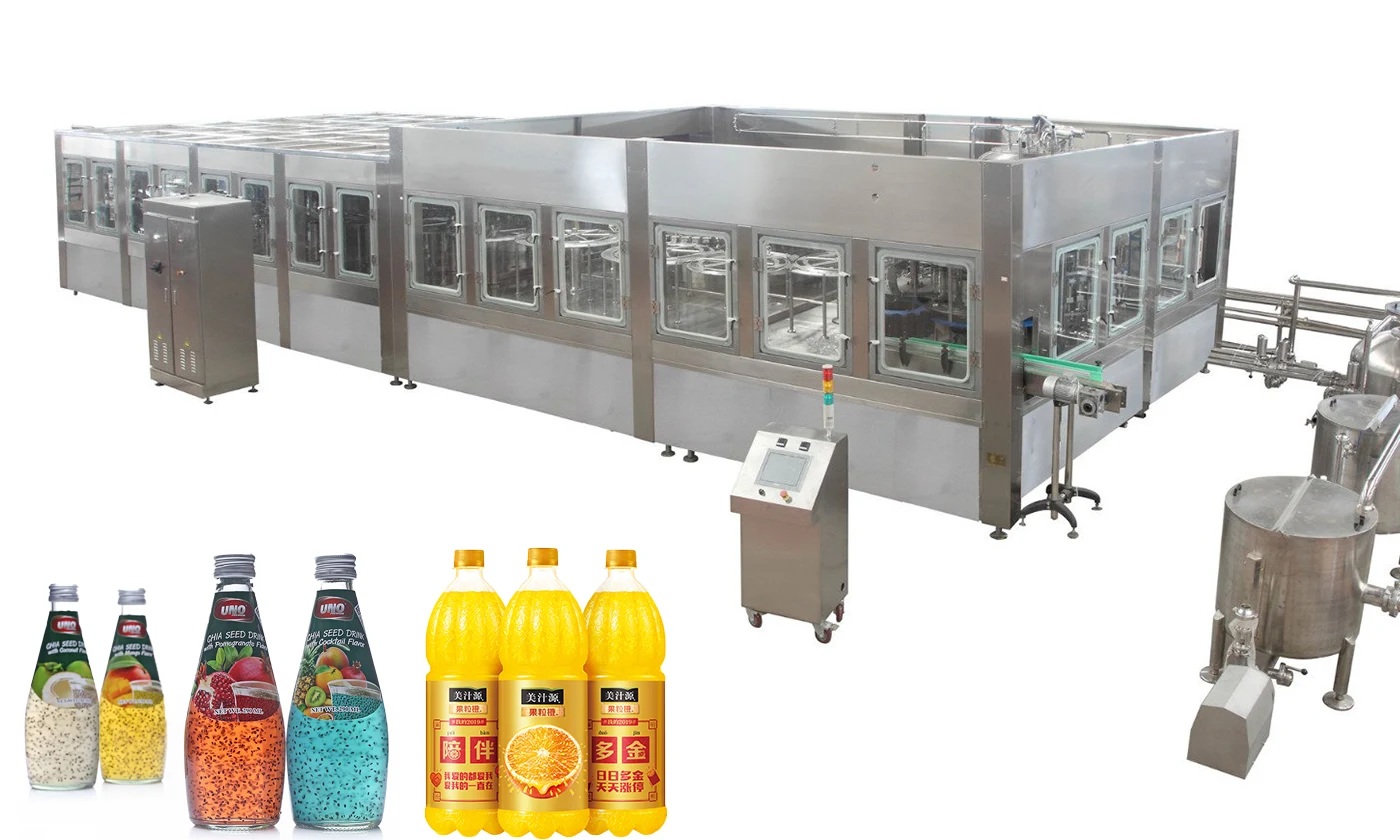
Equipment
juice Pulp Filling Machine 4 in 1
RXGGF16-16-5 pulp juice filling with separate pulp and liquid dosing, rinsing and capping at 5,000 bottles/hour for 250 ml bottles.
Learn more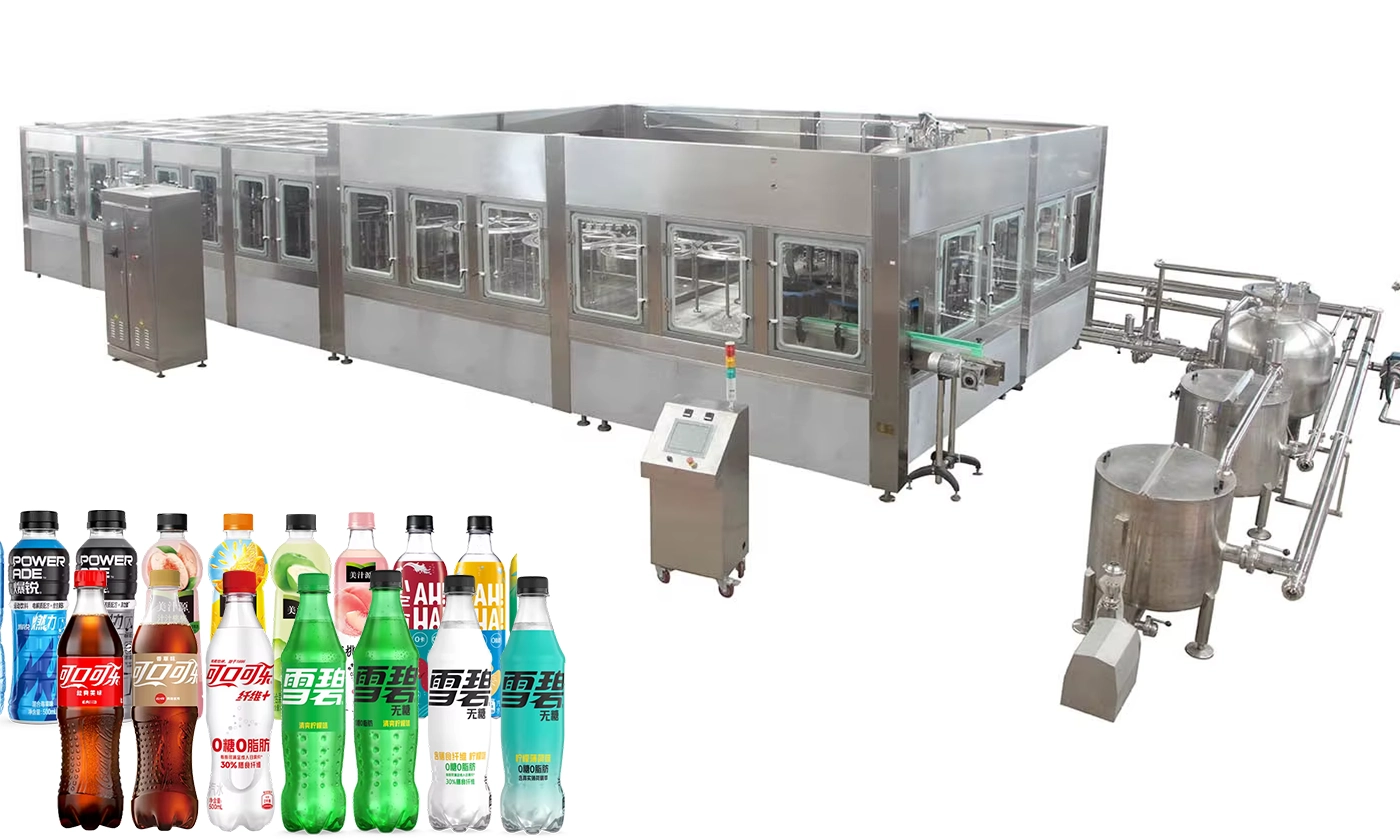
Equipment
Cold Drink Bottle Packing Machine
HZM cold drink bottling lines connect bottle rinsing, filling and capping with labelling, conveying and packing.
Learn more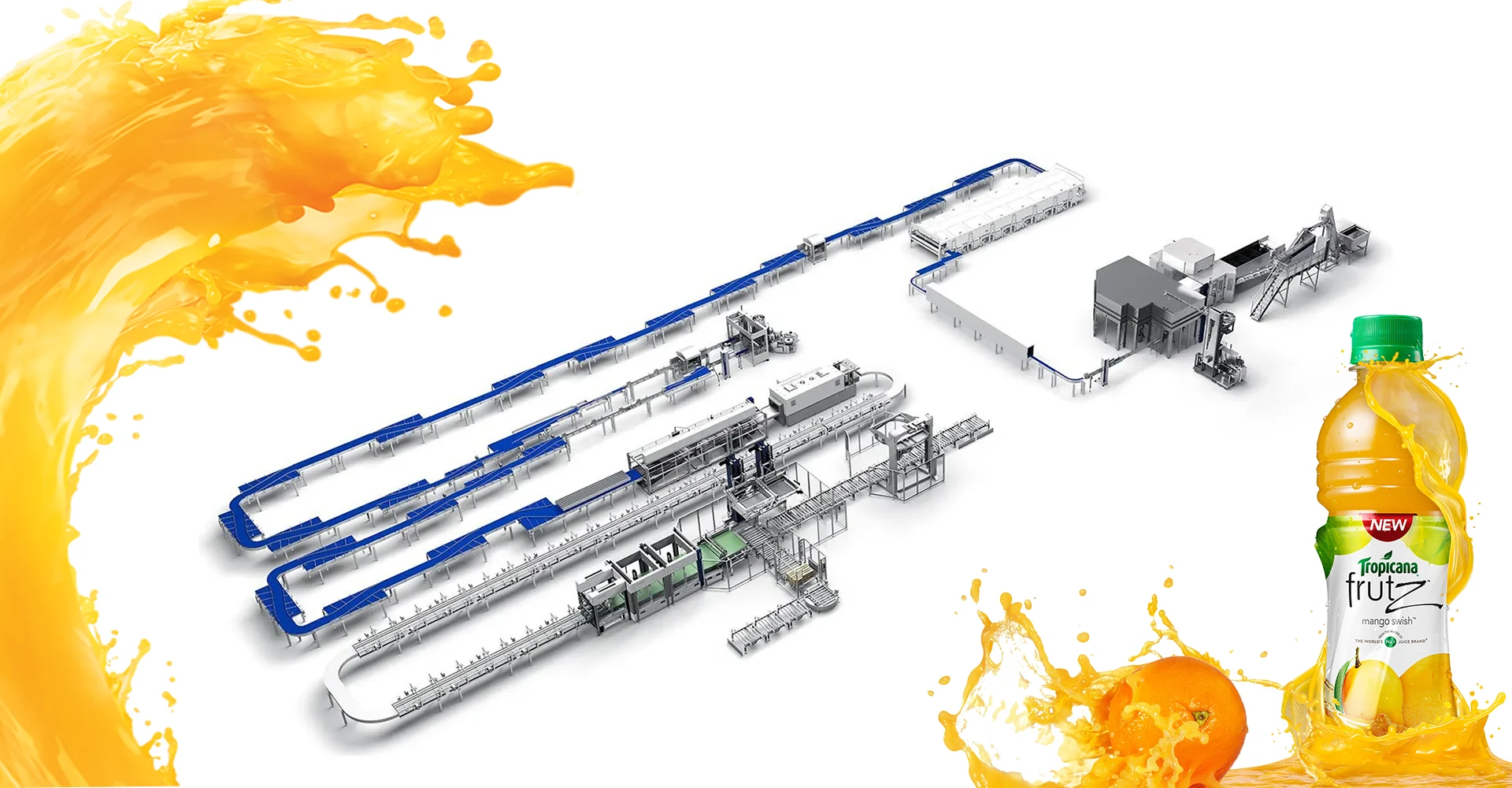
Equipment
Juice beverage bottling line
The juice beverage bottling line connects beverage preparation and thermal processing with bottle filling, capping, labelling and packing.
Learn more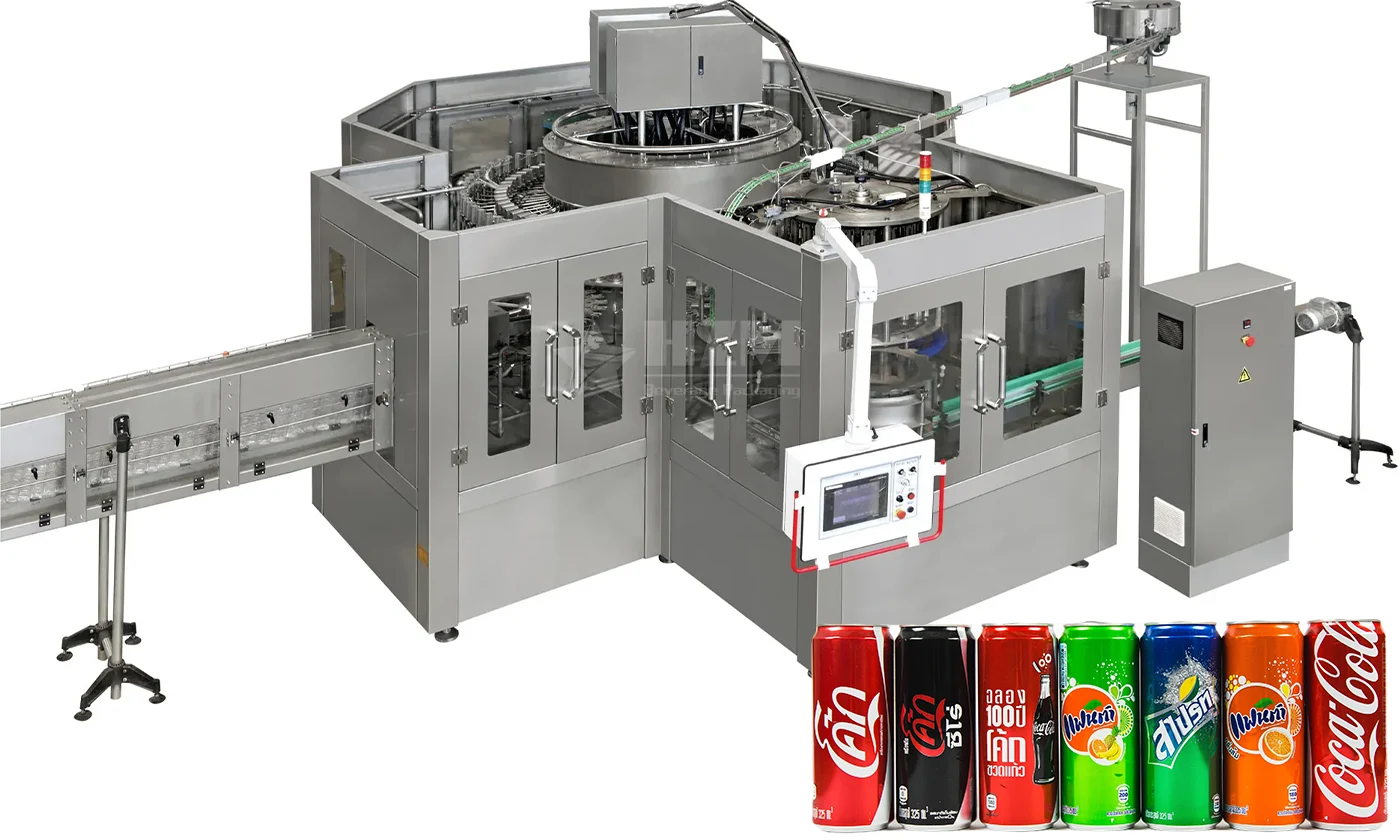
2025-10-24
Differences Between Hot Filling and Cold Filling in Beverage Filling Machines
In the field of beverage filling machines, Hot filling and Cold filling (also known as aseptic filling) are two core processes. Their fundamental differences lie in the product temperature during filling, sterilization logic, and applicable scenarios, which directly affect the beverage quality, shelf life, packaging costs, and equipment investment.
Learn more2026-07-30
Hot-Fill PET Juice: How to Prevent Bottle Deformation and Fill-Level Problems
Control bottle design, fill temperature, headspace, capping, hold time and cooling to prevent paneling, neck distortion and unstable fill level in hot-fill PET juice.
Learn more2023-06-09
Enclosed Juice Filling Lines: Hygiene and Hot-Fill Design
A practical guide to enclosure, hygienic zoning, product-contact design, hot filling, cleaning and environmental control for juice filling lines.
Learn more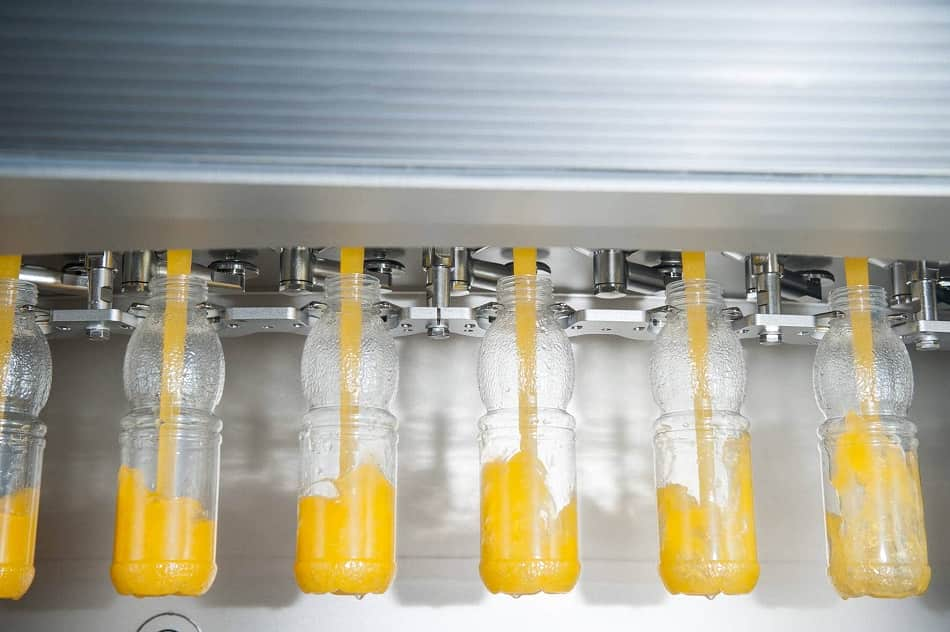
2023-04-28
A detailed introduction of the production line process for juice beverages
Raw material selection Fruit cleaning Crushing and pre-processing Juice extraction Coarse filtration Clarification and fine filtration Homogenization and deaeration Concentration Sterilization Packaging Second sterilization Ⅰ.Selection of Fruit Raw Materials 1.Ripeness of Fruit and Vegetable Raw Materials: Fruit juices made from unripe or poorly developed fruit and vegetable raw materials have much lower levels and poorer […]
Learn more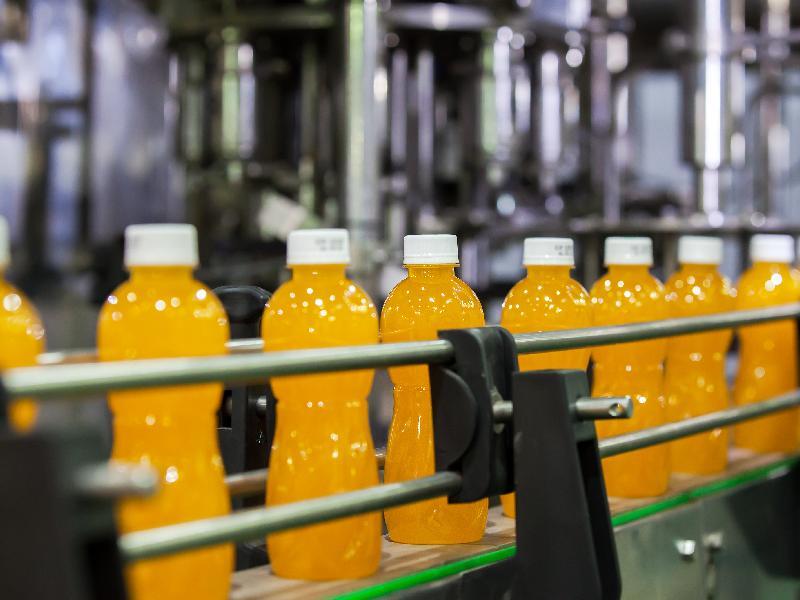
2023-04-21
Fruit juice beverage filling production line
Juice and beverage filling production lines are used to produce and package juice and beverage products in PET plastic bottles, glass bottles, Tetra Pak packaging, and other forms. The filling capacity of the production line is typically 330ml, 500ml, 1L, 1.5L, and it can produce a variety of juice beverages such as mango juice, kiwi juice, peach juice, and more.
Learn more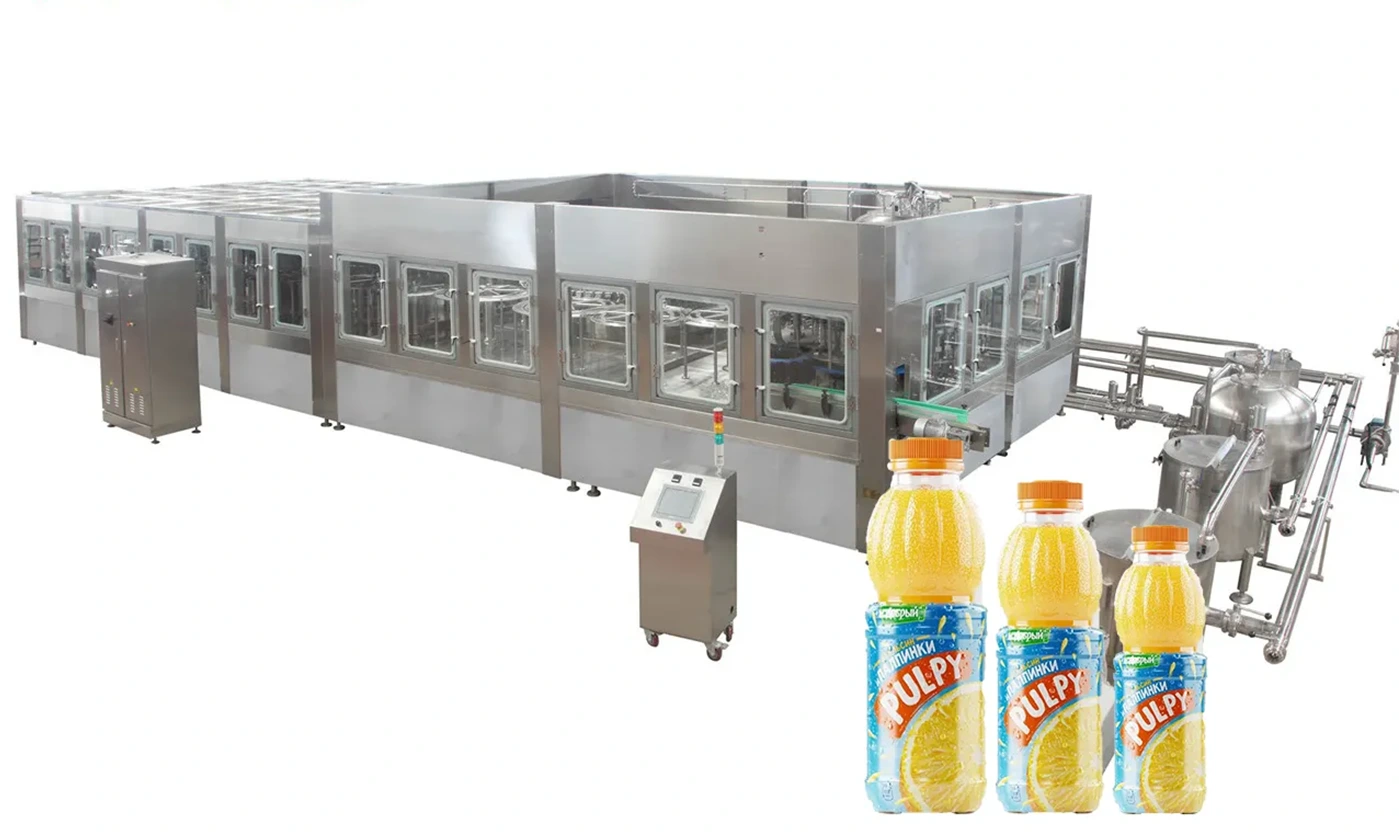
2024-02-21
How to Choose a Fruit Juice Beverage Production Line
As a complete set of process-oriented machinery and equipment, when ordering machinery and equipment, one must not rush into it. It is necessary to conduct relevant comparisons of the complete set of production line equipment. Some specific equipment configurations will directly affect the cost-effectiveness of the entire fruit juice production line machinery and equipment.
Learn more