
Insights & Updates
Enclosed Juice Filling Lines: Hygiene and Hot-Fill Design
An enclosure around a juice filling machine helps separate the filling area from the surrounding room, but enclosure alone does not make a process hygienic. Product safety depends on the beverage process, cleanable product-contact surfaces, controlled bottle and cap handling, verified cleaning, environmental conditions and disciplined operation. These elements must be designed as one system.
Define the filling process first
Start with the beverage recipe, acidity, pulp content, validated heat treatment, filling temperature, package and required shelf life. These inputs determine whether the project uses hot filling, moderate-temperature filling or another hygienic concept. A PET bottle hot filling machine and a pulp-handling filler solve different process needs even when their external appearance is similar.
Do not select a machine only from a bottles-per-hour figure. The process authority or the factory’s qualified food-safety team should approve the product and package conditions. Equipment engineering then has to maintain those conditions through preparation, transfer, filling, capping and any required cooling.
Hygienic zoning around the filler
A zoning plan identifies areas with different hygiene risks and controls the movement of people, packaging materials, tools, air and waste. The filling and capping area generally needs more protection than a finished-pack conveyor. Doors, access points and maintenance openings should support the operating procedure.
The enclosure should allow cleaning and inspection without creating inaccessible ledges or pockets. Cable routes, guards, frames and drains should be considered during design. Transparent panels can provide visibility while keeping routine access controlled.
Product-contact design
Food-compatible material selection is necessary, but hygienic performance also depends on surface finish, weld quality, seals, valve design, drainability and the avoidance of stagnant product areas. Product pipes should be arranged for effective cleaning and, where required, complete drainage.
HZM’s juice filling machine range is configured from the beverage, container, closure and filling process. The quotation and technical agreement should identify product-contact materials and the boundary of the cleaning circuit.
Bottle and cap control
Empty bottles and caps can carry contamination into the protected area. Define how they are stored, transferred, rinsed or otherwise treated for the selected process. Cap elevators, sorters and chutes should be included in the hygiene and cleaning plan, not treated as unrelated accessories.
For hot-fill PET applications, the bottle and closure must be approved for the validated thermal and vacuum conditions. Bottle panels, neck finish, cap seal and cooling method affect package performance. Samples and drawings should be tested before the final machine and cooling arrangement are approved.
Environmental control
The required air treatment and pressure relationship depend on the chosen hygiene concept and risk assessment. If filtered or conditioned air is specified, define air quality, flow direction, monitoring points and the response to an alarm. Open doors and frequent operator entry can defeat a well-designed airflow strategy.
Room temperature and humidity may also affect condensation, labels, electrical equipment and operator comfort. Include the filler enclosure in the overall factory ventilation and drainage design.
CIP and external cleaning
Internal product paths need a validated CIP program. External machine surfaces, enclosure panels, cap handling and non-circulated parts require separate cleaning procedures. The CIP system must be sized for the connected circuits, cleaning recipe, flow and temperature requirements.
Cleaning chemicals, water and residues should drain without crossing clean routes. Sensors and instruments used to verify a cycle need suitable location, calibration and maintenance. A completed automatic recipe does not replace hygiene verification.
Controls and operating discipline
Interlocks can control access doors, production permissives, product conditions and cleaning sequences. Alarms should identify a condition that could affect product and guide the operator’s response. Access levels help protect validated recipe values.
Technology works only with documented procedures. Define gowning and hand hygiene, material entry, tool control, start-up release, in-process checks, cleaning, maintenance release and action after an enclosure breach. Train both production and maintenance teams.
Design-review checklist
- Approved beverage process and package conditions.
- Hygienic-zone drawing and personnel/material flow.
- Product-contact material and surface requirements.
- Drainability and CIP circuit boundaries.
- Bottle and cap treatment and transfer method.
- Enclosure access, visibility and external cleanability.
- Air-quality and room-condition requirements.
- Alarm, interlock and batch-release logic.
- Cleaning validation and routine verification plan.
- Acceptance tests with the intended product and package.
Frequently asked questions
Is an enclosed filler the same as an aseptic filler?
No. “Enclosed” describes a physical feature. Aseptic processing requires a specific validated system for product, package, environment and operation. Do not use the terms interchangeably.
Can hot filling remove the need for good hygiene?
No. The validated thermal process is one control, while preparation, transfer, bottle and cap handling, equipment cleaning and post-fill handling still have to protect product quality.
What should be tested during commissioning?
Verify process conditions, filling and capping, package behavior, cleaning sequences, alarms, access controls, airflow or environmental functions included in scope, and the plant’s operating and hygiene procedures.
Talk to our engineering team
Need help planning your packaging line?
Share your product, bottle and capacity requirements for a practical equipment recommendation.
Equipment
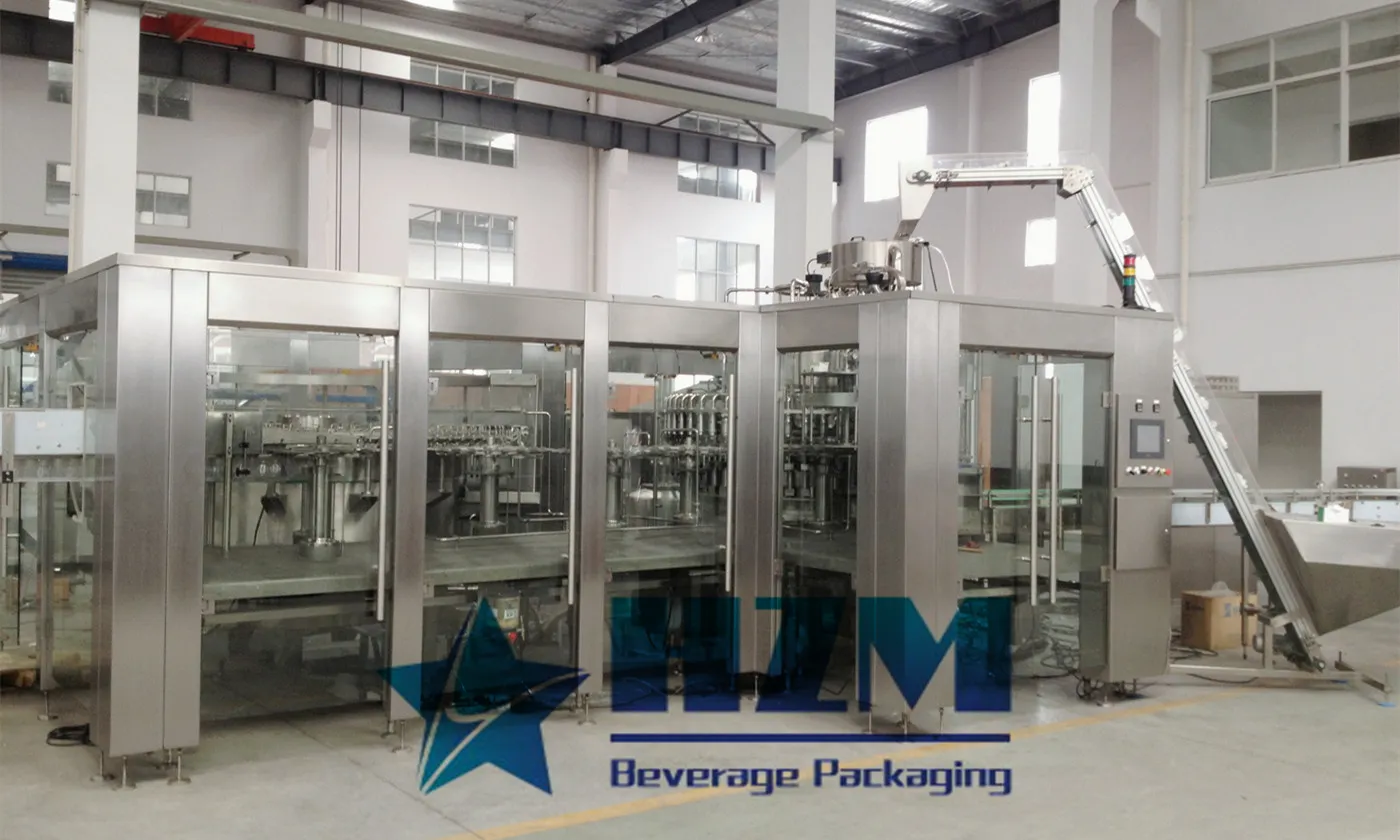
PET Bottle juice Beverage Hot Filling Machine
Hot filling for juice and tea in heat-compatible PET bottles, with automatic rinsing, filling and capping.
Learn more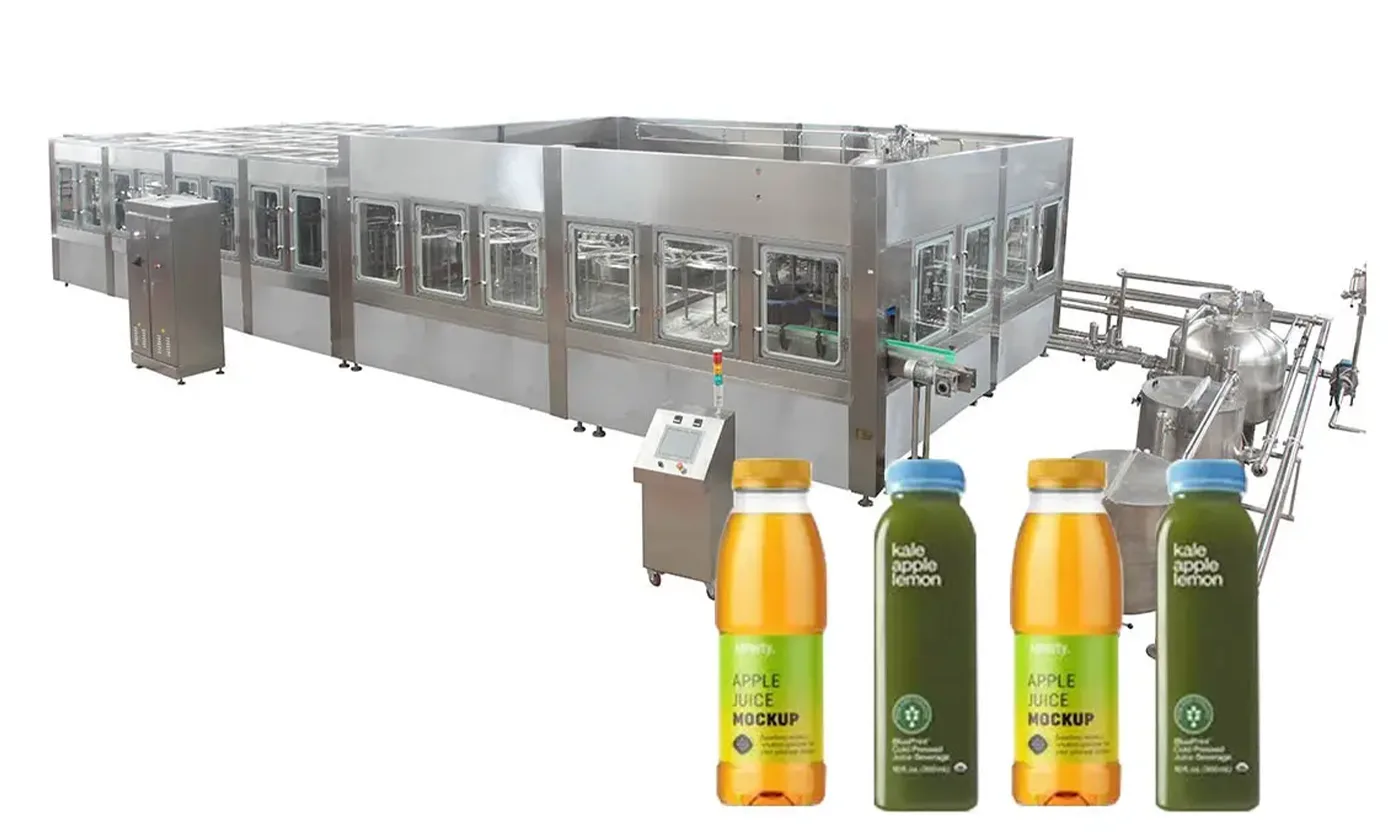
Equipment
Bottled Juice Packaging Machine
Bottled juice filling equipment with rinsing and capping, from 6,000 to 18,000 bottles/hour at 500 ml.
Learn more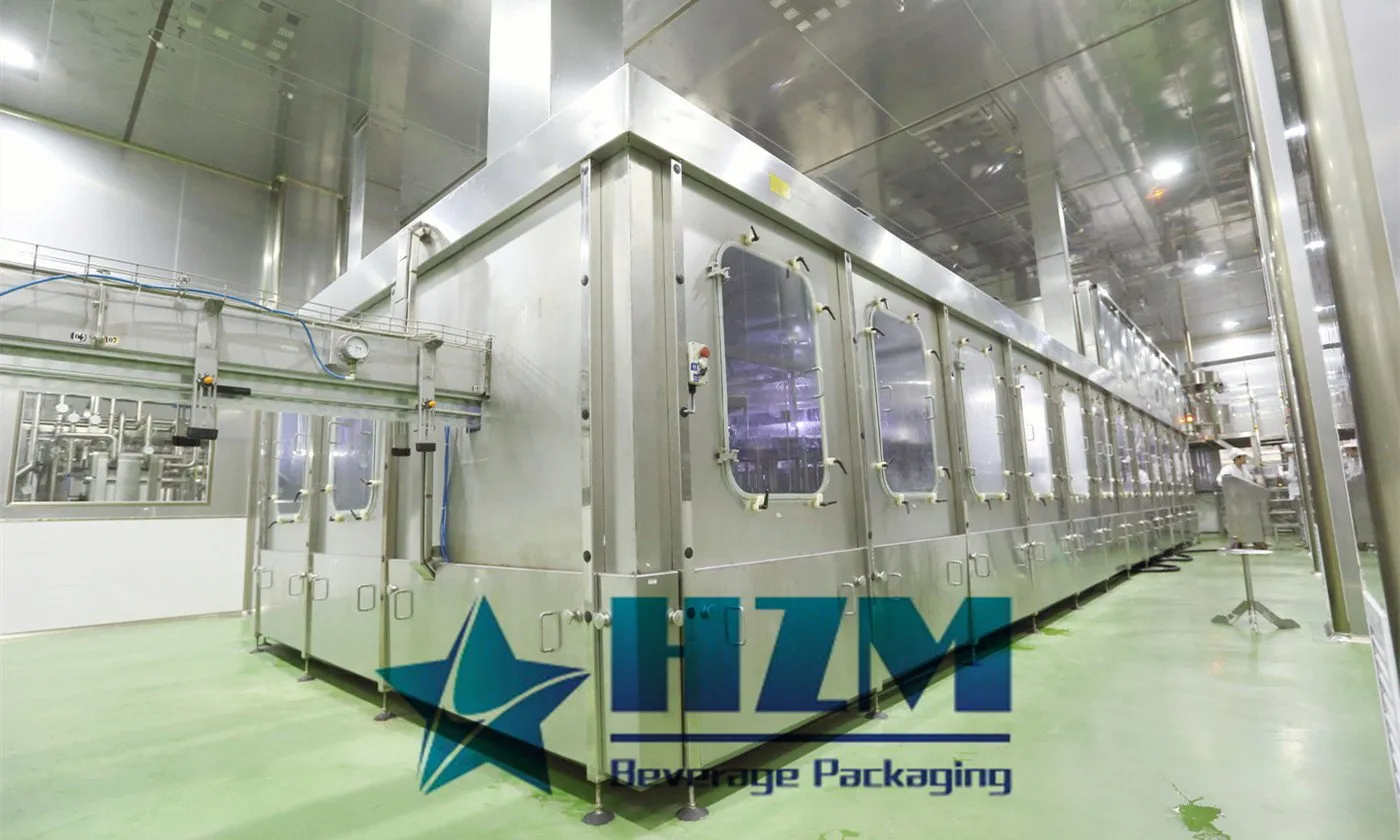
Equipment
PET Bottle Juice Beverage Filling Machine
PET bottle juice filling with automatic rinsing and capping, for juice, tea and still beverages.
Learn more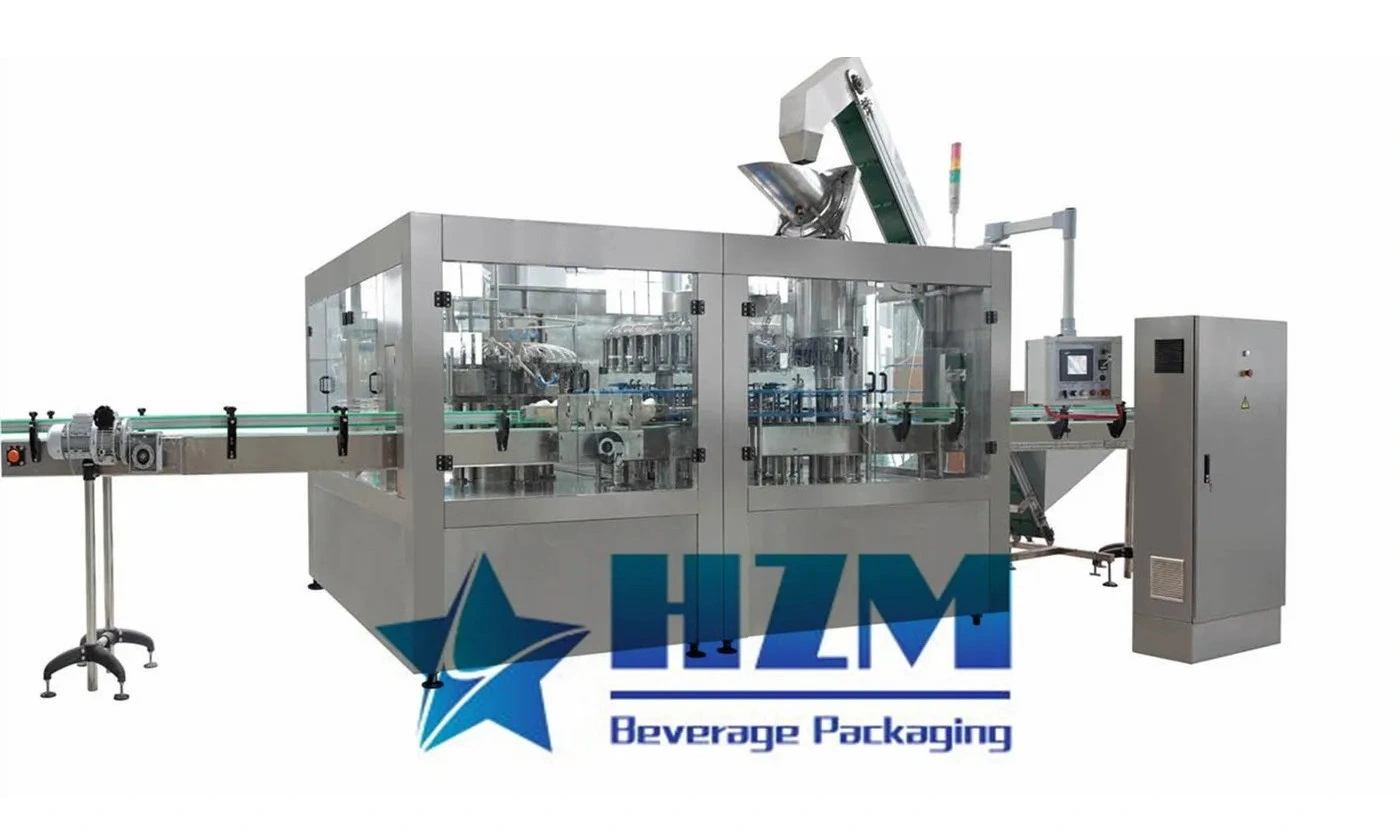
Equipment
Glass Bottle Juice Beverage Filling Machine
Glass bottle juice filling with rinsing and capping, for juice, tea and other still beverages.
Learn more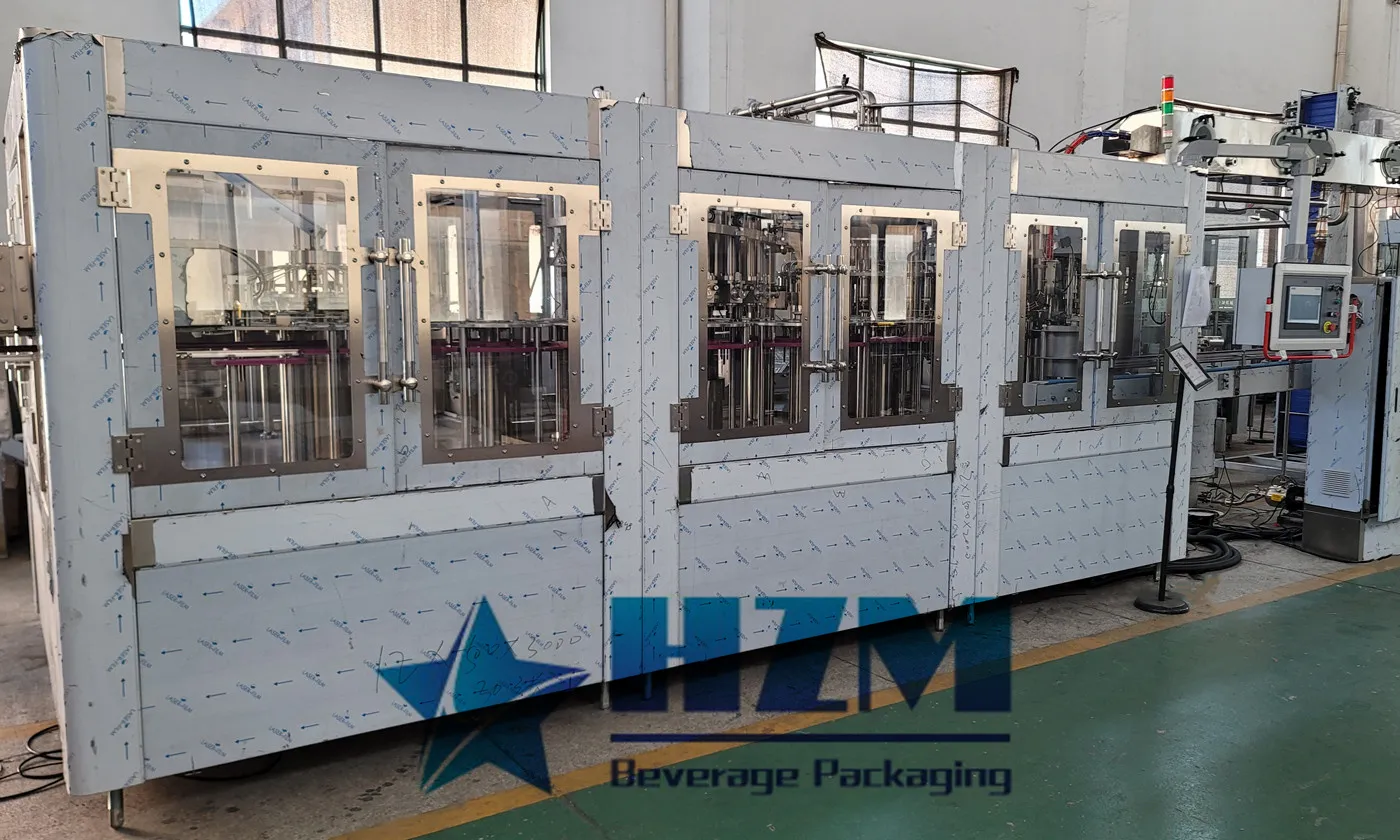
Equipment
Automatic Pulp Juice Filling Machine
Pulp juice filling with separate pulp and liquid dosing, bottle rinsing and capping for beverages containing fruit particles.
Learn more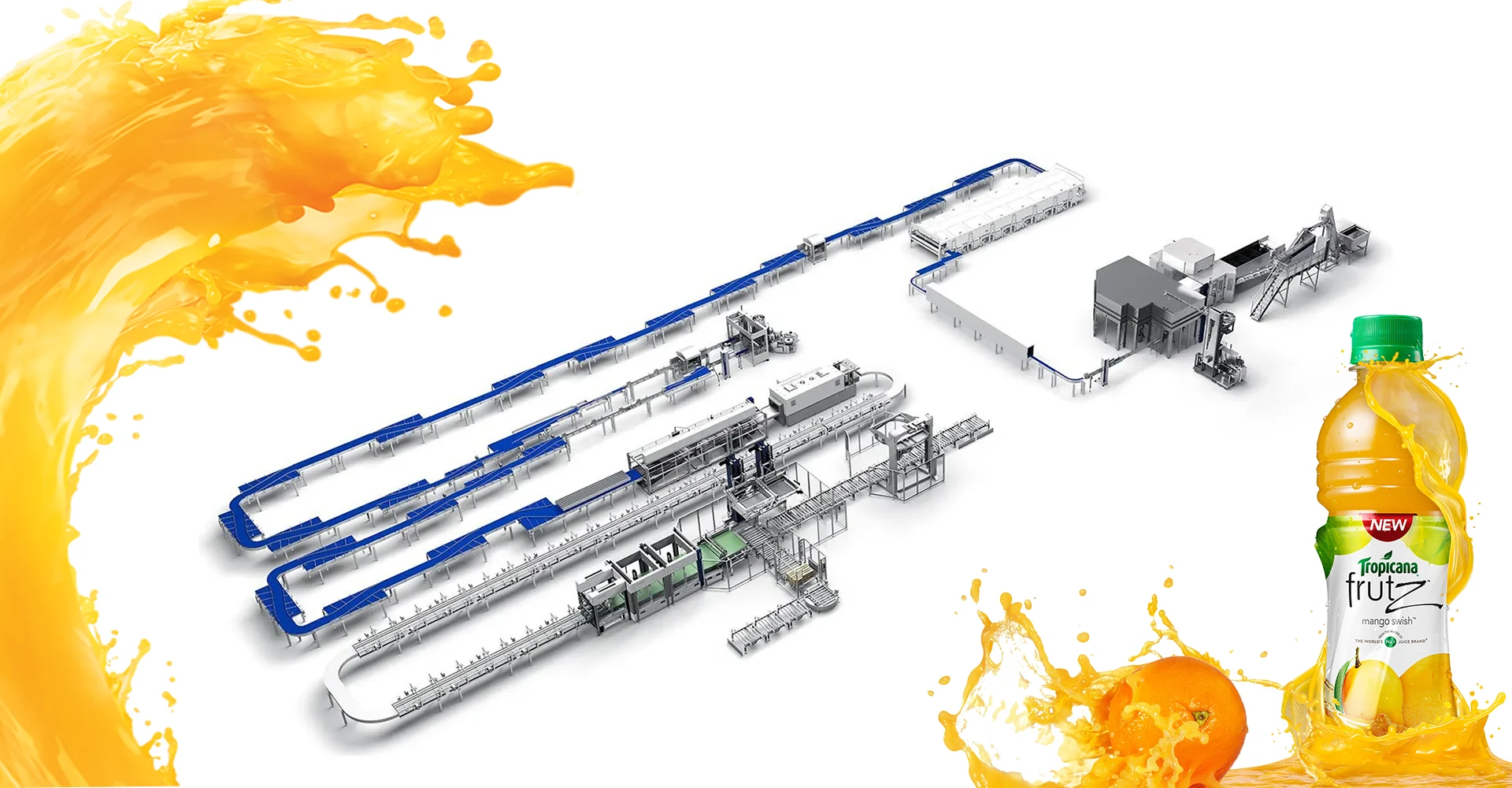
Equipment
Juice beverage bottling line
The juice beverage bottling line connects beverage preparation and thermal processing with bottle filling, capping, labelling and packing.
Learn more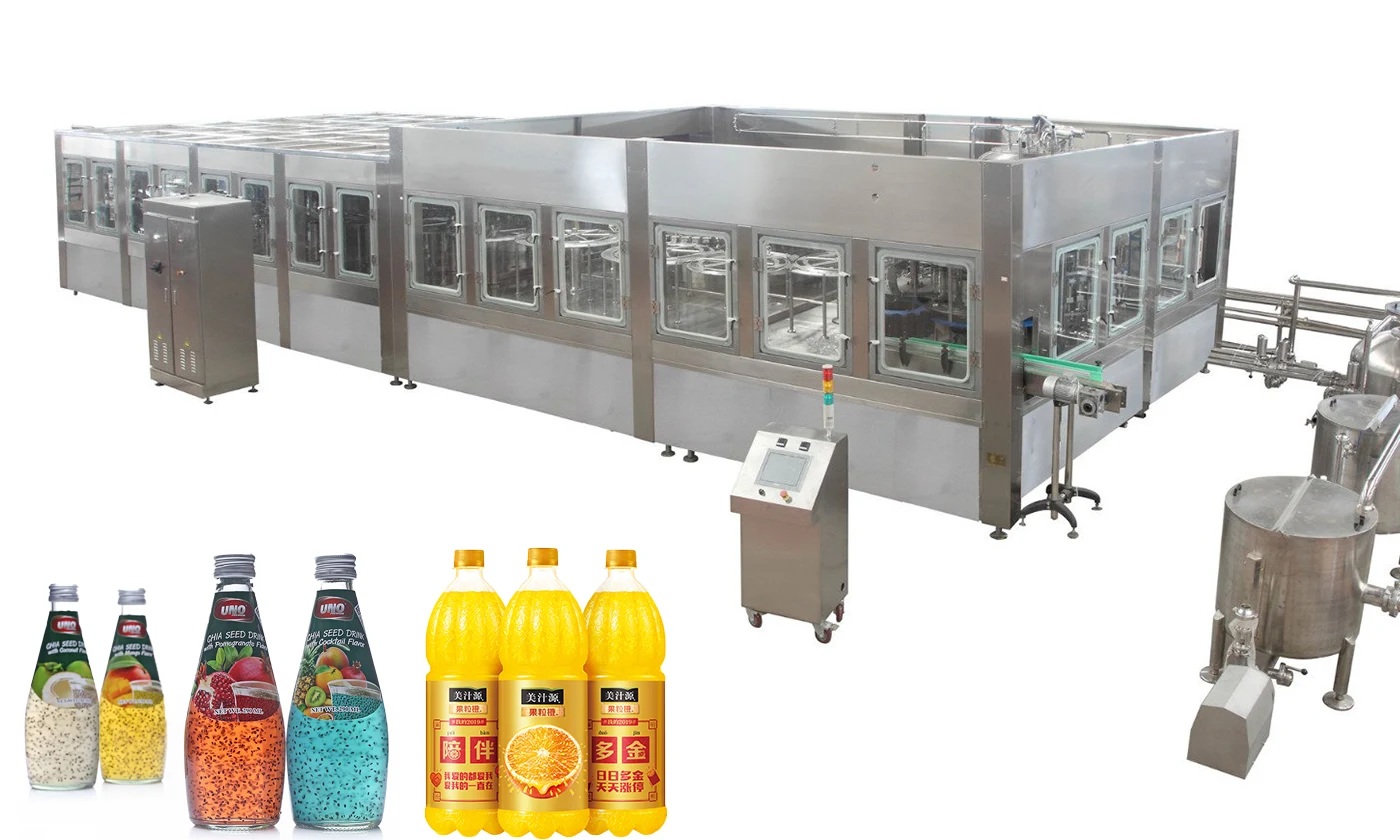
Equipment
juice Pulp Filling Machine 4 in 1
RXGGF16-16-5 pulp juice filling with separate pulp and liquid dosing, rinsing and capping at 5,000 bottles/hour for 250 ml bottles.
Learn more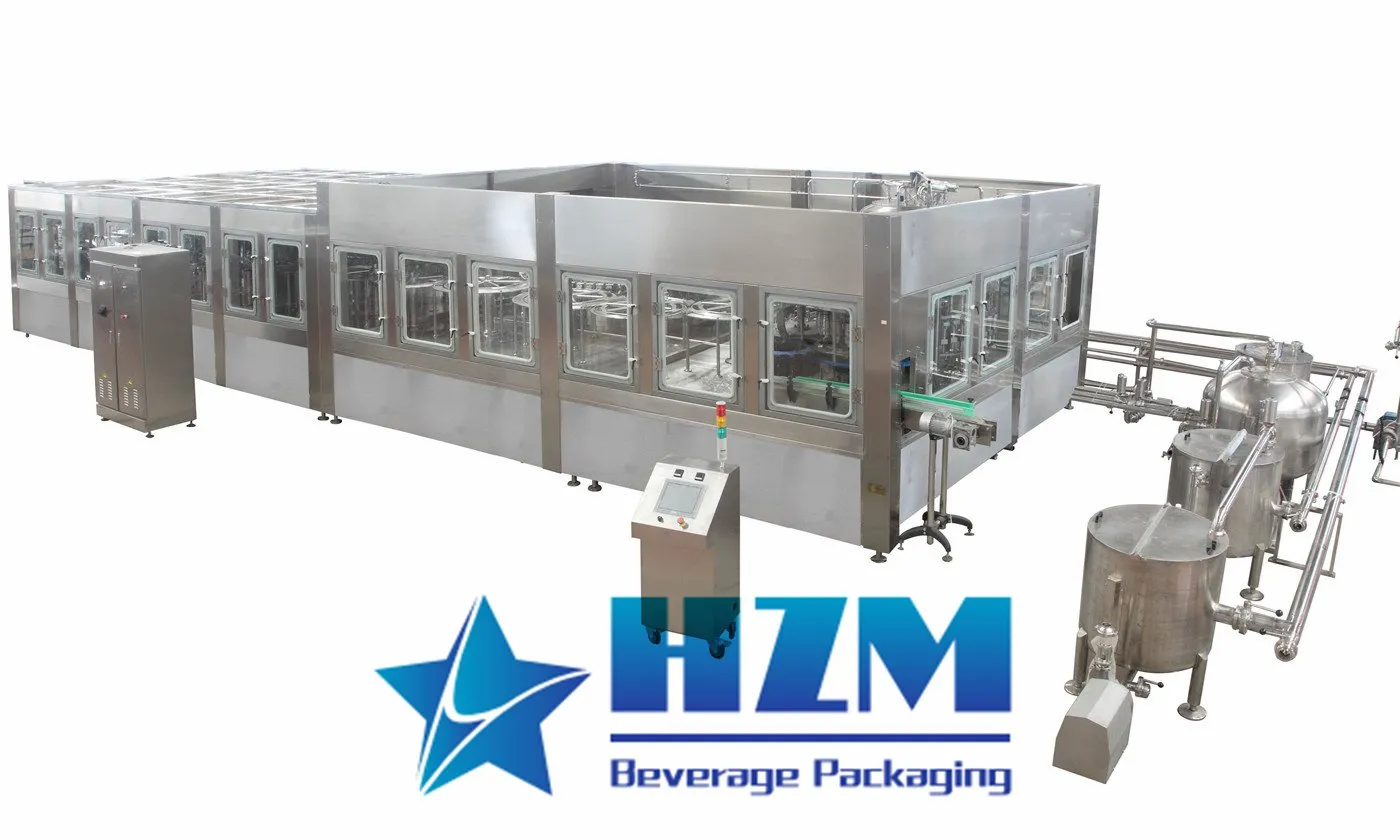
Equipment
Moderate Temperature Juice Filling Machine
Moderate-temperature juice filling with automatic bottle rinsing and capping, with XXGF models from 6,000 to 24,000 bottles/hour at 500 ml.
Learn more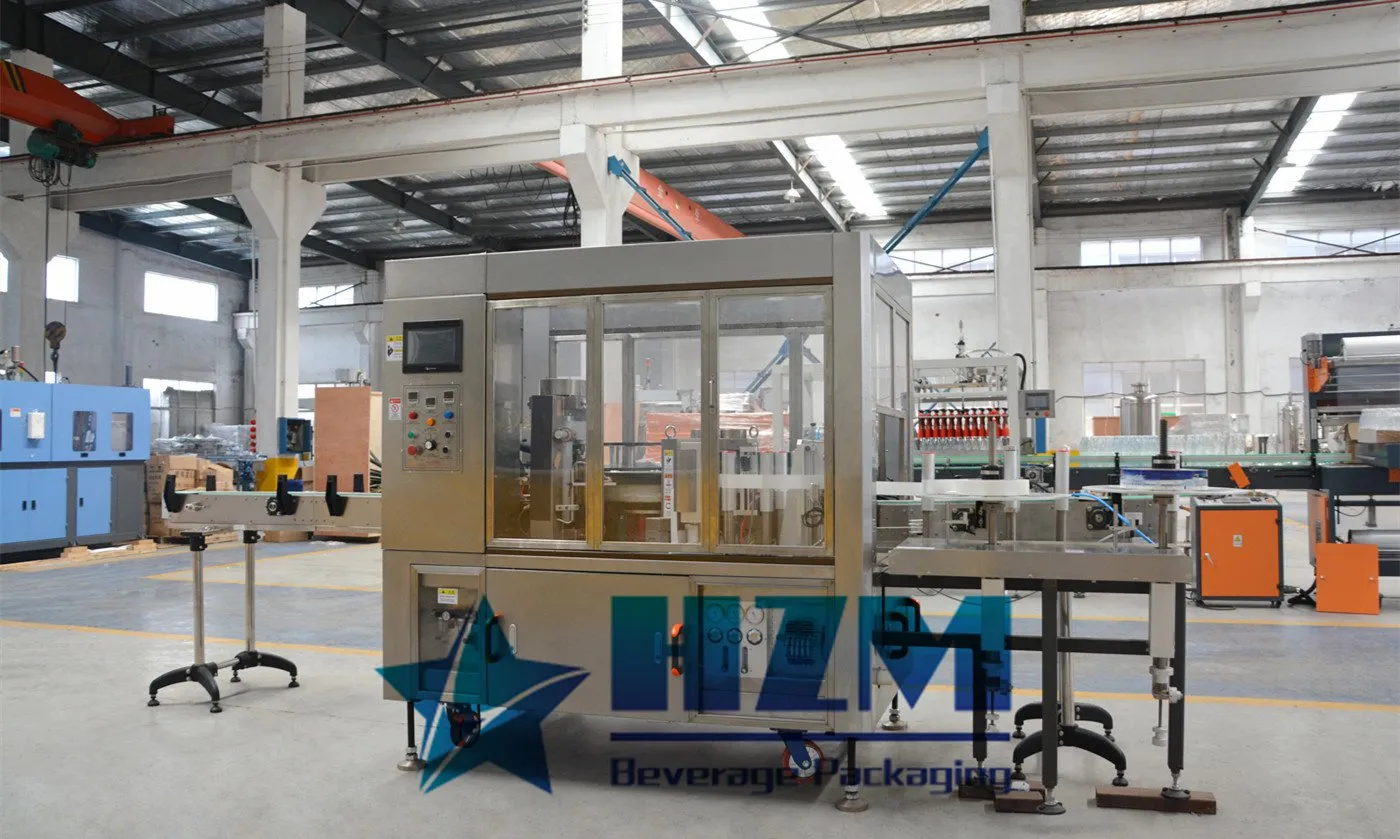
Equipment
Automatic Linear Type Hot Glue Labeling Machine
Linear hot-glue labelling for water and soft-drink bottles, using roll-fed OPP labels at 8,000–24,000 bottles/hour.
Learn more2026-07-24
Juice Production Line Optimization: Cold Filling vs. Hot Filling
Compare cold, hot and aseptic juice filling by product risk, shelf-life target, packaging, utilities and total operating cost, then optimize the complete juice production process.
Learn more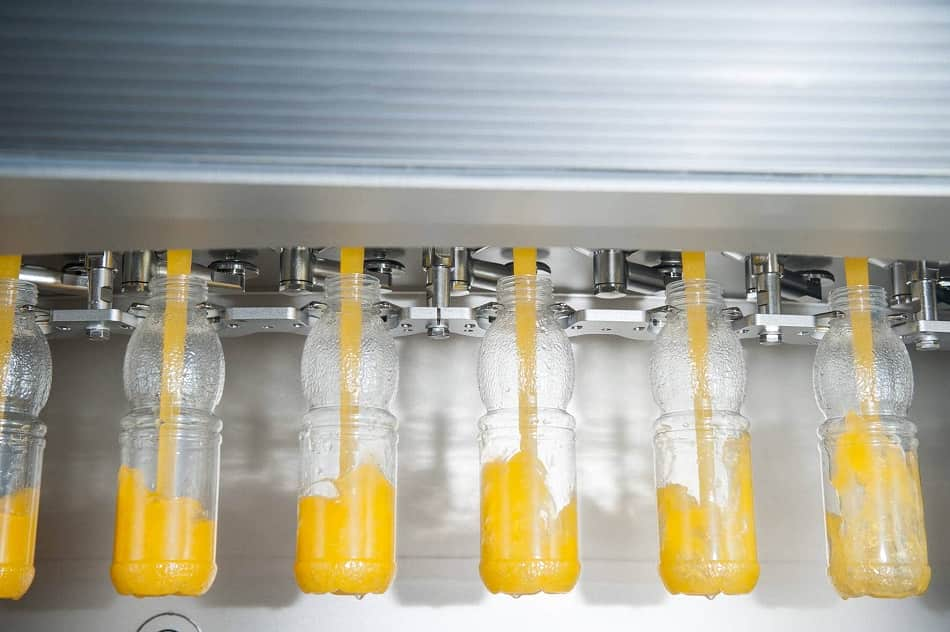
2023-04-28
A detailed introduction of the production line process for juice beverages
Raw material selection Fruit cleaning Crushing and pre-processing Juice extraction Coarse filtration Clarification and fine filtration Homogenization and deaeration Concentration Sterilization Packaging Second sterilization Ⅰ.Selection of Fruit Raw Materials 1.Ripeness of Fruit and Vegetable Raw Materials: Fruit juices made from unripe or poorly developed fruit and vegetable raw materials have much lower levels and poorer […]
Learn more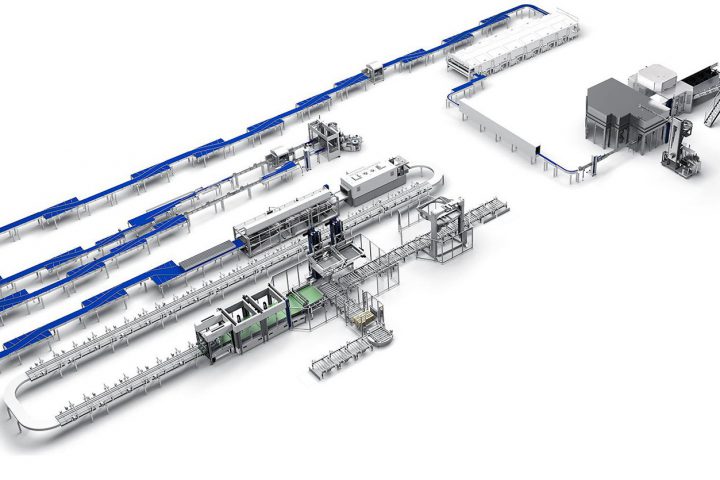
2023-06-09
Juice and Tea Filling Line Guide: Closure Integrity after Hot Filling
Practical HZM guidance on juice and tea filling line, focused on closure integrity after hot filling, line integration, RFQ data and measurable acceptance checks.
Learn more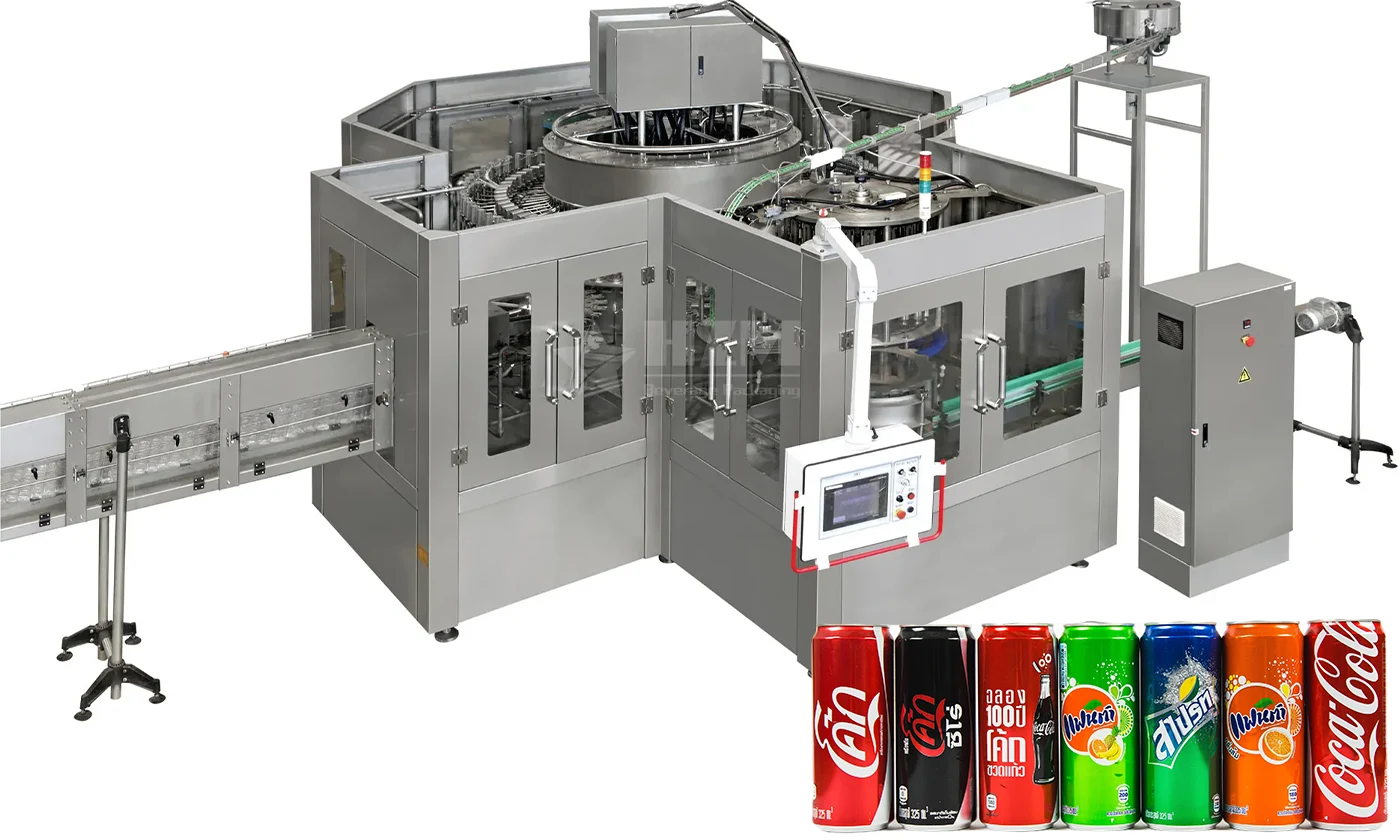
2025-10-24
Differences Between Hot Filling and Cold Filling in Beverage Filling Machines
In the field of beverage filling machines, Hot filling and Cold filling (also known as aseptic filling) are two core processes. Their fundamental differences lie in the product temperature during filling, sterilization logic, and applicable scenarios, which directly affect the beverage quality, shelf life, packaging costs, and equipment investment.
Learn more2026-07-30
Hot-Fill PET Juice: How to Prevent Bottle Deformation and Fill-Level Problems
Control bottle design, fill temperature, headspace, capping, hold time and cooling to prevent paneling, neck distortion and unstable fill level in hot-fill PET juice.
Learn more2023-06-09
Juice and Tea Filling Line Guide: Product Temperature and Process Selection
Practical HZM guidance on juice and tea filling line, focused on product temperature and process selection, line integration, RFQ data and measurable acceptance checks.
Learn more