
Insights & Updates
Hot-Fill PET Juice: How to Prevent Bottle Deformation and Fill-Level Problems
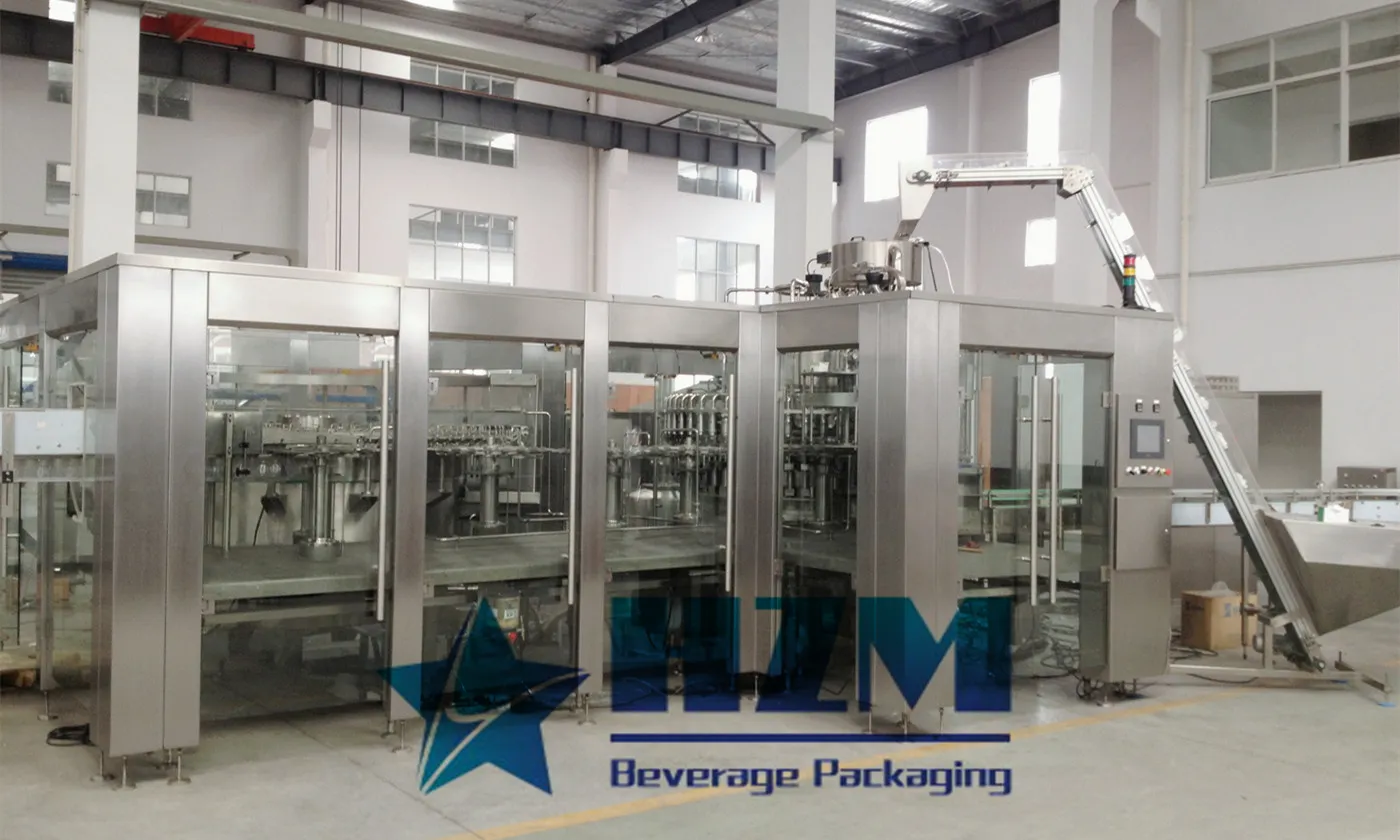
Hot filling can support shelf-stable juice and tea production, but the heated product places mechanical and thermal stress on PET bottles. Plants may see leaning bottles, neck distortion, vacuum paneling, unstable fill levels or labels that no longer sit correctly after cooling. These defects cannot be solved by the filler alone.
A reliable hot-fill package is a system: the beverage receives the validated thermal process, the bottle is designed for temperature and vacuum, the filler controls level and hygiene, the cap seals promptly, and the cooling profile removes heat without shocking the package.
Quick answer: Use a bottle and closure qualified for the validated fill temperature, maintain stable product temperature and headspace, minimize delay to capping, control inversion or hold time when required, and cool the bottle in a balanced profile. Trial the complete commercial package because lightweighting, label panels and bottle geometry can change deformation resistance.
Understand Heat and Vacuum Loads
PET softens as temperature rises. After capping, the product and headspace contract during cooling, creating internal vacuum. Hot-fill bottles use material distribution, ribs, vacuum panels or other geometry to tolerate these loads. A standard cold-fill water bottle may deform even if it fits the filler perfectly.
Obtain bottle performance data from the packaging supplier and confirm the actual thermal process. If the package is changed or lightweighted, repeat the line and distribution trial rather than assuming the previous settings remain valid.
Stabilize Product Temperature at the Filler
Temperature should meet the validated process window at the coldest relevant point while avoiding unnecessary overheating. Measure at the filler inlet and during production stops. Long piping and low flow can create cooling, while recirculation or heat-exchanger problems can create variation.
A PET bottle juice hot filling machine must be integrated with upstream preparation and temperature control. Use alarms and a defined disposition for product that falls outside the approved range.
Control Fill Level and Headspace
Hot product density and bottle volume change with temperature, so level observed immediately after filling may differ after cooling. Too little headspace can create overflow, cap contamination or hydraulic pressure; too much can affect vacuum and commercial appearance. Calibrate fill settings against net content and final cooled level.
Check whether level variation follows individual valves, product temperature, bottle volume variation or foam. Mapping defects to valve positions is a useful way to separate mechanical from process causes.
Protect the Neck and Apply the Closure Promptly
The neck finish must retain dimensional stability for reliable capping. Excessive heat exposure, poor preform design or rough transfer can distort the sealing surface. Keep the filler-to-capper transfer controlled and minimize time before closure.
Verify cap material, liner where applicable, application torque and tamper-evident performance after cooling. Leakage allows contamination and changes vacuum behavior. A closure that works on a cold-filled product is not automatically suitable for hot fill.
Manage Hold, Inversion and Cooling
Some hot-fill processes use a defined holding or bottle-inversion step so hot product contacts the closure area. The time and temperature must follow the validated process. Cooling then removes heat in stages. Uneven sprays, blocked nozzles or excessive temperature difference can deform containers or leave product too warm for labeling and packing.
Monitor tunnel-zone temperatures and actual package exit temperature. The juice beverage bottling line should coordinate filler output with cooling capacity so bottles do not queue while hot.
Investigate Deformation by Pattern
| Defect pattern | Checks |
|---|---|
| All bottles panel inward | Bottle vacuum design, headspace, cooling profile |
| Neck or shoulder leans | Thermal resistance, transfer load, capper handling |
| Random weak panels | Bottle material distribution and blow-molding consistency |
| Defect begins after a stop | Product temperature and hot-bottle accumulation |
| Labels wrinkle after application | Bottle temperature, residual deformation, label timing |
Use retained samples and mark the production time, blow-molder cavity and filling valve when possible. Traceability helps identify whether the cause originates in container production, filling or cooling.
Qualify the Package Before Commercial Launch
- Run minimum and maximum bottle weights or approved variation.
- Test all commercial fill volumes and label formats.
- Verify thermal process, net content, torque and leak performance.
- Inspect after full cooling and after warehouse conditioning.
- Complete pallet and transport trials before scale-up.
Package approval should include marketing’s final bottle and label, not only an engineering sample. Small cosmetic changes can affect panel behavior and label presentation.
Frequently Asked Questions
Can ordinary PET water bottles be used for hot-fill juice?
Do not assume so. The bottle and neck must be designed and qualified for the intended temperature, vacuum and cooling process.
Why does the fill level change after cooling?
Product density, container volume and internal pressure change with temperature. Set net content using calibrated measurement and judge final appearance after the package reaches its reference temperature.
Can faster cooling prevent all deformation?
No. Excessively aggressive or uneven cooling can create other defects. Bottle design, process temperature, headspace, closure and staged cooling must work together.
Plan the Next Step with HZM Machinery
Share the juice recipe, required thermal process, PET bottle and closure drawings, target capacity and final pack with HZM. The team can configure a PET bottle juice filling solution around the complete hot-fill package.
Talk to our engineering team
Need help planning your packaging line?
Share your product, bottle and capacity requirements for a practical equipment recommendation.
Equipment
PET Bottle juice Beverage Hot Filling Machine
Hot filling for juice and tea in heat-compatible PET bottles, with automatic rinsing, filling and capping.
Learn more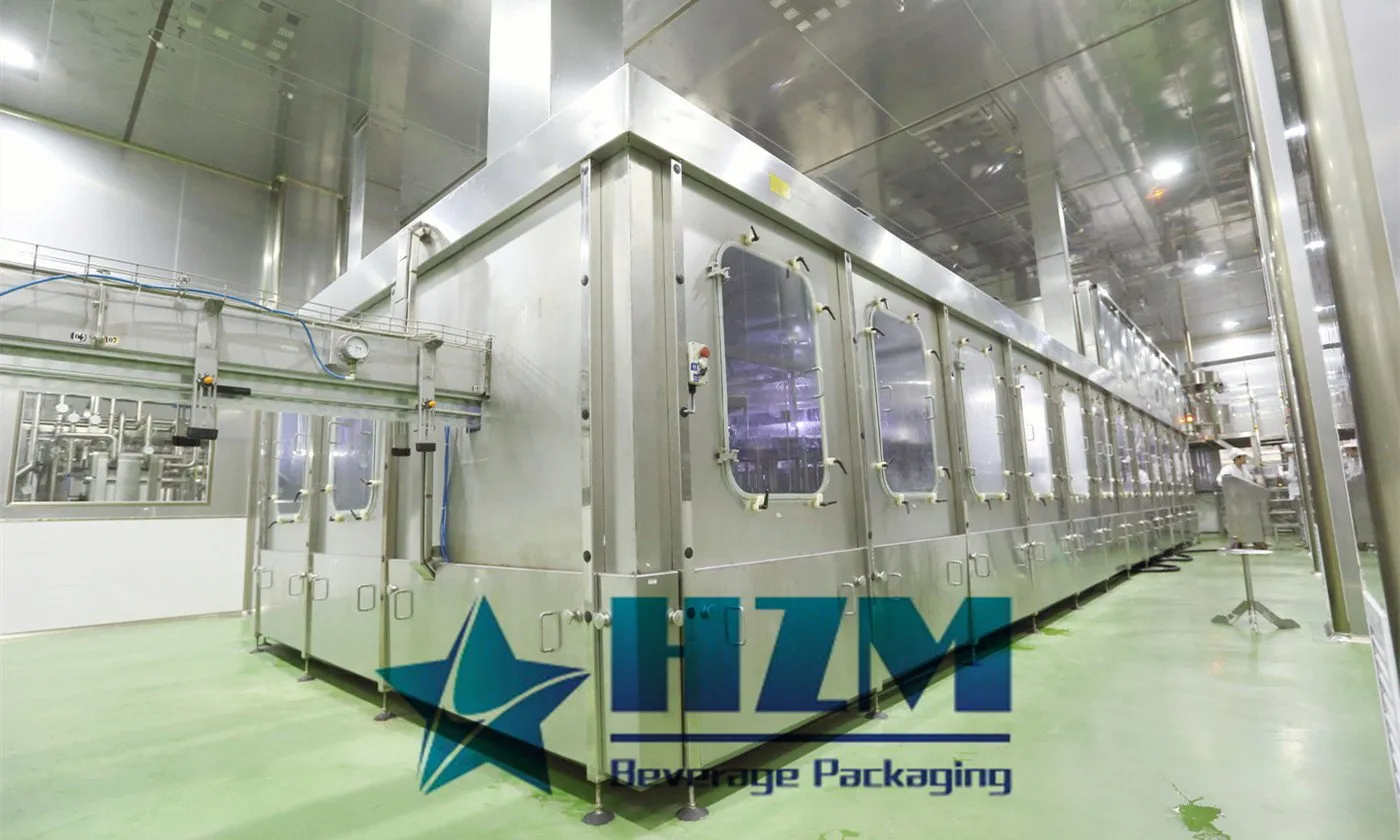
Equipment
PET Bottle Juice Beverage Filling Machine
PET bottle juice filling with automatic rinsing and capping, for juice, tea and still beverages.
Learn more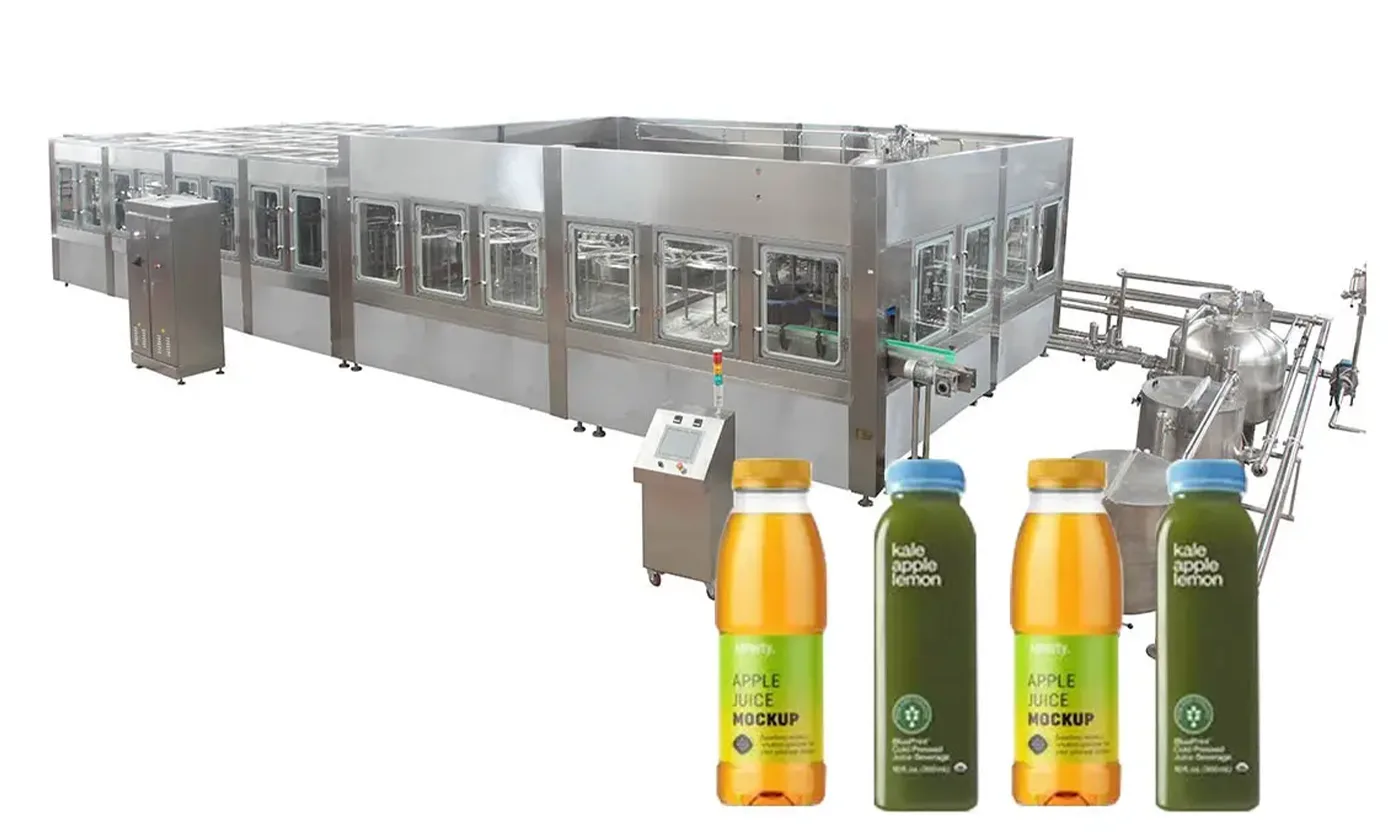
Equipment
Bottled Juice Packaging Machine
Bottled juice filling equipment with rinsing and capping, from 6,000 to 18,000 bottles/hour at 500 ml.
Learn more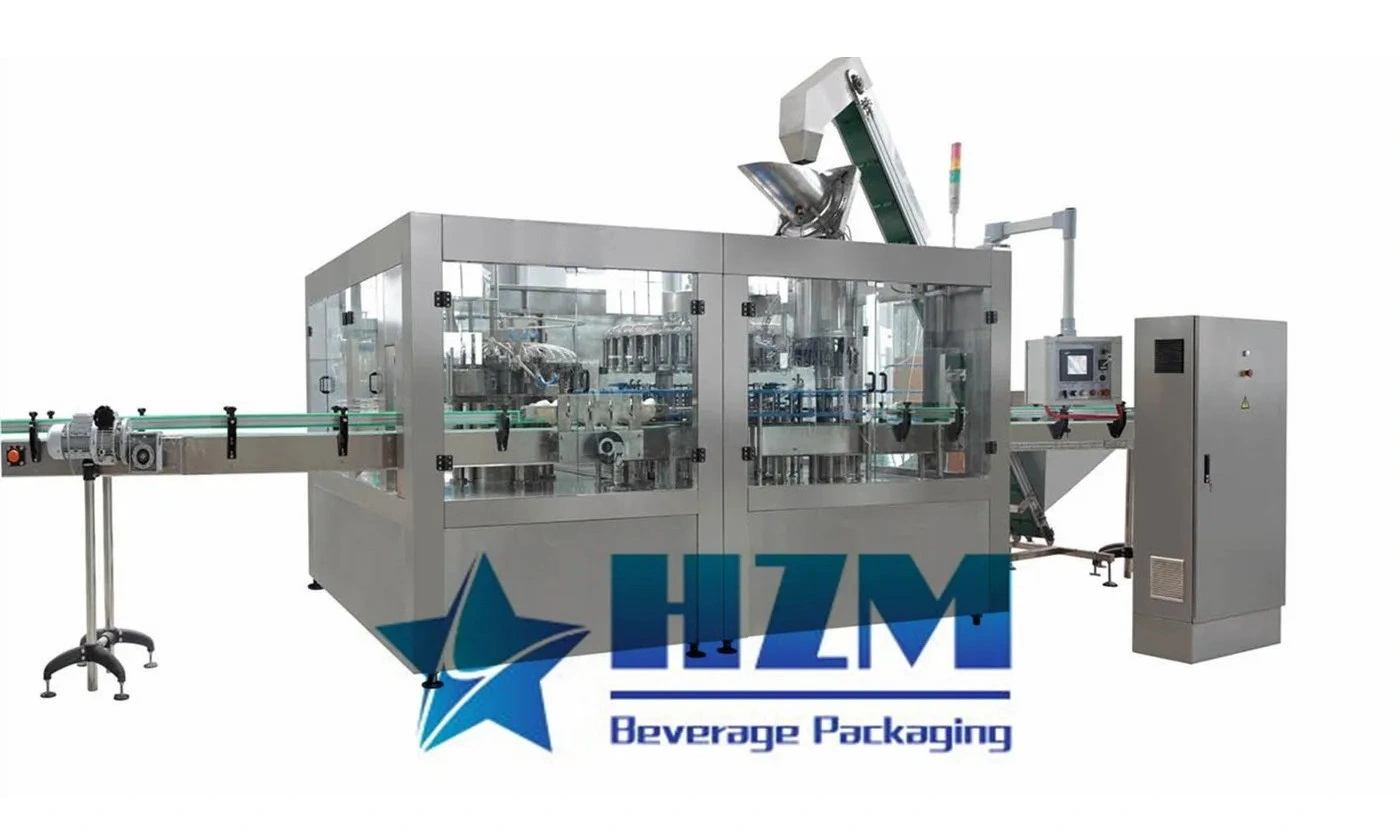
Equipment
Glass Bottle Juice Beverage Filling Machine
Glass bottle juice filling with rinsing and capping, for juice, tea and other still beverages.
Learn more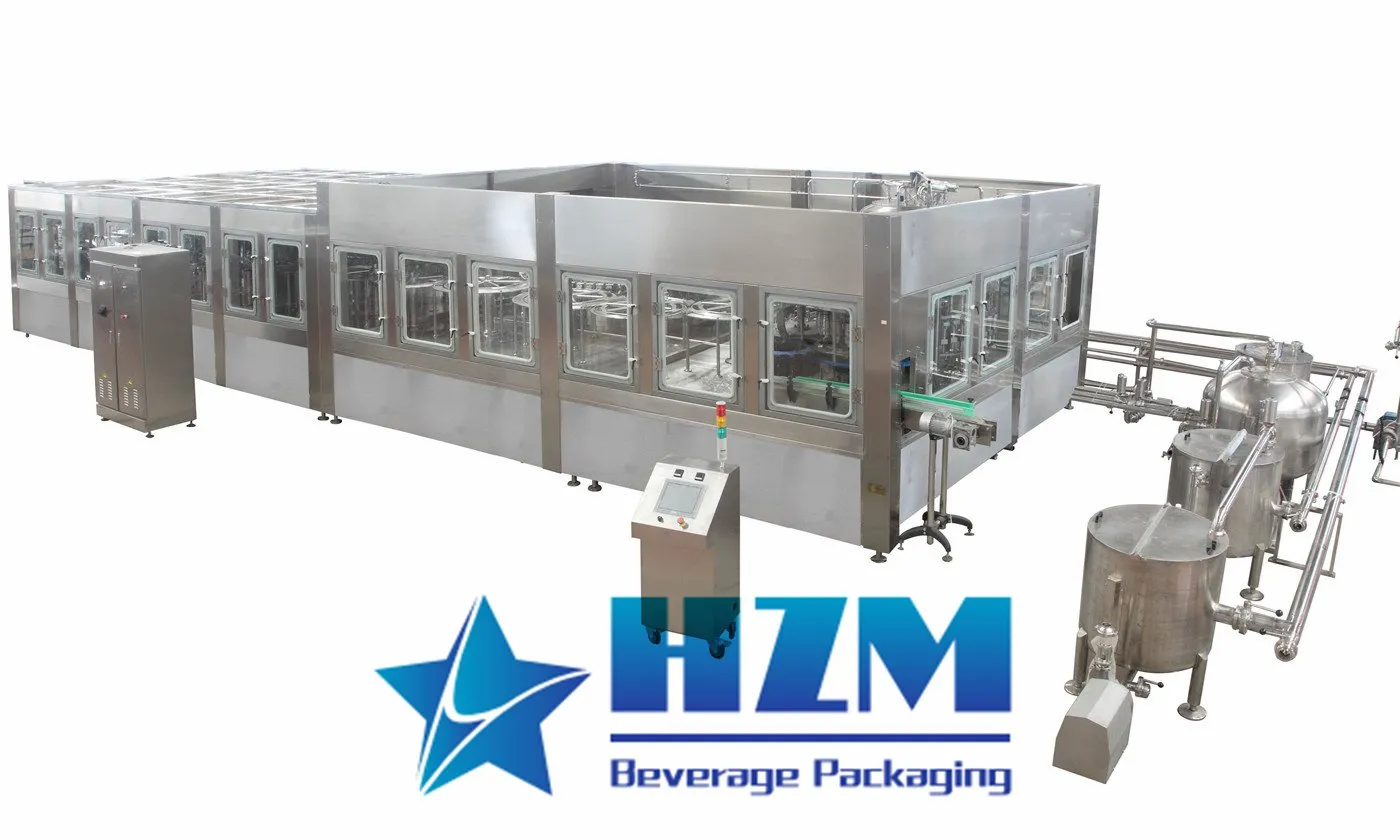
Equipment
Moderate Temperature Juice Filling Machine
Moderate-temperature juice filling with automatic bottle rinsing and capping, with XXGF models from 6,000 to 24,000 bottles/hour at 500 ml.
Learn more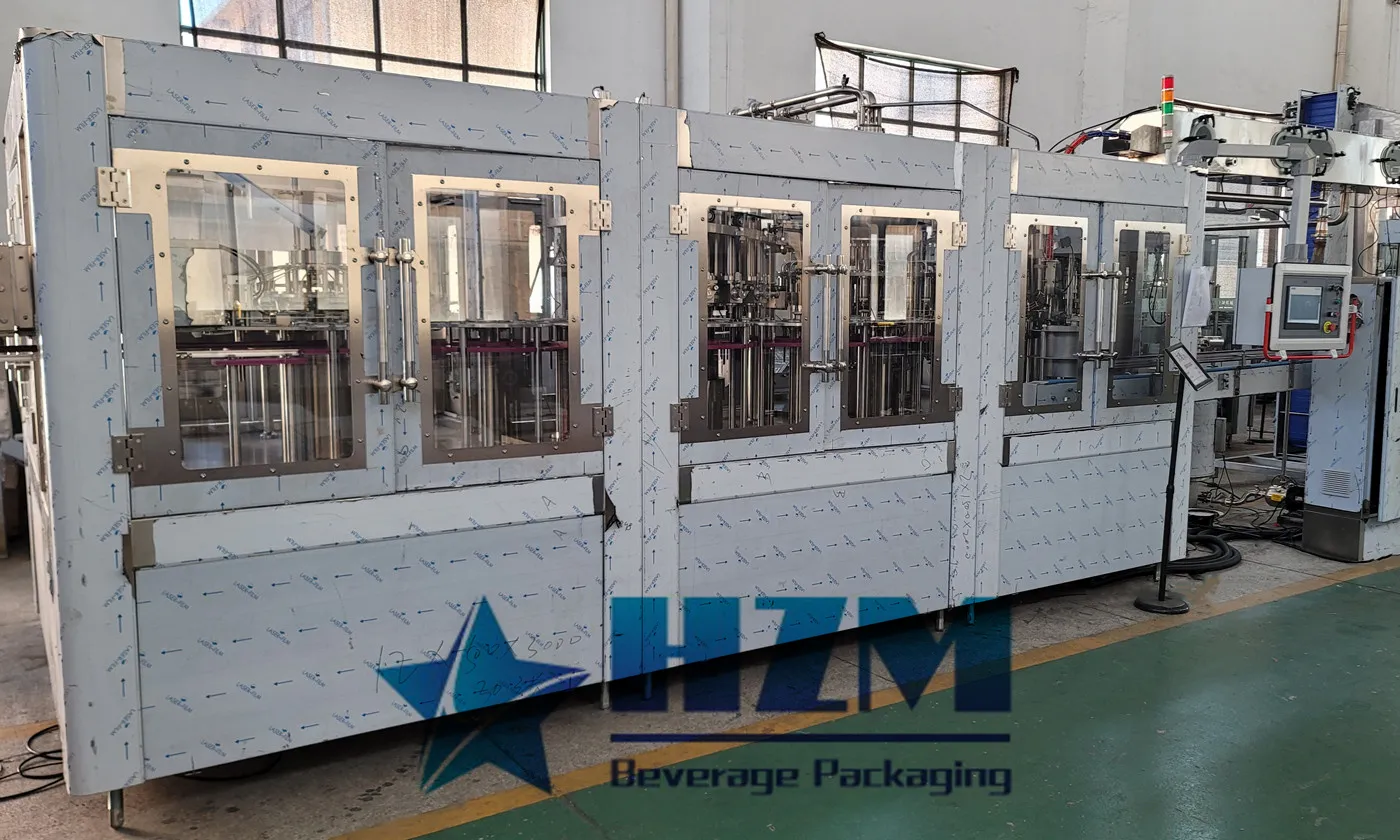
Equipment
Automatic Pulp Juice Filling Machine
Pulp juice filling with separate pulp and liquid dosing, bottle rinsing and capping for beverages containing fruit particles.
Learn more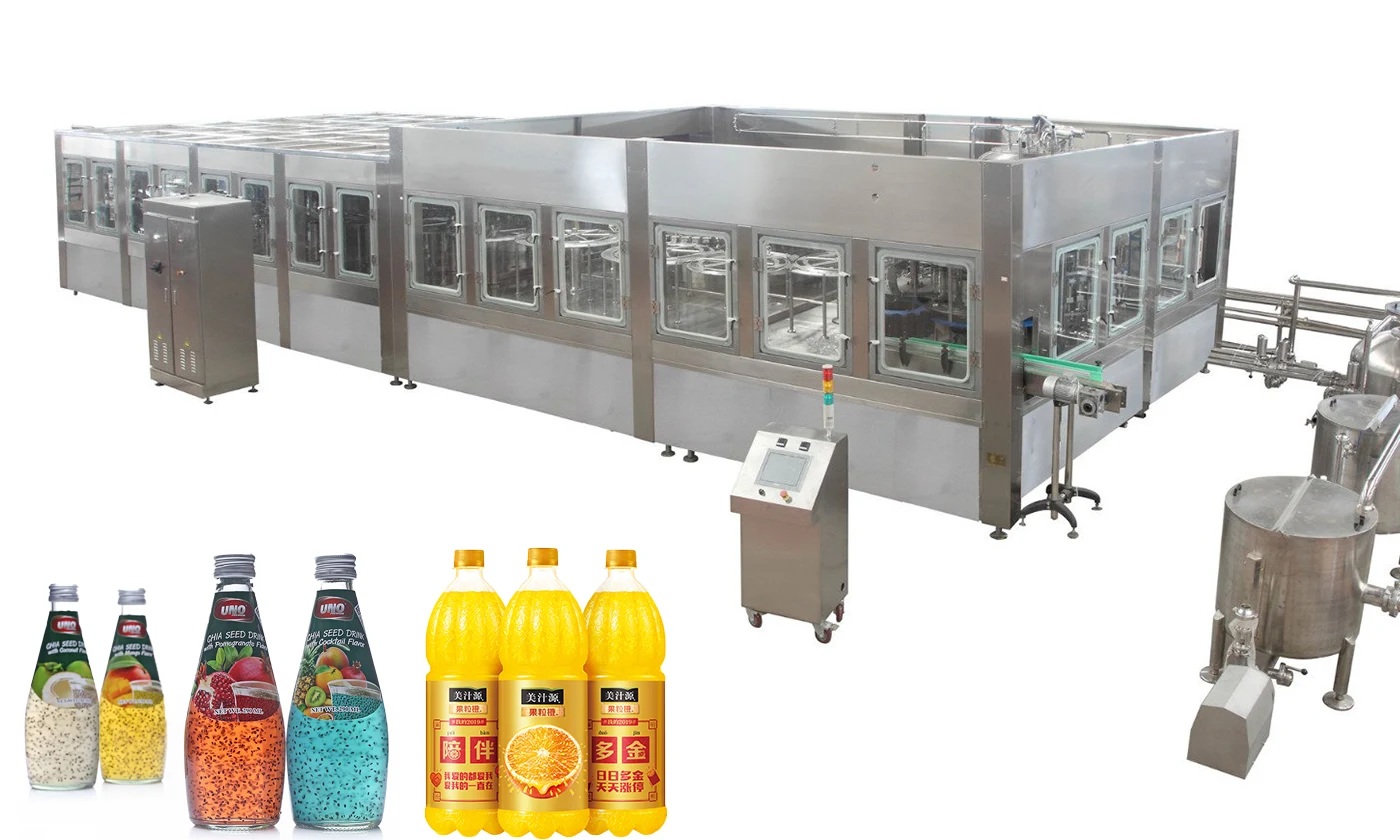
Equipment
juice Pulp Filling Machine 4 in 1
RXGGF16-16-5 pulp juice filling with separate pulp and liquid dosing, rinsing and capping at 5,000 bottles/hour for 250 ml bottles.
Learn more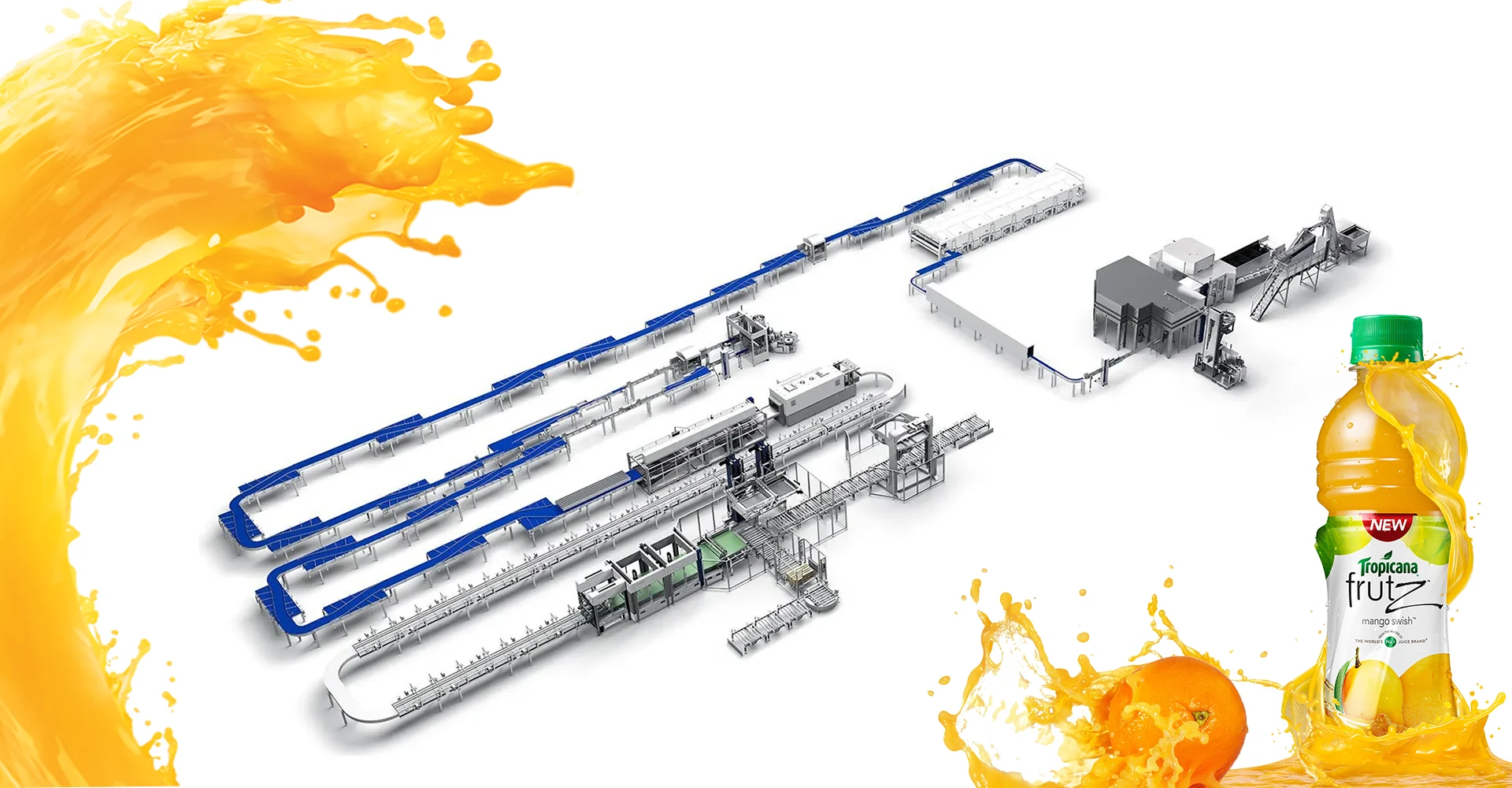
Equipment
Juice beverage bottling line
The juice beverage bottling line connects beverage preparation and thermal processing with bottle filling, capping, labelling and packing.
Learn more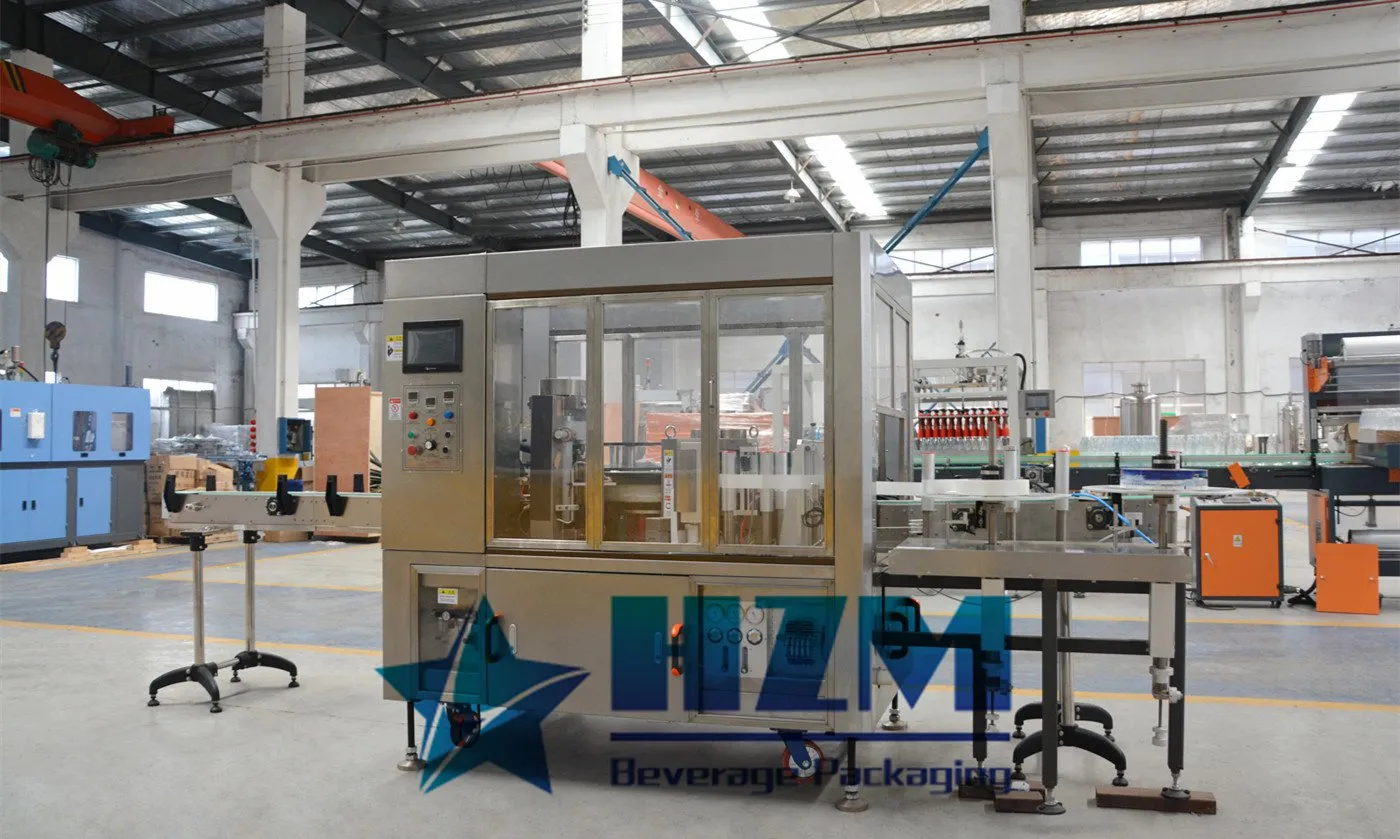
Equipment
Automatic Linear Type Hot Glue Labeling Machine
Linear hot-glue labelling for water and soft-drink bottles, using roll-fed OPP labels at 8,000–24,000 bottles/hour.
Learn more2026-07-24
Juice Production Line Optimization: Cold Filling vs. Hot Filling
Compare cold, hot and aseptic juice filling by product risk, shelf-life target, packaging, utilities and total operating cost, then optimize the complete juice production process.
Learn more2023-06-09
Juice and Tea Filling Line Guide: FAT Checks for Fill Level and Temperature
Practical HZM guidance on juice and tea filling line, focused on fat checks for fill level and temperature, line integration, RFQ data and measurable acceptance checks.
Learn more2023-06-09
Enclosed Juice Filling Lines: Hygiene and Hot-Fill Design
A practical guide to enclosure, hygienic zoning, product-contact design, hot filling, cleaning and environmental control for juice filling lines.
Learn more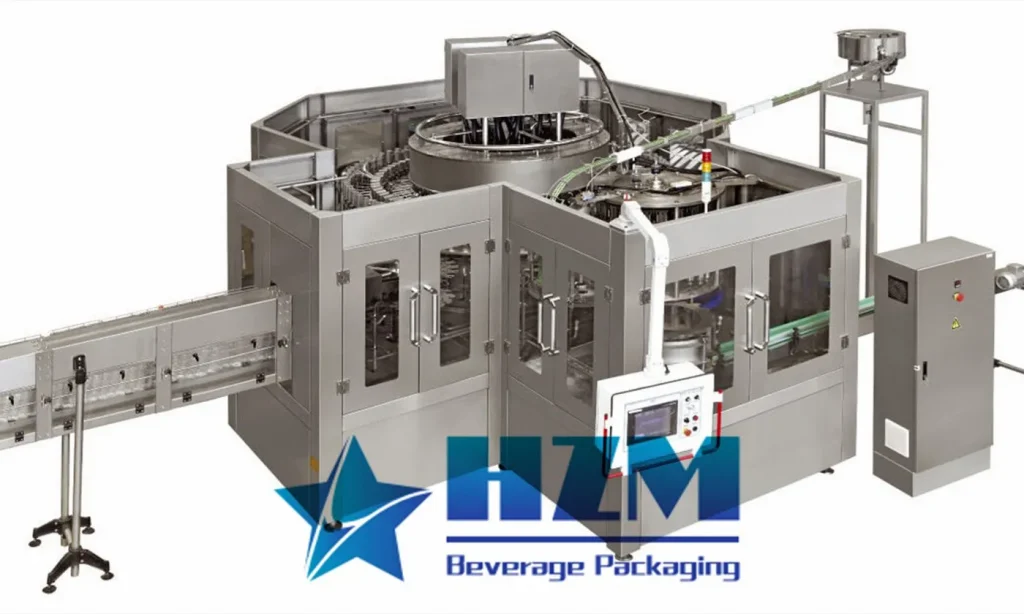
2023-08-28
How to Choose the Right Filling Machine?
Currently, there are various types and brands of filling machines available in the market. Different materials require different types of filling machines. So, how can we choose the appropriate filling machine?
Learn more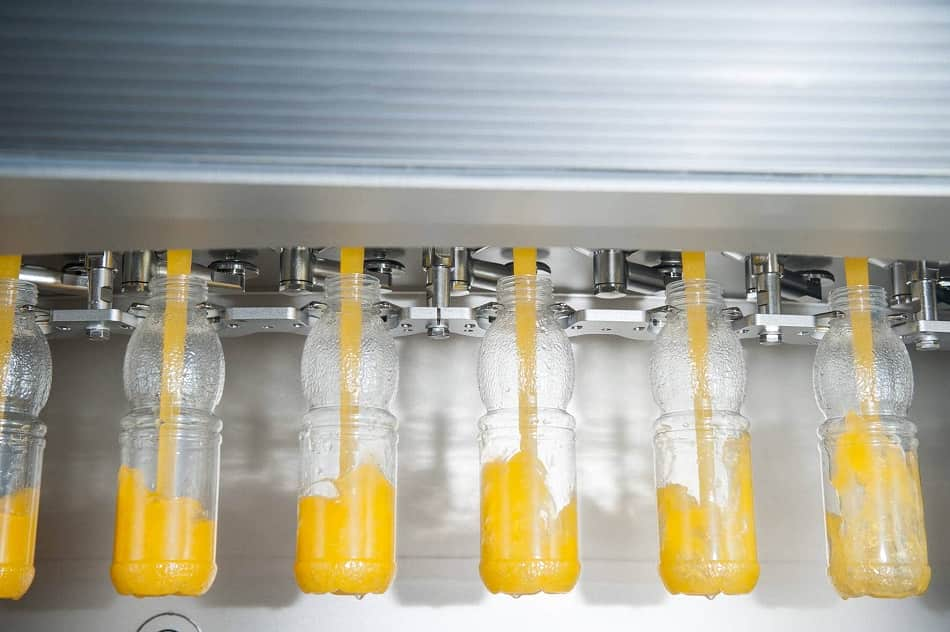
2023-04-28
A detailed introduction of the production line process for juice beverages
Raw material selection Fruit cleaning Crushing and pre-processing Juice extraction Coarse filtration Clarification and fine filtration Homogenization and deaeration Concentration Sterilization Packaging Second sterilization Ⅰ.Selection of Fruit Raw Materials 1.Ripeness of Fruit and Vegetable Raw Materials: Fruit juices made from unripe or poorly developed fruit and vegetable raw materials have much lower levels and poorer […]
Learn more2024-05-23
juice box making machine : Factory direct selling price
A juice box making machine is a piece of equipment used in the food and beverage industry to package liquid beverages, such as fruit juices, into individual serving-sized containers commonly known as juice boxes.
Learn more