
Insights & Updates
Bottle Conveyor System Guide: Controls, Sensors and Machine Interlocks
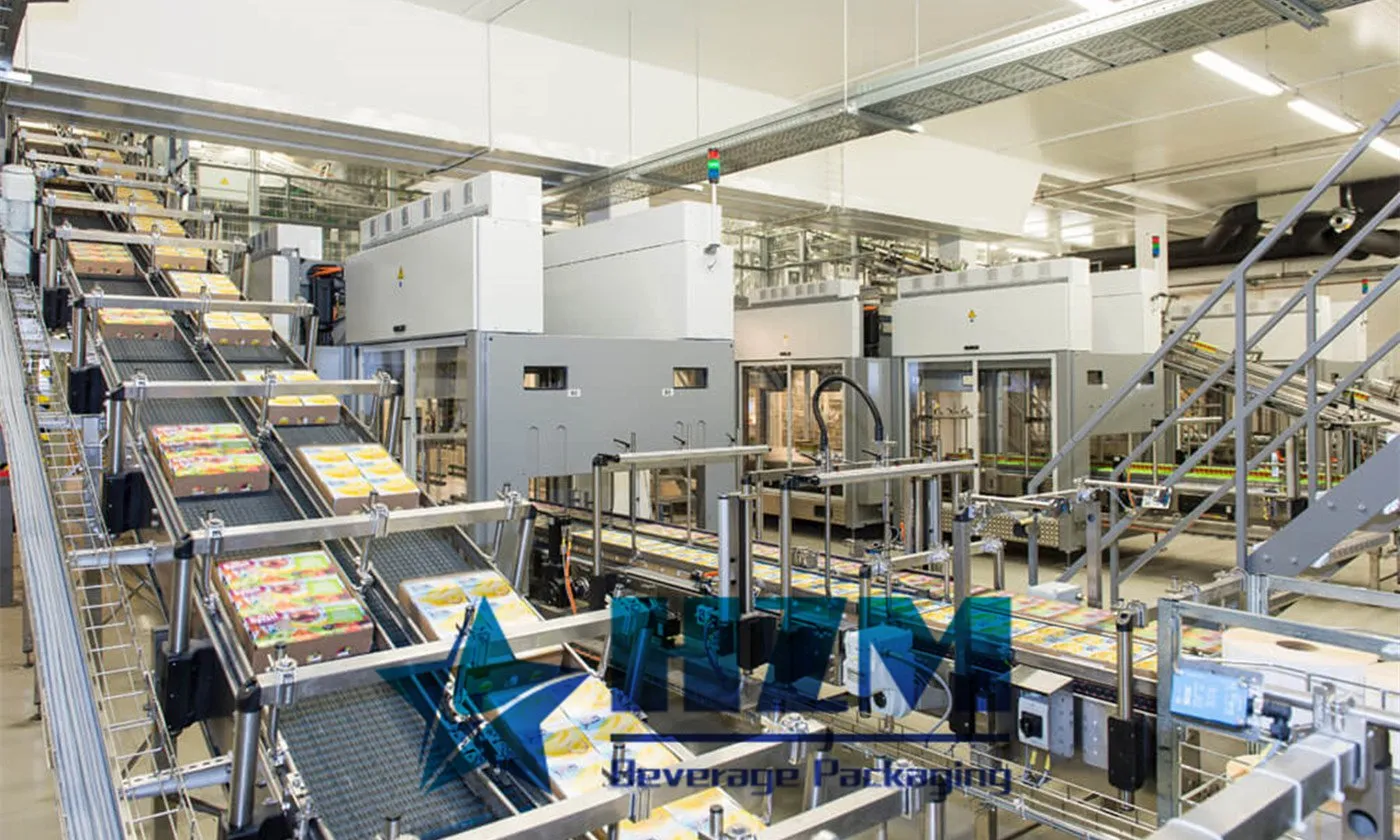
A reliable bottle conveyor system project starts with verified application data, not a model code or an unsupported certificate list. This guide focuses on controls, sensors and machine interlocks and shows what a buyer should define before HZM Machinery confirms the process, equipment scope and acceptance conditions.
Key procurement takeaways
- Define product, container, closure and saleable output before comparing machine models.
- Confirm the complete line boundary, utilities and downstream pack format in the RFQ.
- Use samples and measurable FAT conditions instead of broad marketing claims.
- Reserve access, training, spare parts and ramp-up time in the project plan.
Define the application before equipment selection
A controlled transport network connecting individual machines while protecting containers, managing pressure and providing enough accumulation for recovery. The final configuration depends on the customer product, packaging samples, factory conditions and required automation. HZM therefore reviews the following inputs before issuing a technical proposal.
- Guide-rail changeover range
- Cleaning, drainage and access rules
- Machine speeds and interface heights
- Required accumulation time
- Guide-rail changeover range
Controls, Sensors and Machine Interlocks
Acceptance should use measurable conditions: approved product and packaging materials, test duration, target speed, efficiency calculation, reject definition, sampling frequency and permitted deviations. Alarms, interlocks and production records should be demonstrated with the same protocol.
The specification should state who supplies each interface, how the line will respond to short stops, and which readings must be available to operators. This avoids gaps between process equipment, the main machine, conveyors and packaging, especially when several suppliers are involved.
Place the machine inside a complete production line
For equipment-level information, review Bottle Air Conveyor. The Water Filling Production Line page shows the wider line sequence, while 36,000 BPH Pure Water Bottling Line for Gold Water Ethiopia provides context from an actual HZM project. These references help define scope, but the quotation must still be based on the buyer’s current samples and user requirement specification.
| Decision point | Why it matters | What to provide |
|---|---|---|
| Product and hygiene | Determines process route, contact materials and cleaning method. | Guide-rail changeover range |
| Container and closure | Controls handling, change parts and inspection requirements. | Cleaning, drainage and access rules |
| Output and interfaces | Sets machine balance, buffers, utilities and acceptance targets. | Machine speeds and interface heights |
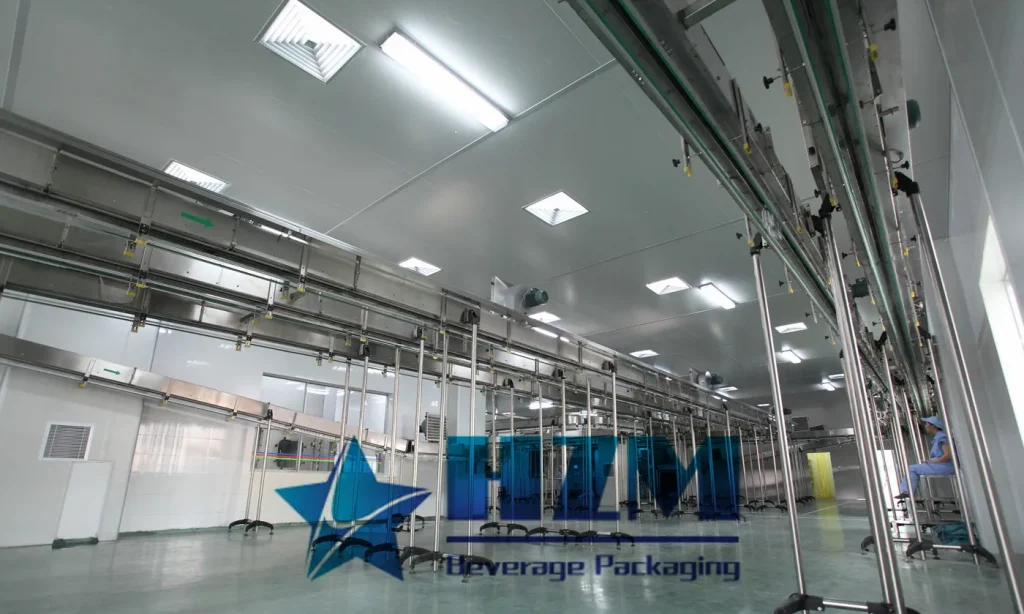
RFQ and acceptance checklist
- Send current product data, container and closure drawings, plus representative samples when available.
- State net saleable output for every SKU and define the efficiency formula used to convert rated speed into accepted production.
- Mark the supply boundary for process equipment, utilities, inspection, conveyors, packaging, coding and pallet handling.
- Agree the FAT material quantity, test duration, sampling plan, reject definitions and documented results before manufacturing is complete.
- Confirm installation responsibilities, operator and maintenance training, spare parts, manuals and after-sales communication.
Frequently asked questions
What information is required for a reliable quotation?
At minimum, provide product properties, package drawings, closure details, net output, factory layout, utilities and the desired line boundary. Physical samples are strongly recommended before change parts or handling components are finalized.
Is catalog speed the same as daily production?
No. Daily output also depends on changeovers, cleaning, upstream supply, downstream stops, rejects and operator practices. The proposal should distinguish rated speed, test speed and the efficiency target used for line acceptance.
Can one system handle several products or container sizes?
Often yes, but the range must be reviewed. Product risk, filling method, cleaning needs, container geometry and closure type determine whether change parts, additional circuits or separate equipment are required.
Discuss your project with HZM
Send the application data above for a configuration and quotation tied to your actual production plan. Get Quotes And Specifications
Talk to our engineering team
Need help planning your packaging line?
Share your product, bottle and capacity requirements for a practical equipment recommendation.
Equipment
Bottle Conveyor
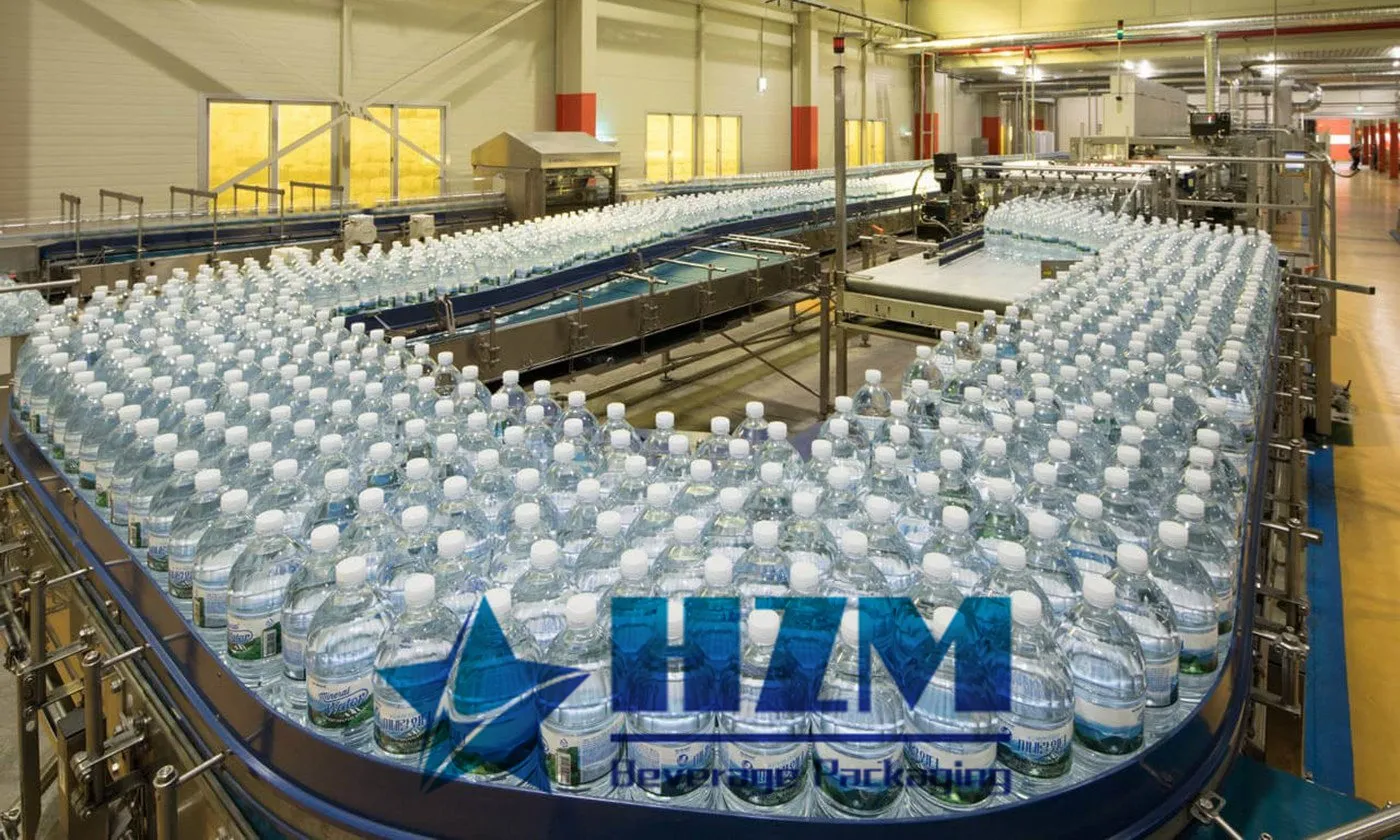
The bottle conveyor transfers containers between filling, labelling and packing machines.
Learn more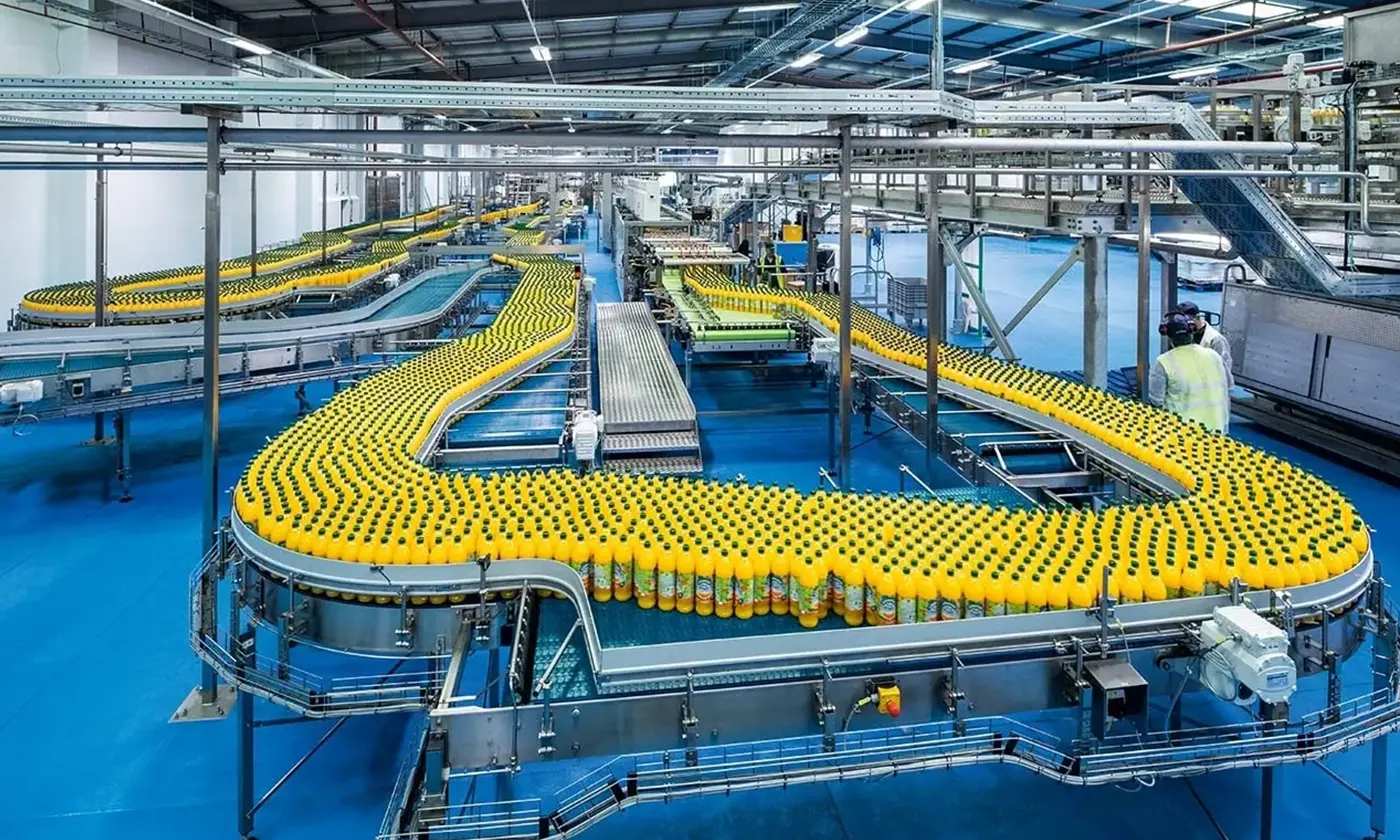
Equipment
Bottle Water & Beverage Conveyor System
The bottled-water and beverage conveyor system connects container supply, filling and packaging.
Learn moreEquipment
Packs Conveyor
The packs conveyor moves finished packs, cartons and other packaged products between packing and handling stations.
Learn more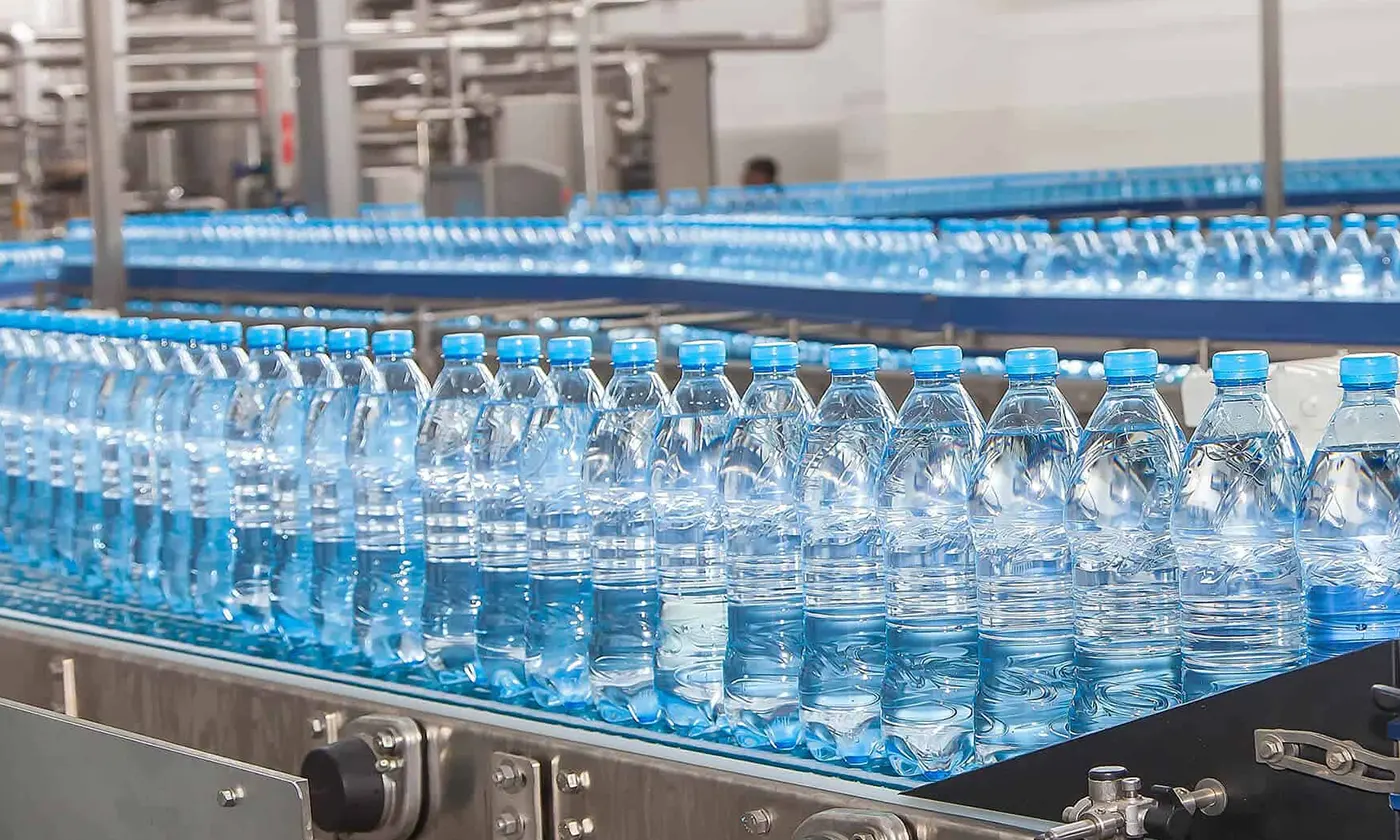
Equipment
Conveyor Belt System For PET Bottle And GLASS Bottle
The conveyor system transfers PET and glass bottles between production machines.
Learn more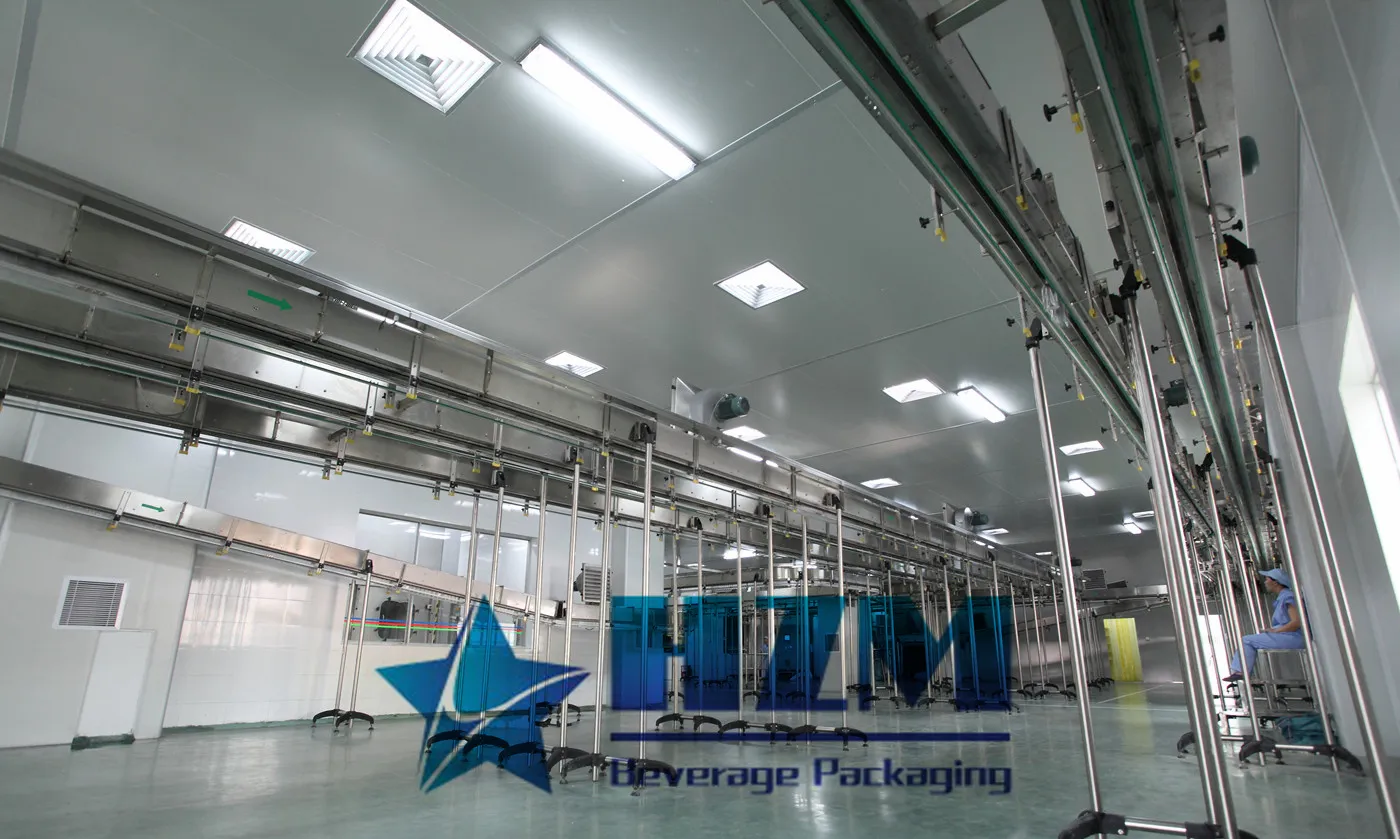
Equipment
Bottle Air Conveyor
The bottle air conveyor transfers empty PET bottles from the blowing machine to the filler.
Learn more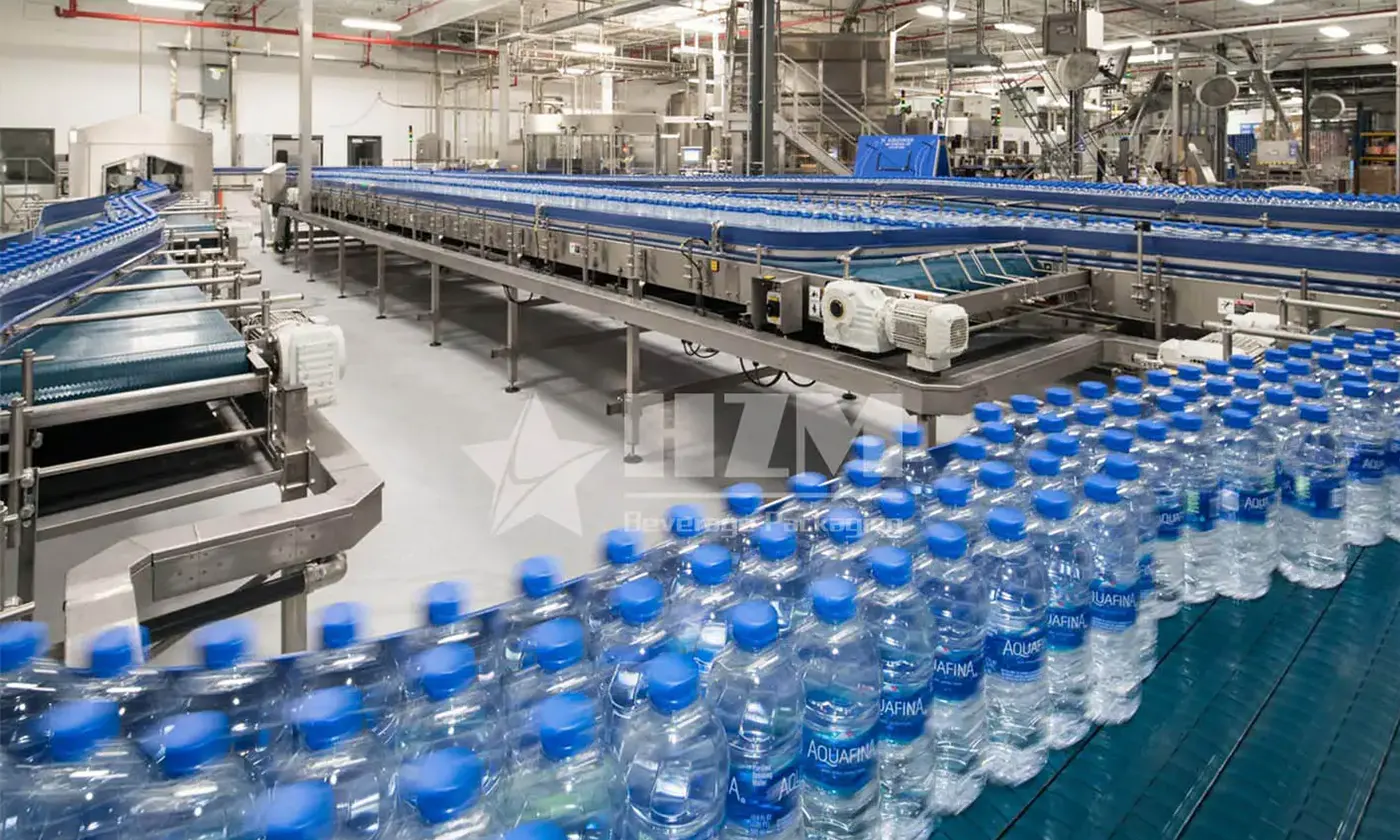
Equipment
Conveyor Belt For Bottle Water Production Line
This conveyor belt system moves bottles through a bottled-water production line, from empty-bottle feeding to filled-bottle labelling and packing.
Learn more2023-06-09
Bottle Conveyor System Guide: Bottle Conveyor Guides and Changeover
Practical HZM guidance on bottle conveyor system, focused on bottle conveyor guides and changeover, line integration, RFQ data and measurable acceptance checks.
Learn more2023-06-09
Bottle Conveyor System Guide: Pack Conveyor Loads and Curves
Practical HZM guidance on bottle conveyor system, focused on pack conveyor loads and curves, line integration, RFQ data and measurable acceptance checks.
Learn more2023-06-09
Bottle Conveyor System Guide: Line Speed, Accumulation and Buffer Design
Practical HZM guidance on bottle conveyor system, focused on line speed, accumulation and buffer design, line integration, RFQ data and measurable acceptance checks.
Learn more2023-06-09
Bottle Conveyor System Guide: Air Conveyor Neck Handling
Practical HZM guidance on bottle conveyor system, focused on air conveyor neck handling, line integration, RFQ data and measurable acceptance checks.
Learn more2023-06-09
Bottle Conveyor System Guide: Cleaning Access and Drainage
Practical HZM guidance on bottle conveyor system, focused on cleaning access and drainage, line integration, RFQ data and measurable acceptance checks.
Learn more2023-06-09
Bottle Conveyor System Guide: FAT Checks for Stability and Recovery
Practical HZM guidance on bottle conveyor system, focused on fat checks for stability and recovery, line integration, RFQ data and measurable acceptance checks.
Learn more