Bottle Sensors Trigger False Stops on a Beverage Conveyor
Preserve the input state, then check sensor cleanliness and alignment, transparent-bottle suitability, reflector condition, vibration, background reflection, mutual interference,.
Learn more
Preserve the input state, then check sensor cleanliness and alignment, transparent-bottle suitability, reflector condition, vibration, background reflection, mutual interference,.
Learn moreRecord the exact fault and operating state before reset. With qualified electrical personnel, separate mechanical binding and acceleration load from motor, cable, parameter, supply and drive faults. Follow this practical fault-isolation, repair and prevention guide for bottling-line operators and maintenance teams.
Learn moreInspect lubrication, chain tension and elongation, sprocket alignment, return path, wear strips, contamination and load. Do not tighten a worn chain until the root cause is known. Follow this practical fault-isolation, repair and prevention guide for bottling-line operators and maintenance teams.
Learn moreEvaluate bottle stability, fill level, base shape, guide height and clearance, conveyor speed transitions, air movement and accumulation. Lightweight bottles need controlled support without being squeezed. Follow this practical fault-isolation, repair and prevention guide for bottling-line operators and maintenance teams.
Learn moreMark the first contact point and inspect guide transitions, chain condition, dead plates, speed change, bottle dimensions, lubrication and upstream accumulation. The pile-up often occurs downstream of the actual interference. Follow this practical fault-isolation, repair and prevention guide for bottling-line operators and maintenance teams.
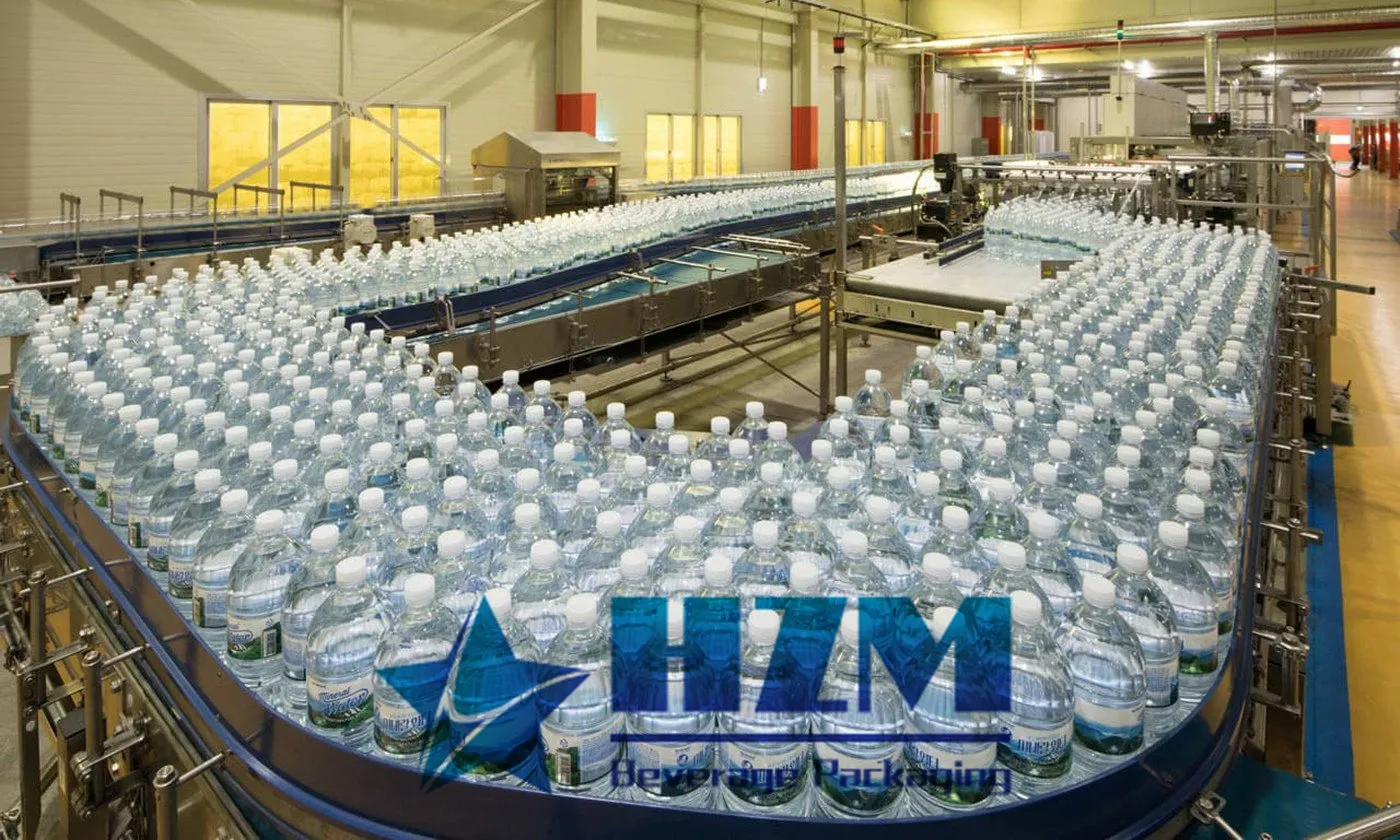
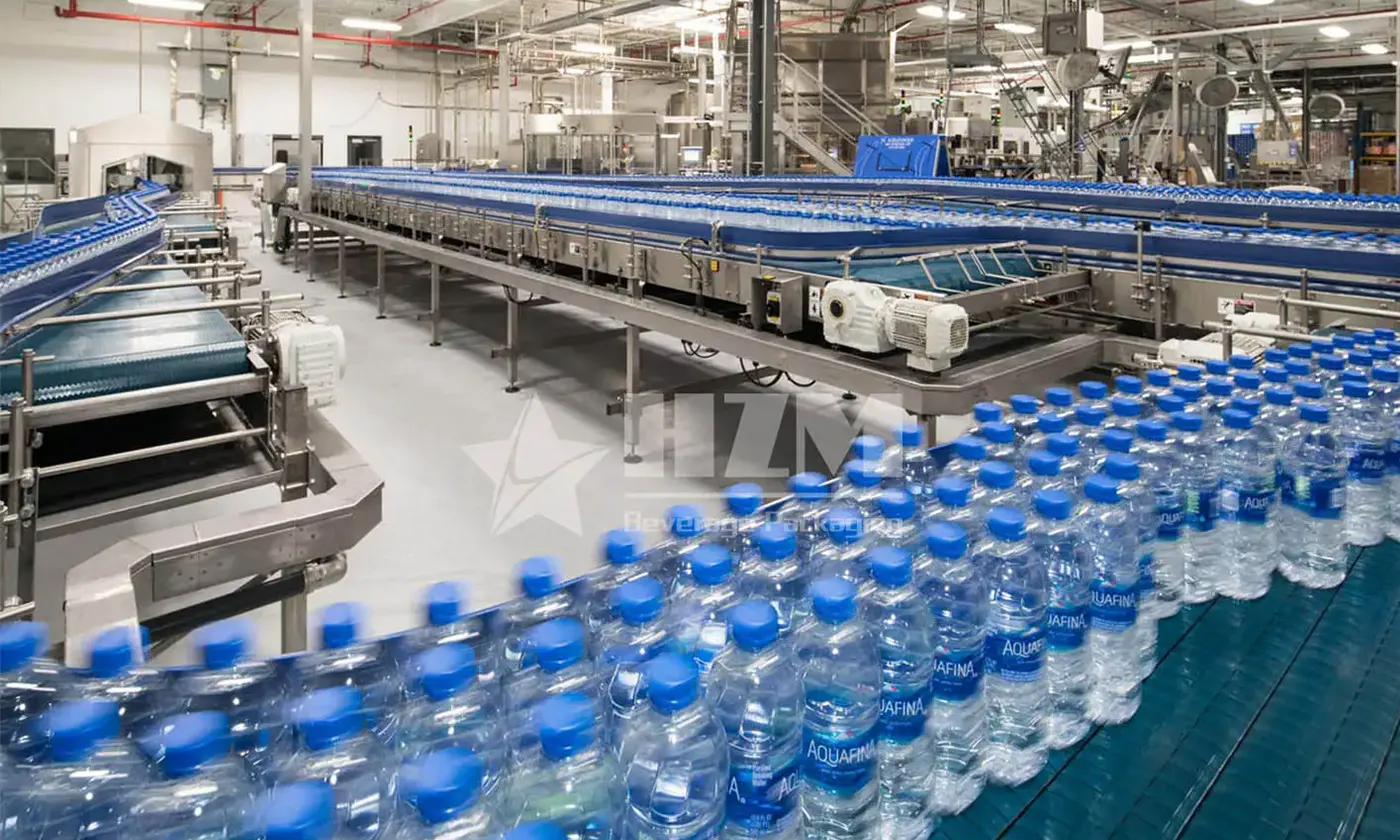
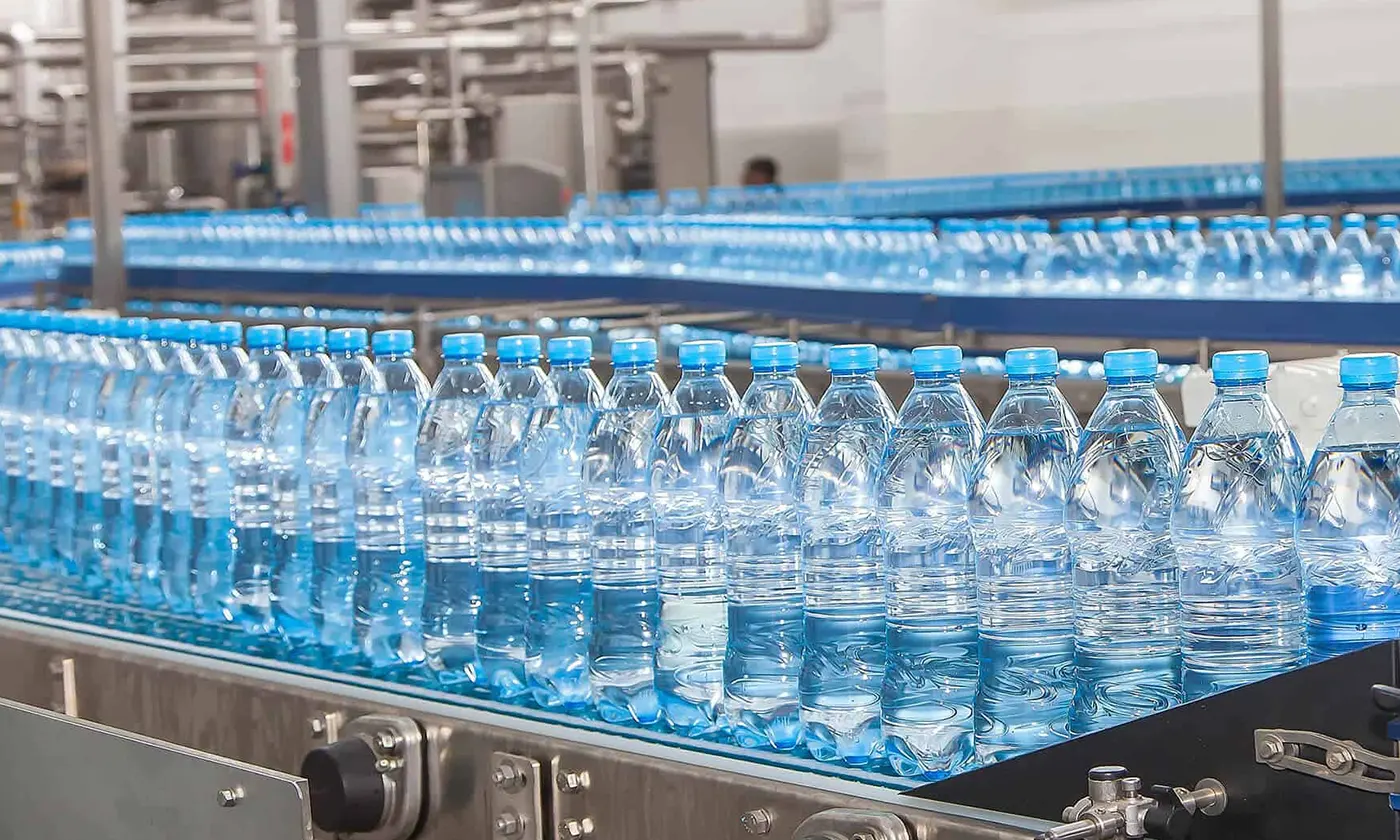
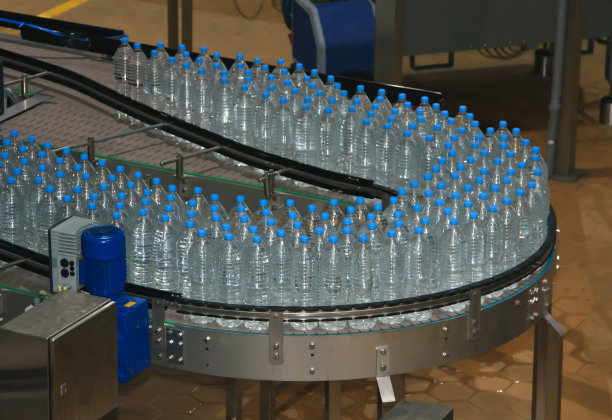
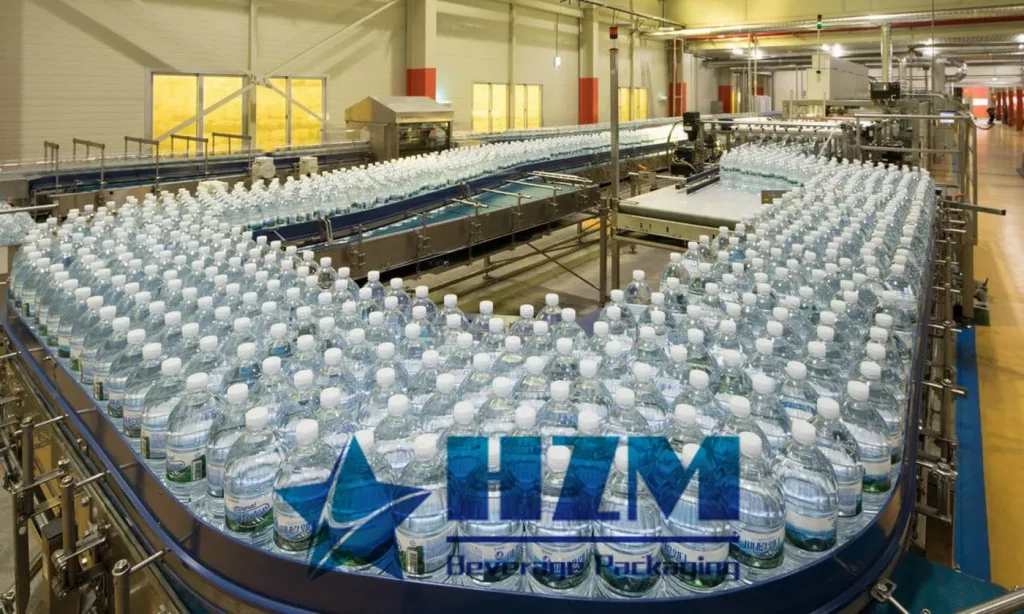
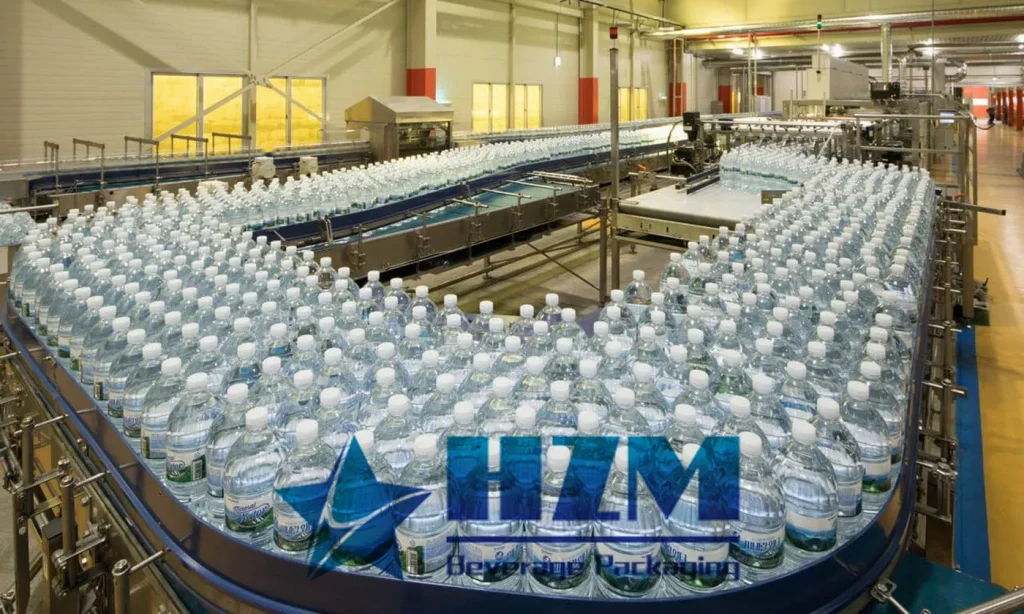
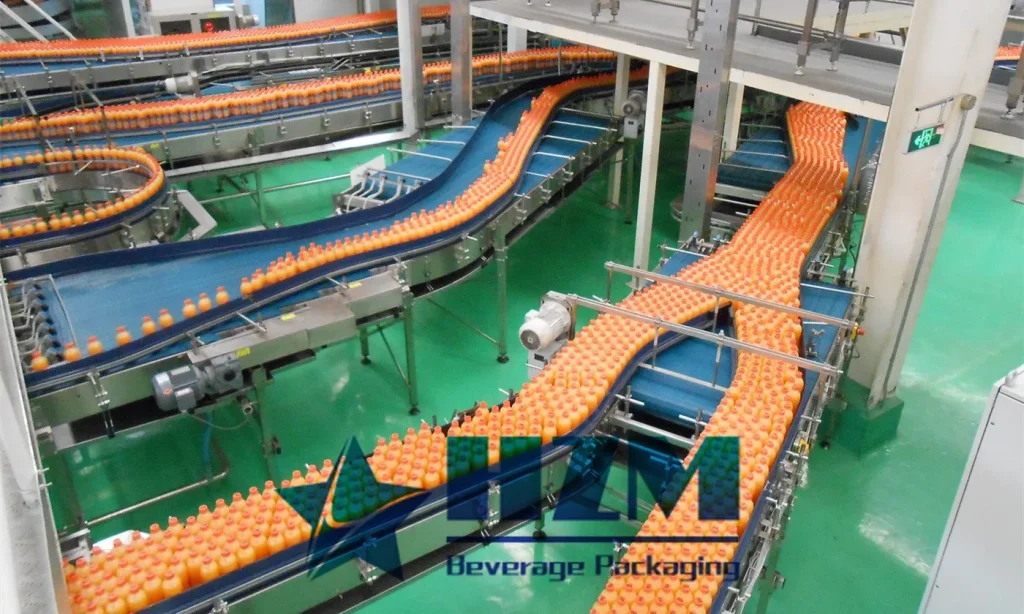
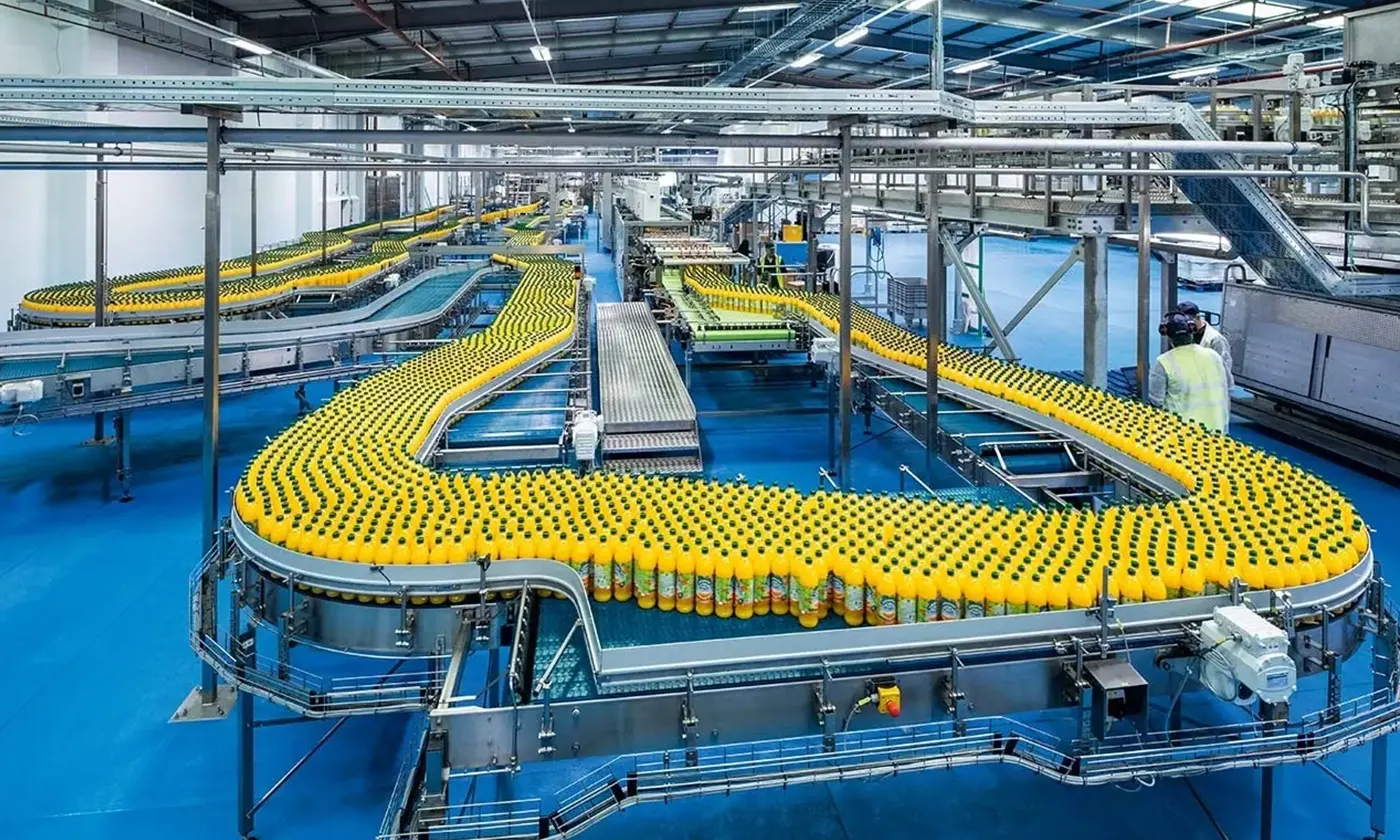
Learn moreThe conveyor system transfers PET and glass bottles between production machines.
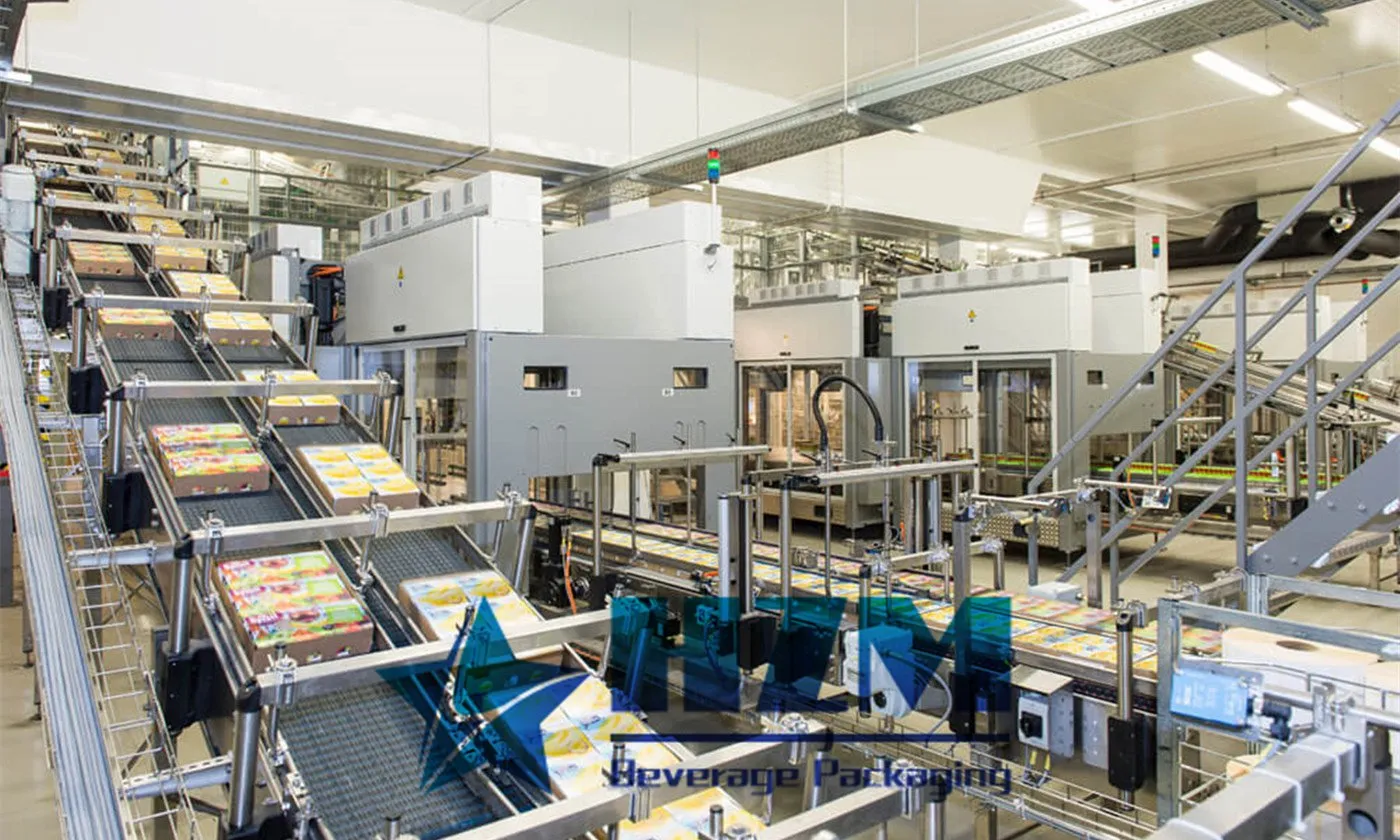
Learn moreThe bottled-water and beverage conveyor system connects container supply, filling and packaging.
Learn moreEmpty PET bottles and filled bottles have different handling behaviour. Neck-supported air conveying is a different application from a belt or chain supporting a filled container's base.
Learn moreThe air conveyor, also known as a pneumatic conveyor, serves the purpose of efficiently transporting empty bottles between machines within a filling line. It also acts as a buffer, allowing for automatic operation of the entire line. Primarily, it is employed to transfer empty PET bottles from the blowing machine to the filling machine, also known as the filler.
Learn moreThe bottle conveyor machine is a commonly used equipment on production lines, designed to transport bottles from one location to another. It features a modular structure with interchangeable parts, compact design, low noise, easy installation, and maintenance. It can be customized for different types of bottles, with glass bottles typically using stainless steel conveyors and PET bottles using plastic conveyors.
Learn moreIn modern industrial production, Conveyor Machines are indispensable for efficient material transportation and automated production. When seeking a trusted manufacturer, HZM Machinery stands out as a reliable partner.
Learn moreIn modern industrial production, an efficient Bottle Conveyor is an essential equipment. HZM Machinery, as a trusted Bottle Conveyor manufacturer, has gained the trust and praise of numerous customers through our offering of factory direct prices, hassle-free after-sales service, fast delivery, a 24-month warranty, and OEM customization support.
Learn moreIn many industries, bottle conveyors are widely employed to efficiently transport bottles and enhance production efficiency. As a professional manufacturer specializing in bottle conveyors, HZM Machinery not only demonstrates outstanding product quality but also plays a significant role in multiple industries' applications.
Learn moreInspect the surfaces below belts, guides and transfer plates where spilled beverage can collect. A clean belt surface does not establish that the supporting structure is clean.
Learn moreA continuous demonstration does not show how a conveyor recovers from a blocked downstream machine. Test the agreed accumulation state, upstream stop signal and controlled restart.
Learn moreA sensor must identify the intended bottle or accumulation condition at its installed position.
Learn moreBase conveyor loading on the actual gross pack weight and the accumulation condition. A section may carry several queued packs even when its normal running load is small.
Learn moreUse a format sheet that identifies guide positions at straight sections, curves and machine transfers.
Learn moreDrive zoning controls how bottles enter, accumulate and leave a conveyor section.
Learn morePractical HZM guidance on bottle conveyor system, focused on line speed, accumulation and buffer design, line integration, RFQ data and measurable acceptance checks.
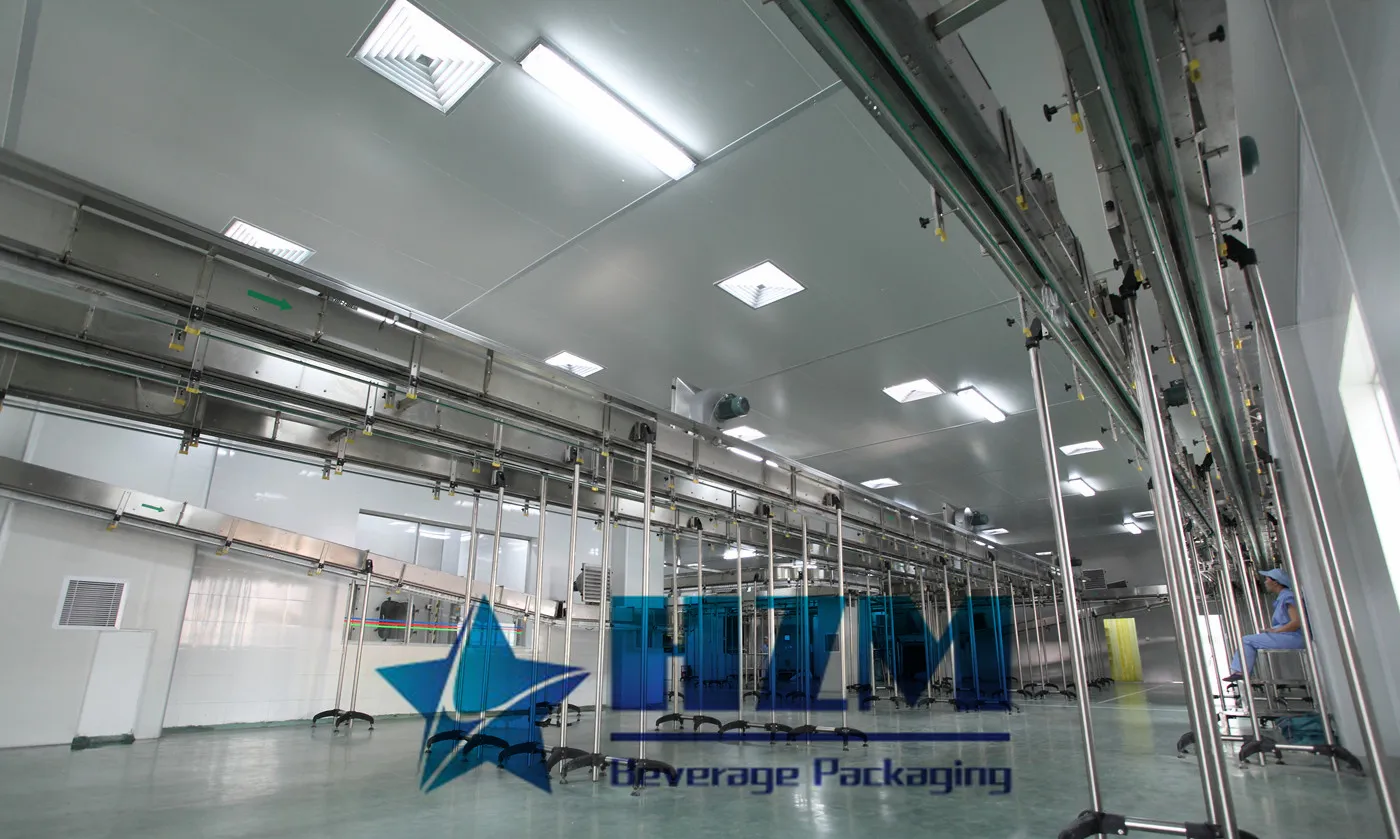
Learn moreAn air conveyor supports an empty PET bottle below its neck ring.
Learn moreThe bottle conveyor transfers containers between filling, labelling and packing machines.
Learn moreTell us your beverage, container, capacity and target market. Our engineering team will prepare a practical line proposal.