
Insights & Updates
Troubleshooting Guide for Bottle Conveyor Machine: Keeping Production on Track
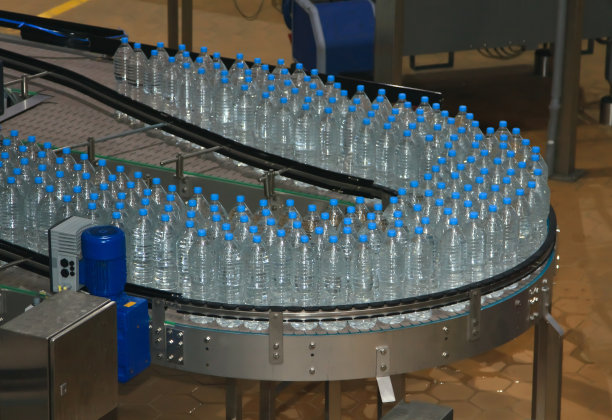
The bottle conveyor machine is a commonly used equipment on production lines, designed to transport bottles from one location to another. It features a modular structure with interchangeable parts, compact design, low noise, easy installation, and maintenance. It can be customized for different types of bottles, with glass bottles typically using stainless steel conveyors and PET bottles using plastic conveyors.
However, despite being a reliable device, occasional malfunctions can occur with the bottle conveyor machine. These malfunctions can disrupt the production line and negatively impact efficiency. Therefore, it is crucial to understand and be able to troubleshoot issues with the bottle conveyor machine promptly.
Here are some common bottle conveyor machine malfunctions and their troubleshooting methods:
- Conveyor belt stops moving: If the conveyor belt stops moving, first check the power supply. Ensure that the power plug on the conveyor belt is securely connected, and the power switch is turned on. If the power supply is fine, it may be a motor issue. Inspect the motor for blockages or damage and replace it if necessary.
- Slow or uneven movement of the conveyor belt: If the conveyor belt moves slowly or unevenly during operation, it could be due to improper tensioning of the belt or damaged bearings. Check the tensioning device of the conveyor belt and ensure it is properly adjusted. Additionally, inspect the bearings for lubrication or replacement needs.
- Bottle blockage or tipping: If bottles get blocked or tipped during the conveying process, it could be due to the conveyor belt’s tilt or incorrect spacing between bottles. Check the installation of the conveyor belt for levelness and adjust the spacing between bottles.
- Abnormal noise: If the conveyor belt generates abnormal noise, it may be caused by loose drive chains or friction between the belt and the guide rails. Check the tension of the chains and lubricate them, as well as the guide rails, to reduce friction.
- Control system malfunction: If the control system malfunctions, the conveyor belt may not operate correctly. Check the power connection of the control system and inspect electronic components for damage. Repair or replace electronic components of the control system if necessary.
Before performing any maintenance or troubleshooting procedures, ensure to disconnect the power and follow safety protocols. If you are unsure about how to troubleshoot or perform repairs, seek assistance from professional technicians.
HZM Machinery is a professional supplier of bottle conveyor machines, offering comprehensive after-sales service. Whether it’s equipment installation or troubleshooting, they have an experienced technical team to provide support and assistance. If you encounter any malfunction issues while using the bottle conveyor machine, feel free to contact their after-sales service, as they are dedicated to providing solutions.
In conclusion, the bottle conveyor machine is a common equipment found on production lines. While occasional malfunctions may occur, by understanding common issues and their troubleshooting methods and collaborating with a professional supplier, we can promptly address malfunctions and ensure the smooth operation of the production line.
Talk to our engineering team
Need help planning your packaging line?
Share your product, bottle and capacity requirements for a practical equipment recommendation.
Equipment
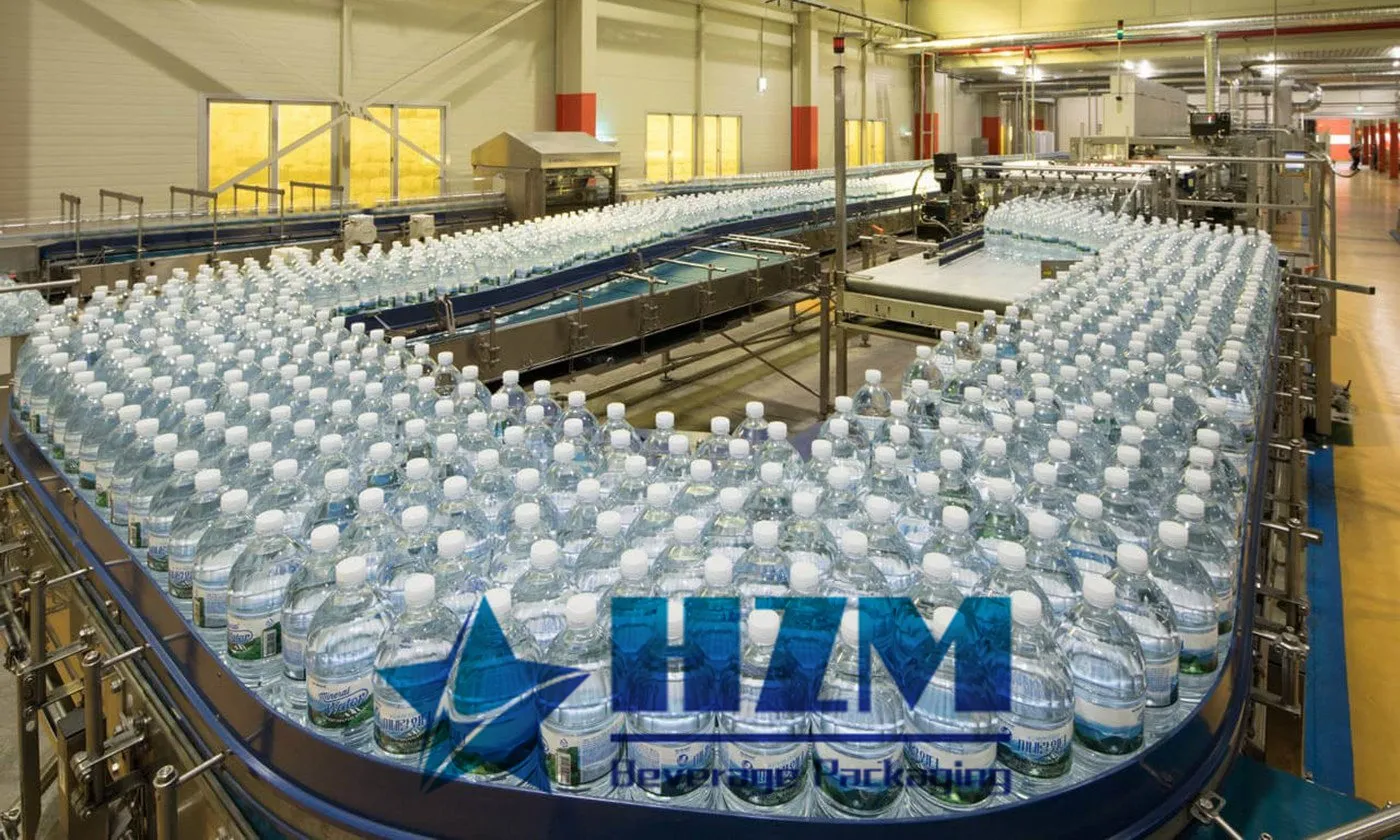
Bottle Conveyor
The bottle conveyor transfers containers between filling, labelling and packing machines.
Learn more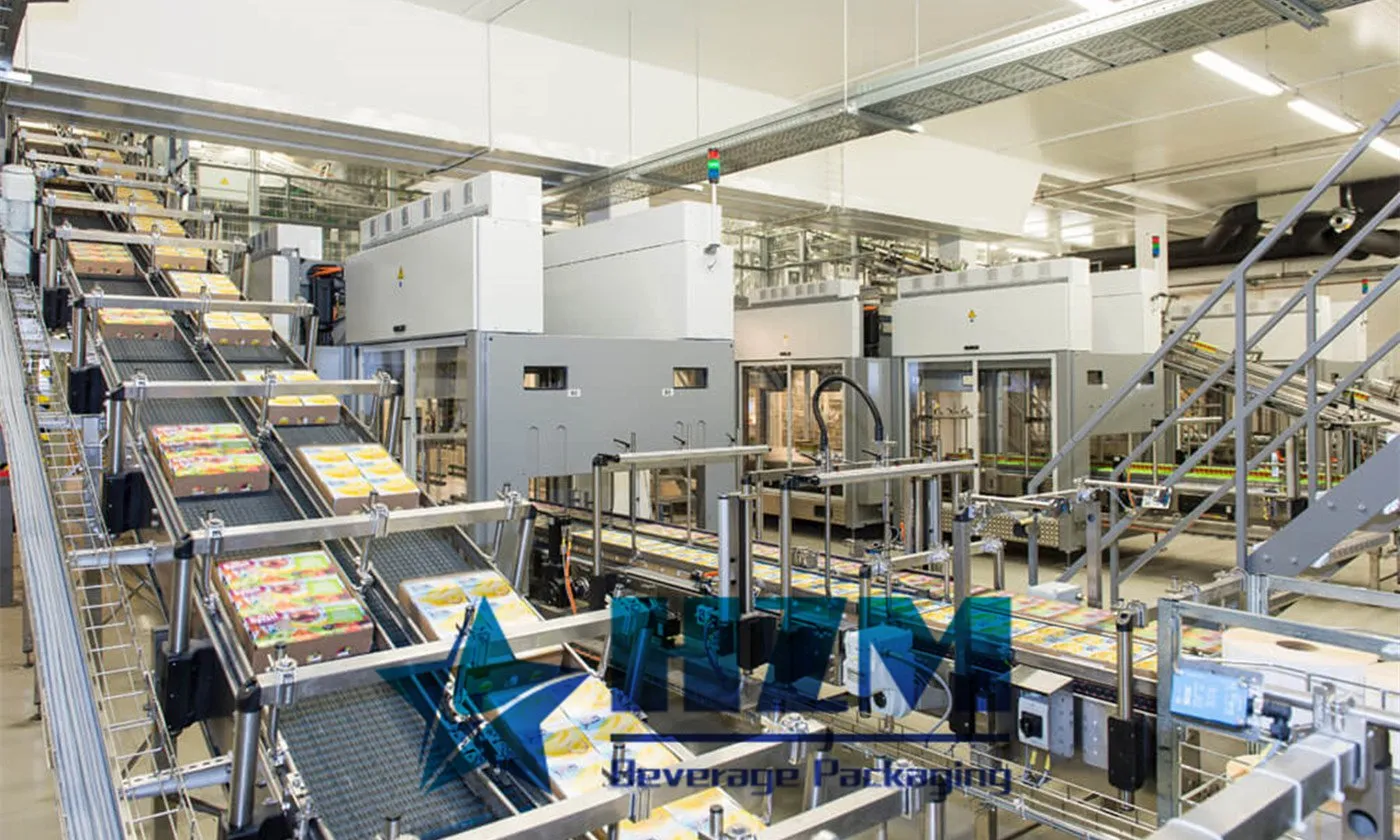
Equipment
Packs Conveyor
The packs conveyor moves finished packs, cartons and other packaged products between packing and handling stations.
Learn more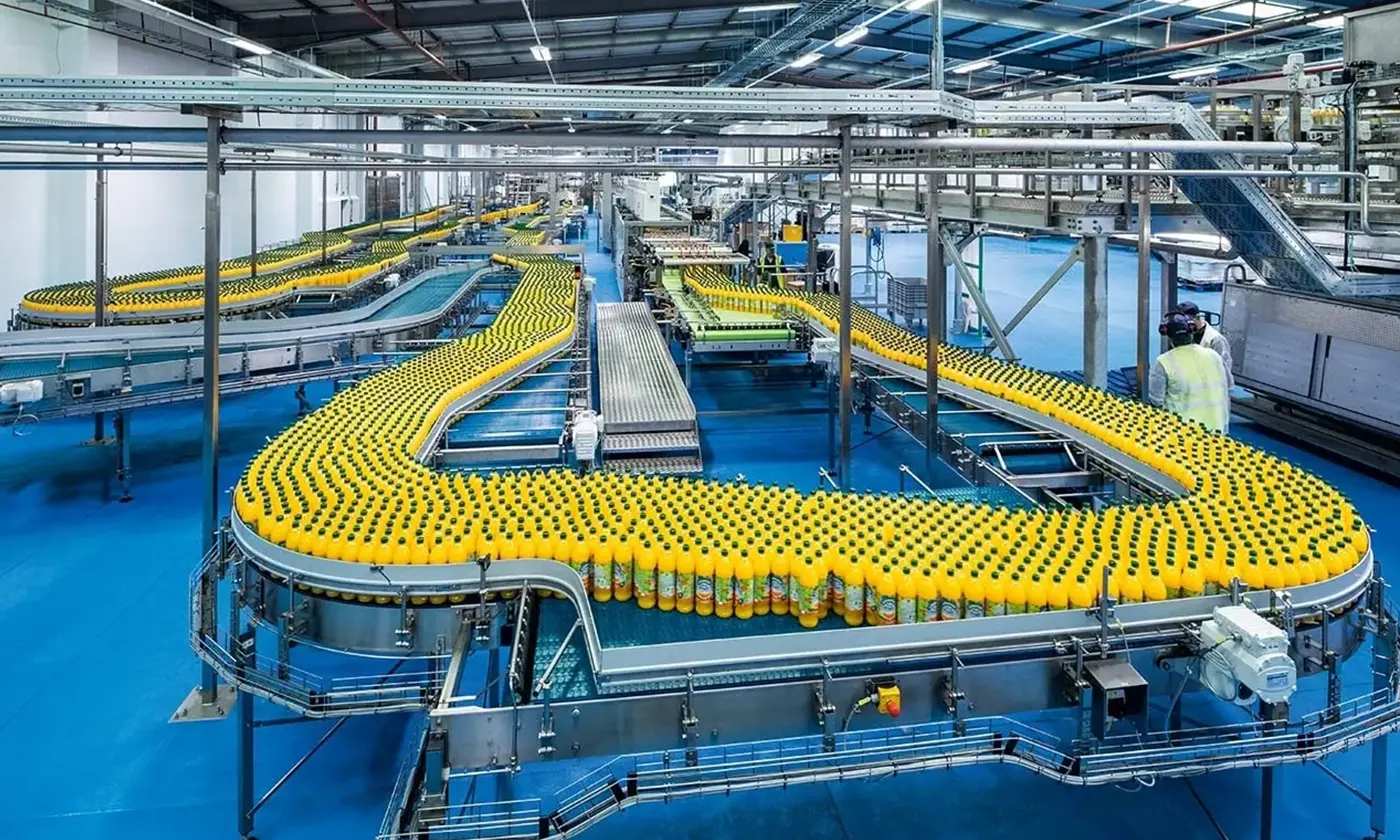
Equipment
Bottle Water & Beverage Conveyor System
The bottled-water and beverage conveyor system connects container supply, filling and packaging.
Learn more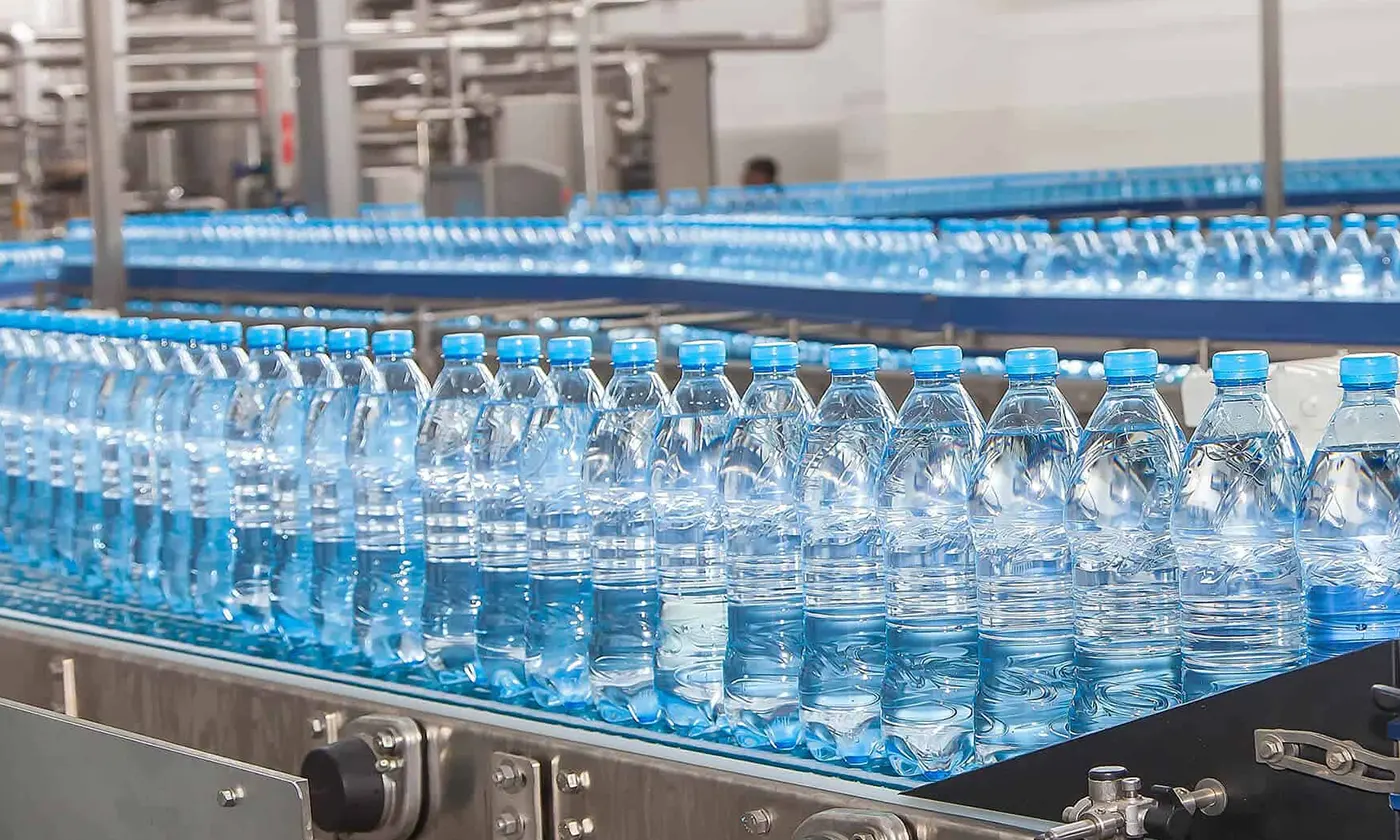
Equipment
Conveyor Belt System For PET Bottle And GLASS Bottle
The conveyor system transfers PET and glass bottles between production machines.
Learn more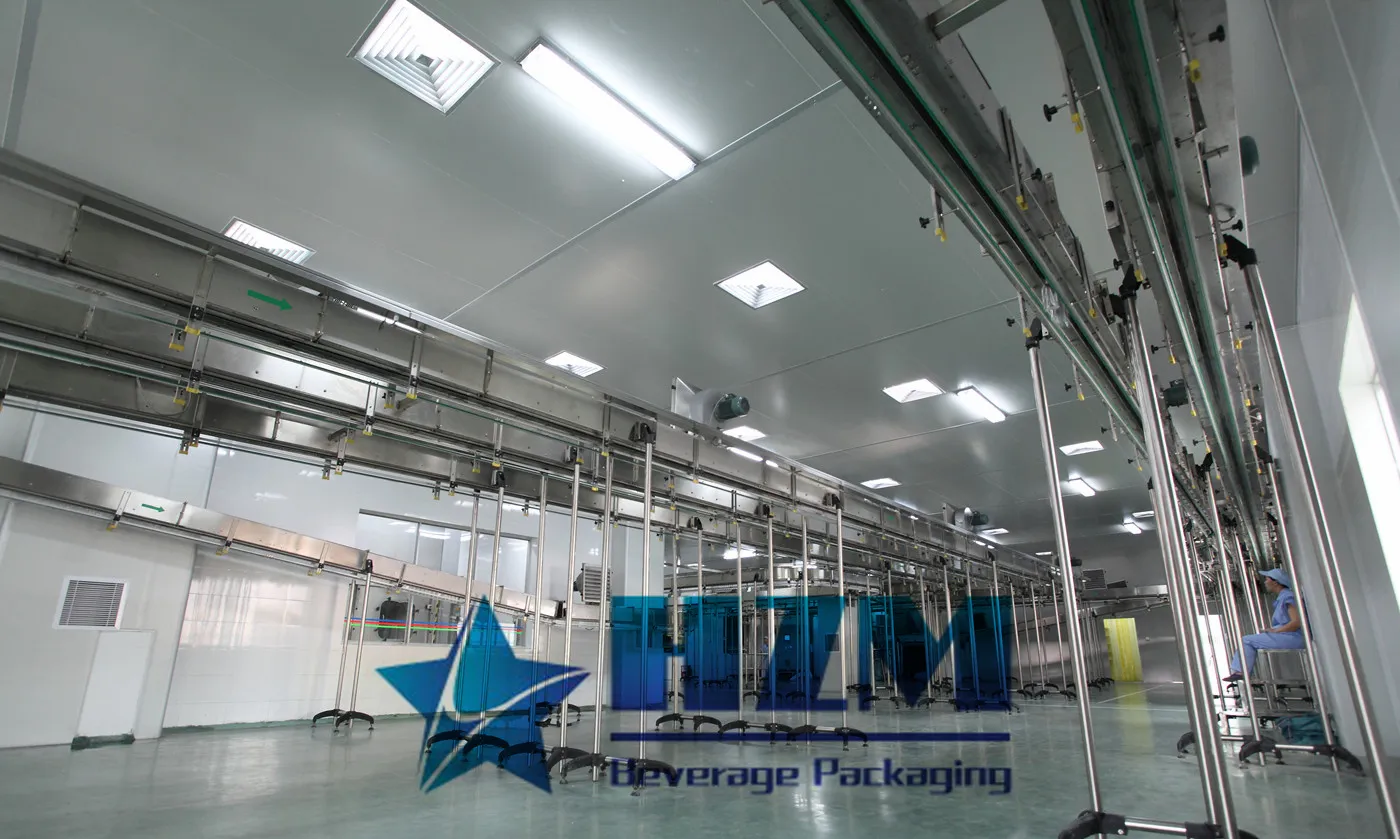
Equipment
Bottle Air Conveyor
The bottle air conveyor transfers empty PET bottles from the blowing machine to the filler.
Learn more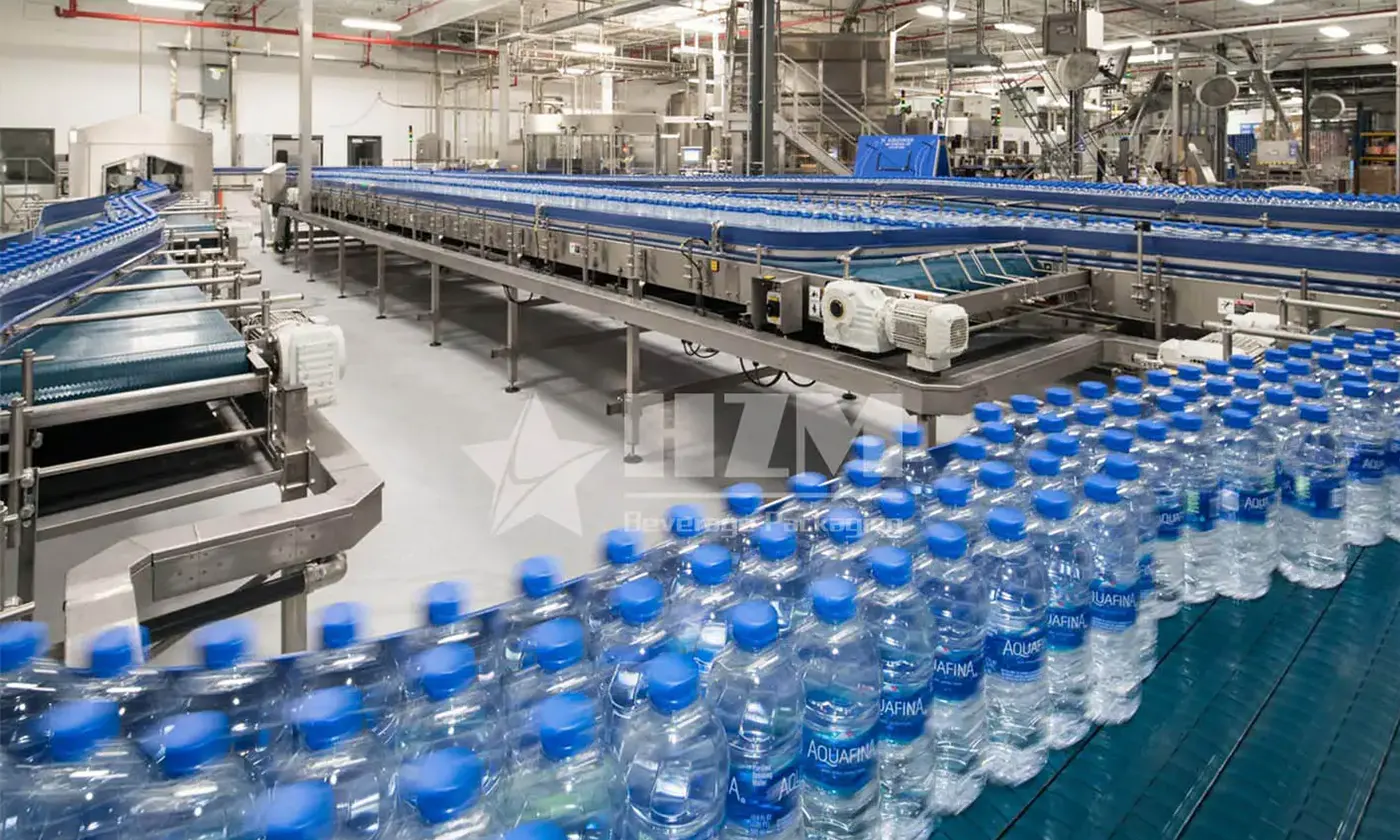
Equipment
Conveyor Belt For Bottle Water Production Line
This conveyor belt system moves bottles through a bottled-water production line, from empty-bottle feeding to filled-bottle labelling and packing.
Learn more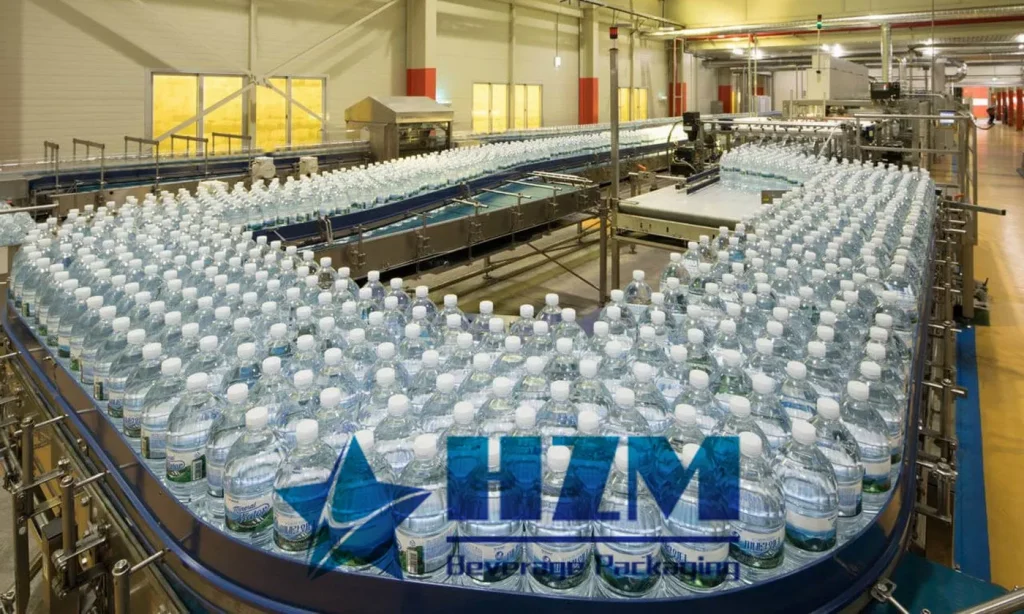
2023-07-06
Your Reliable Conveyor Machine Manufacturer
In modern industrial production, Conveyor Machines are indispensable for efficient material transportation and automated production. When seeking a trusted manufacturer, HZM Machinery stands out as a reliable partner.
Learn more2023-07-13
bottle conveyor
A bottle conveyor is a specialized manufacturing equipment utilized in factories and bottling plants to facilitate the smooth transportation of bottles. While sharing similarities with standard conveyor belts, the design of a bottle conveyor is tailored specifically to hold bottles upright and prevent spills
Learn more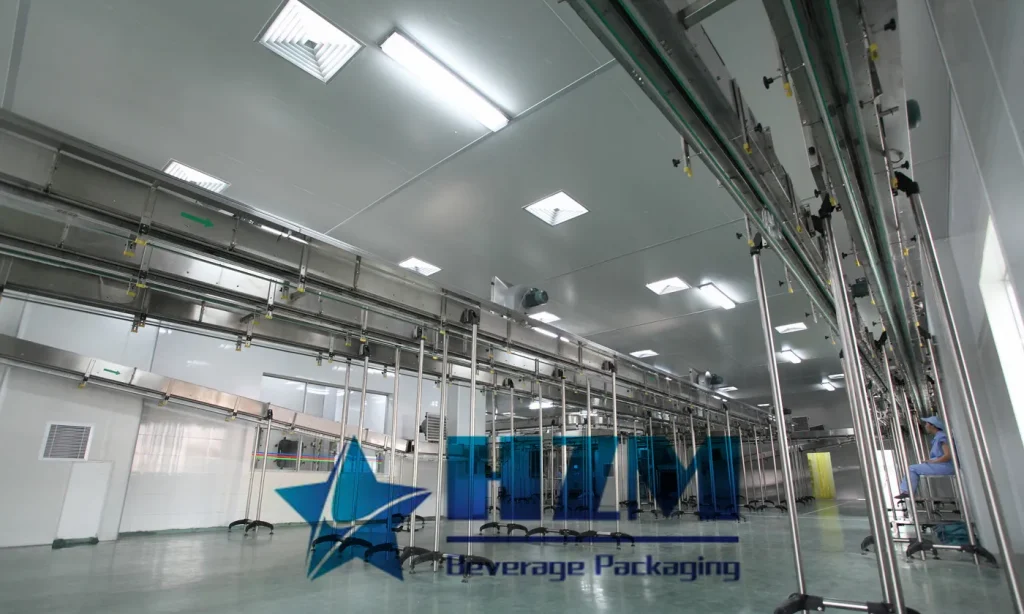
2023-07-03
Maintenance and Troubleshooting for Bottle Air Conveyor
Bottle Air Conveyor is a device that requires regular maintenance and upkeep to ensure proper operation and extend its lifespan. Here are some suggestions for the daily maintenance and troubleshooting of Bottle Air Conveyor
Learn more2023-07-12
Air conveyor systems
The air conveyor, also known as a pneumatic conveyor, serves the purpose of efficiently transporting empty bottles between machines within a filling line. It also acts as a buffer, allowing for automatic operation of the entire line. Primarily, it is employed to transfer empty PET bottles from the blowing machine to the filling machine, also known as the filler.
Learn more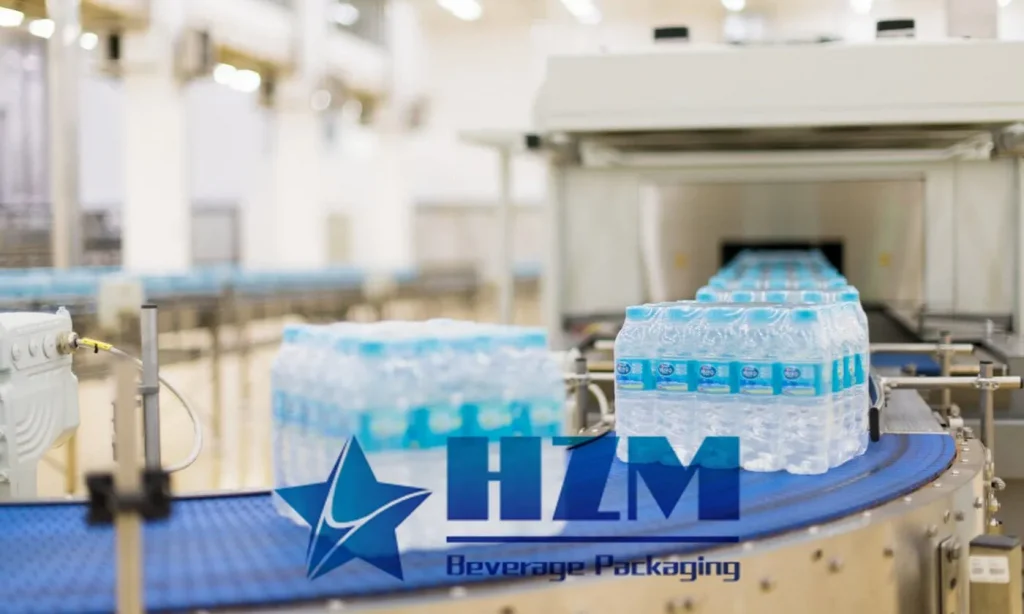
2023-07-01
Conveyor Machine Glitches? Troubleshooting Tips for Seamless Operations!
Conveyor Machine Troubleshooting,When encountering issues with a conveyor machine, the following are steps and common problems for troubleshooting:
Learn more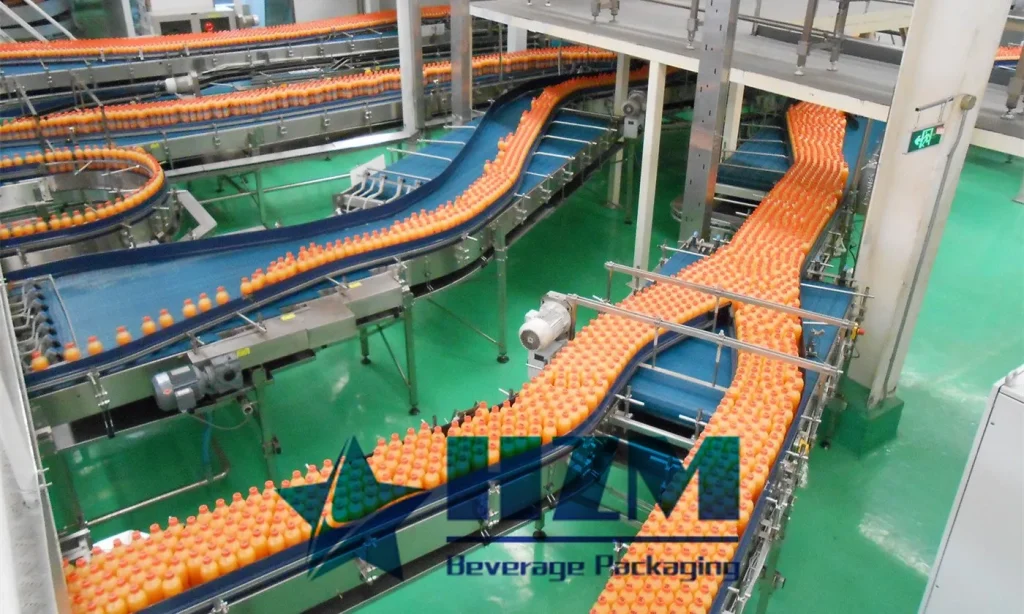
2023-06-25
The Diverse Applications of Bottle Conveyors in Various Industries
In many industries, bottle conveyors are widely employed to efficiently transport bottles and enhance production efficiency. As a professional manufacturer specializing in bottle conveyors, HZM Machinery not only demonstrates outstanding product quality but also plays a significant role in multiple industries' applications.
Learn more