
Insights & Updates
Automatic Palletizer for Bottled Water Cartons and Shrink Packs: Selection Guide
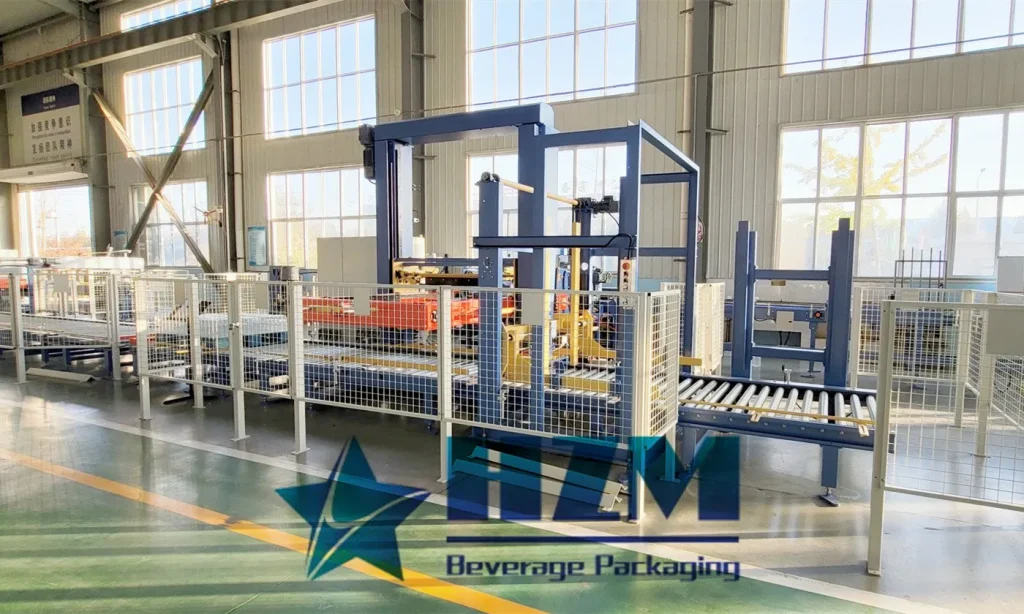
An automatic palletizer at the end of a bottled-water line has a simple goal: build stable, repeatable loads without becoming the line’s bottleneck. In practice, cartons, shrink-only bundles and tray packs behave very differently. A machine selected from pack weight and line speed alone may crush film packs, leave unstable gaps or require frequent manual correction.
The correct specification begins with real package samples, pallet patterns and production-change data.
Which packs can be palletized?
Bottled-water plants commonly handle corrugated cartons, shrink-only bundles, tray-and-film packs and sometimes returnable crates. Each needs a different handling strategy.
- Cartons: generally rigid, but weak board or high humidity can cause compression failure.
- Shrink-only packs: flexible and sensitive to clamp pressure, heat and conveyor gaps.
- Tray packs: the tray improves support but can catch on transfers if it is distorted.
- Crates: durable but may require specific centering and interlocking patterns.
Send the machine supplier finished packs from normal production, including the lightest and heaviest SKU. A drawing does not reveal film tension, carton bowing or surface friction.
Define the pallet and layer pattern
State pallet length, width, height, entry direction, deck condition and allowable variation. The layer pattern should support the load and fit warehouse and transport limits. Alternating patterns can improve stability, while poorly placed gaps can create leaning columns.
Confirm whether the line needs layer pads, top sheets, corner boards, stretch wrapping or straps. Pads can distribute load and improve friction, but the pad dispenser must keep up with the cycle and handle warped sheets.
Calculate capacity from complete cycles
Convert upstream output into packs per minute for every SKU. Then include the time for row formation, layer transfer, pallet change, pad placement and full-pallet discharge. The required palletizer rate should include a sensible reserve, but excessive speed can make gentle pack handling harder.
| Input | Example question | Why it matters |
|---|---|---|
| Pack rate | How many packs per minute at the fastest SKU? | Sets the layer-forming duty |
| Packs per layer | How many packs are in each pattern? | Sets the cycle structure |
| Layers per pallet | What is the maximum stack height? | Sets pallet completion frequency |
| Pallet exchange | Can a new pallet enter without stopping infeed? | Protects net line output |
| SKU changes | How many formats run in one shift? | Determines recipe and adjustment needs |
Choose the palletizing method
Conventional layer palletizer
A layer palletizer forms rows and complete layers before transferring them to the pallet. It is well suited to high, stable throughput and repeatable patterns. Low-level and high-level layouts differ in footprint, access and elevation equipment.
Robotic palletizing cell
A robot with a suitable gripper offers flexible patterns and can serve multiple lines. The gripper must be designed for the package; vacuum, clamp, fork or combined systems each have limits. Robot reach, payload and cycle time should be proven with the complete motion, not estimated from a catalog maximum.
For related operating principles, see what an automatic palletizing machine does.
Plan accumulation and line recovery
A short pallet-supply delay should not immediately stop the packer. Provide controlled accumulation between packing and palletizing, while respecting the pressure that film packs can tolerate. The controls should coordinate upstream slowdown and restart rather than creating sudden surges.
Layout and utility checks
- Confirm footprint, ceiling height, columns and maintenance access.
- Separate empty-pallet, layer-pad and full-pallet forklift routes from operators.
- Provide level floors and suitable guarding foundations.
- Verify electrical voltage, compressed-air pressure and network requirements.
- Allow space for rejected packs and safe manual recovery.
- Check that a full pallet can turn and exit without striking guards.
Safety is part of the cell design
The palletizing area combines moving machinery, suspended loads and forklift traffic. Perimeter guards, interlocked doors, light curtains and safe zones should follow the project’s applicable standards. After an interrupted cycle, the control system must know the position of the pallet, layer and gripper before restarting.
Recovery instructions should be visible and practiced. Operators should never climb into the cell or bypass an interlock to reposition a pack.
Factory acceptance test checklist
- Run each important pack type with production-quality samples.
- Build several complete pallets at the guaranteed pack rate.
- Measure pallet alignment, overhang, layer gaps and completed height.
- Inspect film, cartons and bottles for damage.
- Test empty-pallet shortage, pack backup and guard-door stops.
- Demonstrate recipe changes and safe recovery from an interrupted layer.
- Review gripper wear parts, recommended spares and maintenance access.
A useful quotation includes pack drawings and samples, pallet data, every layer pattern, required throughput, factory layout and downstream wrapping method. With those details, the palletizer can be engineered as a dependable part of the line instead of an expensive end-of-line traffic jam.
Talk to our engineering team
Need help planning your packaging line?
Share your product, bottle and capacity requirements for a practical equipment recommendation.
Equipment
Automatic Palletizing Machine
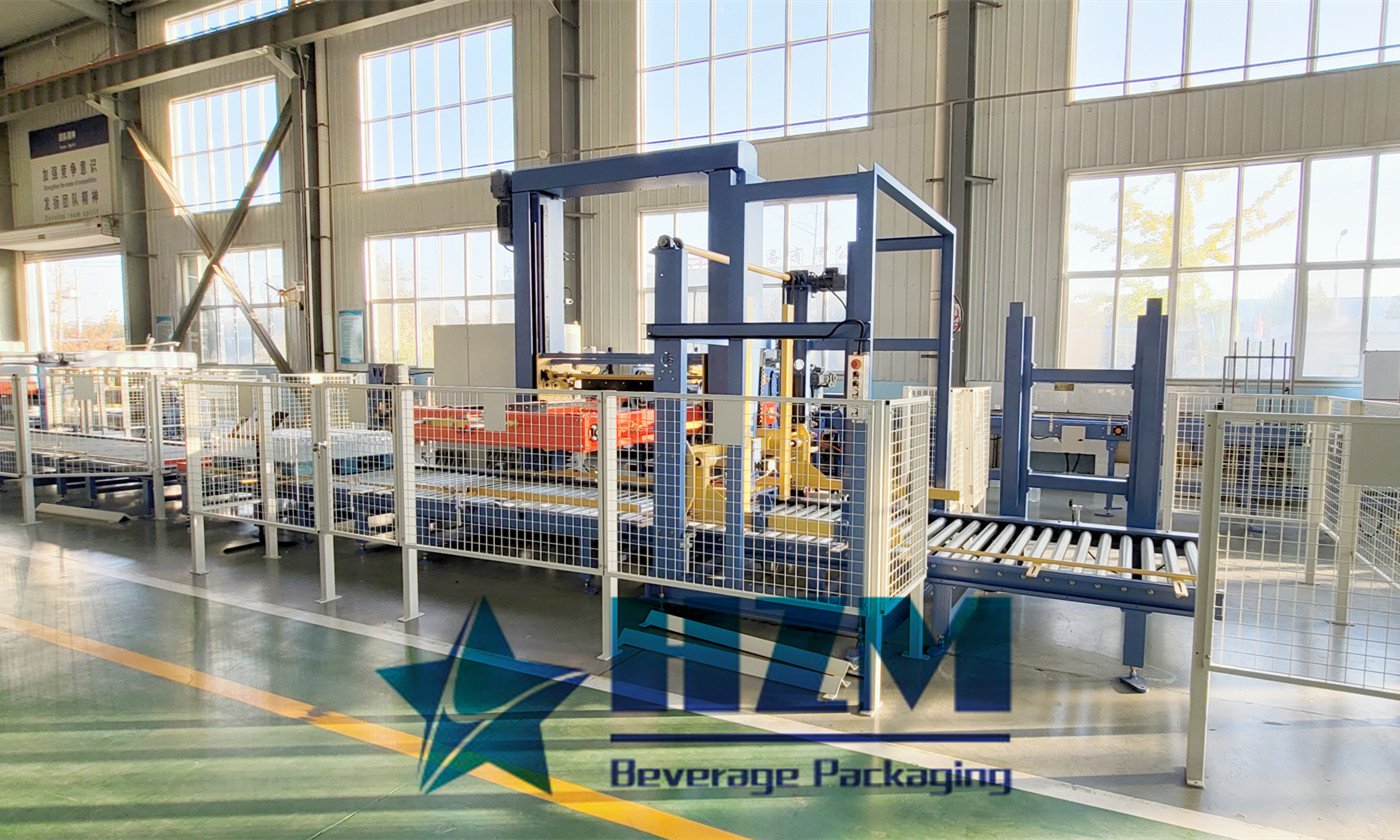
The automatic palletizing machine stacks cartons and film-wrapped packs onto pallets at the end of the production line.
Learn more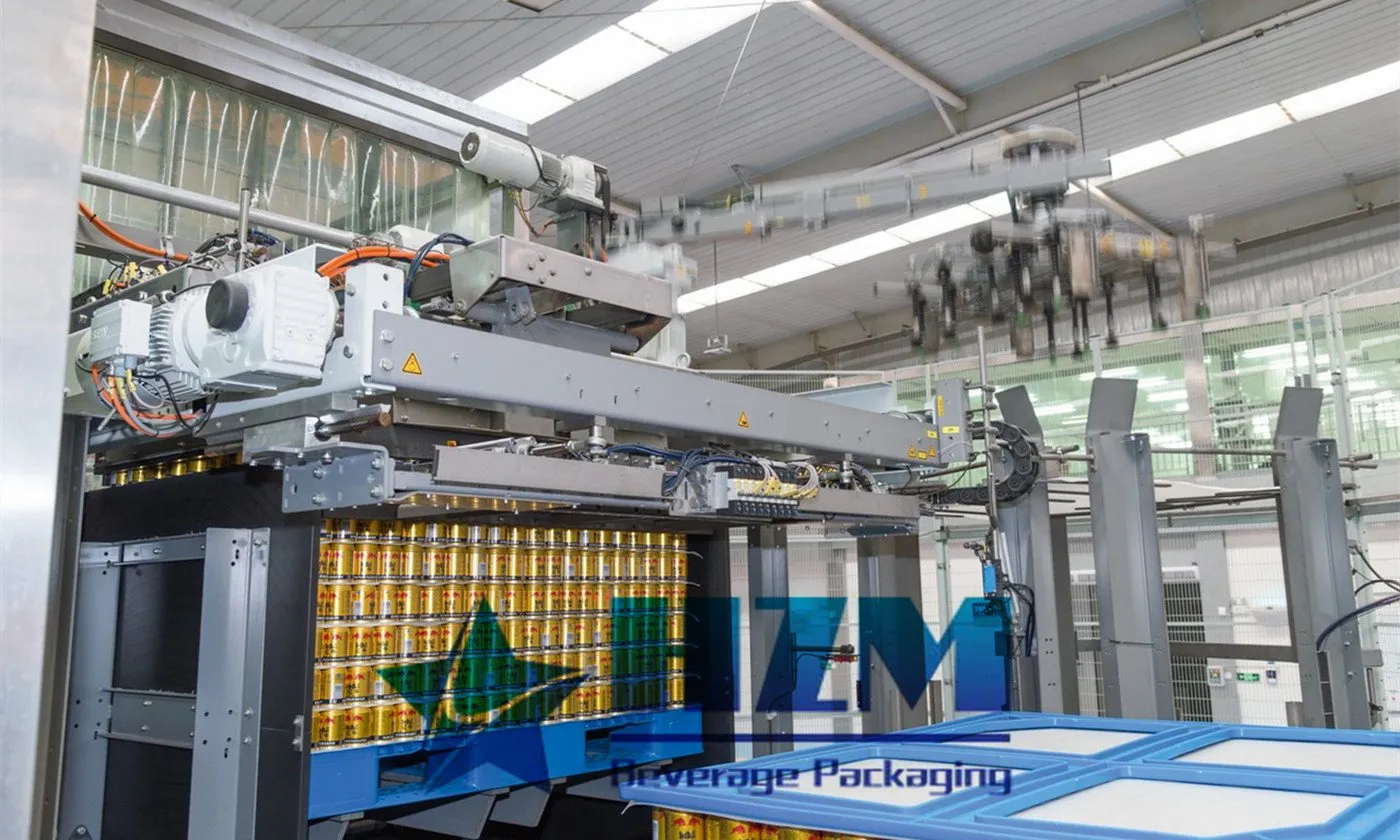
Equipment
Automatic De-palletizer
The automatic de-palletizer unloads empty containers from pallets one layer at a time and transfers them onto a conveyor.
Learn more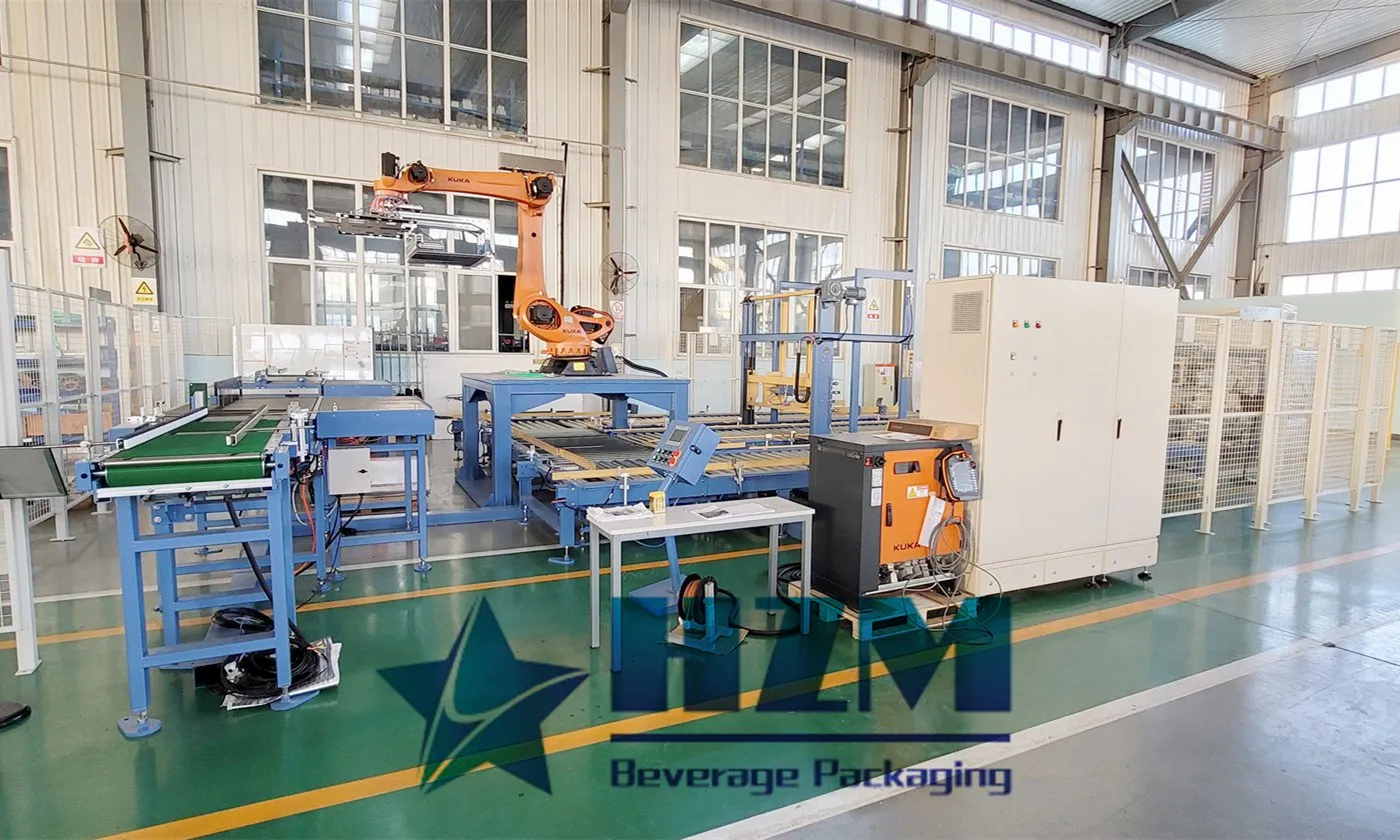
Equipment
Automatic Robot Palletizing System
The robot palletizing system transfers finished cartons, crates, bags or shrink-wrapped packs onto pallets.
Learn more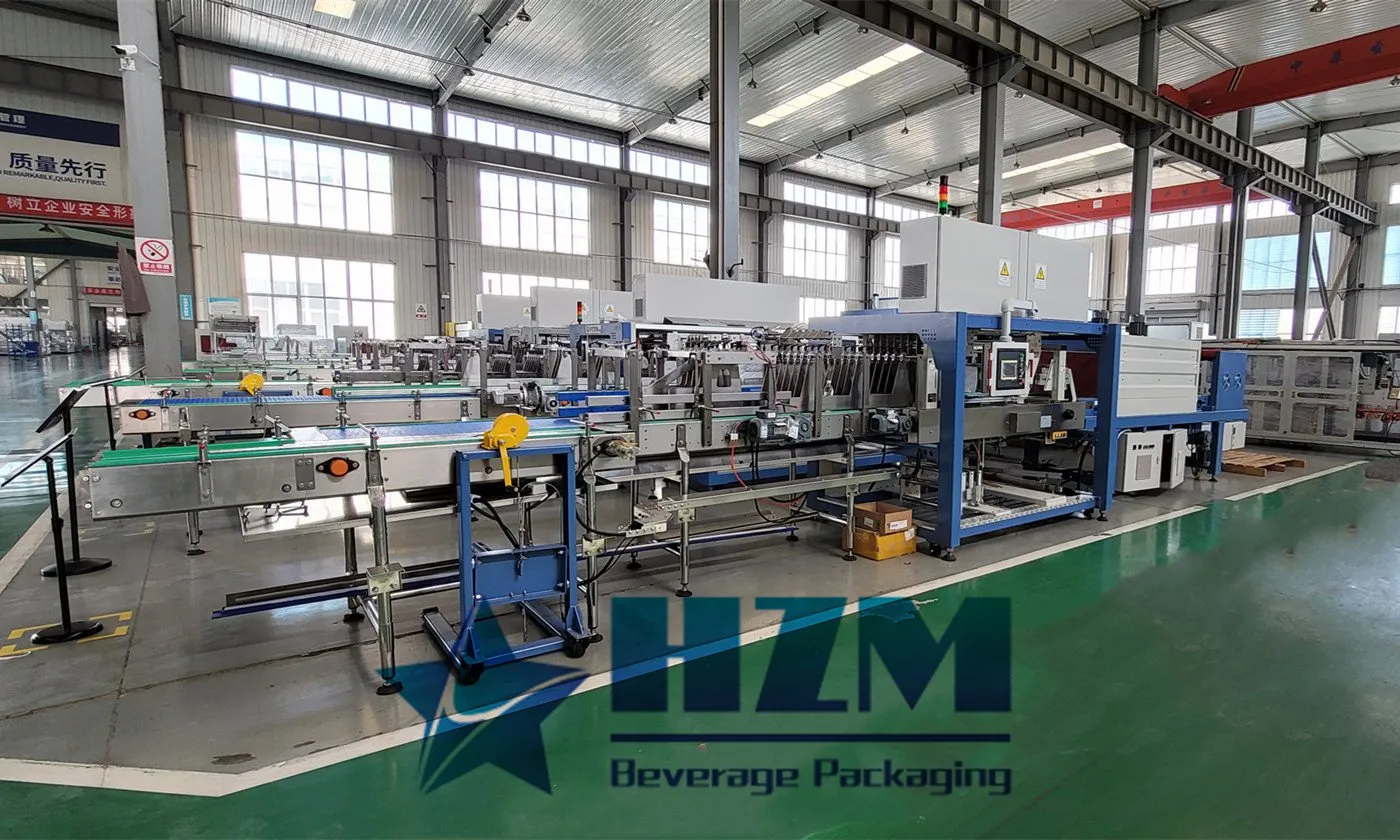
Equipment
Automatic Shrink Packing Machine
The automatic shrink packing machine wraps groups of bottles or cans in film and passes them through a heated shrink tunnel.
Learn more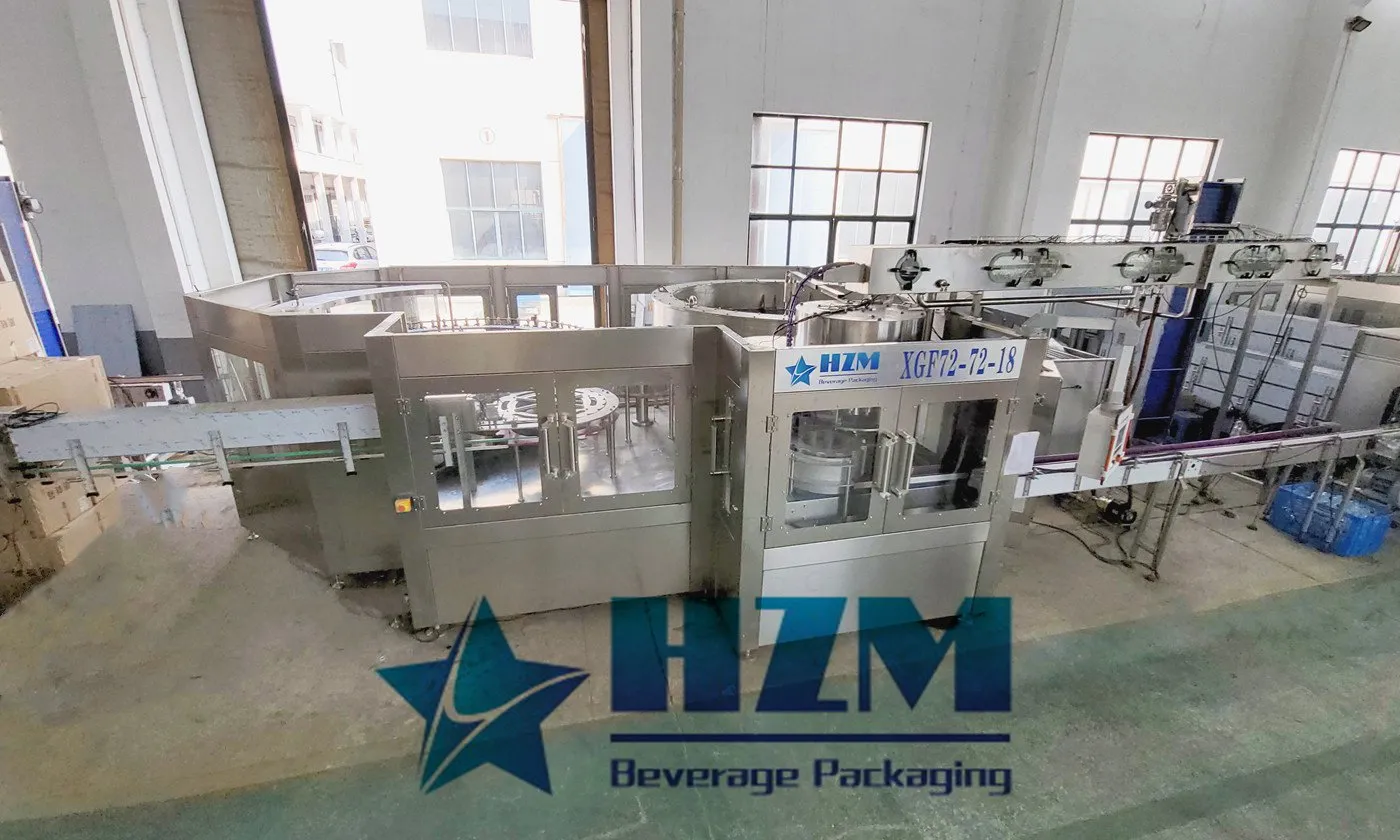
Equipment
Automatic Water Bottle Filling Machine
Automatic rinsing, filling and capping for purified and mineral water in PET bottles, with capacities of 5,000–42,000 bottles/hour at 500 ml.
Learn more
Equipment
3-In-1 Water Bottle Filling Machine
A 3-in-1 PET bottle rinsing, filling and capping machine for drinking water, from 5,000 to 18,000 bottles/hour at 500 ml.
Learn more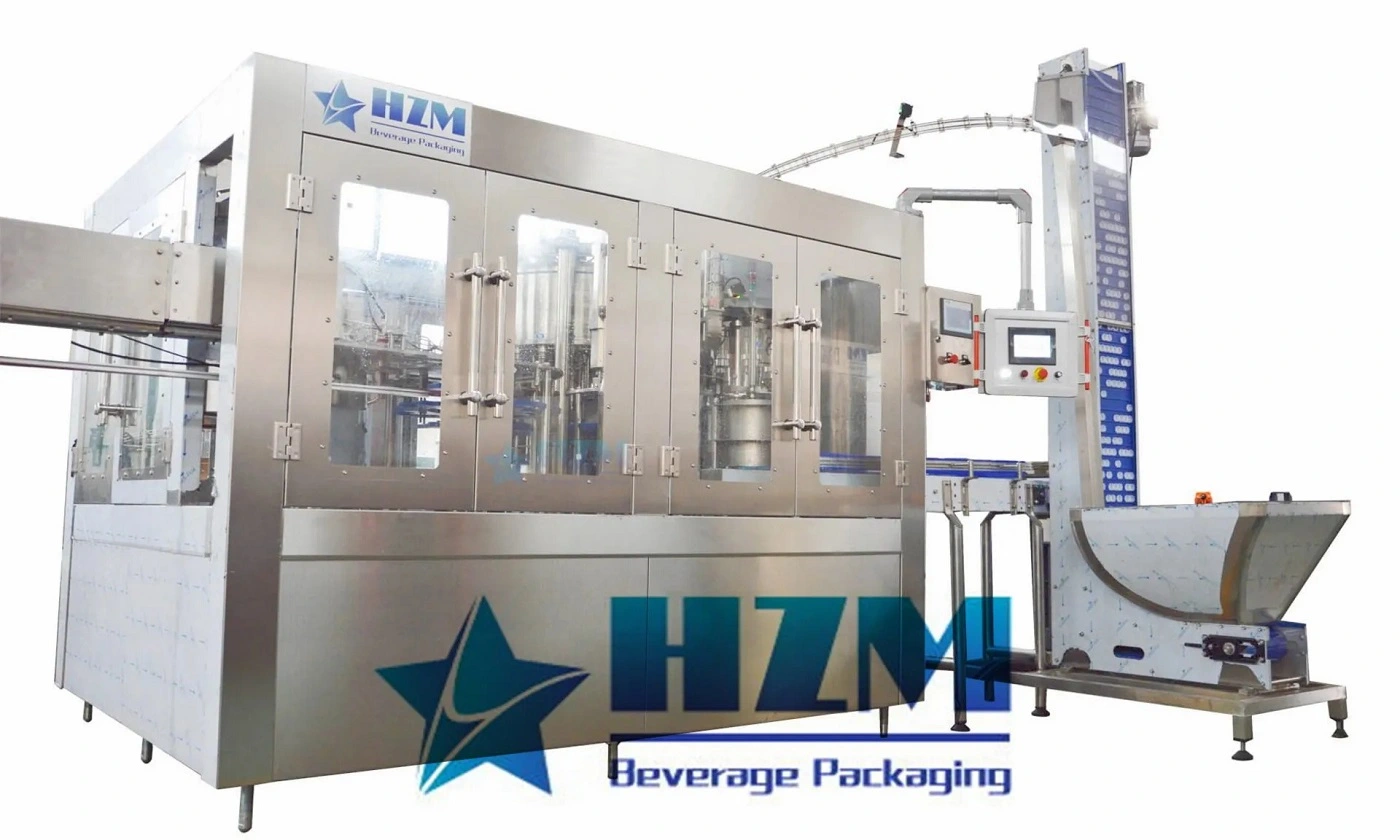
Equipment
Automatic Drinking Water Bottling Machine
Drinking-water bottling equipment with automatic rinsing, filling and capping, plus conveying, labelling and packing options.
Learn more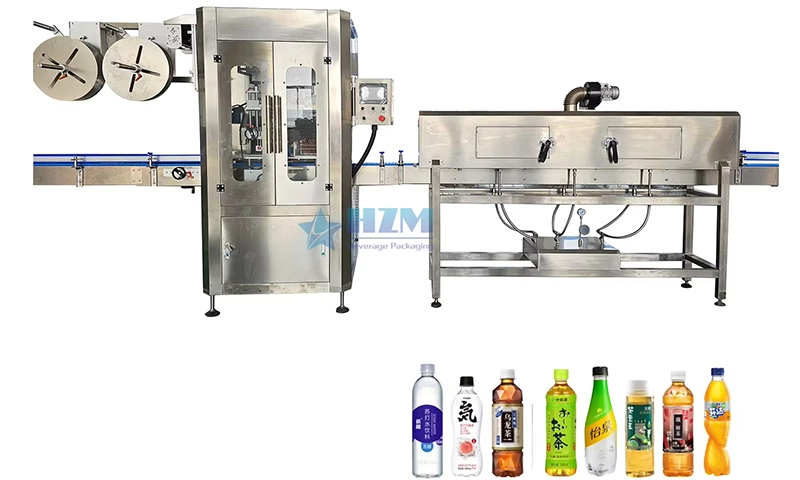
Equipment
Automatic Shrink Sleeve Bottles Labeling Capping Packing Machine
Automatic shrink sleeve application for beverage bottles, with SHB capacities of 9,000–27,000 bottles/hour.
Learn more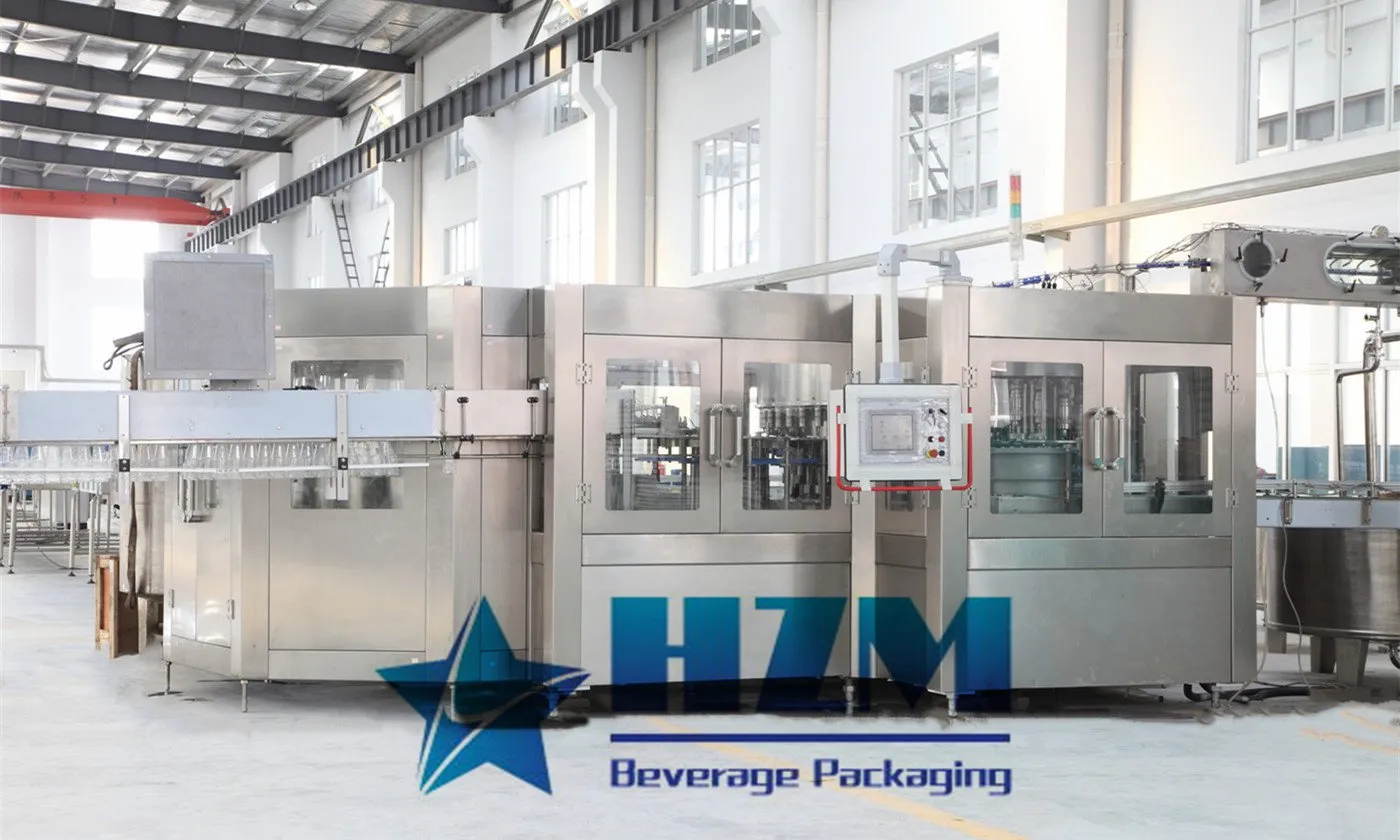
Equipment
PET Bottle Water Filling Machine
PET bottle water filling with automatic rinsing and capping, for purified water, mineral water and still drinking water.
Learn more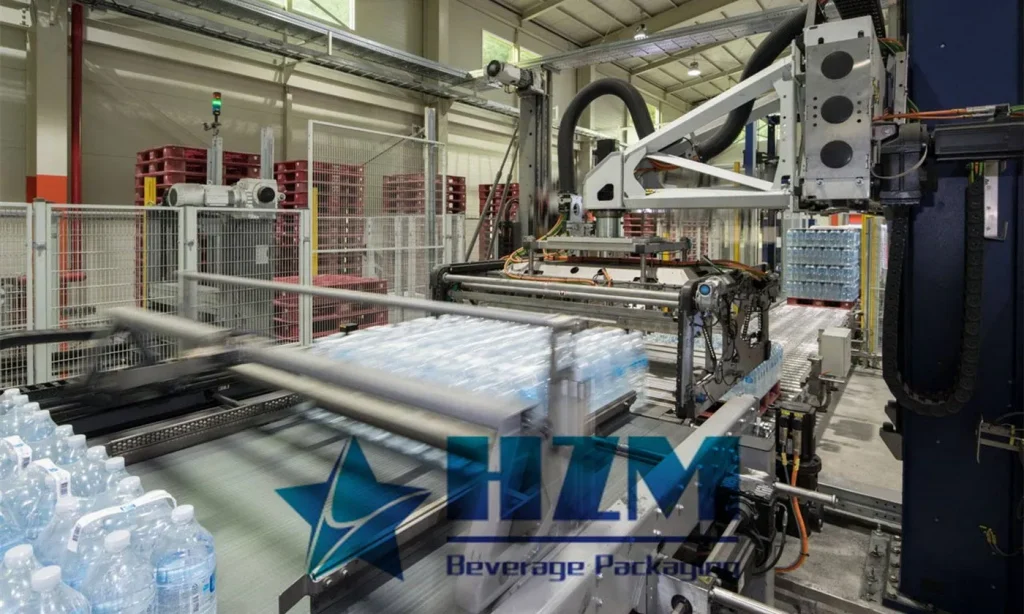
2023-07-25
Buying Guide for Automatic Palletizing Machine: Price and Considerations
The price of automatic palletizing machines varies due to multiple factors, including functionality, workload capacity, stacking height, production capacity, and brand, among others.
Learn more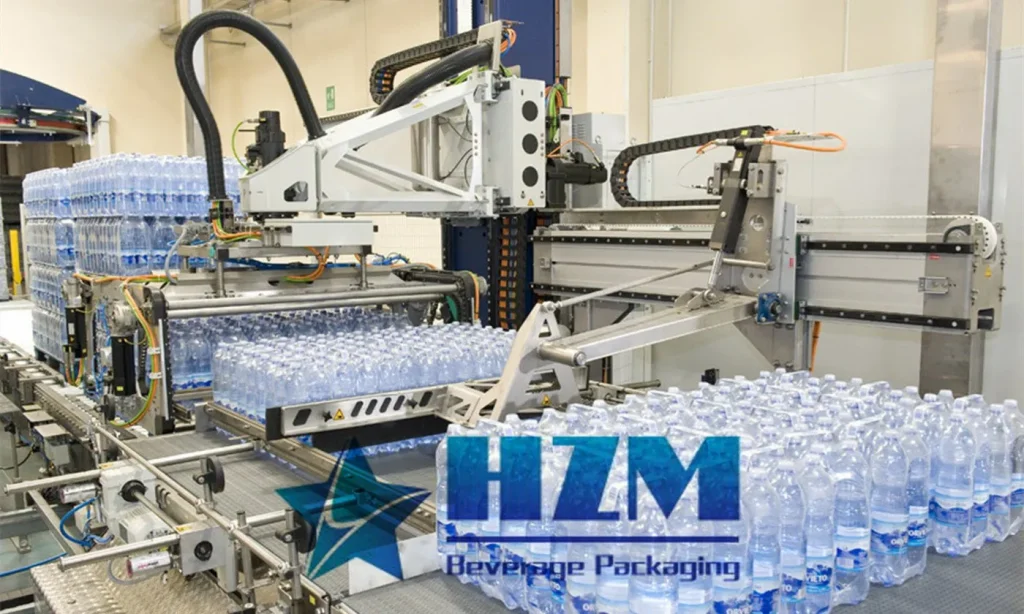
2023-11-07
What is Automatic Palletizing Machine
An Automatic Palletizing Machine is an industrial automation device used to automatically stack goods or products onto pallets in a production line or warehouse environment.
Learn more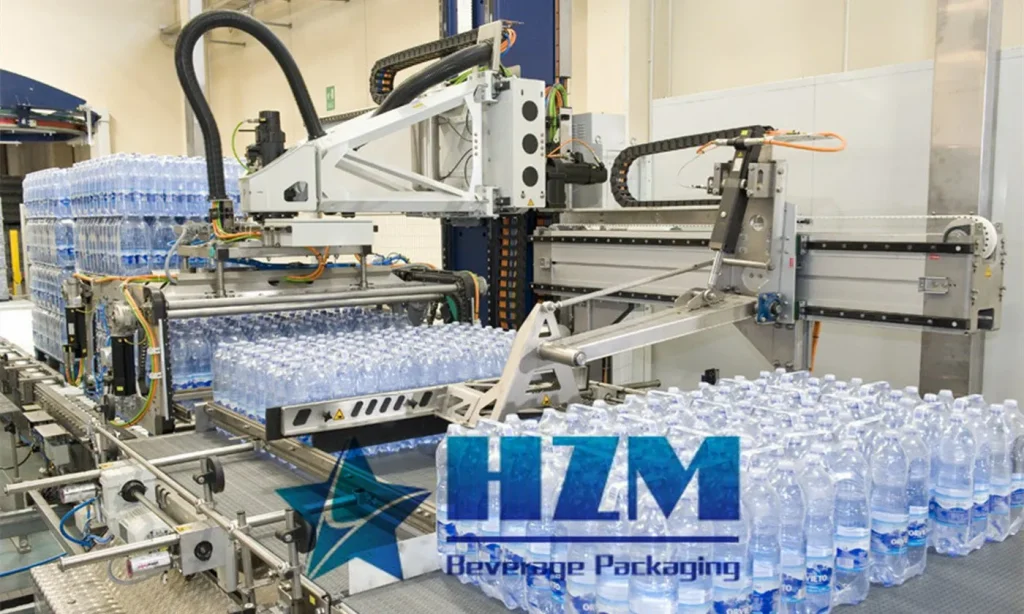
2023-08-07
Mineral Water Automatic Palletizing Machine
The Mineral Water Automatic Palletizing Machine can be applied not only in the production of mineral water and beverages but also in various industries such as automotive, logistics, home appliances, pharmaceuticals, and food and beverages. It can be used for palletizing products in different packaging forms, such as bags, powders, boxes, and barrels.
Learn more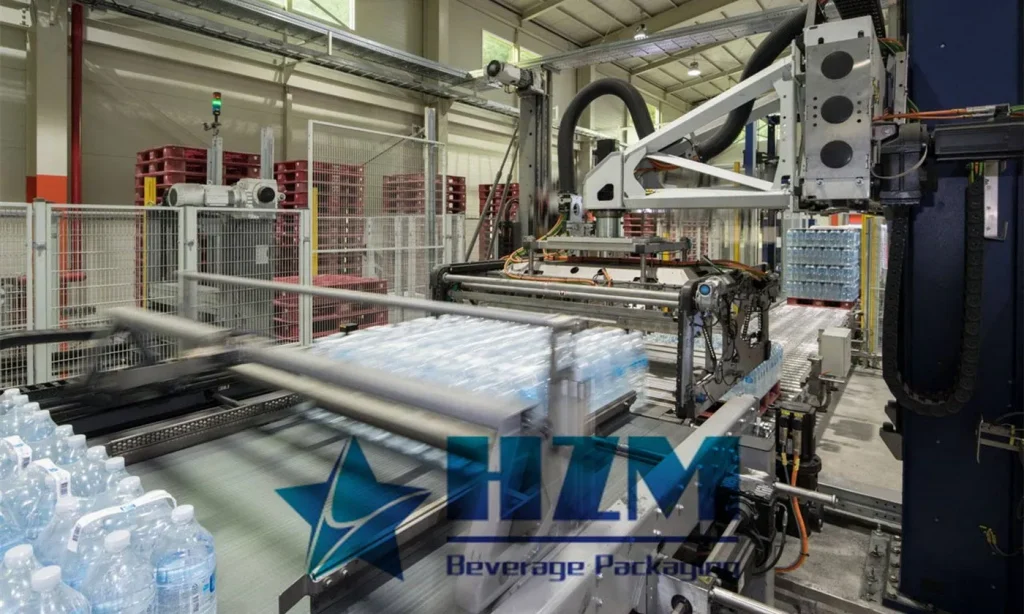
2023-08-09
For Sale: High-Quality Mineral Water Automatic Palletizing Machine
Automatic Palletizing Machine can meet expected and stable production efficiency according to production capacity requirements, reducing the workload and physical exertion of workers. It is highly favored by enterprises and workshop workers.
Learn more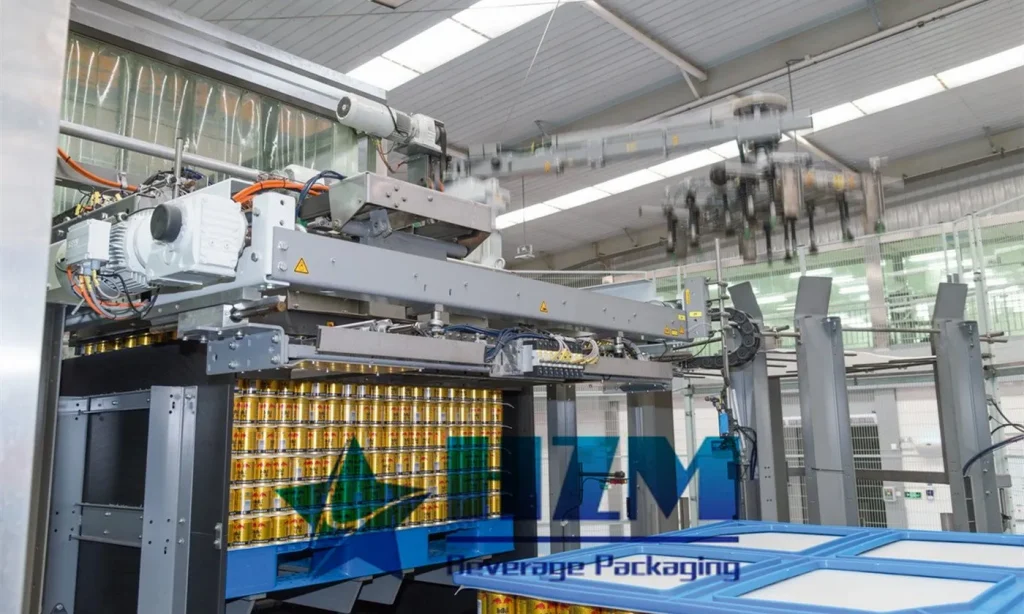
2023-11-02
The Application of Automatic Palletizing Machines in Beverage Production Lines
Automatic Palletizing Machines play a significant role in beverage production lines, bringing efficiency, labor cost savings, and improved product quality to the beverage manufacturing industry.
Learn more2023-11-12
Streamlining Mineral Water Production with Automatic Palletizing Systems
In a mineral water production line, the Automatic Palletizing System plays a crucial role. It is a highly automated device designed to stack bottled mineral water or other beverage products onto standard or custom pallets.
Learn more