
Insights & Updates
Streamlining Mineral Water Production with Automatic Palletizing Systems
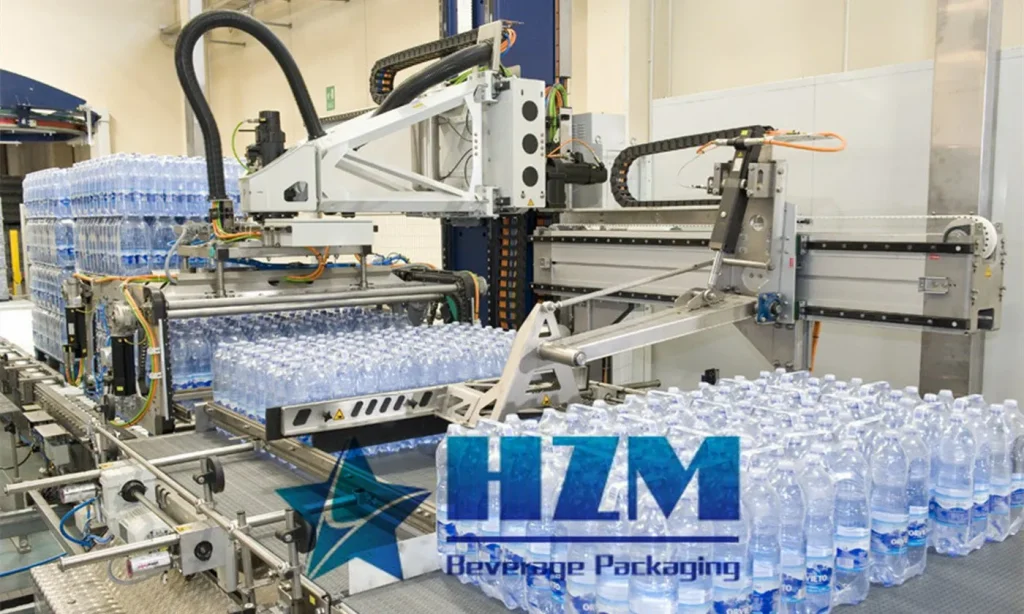
In a mineral water production line, the Automatic Palletizing System plays a crucial role. It is a highly automated device designed to stack bottled mineral water or other beverage products onto standard or custom pallets. This system typically comprises an automatic palletizing machine, conveyor equipment, and control systems, all aimed at improving production efficiency, reducing labor costs, minimizing product damage, and optimizing warehouse and logistics processes.
Key applications of the Automatic Palletizing System in mineral water production include:
1.Efficient Stacking
The Automatic Palletizing System swiftly and accurately conveys bottled mineral water from the production line to pallets and stacks them according to predefined patterns. This high level of automation enhances stacking efficiency, ensuring neat product arrangement and reducing the risk of damage.
2.Adaptation to Various Packaging
Mineral water is typically available in various types of bottles, caps, and packaging formats. The Automatic Palletizing System exhibits adaptability to handle different packaging types and sizes, ensuring stability and safety during the stacking process.
3.Reduced Manual Intervention
The Automatic Palletizing System reduces the need for manual intervention, thus lowering labor costs. It can operate continuously without operator involvement, enhancing production line efficiency.
4.Optimized Warehouse Space
Stacked products created by the Automatic Palletizing System are neatly arranged, allowing for optimal use of warehouse space. This reduces the footprint of the warehouse and leads to cost savings.
5.Ensuring Product Quality
Through automated stacking, product contact is minimized, preventing damage caused by improper stacking. Product quality is guaranteed, meeting consumer expectations.
In summary, the Automatic Palletizing System in a mineral water production line not only enhances production efficiency and reduces costs but also ensures product quality and safety. It provides mineral water production businesses with substantial economic benefits and a strong market reputation.
Talk to our engineering team
Need help planning your packaging line?
Share your product, bottle and capacity requirements for a practical equipment recommendation.
Equipment
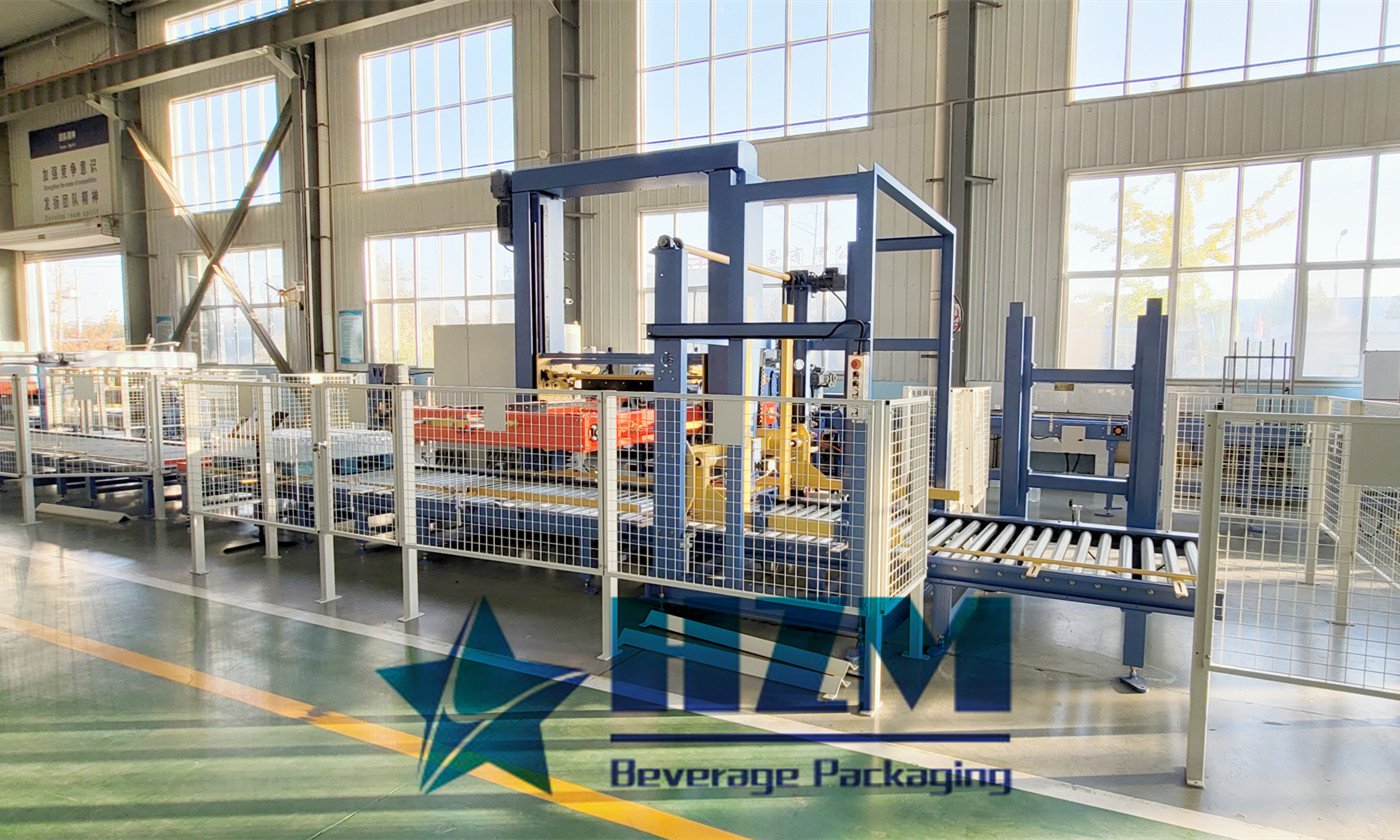
Automatic Palletizing Machine
The automatic palletizing machine stacks cartons and film-wrapped packs onto pallets at the end of the production line.
Learn more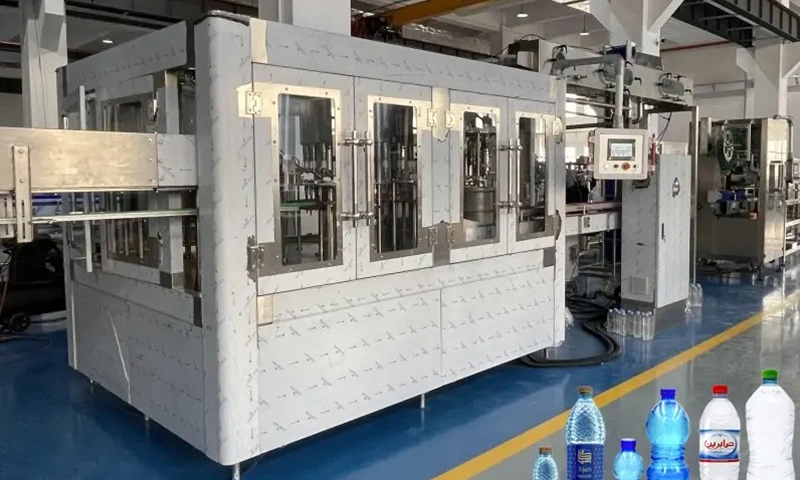
Equipment
Automatic Mineral Water Bottle Filling Machine
Automatic mineral-water bottling with rinsing, filling and capping, from 5,000 to 18,000 bottles/hour at 500 ml.
Learn more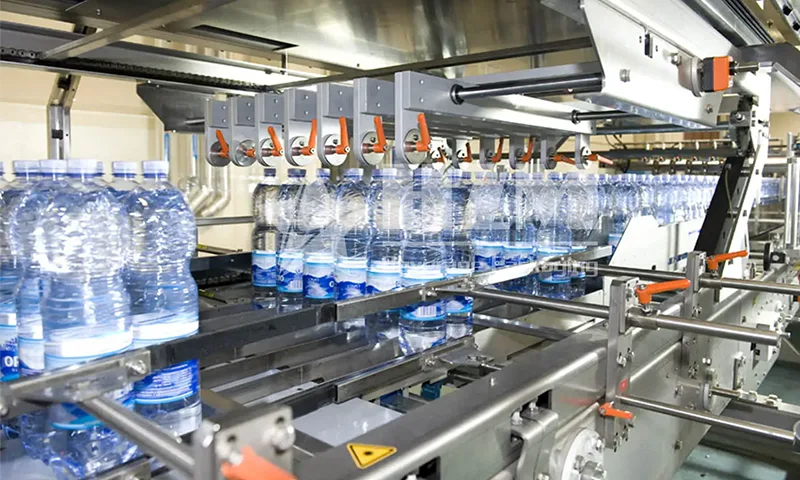
Equipment
Mineral Water Bottle Packaging Machine
Automatic drinking-water production equipment with PET bottle rinsing, filling and capping, plus downstream packaging options.
Learn more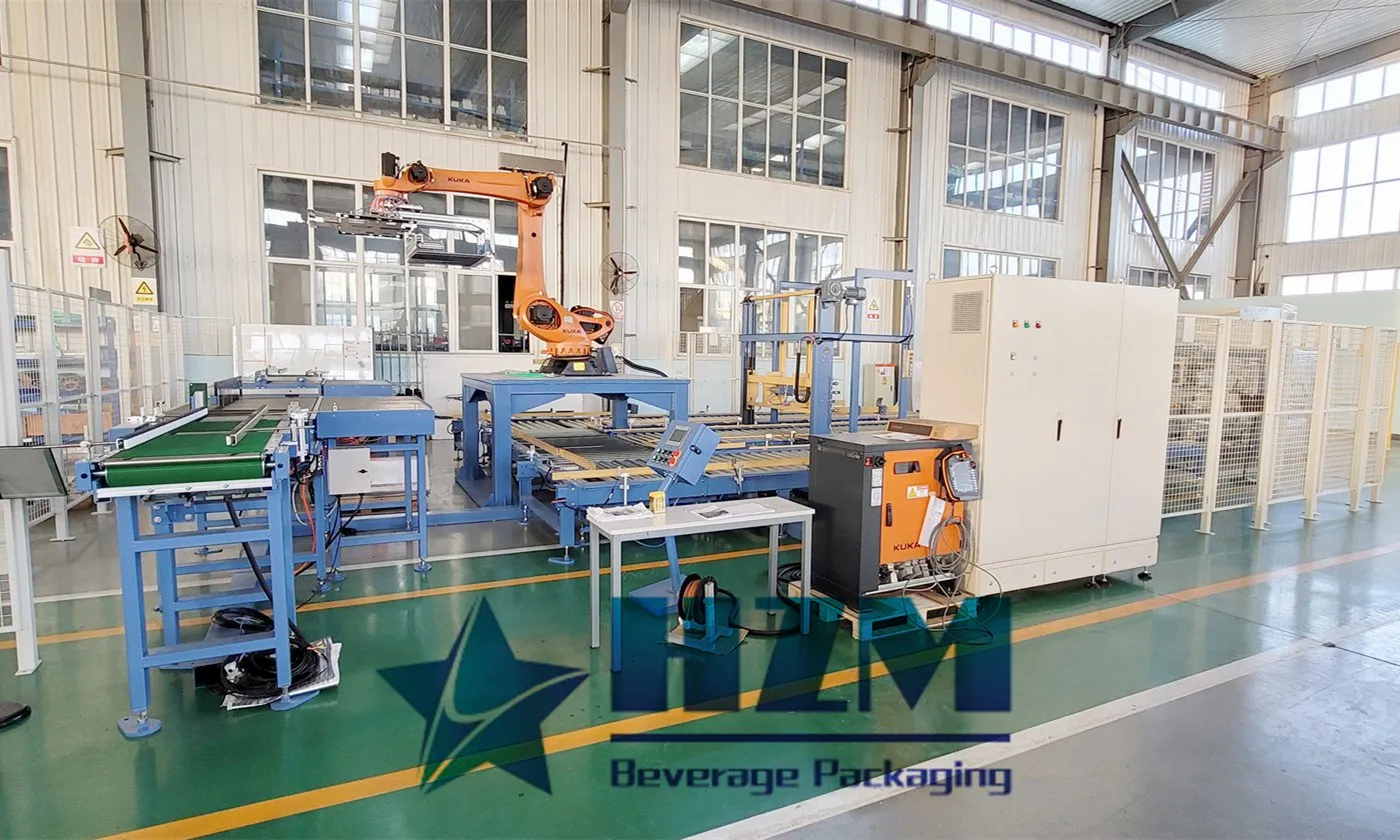
Equipment
Automatic Robot Palletizing System
The robot palletizing system transfers finished cartons, crates, bags or shrink-wrapped packs onto pallets.
Learn more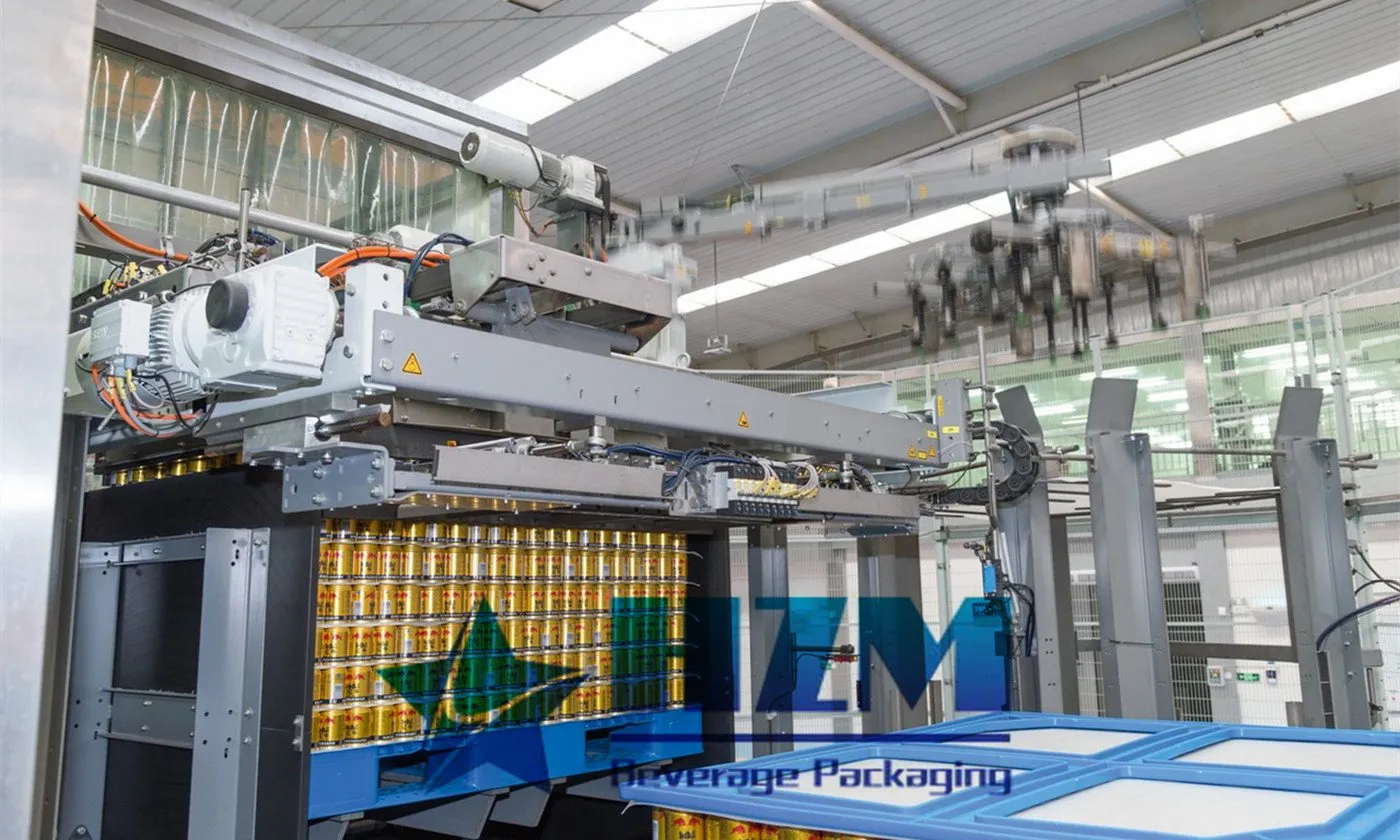
Equipment
Automatic De-palletizer
The automatic de-palletizer unloads empty containers from pallets one layer at a time and transfers them onto a conveyor.
Learn more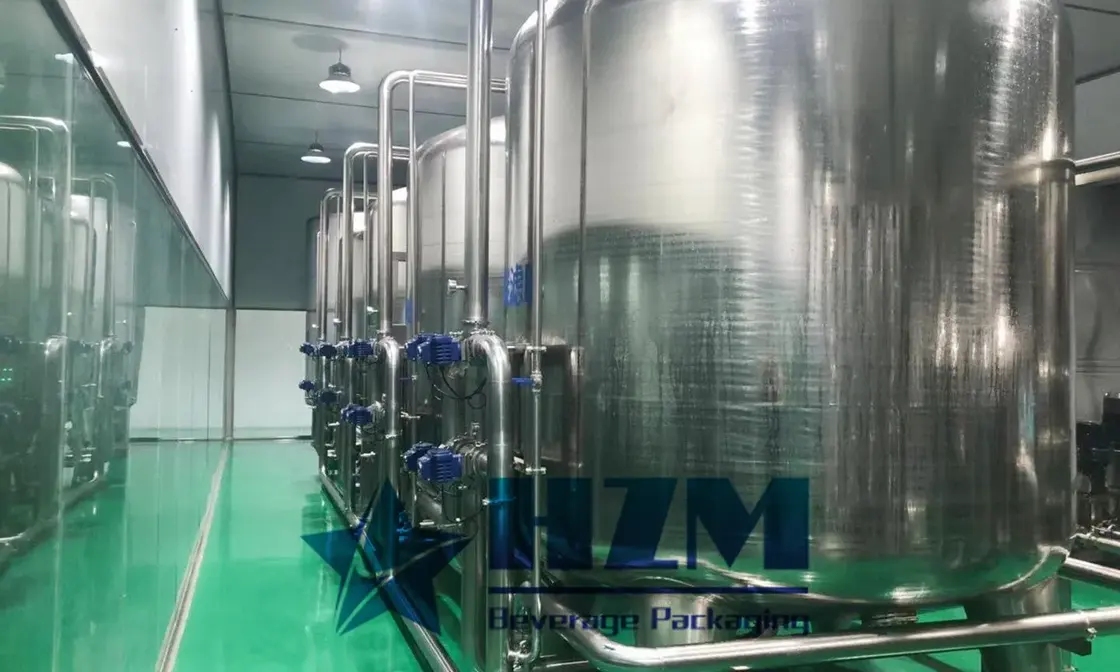
Equipment
Water Purification System for Mineral Water Plant
The mineral water purification system removes unwanted particles and supports hygienic storage and transfer before bottling.
Learn more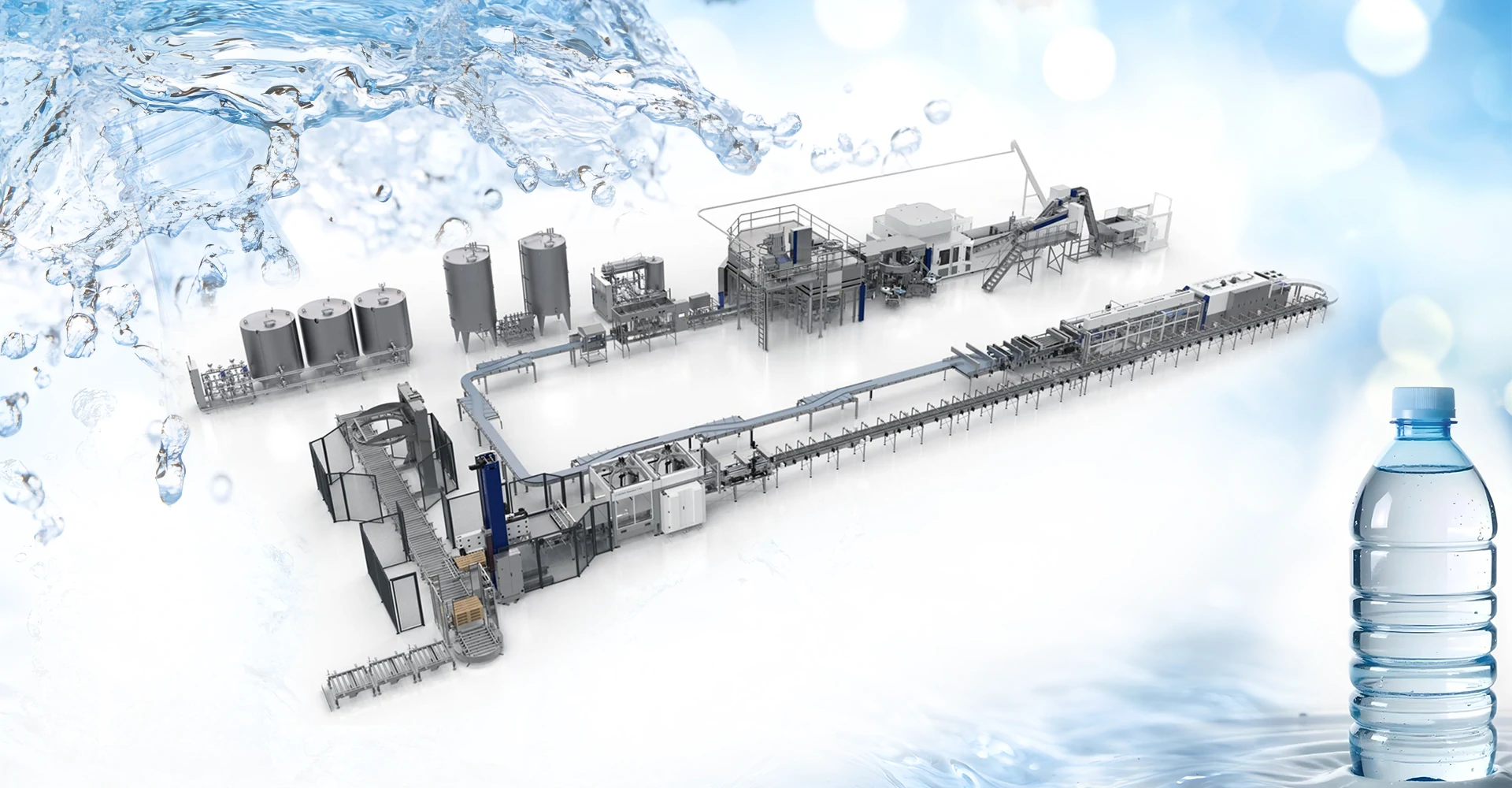
Equipment
Drinking water production line – Bottled Water Filling Machine Manufacturer
PET-bottled drinking-water production with automatic rinsing, filling and capping, plus water treatment and packaging equipment.
Learn more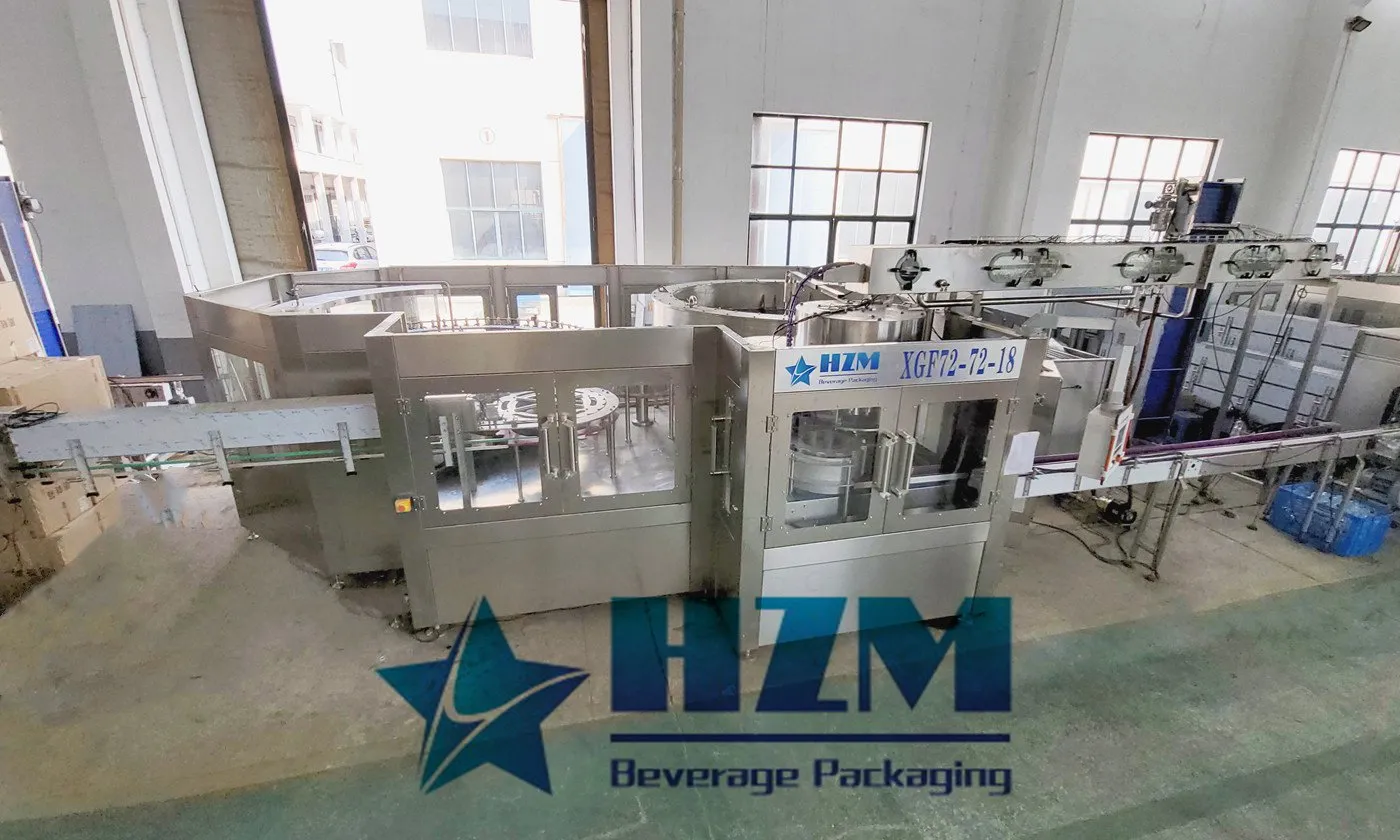
Equipment
Automatic Water Bottle Filling Machine
Automatic rinsing, filling and capping for purified and mineral water in PET bottles, with capacities of 5,000–42,000 bottles/hour at 500 ml.
Learn more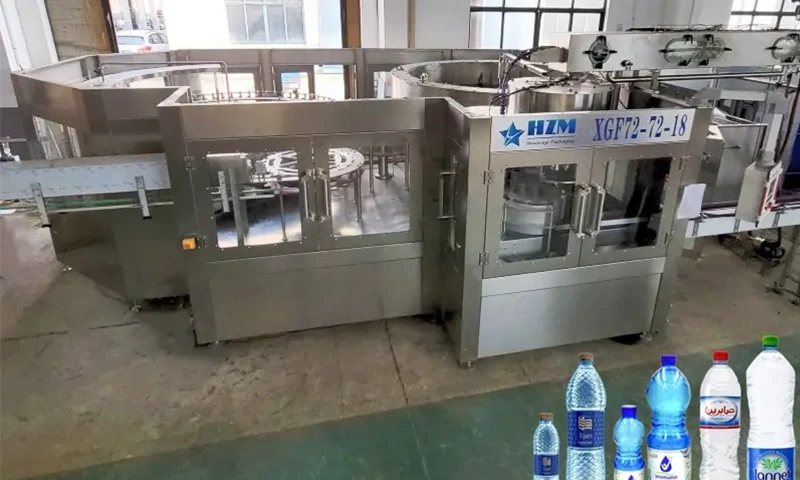
Equipment
3-In-1 Water Bottle Filling Machine
A 3-in-1 PET bottle rinsing, filling and capping machine for drinking water, from 5,000 to 18,000 bottles/hour at 500 ml.
Learn more2023-08-07
Mineral Water Automatic Palletizing Machine
The Mineral Water Automatic Palletizing Machine can be applied not only in the production of mineral water and beverages but also in various industries such as automotive, logistics, home appliances, pharmaceuticals, and food and beverages. It can be used for palletizing products in different packaging forms, such as bags, powders, boxes, and barrels.
Learn more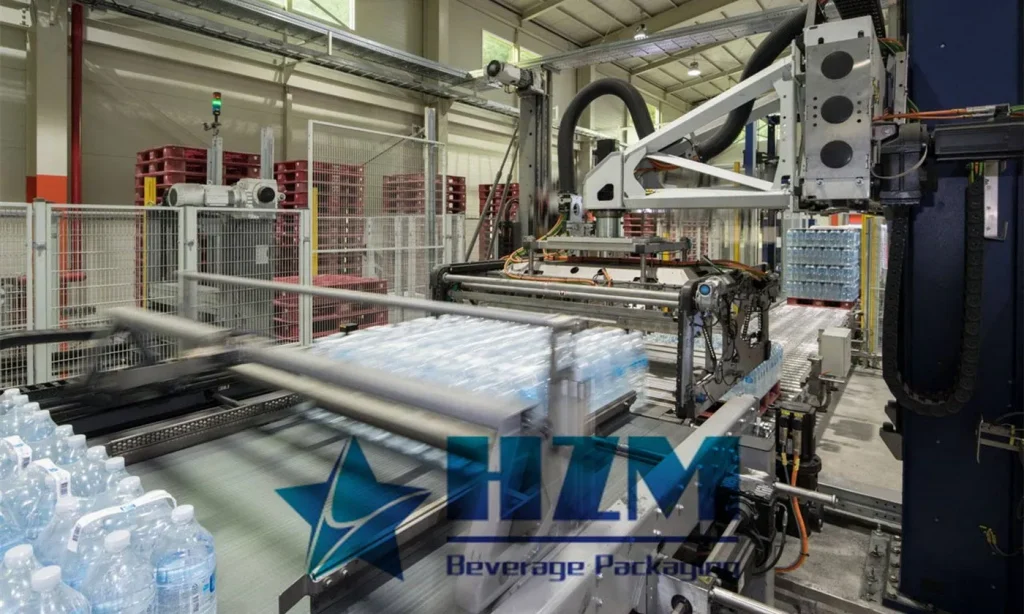
2023-08-09
For Sale: High-Quality Mineral Water Automatic Palletizing Machine
Automatic Palletizing Machine can meet expected and stable production efficiency according to production capacity requirements, reducing the workload and physical exertion of workers. It is highly favored by enterprises and workshop workers.
Learn more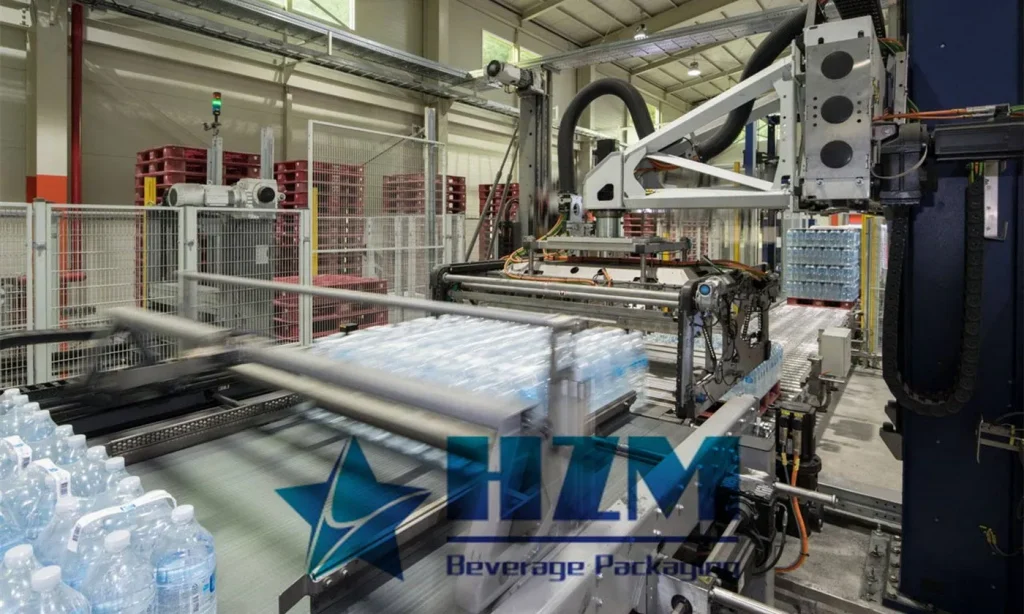
2023-07-25
Buying Guide for Automatic Palletizing Machine: Price and Considerations
The price of automatic palletizing machines varies due to multiple factors, including functionality, workload capacity, stacking height, production capacity, and brand, among others.
Learn more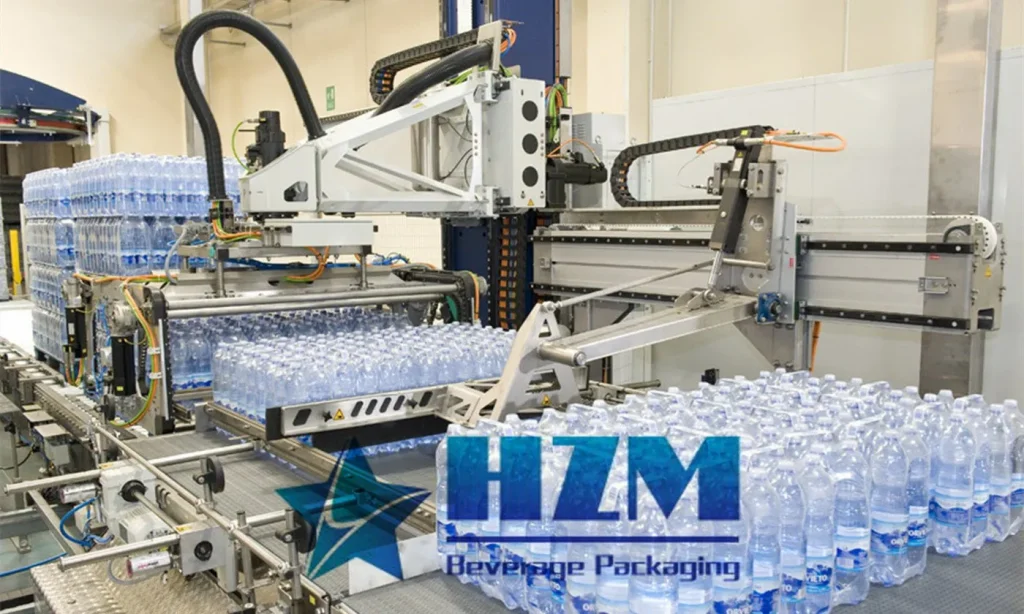
2023-11-07
What is Automatic Palletizing Machine
An Automatic Palletizing Machine is an industrial automation device used to automatically stack goods or products onto pallets in a production line or warehouse environment.
Learn more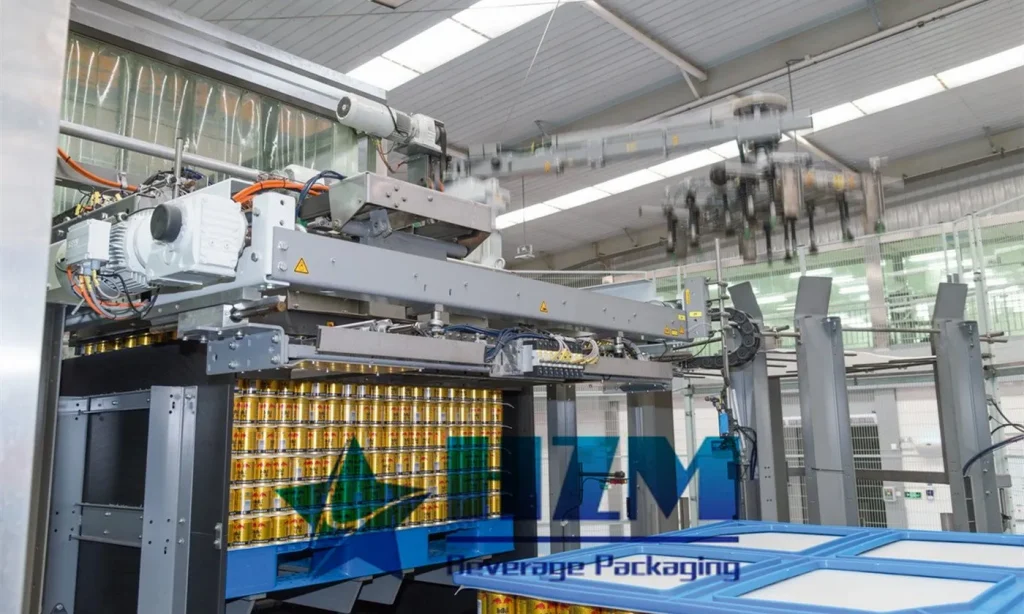
2023-11-02
The Application of Automatic Palletizing Machines in Beverage Production Lines
Automatic Palletizing Machines play a significant role in beverage production lines, bringing efficiency, labor cost savings, and improved product quality to the beverage manufacturing industry.
Learn more2024-03-12
Streamlining Bottled Water Production: A Comprehensive Overview
We provide a complete bottled purified water production line, including a mineral water three-in-one filling machine. Users can choose aesthetically pleasing bottled water from the market according to their preferences.
Learn more