
Insights & Updates
3-in-1 Beverage Filling Machine: Combining Bottle Washing, Filling, and Capping
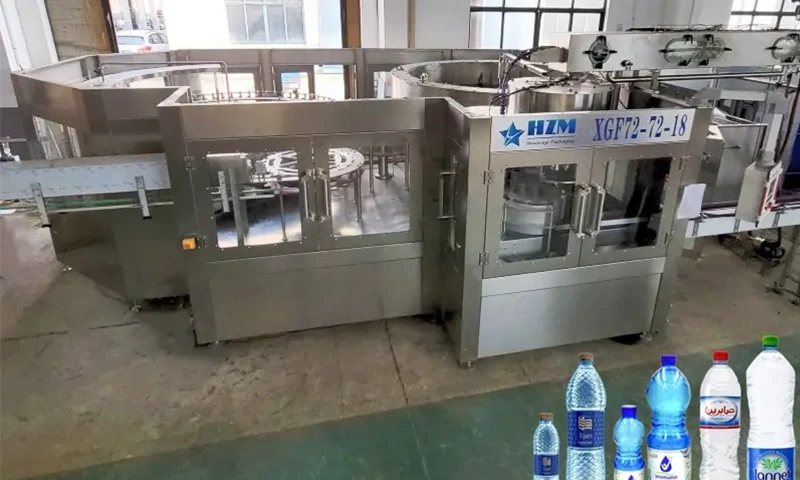
A 3-in-1 beverage filling machine is an efficient automated device that integrates three crucial steps in the beverage production process: bottle washing, filling, and capping. Here is a detailed introduction to the three-in-one beverage filling machine:
1. Bottle Washing: The first step in the three-in-one beverage filling machine is bottle washing. This process is carried out using an efficient bottle washing system to ensure the cleanliness and hygiene of both the inside and outside surfaces of the bottles. This is essential for maintaining the quality and safety of the beverage, especially in the case of reusable glass or PET bottles.
2. Beverage Filling: Following bottle washing, the three-in-one beverage filling machine accurately fills each bottle with the beverage. This step can accommodate various types of beverages, including fruit juices, carbonated drinks, dairy products, and more. The machine’s design makes the filling process highly automated, capable of handling a large volume of bottles, ensuring beverage consistency and accuracy.
3. Capping: The final step involves securely capping or sealing the bottles to prevent beverage spillage and external contamination during transportation and storage. The capping system of the three-in-one beverage filling machine can accommodate different types of caps, from screw caps to snap-on caps, to meet the requirements of various beverages.
The primary advantages of the three-in-one beverage filling machine include:
- Efficiency: By integrating the three essential steps, it reduces the need for bottle transfer and waiting times, enhancing production efficiency.
- Space-saving: The three-in-one machine has a relatively small footprint, making it suitable for production environments with limited space.
- Hygiene and Quality: Through automated bottle washing and filling processes, it ensures the hygiene and quality of the beverages.
- Accuracy: The machine precisely controls the filling quantity, reducing waste and product variability.
- Versatility: It is suitable for different types of beverages and bottles, providing flexibility.
The three-in-one beverage filling machine plays a critical role in the beverage production industry, offering high levels of automation and convenience, helping businesses meet market demands, improve production efficiency, and ensure product quality and safety.
Talk to our engineering team
Need help planning your packaging line?
Share your product, bottle and capacity requirements for a practical equipment recommendation.
Equipment
Bottle Washing-Filling-Capping Machine
Large-bottle water rinsing, filling and capping with design outputs of 1,500 bottles/hour at 5 L, 1,000 at 7 L and 700 at 10 L.
Learn more
Equipment
10L Water Filling Machine 1200BPH – Automatic Washing Filling Capping Machine
RSXGF12-12-5(110Π) automatic rinsing, filling and capping for 10 L water bottles at 1,100–1,200 bottles/hour.
Learn moreEquipment
3-In-1 Water Bottle Filling Machine
A 3-in-1 PET bottle rinsing, filling and capping machine for drinking water, from 5,000 to 18,000 bottles/hour at 500 ml.
Learn more
Equipment
Blowing-Filling-Capping Machine
A PET combiblock that combines preform heating, bottle blowing, filling and capping at 12,000–48,000 bottles/hour at 500 ml.
Learn more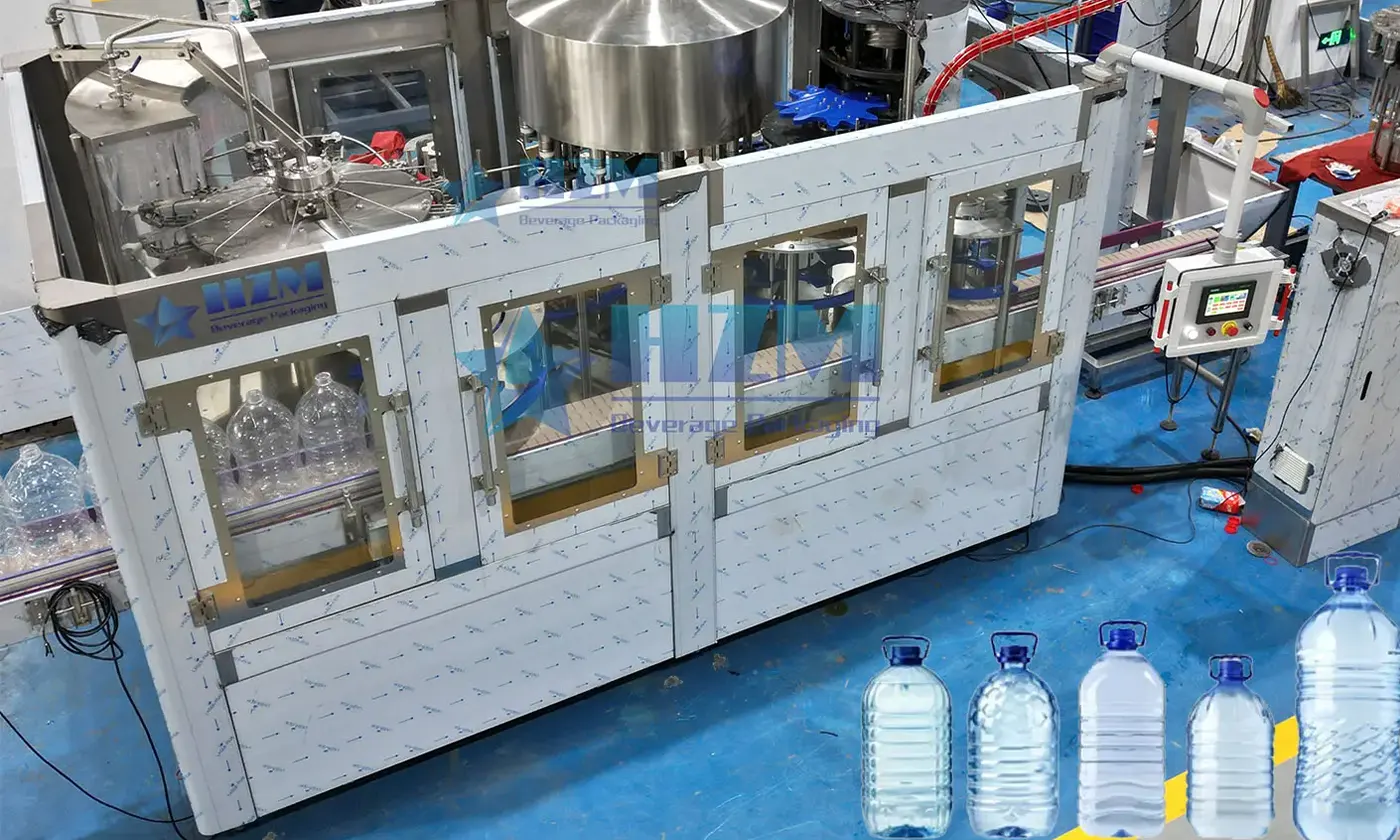
Equipment
Automatic Pure Water Bottling Filling Machine
Small PET bottle water filling with automatic rinsing and capping, from 5,000 to 18,000 bottles/hour at 500 ml.
Learn more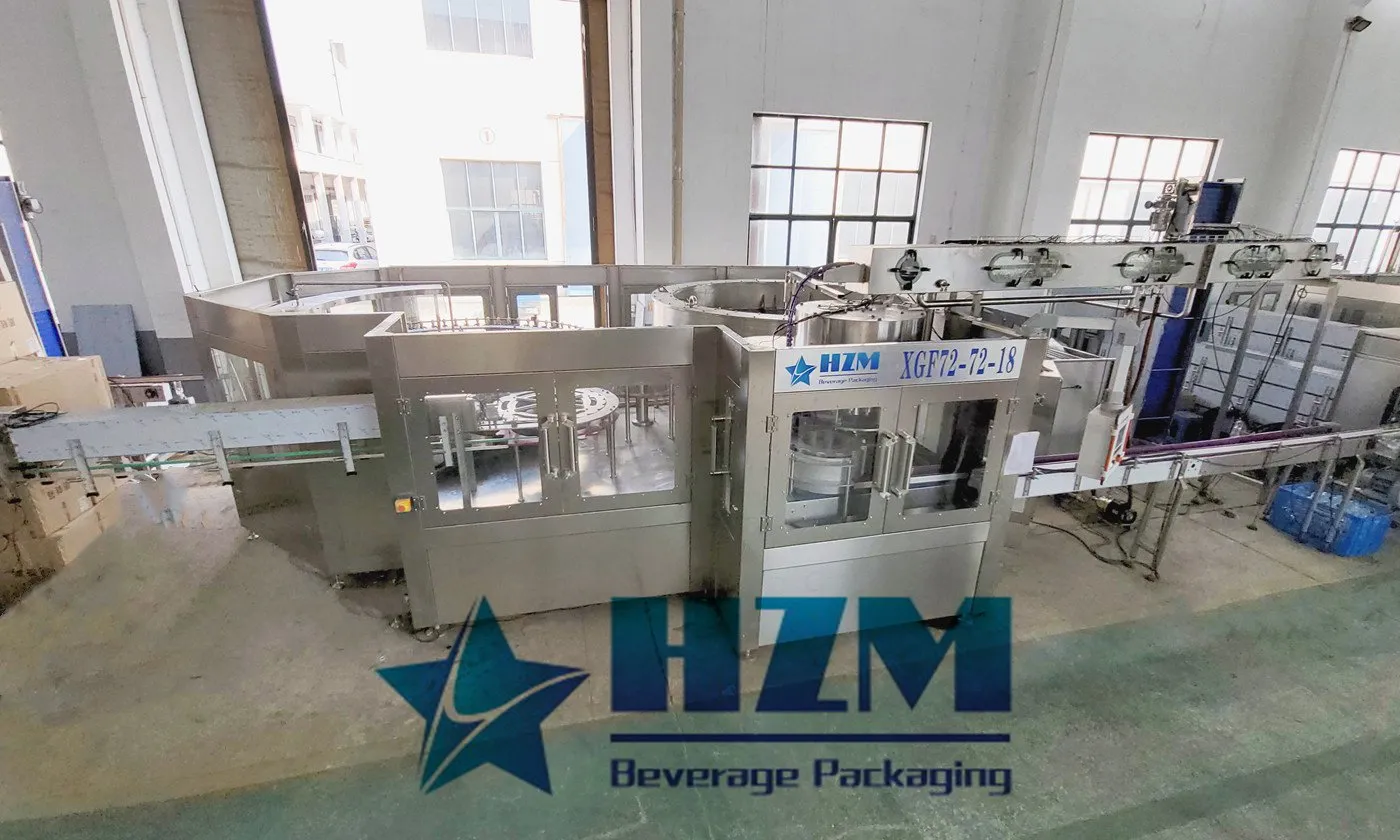
Equipment
Automatic Water Bottle Filling Machine
Automatic rinsing, filling and capping for purified and mineral water in PET bottles, with capacities of 5,000–42,000 bottles/hour at 500 ml.
Learn more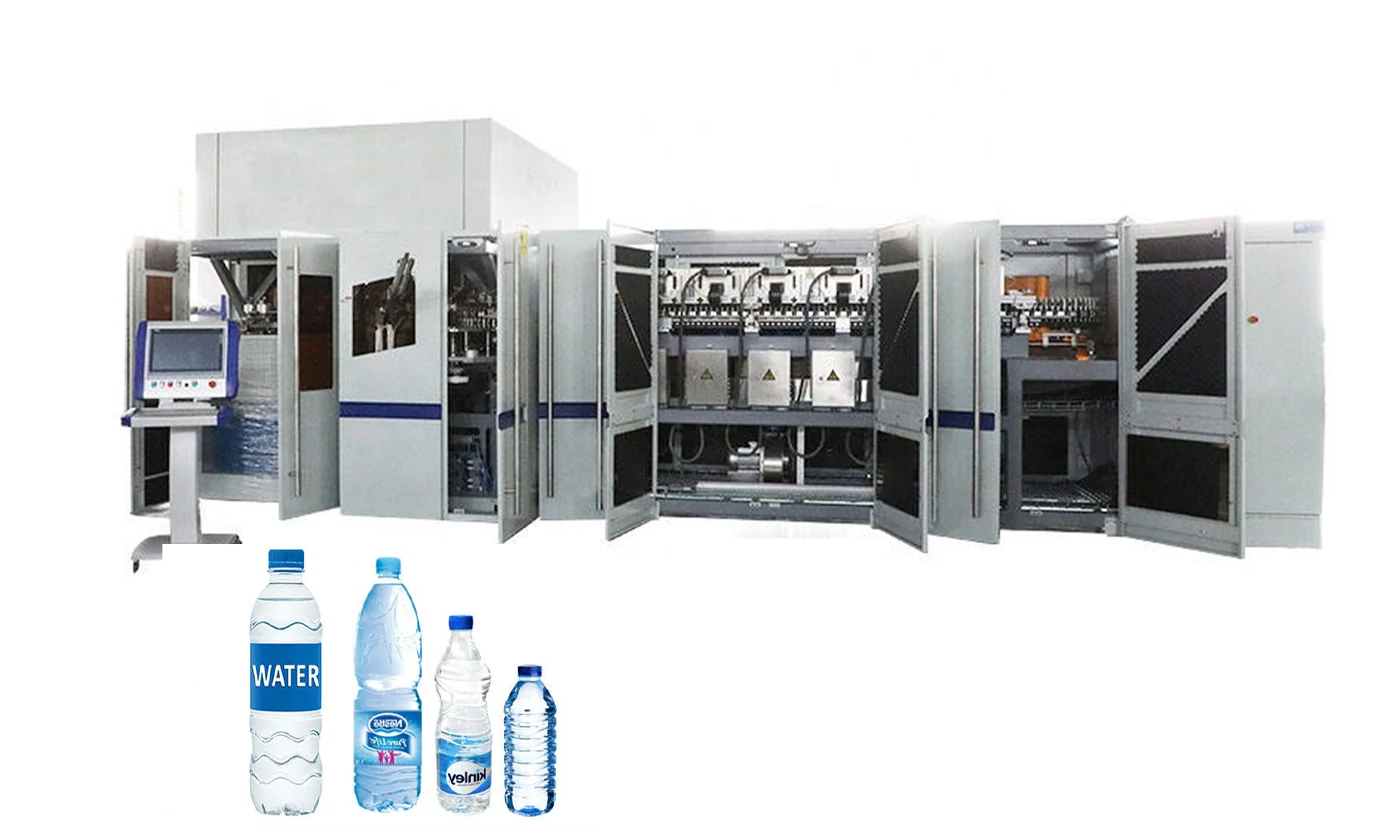
Equipment
Automatic PET Bottle Blowing Filling Capping Machine – Best price beverage machinery
Automatic PET bottle blowing, filling and capping, with capacities of 12,000–48,000 bottles/hour at 500 ml and bottle volumes up to 2 L.
Learn more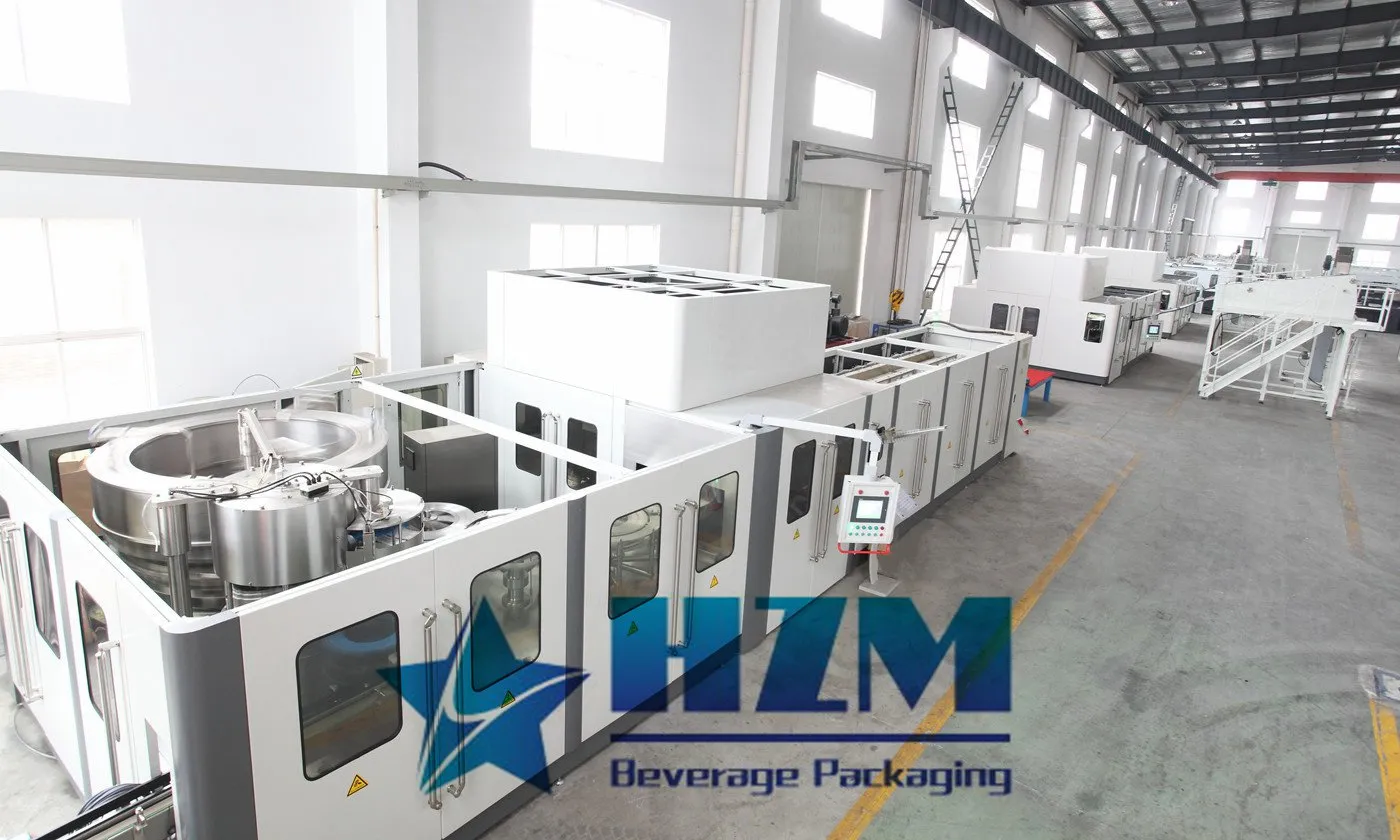
Equipment
Blowing Filling Capping Combiblock for Water and Beverage Packaging
PET bottle blowing, filling and capping in one combiblock for water and beverage production, from 12,000 to 48,000 bottles/hour at 500 ml.
Learn more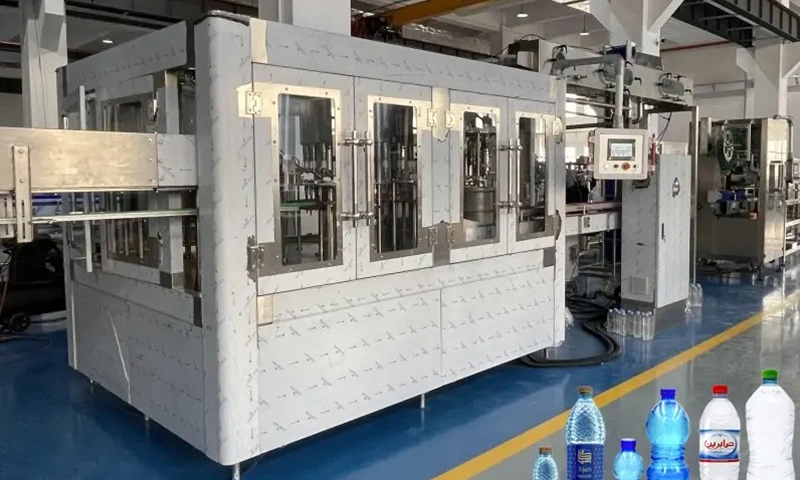
Equipment
Automatic Mineral Water Bottle Filling Machine
Automatic mineral-water bottling with rinsing, filling and capping, from 5,000 to 18,000 bottles/hour at 500 ml.
Learn more2023-06-09
Monoblock 8000 BPH- 54000 BPH Washing Filling Capping Machine
High quality Monoblock 8000 BPH- 54000 BPH Washing Filling Capping Machine from China, China's leading 8000 bpm Washing Filling Capping Machine product, with strict quality control 54000 Bpm Washing Filling Capping Machine factories, producing high quality 54000Bpm monoblock filling and capping machine products.
Learn more2023-12-05
Premier ROPP Capping Machine Manufacturer
At HZM Machinery, we take pride in being a leading ROPP capping machine manufacturer, dedicated to producing a diverse range of machinery tailored for applying Roll-on Pilfer Proof (ROPP) caps or aluminum metal caps onto glass or plastic bottles. Our ROPP capping machines are versatile, accommodating round, oval, square, and rectangular containers with utmost ease.
Learn more2023-06-09
SS316 Pressure Type HMI Rinsing Filling Capping Machine
High quality SS316 Pressure Type HMI Rinsing Filling Capping Machine from China, China's leading HMI Rinsing Filling Capping Machine product, with strict quality control SS316 Rinsing Filling Capping Machine factories, producing high quality CE Rinsing Filling Capping Machine products.
Learn more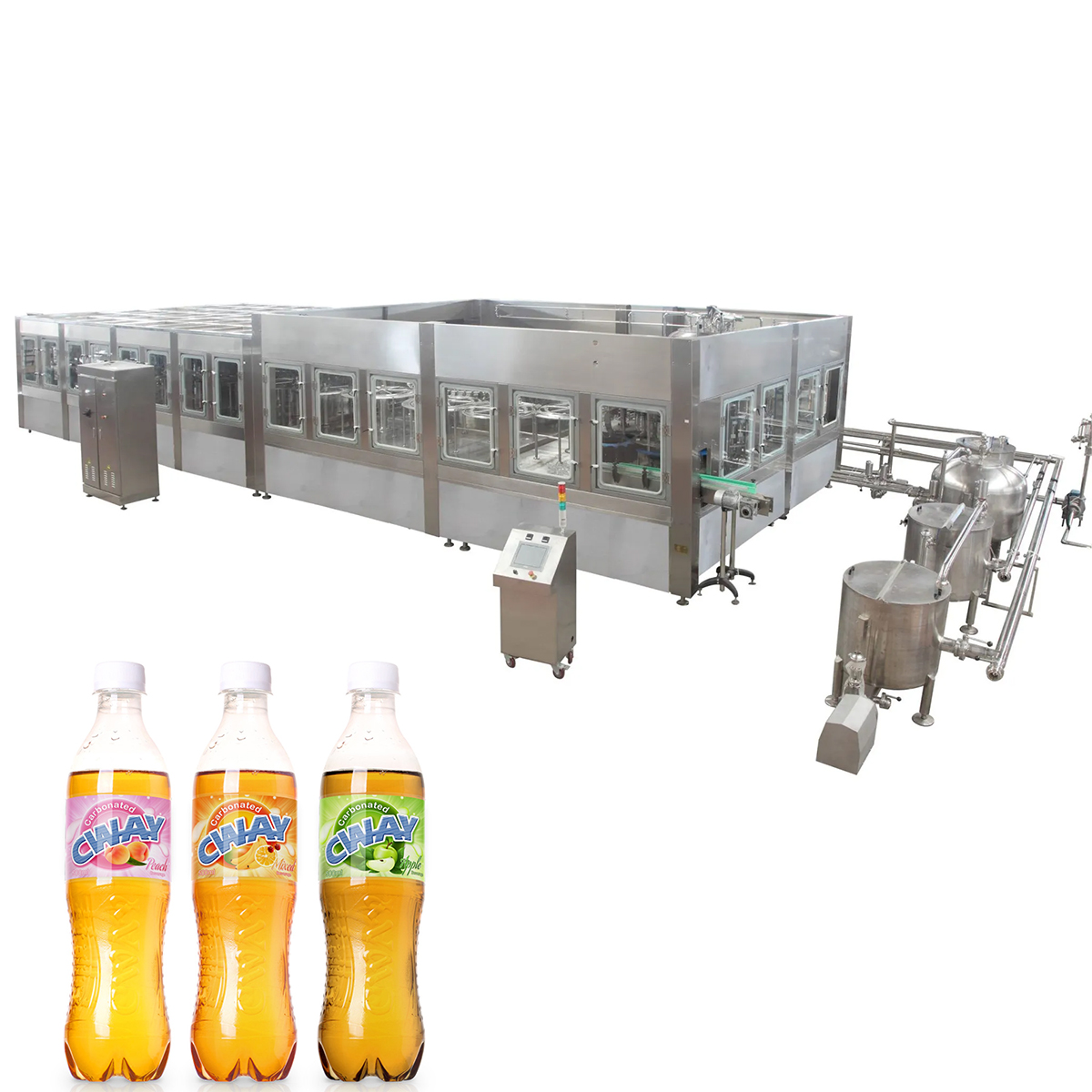
2023-07-08
Automatic Bottle Filling Machine Price
Automatic bottle filling machines are efficient and reliable equipment that can automatically fill bottles, greatly improving production efficiency and product quality. HZM Machinery is a professional manufacturer of automatic bottle filling machines, offering a variety of equipment and solutions to meet the needs of different industries.
Learn more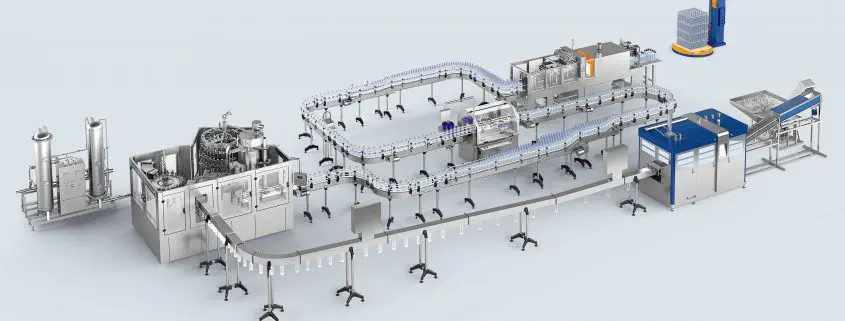
2023-12-10
Bottle Filling Equipment Factory
HZM Machinery stands tall as a distinguished bottle filling equipment factory, offering unparalleled solutions on a global scale. With a commitment to quality and innovation, our factory prides itself on delivering state-of-the-art equipment at factory-direct prices.
Learn more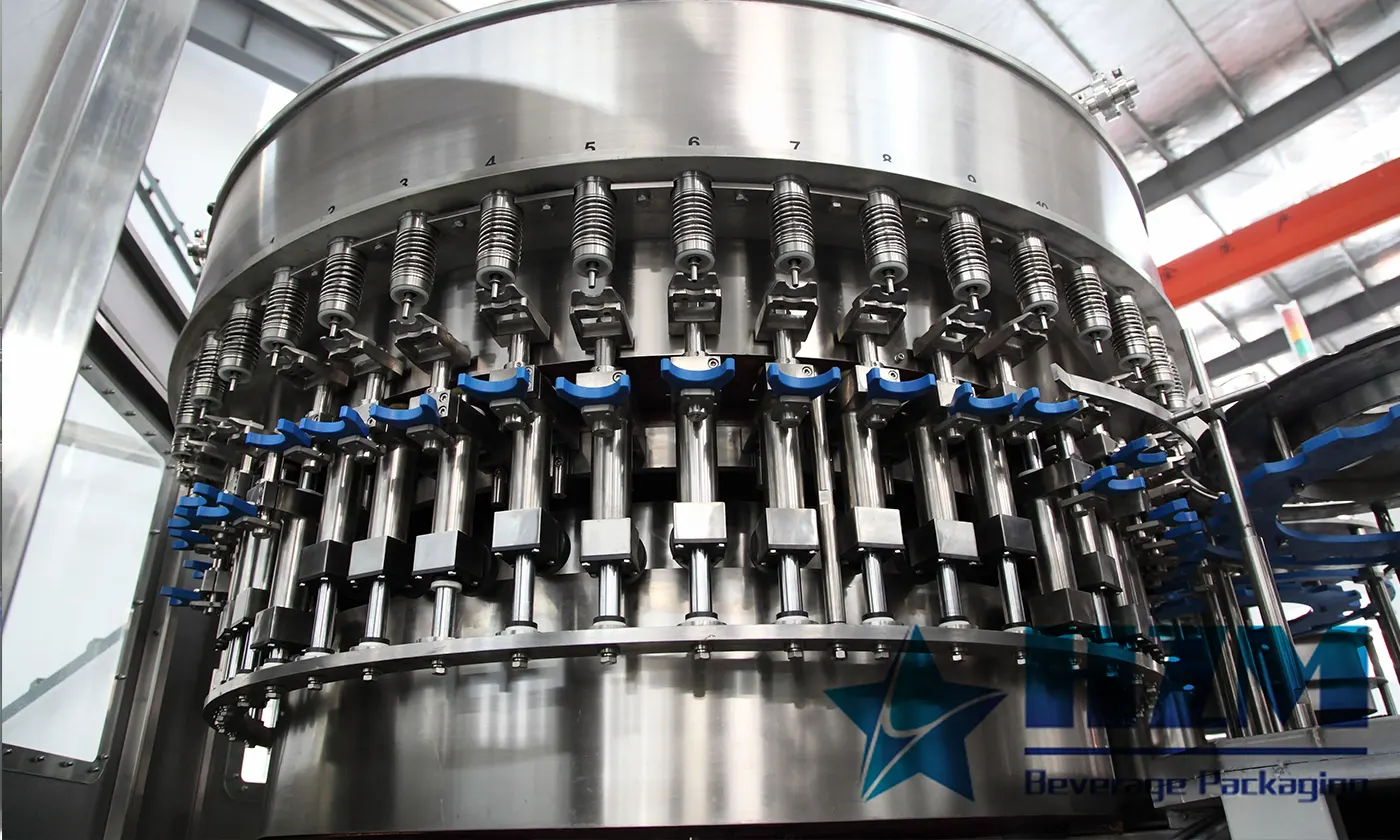
2026-07-24
Key Components of a Filling Machine: Rinsing, Filling and Capping Explained
Understand the main components of beverage filling equipment and how the rinser, filler, capper, product circuit, drives, sensors and controls work together.
Learn more