
Insights & Updates
Edible Oil Filling Machine Automation: Smart Features That Improve Production
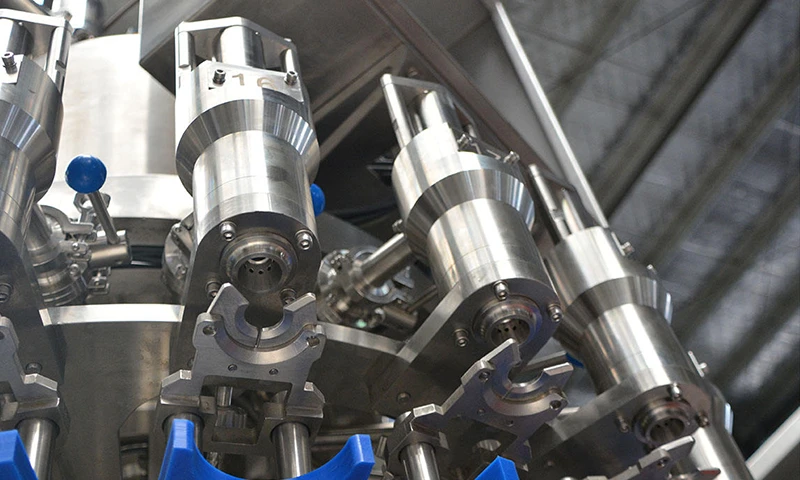
An edible oil filling line can look stable at the start of a shift and still lose money by the end of the day. A few grams of overfill in every bottle becomes a significant product giveaway at scale. Oil on the nozzle or conveyor attracts dust, makes labels difficult to apply, and turns routine cleaning into a long shutdown. Frequent changes between bottle sizes add another source of error.
Useful automation is not about adding more screens to a machine. It should control the variables that operators struggle to hold consistently: fill quantity, nozzle timing, recipe settings, bottle position, cap application, and the transfer of containers between machines.
Why edible oil is demanding to fill
Edible oils are more viscous than water, and their flow behavior changes with temperature. Bottle geometry, neck diameter, oil temperature, filling speed, and the time allowed for the final cutoff all affect the result. A setting that works for a 500 ml bottle may create splashing or long cycle times on a 5 L container.
The most common production complaints are familiar: inconsistent net content, oil strings after nozzle cutoff, drips on the bottle neck, foam or trapped air, slow changeovers, caps applied with uneven torque, and conveyors contaminated by spills. A well-designed line treats these as connected process problems rather than isolated machine faults.
Seven automation features that provide measurable value
1. A filling principle matched to the product
Servo-piston, weighing, and flowmeter systems can all be used for oil, but they do not suit every project equally. The correct choice depends on viscosity range, container size, target accuracy, cleaning method, required speed, and whether several oil grades will run on the same line. Ask the supplier to explain why the proposed method is suitable and to demonstrate it with your actual product and bottles.
2. Controlled fast-and-slow filling
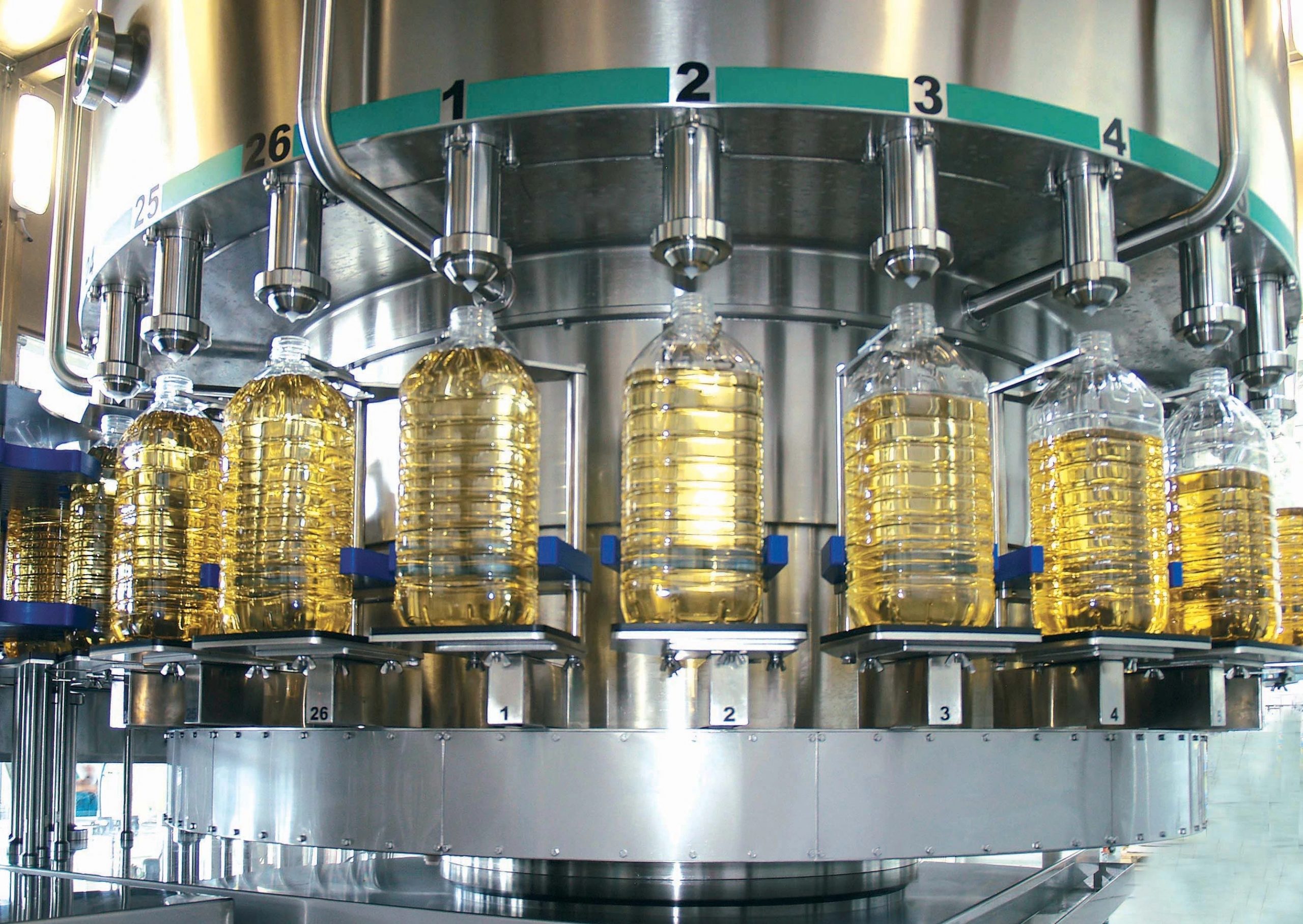
Starting quickly and reducing the flow near the target quantity helps balance output with clean cutoff. Diving nozzles can also reduce splashing on larger containers. The transition points should be stored in the recipe rather than adjusted by trial and error at every shift.
3. Anti-drip nozzle control
A shutoff valve alone is not always enough for viscous oil. Nozzle geometry, suck-back control, valve response, and the distance between the nozzle and bottle must work together. The acceptance test should include a defined run time followed by an inspection of bottle necks, conveyors, and the drip tray.
4. Recipe management for changeovers
Stored recipes reduce dependence on an operator remembering dozens of settings. A useful recipe can include fill volume, two-stage speed, nozzle height, conveyor speed, bottle-stop timing, and capping parameters. Access levels should prevent accidental changes while allowing authorized technicians to fine-tune the process.
5. Bottle and cap verification
Photoelectric sensors and interlocks should stop filling when a bottle is missing or incorrectly positioned. Cap presence and cap-feed alarms prevent a small upstream problem from creating a large batch of open containers. These controls are simple, but their placement and response timing need to be tested at full operating speed.
6. Production data and alarm history
A counter on the display is only the beginning. Batch totals, reject counts, downtime reasons, recipe changes, and alarm history help supervisors find recurring losses. The data should be easy to export or record without locking the plant into a complicated software platform.
7. Line-level synchronization
The filler cannot deliver its rated output if bottle feeding, capping, labeling, or packing repeatedly stops it. Buffer conveyors, speed coordination, and clear upstream/downstream signals are essential. The quoted capacity should therefore be stated as a complete-line target for a defined bottle, not only as the theoretical speed of the filler.
What to verify during a factory acceptance test
| Test item | What to agree before the test | Evidence to record |
|---|---|---|
| Filling accuracy | Oil grade, temperature range, bottle size, sample quantity, and allowable tolerance | Individual weights, average, and variation |
| Clean cutoff | Continuous run duration and acceptable drip criteria | Bottle-neck, nozzle, and conveyor inspection |
| Changeover | Starting and ending bottle formats | Elapsed time, tools required, and first-good-bottle time |
| Line output | Defined container, cap, label, and pack format | Good finished containers over a sustained period |
| Alarm recovery | Representative bottle, cap, and sensor faults | Machine response and restart procedure |
Do not accept an accuracy number without test conditions. Oil temperature, container volume, and the measurement method can change the result. The same rule applies to speed: bottles per hour should refer to good output under an agreed production configuration.
A sensible upgrade path
A plant does not need to automate everything at once. The first priority is usually stable filling and drip control. The second is faster, repeatable changeover. The third is line data and automatic inspection. This sequence addresses direct product loss before adding higher-level reporting.
For a new project, send the supplier samples of every oil, bottle, cap, and label that will run on the line. Include minimum and maximum room and product temperatures, target output, cleaning practice, available floor space, and local electrical standards. These details are more valuable than a short request for “an automatic oil filling machine.”
HZM Machinery provides configurable oil filling and bottling equipment for different container sizes and production requirements. The final design should be based on product tests and an agreed line specification.
Frequently asked questions
Is a weighing filler always the most accurate option for edible oil?
Not automatically. Weighing can reduce the effect of density changes on a net-weight target, while servo-piston and flowmeter systems may be preferable for other speed, cleaning, or container requirements. Accuracy depends on the complete system and the test conditions.
Can one line fill both small bottles and large containers?
Often yes, within a defined range. The supplier must confirm nozzle spacing, conveyor stability, bottle handling, fill time, and change parts for both extremes. A broad size range can reduce maximum output.
How can oil dripping after filling be reduced?
Review nozzle design, valve response, suck-back settings, fill speed near cutoff, nozzle height, and product temperature. Replacing seals may solve a maintenance fault, but persistent dripping often requires process adjustment.
What information is needed for an accurate proposal?
Provide oil type and viscosity range, container drawings and samples, cap type, fill volumes, target output, accuracy requirement, changeover frequency, cleaning method, factory layout, and utility standards.
Talk to our engineering team
Need help planning your packaging line?
Share your product, bottle and capacity requirements for a practical equipment recommendation.
Equipment
Edible Oil Filling Machine
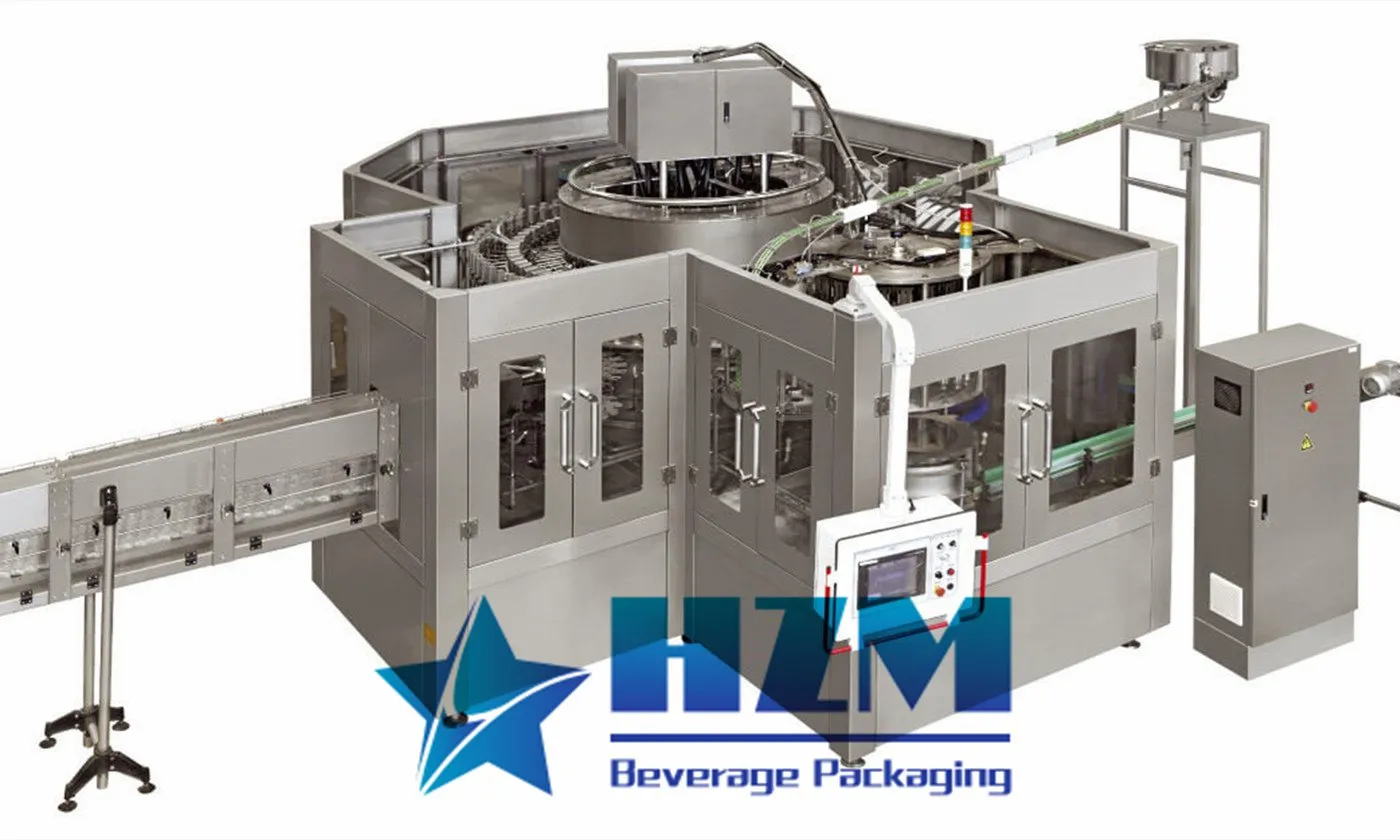
Rotary edible oil filling and capping with GYH models from 3,500 to 10,000 bottles/hour at 500 ml.
Learn more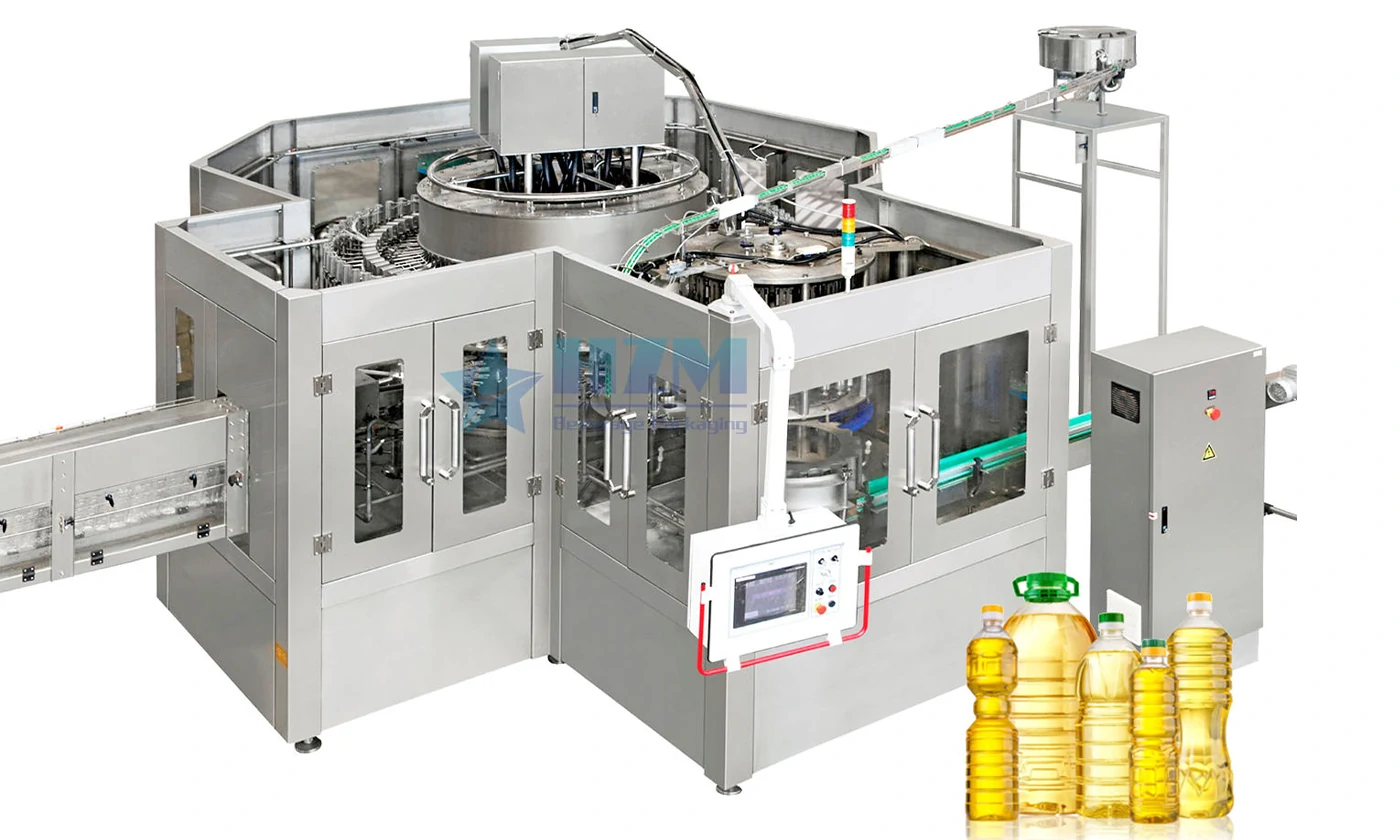
Equipment
PET Bottle Edible Oil Bottling Line | Automatic Rotary Type Edible Oil Filling Machine
The PET bottle edible oil bottling line combines rotary oil filling and capping with bottle conveying and downstream packaging.
Learn more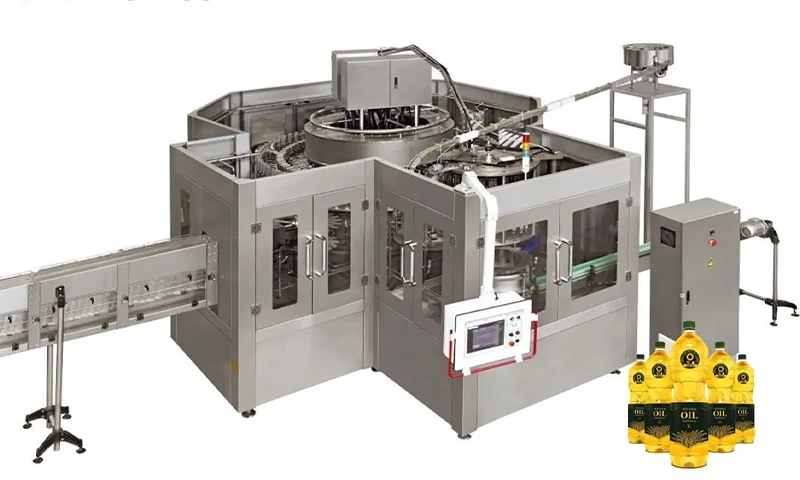
Equipment
Olive Oil Filling Machine
Olive oil bottle filling and capping with GYH models from 3,500 to 10,000 bottles/hour at 500 ml.
Learn more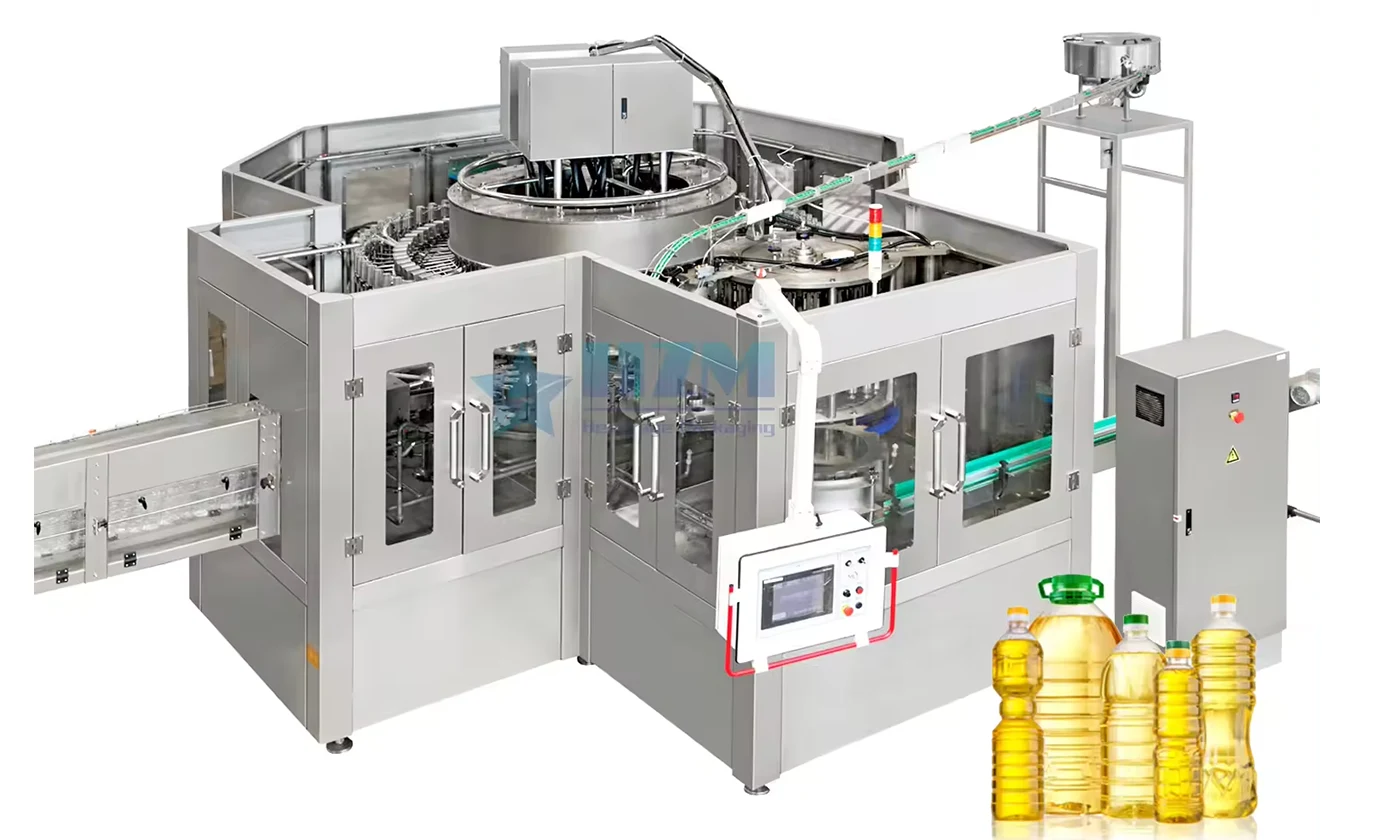
Equipment
Automatic Cooking Oil Filling Machine
The automatic cooking oil filling machine fills and caps bottles of edible oil.
Learn more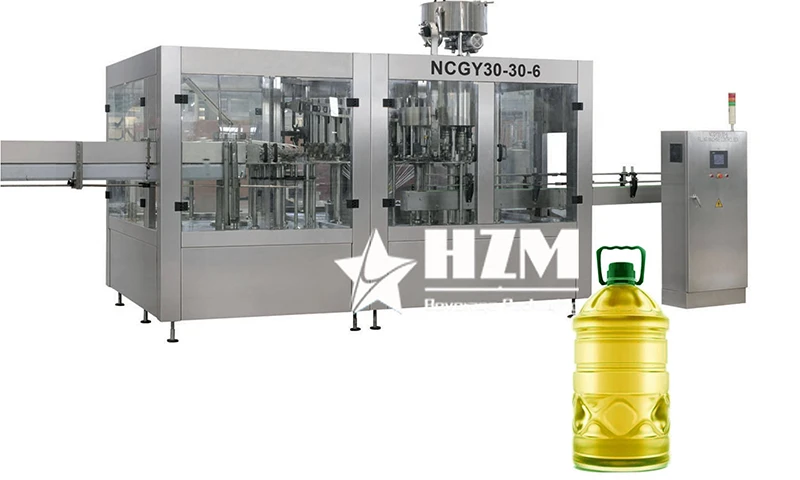
Equipment
2-in-1 Monoblock Edible Cooking Oil Filling and Capping Machine
The 2-in-1 monoblock fills and caps bottles of edible cooking oil in a continuous operation.
Learn more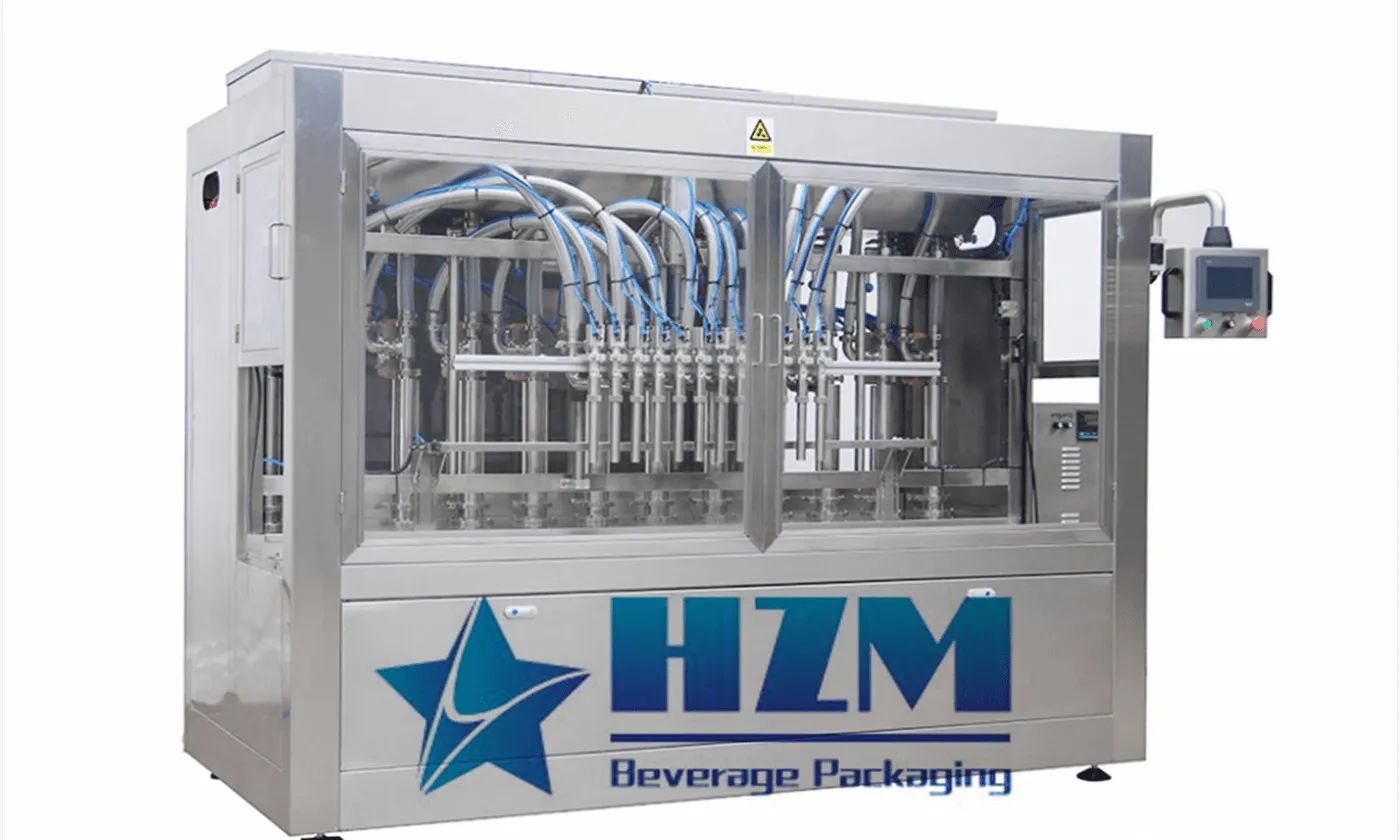
Equipment
Linear Type Oil Filling Machine
The linear oil filling machine fills bottled edible oils and compatible liquid food products.
Learn moreEquipment
Automatic Edible Oil Filling Machine | Cooking Oil Bottling & Packing Line
Automatic cooking oil filling and capping with GYH models from 3,500 to 10,000 bottles/hour at 500 ml.
Learn more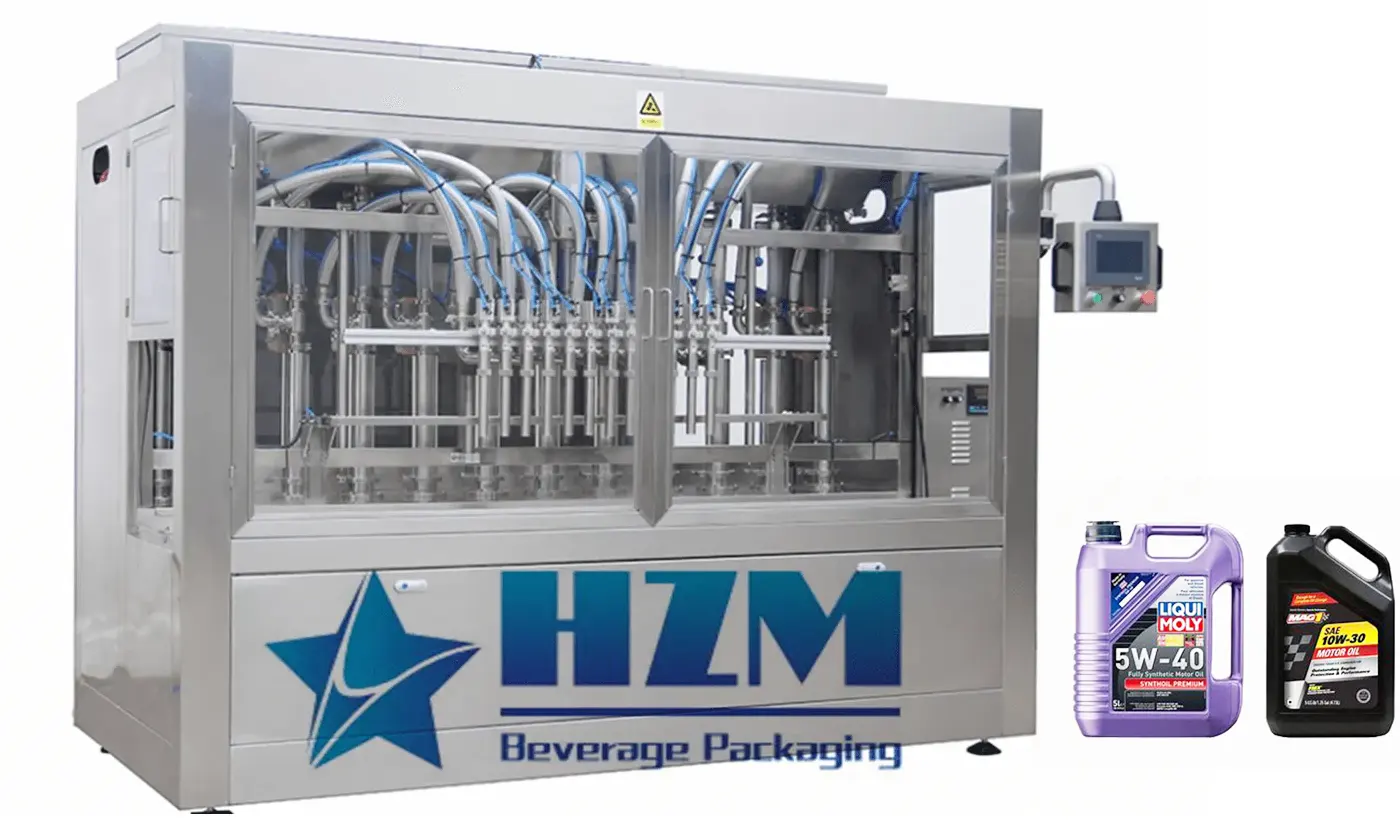
Equipment
Automotive Lubricants Oil Filling Machine
This automotive lubricating-oil filling machine doses oil into bottles and containers on a linear filling line.
Learn more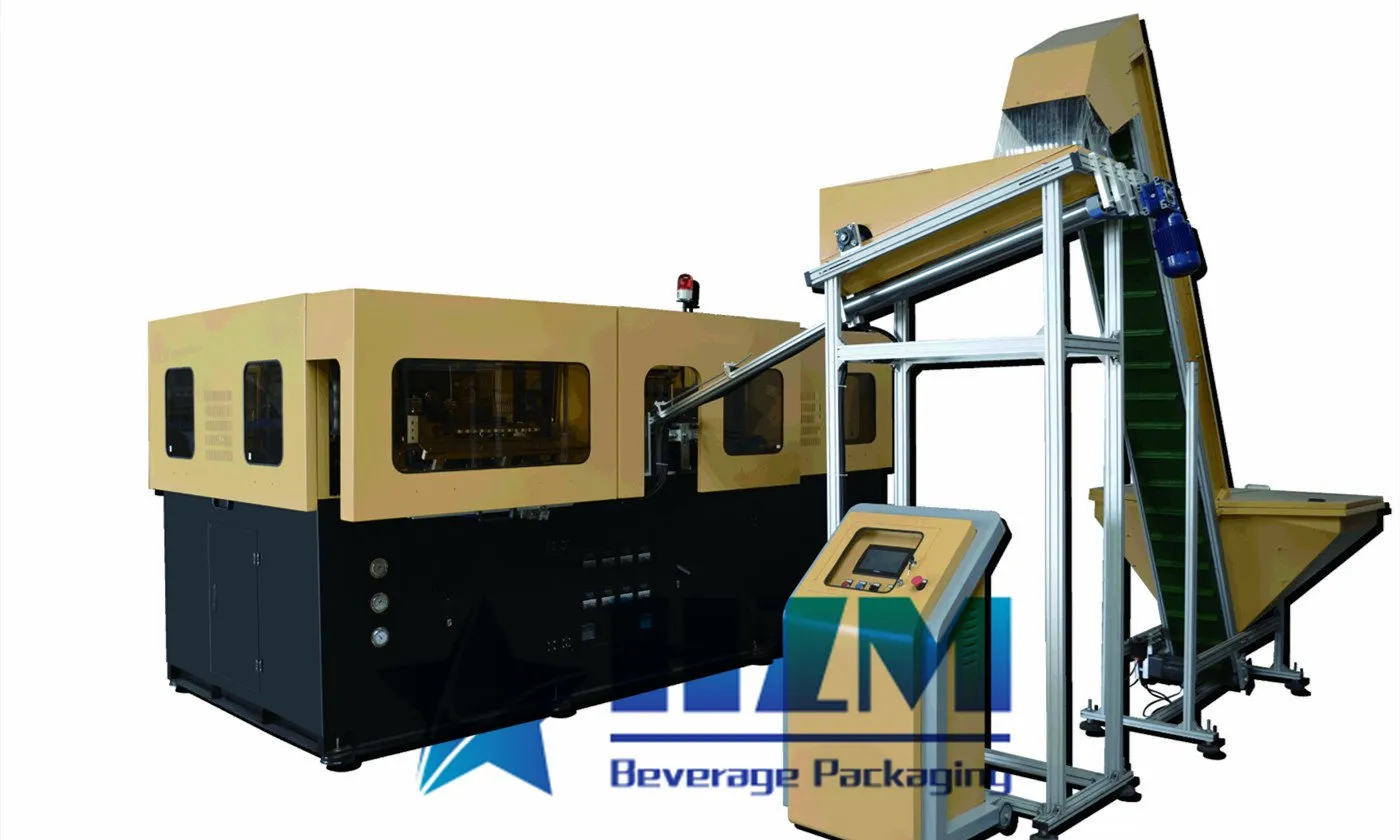
Equipment
Automatic Oil Bottle Wide Neck PET Bottle Blowing Machine
PET blow moulding equipment for large edible-oil, drinking-water and wide-neck bottles, with bottle sizes up to 5–10 L by model.
Learn more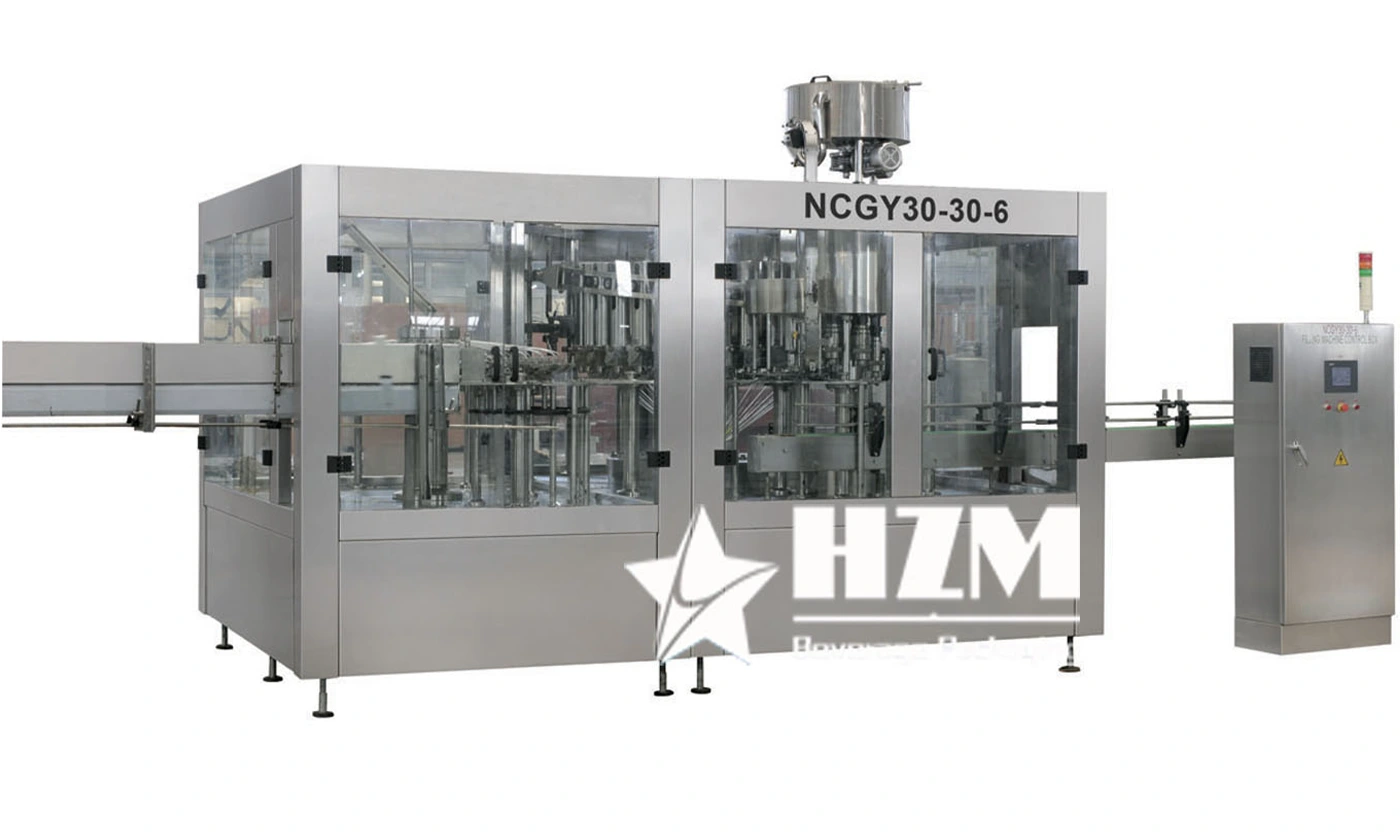
2023-11-26
Introduction to the Edible Oil Filling Production Line
The edible oil filling production line is a modern bottling production system designed to enhance the efficiency and quality of edible oil production while meeting the demands of standardized production. This assembly line consists of various individual machines, including bottle sorting, filling, capping, aluminum foil sealing, and adhesive labeling equipment.
Learn more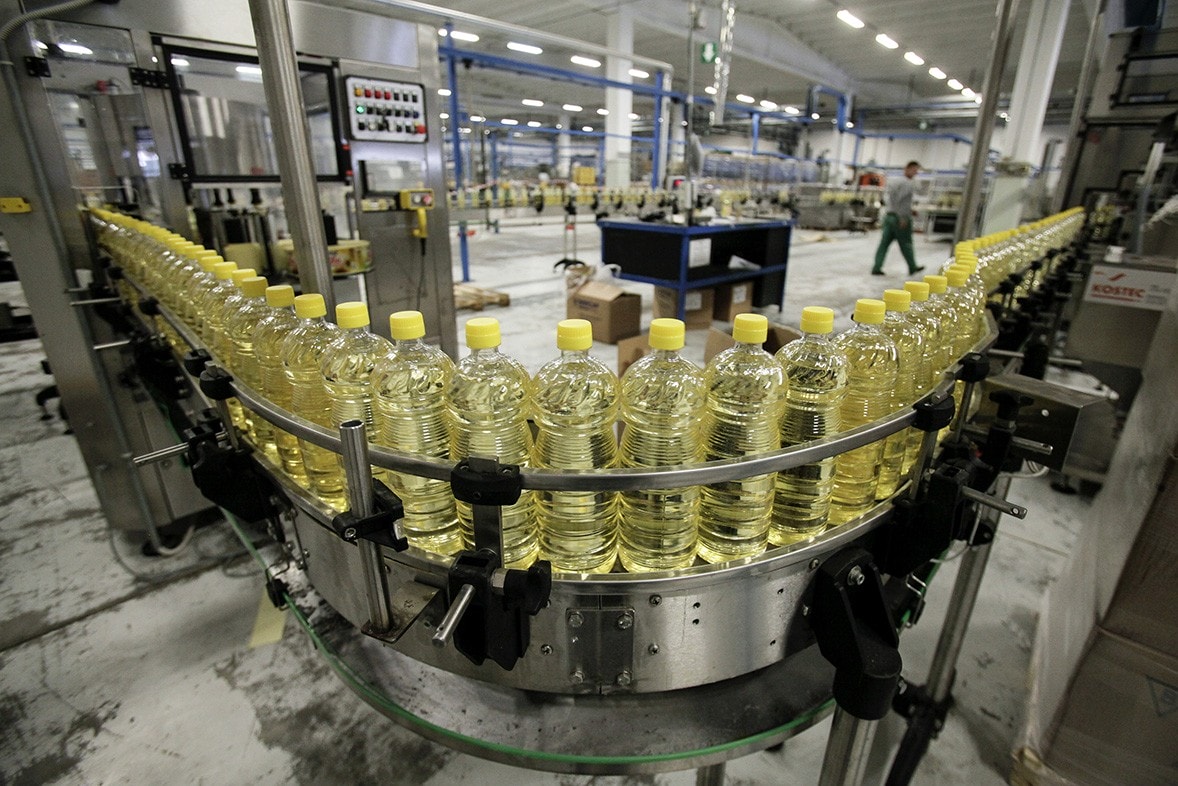
2023-11-20
Edible Oil Production Line Equipment and Costs
As a professional edible oil packaging machine solution provider, HZM Machinery offers tailor-made complete edible oil filling production line solutions to meet customer needs.
Learn more2024-01-06
Edible Oil production process
The edible oil production process is a multi-stage operation that involves extracting oil from oilseeds, refining it, and packaging it for sale.
Learn more2023-10-22
What is an edible oil filling machine?
An edible oil filling machine is a specialized mechanical device used for filling and packaging edible oils. It is widely employed in the production and packaging processes of oil-based products to ensure precise filling, sealing, and packaging of these products.
Learn more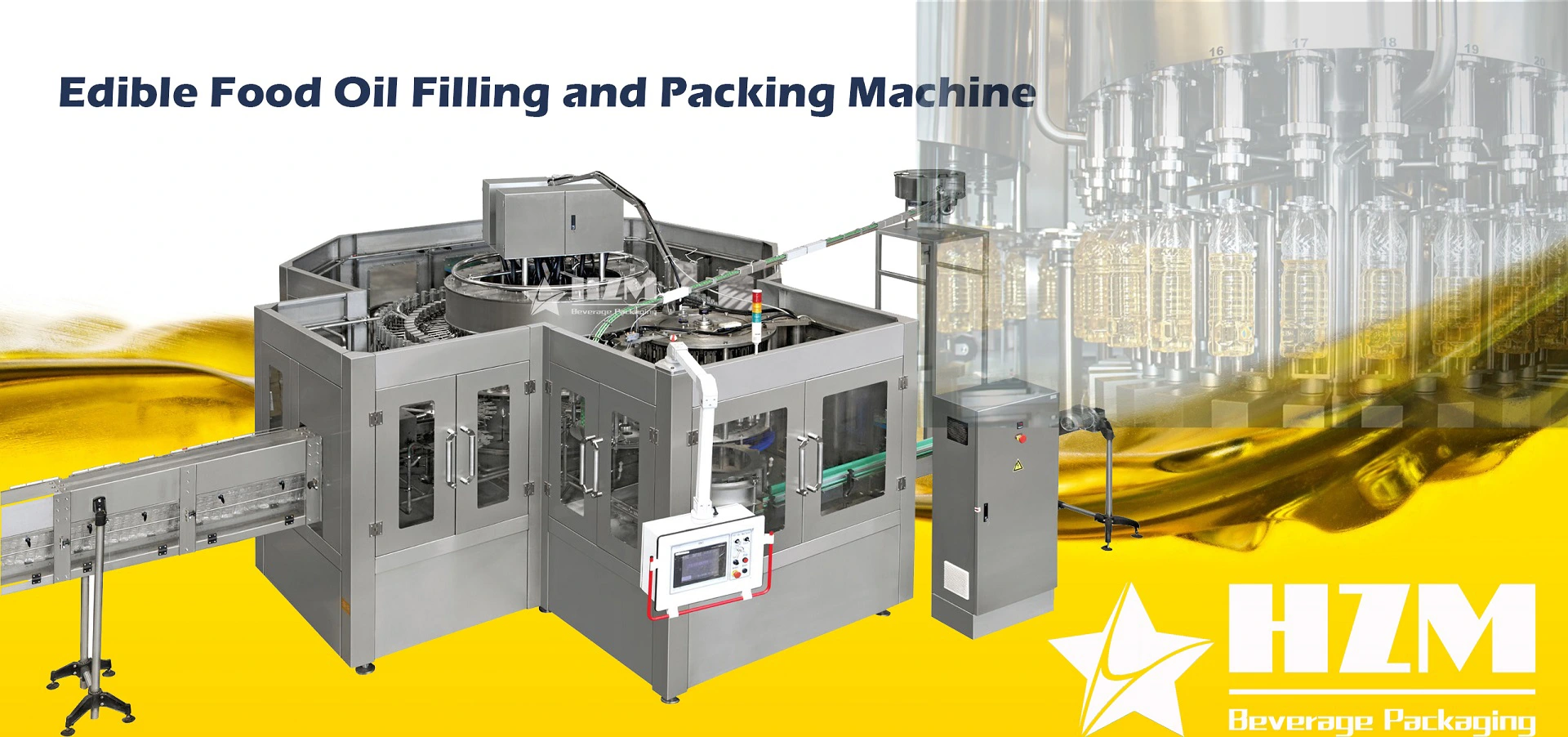
2023-10-25
What equipment does the edible oil filling production line include?
The edible oil industry has always been popular, attracting many entrepreneurs who are eager to open edible oil packaging factories. However, configuring the equipment for the edible oil filling production line has always been a problem.
Learn more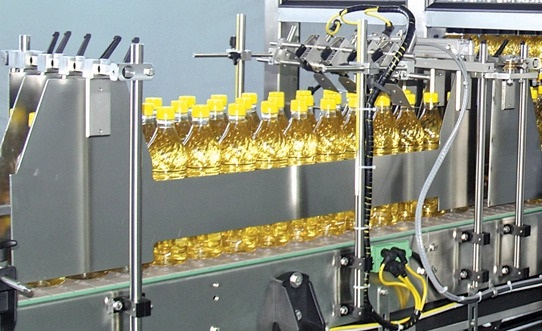
2023-11-15
Choosing Quality Cooking Oil: Tips from Edible Oil Filling Machine Manufacturer
Choosing the right cooking oil is essential for both health and culinary purposes. Amid the multitude of cooking oil brands and types available in the supermarket, HZM Machinery, a manufacturer of edible oil filling machines, offers practical tips for selecting cooking oil, helping you navigate the supermarket's overwhelming selection
Learn more