
Insights & Updates
China beverage filling machine factory
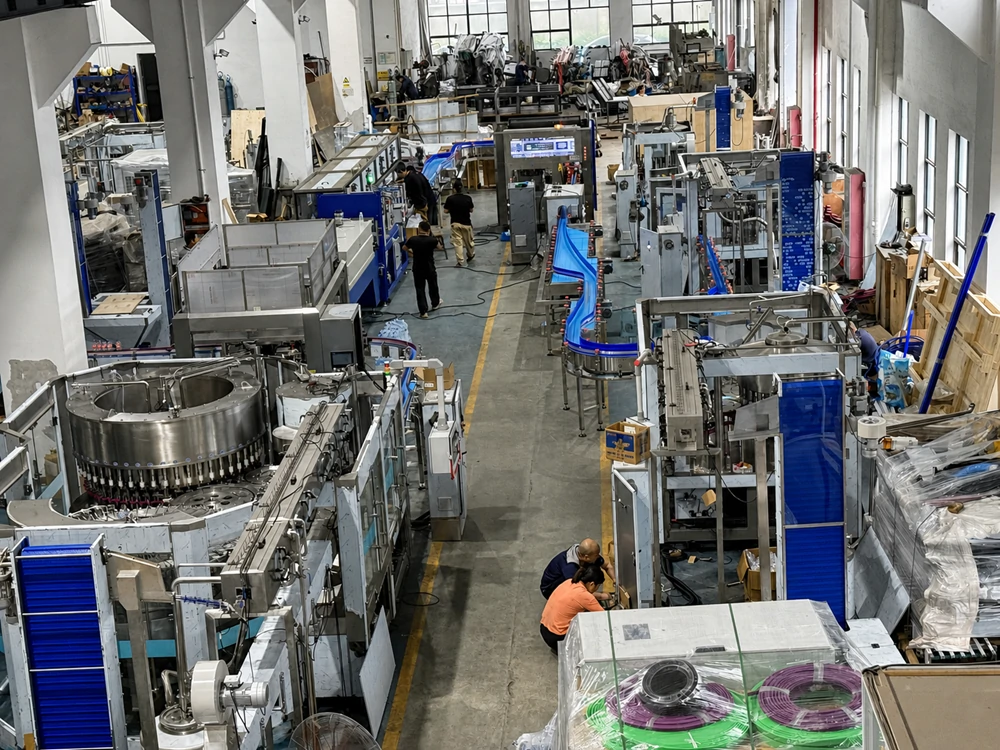
Choosing a beverage filling machine factory in China is an engineering and delivery decision, not simply a search for the lowest quotation. The supplier needs to understand the drink, bottle and production target, translate them into a buildable specification, and demonstrate the result before shipment. A polished factory video is useful context, but it cannot replace a defined acceptance test.
Start supplier evaluation with the beverage specification, the required package formats and a common quotation scope. These give the buyer and factory a concrete basis for discussing design, cost, testing and delivery.
First check whether the factory understands the product
A supplier should ask different questions for still water, soda, hot-filled juice and edible oil. If the same offer is returned for all four, the process has probably not been defined adequately. Carbonation, temperature, viscosity, particles and foaming can affect filling technology and hygiene requirements.
Package information is equally important. Provide the bottle drawing, neck finish, cap drawing, weight and material. State whether bottles are purchased or blown on site and whether several formats share one closure. “500 ml PET bottle” is insufficient to determine all the change parts.
HZM supplies separate still-water filling, carbonated-drink filling and edible-oil filling equipment. Use the appropriate product family as the starting point, then ask for a specification linked to the exact production duty.
Use the factory visit to resolve specific questions
Before the visit, send an agenda covering design, assembly, controls, testing and service. Ask to follow a representative machine from its approved drawing to its assembled condition. Clarify which parts are manufactured internally, which are sourced and who takes responsibility for integration.
| Area to review | Evidence to request | Decision it supports |
|---|---|---|
| Mechanical design | General arrangement, bottle-handling concept and format-part list | Whether the package can be handled and serviced |
| Product-contact circuit | Material schedule, seals and cleaning arrangement | Suitability for the drink and sanitation process |
| Controls | Alarm list, operating screens, electrical drawings and backup arrangements | How operators and maintenance staff will use the machine |
| Assembly and inspection | Project-specific inspection records and traceable equipment identification | Whether the supplied machine matches the agreed build |
| Factory testing | Test plan, approved samples, measurements and recorded results | Whether capacity and quality have been demonstrated |
| After-sales support | Spare-parts list, manuals, responsibilities and communication route | Whether the plant can maintain production after handover |
Certificates and component labels should be checked for their scope and relevance to the machine being supplied. A document for a different model or a general management system does not by itself establish the performance of the proposed filling line.
Compare quotations on the same boundary
Prepare a comparison sheet with one row for each required machine and interface. Include bottle feeding, cap handling, conveyors, tanks, utility connections, inspection, coding, labelling and packing. Identify the scope of installation, commissioning, training and site works.
Two offers may appear far apart in price because one includes the air system and format parts while the other excludes them. A turnkey description should be supported by an equipment list and a responsibility matrix. The matrix should identify who completes each interface and what information is needed from the buyer.
Agree what “capacity” and “accuracy” mean
Capacity should state the beverage or test medium, bottle and closure, operating conditions and whether it refers to good output from one machine or finished packs from the line. Accuracy should define the measured quantity, sampling method and acceptance limit. A percentage without a basis is difficult to verify.
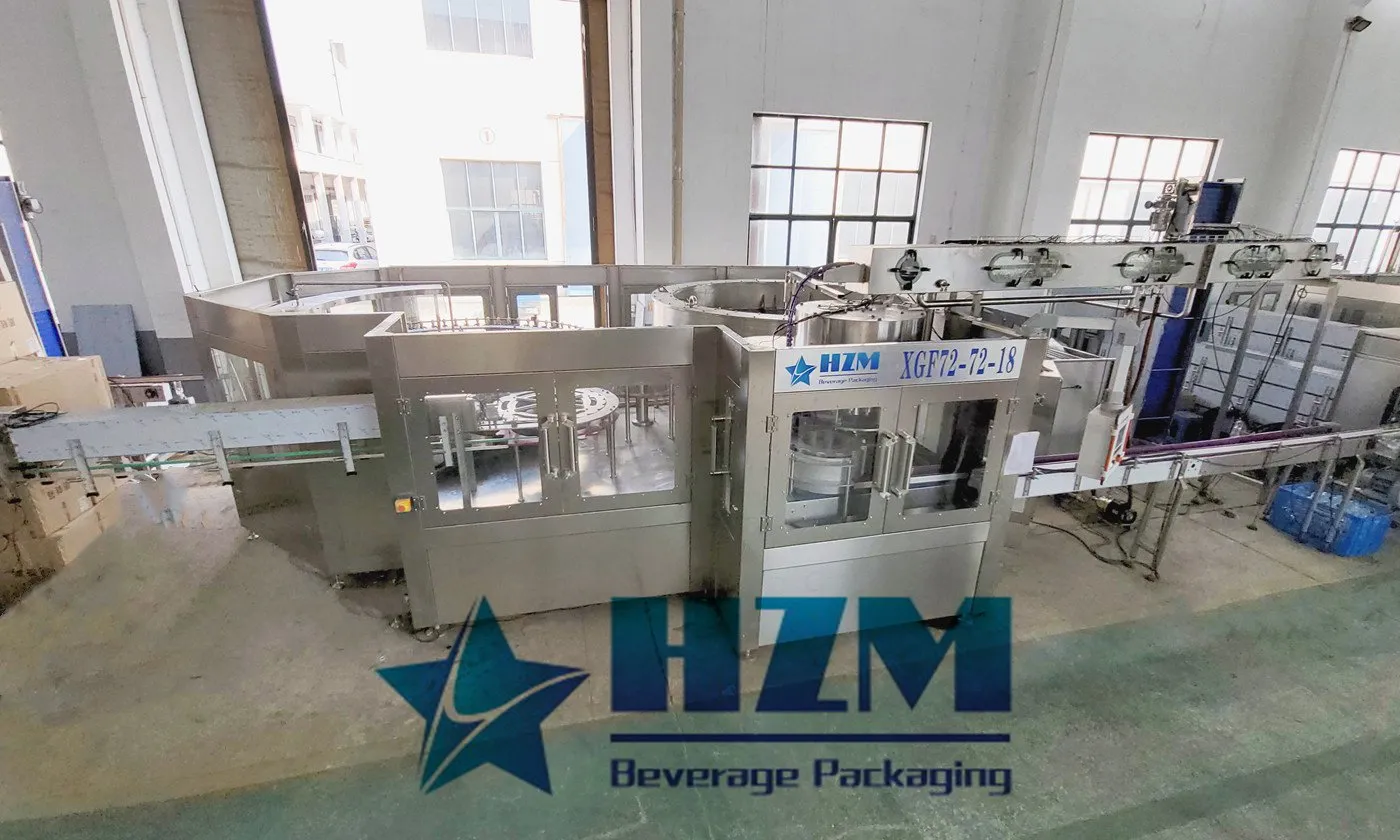
For example, the HZM XGF24/24/8 water filler has a capacity of 12,000 bottles/hour at 500 ml. A project using a larger bottle needs an output specification for that format, while carbonated recipes require the appropriate filling technology. Downstream packing must also handle the required number of bottles.
Build the factory acceptance test into the order
Specify the test materials early enough for the supplier to obtain and use them. Include the principal production format and a format that challenges the handling or process. State the trial duration, quality checks, stoppage recording and documentation required at completion.
Witness a controlled stop and restart, cap replenishment, relevant fault responses and an agreed format change. Inspect the first bottles after restart as well as stable-production samples. Where water is used instead of the actual beverage, record which aspects the test proves and which must still be demonstrated with the product.
Keep an agreed list of outstanding items, responsibilities and closure evidence. This gives both parties a concrete basis for deciding whether the equipment is ready for the next project stage.
Prepare the receiving site while the machine is being built
Confirm access for unloading, the route to the installation position, floor conditions, electrical supply, drainage and utilities. The utility schedule should describe operating requirements as well as connection sizes. A compressor’s nameplate alone does not establish delivered air at the required pressure.
Nominate the plant staff who will operate and maintain the equipment. Training is more effective when these staff can practise the approved start-up, production, cleaning, fault recovery and format-change routines. Include language requirements for manuals and control screens in the order.
What to send with an enquiry to HZM
Send the product specification, container and closure drawings, target output by format, available utilities, plant layout and current project stage. Include the required inspection or documentation scope and identify equipment already installed.
If the project extends beyond the filler, use the complete drinking water line or the appropriate beverage process as the basis for a shared equipment list. The most useful supplier response is a proposal that identifies the selected configuration, its operating basis, supply boundaries and the tests that will demonstrate the promised result.
Talk to our engineering team
Need help planning your packaging line?
Share your product, bottle and capacity requirements for a practical equipment recommendation.
Equipment
Fully Automatic Beverage Filling Machine
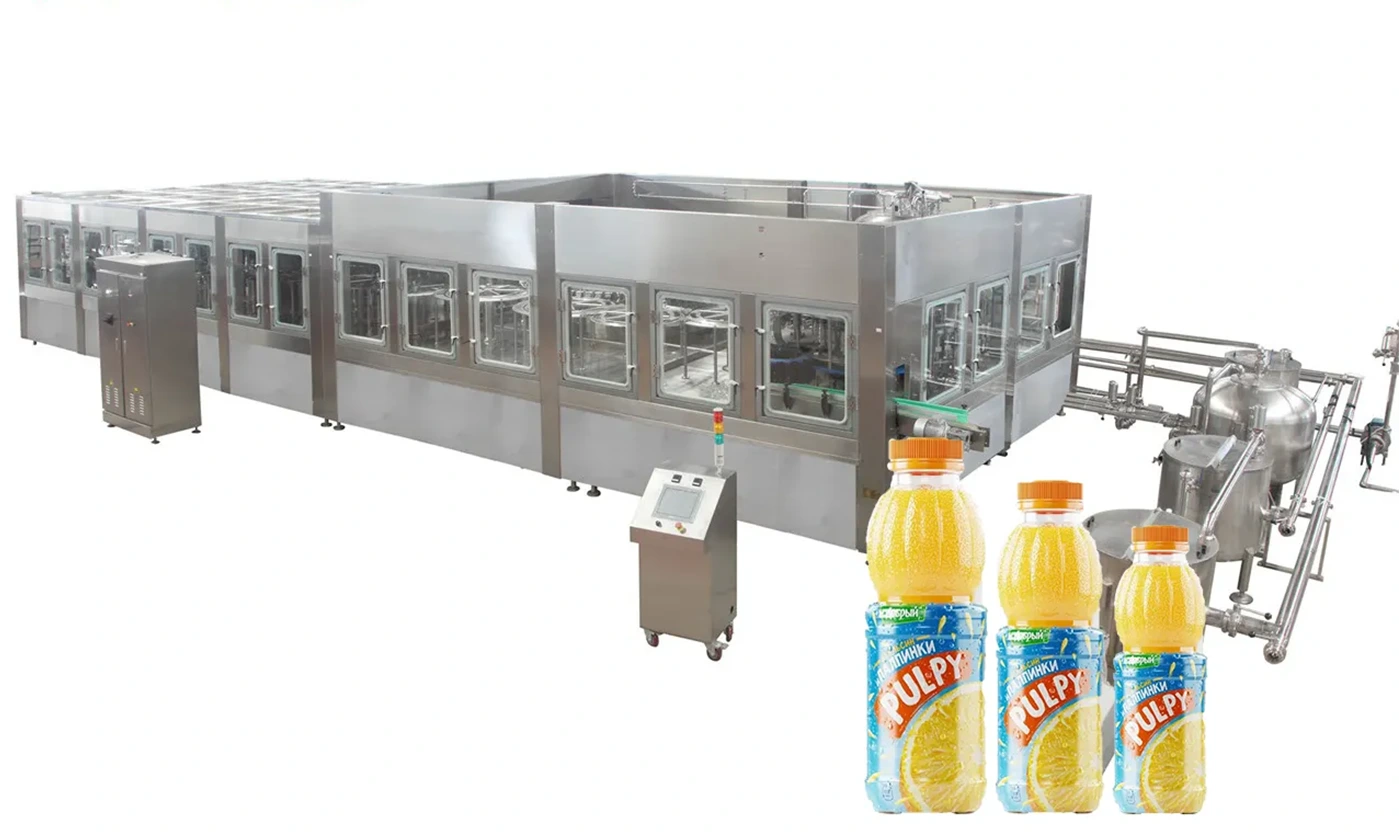
The fully automatic beverage filling machine combines bottle rinsing, filling and capping.
Learn more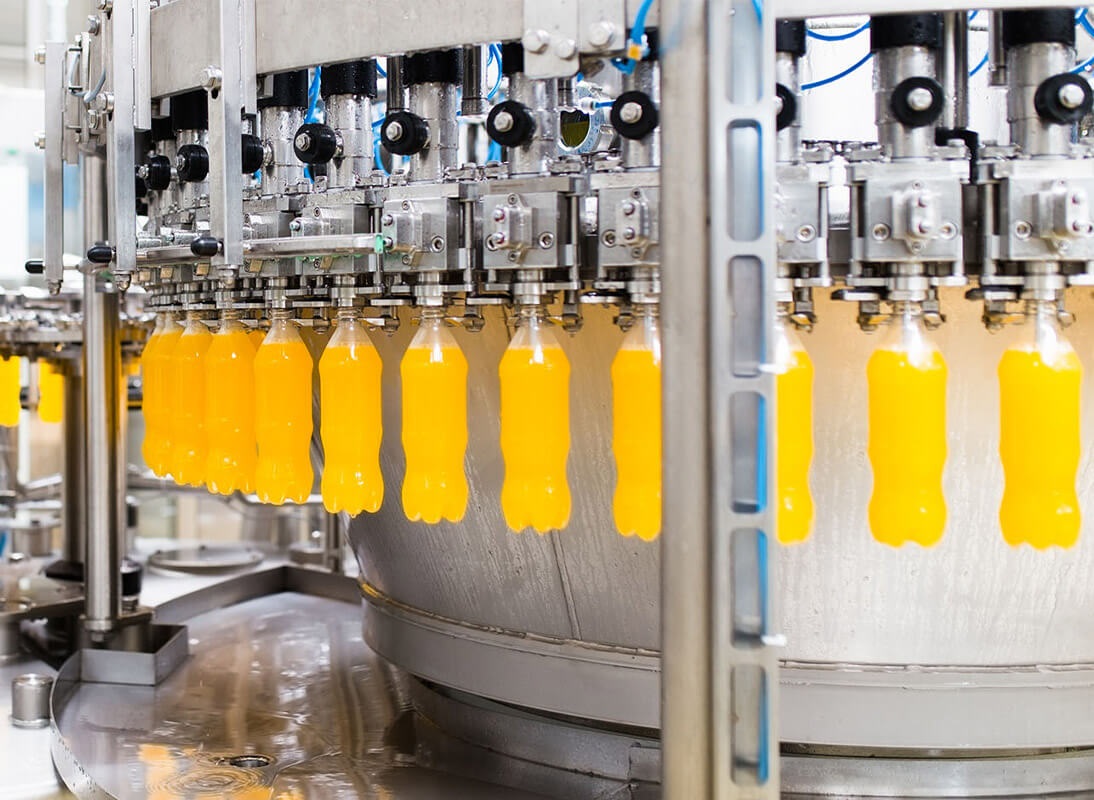
2023-05-10
The Principle and Characteristics of Beverage Filling Machine
It is a multifunctional beverage filling machine. It is used for filling carbonated drinks, soda water, salt soda water and other carbonated drinks. It can also be used for filling juice drinks, pure water and other non-carbonated drinks. It is a new type of practical filling machinery with high practicality.
Learn more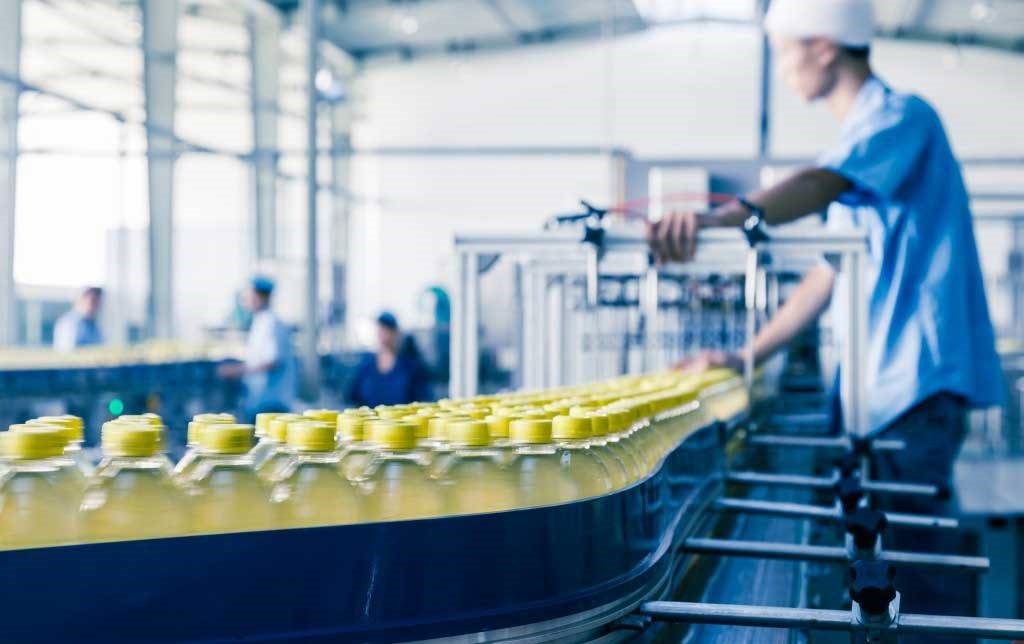
2023-04-26
HZM Machinery: Your Reliable Beverage Filling Machine Supplier
HZM Machinery is a professional supplier of beverage filling machines, dedicated to providing high-quality filling equipment and services to customers worldwide. With years of experience in the industry, we have become a trusted partner for many beverage manufacturers, helping them to improve their production efficiency, reduce costs, and enhance product quality
Learn more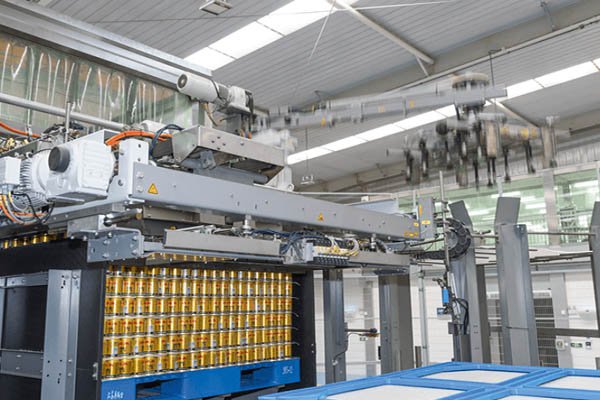
2023-05-10
The common faults of a fully automatic beverage filling machine.
The common faults of a fully automatic beverage filling machine:1.Insufficient or excessive filling amount . 2.Bottles falling or caps not tightened. 3.Conveyor belt jams 4.Control system failure
Learn more2023-05-30
Factors to Consider When Purchasing Beverage Filling Machine Equipment
When it comes to the production stage of a product, for beverage manufacturing companies, selecting a versatile, efficient, and low-consumption filling machine is exceptionally crucial. So, how do you choose a beverage filling machine that is both up-to-date and cost-effective?
Learn more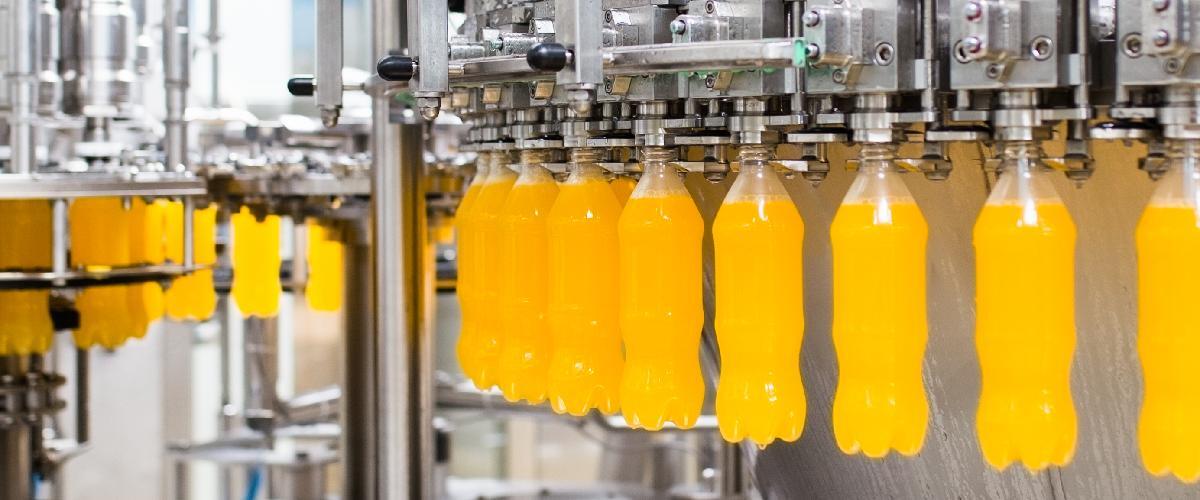
2023-07-12
Key Features of Fully Automatic Beverage Filling Machines
Fully automatic beverage filling machines have gained increasing popularity and trust in various industries. As the demand for these machines grows, businesses face greater pressure to invest in them. In this article, we will explore the key features of fully automatic beverage filling machines that make them a valuable asset for companies.
Learn more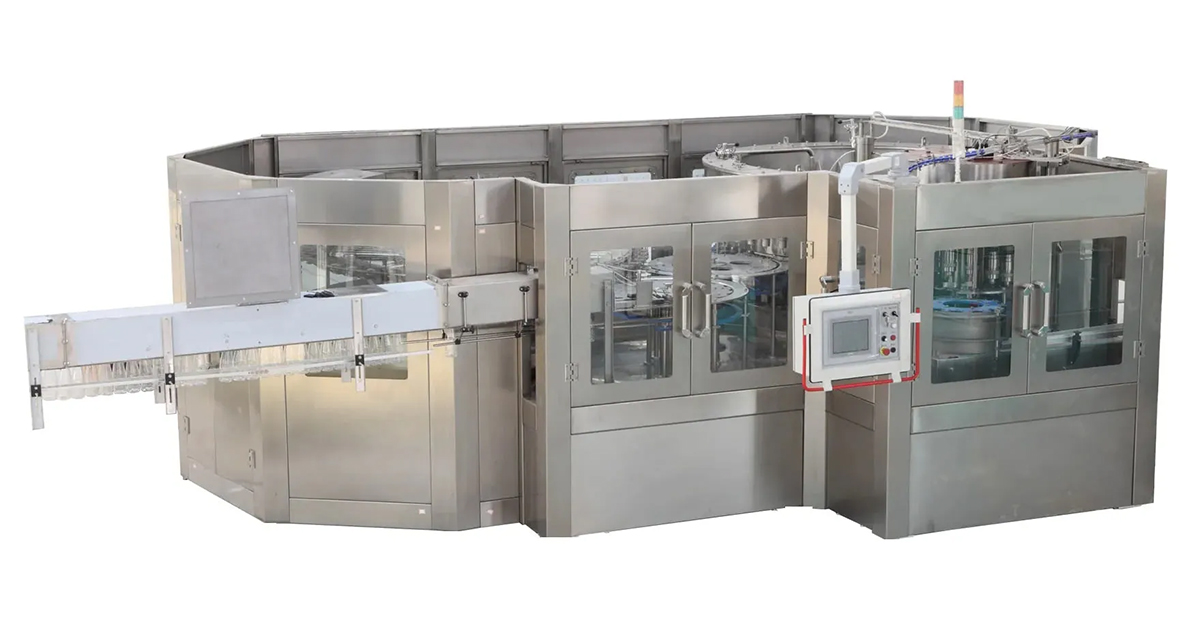
2023-07-20
How much does an automatic beverage filling machine cost?
the price range for an automatic beverage filling machine is wide, ranging from a few thousand dollars to hundreds of thousands of dollars. The price difference is primarily influenced by the following factors
Learn more