
Insights & Updates
CIP Temperature Will Not Reach or Hold the Setpoint
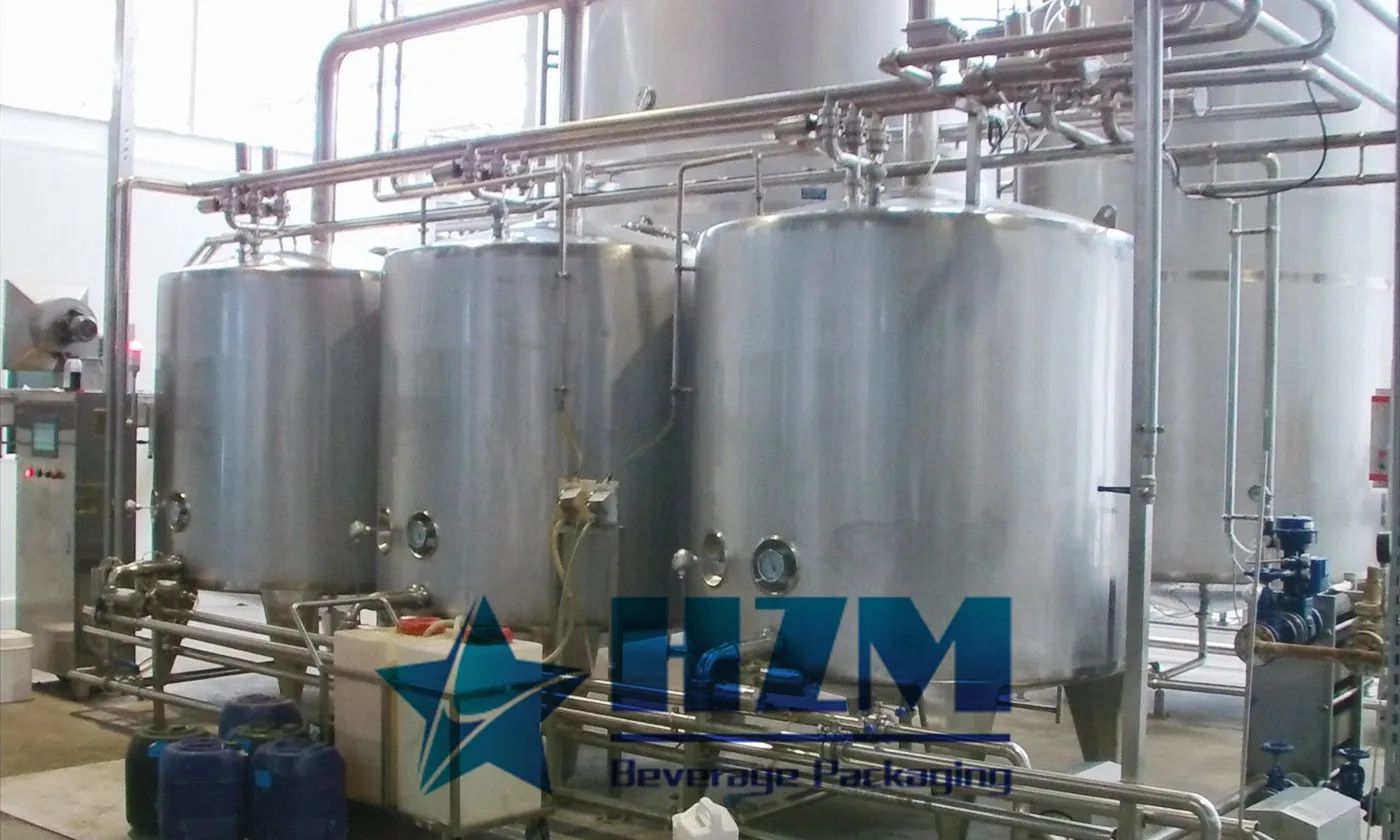
CIP solution failing to reach the validated cleaning temperature is easiest to solve while the original evidence is still available. Keep affected samples, record the operating state and resist making several adjustments at once.
Process-system alarms can affect both food safety and finished-product consistency. Temperature, time, flow, concentration, pressure and hygienic state must be evaluated as a connected process rather than as isolated instruments. The objective is not merely to clear the alarm for cIP solution failing to reach the validated cleaning temperature, but to recover a repeatable, verifiable process.
Quick answer: Check temperature measurement and circulation first, then verify heating-utility pressure, control valve, steam trap, heat exchanger, condensate removal, tank losses and route flow.
What operators usually see
Use the following signs to define the boundary of the problem. A head-by-head, lane-by-lane or time-based pattern is especially valuable: For this case, preserve evidence that shows whether tank heats but return temperature remains low.
- Tank heats but return temperature remains low
- Temperature stalls below setpoint
- Heating oscillates with valve position
- Warm-up time becomes progressively longer
Make the equipment safe and protect the product
Place affected product on hold and follow the validated food-safety plan. Isolate heat, pressure, chemicals and rotating equipment before inspection; only an authorized process authority may release product after a critical deviation.
Preserve the batch record and trend temperature, flow, pressure, conductivity or concentration, valve states, recipe version and alarm history from before, during and after the deviation. Explicitly record whether tank heats but return temperature remains low.
Most likely causes, in practical checking order
1. Heating utility limitation
Low steam or hot-water pressure and poor condensate removal reduce available heat To test this explanation without guessing, verify tank, supply and return temperatures with a traceable reference Record the result before moving to the next cause.
2. Heat-exchanger fouling
Deposit adds thermal resistance and may increase pressure drop A practical confirmation step is to trend utility pressure, control-valve output and condensate condition. Compare the finding with a known-good run.
3. Low or bypassing circulation
Solution does not pass the heater or return uniformly from the route Do not compensate for this condition in the recipe. First, check CIP flow and confirmed valve route Keep the original setting and measured result in the fault record.
4. Sensor or control-valve fault
A drifting probe or sticking valve gives the controller incorrect feedback Separate this cause from the others with one controlled check: compare exchanger inlet and outlet temperatures and pressure drop Use the same product, format and speed for the comparison.
Step-by-step diagnostic procedure
Follow the sequence in order and preserve each result. Stop if any check would require defeating a guard, interlock or validated food-safety control.
- Verify tank, supply and return temperatures with a traceable reference
- Trend utility pressure, control-valve output and condensate condition
- Check CIP flow and confirmed valve route
- Compare exchanger inlet and outlet temperatures and pressure drop
- Inspect steam trap or heating loop through qualified maintenance
- Test sensor response and control-valve travel
Corrective actions that address the root cause
The repair must remove the mechanism, not hide its alarm. Use specified hygienic and safety-rated parts and record every change.
- Restore heating utility and condensate removal
- Clean or service the heat exchanger
- Correct circulation and bypassing valves
- Calibrate the sensor and repair the heating control valve
How to verify the repair before full-speed production
A successful no-load cycle is not enough. Use the actual product and package, sample every relevant head or lane, and verify this condition: Confirm that cip solution failing to reach the validated cleaning temperature is absent for multiple consecutive cycles, not only for one sample. Review the alarm history and keep diagnostic product segregated until the site’s quality procedure releases it.
- Confirm that cip solution failing to reach the validated cleaning temperature is absent for multiple consecutive cycles, not only for one sample.
- Compare the repaired result for “Tank heats but return temperature remains low” with the approved quality limit and the last known-good baseline.
- Check adjacent stations and downstream package quality for side effects associated with heating utility limitation.
- For “CIP Temperature Will Not Reach or Hold the Setpoint”, record the final settings, measurements, parts used and restart authorization.
Prevent the problem from returning
Use the repair evidence to improve the control plan. The following actions make recurrence visible early:
- Trend warm-up time and exchanger approach temperature
- Maintain steam traps and strainers
- Verify route flow
- Calibrate temperature channels
- Alarm any phase that does not meet both time and temperature requirements
When to stop troubleshooting and call a specialist
Stop and contact the machine or component supplier when cip solution failing to reach the validated cleaning temperature cannot be isolated with non-invasive checks, when it returns after an approved repair, or when calibration requires protected service tools. Escalate immediately for a damaged pressure boundary, uncontrolled motion, food-safety risk, exposed conductor or repeated protective trip. Send the service engineer the fault history, photos, samples, trend data, recipe revision and work already completed.
Relevant equipment for this application
The site example most closely related to cIP solution failing to reach the validated cleaning temperature is the CIP System. Equipment selection should be checked against samples, quality limits, required sustained output and available utilities.
Frequently asked questions
What should be checked first when cIP solution failing to reach the validated cleaning temperature?
Check temperature measurement and circulation first, then verify heating-utility pressure, control valve, steam trap, heat exchanger, condensate removal, tank losses and route flow. Preserve the original settings and take representative samples before repair work begins.
How can we distinguish heating utility limitation from heat-exchanger fouling?
Low steam or hot-water pressure and poor condensate removal reduce available heat In contrast, deposit adds thermal resistance and may increase pressure drop Compare the two mechanisms under the same operating condition by completing these checks: verify tank, supply and return temperatures with a traceable reference Then trend utility pressure, control-valve output and condensate condition
Can production continue while cIP solution failing to reach the validated cleaning temperature?
Only when the plant’s documented risk assessment and quality procedure allow it. For cIP solution failing to reach the validated cleaning temperature, stop and segregate production when package integrity, sanitation, validated processing, pressure safety, electrical protection or an uncontrolled reject trend is involved.
What evidence will help the equipment supplier respond faster?
Provide the model and serial number, product and format, target speed, first fault, timestamps, photos or video, affected station pattern and maintenance history. For this issue, also include tank heats but return temperature remains low and the measured result from this check: test sensor response and control-valve travel
Talk to our engineering team
Need help planning your packaging line?
Share your product, bottle and capacity requirements for a practical equipment recommendation.
Equipment
CIP System
The CIP system cleans the internal surfaces of beverage tanks, pipelines and filling equipment without routine disassembly.
Learn more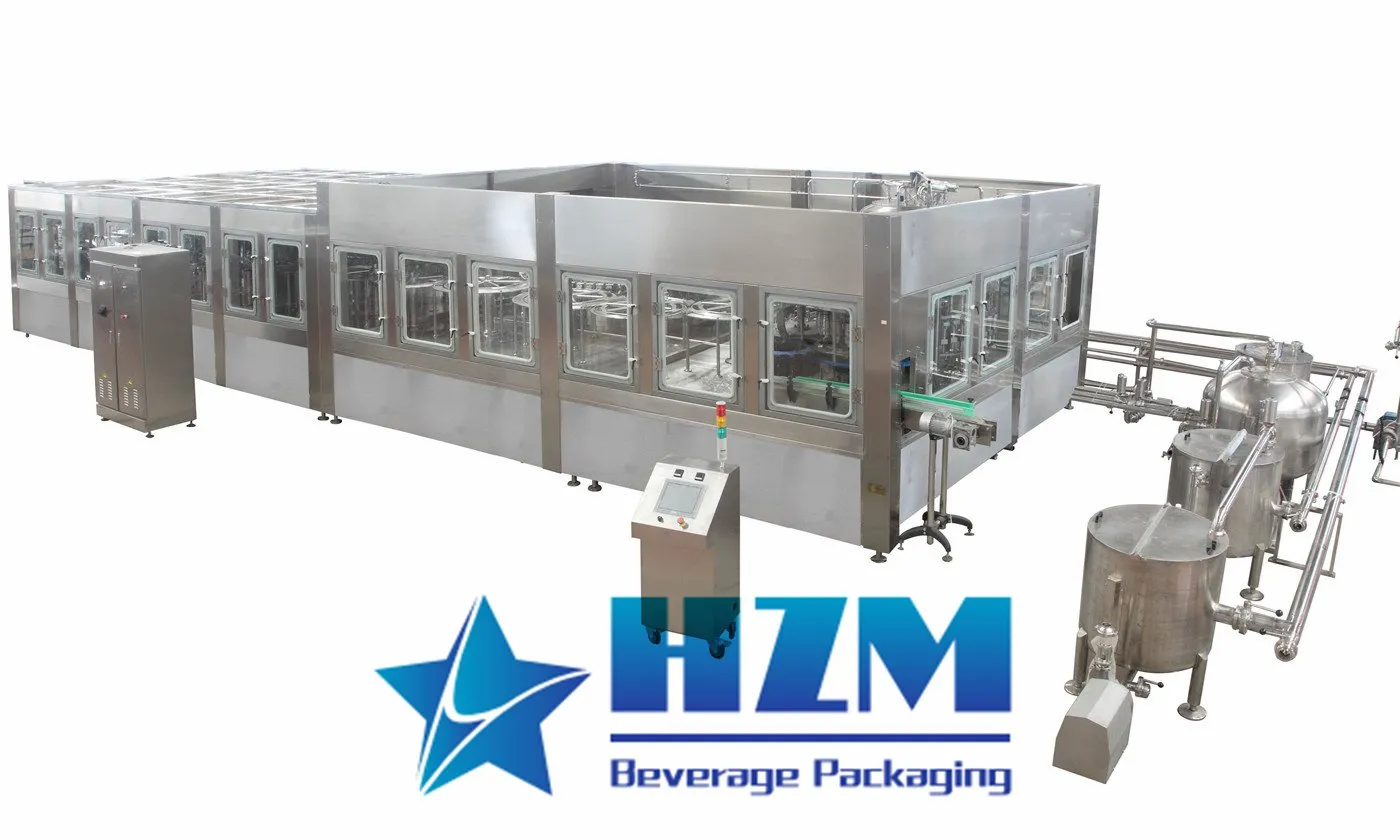
Equipment
Moderate Temperature Juice Filling Machine
Moderate-temperature juice filling with automatic bottle rinsing and capping, with XXGF models from 6,000 to 24,000 bottles/hour at 500 ml.
Learn more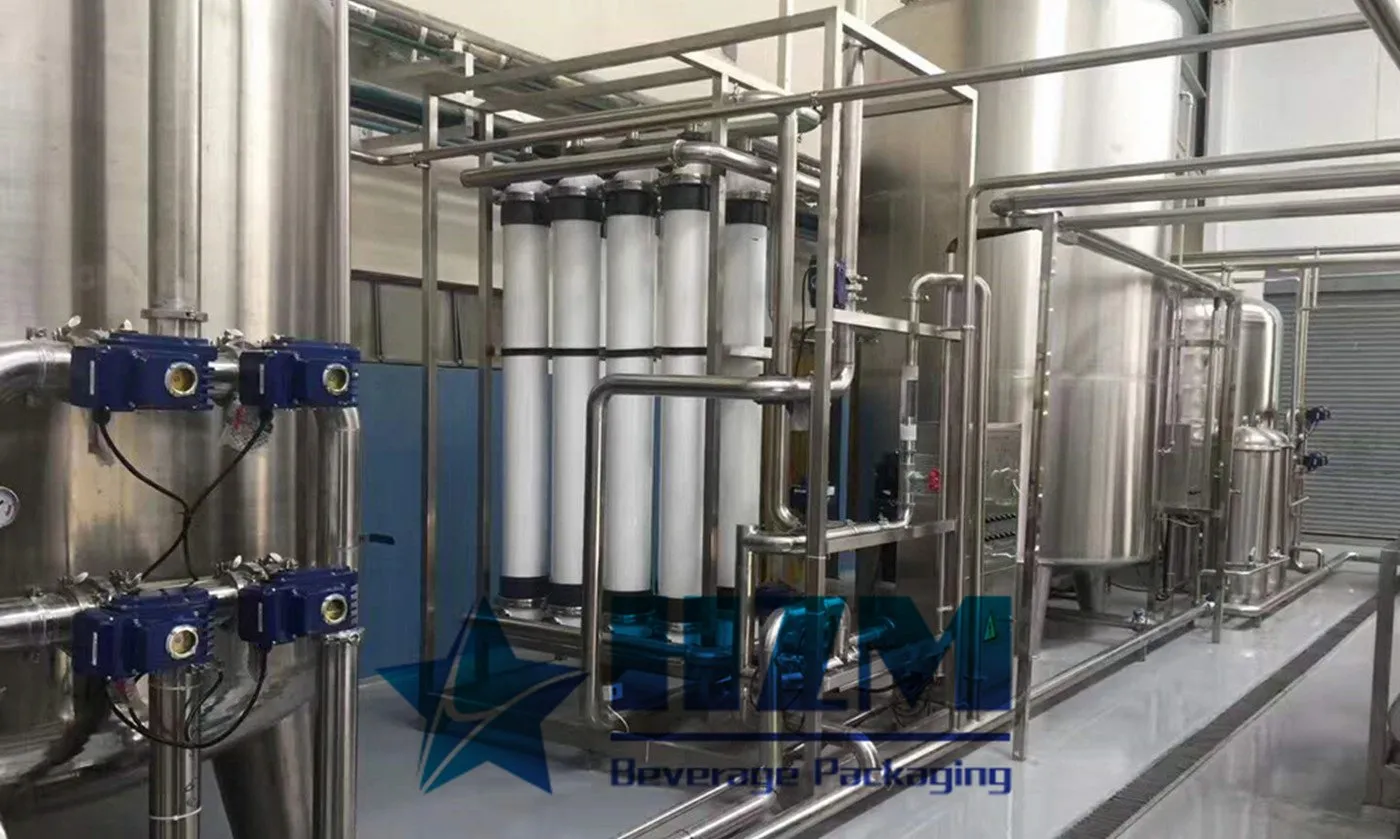
2026-10-03
RO CIP Did Not Restore Performance: Why Cleaning Fails
Cleaning fails when the foulant is misidentified, flow is too low, pH or temperature is wrong, the solution is exhausted, vessels are cleaned in the wrong grouping, or damage is irreversible. Review the full cleaning record. Follow this practical fault-isolation, repair and prevention guide for bottling-line operators and maintenance teams.
Learn more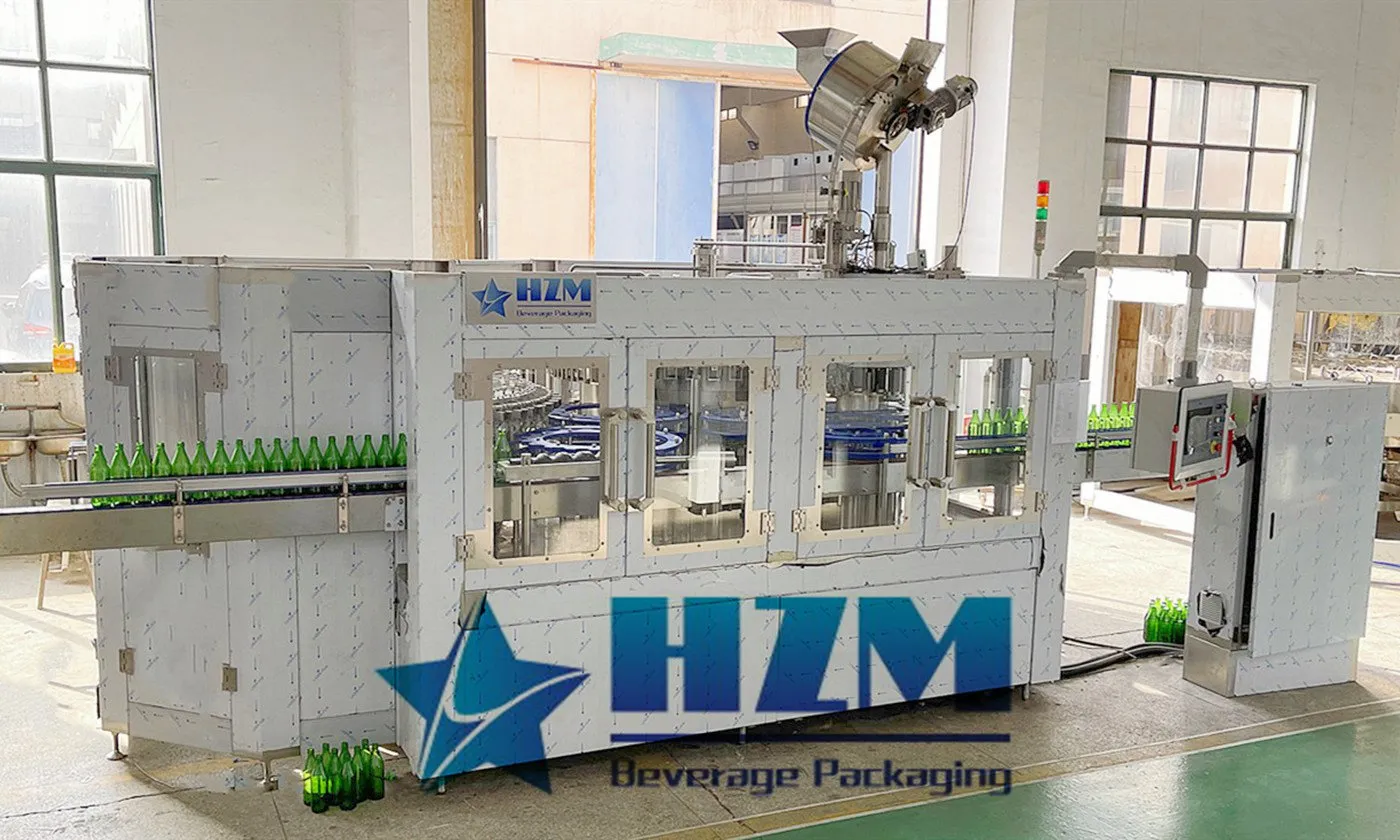
2023-06-09
Glass Bottle Filling Line Guide: Product Temperature and Filling Method
Practical HZM guidance on glass bottle filling line, focused on product temperature and filling method, line integration, RFQ data and measurable acceptance checks.
Learn more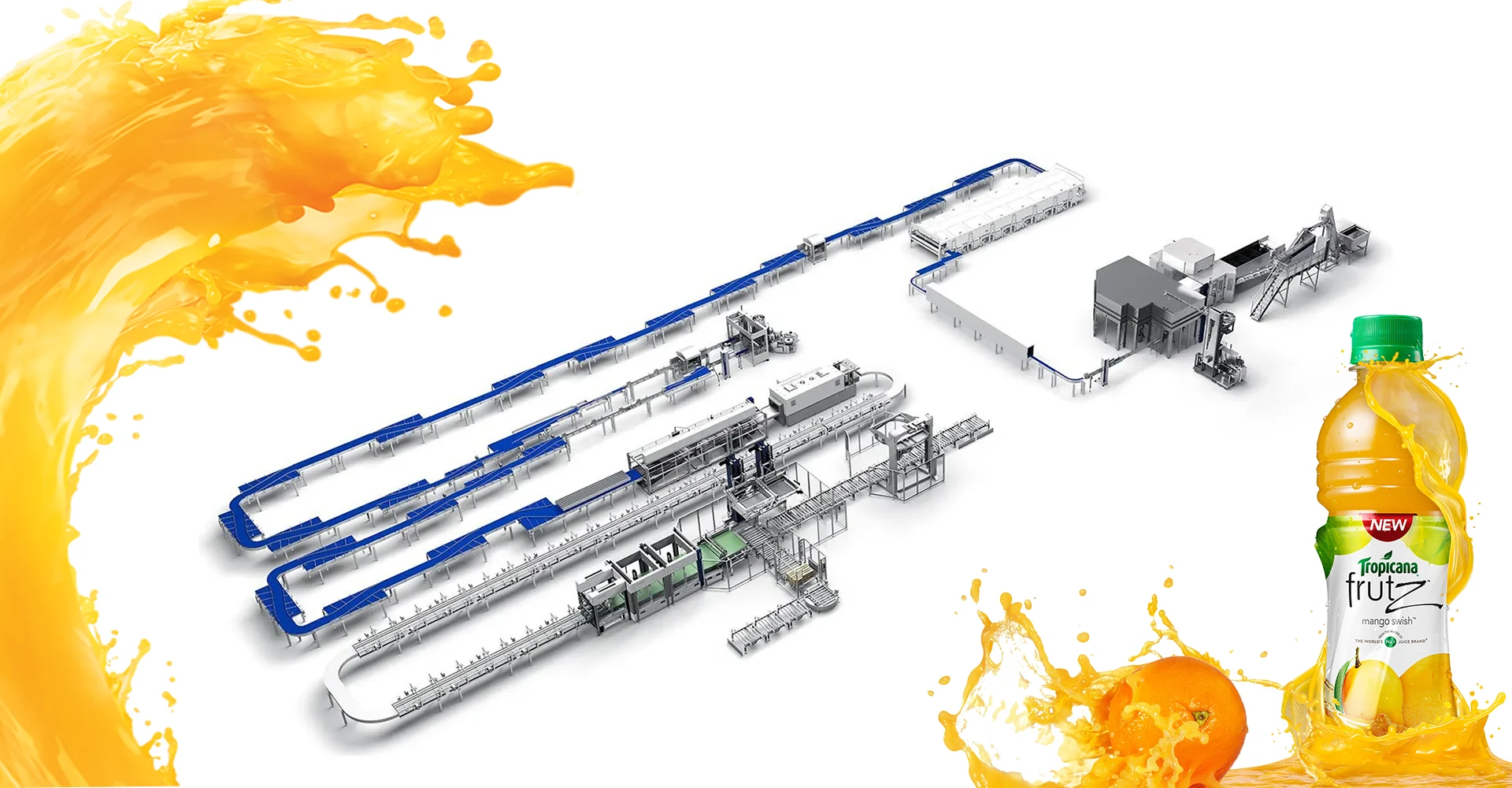
2023-06-09
Juice and Tea Filling Line Guide: Product Temperature and Process Selection
Practical HZM guidance on juice and tea filling line, focused on product temperature and process selection, line integration, RFQ data and measurable acceptance checks.
Learn more2026-07-31
CIP Verification for Beverage Plants: Flow, Temperature, Time and Concentration
Go beyond running a cleaning recipe: verify CIP flow, turbulence, temperature, chemical concentration, time, return condition and hygienic coverage.
Learn more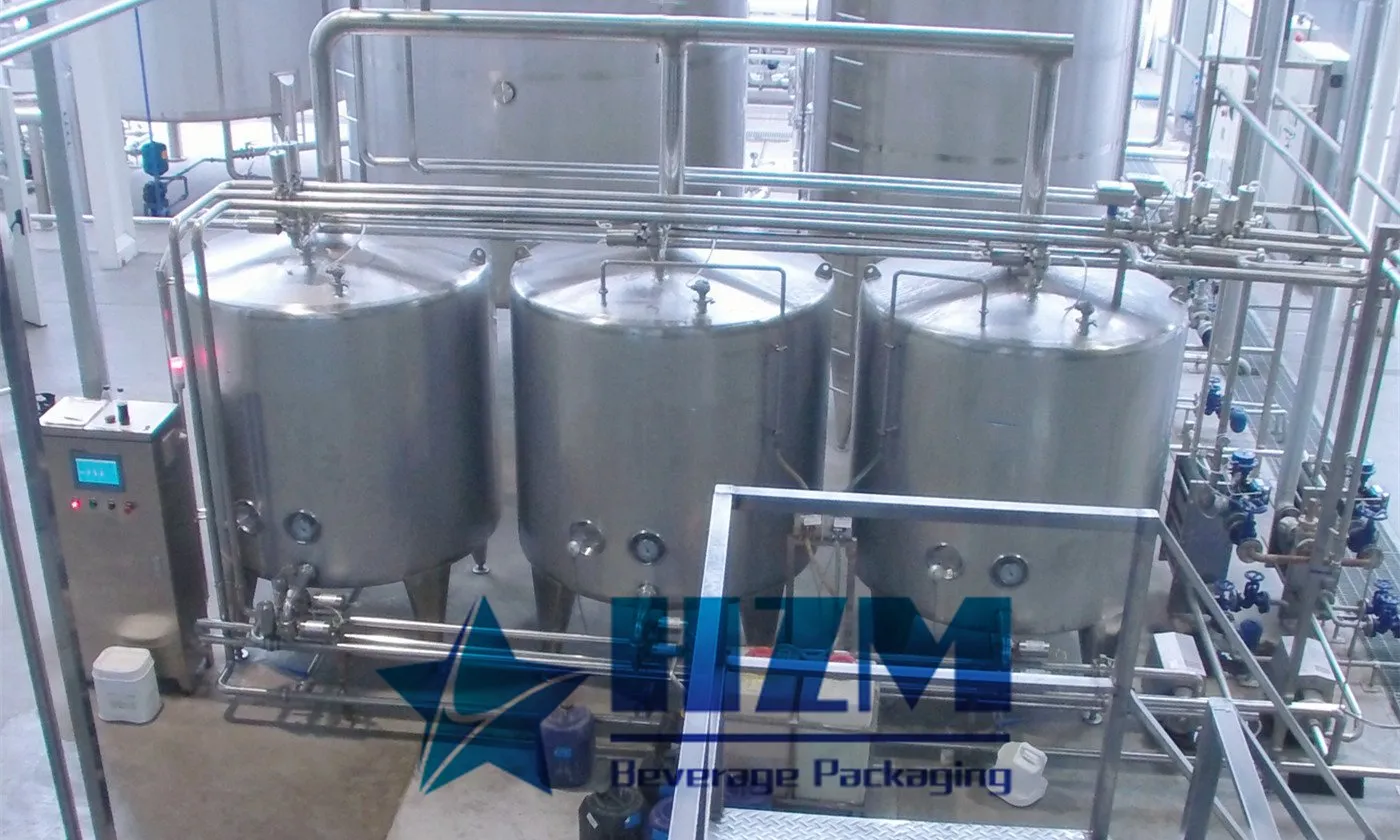
2024-05-14
What is a CIP cleaning system?
CIP cleaning system, also known as Clean In Place system, refers to a safe and automatic cleaning system that can be achieved through simple operation methods without dismantling production equipment.
Learn more2025-03-28
Principle and Application of CIP Cleaning System
The CIP cleaning system is an essential hygiene solution in water and beverage production. By providing an efficient and convenient cleaning process, it ensures equipment sanitation, improves production efficiency, extends equipment lifespan, and reduces energy consumption
Learn more