
Insights & Updates
Tea Beverage Labeling Machine Speed: How to Calculate Real Output
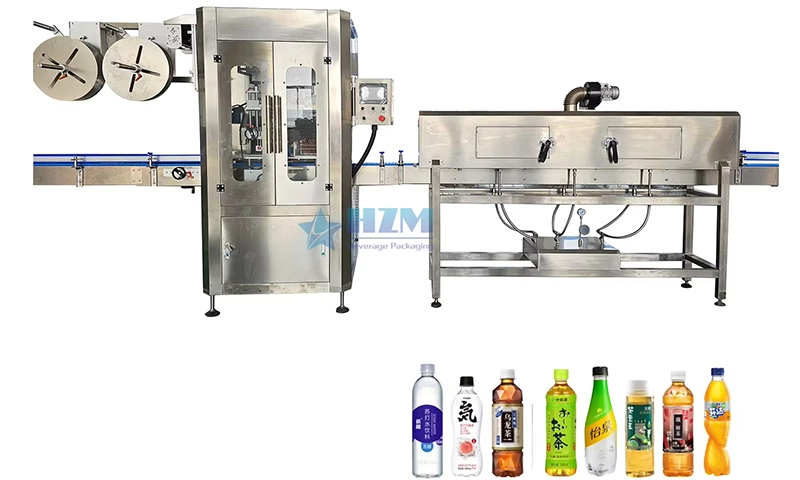
The required labeling speed for a tea beverage line is not a universal number. It should be calculated from the filler’s sustained output, expected efficiency, container spacing, label type and the time lost to roll changes or adjustments. Buying a labeler whose catalogue speed merely equals the filler nameplate often creates a downstream bottleneck.
The practical goal is stable, correctly positioned labels at the required saleable output—not the highest short-term mechanical speed.
Convert filling capacity into labels per minute
Begin with the required bottles per hour (BPH):
Required bottles per minute = BPH ÷ 60
A 12,000 BPH line therefore needs an average of 200 correctly labeled bottles per minute during scheduled production. The labeler should have additional operating margin because it experiences roll changes, splices, container gaps and short stops. The correct margin depends on the label technology, planned efficiency and line-control strategy; it should be agreed from a realistic production model rather than an arbitrary percentage.
Nameplate speed vs. sustained production speed
Nameplate speed may be measured with one standard cylindrical bottle and approved label material under stable factory conditions. Actual output can be lower when the commercial bottle has pronounced contours, the label is long, the film is difficult to shrink, the adhesive changes with temperature or the production team changes formats frequently.
Ask the supplier to state speed for each real bottle-and-label combination. If one difficult SKU runs slower, use it in the line balance or schedule it separately.
Choose the label technology before choosing speed
Shrink-sleeve labeling
A sleeve label is cut and placed over the container, then shrunk in a steam or hot-air tunnel. It can cover complex shapes and provide high-impact decoration. Stable film feed, cut length, bottle pitch and tunnel conditions determine the result. The labeler and tunnel should be tested together because a correctly applied sleeve can still leave the tunnel distorted or wrinkled.
BOPP roll-fed hot-glue labeling
Roll-fed BOPP labels are common on high-volume cylindrical PET bottles. Web tension, cutting, glue temperature and bottle rotation affect placement. This approach can be efficient for standardized bottles, but it is not automatically suitable for every container contour or small production run.
Self-adhesive labeling
Pressure-sensitive labels offer flexibility for front, back or wraparound decoration and can suit shorter runs. Liner handling, dispensing speed, bottle stability and accurate triggering become important at higher output.
Tea bottle conditions that affect labeling
Hot-filled tea bottles may reach the labeler after a cooling process. If the bottle surface remains wet or warm, adhesive performance and label position can suffer. Bottle contraction, panel movement or vacuum effects can also change the surface relative to a room-temperature sample.
Define the expected bottle temperature and dryness at label application. Use an air knife or other drying solution where required, and validate the commercial bottle after the complete hot-fill and cooling sequence.
Conveyor spacing and accumulation
The labeler needs controlled bottle spacing. Containers arriving in contact or with large random gaps make accurate triggering harder. An infeed screw, spacing belt or suitable conveyor control may be needed, depending on the machine.
Downstream accumulation should absorb a short packer stop without immediately blocking the labeler. At the same time, excessive back pressure can scuff labels or destabilize lightweight bottles. A coordinated beverage conveyor system protects both speed and appearance.
What reduces real labeling output
- Film or label roll changes that were excluded from the capacity calculation.
- Inconsistent bottle dimensions, surface moisture or static.
- Poor label winding, web tension or adhesive condition.
- Slow warm-up or unstable temperature in a shrink tunnel.
- Incorrect sensor selection for transparent bottles or labels.
- Frequent micro-stops caused by uncontrolled container spacing.
- Changeovers that depend on repeated trial and error.
Specify quality as well as speed
A labeler is not performing well if it reaches the target speed but creates rework. Define measurable acceptance conditions for position, skew, overlap, wrinkles, bubbles, glue marks and damage. Critical artwork should remain readable and aligned after the bottle passes through downstream packing.
Inspect the beginning, middle and end of the test and include bottles from every relevant lane or operating condition. The agreed output should count conforming labeled bottles.
How to size the machine for multiple SKUs
Create a simple matrix with bottle drawing, label drawing, material, required BPH and annual volume. Add the estimated changeover frequency and label-roll length. A high-speed solution may still lose more scheduled time than a moderately rated machine if rolls are too short or changeovers are complicated.
For future formats, confirm the available adjustment range and required change parts. Do not assume that the phrase “multi-size” means tool-free conversion.
Acceptance test checklist
- Use commercial bottles and production-grade label rolls.
- Run the most demanding high-volume SKU for an agreed duration.
- Measure saleable labels per minute and record all stops.
- Check placement and appearance against agreed tolerances.
- Demonstrate roll change, splice handling and a representative SKU change.
- Verify communication with the filler, conveyors and packer.
HZM supplies automatic sleeve labeling machines, BOPP hot-glue labelers and complete line integration. Send the bottle and label drawings, material samples, required BPH and upstream bottle condition to receive a speed proposal based on the actual tea package.
Talk to our engineering team
Need help planning your packaging line?
Share your product, bottle and capacity requirements for a practical equipment recommendation.
Equipment
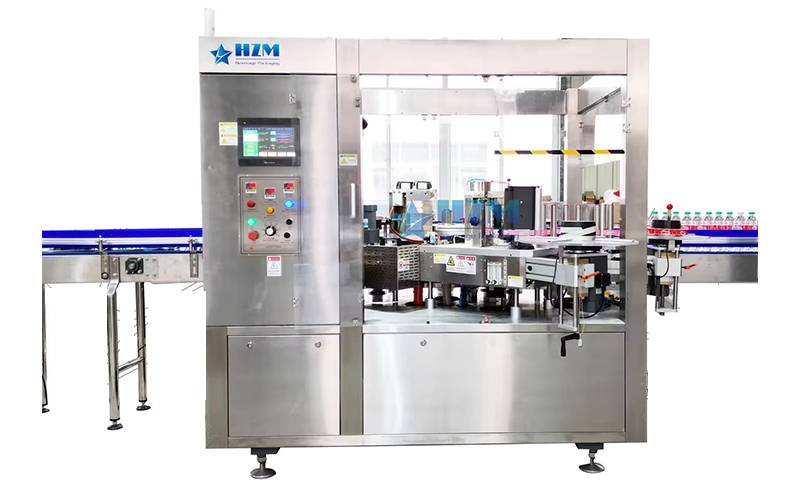
Automatic Water Bottle Labeling Machine
Automatic hot-glue labelling for water and beverage bottles, with HG models from 8,000 to 24,000 bottles/hour.
Learn more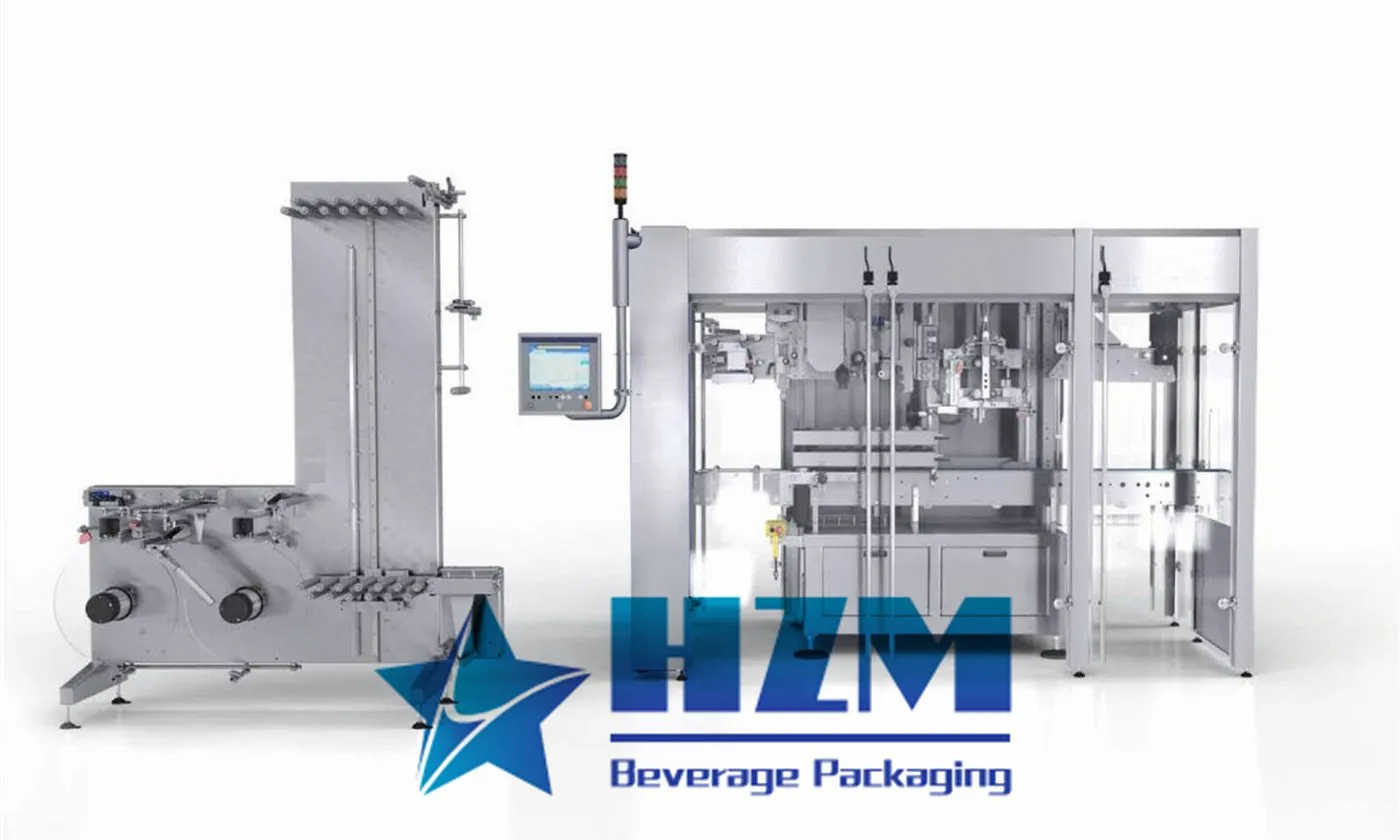
Equipment
Automatic Sleeve Labeling Machine
Automatic shrink sleeve labelling for beverage bottles, with SHB models from 9,000 to 27,000 bottles/hour.
Learn more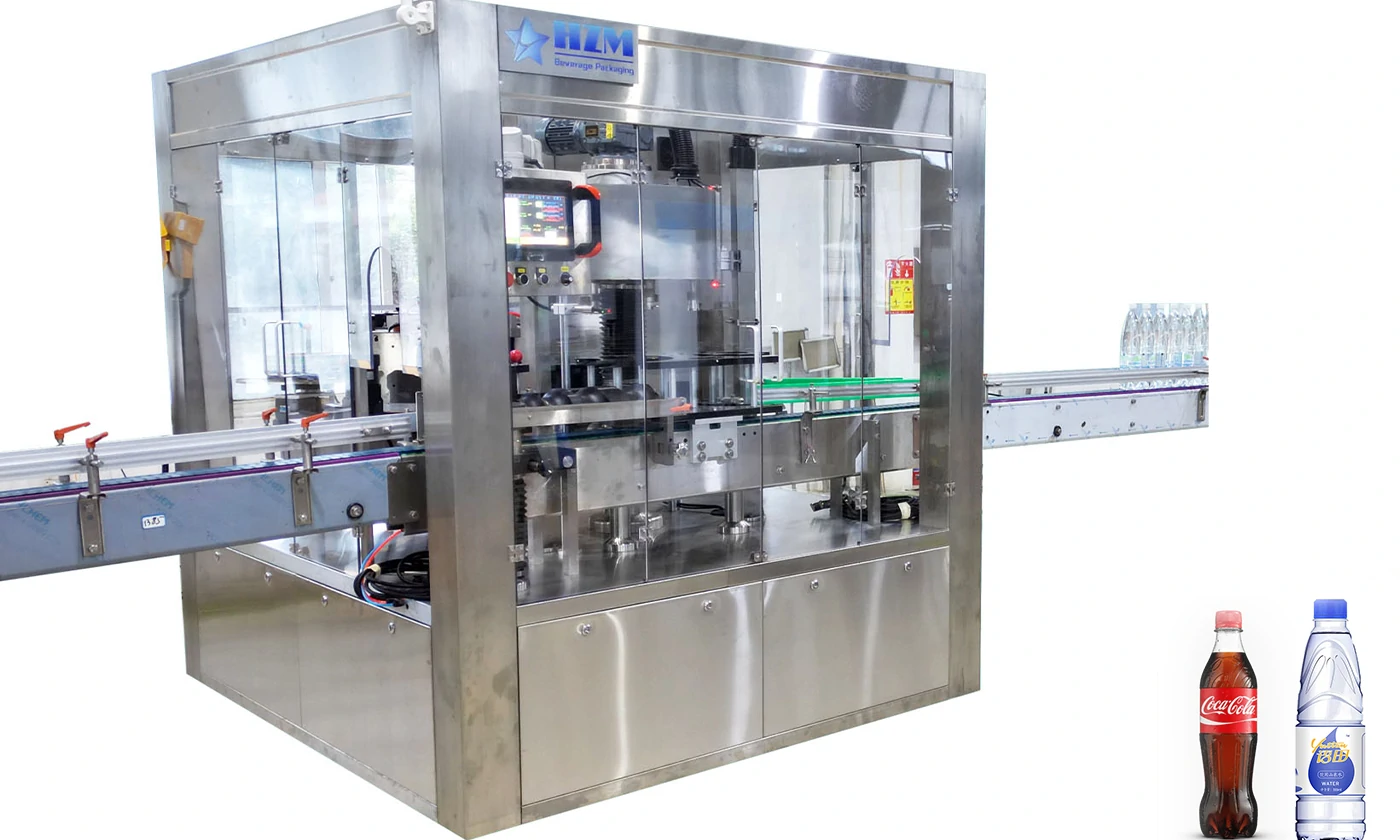
Equipment
Automatic BOPP labeling machine
Automatic BOPP hot-glue labelling for cylindrical containers, with a labelling speed of 12,000 bottles/hour.
Learn more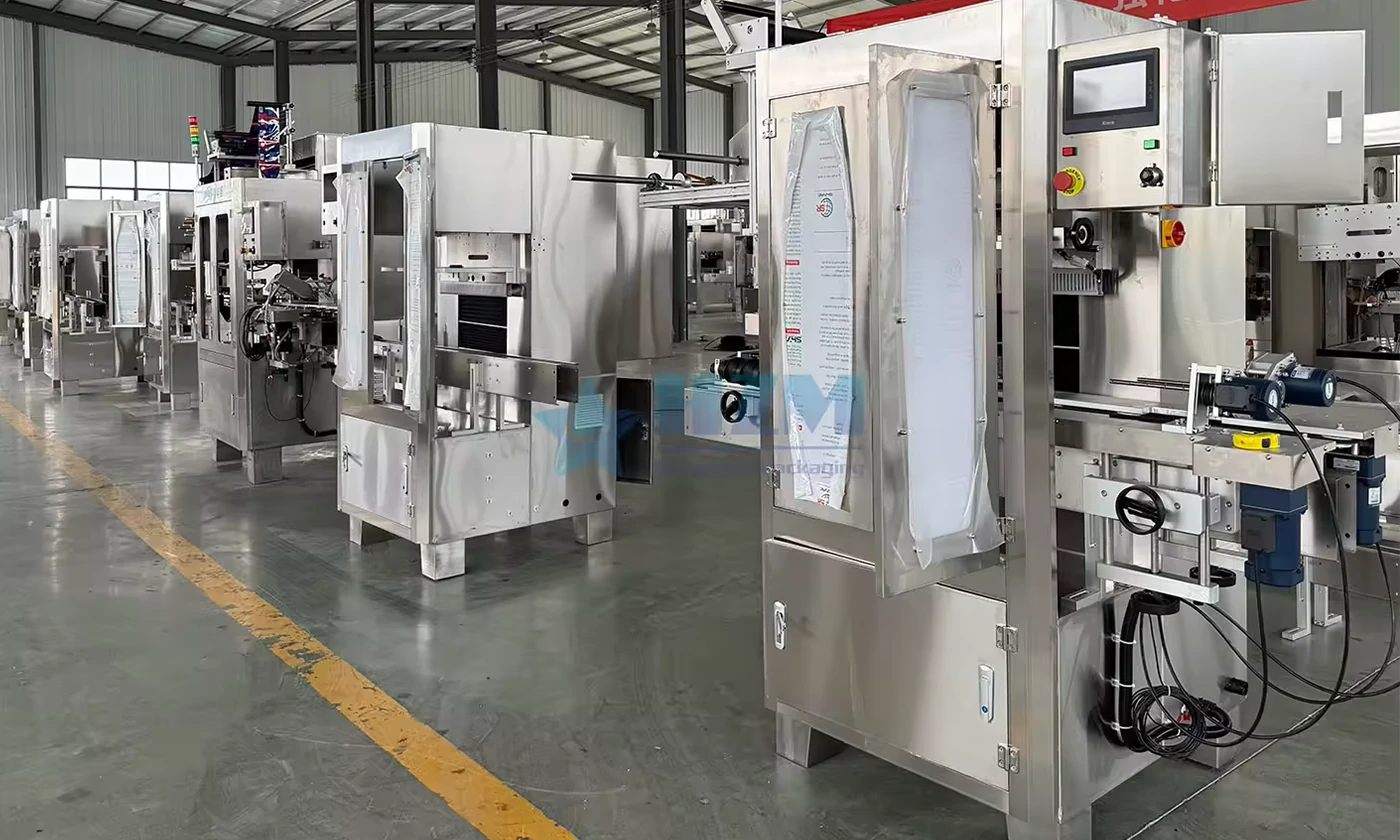
Equipment
Automatic High Speed Bottle Body Sleeve Labelling Machine
The automatic sleeve labelling machine applies shrink sleeves to bottle bodies for water and beverage packaging.
Learn more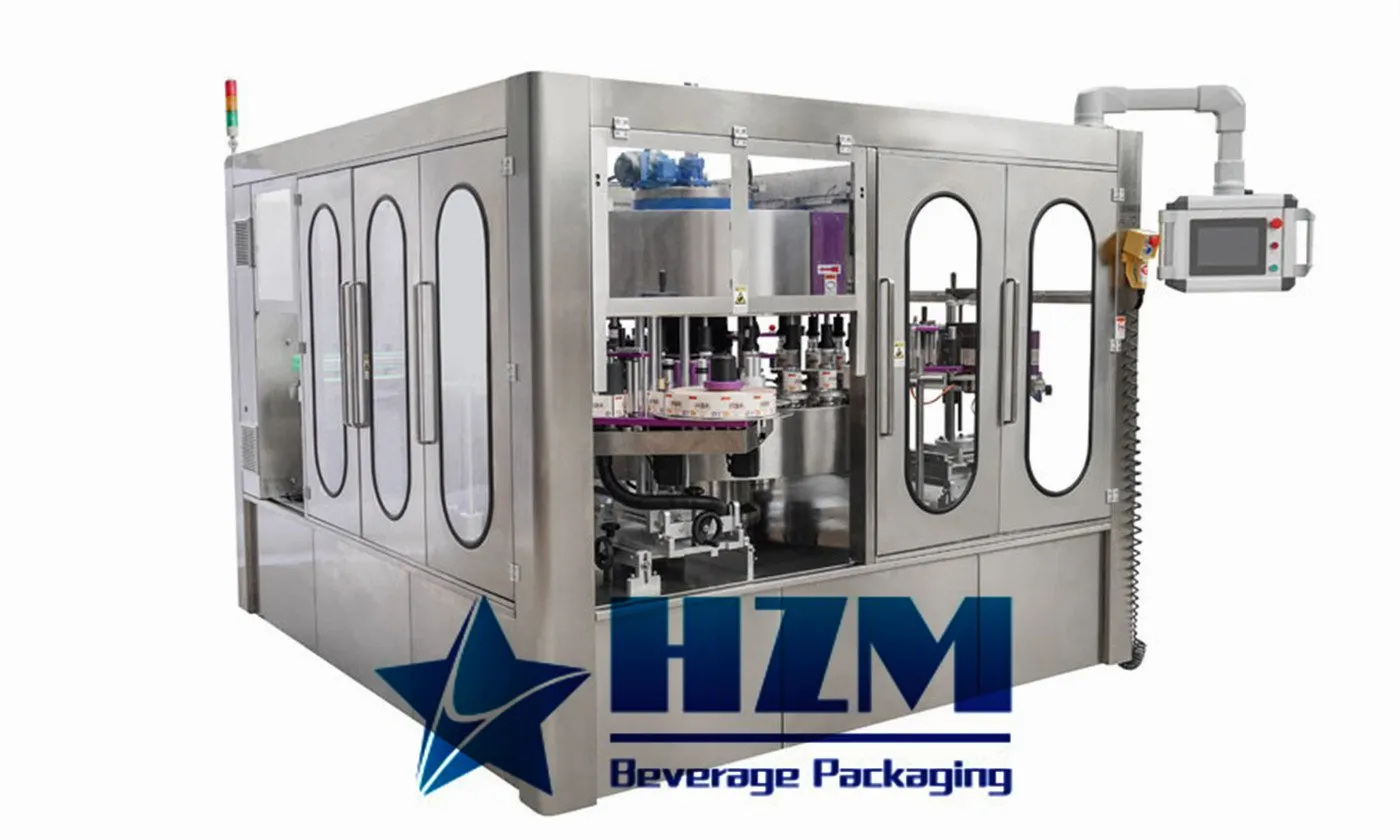
Equipment
Automatic Self-Adhesive Labeling Machine
Automatic self-adhesive labelling for cylindrical containers, with ALM models covering 90–600 bottles/minute.
Learn more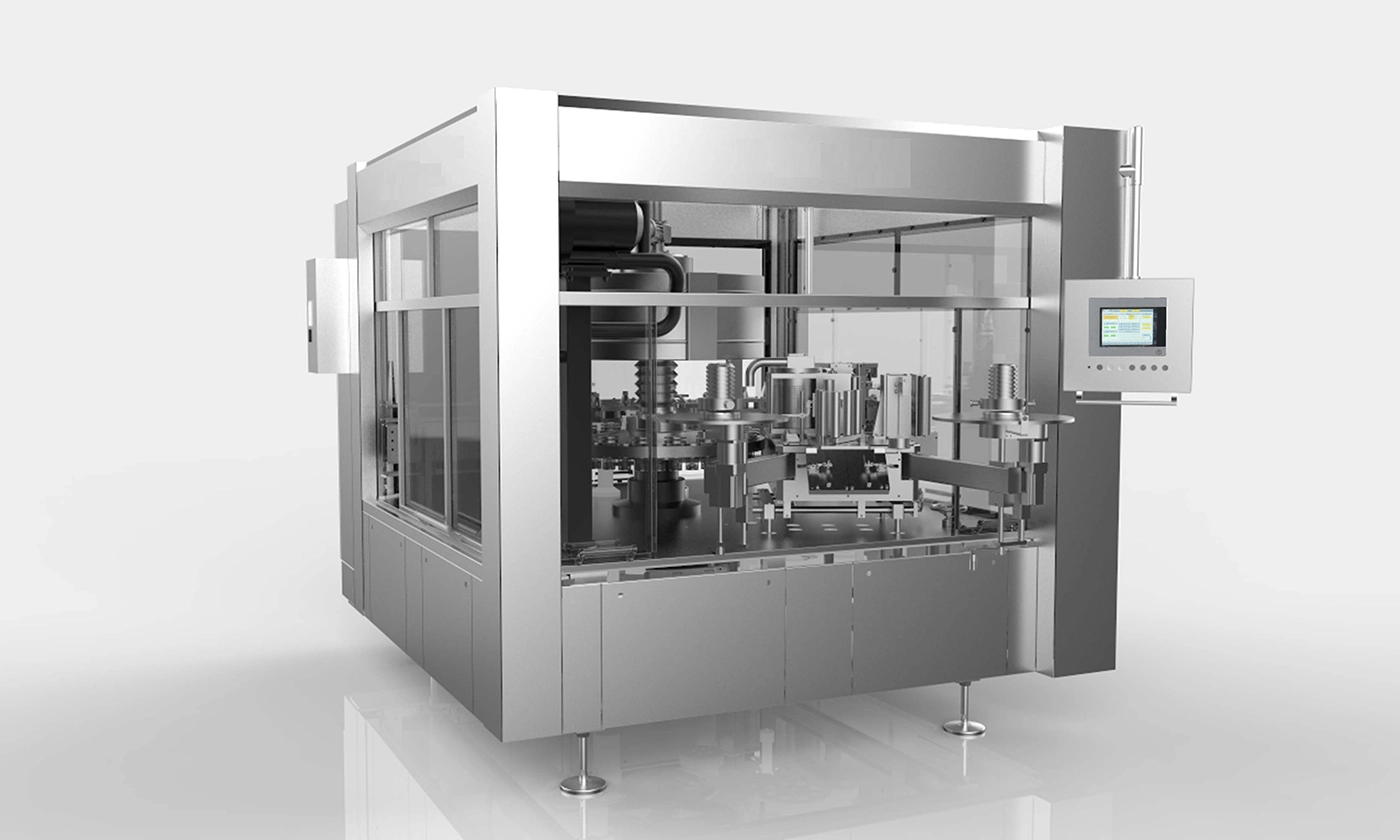
Equipment
Automatic rotary OPP labeling machine: Bottle labeling machine
RH8 rotary OPP and BOPP labelling for round containers, with speeds of 4,000–12,000 bottles/hour for 500–2,000 ml containers.
Learn more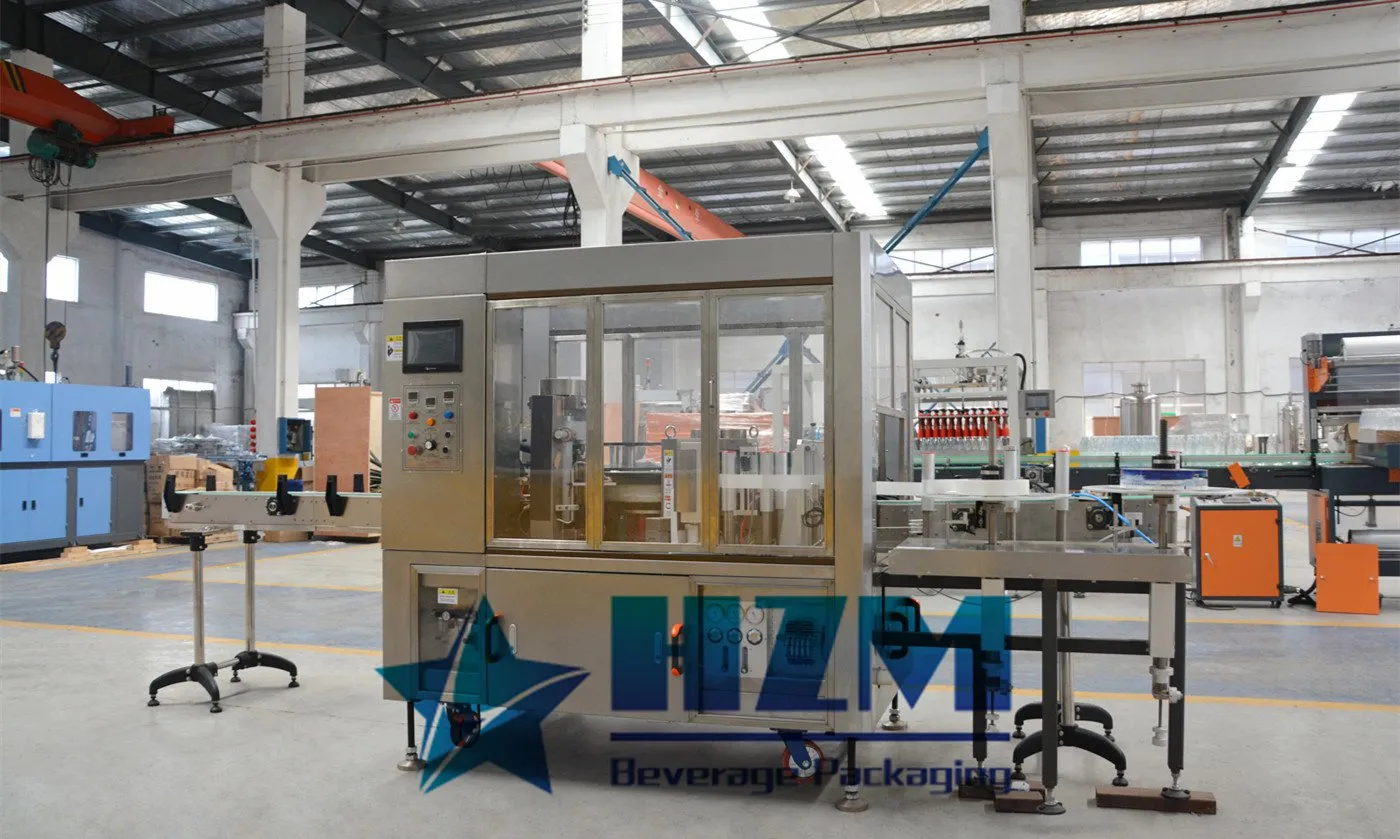
Equipment
Automatic Linear Type Hot Glue Labeling Machine
Linear hot-glue labelling for water and soft-drink bottles, using roll-fed OPP labels at 8,000–24,000 bottles/hour.
Learn more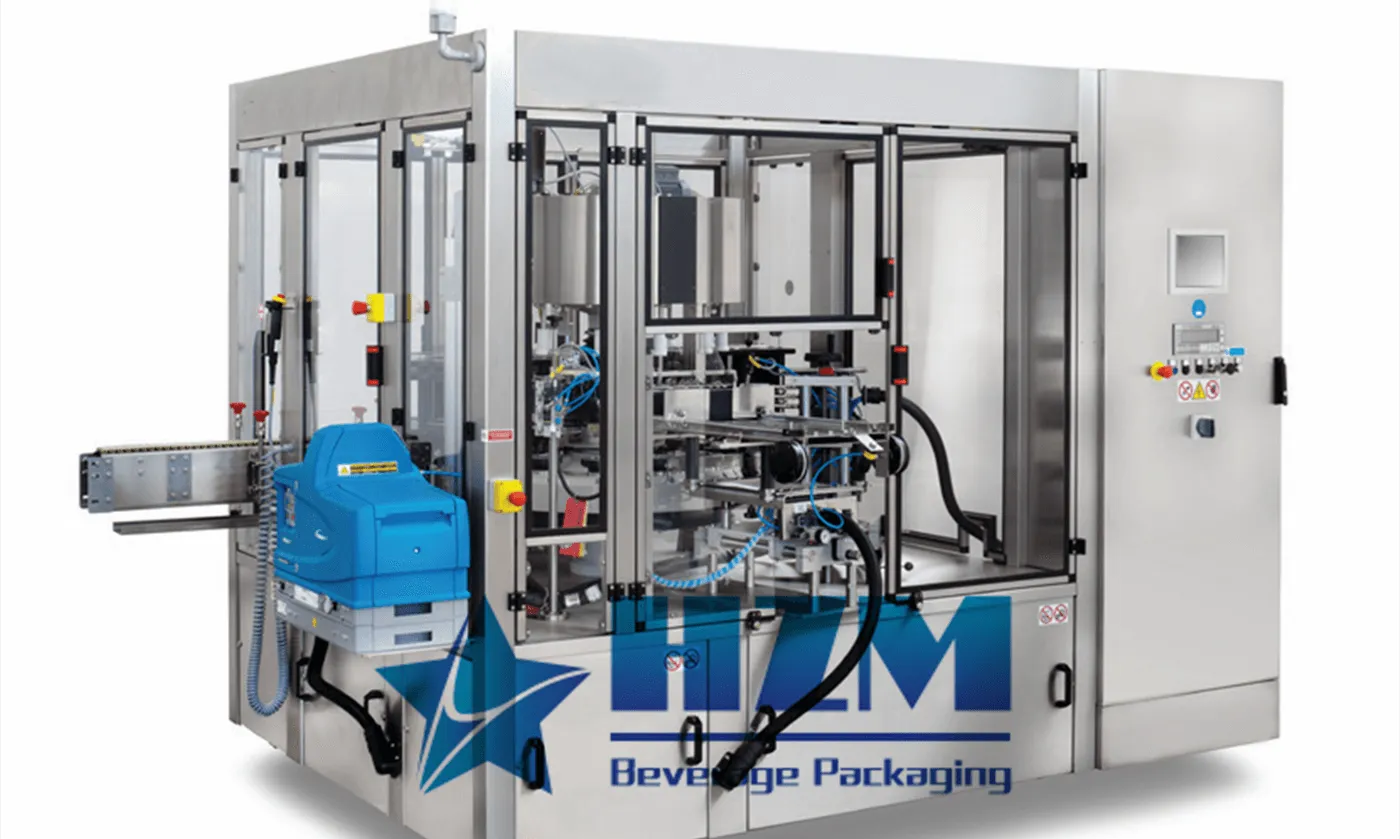
Equipment
Automatic BOPP Hot Glue Labeling Machine
Rotary BOPP hot-glue labelling for beverage containers, with RG models from 8,000 to 24,000 bottles/hour.
Learn moreEquipment
Automatic Shrink Sleeve Bottles Labeling Capping Packing Machine
Automatic shrink sleeve application for beverage bottles, with SHB capacities of 9,000–27,000 bottles/hour.
Learn more
2023-07-21
Functional Tea Beverage Filling Machine: Enhancing Efficiency in Tea Production
The functional tea beverage filling machine is a vital equipment in tea beverage production, characterized by high efficiency, flexibility, and precision to meet different production scales
Learn more
2023-03-24
Three common faults and quick solutions for automatic labeling machines
Labeling machines are widely used in the beverage packaging industry. In recent years, with the continuous development of the video beverage industry and the continuous progress of labeling technology, the labeling machine equipment selected by the beverage packaging industry has gradually put forward higher requirements. At present, the labeling machine has gradually entered the […]
Learn more
2023-06-01
How Do Label Machines Work?
Labels are vital aspects of every business because these help in different business aspects ranging from packaging to presentation, identification, and traceability. These serve as a communicating
Learn more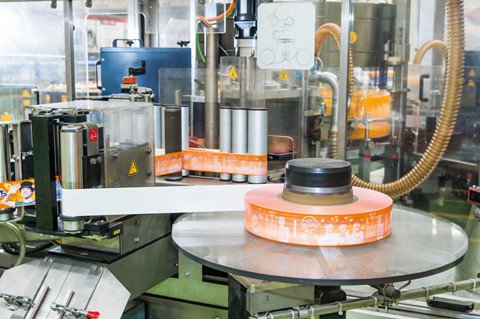
2023-03-24
What is A Labeling System?
A labeling system is a machine that puts labels on the containers, shoppers and bottles. The brands and companies are using them for decades. Through labels, consumers can easily come to know about the brand. Labels increase brand awareness. They also tell consumers about the product. Labels contain the brand name and a little info […]
Learn more
2023-08-09
Three-in-One Beverage Filling Machine: Filling, Capping, Labeling
The Three-in-One Beverage Filling Machine revolutionizes the beverage production process by integrating three crucial functions into one seamless operation
Learn more
2023-04-27
The 6 Elements of Tea Beverage Production that Affect Quality
There are several methods to solve the chaos of tea beverages, and the commonly used method is the physical method - cooling the tea soup and removing it with a high-speed centrifuge or filtering it with ultrafiltration to improve the clarity of the tea soup
Learn more