
Insights & Updates
How Many Bottles Per Minute Can a Small Beverage Packaging Line Fill?
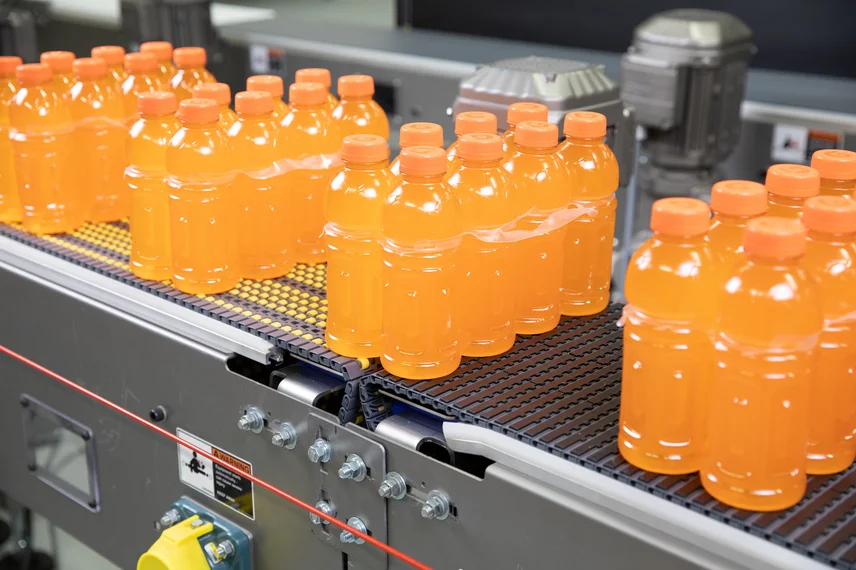
In the beverage production sector, the filling efficiency of small-scale beverage packaging lines is a crucial metric that enterprises closely monitor. The number of bottles filled per minute directly reflects the line’s production capacity. Based on relevant equipment specifications, the number of bottles filled per minute on a small beverage packaging line is typically calculated from its hourly filling capacity (BPH).
Automatic integrated rinsing, filling, and capping machines generally offer a capacity range of 2,000 to 30,000 BPH (based on 500ml bottles). For small-scale lines, the filling capacity is usually on the lower end of this range. For example, at a rate of 2,000 bottles per hour, the output translates to approximately 33 bottles per minute (2,000 ÷ 60 ≈ 33 bpm). At 3,000 bottles per hour, the rate is 50 bottles per minute. Therefore, the filling speed of a small beverage packaging line typically falls within the range of 33 to 50 bottles per minute.
Multiple factors influence filling efficiency. First is the number of filling heads. Machines are available with 12, 16, 24, or 32 filling heads; more heads allow more bottles to be filled in a given time, while fewer heads reduce output. Small-scale lines typically use fewer filling heads to match their production scale. Another factor is the characteristics of the beverage. Carbonated drinks like beer or soda require more controlled filling speeds to prevent foaming and overflow, slightly reducing efficiency. In contrast, non-carbonated beverages are easier and faster to fill.
Bottle specifications also play a role. Different bottle sizes and shapes can affect the speed and accuracy of bottle transport and positioning, impacting overall filling efficiency. The equipment is capable of filling bottles ranging from 200ml to 2000ml, and slight differences in efficiency may occur when adapting to various bottle types. Furthermore, the level of automation and control system is critical. This equipment uses a PLC + touchscreen control system, offering convenient operation and precise control over the filling process. A stable control system ensures consistent performance, while any faults in the system may reduce efficiency.
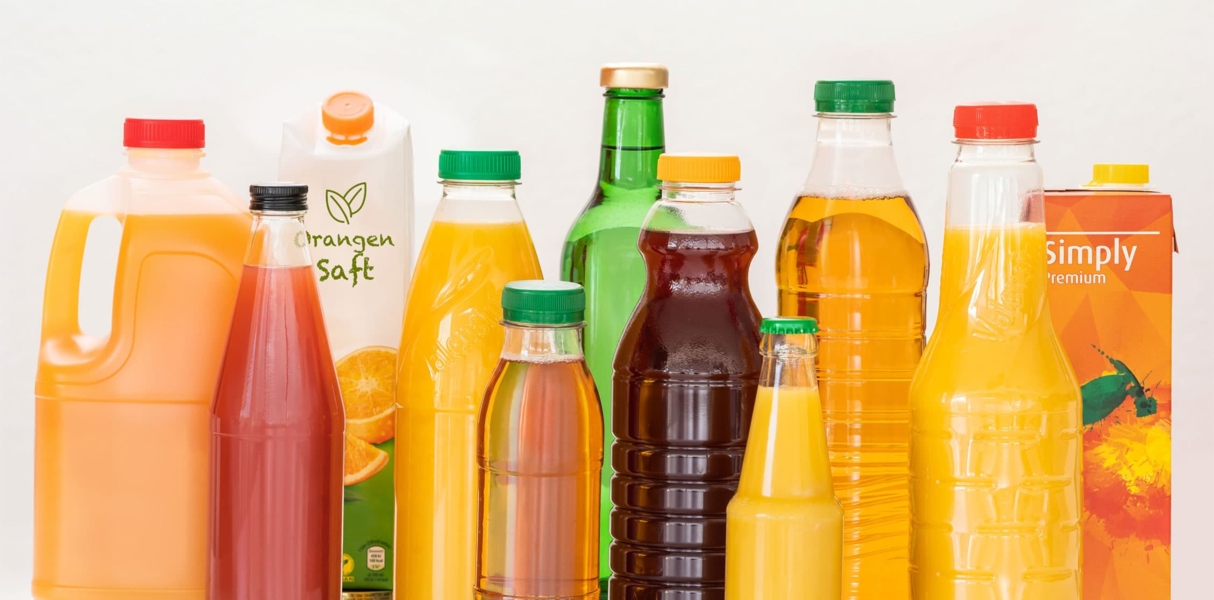
The indicated filling efficiency range is well-aligned with the equipment’s features. It supports isobaric filling, maintaining a high level of accuracy (±2mm) while delivering stable and consistent output. The machine is compatible with both PET and glass bottles and can be used to fill a variety of beverages, including beer, cola, carbonated soft drinks, and sparkling water—meeting the diverse production needs of small beverage enterprises. Its electric drive system and 380V voltage configuration ensure steady operation. Additionally, the equipment includes a 2-year warranty and overseas after-sales service, providing further assurance of reliable, uninterrupted production.
HZM Machinery is a professional manufacturer and supplier of beverage packaging machines, headquartered in Jiangsu, China. With extensive production experience and advanced technology, HZM offers production lines for small, medium, and large-scale operations to meet the varied needs of businesses. Whether for start-up production by small enterprises or large-scale operations by bigger firms, suitable equipment is available. Moreover, HZM’s packaging machines feature adjustable filling speeds, allowing companies to adapt production rates according to order volume and scheduling, thus enhancing production flexibility and adaptability.
In conclusion, the filling speed of a small beverage packaging line is approximately 33–50 bottles per minute. This rate is well-suited to small-scale production while ensuring the quality of filling and meeting basic business needs. HZM Machinery’s diverse range of production lines and adjustable filling speeds offer beverage producers more options and greater convenience.
Talk to our engineering team
Need help planning your packaging line?
Share your product, bottle and capacity requirements for a practical equipment recommendation.
2023-10-30
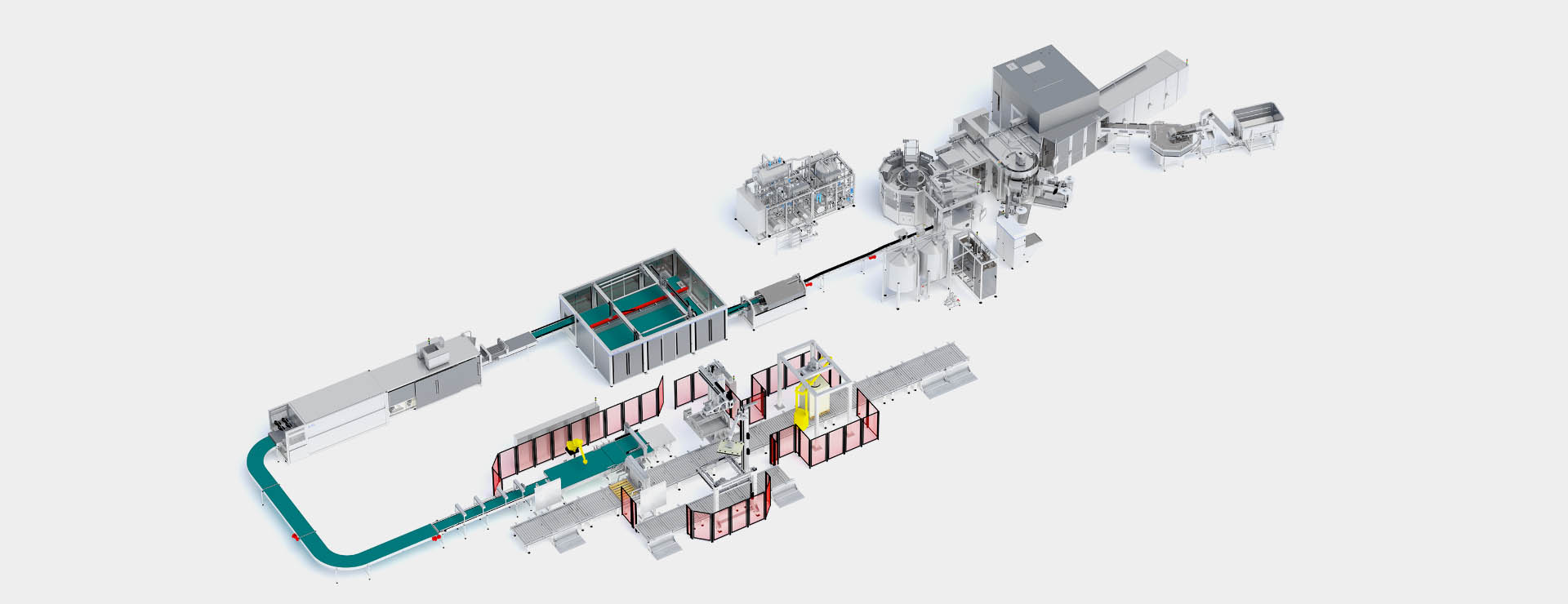
Automated Production Line for Carbonated Beverages: 36,000 Bottles Per Hour
Especially in the domain of carbonated beverage production, automated lines play an irreplaceable role. Today, we will delve into an automated production line capable of producing 36,000 bottles of carbonated beverages per hour.
Learn more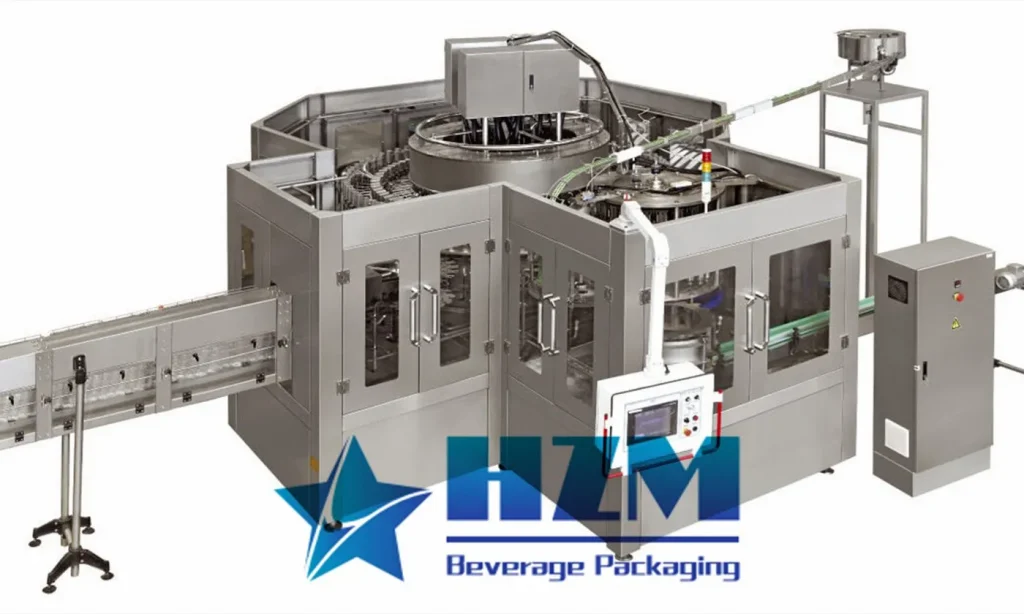
2023-08-03
How much does an edible oil filling machine cost per unit, and how to choose the right one?
An edible oil filling machine is specifically designed for filling edible oil into containers and commonly adopts a flowmeter-based filling method. It utilizes computer tracking to adjust the oil delivery volume in real-time according to changes in oil temperature and density, ensuring high metering accuracy and minimizing errors caused by temperature and density variations.
Learn more