
Insights & Updates
Beverage Filling Machine vs. Packaging Machine: What Is the Difference?
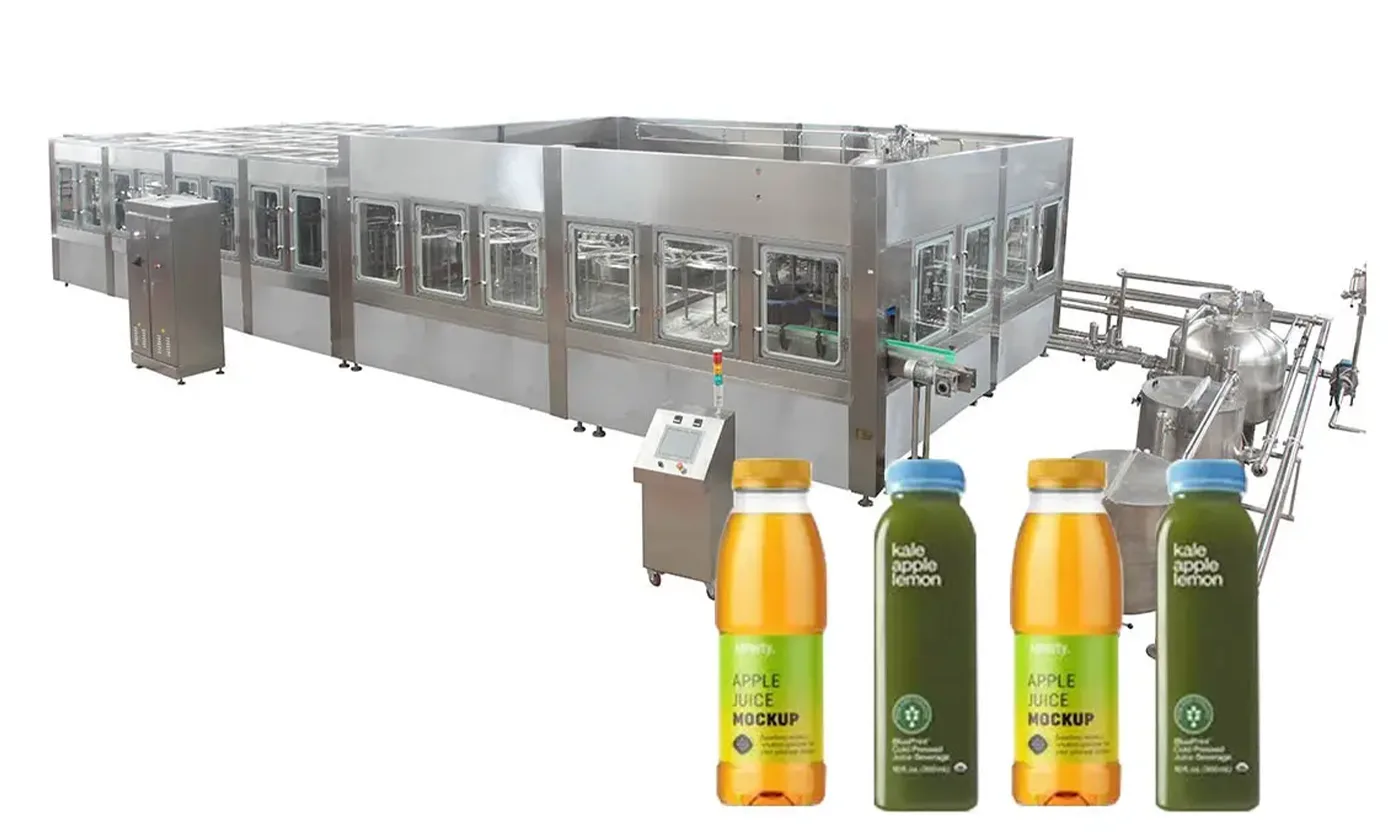
A beverage filling machine puts a controlled quantity of product into a bottle, can or other container. A packaging machine prepares that filled container for identification, handling, transport or sale. The terms sound simple, but suppliers often use “beverage packaging machine” in two different ways: either for downstream equipment such as labelers and case packers, or for the complete line from container preparation through palletizing.
That terminology gap can cause missing equipment, unrealistic budgets and interface problems. The safest approach is to define every operation and boundary in the quotation rather than relying on the machine name.
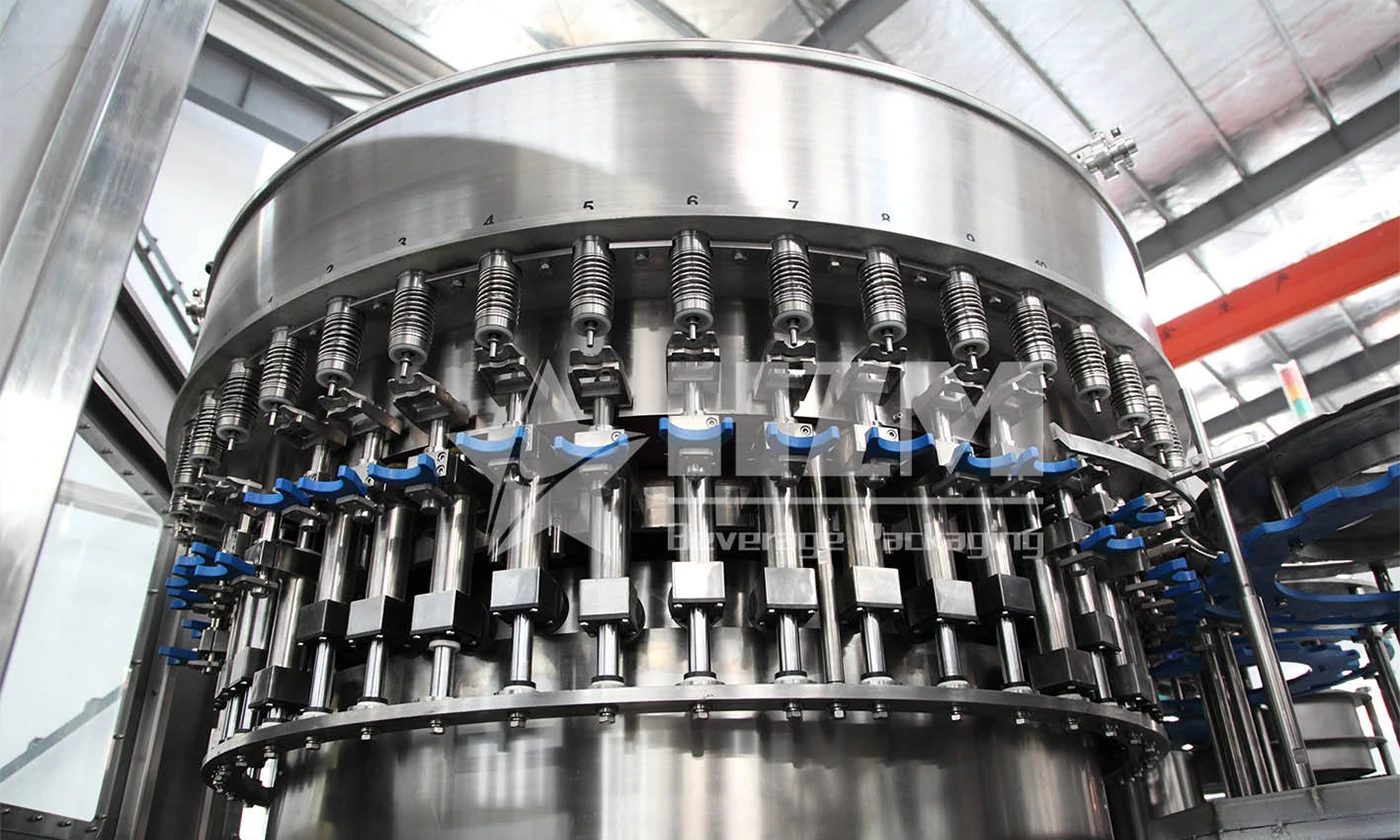
What a beverage filling machine does
The filler transfers beverage from a controlled product supply into containers. Its design is selected around product properties, filling temperature, carbonation, viscosity, particles, container and required accuracy. Common methods include gravity or normal-pressure filling for still low-viscosity drinks, isobaric filling for carbonated beverages, hot filling for suitable thermally processed products and flowmeter or weight-based filling for applications that need another measurement method.
In a rotary monoblock, the filling section may be integrated with rinsing and capping. That integration does not make it a complete packaging line. Bottles still need to arrive correctly, and filled containers still need coding, labeling and secondary packaging.
What a beverage packaging machine does
In the narrower and more useful purchasing definition, packaging machinery handles operations after filling and closing. This can include:
- Date or batch coding for traceability.
- Label application and label inspection.
- Shrink bundling, tray packing or carton packing.
- Case conveying, palletizing and stretch wrapping.
- Inspection and rejection at relevant points.
Some companies use the same term for a complete beverage packaging line. Always ask the supplier to mark “included,” “excluded” and “by customer” against an equipment list and layout.
Side-by-side comparison
| Area | Filling machine | Packaging machine |
|---|---|---|
| Main purpose | Put the beverage into the primary container | Identify, group and prepare filled containers for distribution |
| Critical inputs | Product, bottle or can, closure, process conditions | Filled pack, label, film or carton, bundle pattern |
| Typical quality checks | Fill quantity, product loss, foam, closure integrity | Label position, code readability, pack count, bundle or case quality |
| Common bottlenecks | Product supply, filling valves, cap delivery, container transfers | Changeover, film or carton feeding, accumulation, pallet pattern |
| Cleaning focus | Product-contact circuit and hygienic zones | Package debris, adhesive, film dust and accessible machine surfaces |
Where rinsing and capping belong
Rinsing and capping sit close to filling and are frequently integrated in a 3-in-1 monoblock. From a process perspective, capping completes the primary package and protects the beverage. The capper must therefore be specified with the closure, neck finish, torque or sealing method and hygienic requirement.
A rinsing, filling and capping monoblock reduces transfers between these operations, but it still needs compatible bottle supply, conveyors, inspection and downstream packing.
Why line interfaces matter
A filler may run at its rated speed while the complete line produces much less saleable output. Short stops at the labeler, poor conveyor accumulation, slow packer changeovers or unstable container supply can repeatedly starve or block the filler.
Each machine should exchange status with adjacent equipment so the line slows and stops in a controlled sequence. The layout should show accumulation zones, access, drainage, utilities and change-part storage. Acceptance testing should measure correctly filled, closed, labeled and packed product—not only empty-container cycles.
Which machine should you buy first?
If you already fill and cap manually but cannot achieve consistent quantity or hygiene, the filling stage is probably the first constraint. If the filler has unused capacity because workers cannot label or carton fast enough, downstream packaging may deliver the stronger return. A new factory normally needs both stages plus processing and utilities.
Use evidence from a representative production shift:
- Record planned operating time and saleable packs produced.
- Separate filler stops from labeler, packer and conveyor stops.
- Measure labor by station and the time required for each SKU change.
- Identify quality loss: giveaway, closure leaks, label rejects and damaged packs.
- Invest at the actual constraint while keeping the full-line expansion plan visible.
What belongs in a complete beverage line
Depending on the product and container, a complete project may include water treatment, beverage processing, bottle blowing or depalletizing, rinsing, filling, capping or seaming, conveying, coding, labeling, inspection, secondary packaging and palletizing. Utilities such as compressed air, product cooling, steam or chilled water also need defined responsibility.
Review HZM’s filling machine range for the product-contact stage and the beverage packaging machine range for downstream packing. For an integrated project, use the complete beverage filling line as the scope starting point.
RFQ checklist to prevent scope gaps
- Beverage type, recipe properties, temperature and carbonation.
- Container, closure, label and finished-pack drawings or samples.
- Required saleable output for every important SKU.
- Changeover frequency and target changeover time.
- Available utilities, factory layout and line direction.
- Required inspection, coding and traceability.
- Exact equipment boundaries, spare parts, training and acceptance tests.
The practical difference is clear: filling creates the filled primary package, while packaging makes it identifiable, transportable and ready for sale. The commercial lesson is even more important—define the whole process, because a fast filler cannot compensate for missing or undersized downstream equipment.
Talk to our engineering team
Need help planning your packaging line?
Share your product, bottle and capacity requirements for a practical equipment recommendation.
Equipment
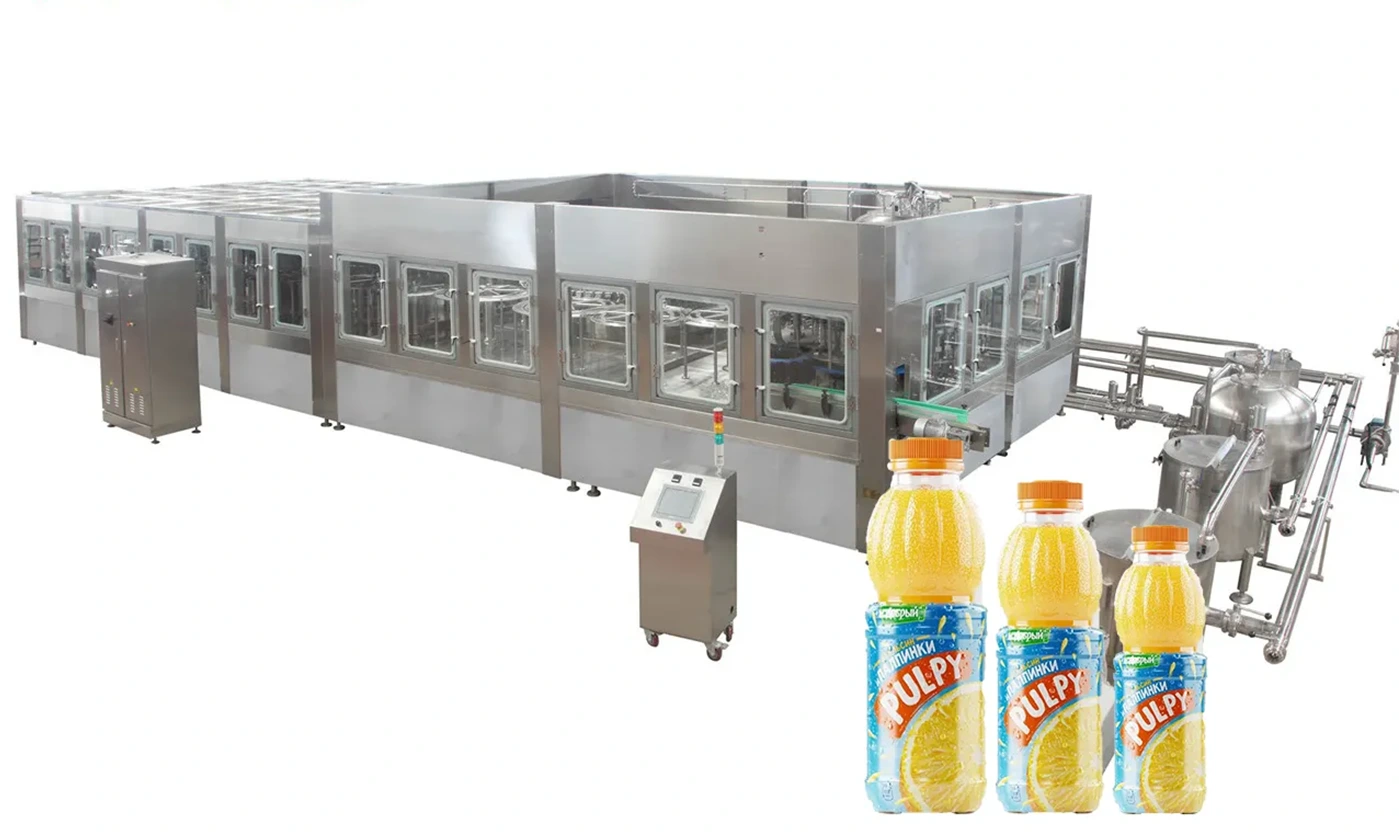
Fully Automatic Beverage Filling Machine
The fully automatic beverage filling machine combines bottle rinsing, filling and capping.
Learn more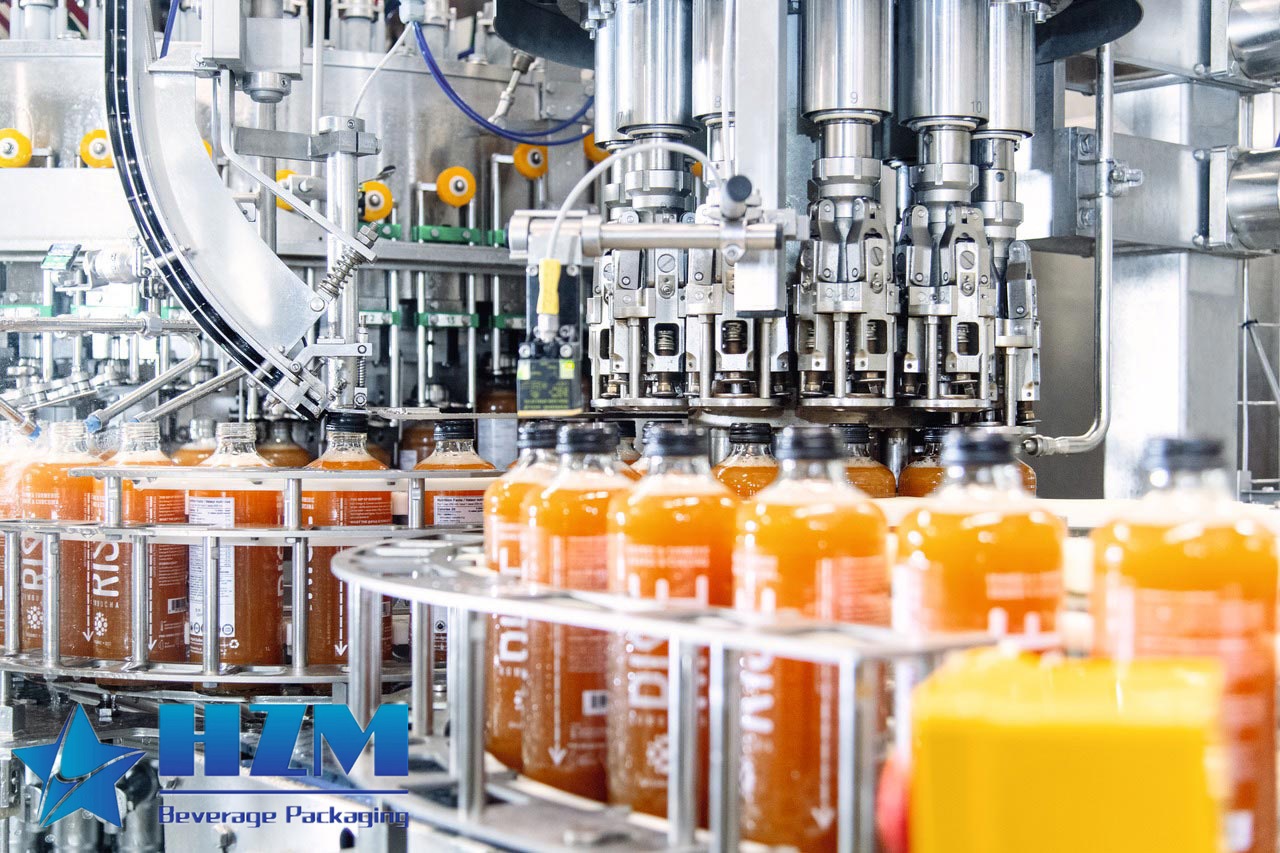
2023-12-19
How is the Quality of Beverage Packaging Machinery in China?
China, being a significant hub for the manufacturing of beverage packaging machinery on a global scale, boasts numerous manufacturers in this industry. Among this vast array of choices, HZM Machinery stands out as a professional beverage packaging machine manufacturer, garnering attention for the quality of its products.
Learn more
2023-04-19
How to Choose the Right Filling Machine for Your Product and Package
A practical filling machine selection guide covering liquid behavior, filling principles, containers, accuracy, hygiene, automation, changeovers and factory acceptance testing.
Learn more
2023-08-25
What is a Beverage Packaging Machine?
A beverage packaging machine is a sophisticated piece of equipment designed to automate the process of packaging various types of beverages, including soft drinks, juices, water, energy drinks, and more. These machines encompass a range of functionalities, from filling and capping to labeling and sealing, all within a seamless production line.
Learn more
2023-05-10
The Principle and Characteristics of Beverage Filling Machine
It is a multifunctional beverage filling machine. It is used for filling carbonated drinks, soda water, salt soda water and other carbonated drinks. It can also be used for filling juice drinks, pure water and other non-carbonated drinks. It is a new type of practical filling machinery with high practicality.
Learn more
2023-04-26
HZM Machinery: Your Reliable Beverage Filling Machine Supplier
HZM Machinery is a professional supplier of beverage filling machines, dedicated to providing high-quality filling equipment and services to customers worldwide. With years of experience in the industry, we have become a trusted partner for many beverage manufacturers, helping them to improve their production efficiency, reduce costs, and enhance product quality
Learn more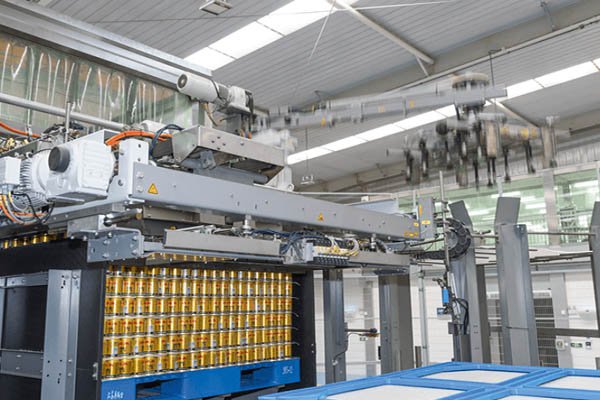
2023-05-10
The common faults of a fully automatic beverage filling machine.
The common faults of a fully automatic beverage filling machine:1.Insufficient or excessive filling amount . 2.Bottles falling or caps not tightened. 3.Conveyor belt jams 4.Control system failure
Learn more