
Insights & Updates
Automatic 150BPM Sleeve Shrink Labeling Machine
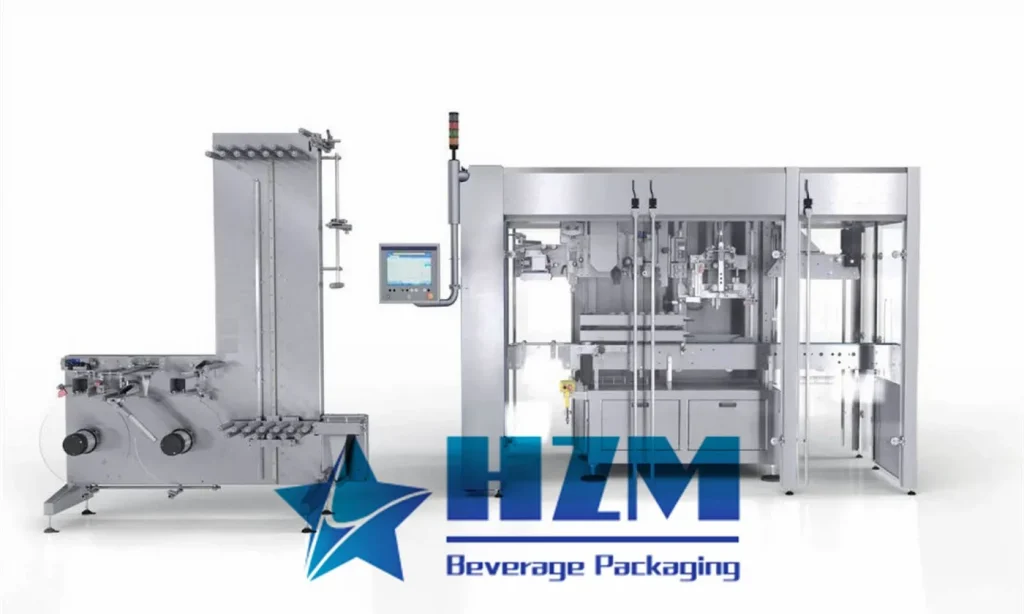
A sleeve shrink labeling machine, often used in packaging and labeling processes, is a piece of equipment designed to apply heat shrink sleeves to various containers, such as bottles, cans, and jars. These machines are used in industries like food and beverage, pharmaceuticals, cosmetics, and more to provide a tamper-evident seal, enhance product appearance, and convey branding and information.
A labeling machine designed to apply labels at a speed of 150 BPM (Bottles Per Minute) is considered to be relatively fast and suitable for high-volume production. The term “sleeve” typically refers to heat shrink sleeves or labels that are made of plastic material and, when exposed to heat, shrink and conform to the shape of the container they are applied to.
Here are some key features and aspects to consider when looking for a 150 BPM sleeve shrink labeling machine:
- Speed: As mentioned, you’ll want a machine capable of labeling at least 150 bottles per minute or higher, depending on your production requirements.
- Sleeve Material: Ensure that the machine is compatible with the type and size of sleeves or labels you plan to use. Different materials may require specific settings or equipment.
- Container Compatibility: Check that the machine can handle the types of containers you are using, such as bottles, jars, or cans, and that it can accommodate different sizes and shapes.
- Precision and Accuracy: Look for a machine that can apply sleeves accurately and consistently, ensuring that labels are centered and fit properly.
- Changeover Flexibility: Some machines offer quick and easy changeover for different container sizes or label types. This can be important if you have a variety of products to label.
- Control and Automation: Modern labeling machines often come with user-friendly control interfaces and automation features to minimize operator error and streamline production.
- Heating System: The machine should have an effective and adjustable heating system to shrink the sleeves onto the containers uniformly.
- Safety Features: Ensure the machine has safety mechanisms to protect operators and maintain a safe working environment.
- Maintenance and Support: Consider the ease of maintenance and the availability of technical support from the manufacturer or supplier.
- Cost: The price of labeling machines can vary significantly depending on their features and capabilities, so make sure it fits within your budget.
We are a manufacturer specializing in the development, production, and sales of Automatic Sleeve Shrink Labeling Machines. We offer turnkey engineering solutions and have a team of professional after-sales service engineers, with a product warranty period of up to 24 months. Currently, our equipment is exported to over 30 regions and countries around the world. We welcome friends from all walks of life to come and discuss and inquire with us.
Talk to our engineering team
Need help planning your packaging line?
Share your product, bottle and capacity requirements for a practical equipment recommendation.
Equipment
Automatic Sleeve Labeling Machine
Automatic shrink sleeve labelling for beverage bottles, with SHB models from 9,000 to 27,000 bottles/hour.
Learn more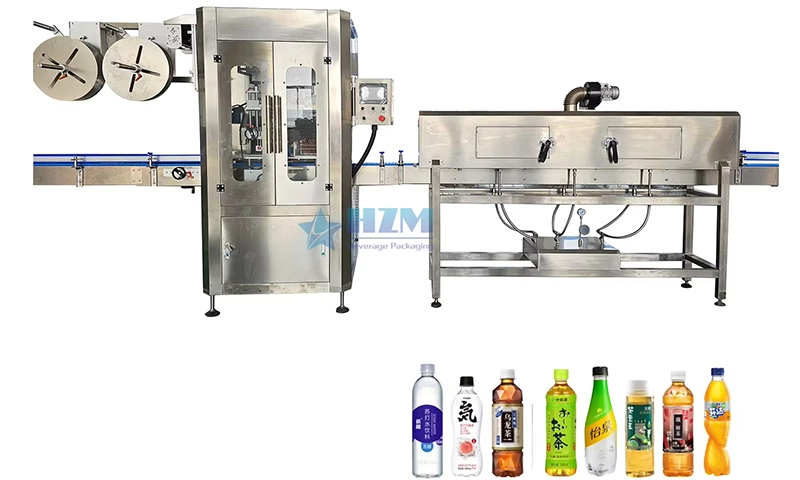
Equipment
Automatic Shrink Sleeve Bottles Labeling Capping Packing Machine
Automatic shrink sleeve application for beverage bottles, with SHB capacities of 9,000–27,000 bottles/hour.
Learn more
Equipment
Automatic High Speed Bottle Body Sleeve Labelling Machine
The automatic sleeve labelling machine applies shrink sleeves to bottle bodies for water and beverage packaging.
Learn more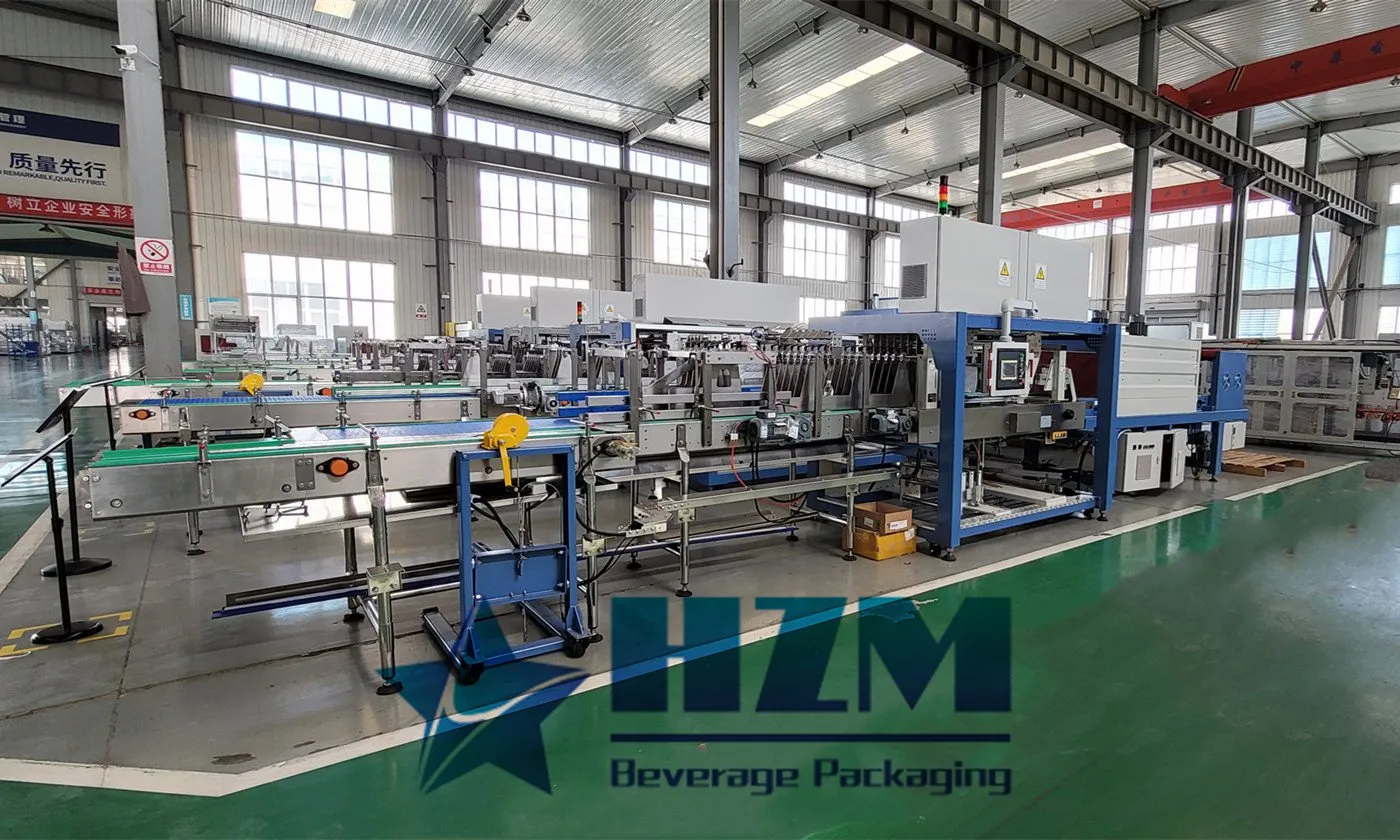
Equipment
Automatic Shrink Packing Machine
The automatic shrink packing machine wraps groups of bottles or cans in film and passes them through a heated shrink tunnel.
Learn more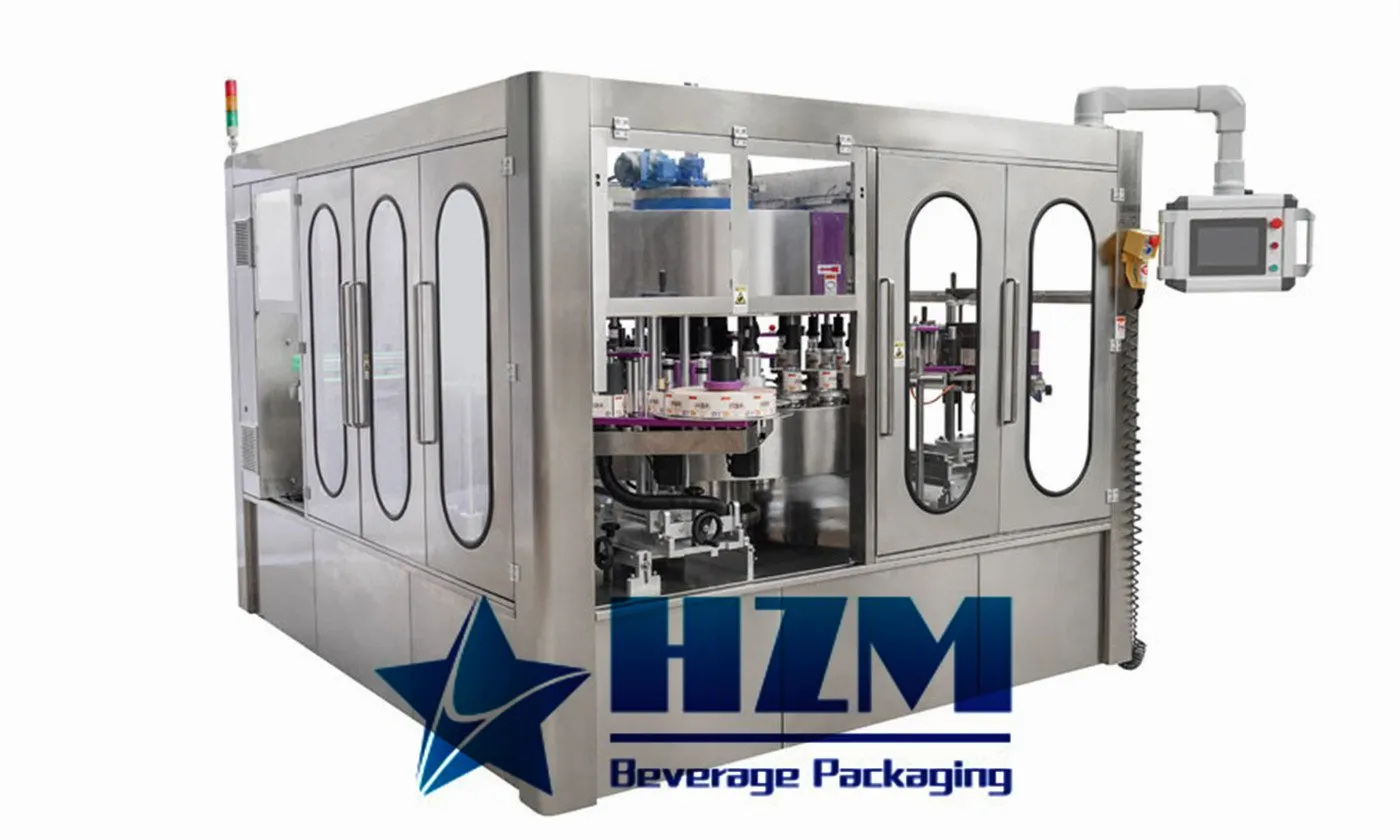
Equipment
Automatic Self-Adhesive Labeling Machine
Automatic self-adhesive labelling for cylindrical containers, with ALM models covering 90–600 bottles/minute.
Learn more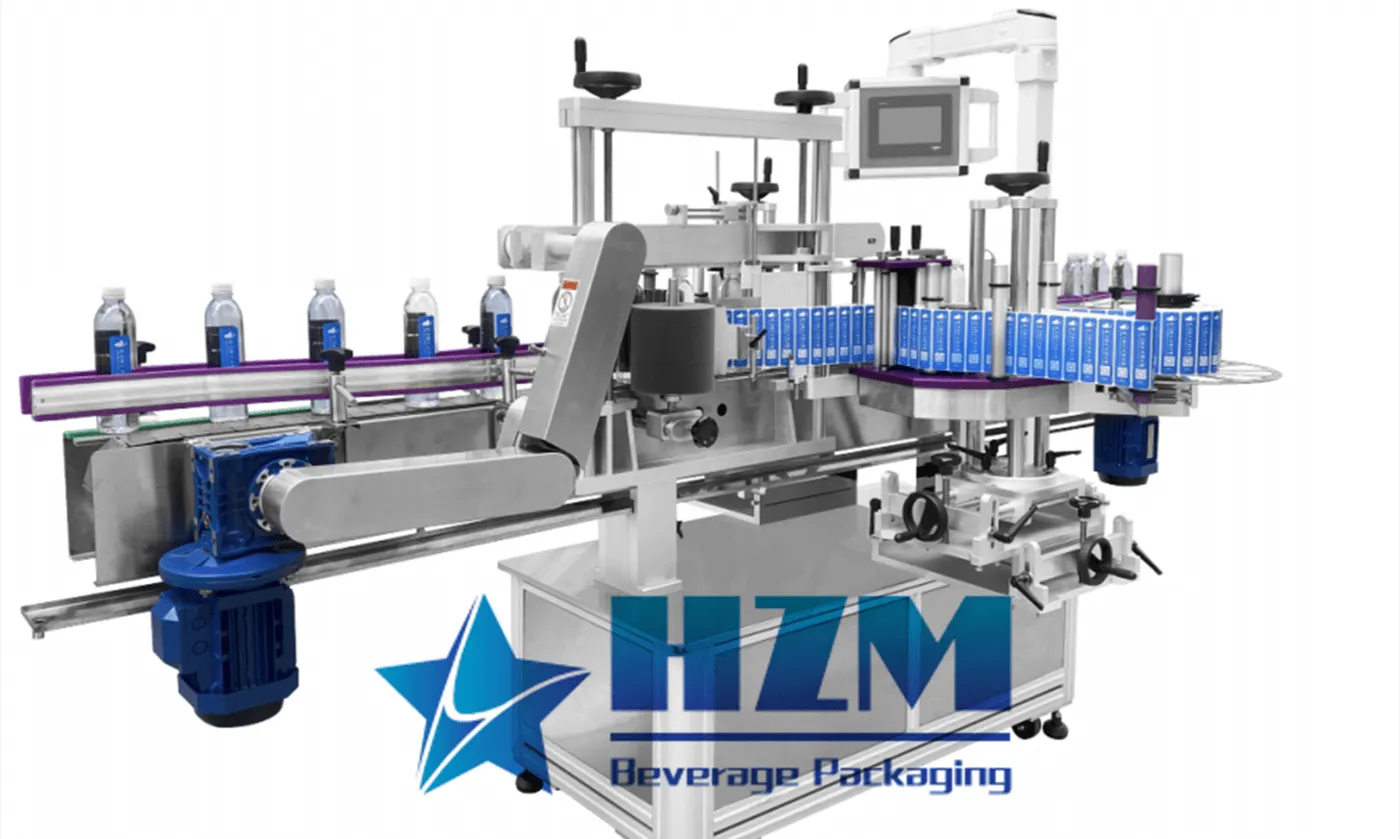
Equipment
Automatic Linear Type Adhesive Sticker Labeling Machine
The linear self-adhesive labelling machine applies pressure-sensitive labels to bottles and other containers.
Learn more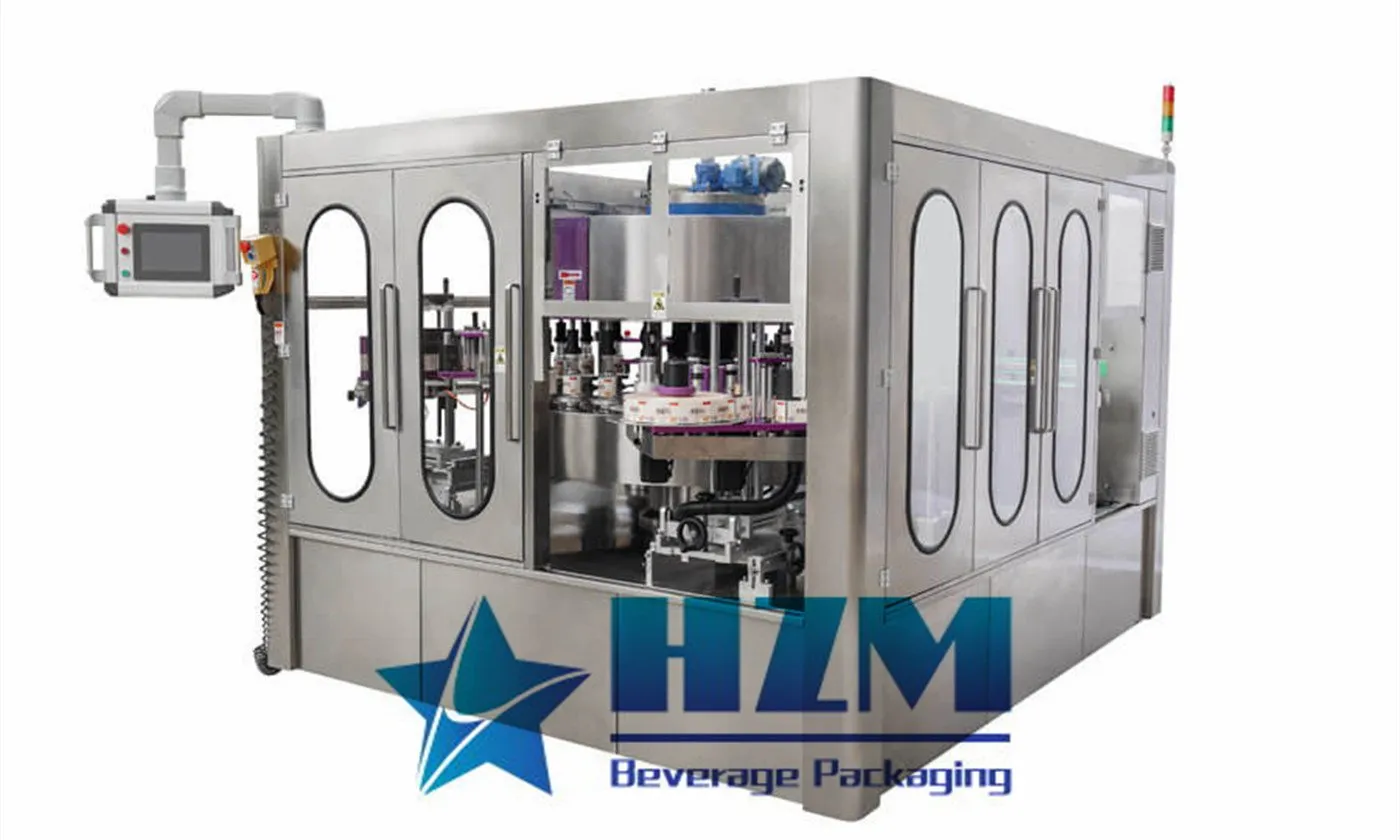
Equipment
Automatic Cold Glue Stick Labeling Machine
Cold-glue paper label application for beverage bottles, with LJ models from 12,000 to 32,000 bottles/hour.
Learn more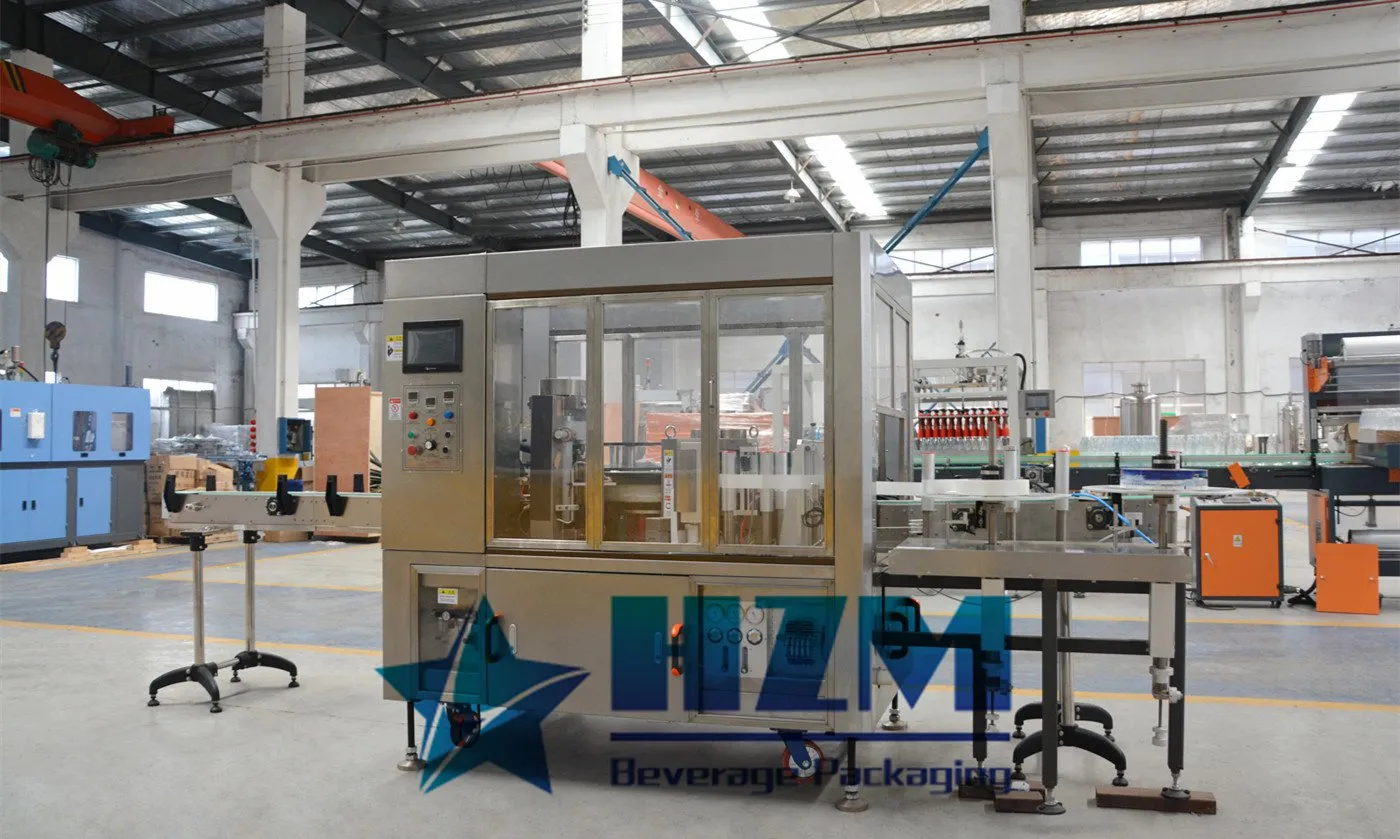
Equipment
Automatic Linear Type Hot Glue Labeling Machine
Linear hot-glue labelling for water and soft-drink bottles, using roll-fed OPP labels at 8,000–24,000 bottles/hour.
Learn more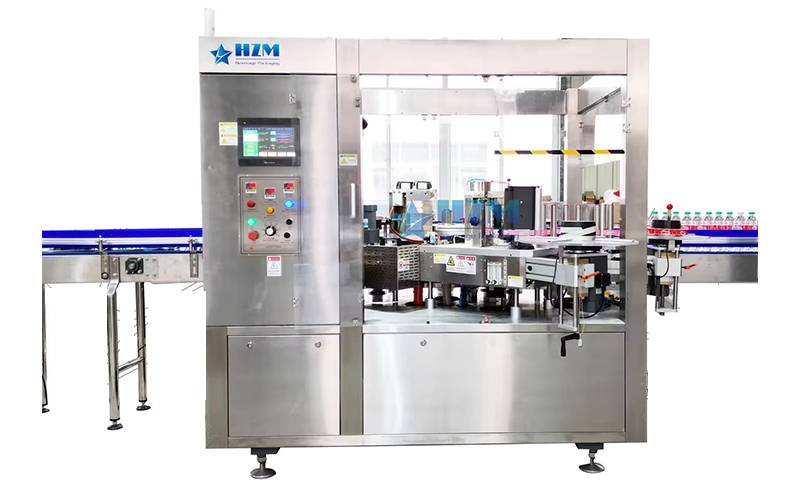
Equipment
Automatic Water Bottle Labeling Machine
Automatic hot-glue labelling for water and beverage bottles, with HG models from 8,000 to 24,000 bottles/hour.
Learn more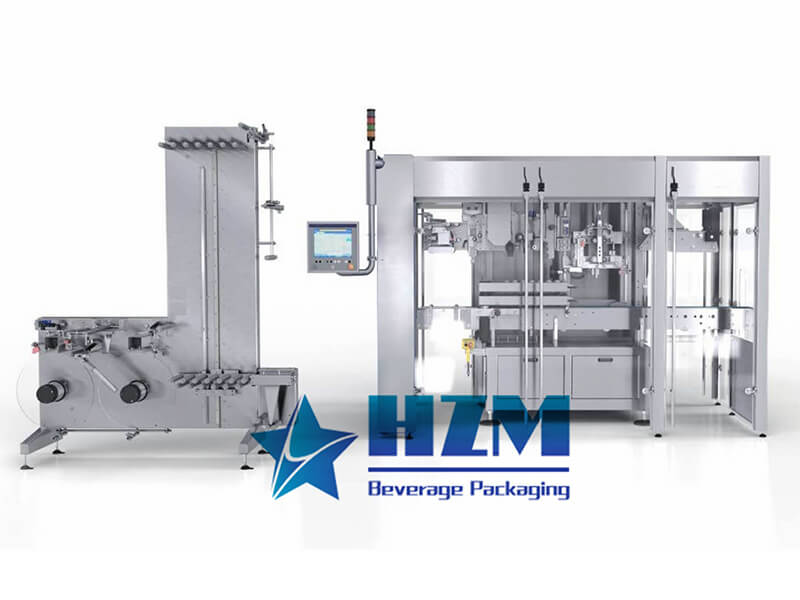
2023-03-24
What is a sleeve labeling machine? How does it work?
What is a sleeve labeling machine? What is it used for? In fact, the function of the sleeve labeling machine and the labeling machine is the same. They are both machines used to fix the label, but the difference from the labeling machine is that the sleeve labeling machine is a sleeve label, and the […]
Learn more2023-05-21
Automatic Sleeve Labeling Machines Purchasing price
Automatic Sleeve labeling machines are widely used label equipment in various industries, mainly for sleeve labeling and shrinking various bottled labels such as juice, tea drinks, dairy products, purified water, condiments, sports drinks, and more
Learn more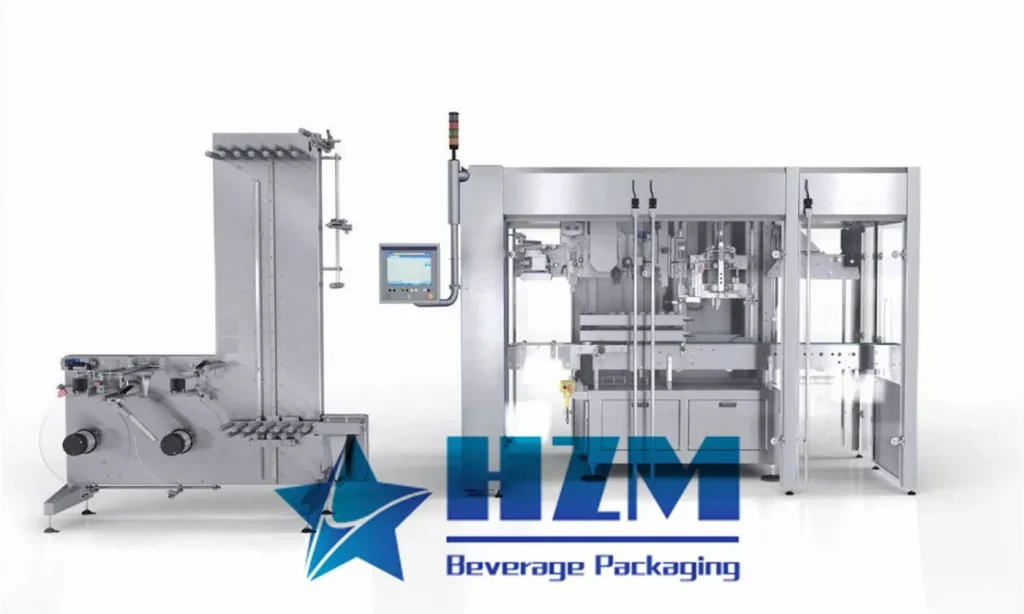
2023-06-16
Choosing a High-Quality Automatic Sleeve Labeling Machine
With the development of global markets and advancements in technology, automatic sleeve labeling machines have become increasingly important in the packaging industry. As efficient, precise, and reliable equipment, selecting a high-quality automatic sleeve labeling machine is crucial for enhancing production efficiency and product quality
Learn more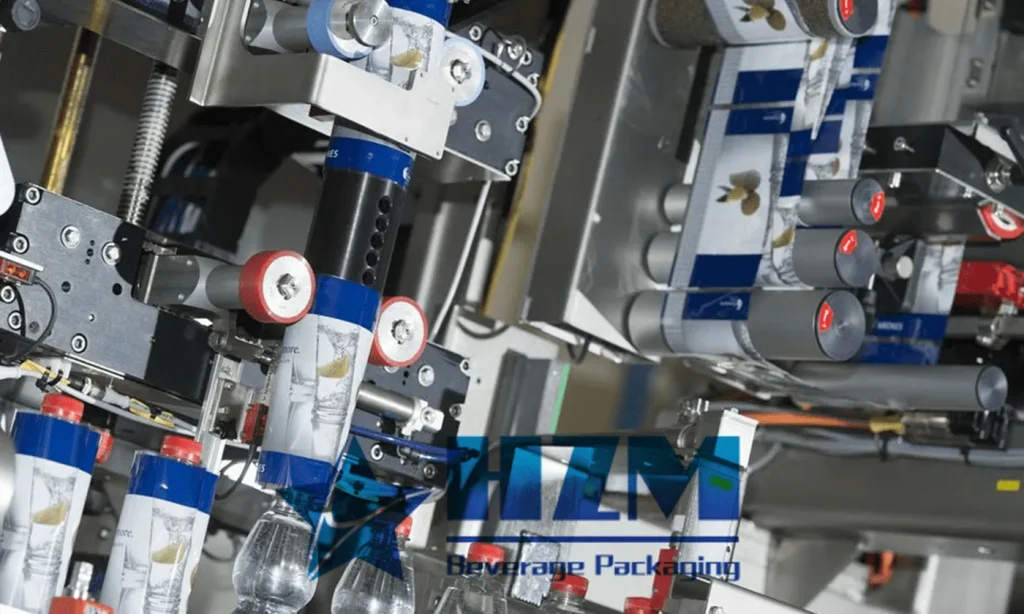
2023-06-16
A Reliable Manufacturer of Automatic Sleeve Labeling Machines
When it comes to Automatic Sleeve Labeling Machines, HZM Machinery stands out as a trustworthy manufacturer. This article highlights the key features of HZM Machinery, including direct sales prices, worry-free after-sales service, fast delivery, a 24-month warranty period, and support for OEM customization
Learn more2026-08-28
Sleeve Labels Wrinkle After the Shrink Tunnel
Determine whether the sleeve was straight before entering the tunnel. Then check film shrink curve, tunnel-zone temperature, airflow or steam distribution, bottle moisture, conveyor speed and container geometry. Follow this practical fault-isolation, repair and prevention guide for bottling-line operators and maintenance teams.
Learn more2023-08-24
Automatic Water Bottle Sleeve Labeling Machine
The Automatic Water Bottle Sleeve Labeling Machine finds its application in a wide range of scenarios, particularly within industries that rely heavily on packaging.It caters to water bottling companies, beverage producers, cosmetics manufacturers, and even pharmaceutical firms.
Learn more