
Insights & Updates
How Do Label Machines Work?
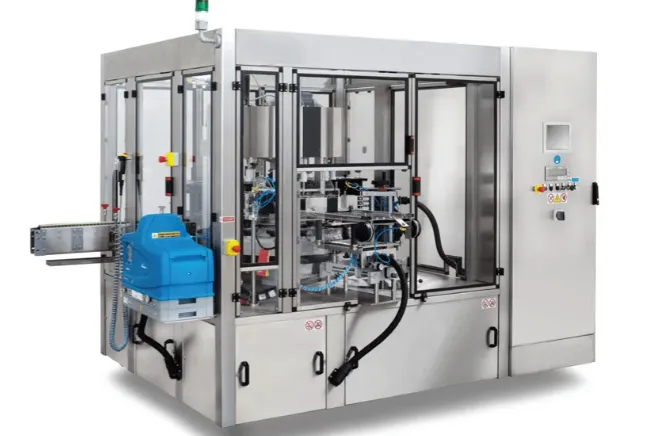
Labels are vital aspects of every business because these help in different business aspects ranging from packaging to presentation, identification, and traceability. These serve as a communicating way of communication from manufacturers to the customers and the world. Labels help in promoting the product brand and indicate important information about the product that consumers need to know.
In addition, labels also facilitate tracking and tracing products within the supply chain. So, here we will look at the key working principle of labeling machines and their types for further knowledge.
Different types of labeling machines
Labeling requirements of businesses are usually different because of the different label materials and shapes of required objects. It would be better to understand the most appropriate labeling machine for your business to meet all your labeling needs in different circumstances. Here we have enlisted different varieties and types of labeling machines to give you an idea.
So, here we go:
Manual labeling machine
Semi-automatic labeling machine
Automatic labeling machine
The labeling, as mentioned above, machine types are based on the automation degree. However, when it’s to labeling function, the categories are usually divided into side labeling machines, flat labeling machines, wrap-around labeling machines, and corner labeling machines.
How does a labeling machine work?
The work process of the labeling machine starts by feeding the bottle to the labeling machine on the conveyor at a constant speed. The mechanical fixture can separate the bottle at a fixed distance and then push it toward the conveyor.
The typical mechanical system of a labeling machine includes a labeling wheel, a dry wheel, and a reel. The label belt is dragged by the drive wheel intermittently. The label wheel then presses against the bottle. The reel uses an open-loop displacement control to maintain the label strip tension.
Labels are connected closely on the strip; therefore, they must be stopped constantly. The practice is necessary to attach the label tape to the item with the labeling wheel moving at a constant speed. When the conveyor belt reaches a specific position, the speed will be accelerated by the label drive wheel to match the belt speed.
Once the label is attached, the speed will be deaccelerated to a stop.
At times the label may have a slight slip. Due to this, each label comes up with a mark to ensure its correct placement that the sensor will read. In the label’s deacceleration phase, the drive wheel of the labeling machine will also readjust its position. The position readjustment will ultimately help in correcting errors on the label.
Contact HZM Beverage Packaging to get your labeling machine.
HZM Beverage Packaging provides a variety of labeling machines. These range from automatic labeling machines to automatic sleeve labeling machines. They use premium quality raw materials in manufacturing these machines. So, consumers can benefit from their labeling machines for future generations. In addition, a longer after-sale guarantee with online and offline support can add more assurance and peace to your purchase.
So, if you want to get comprehensive technical support, after-sale services, and high-quality labeling machines, HZM Beverage Packaging can be your go-to destination.
Talk to our engineering team
Need help planning your packaging line?
Share your product, bottle and capacity requirements for a practical equipment recommendation.
Equipment
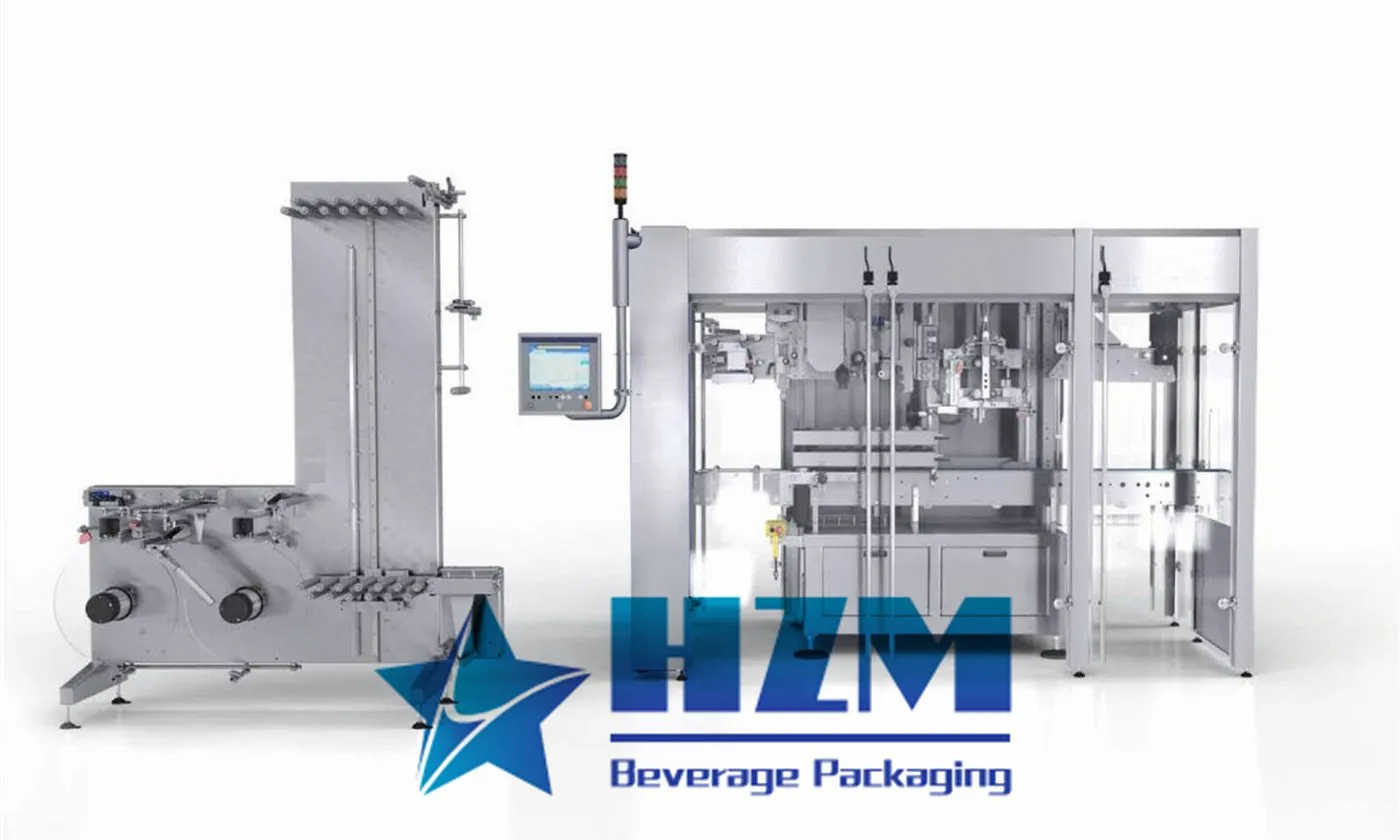
Automatic Sleeve Labeling Machine
Automatic shrink sleeve labelling for beverage bottles, with SHB models from 9,000 to 27,000 bottles/hour.
Learn more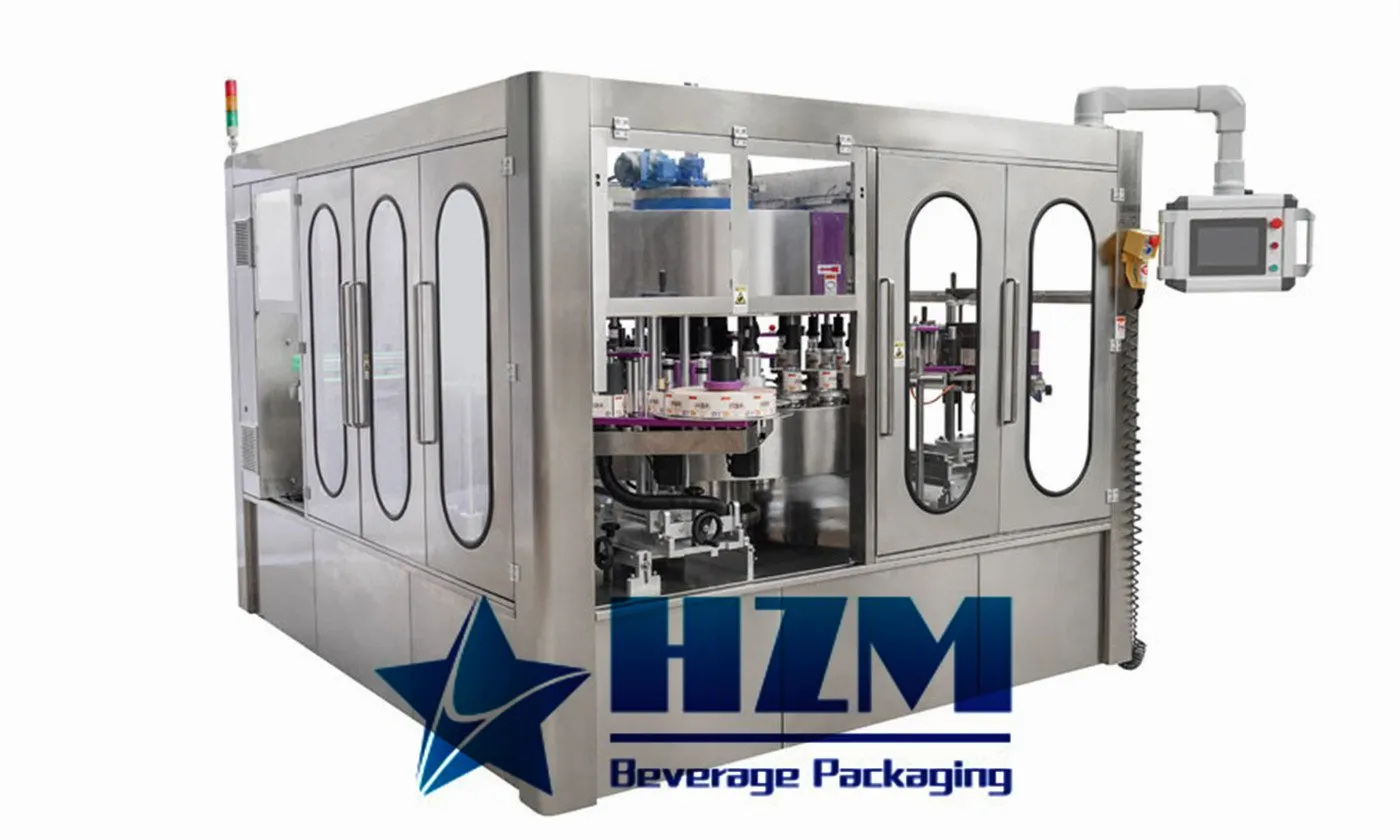
Equipment
Automatic Self-Adhesive Labeling Machine
Automatic self-adhesive labelling for cylindrical containers, with ALM models covering 90–600 bottles/minute.
Learn more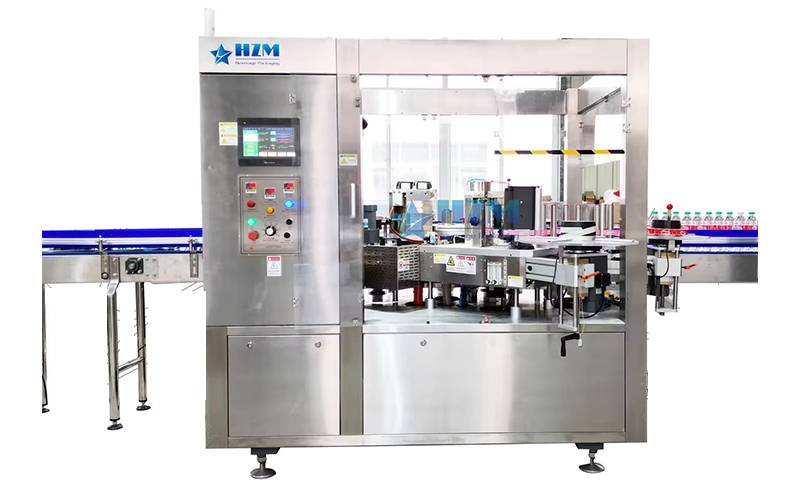
Equipment
Automatic Water Bottle Labeling Machine
Automatic hot-glue labelling for water and beverage bottles, with HG models from 8,000 to 24,000 bottles/hour.
Learn more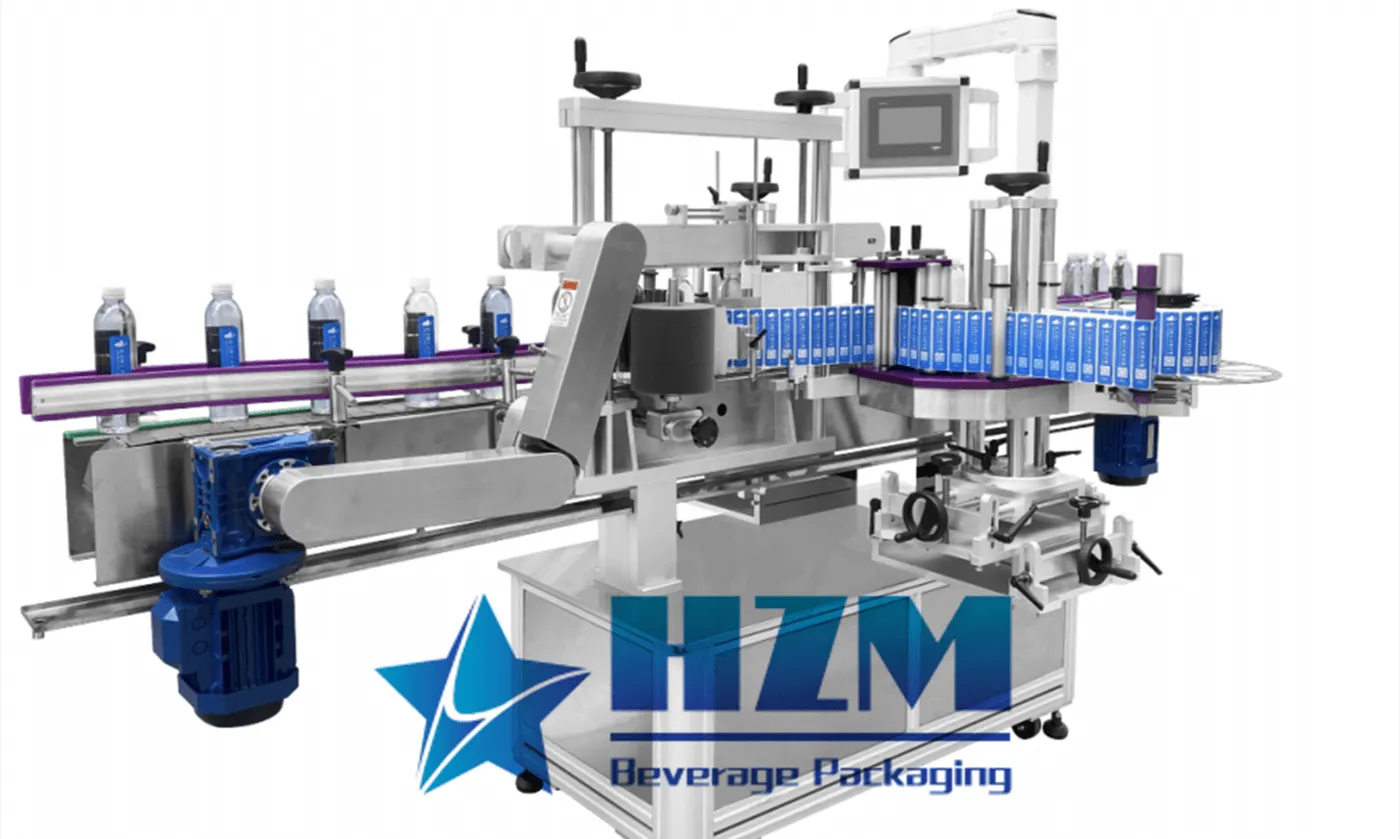
Equipment
Automatic Linear Type Adhesive Sticker Labeling Machine
The linear self-adhesive labelling machine applies pressure-sensitive labels to bottles and other containers.
Learn more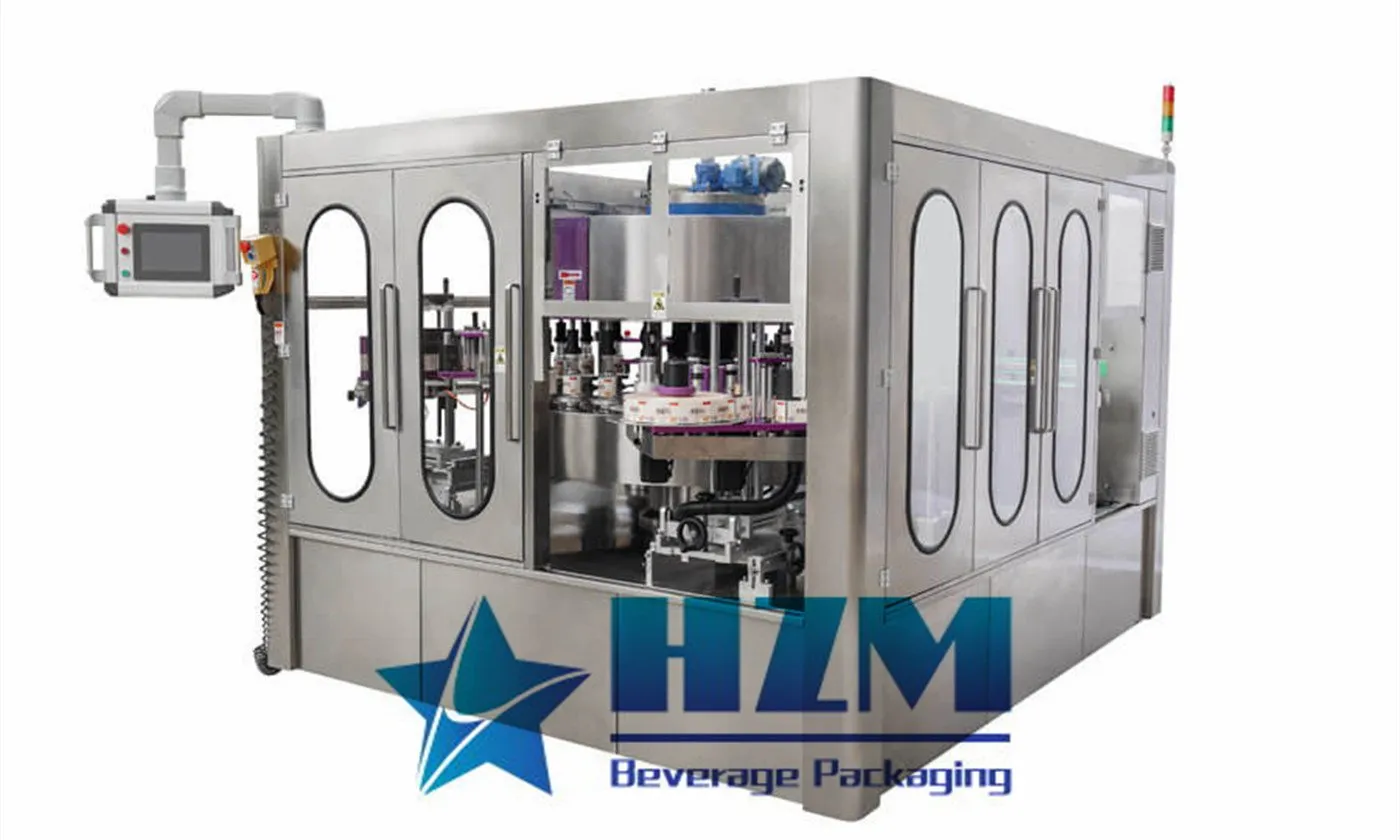
Equipment
Automatic Cold Glue Stick Labeling Machine
Cold-glue paper label application for beverage bottles, with LJ models from 12,000 to 32,000 bottles/hour.
Learn more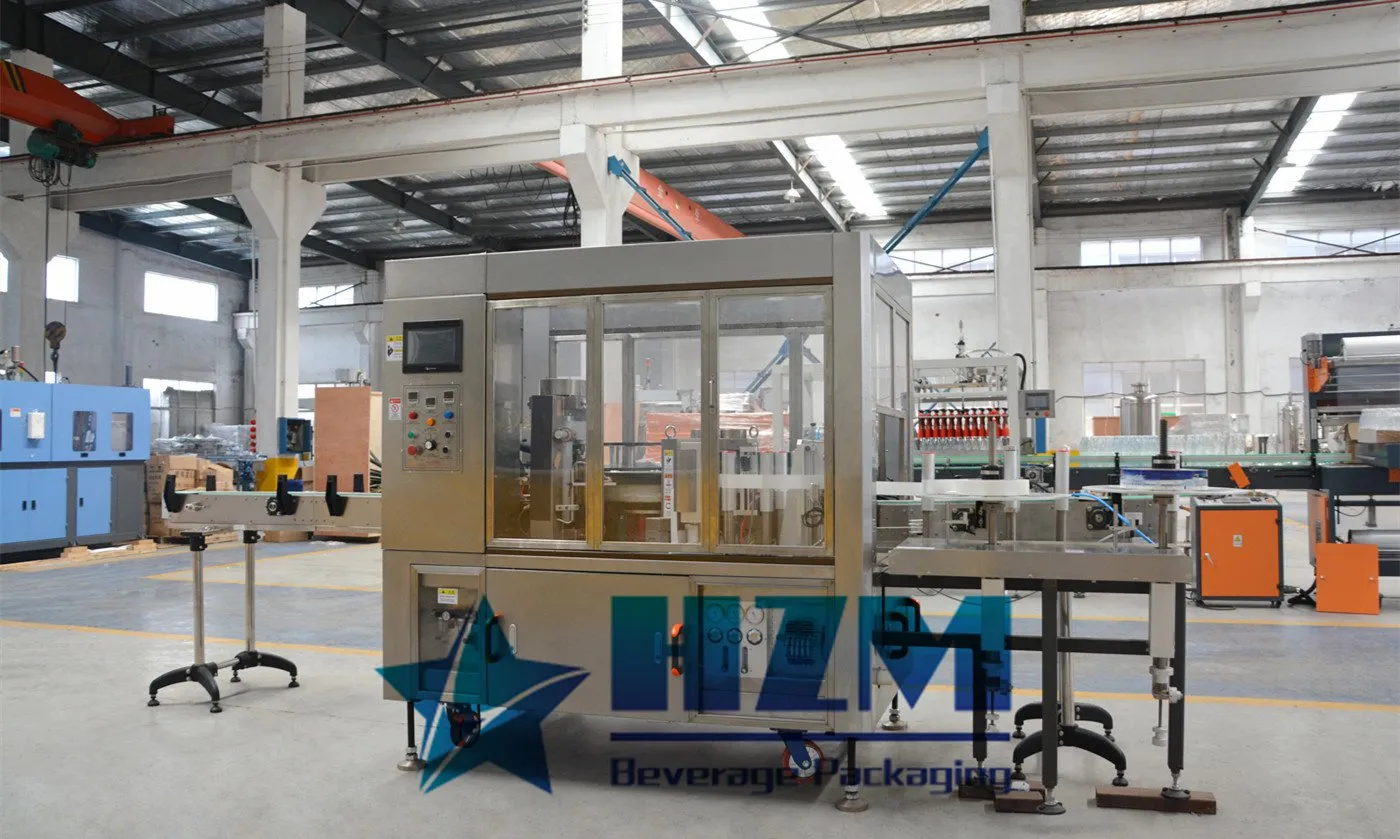
Equipment
Automatic Linear Type Hot Glue Labeling Machine
Linear hot-glue labelling for water and soft-drink bottles, using roll-fed OPP labels at 8,000–24,000 bottles/hour.
Learn more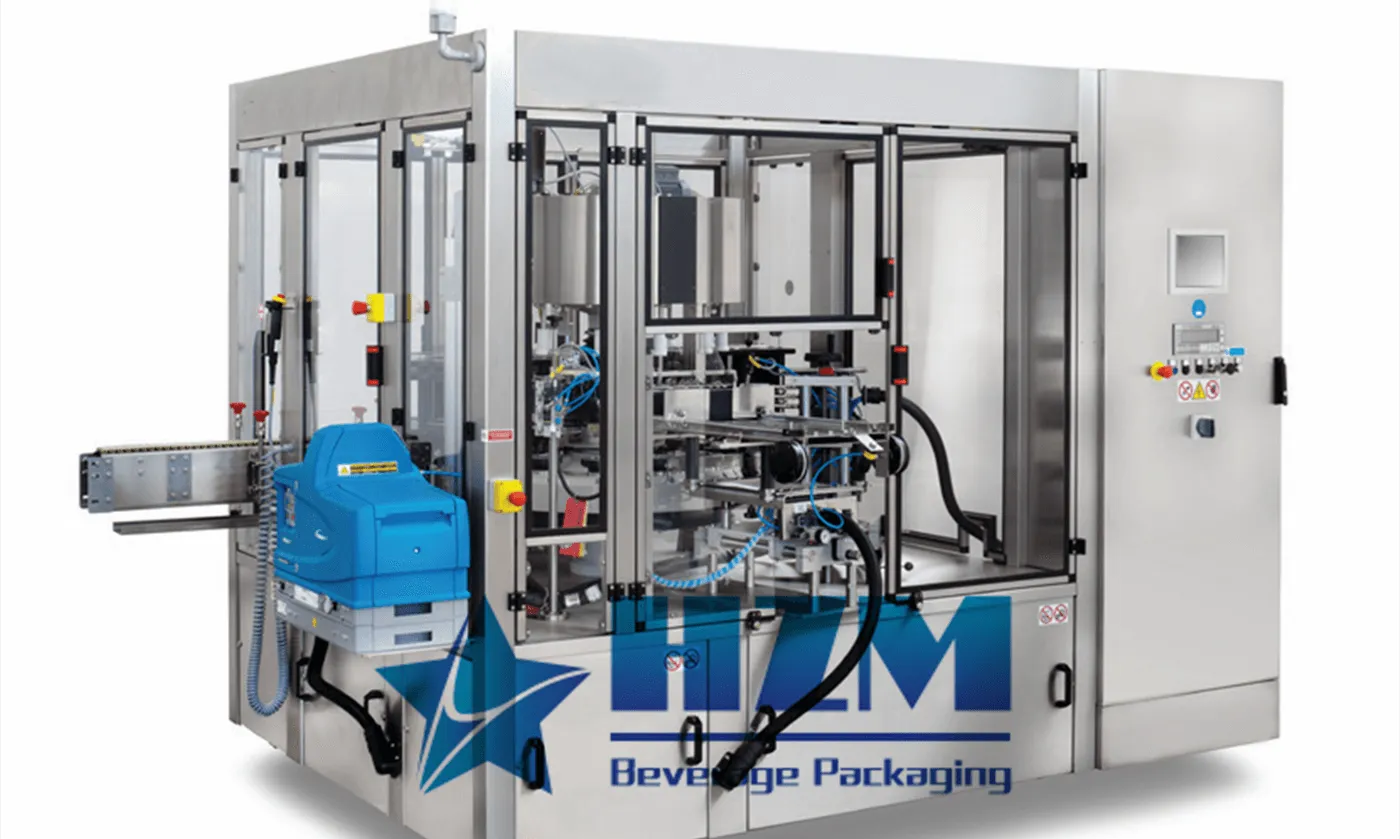
Equipment
Automatic BOPP Hot Glue Labeling Machine
Rotary BOPP hot-glue labelling for beverage containers, with RG models from 8,000 to 24,000 bottles/hour.
Learn more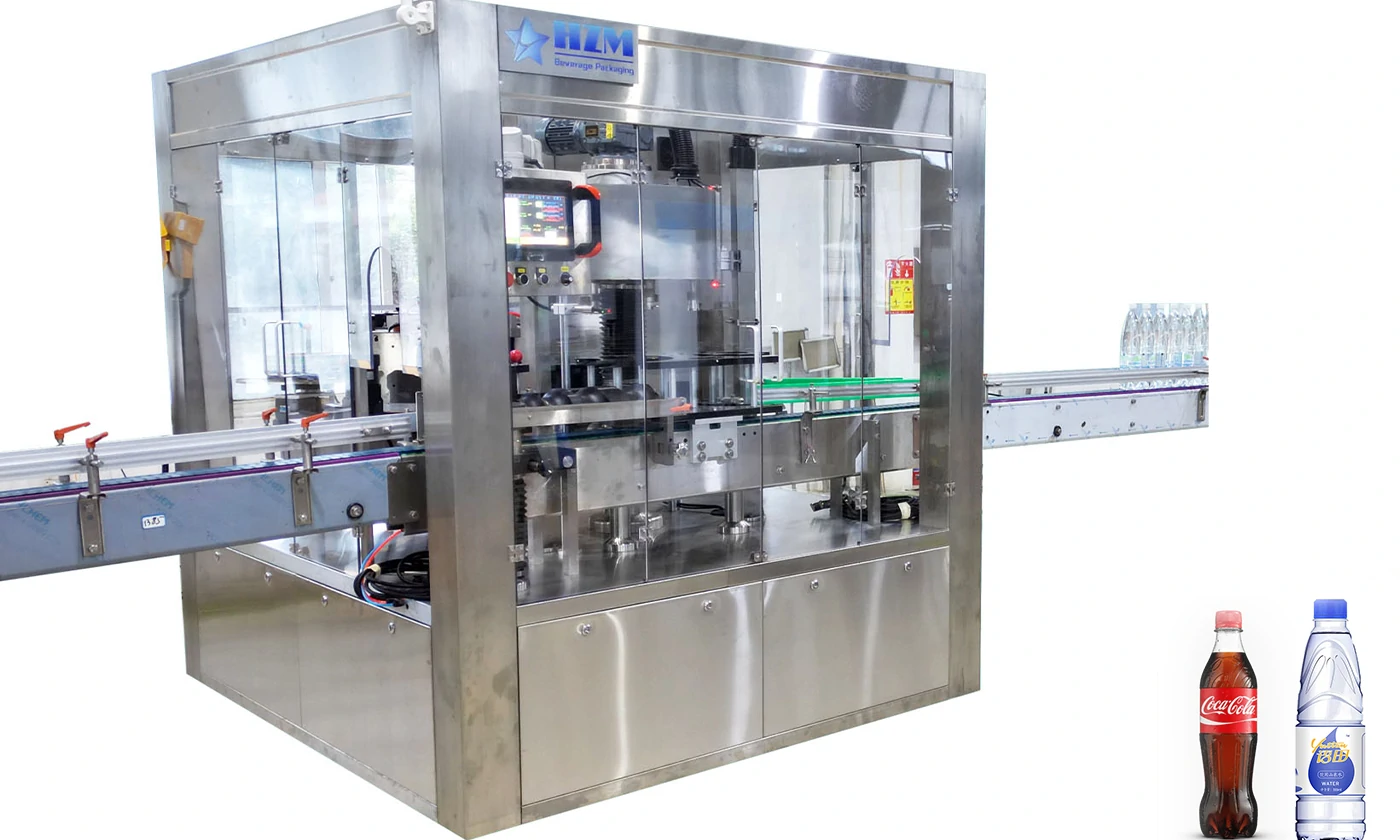
Equipment
Automatic BOPP labeling machine
Automatic BOPP hot-glue labelling for cylindrical containers, with a labelling speed of 12,000 bottles/hour.
Learn more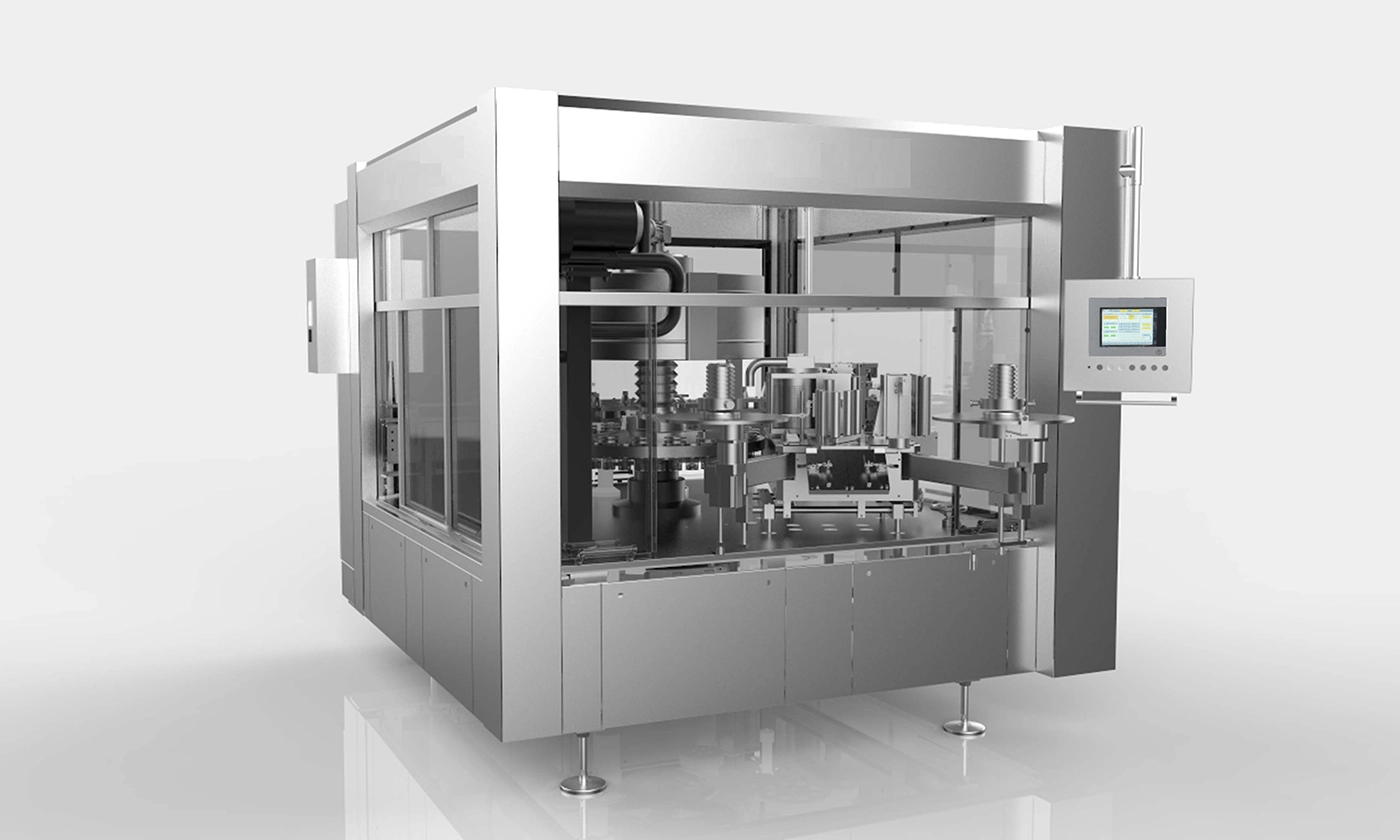
Equipment
Automatic rotary OPP labeling machine: Bottle labeling machine
RH8 rotary OPP and BOPP labelling for round containers, with speeds of 4,000–12,000 bottles/hour for 500–2,000 ml containers.
Learn more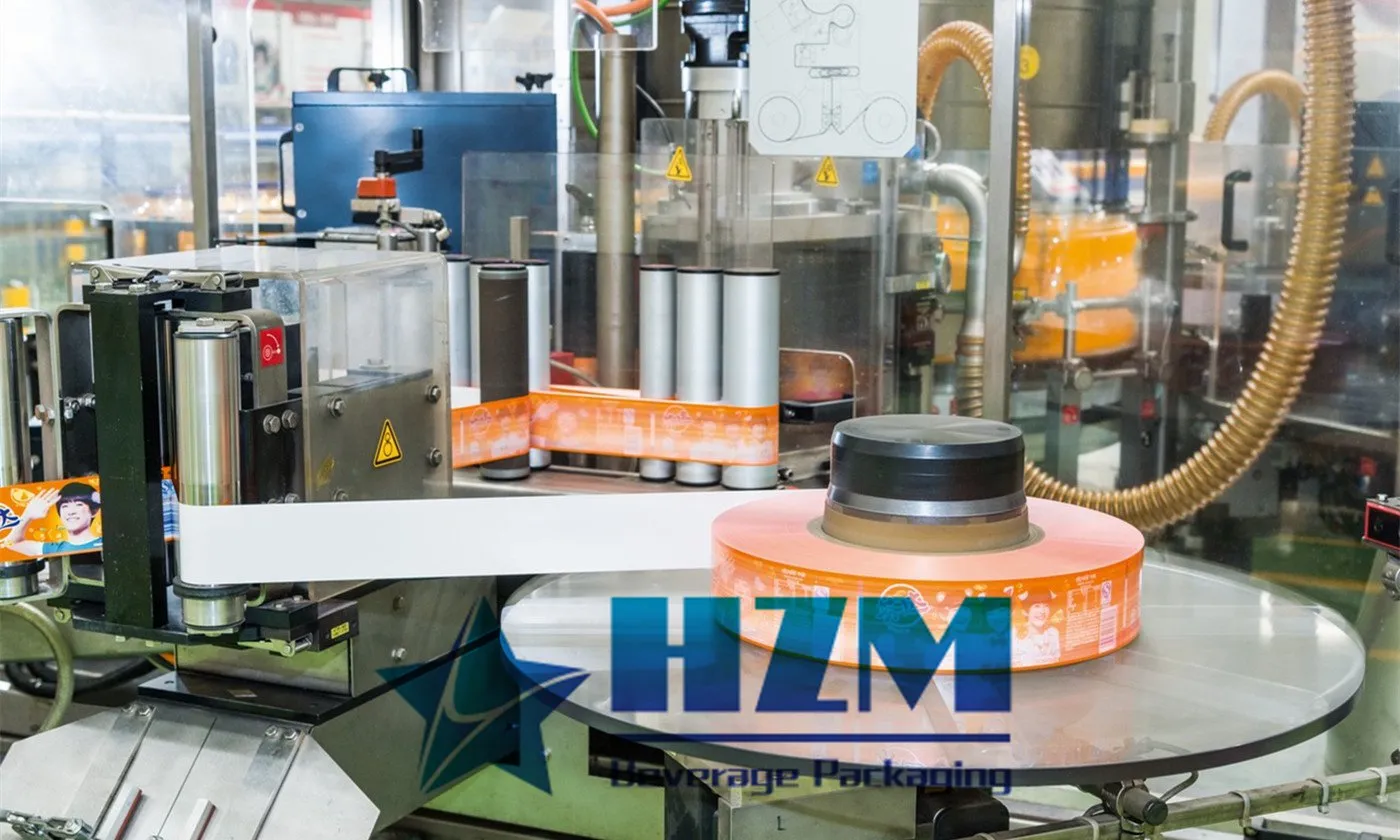
2024-02-29
Essential Maintenance Tips for Labeling Machines
Like countless other mechanical devices, the use of a labeling machine is inseparable from daily correct operation and maintenance. Only when both are carried out simultaneously can the labeling machine perform with maximum efficiency.
Learn more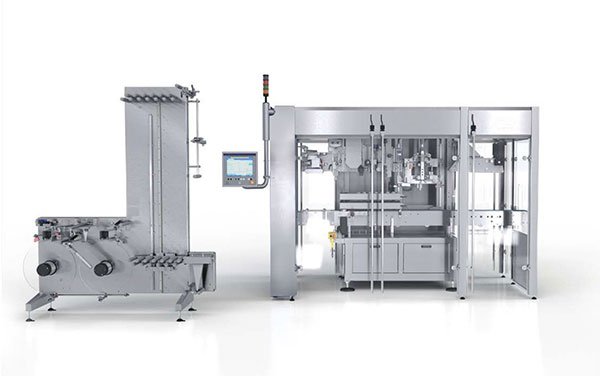
2023-03-24
Three common faults and quick solutions for automatic labeling machines
Labeling machines are widely used in the beverage packaging industry. In recent years, with the continuous development of the video beverage industry and the continuous progress of labeling technology, the labeling machine equipment selected by the beverage packaging industry has gradually put forward higher requirements. At present, the labeling machine has gradually entered the […]
Learn more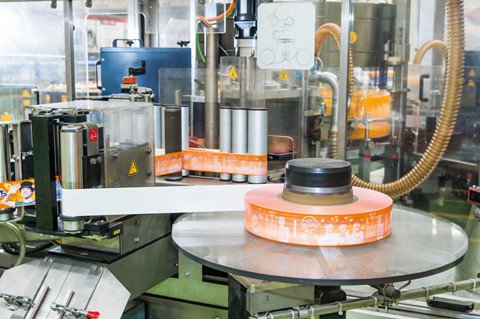
2023-03-24
What is A Labeling System?
A labeling system is a machine that puts labels on the containers, shoppers and bottles. The brands and companies are using them for decades. Through labels, consumers can easily come to know about the brand. Labels increase brand awareness. They also tell consumers about the product. Labels contain the brand name and a little info […]
Learn more2024-06-14
What Machines Are Used to Apply Plastic Labels on Beverage Bottles?
The plastic wrapping on beverage bottles is typically applied using specialized labeling machines. Common labeling methods include shrink sleeve labeling, hot melt glue labeling, self-adhesive labeling, and paper label labeling.
Learn more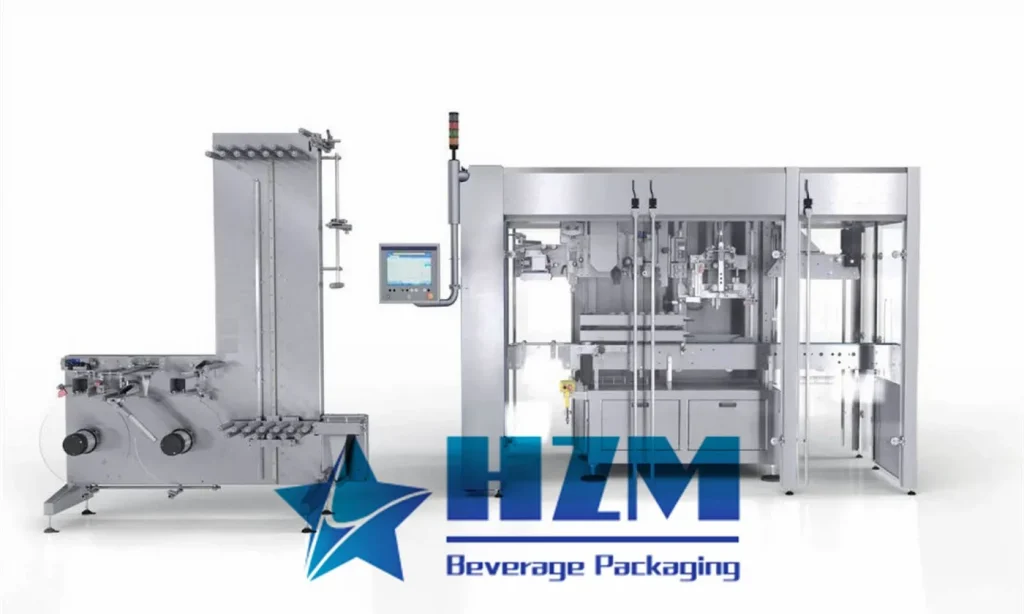
2023-11-03
Automatic 150BPM Sleeve Shrink Labeling Machine
We are a manufacturer specializing in the development, production, and sales of Automatic Sleeve Shrink Labeling Machines. We offer turnkey engineering solutions and have a team of professional after-sales service engineers, with a product warranty period of up to 24 months.
Learn more2023-06-09
Stainless Steel Labeller 3Mpa Automatic Labeling Machine
High quality Stainless Steel Labeller 3Mpa Automatic Labeling Machine from China, China's leading 3Mpa Automatic Labeling Machine product, with strict quality control 3Mpa Stainless Steel Labeller factories, producing high quality SS304 Automatic Labeling Machine products.
Learn more