
Insights & Updates
What Machines Are Used to Apply Plastic Labels on Beverage Bottles?
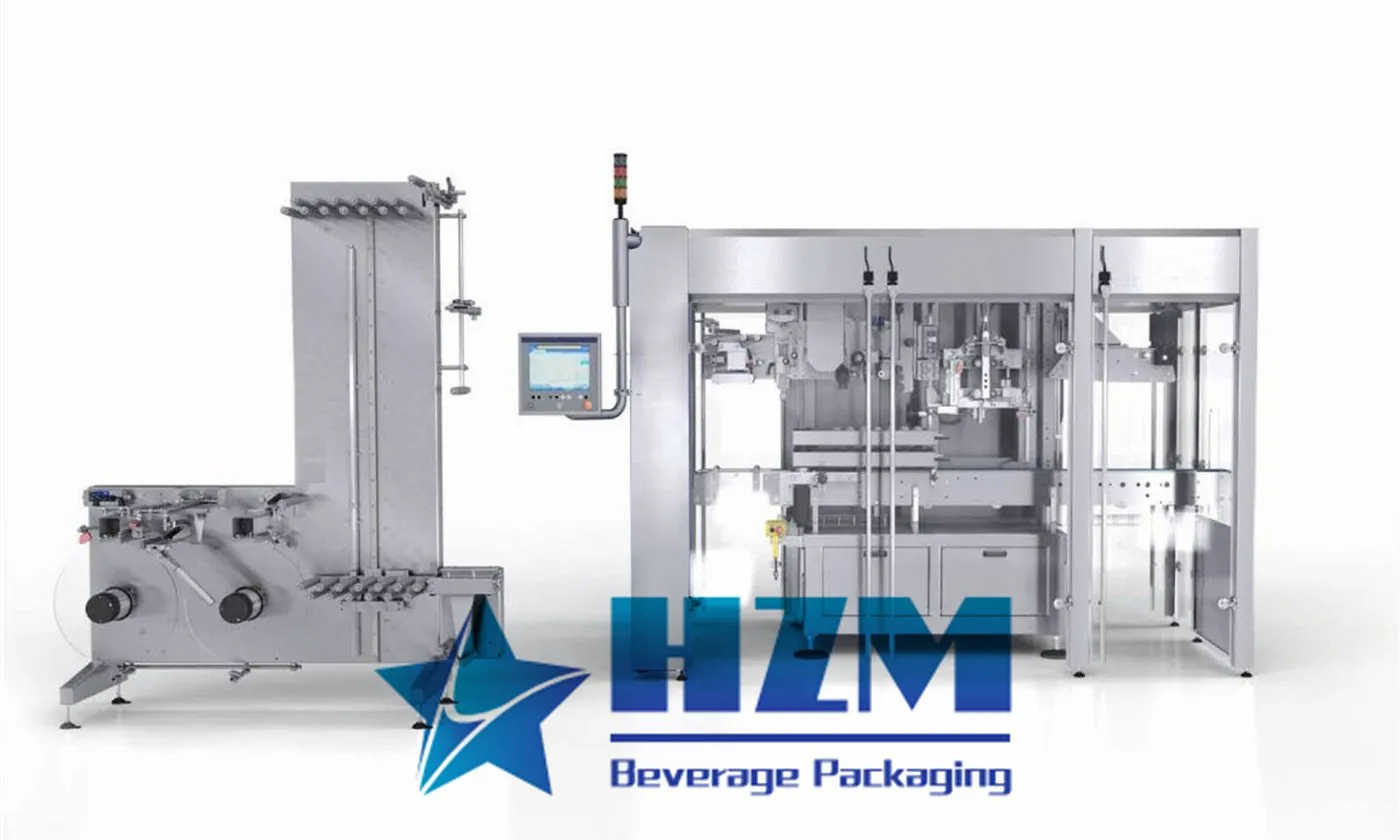
The plastic wrapping on beverage bottles is typically applied using specialized labeling machines. Common labeling methods include shrink sleeve labeling, hot melt glue labeling, self-adhesive labeling, and paper label labeling. Different labeling techniques are suitable for various beverage products and market needs. The widespread use of labeling machines not only enhances production efficiency but also ensures the aesthetic appeal and consistency of product packaging.
Based on different beverage types and market demands, labeling machines can adopt various labeling technologies to achieve precise and efficient label application.
Common Types of Labeling Machines
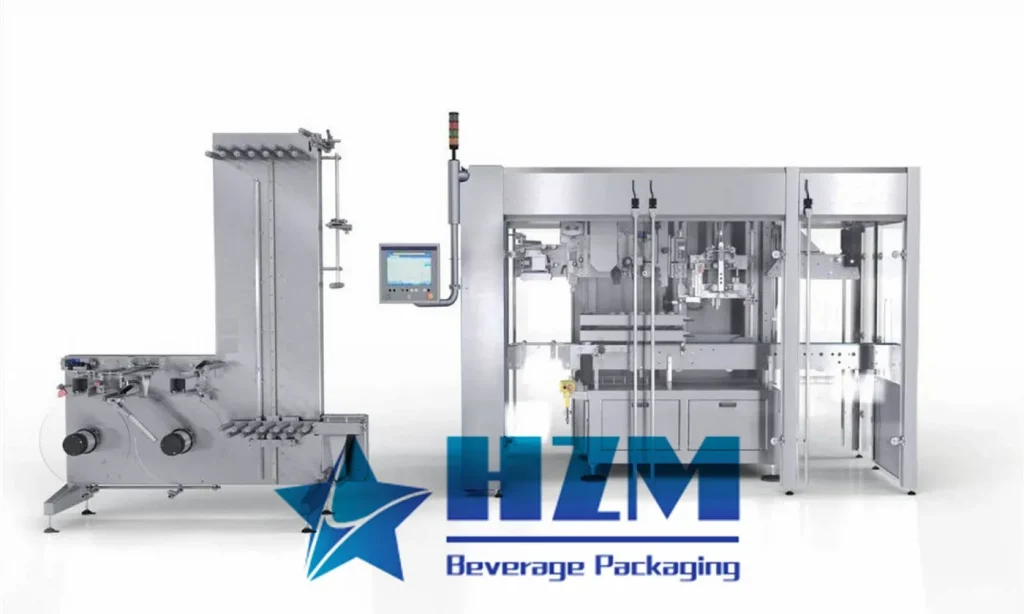
Shrink Sleeve Labeling Machine
- Applications: Commonly used for packaging products like juices and carbonated drinks.
- Working Principle: Shrink sleeve labeling machines use heat shrink technology to apply plastic labels to the bottle. Initially, the labels are pre-made in tubular form, which the machine cuts into individual labels and then slips onto the bottle. The bottle then passes through a hot air or steam tunnel, causing the label to shrink and tightly adhere to the bottle. This method provides 360-degree full coverage labeling, and the labels are firm and resistant to detachment.
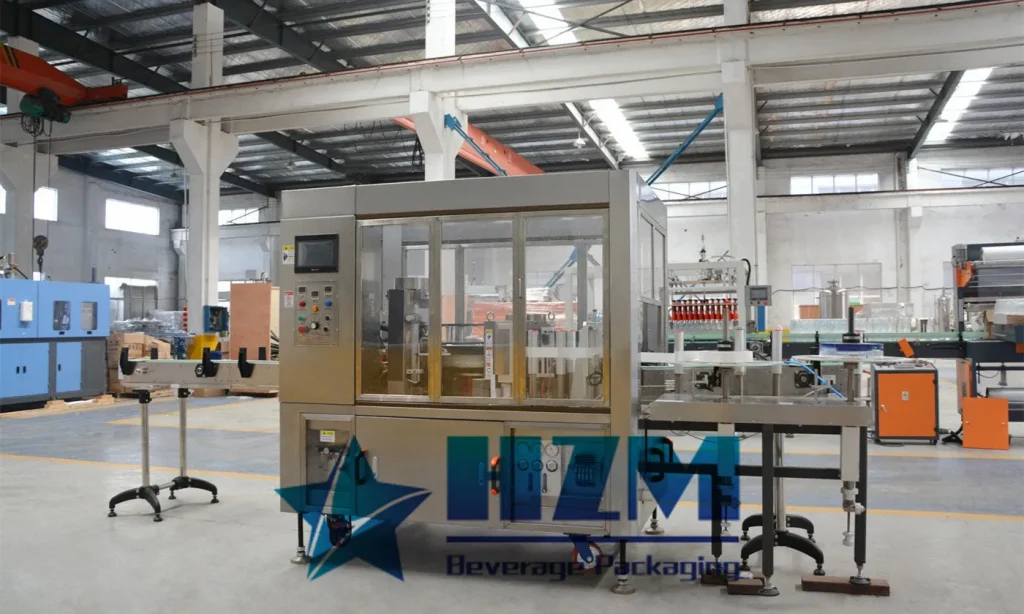
Hot Melt Glue Labeling Machine
- Applications: Used for bottled water, milk, beer, etc.
- Working Principle: Hot melt glue labeling machines use hot melt adhesive to affix labels to the bottle. The machine first sprays hot melt glue on the back of the label and then quickly attaches the label to the bottle surface. This method offers strong adhesion, smooth and aesthetically pleasing labels, and is suitable for high-speed production lines.
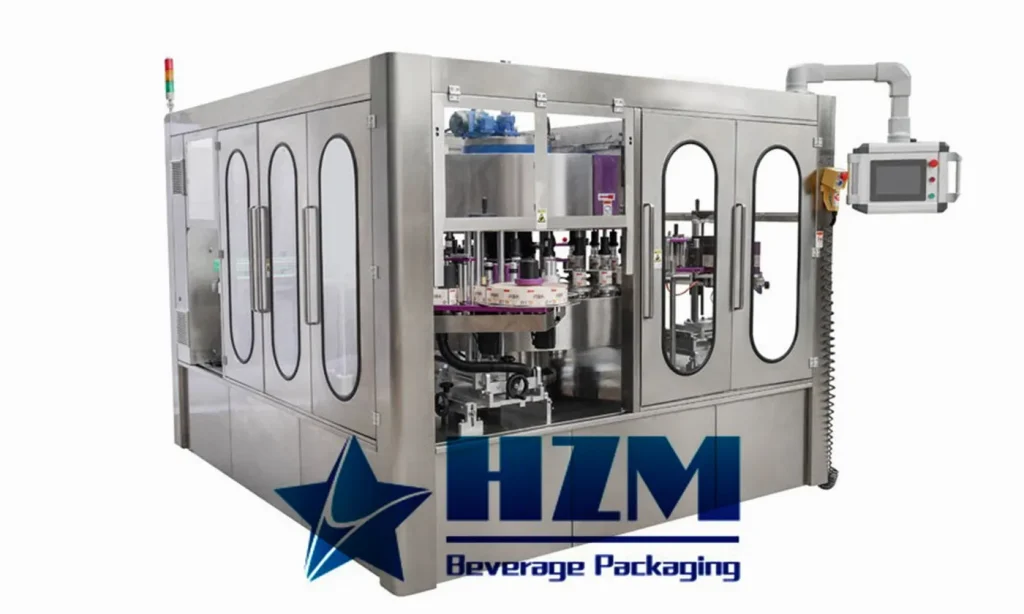
Self-Adhesive Labeling Machine
- Applications: Primarily used for high-end beverages, small batch products, or products requiring special labels.
- Working Principle: Self-adhesive labeling machines use pre-glued labels that can be directly peeled from the backing paper and applied to the bottle. The machine uses rollers or brushes to smoothly apply the label to the bottle surface. This labeling method is simple to operate, ensures precise label placement, and is suitable for multi-variety, small-batch production.
Paper Label Labeling Machine
- Applications: Suitable for traditional style beverage packaging, such as some beers and juices.
- Working Principle: Paper label labeling machines typically use cold glue or paste as an adhesive to affix paper labels to the bottle. The machine evenly applies adhesive to the back of the label and then presses the label onto the bottle. The advantage of this method is that paper labels can be beautifully printed and offer certain anti-counterfeiting features.
HZM Machinery is a professional manufacturer of beverage packaging equipment and can provide various types of bottle labeling machines. Our warranty period is 2 years after installation and commissioning. If any quality issues occur within these 2 years, we will take full responsibility and provide service. Feel free to contact us for equipment details and quotes.
Talk to our engineering team
Need help planning your packaging line?
Share your product, bottle and capacity requirements for a practical equipment recommendation.
Equipment
Automatic Sleeve Labeling Machine
Automatic shrink sleeve labelling for beverage bottles, with SHB models from 9,000 to 27,000 bottles/hour.
Learn more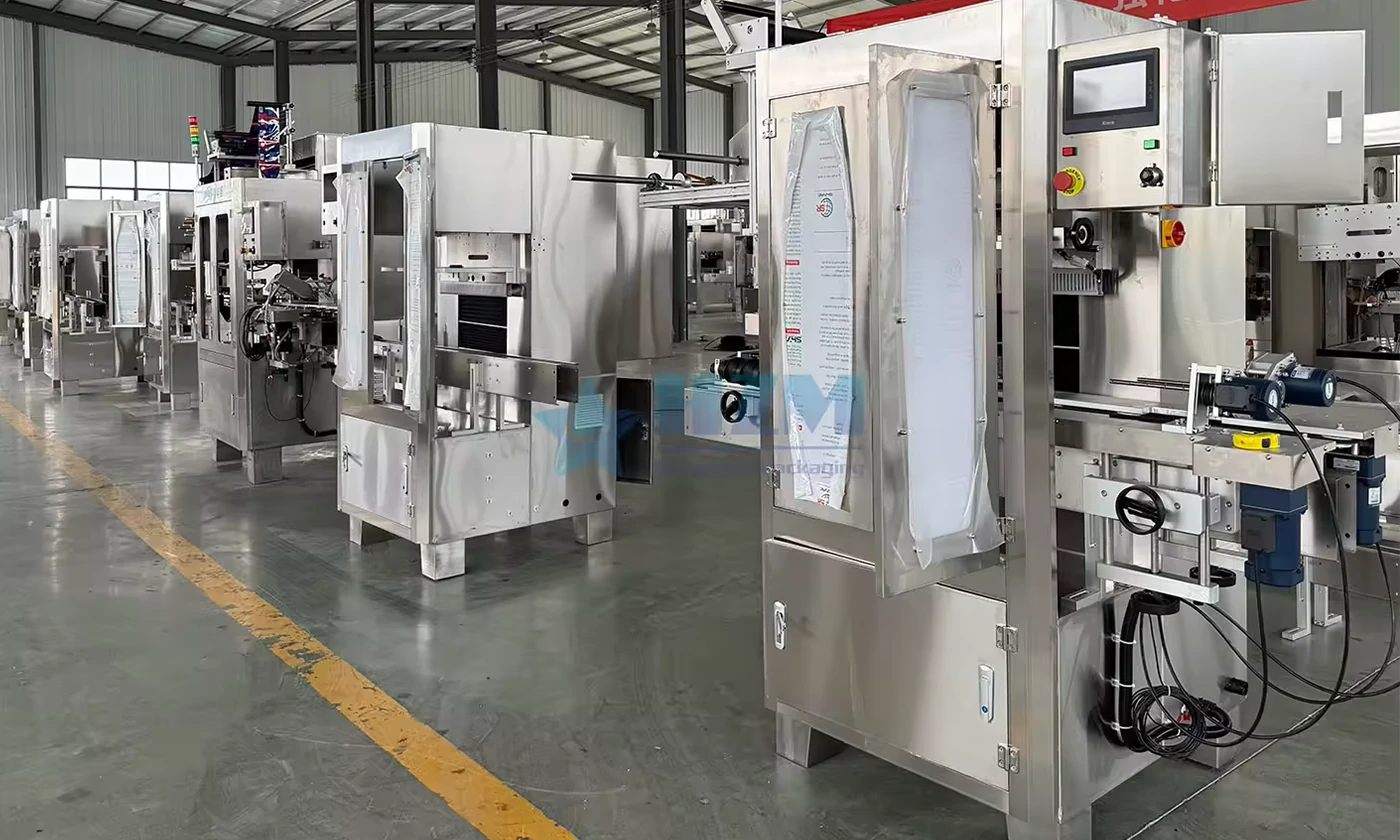
Equipment
Automatic High Speed Bottle Body Sleeve Labelling Machine
The automatic sleeve labelling machine applies shrink sleeves to bottle bodies for water and beverage packaging.
Learn more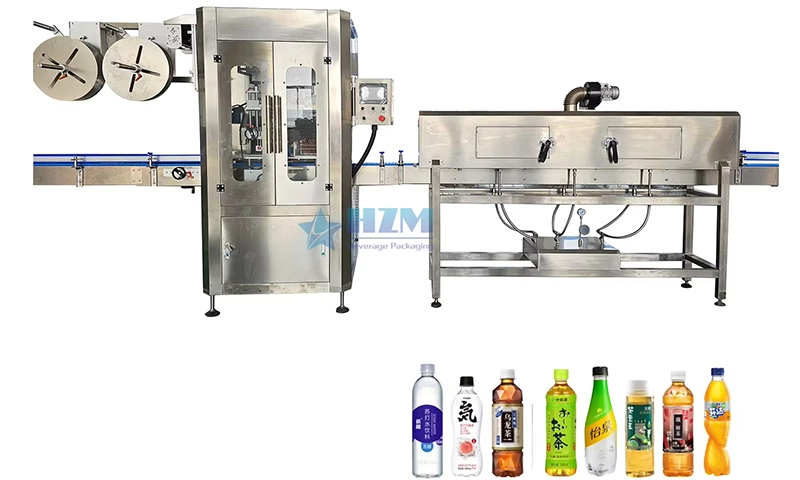
Equipment
Automatic Shrink Sleeve Bottles Labeling Capping Packing Machine
Automatic shrink sleeve application for beverage bottles, with SHB capacities of 9,000–27,000 bottles/hour.
Learn more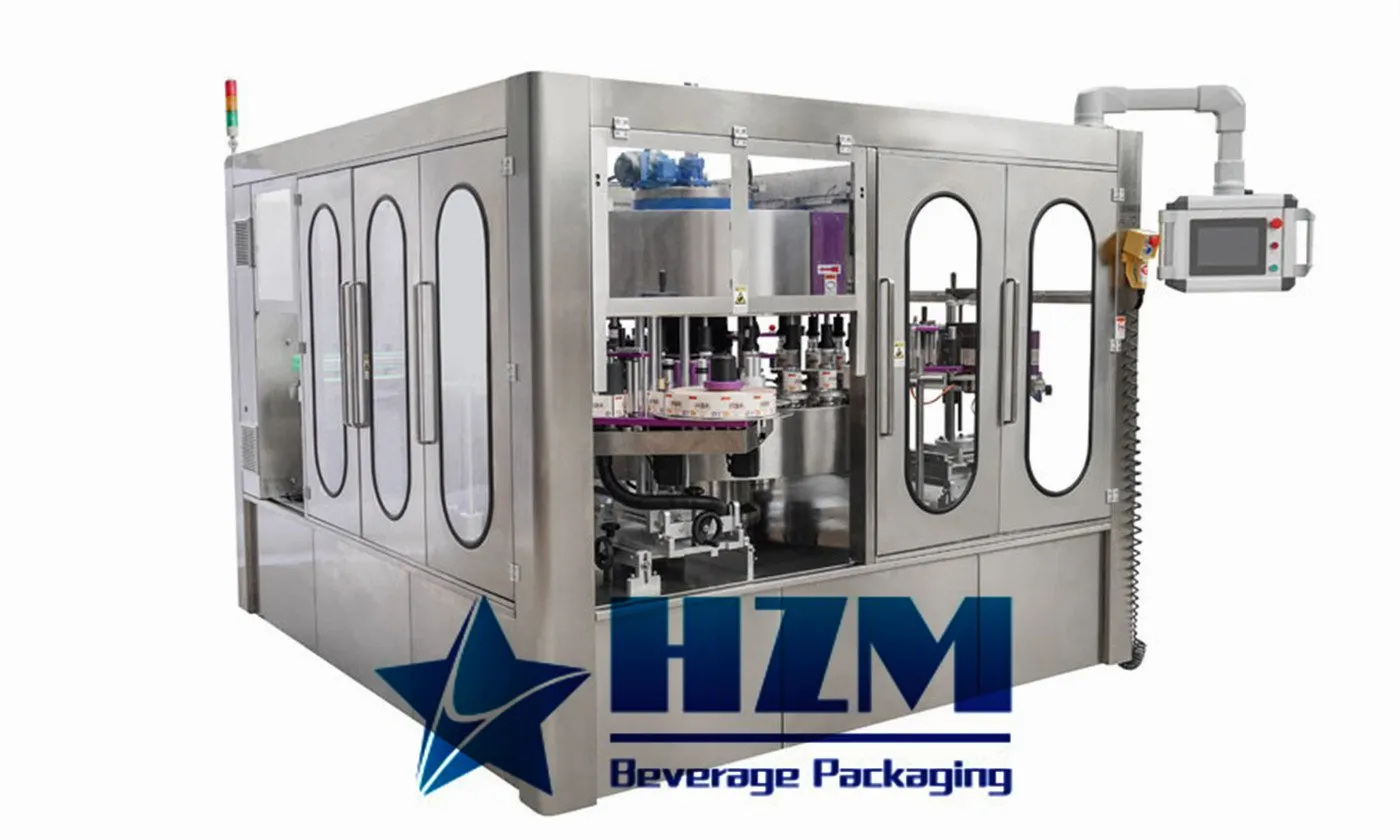
Equipment
Automatic Self-Adhesive Labeling Machine
Automatic self-adhesive labelling for cylindrical containers, with ALM models covering 90–600 bottles/minute.
Learn more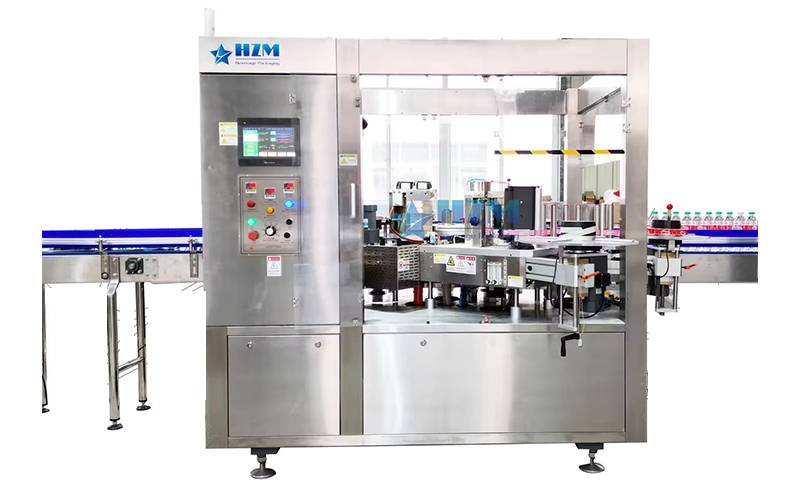
Equipment
Automatic Water Bottle Labeling Machine
Automatic hot-glue labelling for water and beverage bottles, with HG models from 8,000 to 24,000 bottles/hour.
Learn more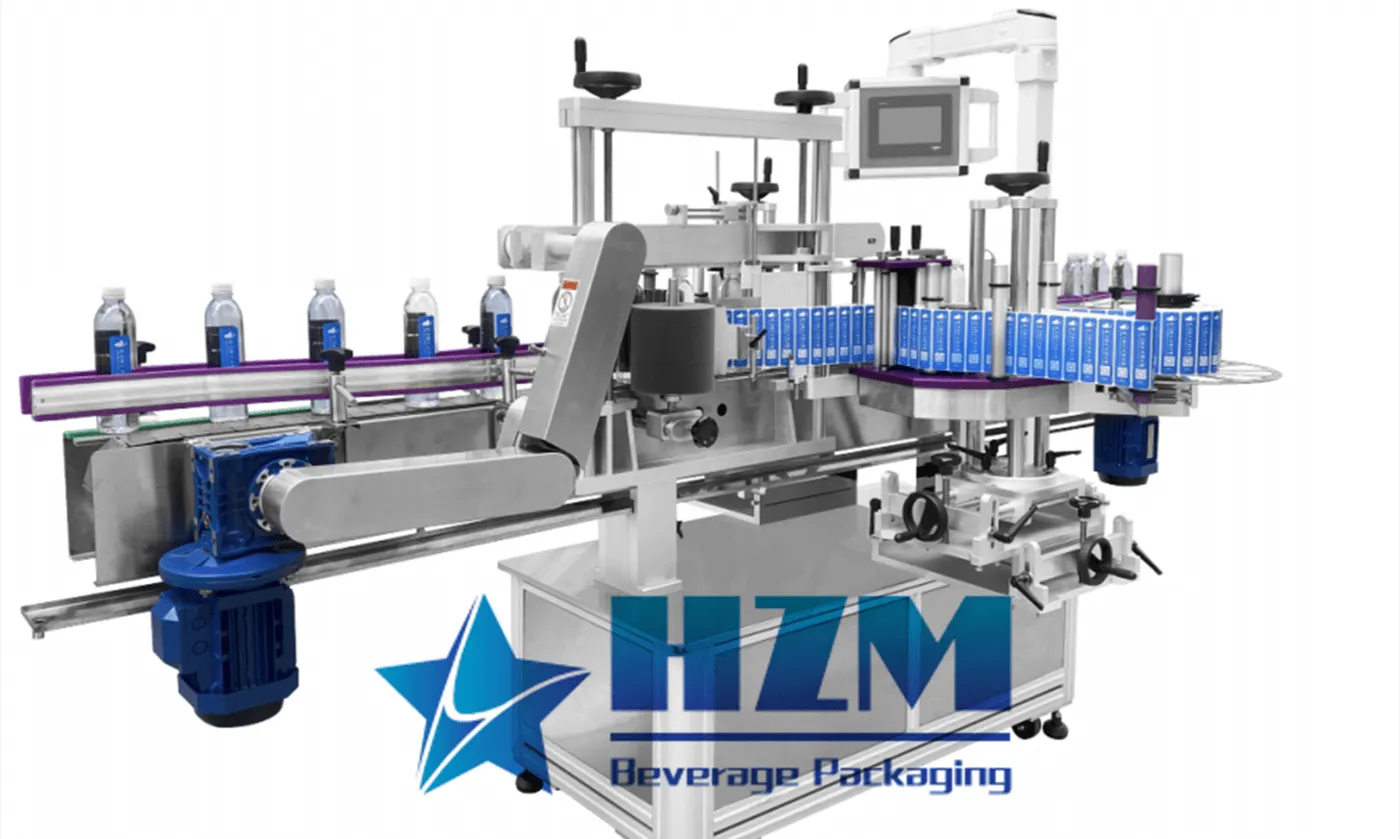
Equipment
Automatic Linear Type Adhesive Sticker Labeling Machine
The linear self-adhesive labelling machine applies pressure-sensitive labels to bottles and other containers.
Learn more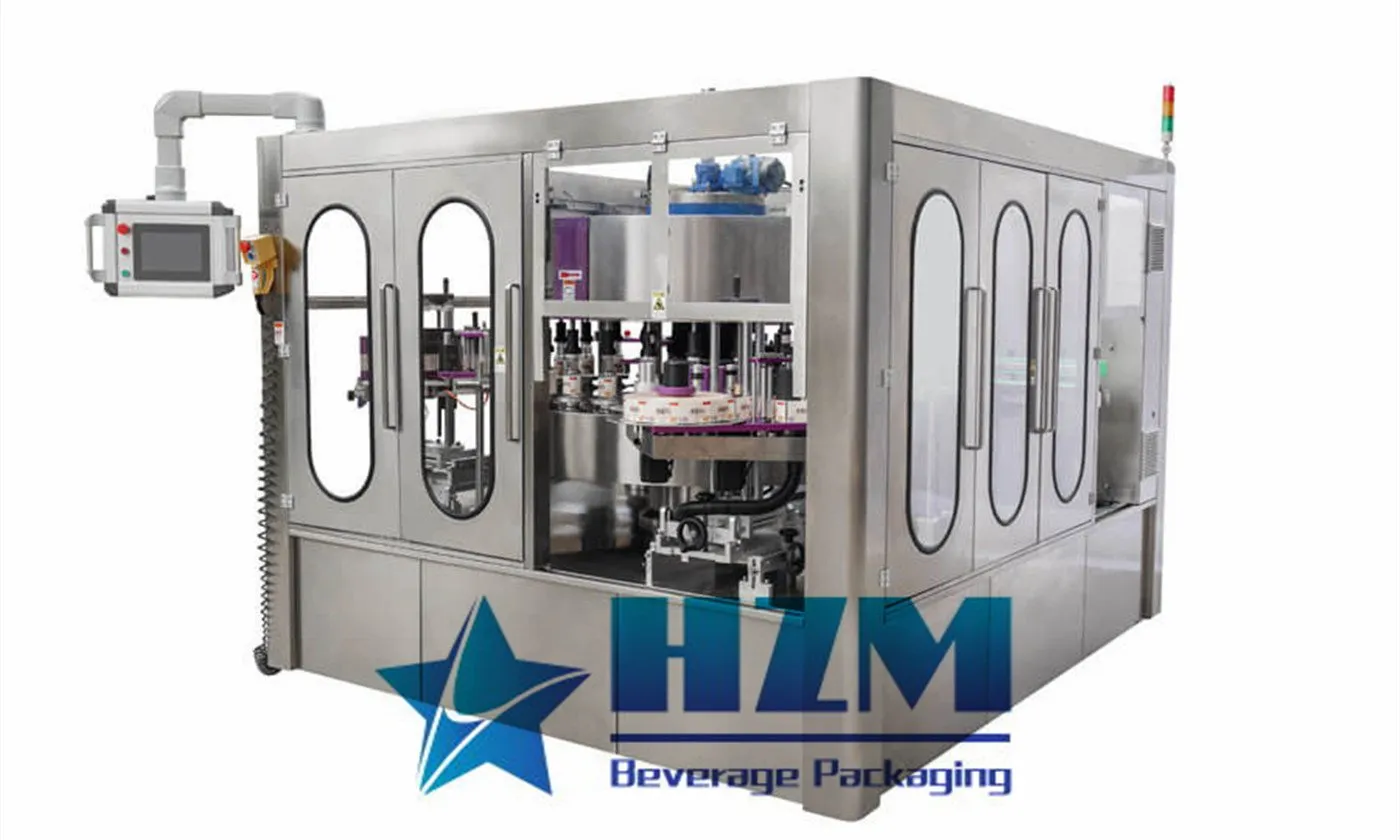
Equipment
Automatic Cold Glue Stick Labeling Machine
Cold-glue paper label application for beverage bottles, with LJ models from 12,000 to 32,000 bottles/hour.
Learn more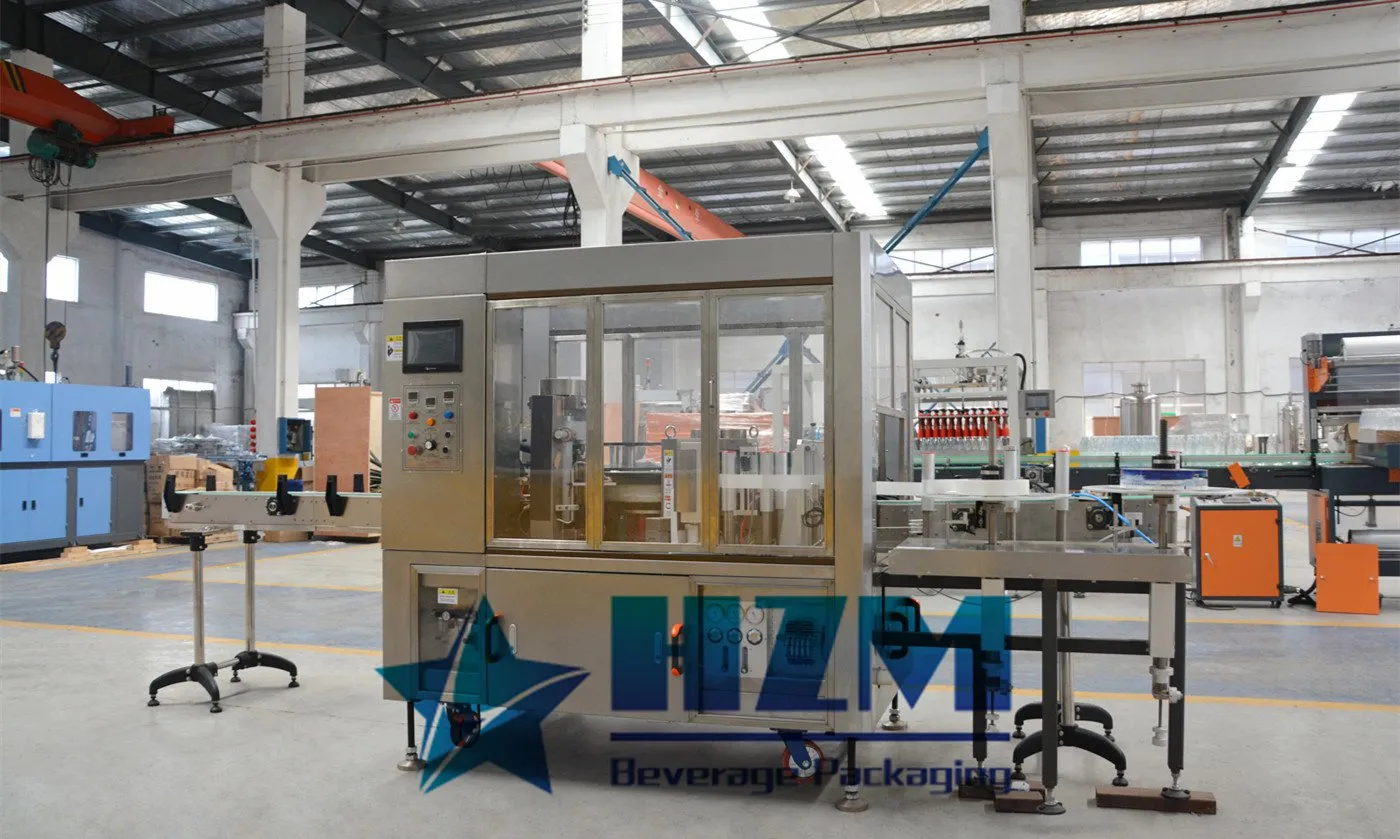
Equipment
Automatic Linear Type Hot Glue Labeling Machine
Linear hot-glue labelling for water and soft-drink bottles, using roll-fed OPP labels at 8,000–24,000 bottles/hour.
Learn more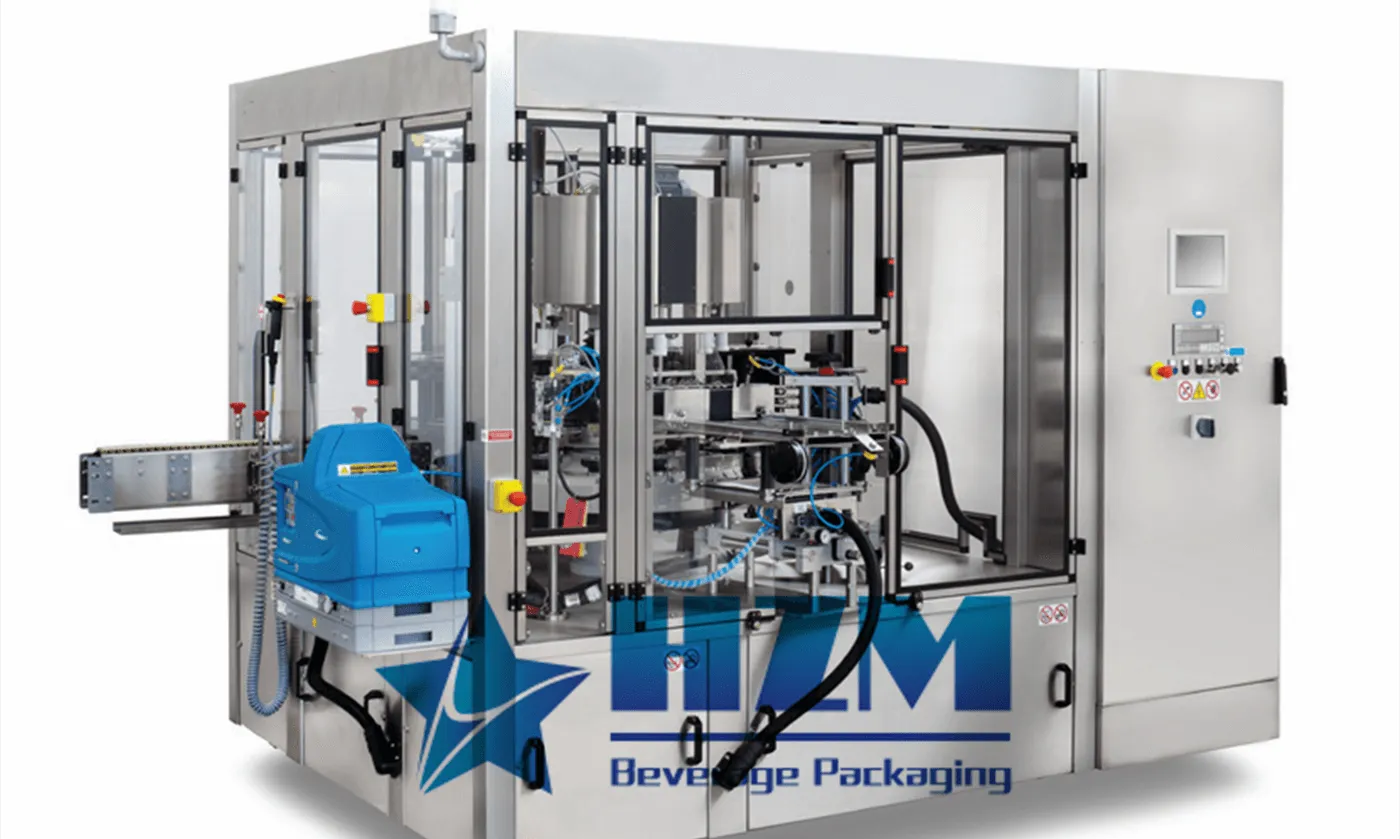
Equipment
Automatic BOPP Hot Glue Labeling Machine
Rotary BOPP hot-glue labelling for beverage containers, with RG models from 8,000 to 24,000 bottles/hour.
Learn more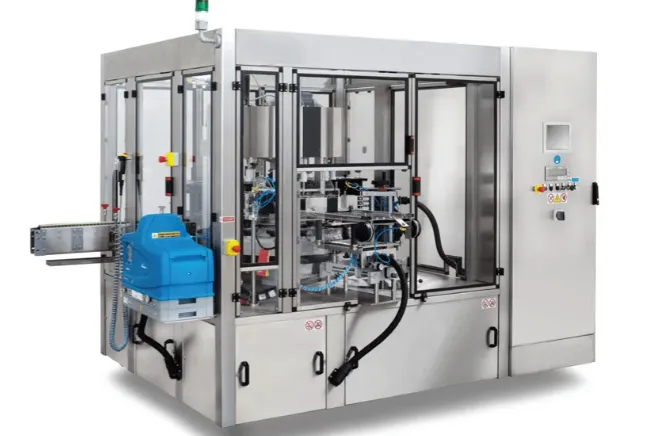
2023-06-01
How Do Label Machines Work?
Labels are vital aspects of every business because these help in different business aspects ranging from packaging to presentation, identification, and traceability. These serve as a communicating
Learn more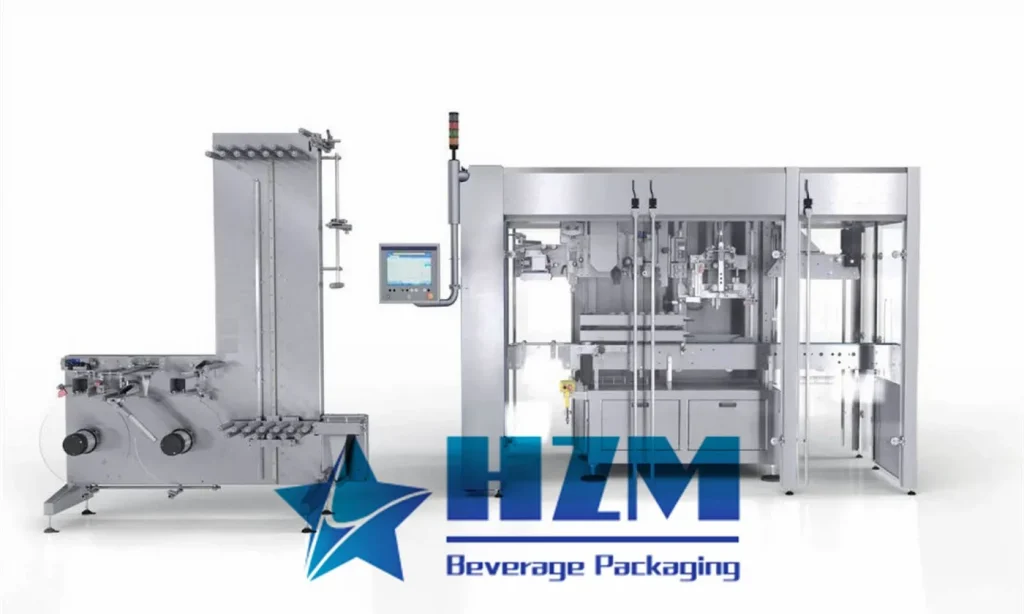
2023-11-03
Automatic 150BPM Sleeve Shrink Labeling Machine
We are a manufacturer specializing in the development, production, and sales of Automatic Sleeve Shrink Labeling Machines. We offer turnkey engineering solutions and have a team of professional after-sales service engineers, with a product warranty period of up to 24 months.
Learn more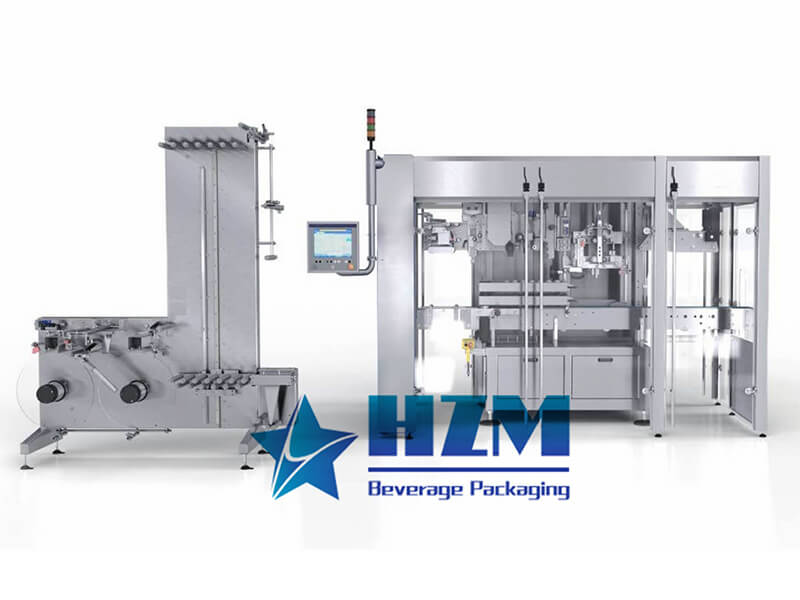
2023-03-24
What is a sleeve labeling machine? How does it work?
What is a sleeve labeling machine? What is it used for? In fact, the function of the sleeve labeling machine and the labeling machine is the same. They are both machines used to fix the label, but the difference from the labeling machine is that the sleeve labeling machine is a sleeve label, and the […]
Learn more2023-05-21
Automatic Sleeve Labeling Machines Purchasing price
Automatic Sleeve labeling machines are widely used label equipment in various industries, mainly for sleeve labeling and shrinking various bottled labels such as juice, tea drinks, dairy products, purified water, condiments, sports drinks, and more
Learn more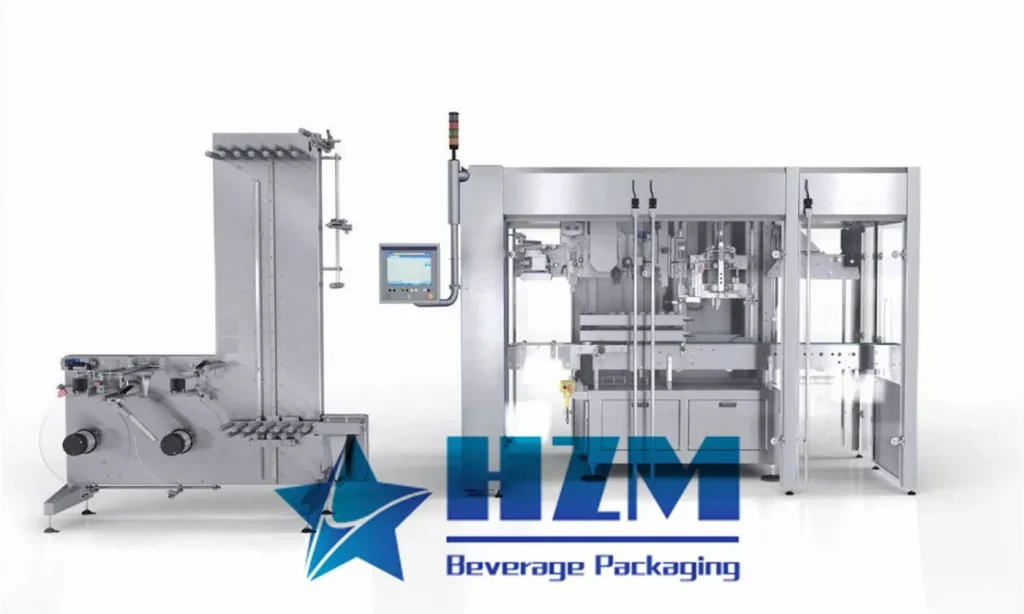
2023-06-16
Choosing a High-Quality Automatic Sleeve Labeling Machine
With the development of global markets and advancements in technology, automatic sleeve labeling machines have become increasingly important in the packaging industry. As efficient, precise, and reliable equipment, selecting a high-quality automatic sleeve labeling machine is crucial for enhancing production efficiency and product quality
Learn more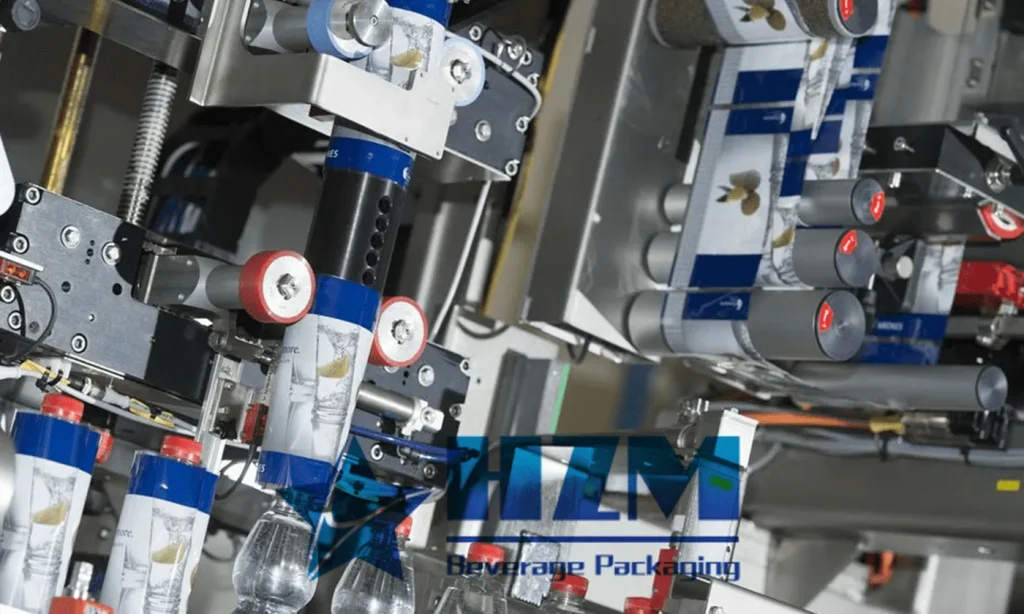
2023-06-16
A Reliable Manufacturer of Automatic Sleeve Labeling Machines
When it comes to Automatic Sleeve Labeling Machines, HZM Machinery stands out as a trustworthy manufacturer. This article highlights the key features of HZM Machinery, including direct sales prices, worry-free after-sales service, fast delivery, a 24-month warranty period, and support for OEM customization
Learn more