
Insights & Updates
Choosing a High-Quality Automatic Sleeve Labeling Machine
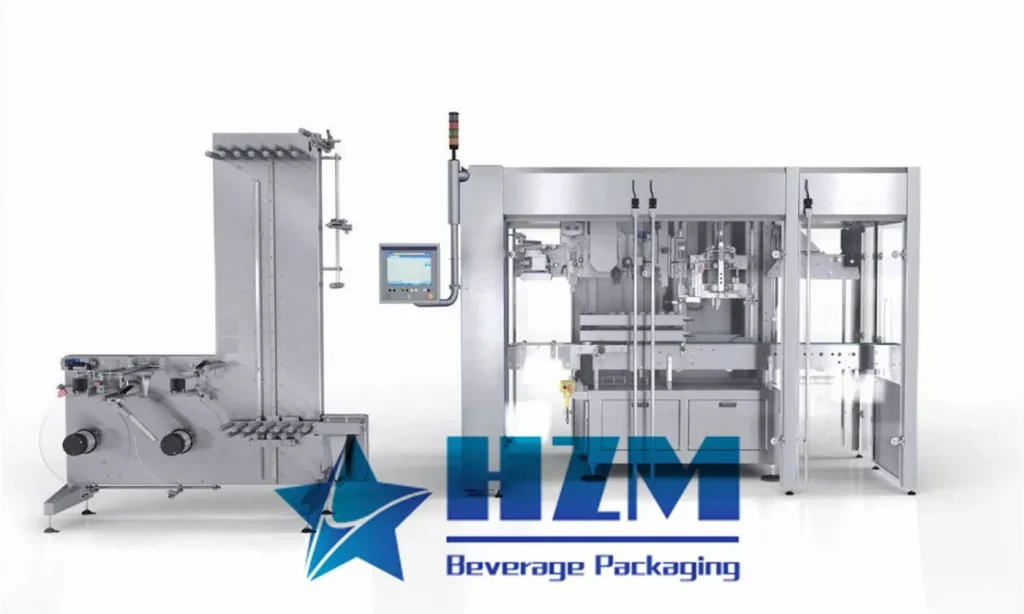
With the development of global markets and advancements in technology, automatic sleeve labeling machines have become increasingly important in the packaging industry. As efficient, precise, and reliable equipment, selecting a high-quality automatic sleeve labeling machine is crucial for enhancing production efficiency and product quality. This article will discuss key factors to consider when choosing a high-quality automatic sleeve labeling machine to assist you in making informed decisions.
- Equipment Brand and Reputation: Selecting a well-known brand and reputable manufacturer of automatic sleeve labeling machines is the primary step in ensuring high quality. These manufacturers typically possess extensive experience and technical expertise, and are committed to continuous improvement and innovation. By choosing a reputable brand, you can ensure that you are purchasing equipment that has undergone rigorous testing and quality control.
- Technical Specifications and Features: When selecting an automatic sleeve labeling machine, carefully consider whether its technical specifications and features meet your requirements. Key technical specifications include labeling speed, accuracy, and the range of applicable label sizes. Additionally, automatic sleeve labeling machines may offer additional features such as automatic adjustment, automatic fault detection, and traceability systems. Ensure that the chosen equipment possesses the necessary technical specifications and features to accommodate your production needs.
- Material Quality and Structural Design: The material quality and structural design of an automatic sleeve labeling machine directly impact its lifespan and stability. High-quality automatic sleeve labeling machines typically utilize wear-resistant and corrosion-resistant materials, along with robust structural designs. Additionally, consider the equipment’s ease of maintenance and cleanliness to ensure convenient daily upkeep and adherence to hygiene standards.
- Service and Support: Choosing a manufacturer that provides comprehensive after-sales service and support is a wise decision. Good after-sales service includes equipment installation and commissioning, operator training, regular maintenance, and prompt response to troubleshooting. Ensure that the manufacturer offers timely technical support and spare parts supply to minimize equipment downtime and production delays.
- References and Evaluations: Before finalizing the purchase of an automatic sleeve labeling machine, seeking references and evaluations from other users can be highly beneficial. You can read online forums, industry reviews, or consult with other companies that have experience with similar equipment. Gaining insights into the experiences and opinions of other users can help you comprehensively evaluate the performance and reliability of the equipment.
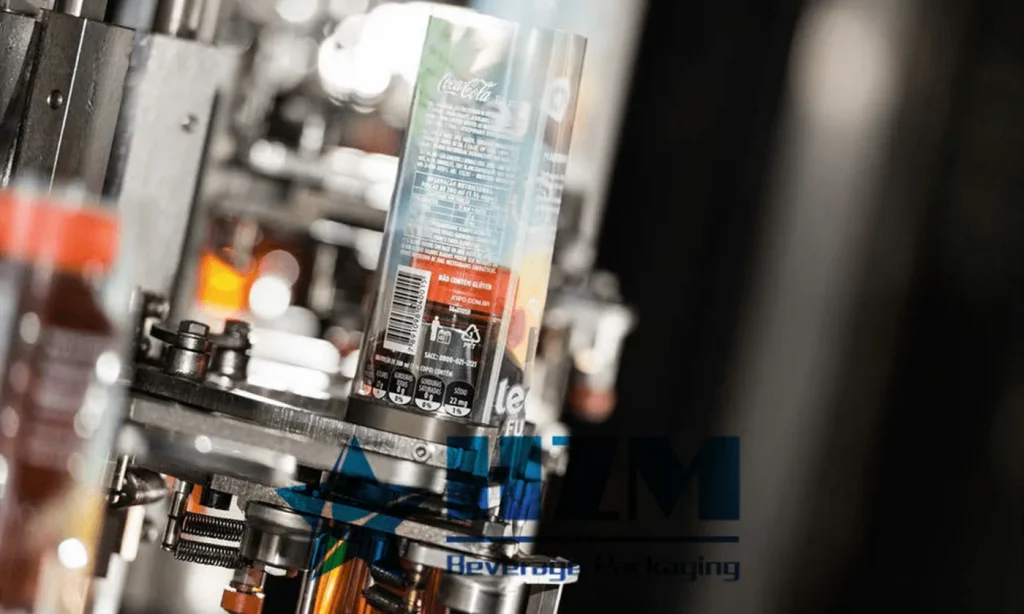
Conclusion: Choosing a high-quality automatic sleeve labeling machine is a critical step in improving production efficiency and product quality. By considering factors such as the equipment brand and reputation, technical specifications and features, material quality and structural design, service and support, as well as references and evaluations, you will be able to make informed decisions. Investing in a high-quality automatic sleeve labeling machine, such as the HZM, will provide long-term returns and a competitive edge to your business. The HZM brand ensures excellent equipment performance, reliability, and outstanding after-sales service, instilling confidence and efficiency in your production line.
Talk to our engineering team
Need help planning your packaging line?
Share your product, bottle and capacity requirements for a practical equipment recommendation.
Equipment
Automatic Sleeve Labeling Machine
Automatic shrink sleeve labelling for beverage bottles, with SHB models from 9,000 to 27,000 bottles/hour.
Learn more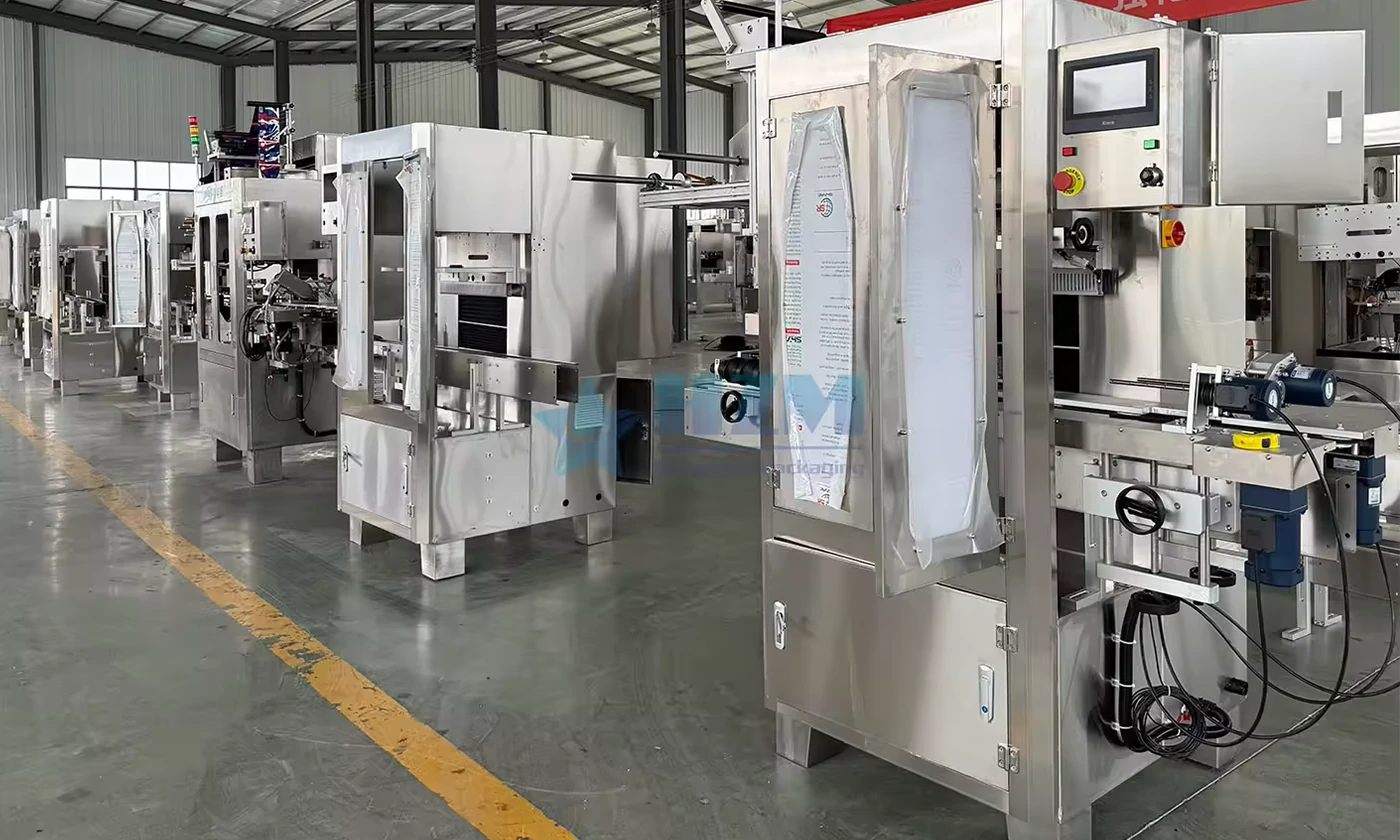
Equipment
Automatic High Speed Bottle Body Sleeve Labelling Machine
The automatic sleeve labelling machine applies shrink sleeves to bottle bodies for water and beverage packaging.
Learn more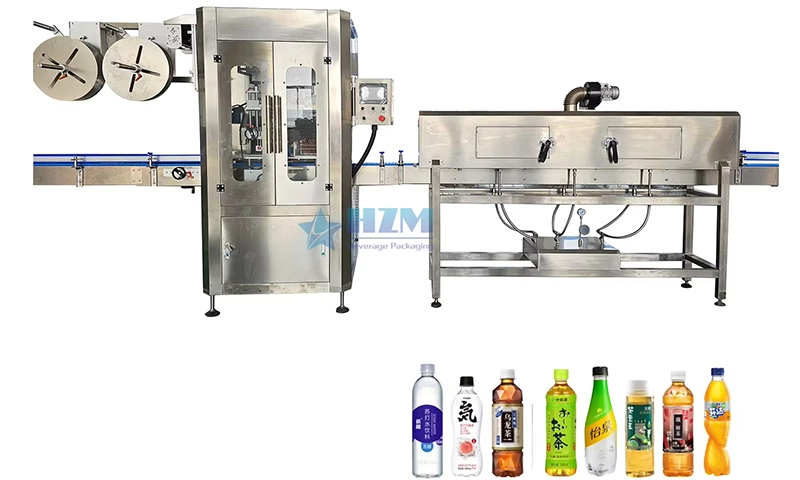
Equipment
Automatic Shrink Sleeve Bottles Labeling Capping Packing Machine
Automatic shrink sleeve application for beverage bottles, with SHB capacities of 9,000–27,000 bottles/hour.
Learn more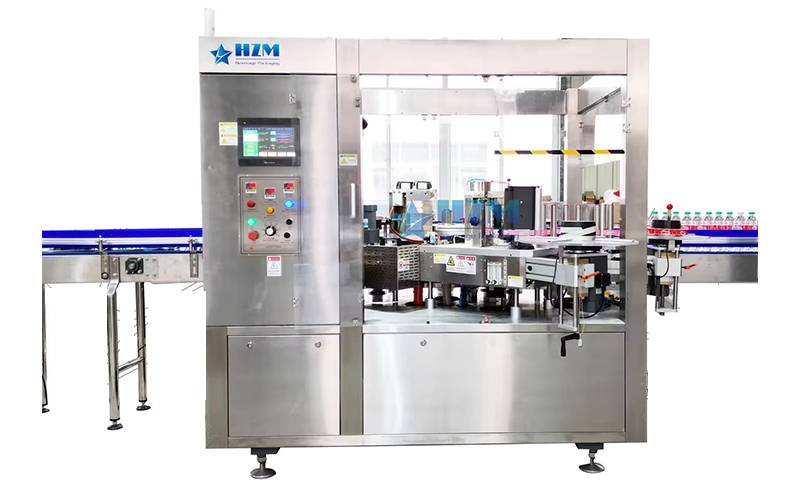
Equipment
Automatic Water Bottle Labeling Machine
Automatic hot-glue labelling for water and beverage bottles, with HG models from 8,000 to 24,000 bottles/hour.
Learn more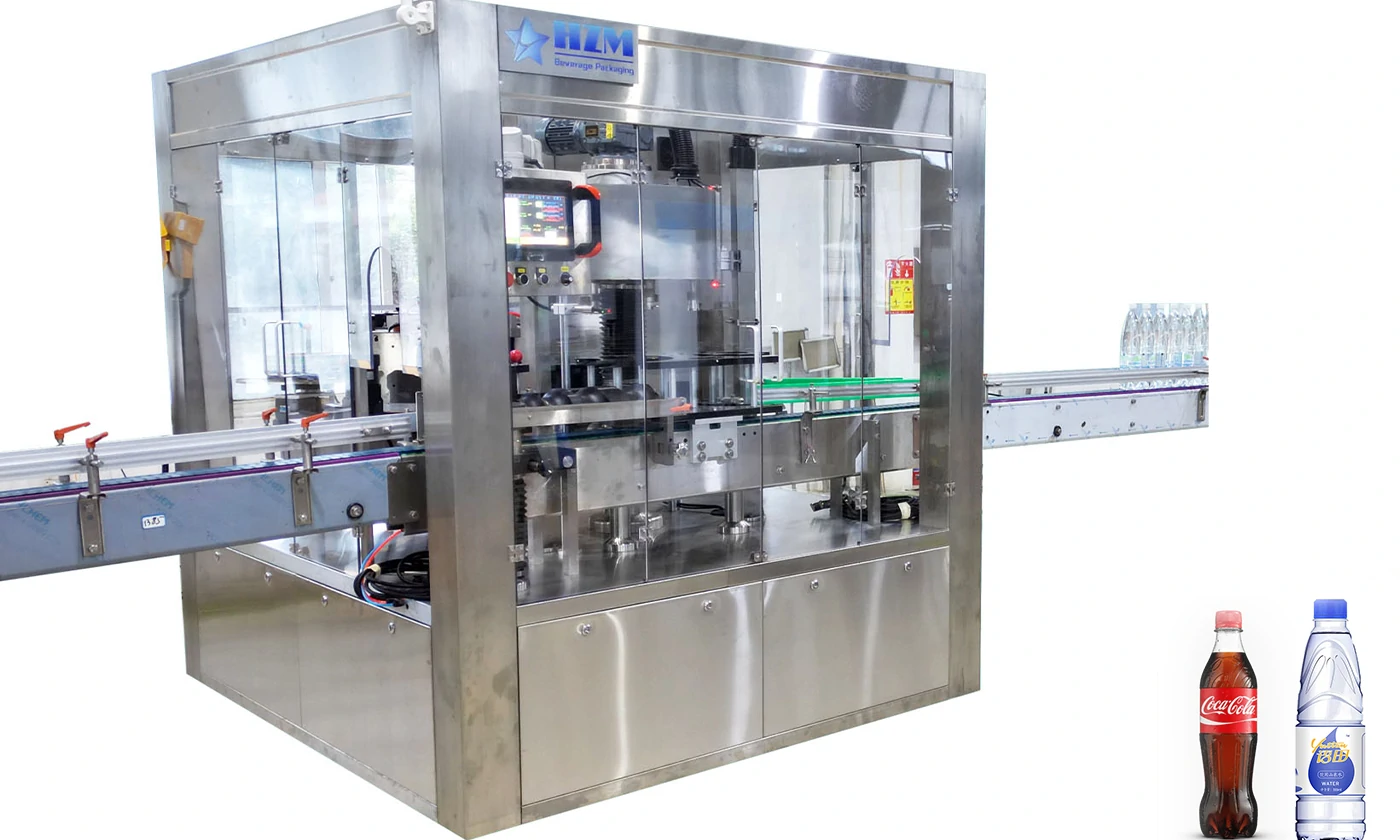
Equipment
Automatic BOPP labeling machine
Automatic BOPP hot-glue labelling for cylindrical containers, with a labelling speed of 12,000 bottles/hour.
Learn more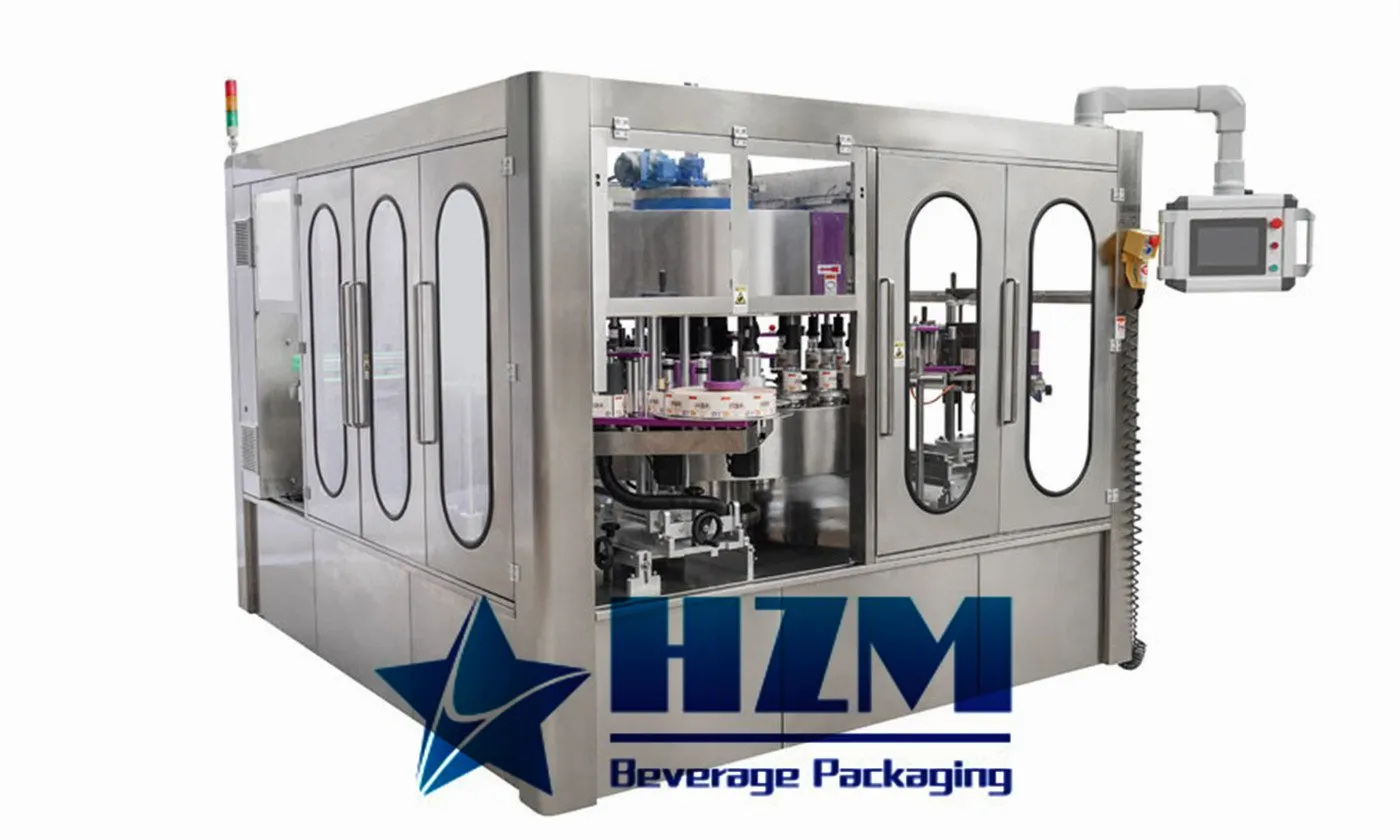
Equipment
Automatic Self-Adhesive Labeling Machine
Automatic self-adhesive labelling for cylindrical containers, with ALM models covering 90–600 bottles/minute.
Learn more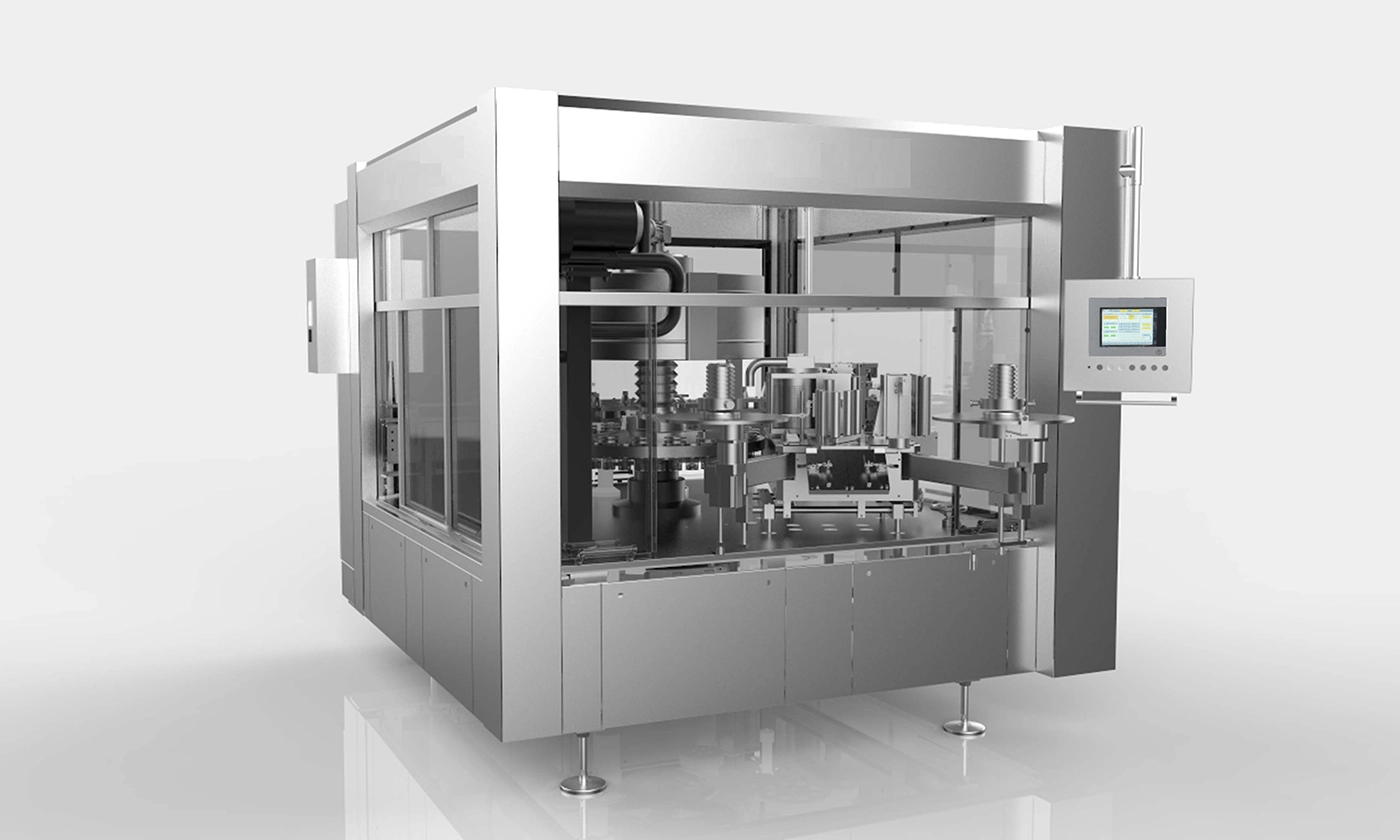
Equipment
Automatic rotary OPP labeling machine: Bottle labeling machine
RH8 rotary OPP and BOPP labelling for round containers, with speeds of 4,000–12,000 bottles/hour for 500–2,000 ml containers.
Learn more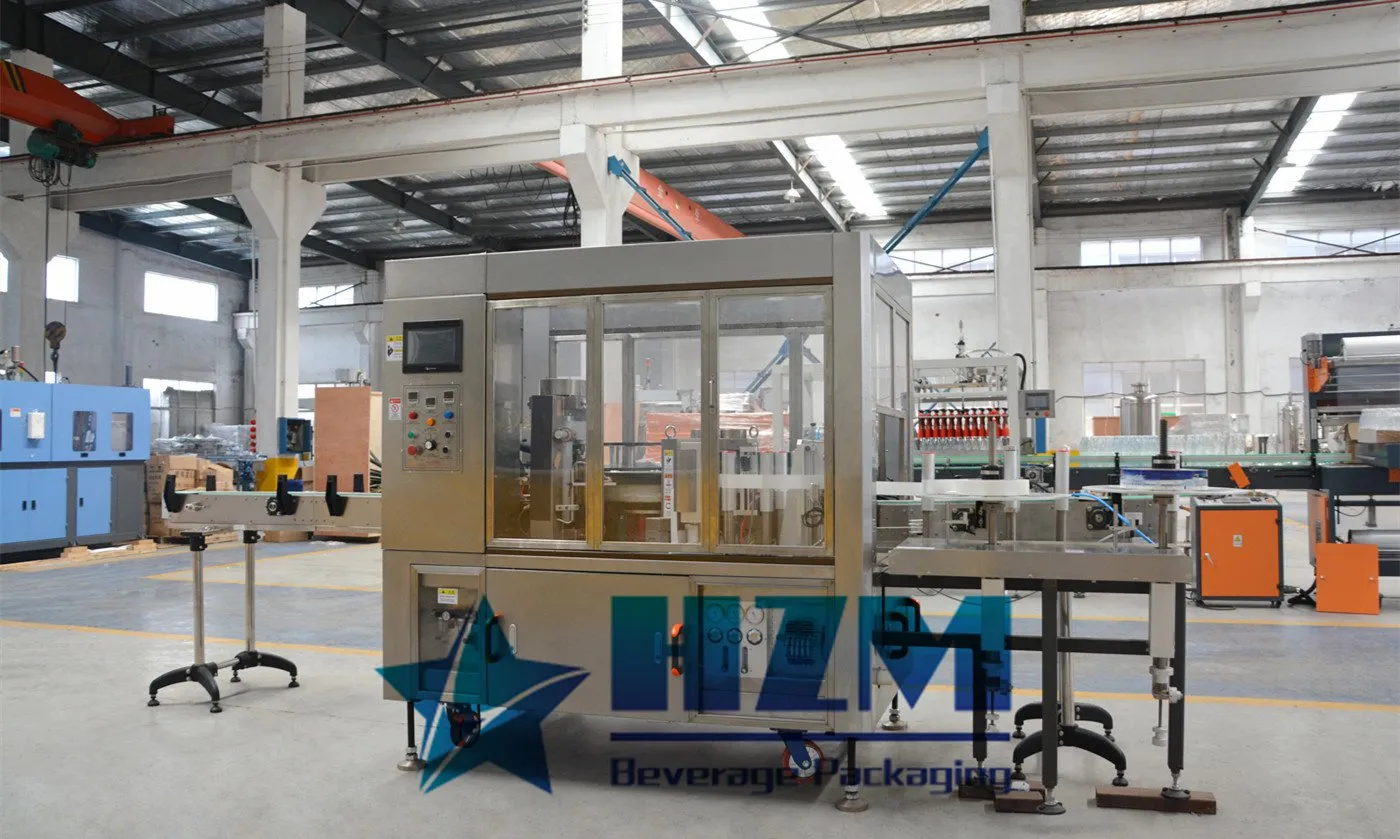
Equipment
Automatic Linear Type Hot Glue Labeling Machine
Linear hot-glue labelling for water and soft-drink bottles, using roll-fed OPP labels at 8,000–24,000 bottles/hour.
Learn more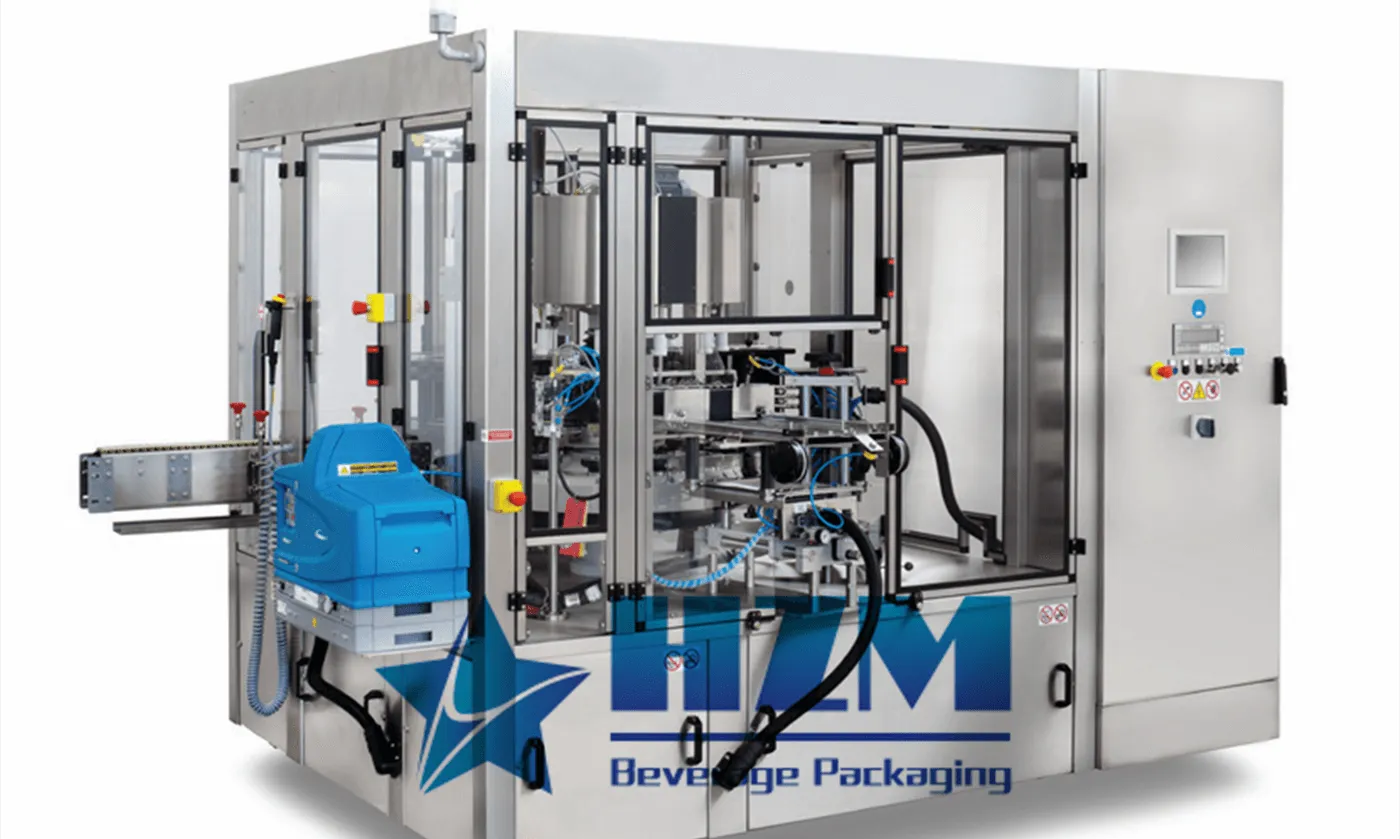
Equipment
Automatic BOPP Hot Glue Labeling Machine
Rotary BOPP hot-glue labelling for beverage containers, with RG models from 8,000 to 24,000 bottles/hour.
Learn more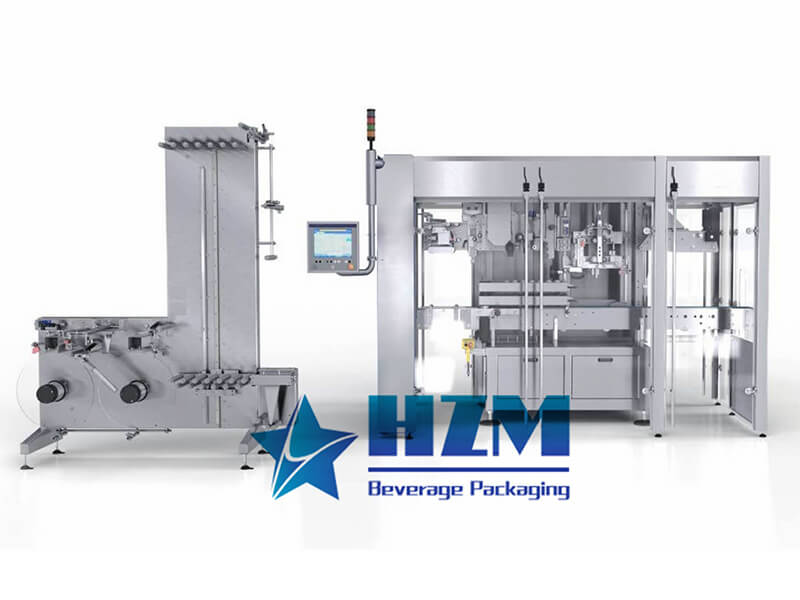
2023-03-24
What is a sleeve labeling machine? How does it work?
What is a sleeve labeling machine? What is it used for? In fact, the function of the sleeve labeling machine and the labeling machine is the same. They are both machines used to fix the label, but the difference from the labeling machine is that the sleeve labeling machine is a sleeve label, and the […]
Learn more2023-05-21
Automatic Sleeve Labeling Machines Purchasing price
Automatic Sleeve labeling machines are widely used label equipment in various industries, mainly for sleeve labeling and shrinking various bottled labels such as juice, tea drinks, dairy products, purified water, condiments, sports drinks, and more
Learn more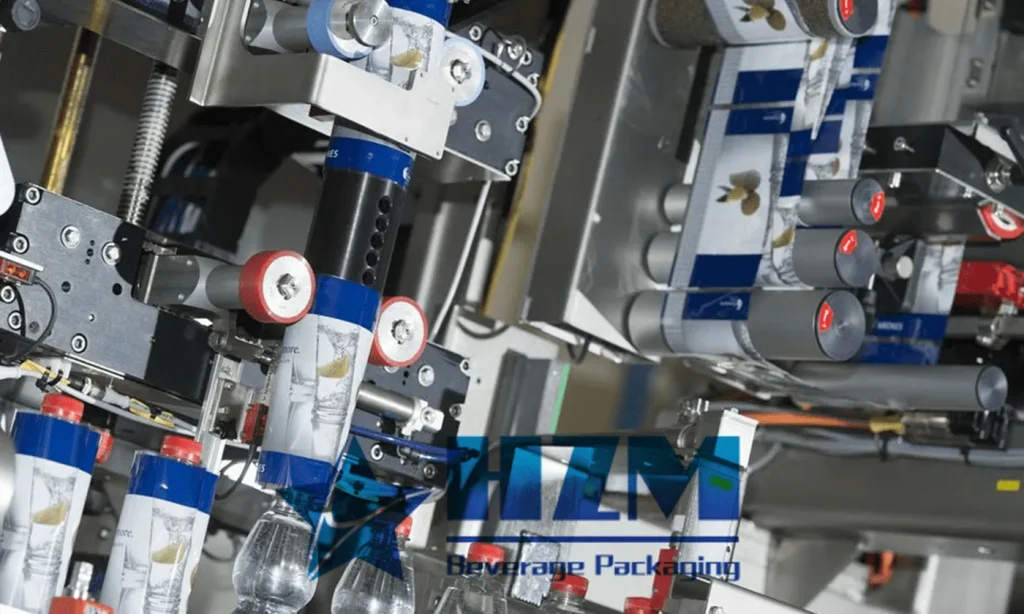
2023-06-16
A Reliable Manufacturer of Automatic Sleeve Labeling Machines
When it comes to Automatic Sleeve Labeling Machines, HZM Machinery stands out as a trustworthy manufacturer. This article highlights the key features of HZM Machinery, including direct sales prices, worry-free after-sales service, fast delivery, a 24-month warranty period, and support for OEM customization
Learn more2023-08-24
Automatic Water Bottle Sleeve Labeling Machine
The Automatic Water Bottle Sleeve Labeling Machine finds its application in a wide range of scenarios, particularly within industries that rely heavily on packaging.It caters to water bottling companies, beverage producers, cosmetics manufacturers, and even pharmaceutical firms.
Learn more2023-06-16
User Guide for Automatic Sleeve Labeling Machine
The Automatic Sleeve Labeling Machine is an essential piece of equipment widely used in various industries for labeling processes. To ensure efficient operation and safe use of the machine, this article provides tips for using the equipment effectively, maintaining and servicing it, troubleshooting common issues, and following proper safety procedures
Learn more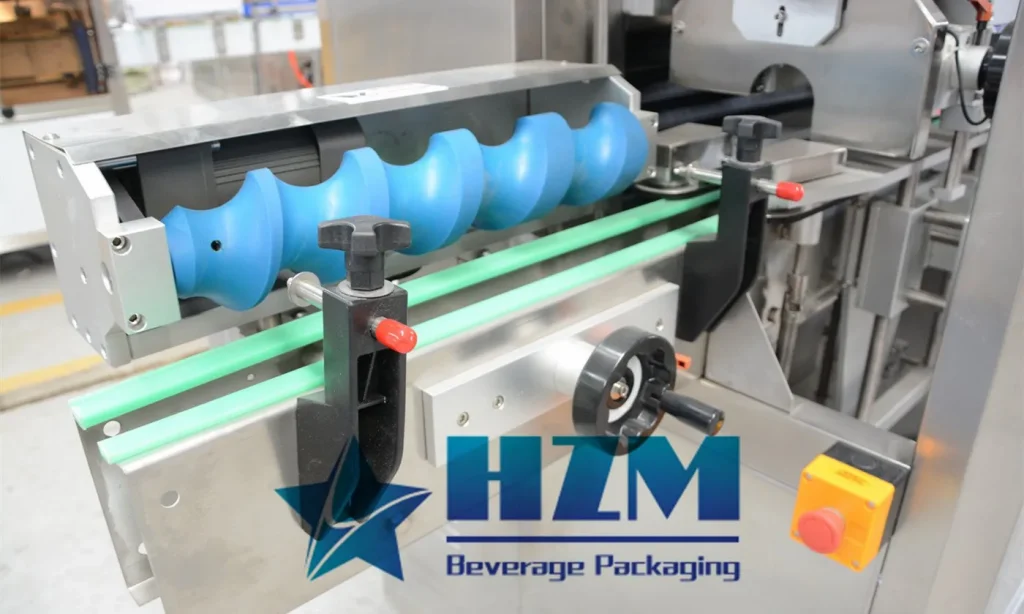
2023-06-16
Applications of Automatic Sleeve Labeling Machines in Various Industries
This article explores the applications of automatic sleeve labeling machines in different industries such as juice, tea beverages, dairy products, purified water, condiments, and sports drinks, showcasing their significant role in enhancing production efficiency and product quality.
Learn more